Best Skin Scrubber: How to Choose an Ultrasonic Spatula for Your Skin
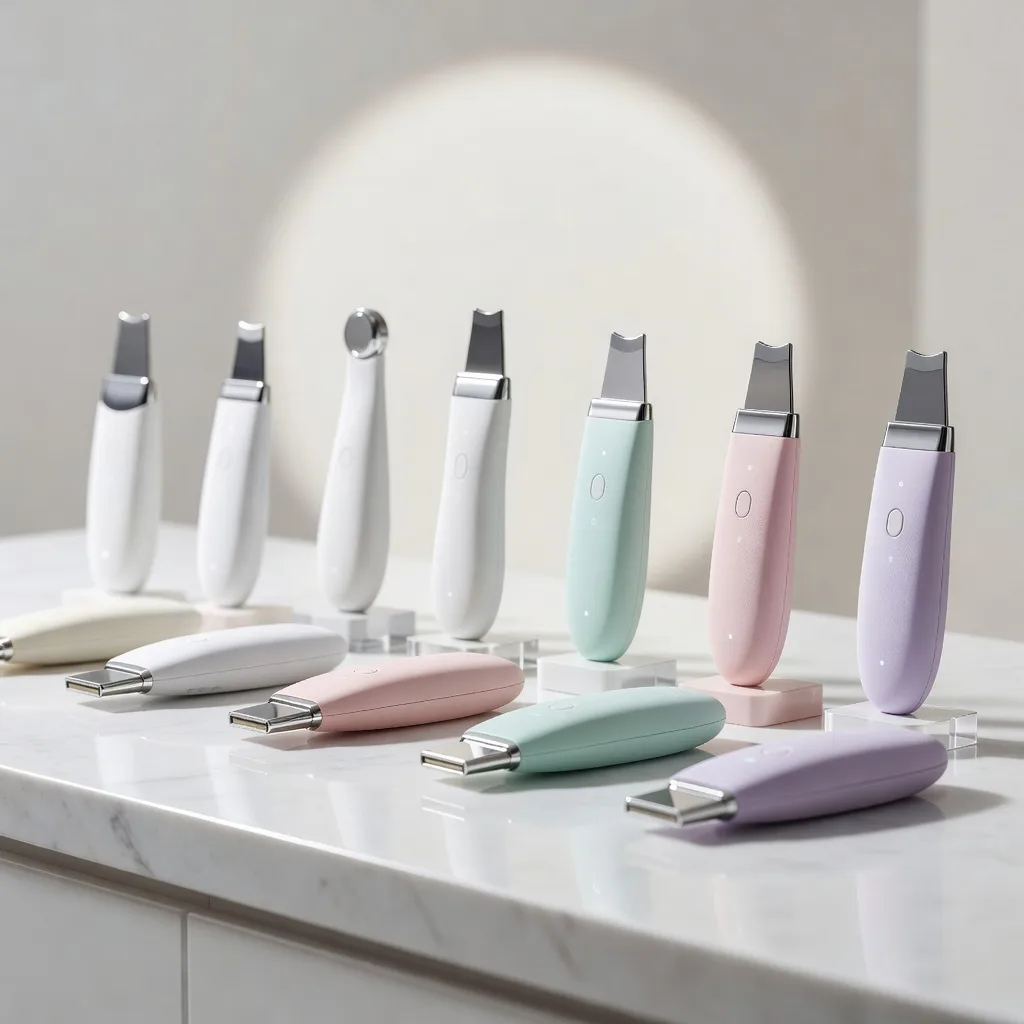
Skin scrubbers, also called ultrasonic spatulas, skin scrapers or peeling spatulas, are flat metal blades that vibrate very quickly. Videos of oil and debris lifting off the nose have made them popular, but it helps to understand what the device is really doing before you pick one.
Part of our guide to at-home facial devices. Start with: 10 Best Facial Tools (2026): LED, Cleansing, Gua Sha and More
The best skin scrubber is a well-made ultrasonic spatula with a smooth, rounded stainless steel blade, at least two intensity or mode settings, a waterproof body and clear instructions for use on damp skin. Used gently once or twice a week, it can loosen surface oil, dead skin and some sebaceous filaments, and help skin feel smoother. It will not permanently shrink pores, clear deep blackheads or treat acne, and it is not suitable for inflamed breakouts, rosacea, broken skin or very sensitive skin. Choose one with a low setting and use light pressure, because harder is not better.
In short: a gentle, smooth-edged spatula with adjustable settings is the best choice for most people, and restraint matters more than power.
The American Academy of Dermatology advises choosing exfoliation methods that suit your skin type and avoiding aggressive scrubbing, which is the right lens for any mechanical exfoliating tool.
This practical buying guide covers how skin scrubbers work, which features to compare, who should skip them, how to use one without irritating your skin and when a dermatologist can help more than any home gadget.
Shopping these picks?
Amazon Prime members get fast, free shipping on eligible items, plus Prime Video, Amazon Music and member deals. New members can start with a free trial.
Start a free Prime trialAged 18 to 24? Prime for Young Adults comes with a longer free trial and a lower price after it.
Affiliate link: we may earn a commission at no extra cost to you.
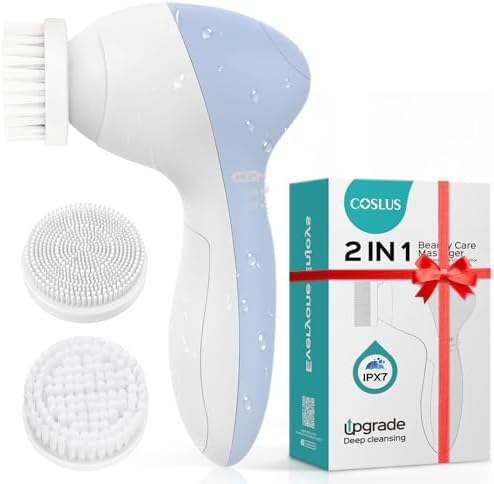
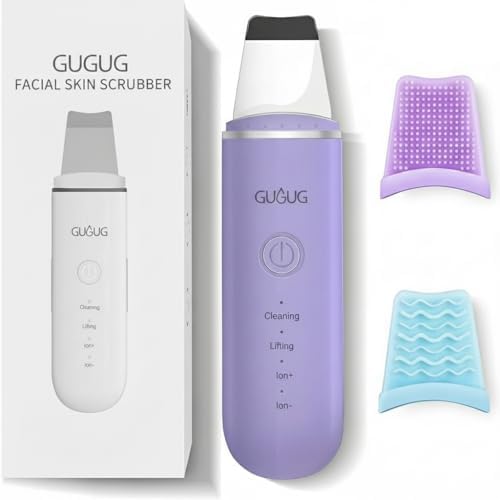
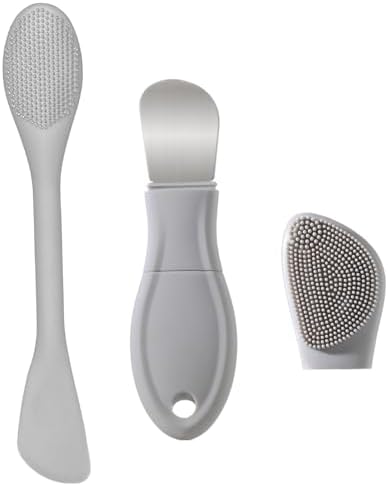
Recommended Ultrasonic Skin Scrubbers on Amazon



Contents
- What a Skin Scrubber Does (and Does Not Do)
- Features to Compare Before You Buy
- Is a Skin Scrubber Right for Your Skin Type?
- Preparing Your Skin
- How to Use an Ultrasonic Skin Scrubber
- Cleaning and Caring for the Device
- Skin Scrubber vs Other Pore-Cleaning Tools
- Common Mistakes That Cause Irritation
- Gentler Alternatives Worth Considering
- Dos and Don’ts
- Honest Limits
- When to See a Dermatologist
- Questions People Ask
- Where This Leaves You
What to Know First
- A skin scrubber is a vibrating metal spatula that loosens surface oil and dead skin.
- Look for a smooth, rounded blade and at least two intensity settings.
- Use it on damp skin, with the blade angled and light pressure.
- Once or twice a week is enough for most skin types.
- It does not permanently shrink pores or clear deep blackheads.
- Skip it on active acne, rosacea, broken or very sensitive skin.
- Clean and dry the blade after every use.
What a Skin Scrubber Does (and Does Not Do)
An ultrasonic skin scrubber vibrates its blade at a very high frequency. When the blade glides over damp skin at an angle, the vibration and the water help lift loose dead cells, surface oil and softened plugs from the openings of pores. Some models also have a mode that is marketed for helping serums absorb, and some add gentle electrical currents.
| Claim | What is realistic |
|---|---|
| Removes surface oil and debris | Yes, especially on damp skin |
| Smooths rough texture | Mild, temporary smoothing is common |
| Clears blackheads | Can loosen soft, shallow ones; deep ones need other treatment |
| Shrinks pores | No lasting change; pores may look less obvious briefly |
| Treats acne | No, and it can irritate inflamed spots |
| Boosts serum absorption | Evidence is limited; results are hard to notice |
Much of what you see in online videos is sebaceous filaments, a normal lining of oil in pores that refills within days. Our guide on sebaceous filaments vs blackheads explains why no tool keeps them away for good. Seeing them come out again a week later does not mean the device has failed; it simply means your skin is producing oil as it normally does.
Features to Compare Before You Buy
Most skin scrubbers look alike, but a few details affect comfort and safety.
| Feature | What to look for | Why it matters |
|---|---|---|
| Blade | Smooth, polished stainless steel with rounded edges | Sharp or rough edges can scratch the skin |
| Settings | At least two intensity or mode levels | Lets you start gently and adjust |
| Water resistance | Waterproof or splash-resistant | The device is used on wet skin and needs rinsing |
| Charging | Rechargeable with a sealed port | Avoids battery swaps and water entering the device |
| Auto shut-off | Timer or automatic stop | Helps prevent over-treating one area |
| Grip | Light and easy to angle | Better control on the nose and chin |
| Instructions | Clear guidance on angle and time | Poor instructions lead to over-use |
Extra modes such as ionic, EMS or massage settings are optional. They add to the price but have little solid evidence behind them, so the blade quality and a gentle setting matter more.
Is a Skin Scrubber Right for Your Skin Type?
Mechanical exfoliation suits some skin types far better than others.
- Oily or combination skin: usually tolerates it best, especially on the nose and chin.
- Normal skin: fine once a week as an occasional treat.
- Dry skin: use sparingly, on the lowest setting, and moisturise straight after.
- Sensitive skin or rosacea: generally better avoided.
- Acne-prone skin: avoid inflamed spots and pustules; do not use over active breakouts.
- Darker skin tones: go gently, as irritation can leave dark marks.
If your skin reacts easily, our guide on how often to exfoliate sensitive skin explains safer frequencies and gentler methods.
Preparing Your Skin
Good preparation makes the scrubber more effective and less irritating.
- Remove makeup and sunscreen first.
- Cleanse with a gentle cleanser.
- Soften the skin with a warm, damp cloth for a minute or two, or use it after a shower.
- Keep the skin wet with water or a simple toner while you work.
- Tie back hair and remove jewellery near the face.
Skin should stay wet the whole time. The blade relies on moisture to lift debris, and dragging it across dry skin increases friction and the risk of redness. Some people like to use a thin layer of hydrating toner or a water-based gel instead of plain water, because it evaporates more slowly. Avoid oils and thick creams during the session, as they cushion the blade and make it harder to see what you are doing.
How to Use an Ultrasonic Skin Scrubber
Always follow your device’s instructions. These steps describe the gentle approach most manufacturers recommend.
Cleanse and dampen
Wash your face and keep the skin visibly wet.
Choose the lowest setting
Start gently until you know how your skin responds.
Angle the blade
Hold the blade at a shallow angle, around 30 to 45 degrees, with the edge facing the direction of travel.
Glide slowly
Move in short strokes with almost no pressure; let the vibration do the work.
Rinse the blade often
Wipe or rinse away debris and re-wet the skin every few strokes.
Limit the time
Spend no more than a minute or two on the nose and chin, and avoid the eye area.
Soothe and protect
Apply a gentle moisturiser, and use sunscreen the next morning.
Use the scrubber in the evening. Skin can look slightly pink straight afterwards, and giving it overnight to settle means you are less likely to layer makeup or strong actives on top.
Cleaning and Caring for the Device
Because a skin scrubber touches damp skin and lifts oil and debris, it needs regular cleaning to stay hygienic.
- Rinse the blade with warm water after each use.
- Wipe it with a little gentle soap or an alcohol wipe, avoiding the charging port.
- Dry it fully before storing.
- Keep it in a clean, dry place, not in a damp shower tray.
- Never share it with someone else.
If the blade becomes scratched, bent or rough, stop using it. A damaged edge is more likely to cause micro-scratches, and the same cleaning habits you use for brushes and sponges will keep the blade hygienic between sessions.
Skin Scrubber vs Other Pore-Cleaning Tools
Several home gadgets promise cleaner pores. They work in different ways and carry different risks, so it helps to compare them side by side before deciding which, if any, to buy.
- Ultrasonic skin scrubber: gentle surface lifting on wet skin; low risk when used lightly.
- Pore vacuum: suction can cause broken capillaries and bruising, especially on thin or sensitive skin.
- Metal comedone extractor: can remove individual soft blackheads but easily causes marks and scarring if pressed too hard.
- Silicone cleansing brush: helps spread cleanser and mildly exfoliate; must be kept very clean.
- Pore strips: pull out the tops of plugs and some fine hairs; results last only days.
Of these, a skin scrubber used gently tends to be one of the lower-risk options, which is part of its appeal. That said, a good chemical exfoliant used a few nights a week often does more for clogged pores over time than any tool, because it works inside the pore rather than only on the surface. Our guide on how to deep clean your pores compares these routes in more detail.
Common Mistakes That Cause Irritation
Most problems with skin scrubbers come from using them too hard, too often or on the wrong skin. Watch out for these habits.
- Holding the blade upright so the edge digs in rather than glides.
- Going over the same patch again and again to chase more debris.
- Letting the skin dry out halfway through the session.
- Using the device straight after a retinoid, acid toner or face scrub.
- Treating the whole face every day instead of targeting oily areas weekly.
If your skin looks pink for more than an hour afterwards, feels hot or stings when you apply moisturiser, you have done too much. Give it a week to settle, then return to a lower setting and a shorter session.
Gentler Alternatives Worth Considering
A skin scrubber is not the only way to keep pores clear and texture smooth. For many people, a simple routine does as much with less risk.
The AAD explains in its overview of microdermabrasion that professional mechanical exfoliation uses a device to gently remove the outer layer of skin, and a home spatula is a far milder cousin of that idea. Leave-on or wash-off salicylic acid helps clear oil inside pores, and lactic or glycolic acid products smooth rough texture. Clay masks can temporarily absorb surface oil. Regular gentle cleansing, sunscreen and a non-comedogenic moisturiser often make pores look less obvious over time. If you want professional deep cleaning, a facial with extractions or a microdermabrasion session gives more control than a home device.
Dos and Don’ts
Do
- Keep the skin wet throughout
- Start on the lowest setting
- Hold the blade at a shallow angle
- Limit use to once or twice a week
- Moisturise afterwards
Don’t
- Press hard or scrape dry skin
- Use on active acne or broken skin
- Go near the eyes or lips
- Combine with scrubs or strong acids the same night
- Share the device
Stop using the scrubber if it causes stinging, lasting redness, scratches, bleeding or new breakouts. Do not use it over cold sores, cuts, eczema, rosacea flares or within days of peels, laser or waxing on the face.
Honest Limits
There is little independent research on home ultrasonic spatulas, so most claims come from manufacturers. The smoother feel after use is real, but it is mostly the same effect you get from gentle exfoliation, and pores refill with oil within days. Using the device more often does not give better results and raises the chance of irritation.
Deep blackheads, closed comedones, milia and acne need different treatment, such as topical retinoids or salicylic acid, or professional care. Pore size is largely set by genetics, oil production and age, so no tool can permanently shrink it. Daily sunscreen, a steady routine and patience usually do more for the look of pores over a year than any gadget used for a few minutes a week.
When to See a Dermatologist
- Persistent blackheads or whiteheads that do not improve with gentle care.
- Inflamed, painful or scarring acne.
- Redness, burning or rash after using a skin tool.
- Small hard white bumps that may be milia.
- Any spot that changes, bleeds or will not heal.
This article is for general information and does not replace professional medical advice. See a board-certified dermatologist if you have acne, rosacea, eczema or any skin reaction after using a device.
Questions People Ask
What is a skin scrubber?
A vibrating metal spatula used on damp skin to loosen oil and dead skin.
Do skin scrubbers work?
They give mild, temporary smoothing and cleaner-looking pores.
How often should I use one?
Once or twice a week for most people.
Do skin scrubbers remove blackheads?
They can loosen soft, shallow ones, but not deep blackheads.
Can I use it on acne?
No. Avoid inflamed spots and active breakouts.
Should the skin be wet or dry?
Wet. The device relies on water to work gently.
Is it safe for sensitive skin?
Usually not; gentler methods are better.
Can a skin scrubber shrink pores?
No. Pores may look smaller briefly, but size does not change.
What should I apply afterwards?
A gentle moisturiser, and sunscreen the next day.
How do I clean it?
Rinse, wipe with gentle soap or alcohol, and dry fully.
Where This Leaves You
The best skin scrubber has a smooth, rounded blade, adjustable settings and a waterproof body, and it is used gently on wet skin no more than once or twice a week.
It can make skin feel smoother and pores look cleaner for a few days, but it will not replace a good routine or treat acne. If blackheads or breakouts persist, a dermatologist can offer treatments that work below the surface.

Written by
Registered pharmacist and founder of Facial Adviser. Rakib's pharmacy training covers how skincare actives work and interact; a later course in cosmetology turned that into a focus on facial treatments and skincare products. He plans, researches and edits every guide on the site and checks health claims against sources such as the American Academy of Dermatology, the FDA and the NIH. He is not a dermatologist; see the Editorial Policy and Medical Disclaimer.
About · Editorial policy · How we choose products · Medical disclaimer · Contact
Keep reading: Cleansing brushes and skin tools
- 10 Best Facial Tools (2026): LED, Cleansing, Gua Sha and More
- 10 Best Blackhead Extractor Tools for Beginners (2026): Gentle Picks
- 10 Best Facial Steamers for Home Spa Treatments (2026): Safe Picks
- Best AI-Powered Acne Scanner for Clear Skin: What Skin Analysers Can Do
- Best Pore Vacuum Blackhead Remover: How to Choose One and Use It Safely
- 10 Best Nano Mist Sprayers (2026): Refresh Skin On the Go
- 10 Best LED Light Therapy Masks (2026): Clearer Skin, Softer Lines
- How to Incorporate Microcurrent Into Your Routine: Gel, Timing and Safety