Best Pore Vacuum Blackhead Remover: How to Choose One and Use It Safely
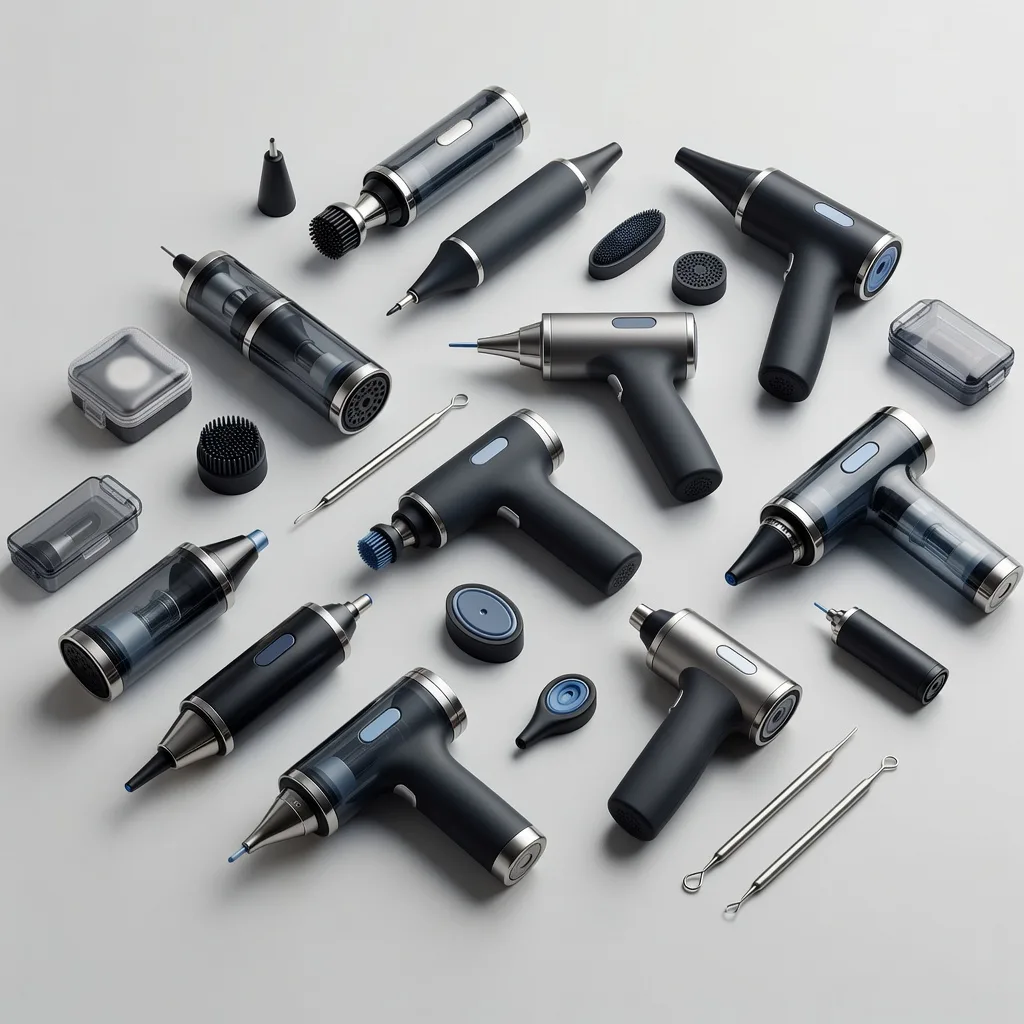
Pore vacuums are handheld suction devices that promise to pull blackheads, oil and dead skin out of your pores. Videos of the collected gunk make them look irresistible, and many are sold as part of a blackhead removal kit with extra heads and metal extractors.
Part of our guide to at-home facial devices. Start with: 10 Best Facial Tools (2026): LED, Cleansing, Gua Sha and More
The best pore vacuum blackhead remover is one with several suction levels that start very low, a range of small and large heads, an easy-to-clean filter and an automatic shut-off. Used gently on the nose and chin after cleansing, it may lift some loose oil and debris. However, suction can also cause bruising, red marks and broken capillaries, especially on thin or sensitive skin, and blackheads often refill within days. For many people, a salicylic acid cleanser, a retinoid and regular gentle cleansing clear pores more reliably and with less risk than any vacuum.
In short: a pore vacuum is an optional gadget with real risks, so use the lowest setting briefly, or skip it for safer options.
The American Academy of Dermatology advises against picking, squeezing and popping acne, because it can worsen breakouts and leave marks, and it recommends gentle care over scrubbing. Aggressive suction is another form of squeezing.
This buyer’s guide explains how pore vacuums work, what features reduce the risk of damage, who should avoid them, and which safer alternatives are worth trying first, so you can decide whether a vacuum belongs in your routine at all.
Shopping these picks?
Amazon Prime members get fast, free shipping on eligible items, plus Prime Video, Amazon Music and member deals. New members can start with a free trial.
Start a free Prime trialAged 18 to 24? Prime for Young Adults comes with a longer free trial and a lower price after it.
Affiliate link: we may earn a commission at no extra cost to you.
Recommended Pore Vacuums on Amazon


Quick Answer
- Pore vacuums may lift loose oil but rarely clear blackheads for long.
- Strong suction can cause bruising and broken capillaries.
- Choose a device with a very low starting suction level.
- Keep the head moving and never hold it in one place.
- Skip lancets and needles that come in some kits.
- Salicylic acid and retinoids are safer long-term options.
- See a dermatologist for stubborn blackheads or acne.
What This Covers
- What Is a Pore Vacuum and How Does It Work?
- Risks of Pore Vacuums: Bruising and Broken Capillaries
- Features to Look For
- Who Should Avoid Pore Vacuums?
- How to Use a Pore Vacuum Safely
- Pore Vacuums vs Safer Alternatives
- What Results Can You Realistically Expect?
- A Simple Routine for Clearer Pores
- What Comes in a Blackhead Removal Kit, and What to Skip
- Dos and Don’ts
- Honest Limits
- When to See a Dermatologist
- FAQ
- Final Word
What Is a Pore Vacuum and How Does It Work?
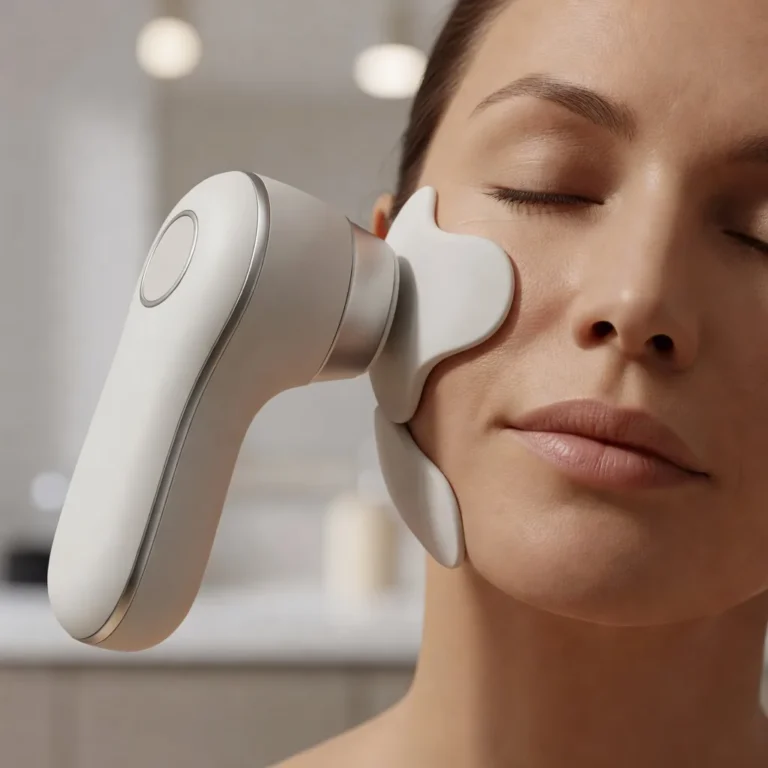
A pore vacuum is a small battery-powered device with a motor that creates suction through a round plastic or glass head. You glide the head across the skin, and the suction tugs at the surface, lifting soft oil, loose dead skin and sometimes the top of a blackhead into a filter.
Blackheads are open plugs of oil and dead skin cells. The dark colour comes from the plug being exposed to air, not from dirt. Some are firm and deep, so suction only reaches the soft top. Many of the grey dots on the nose are not true blackheads at all but sebaceous filaments, which are a normal part of the pore lining and refill quickly. Our guide on sebaceous filaments versus blackheads explains how to tell them apart.
The mess you see in the filter after a session is mostly surface oil, skin flakes and residue from products. It does not mean your pores are now empty or that they will stay clear.
Risks of Pore Vacuums: Bruising and Broken Capillaries
Suction pulls on the skin and the tiny blood vessels just below it. If the setting is too high, the head stays in one place too long or you go over the same area repeatedly, you can end up with problems that last much longer than any blackhead.
| Risk | Why it happens | How to lower it |
|---|---|---|
| Bruising and hickey-like marks | Strong suction breaks small blood vessels | Lowest setting, keep moving |
| Broken capillaries | Repeated pulling on fragile vessels | Avoid cheeks and thin skin |
| Redness and swelling | Irritation from suction and friction | Short sessions, cool compress after |
| Worsened acne or infection | Unclean heads, inflamed spots treated | Clean heads, avoid pimples |
| Dark marks | Irritation on darker skin tones | Very gentle use, or avoid |
Never use a pore vacuum over inflamed pimples, cysts, open wounds, cold sores, sunburn, rosacea or areas with visible broken veins. Stop at once if you see purple or dark red marks, which are signs of bruising.
Features to Look For
- At least three suction levels, with a genuinely gentle lowest setting.
- Several heads, including a small round one for the nose and a smooth, wide one for general use.
- Removable filters or cotton pads that are easy to change.
- Heads that can be washed and fully dried.
- An automatic shut-off or timer to stop over-treating.
- A comfortable grip that lets you glide steadily with one hand.
Some models include a built-in camera that streams a magnified image to your phone. This can help you see what you are doing, but it also tempts people to keep going over the same pores. Treat the camera as a guide, not as a reason for longer sessions.
Kits often add metal loop extractors, spoons and pointed lancets. Pointed tools that pierce the skin are best left to professionals. If you use a loop at all, it should be only on a softened, clearly open blackhead with very light pressure.
Who Should Avoid Pore Vacuums?
- People with rosacea, visible thread veins or easily flushed skin.
- Anyone with thin, very dry or sensitive skin.
- People taking blood thinners or who bruise easily.
- Anyone with active inflammatory acne, eczema or dermatitis on the face.
- People using prescription retinoids or recently peeled or lasered skin.
The American Academy of Dermatology’s acne skin care tips warn that picking and popping can make acne worse and lead to scars, and heavy suction carries similar risks. People with darker skin tones should also be cautious, as irritation can leave dark marks that take months to fade. If you are unsure, ask a dermatologist before buying.
Even if none of these apply, check your skin the day after your first session. Any lingering redness, tenderness or small purple dots mean the setting was too strong or the session too long. Drop to a lower level, shorten the time, or stop using the device altogether if marks keep appearing.
How to Use a Pore Vacuum Safely
Cleanse gently
Wash with a mild cleanser and pat the skin dry.
Soften the skin
Hold a warm, damp cloth on the nose and chin for a few minutes.
Choose the lowest setting
Fit the small round head and start on the gentlest suction level.
Glide, do not hold
Move the head slowly in one direction across the nose or chin, lifting it off at the end of each stroke. Pass each area only once or twice.
Stop early
Keep the whole session to a minute or two and stop if skin looks pink or marked.
Soothe and moisturise
Rinse, apply a light, non-comedogenic moisturiser and skip actives that evening.
Clean the device
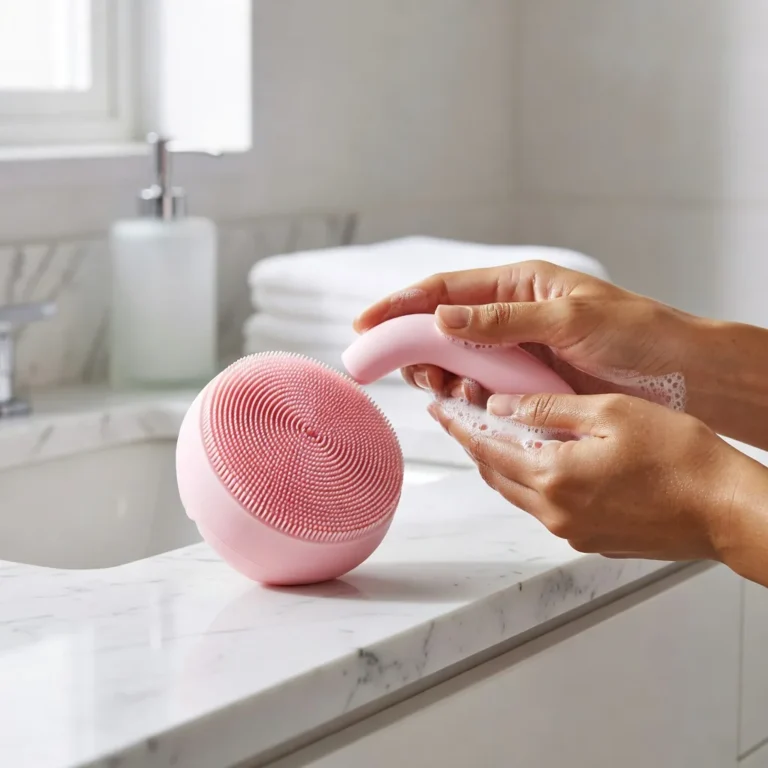
Wash the heads, change the filter and let everything dry fully.
Use a pore vacuum no more than once every week or two. More frequent use raises the risk of irritation without clearing pores any better.
Pore Vacuums vs Safer Alternatives
| Option | How it helps | Pros | Cons |
|---|---|---|---|
| Pore vacuum | Lifts surface oil and debris | Instant visible result | Bruising risk, short-lived effect |
| Salicylic acid (BHA) | Dissolves oil inside pores | Works over weeks, low effort | Can dry or sting at first |
| Retinoid such as adapalene | Reduces clogging over time | Strong evidence for acne | Initial dryness, needs sun care |
| Clay mask | Absorbs surface oil | Gentle, occasional use | Temporary effect |
| Oil cleansing or double cleansing | Loosens makeup and sunscreen | Kind to skin | Does not clear deep plugs |
| Professional extraction | Trained, sterile technique | Safer for stubborn plugs | Costs more, still temporary |
The American Academy of Dermatology explains in its guide to exfoliating safely at home that chemical exfoliants such as salicylic acid can suit oily skin, and that over-exfoliating causes redness and irritation. For a fuller routine, see our guide on how to deep clean your pores.
What Results Can You Realistically Expect?
Right after a gentle session, the nose may look smoother and less shiny, and some of the grey dots may look lighter. That is the part people photograph. Within a few days, oil production refills the pores and the dots return, because suction does nothing to change how much oil your skin makes or how cells shed inside the pore.
Pore size is also largely set by genetics, age and oiliness. No vacuum permanently shrinks pores. Keeping them clear with a consistent routine can make them look smaller, while sun damage and loss of firmness with age can make them look larger over time. Daily sunscreen is therefore part of pore care too, even though it is rarely mentioned in pore vacuum marketing.
A Simple Routine for Clearer Pores
Before buying a vacuum, try a few weeks of a steady, gentle routine. For many people it gives better results on its own.
- Cleanse twice daily with a gentle cleanser, or a salicylic acid cleanser on oily areas.
- Use a retinoid a few nights a week, building up slowly.
- Choose non-comedogenic moisturisers, sunscreen and makeup.
- Remove makeup and sunscreen fully every night.
- Use a clay mask on the T-zone once a week if you like.
A cleanser designed for congested skin can make a big difference; our round-up of the best facial cleanser for clogged pores compares options by skin type.
What Comes in a Blackhead Removal Kit, and What to Skip
Many pore vacuums are sold as part of a larger blackhead removal kit. It helps to know which pieces are useful and which are better left in the box.
- Round suction heads in different sizes: useful, starting with the smallest on the nose.
- Oval or wide heads: for gentle gliding on the forehead or chin only.
- Micro-crystal or rough heads: these add abrasion to suction and are best avoided on sensitive skin.
- Spare filters and cotton pads: essential for hygiene.
- Metal loop extractors: optional, and only with very light pressure on an obvious, softened blackhead.
- Pointed lancets or needles: skip these, as piercing the skin at home risks infection and scarring.
If a kit comes with tools you do not plan to use, store them away rather than experimenting on a bad skin day. The more tools you use in one session, the more likely you are to over-treat and irritate the area. A single gentle pass with the vacuum, or simply a good cleanser, is plenty.
Dos and Don’ts
Worth Doing
- Start on the lowest suction level
- Keep the head moving
- Limit sessions to a minute or two
- Clean heads and filters after use
- Try salicylic acid and retinoids first
Skip It
- Hold the head on one spot
- Use it on cheeks, under-eyes or broken veins
- Treat inflamed pimples or cysts
- Use lancets or needles from kits at home
- Use it every day
Honest Limits
There is very little independent research on home pore vacuums. Most claims come from manufacturers and social media, and the before-and-after effect is usually temporary. Suction does not treat the causes of blackheads, which are excess oil, sticky dead skin cells inside the pore and, for some people, hormones.
Pore vacuums can also make things worse. Bruising, broken capillaries and irritation can last weeks or longer, and broken capillaries may need professional treatment to fade. If you enjoy using one, keep it gentle and occasional, and rely on proven topical care for real improvement. Be wary of listings that promise permanent pore shrinking, deep detox or salon results at home, as these claims are not backed by evidence.
When to See a Dermatologist
- Blackheads or whiteheads that do not improve after a few months of good home care.
- Painful, deep or inflamed spots.
- Bruising, broken capillaries or dark marks after using a device.
- Acne that is leaving scars or affecting your confidence.
A board-certified dermatologist can recommend prescription treatments and, if needed, perform safe extractions.
This article is for general information and does not replace medical advice. Pore vacuums are cosmetic devices and can cause skin damage if misused. See a board-certified dermatologist for persistent blackheads, acne or any skin injury.
FAQ
Do pore vacuums really work?
They lift some surface oil, but blackheads usually return quickly.
Can a pore vacuum cause broken capillaries?
Yes, especially on high suction or thin skin.
What suction level should I use?
Always start on the lowest level.
How often can I use a pore vacuum?
No more than once every week or two.
Can I use it on my cheeks?
It is safer to avoid cheeks and under-eyes.
Should I steam before using one?
A warm cloth to soften the skin is enough.
Are pore vacuums safe with rosacea?
No, avoid them if you have rosacea.
Do they shrink pores?
No, they cannot permanently shrink pores.
What works better for blackheads?
Salicylic acid and retinoids used consistently.
What if I get bruises?
Stop using it and let the skin heal fully.
Final Word
The best pore vacuum blackhead remover has a gentle lowest setting, several heads, easy-clean filters and an auto shut-off. Used briefly and rarely on the nose and chin, it may give a short-lived smoother look.
Because of the risk of bruising and broken capillaries, many people are better off with salicylic acid, a retinoid and a gentle routine. See a dermatologist for stubborn blackheads or any lasting marks.

Written by
Registered pharmacist and founder of Facial Adviser. Rakib's pharmacy training covers how skincare actives work and interact; a later course in cosmetology turned that into a focus on facial treatments and skincare products. He plans, researches and edits every guide on the site and checks health claims against sources such as the American Academy of Dermatology, the FDA and the NIH. He is not a dermatologist; see the Editorial Policy and Medical Disclaimer.
About · Editorial policy · How we choose products · Medical disclaimer · Contact
Keep reading: Cleansing brushes and skin tools
- 10 Best Facial Tools (2026): LED, Cleansing, Gua Sha and More
- 10 Best Nano Mist Sprayers (2026): Refresh Skin On the Go
- Best Exfoliating Face Mitt for Glowing Skin: How to Choose and Use One
- 10 Best Adjustable Face Straps (2026): Secure Fit, Less Puffiness
- 10 Best Konjac Sponges for Sensitive Skin (2026): Soft, Gentle Cleansing
- 10 Best Silicone Cleansing Brushes for Pores (2026): Gentle, Hygienic
- 10 Best Gua Sha Facial Tools (2026): Stone and Steel Picks Compared
- 10 Best LED Light Therapy Masks (2026): Clearer Skin, Softer Lines