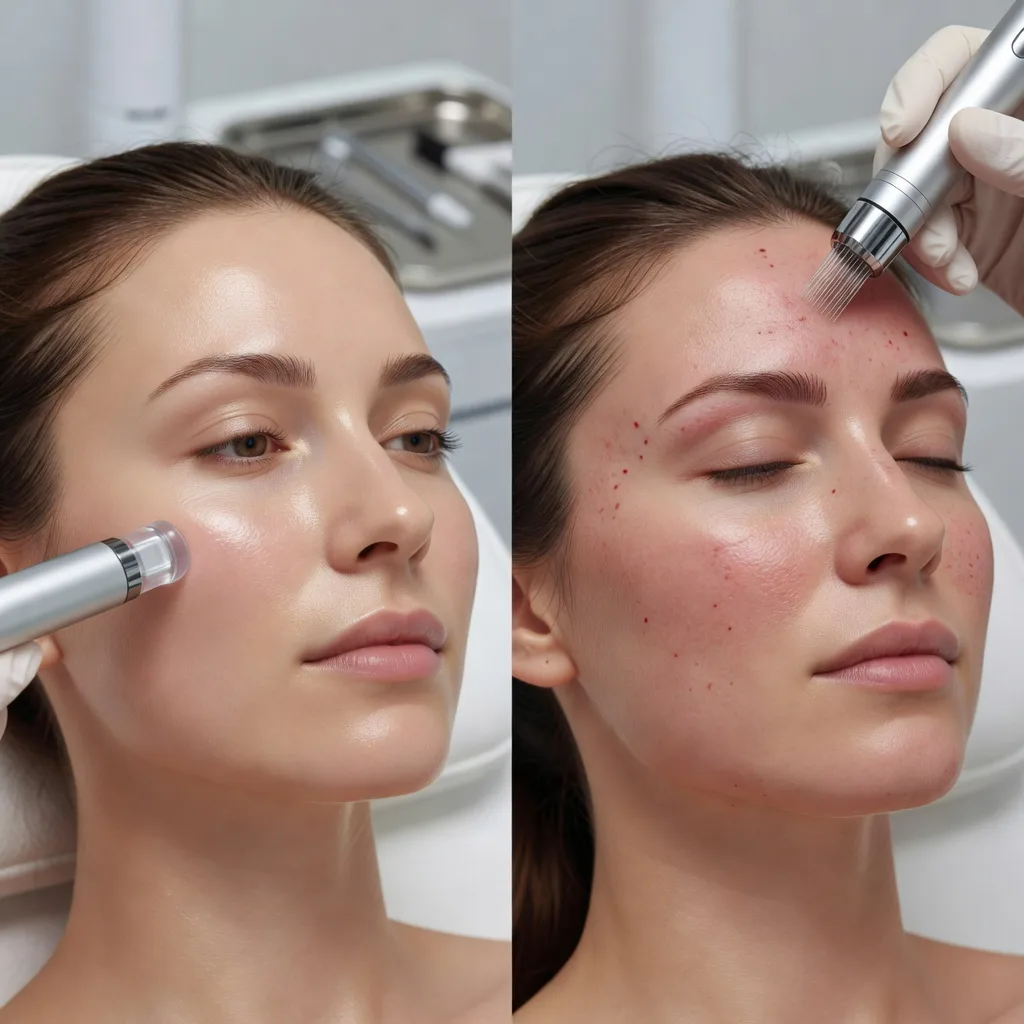
Rezenerate Facial vs Microneedling: Differences, Results and Which to Choose
Rezenerate facials and microneedling are both marketed as ways to get smoother, brighter, more youthful-looking skin, and both involve tiny tips or needles moving across the face. That surface similarity causes a lot of confusion. In practice they sit at very different points on the scale of intensity, evidence and downtime.
Part of our guide to facial treatments. Start with: Microneedling Facial: Real Results, Explained
A Rezenerate facial (often called a NanoFacial) uses a handheld device with a chip of extremely fine, blunt silicone tips that gently buffs the outer layer of skin and helps serums spread and absorb, with no needles breaking the skin and no downtime. Microneedling uses fine needles that create controlled micro-injuries in the skin, which trigger the healing process and new collagen production. Microneedling has a large body of published research, especially for acne scars and wrinkles, and some devices are authorised by the FDA. Rezenerate has very little independent research. Rezenerate suits a quick glow; microneedling suits scars, texture and fine lines.
Put simply, Rezenerate works on the surface and gives a short-term polish, while microneedling works deeper and aims for gradual structural change over months.
A comprehensive review in Dermatologic Surgery found that microneedling appears effective and safe for a range of conditions, including scars, acne and photodamage, with permanent adverse events uncommon. The FDA notes that authorised microneedling devices are used for facial acne scars and wrinkles, and that common side effects include redness, bruising and peeling.
This guide compares how each treatment works, what results to expect, the risks, aftercare and how to decide which one is right for your skin.
Shopping these picks?
Amazon Prime members get fast, free shipping on eligible items, plus Prime Video, Amazon Music and member deals. New members can start with a free trial.
Start a free Prime trialAged 18 to 24? Prime for Young Adults comes with a longer free trial and a lower price after it.
Affiliate link: we may earn a commission at no extra cost to you.
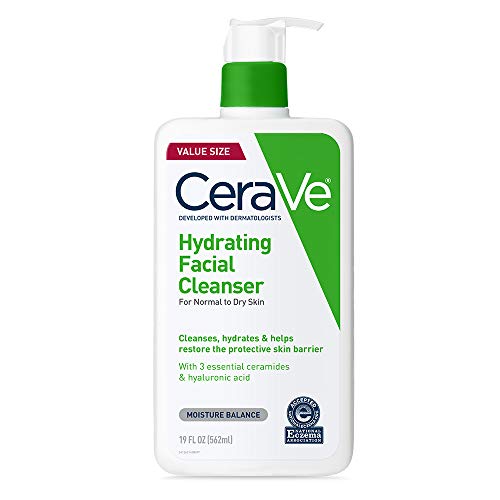
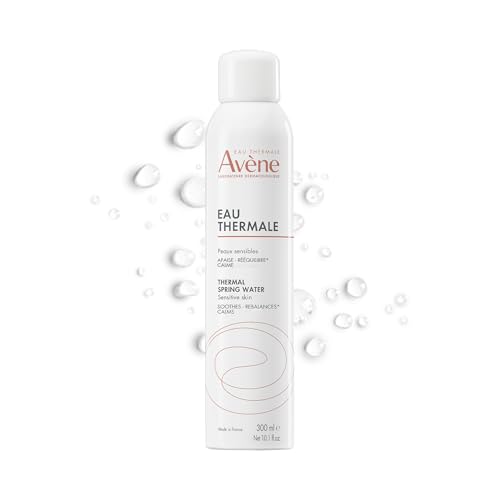
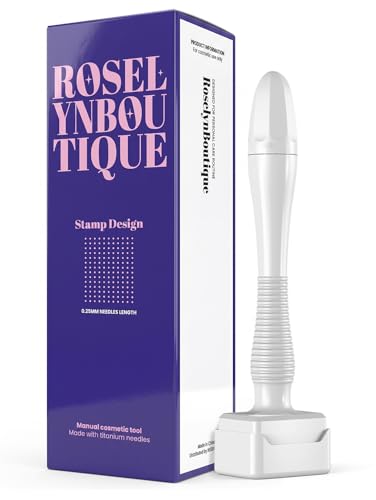
Recommended At-Home Microneedling Tools and Serums
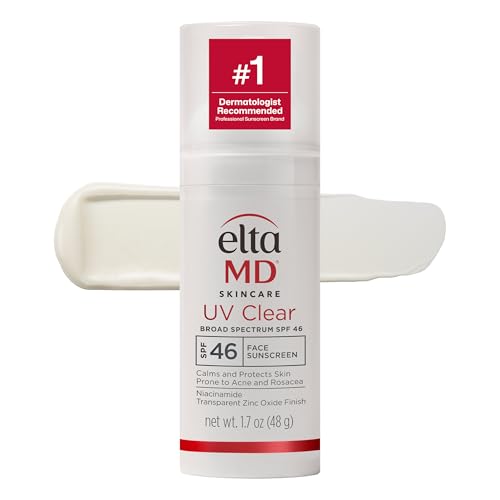
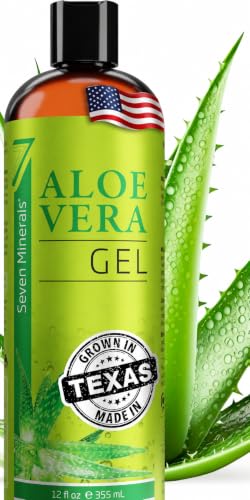
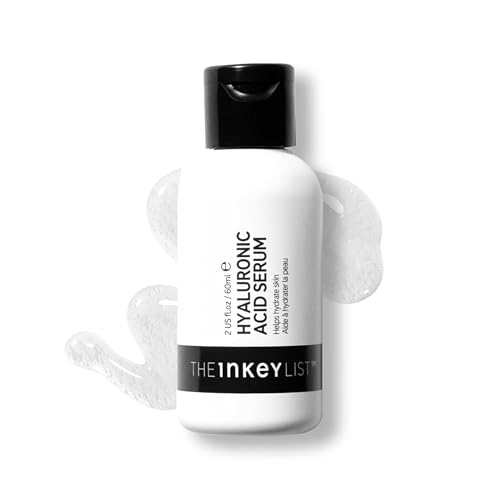

At a Glance
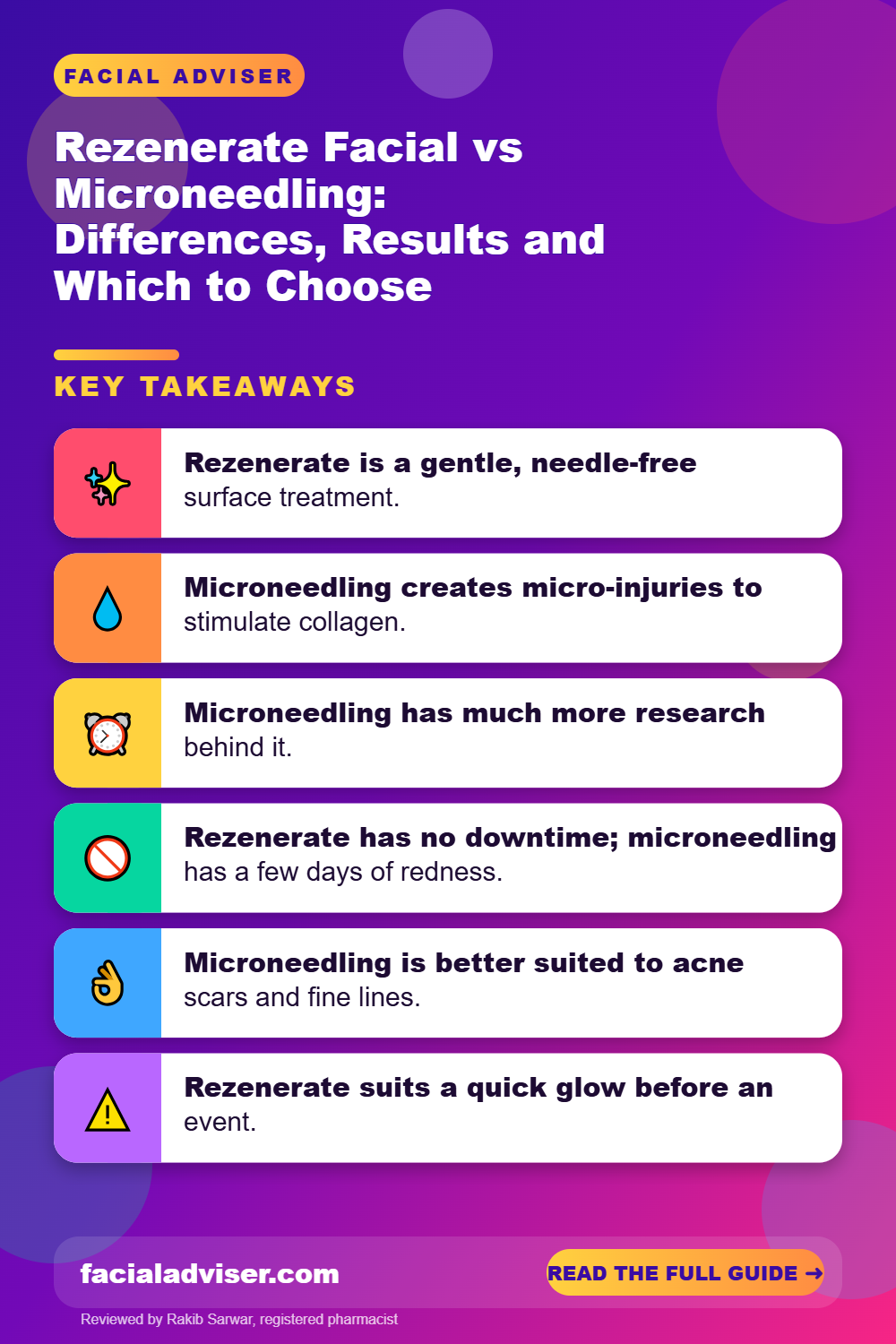
- Rezenerate is a gentle, needle-free surface treatment.
- Microneedling creates micro-injuries to stimulate collagen.
- Microneedling has much more research behind it.
- Rezenerate has no downtime; microneedling has a few days of redness.
- Microneedling is better suited to acne scars and fine lines.
- Rezenerate suits a quick glow before an event.
- Choose a trained provider who uses a new sterile cartridge for microneedling.
Contents
- Rezenerate Facial vs Microneedling at a Glance
- How a Rezenerate Facial Works
- How Microneedling Works
- What Results Can You Expect?
- Risks, Side Effects and Who Should Avoid Them
- How to Choose Between a Rezenerate Facial and Microneedling
- Aftercare for Each Treatment
- At-Home Versions: What to Know
- Time and Commitment Compared
- Dos and Don’ts
- Honest Limits
- When to See a Doctor
- Your Questions, Answered
- The Bottom Line
Rezenerate Facial vs Microneedling at a Glance
This table summarises the main differences between the two treatments.
| Feature | Rezenerate facial | Microneedling |
|---|---|---|
| How it works | Blunt silicone nano-tips buff the surface | Fine needles create controlled micro-injuries |
| Depth | Outermost layer only | Into the dermis, depending on needle depth |
| Main goal | Glow, smoothness, better serum absorption | Collagen for scars, texture and fine lines |
| Feel | Light scratching or buffing | Prickling; numbing cream often used |
| Downtime | None | Redness for one to three days, sometimes longer |
| Evidence | Very limited independent research | Many published studies and reviews |
| Sessions | Often monthly for maintenance | Usually a series of three to six, weeks apart |
The key takeaway is that these are not interchangeable. If you want to treat acne scars, microneedling is the more established option. If you want a gentle refresh without redness, a Rezenerate facial is closer to an exfoliating facial.
How a Rezenerate Facial Works
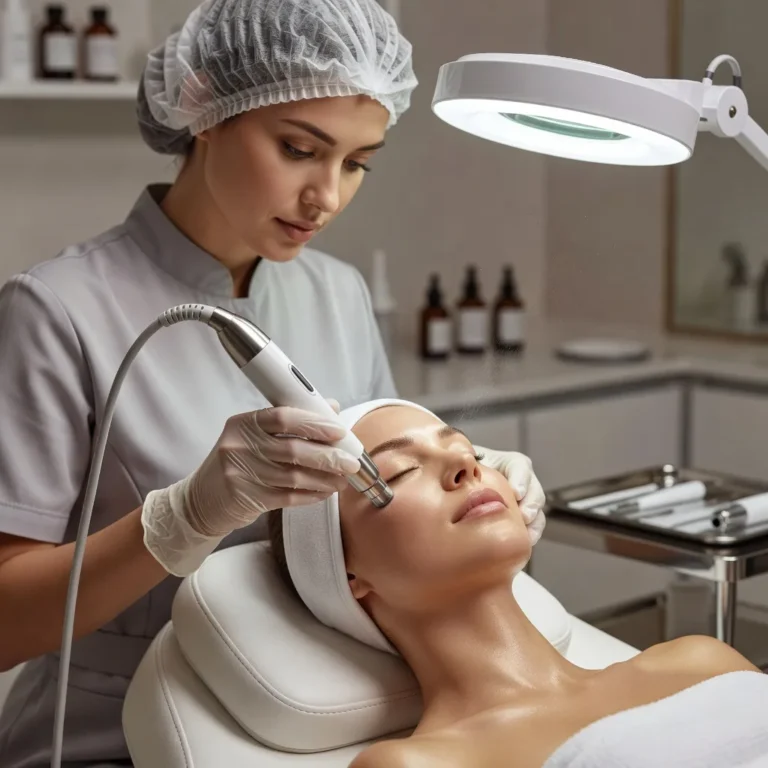
Rezenerate is a branded treatment performed with a small handheld device. Its tip holds a chip covered in thousands of very fine silicone points that are designed not to pierce the skin. The practitioner glides the device over the face in short strokes, usually while applying a serum.
The buffing action removes some dead surface cells and is said to create temporary channels that help serums spread across the skin. Most people describe the feeling as a light scratch, and there is typically no redness afterwards, which is why it is often marketed as a lunchtime or pre-event treatment.
Independent clinical research on Rezenerate specifically is very limited. Most claims come from the manufacturer and providers, so it is best thought of as a gentle exfoliating facial rather than a collagen treatment.
Because it stays on the surface, any glow tends to be short-lived, and results are similar in kind to other mild exfoliating facials. People with sensitive skin often tolerate it well, but it should still be avoided over active breakouts, cold sores or broken skin.
How Microneedling Works
Microneedling, also called collagen induction therapy, uses a pen or roller with fine needles that puncture the skin to a set depth. These tiny wounds trigger the healing response, releasing growth factors and stimulating new collagen and elastin over the following weeks and months.
- Professional pens: adjustable depth, used by dermatologists and trained providers.
- Rollers: older style; home rollers use very short needles and carry infection risk if not cleaned properly.
- RF microneedling: adds radiofrequency heat through the needles for a stronger effect, only in clinics.
A comprehensive review published in Dermatologic Surgery and available on PubMed looked at studies in human subjects and concluded that microneedling appears to be an overall effective and safe option for conditions including scars, acne, melasma and photodamage. It also noted that transient redness and post-inflammatory hyperpigmentation are the more commonly reported side effects, and that larger randomised trials are still needed.
The FDA describes how microneedling devices are regulated, noting that authorised products are used for facial acne scars, facial wrinkles and abdominal scars in adults aged 22 and over.
What Results Can You Expect?
Results depend heavily on your skin concern and the treatment you choose.
| Concern | Rezenerate facial | Microneedling |
|---|---|---|
| Dull skin | Immediate glow, short-lived | Gradual improvement |
| Acne scars | Little effect | Well studied, gradual improvement over a series |
| Fine lines | Temporary smoothing | Modest, gradual improvement |
| Enlarged pores | May look smaller briefly | Can gradually improve texture |
| Pigmentation | Mild brightening from exfoliation | Sometimes used with other treatments; can also trigger dark spots |
With microneedling, collagen builds slowly, so the full effect usually appears a few months after a course of treatments. With Rezenerate, what you see in the days after the facial is largely what you get, and the glow fades as the skin renews itself. Taking photos in consistent lighting before and during treatment is the most reliable way to judge progress.
Risks, Side Effects and Who Should Avoid Them
Both are considered low risk when performed properly, but microneedling carries more potential side effects because it breaks the skin.
- Rezenerate: mild temporary redness or sensitivity; irritation if strong active serums are applied afterwards.
- Microneedling: redness, bruising, pinpoint bleeding, peeling and dryness for a few days.
- Less common microneedling risks: infection, pigmentation changes and, rarely, scarring.
- Home rollers: higher infection risk when not sterile and inconsistent pressure can damage skin.
According to the FDA, microneedling may not be suitable if you have a bleeding disorder, an active skin infection, a weakened immune system or uncontrolled diabetes, or if you are taking isotretinoin. Always tell your provider about your medical history and medications first.
People with darker skin tones may be more prone to post-inflammatory hyperpigmentation, so choosing an experienced provider and conservative settings matters. Anyone with active acne, rosacea flares, eczema or cold sores should wait until the skin has settled before either treatment.
How to Choose Between a Rezenerate Facial and Microneedling
Name your main concern
Glow and smoothness point towards Rezenerate; scars, texture and fine lines point towards microneedling.
Check your downtime
If you cannot have visible redness for a few days, Rezenerate is easier to schedule.
Review your health
Rule out conditions or medications that make microneedling unsuitable.
Find a qualified provider
Choose a dermatologist or trained professional using authorised devices.
Ask about sterility
For microneedling, confirm a new sterile needle cartridge is used for every client.
Plan a realistic course
Expect a series of microneedling sessions, or regular Rezenerate facials for maintenance.
Protect your results
Use gentle skincare and daily sunscreen afterwards.
Ask to see before-and-after photos from the provider’s own clients with a skin type similar to yours, taken in the same lighting. It gives a far better sense of realistic results than marketing images.
If you are weighing microneedling against other collagen treatments, our guide on laser facials versus microneedling compares the two in detail.
Aftercare for Each Treatment
After a Rezenerate facial, most people can return to their usual routine the same day. It is sensible to skip strong exfoliating acids or retinoids for a day or two if your skin feels sensitive, and to wear sunscreen.
Microneedling aftercare is more important because the skin barrier is temporarily disrupted. Providers commonly advise the following for the first few days:
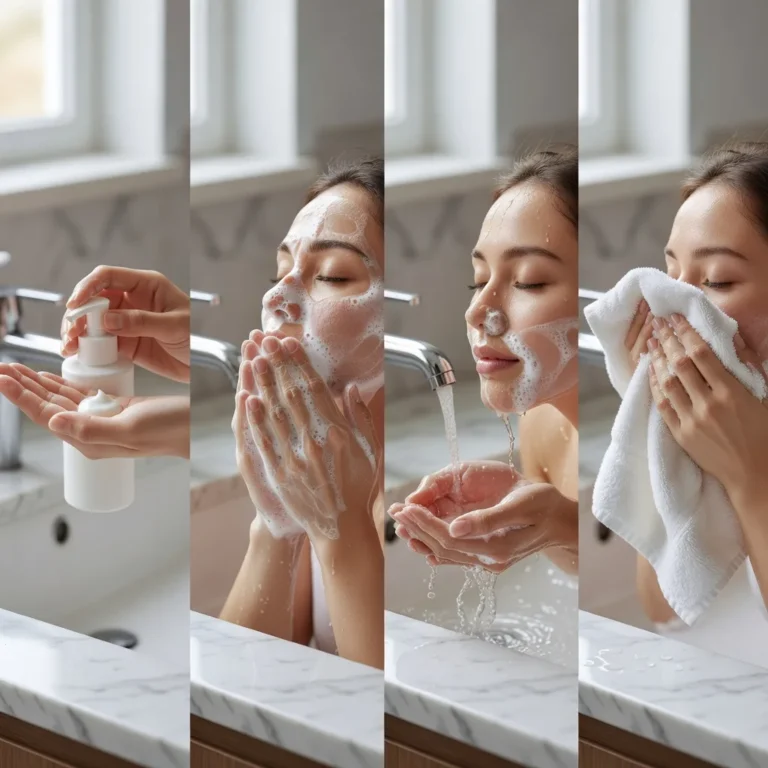
- Cleanse gently with lukewarm water and a mild, fragrance-free cleanser.
- Use a simple hydrating serum and a bland moisturiser or healing ointment.
- Avoid makeup for at least the first day, or as your provider advises.
- Skip retinoids, acids, scrubs and fragranced products until the skin has settled.
- Avoid saunas, heavy sweating and swimming pools for a short period.
- Apply broad-spectrum sunscreen daily and avoid direct sun exposure.
If you notice increasing pain, swelling, pus or fever, contact your provider promptly, as these can be signs of infection.
At-Home Versions: What to Know
Both treatments have home versions sold online, but they are not the same as clinic treatments.
Home microneedling rollers use very short needles, which limits how deep they reach. Their main risks come from poor cleaning, reusing old rollers and pressing too hard, all of which can lead to infection or irritation. Many dermatologists advise leaving deeper needling to professionals.
Home nano-tip or exfoliating devices work at the surface in a similar way to a Rezenerate facial. Used gently and infrequently, they are unlikely to cause harm, but over-exfoliation can leave skin red, tight and sensitive. Our guide on microcurrent versus radiofrequency covers two other popular home and clinic devices.
Time and Commitment Compared
Beyond results, the two treatments ask very different things of your schedule. A Rezenerate facial usually takes under an hour, and you can go straight back to work or out for the evening. Because the glow fades as the skin renews, people who like it tend to book it regularly, often monthly.
Microneedling involves more planning. Numbing cream may be applied first, the procedure itself takes time, and you need to allow a few days of visible redness and peeling afterwards. A typical course involves several sessions spaced weeks apart, with results assessed a few months after the last one. For that reason, it is wise not to book microneedling shortly before a wedding, holiday or important event.
Thinking about the whole course, including aftercare and follow-up sessions, rather than a single appointment helps you choose the option that genuinely fits your life.
Dos and Don’ts
Do
- Match the treatment to your concern
- Choose a trained, qualified provider
- Confirm a new sterile cartridge for microneedling
- Follow aftercare advice closely
- Wear sunscreen every day
Don’t
- Expect Rezenerate to fix acne scars
- Microneedle over active acne or infection
- Reuse or share home rollers
- Apply strong actives straight after microneedling
- Pick at peeling skin
Honest Limits
Microneedling has a solid evidence base, but many studies are small, and results vary with the device, needle depth, number of sessions and skin type. It is not a replacement for deeper procedures when scarring or sagging is severe.
Rezenerate has very little independent evidence, so its benefits should be viewed as similar to a gentle exfoliating facial: pleasant and refreshing, but temporary. Neither treatment stops skin aging on its own; daily sun protection and a consistent skincare routine matter just as much over time. Our guide on facial specialists, estheticians and dermatologists explains who is best placed to advise on each option.
When to See a Doctor
- You have signs of infection after microneedling, such as increasing pain, swelling or pus.
- Dark patches or scarring appear after treatment.
- You have a medical condition or take medications that may affect healing.
- You want advice on treating deep acne scars or significant skin concerns.
This article is for general information and does not replace professional medical advice. Consult a board-certified dermatologist or qualified provider before starting cosmetic skin treatments.
Your Questions, Answered
What is the main difference between Rezenerate and microneedling?
Rezenerate buffs the skin surface without needles; microneedling uses needles to stimulate collagen.
Which is better for acne scars?
Microneedling, which has far more research for acne scars.
Does a Rezenerate facial hurt?
It usually feels like a light scratch and needs no numbing.
Is there downtime after microneedling?
Usually one to three days of redness and mild peeling.
How many microneedling sessions are needed?
Often a series of three to six, spaced several weeks apart.
Is Rezenerate backed by research?
Independent research is very limited.
Is microneedling safe for dark skin?
It can be, with an experienced provider, but pigmentation changes are possible.
Can I wear makeup after microneedling?
Most providers advise waiting at least a day.
Are home microneedling rollers safe?
They carry infection and irritation risks; professional treatment is safer.
Can I combine both treatments?
Discuss timing with your provider; they should not be done on irritated skin.
The Bottom Line
A Rezenerate facial is a gentle, needle-free surface treatment for a quick glow with no downtime, while microneedling creates controlled micro-injuries to build collagen and has much stronger evidence, especially for acne scars and fine lines.
Choose based on your main concern and tolerance for downtime, pick a qualified provider, follow aftercare carefully and protect your skin with daily sunscreen.

Written by
Registered pharmacist and founder of Facial Adviser. Rakib's pharmacy training covers how skincare actives work and interact; a later course in cosmetology turned that into a focus on facial treatments and skincare products. He plans, researches and edits every guide on the site and checks health claims against sources such as the American Academy of Dermatology, the FDA and the NIH. He is not a dermatologist; see the Editorial Policy and Medical Disclaimer.
About · Editorial policy · How we choose products · Medical disclaimer · Contact
Keep reading: Microneedling, PRP and lasers
- Microneedling Facial: Real Results, Explained
- Vampire Facial vs CO2 Laser: Results, Downtime, Risks and Which to Choose
- Vampire Facial vs Vampire Facelift: What Each One Actually Does
- Vampire Facial vs Microneedling: Safety Check First
- Laser Facial vs Microneedling: Results, Downtime, and Skin Tone Safety
- Why Can't You Wear Makeup After Microneedling? How Long to Wait
- Fruit Facial at Home: Does It Actually Work?
- Facial Types: A Guide to 11 Popular Facials and How to Choose One