
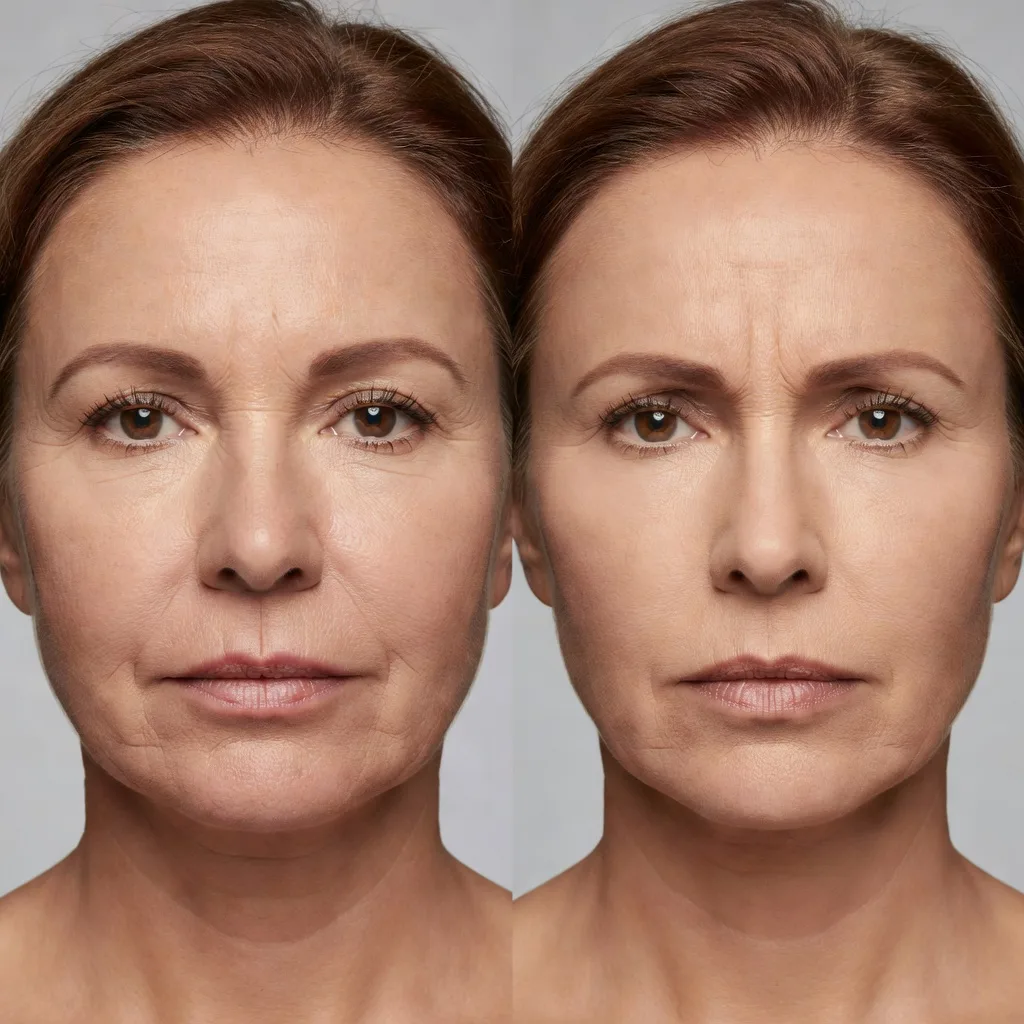
Facial Fillers vs Botox: Which Treats Your Lines, and What Each Can Go Wrong
Botox and fillers are often mentioned in the same breath, booked at the same clinics, and sometimes injected in the same appointment. Many people assume they are two brands of the same thing. They are not. They work in completely different ways, treat different kinds of lines, and carry different risks.
Part of our guide to facial treatments. Start with: What Is the Best Anti-Aging Facial Treatment? Options Compared by Goal
Botox and similar neuromodulators relax the muscles that crease the skin when you frown, squint, or raise your eyebrows. Dermal fillers add volume under the skin to fill hollows, restore lost fullness, and soften lines that are there even when your face is still. Choosing the wrong one for a particular line gives disappointing results at best.
The easiest way to tell which kind of line you have is to watch it move. A line that appears only when you make an expression and disappears when you relax is a dynamic wrinkle, the kind neuromodulators treat. A line or hollow that is visible at rest is static or volume-related, the kind fillers address. Many faces have both, which is why clinicians sometimes combine treatments.
Both procedures are generally safe in trained hands, but neither is trivial. Filler injected into a blood vessel can, rarely, block blood flow and cause skin damage or even vision loss. Counterfeit or mishandled botulinum toxin has caused serious illness. Who injects you matters as much as what they inject.
This guide explains how each works, a simple relax test you can do in a mirror, how long results last, the real risks, and the questions worth asking before you book.
Shopping these picks?
Amazon Prime members get fast, free shipping on eligible items, plus Prime Video, Amazon Music and member deals. New members can start with a free trial.
Start a free Prime trialAged 18 to 24? Prime for Young Adults comes with a longer free trial and a lower price after it.
Affiliate link: we may earn a commission at no extra cost to you.
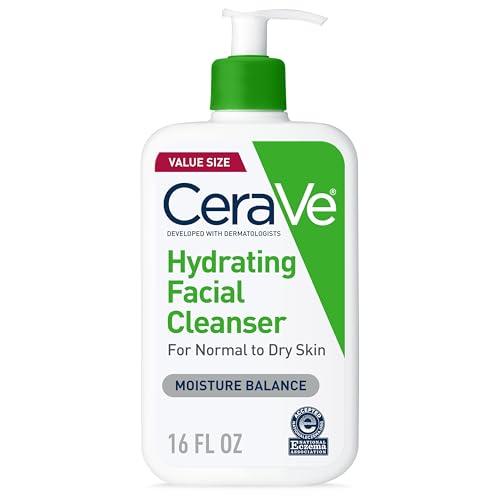
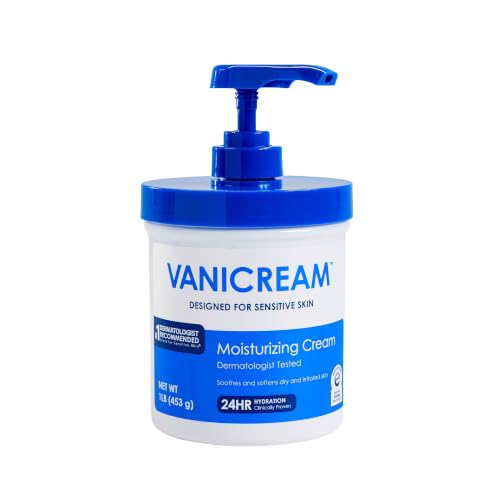
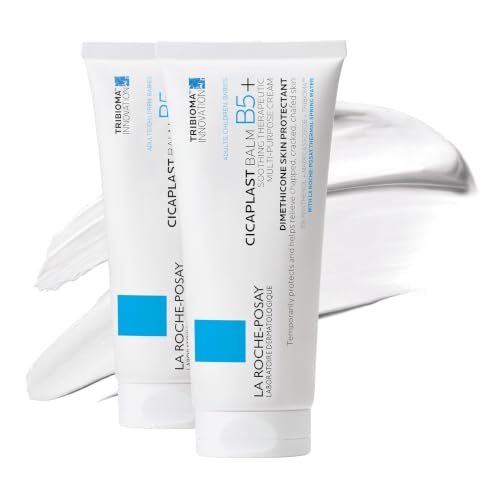
Recommended Skincare to Support Injectable Results



On This Page
- How Botox Works
- How Dermal Fillers Work
- Fillers vs Botox at a Glance
- The Relax Test: Which Kind of Line Do You Have?
- When Both Are Used Together
- What to Expect Afterwards
- The Real Risks of Each
- Choosing a Safe Injector
- What Neither Can Do
- Who Should Not Get Them and When to Seek Help
- Common Questions
- Final Word
At a Glance
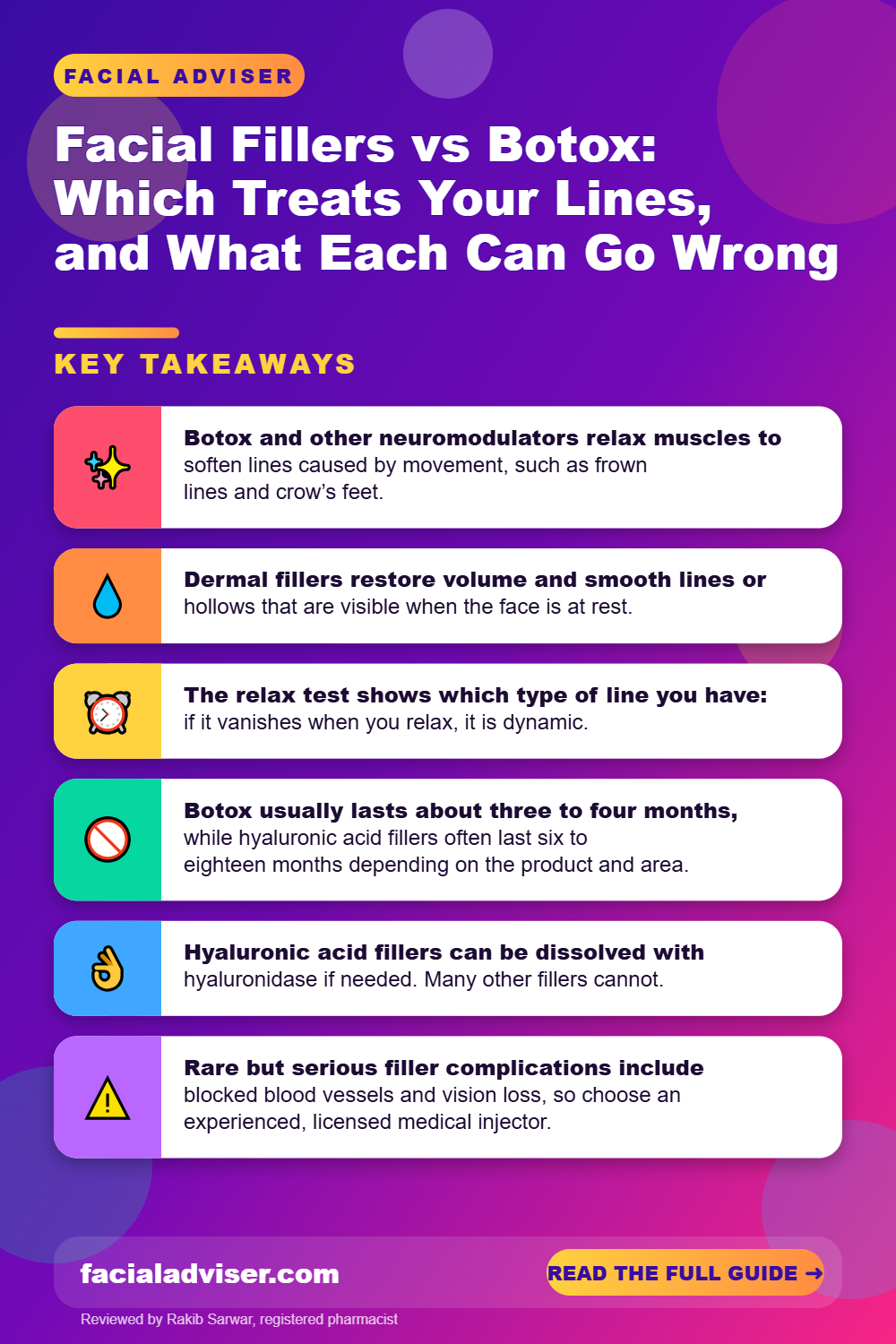
- Botox and other neuromodulators relax muscles to soften lines caused by movement, such as frown lines and crow’s feet.
- Dermal fillers restore volume and smooth lines or hollows that are visible when the face is at rest.
- The relax test shows which type of line you have: if it vanishes when you relax, it is dynamic.
- Botox usually lasts about three to four months, while hyaluronic acid fillers often last six to eighteen months depending on the product and area.
- Hyaluronic acid fillers can be dissolved with hyaluronidase if needed. Many other fillers cannot.
- Rare but serious filler complications include blocked blood vessels and vision loss, so choose an experienced, licensed medical injector.
- Neither treatment replaces sunscreen and good skincare for the skin’s surface texture and tone.
How Botox Works
Botox is a brand name for onabotulinumtoxinA, a purified form of botulinum toxin. Other brands work similarly. When tiny amounts are injected into specific facial muscles, they block the nerve signals that make those muscles contract. The muscle relaxes, and the skin above it stops creasing as deeply.
The US Food and Drug Administration first approved Botox Cosmetic in 2002 for frown lines between the eyebrows, and approvals have since expanded to other areas such as crow’s feet and forehead lines. Results typically start to show within a few days, reach their peak around two weeks, and wear off gradually over about three to four months as nerve signals return.
Because it works on movement, Botox is most effective on lines caused by repeated expressions. It can also prevent those lines from deepening over time by reducing the constant folding of the skin. If you have had Botox and still see lines, our guide on why crow’s feet can persist after Botox explains the common reasons.
How Dermal Fillers Work
Dermal fillers are gels injected under the skin to add volume. The most common type is hyaluronic acid, a sugar molecule naturally found in the skin that binds water. Other fillers include calcium hydroxylapatite and poly-L-lactic acid, which also stimulate the body to produce collagen over time.
Fillers are used to restore volume that decreases with age, such as in the cheeks and temples, soften deep folds like the lines from the nose to the mouth, add shape to the lips, and smooth some static wrinkles. They work immediately, although swelling can take one to two weeks to settle.
How long they last depends on the product, the area, and your metabolism. Hyaluronic acid fillers commonly last from around six months in mobile areas like the lips to a year or more in areas like the cheeks.
Fillers vs Botox at a Glance
| Feature | Botox and other neuromodulators | Dermal fillers |
|---|---|---|
| How it works | Relaxes muscles | Adds volume under the skin |
| Best for | Lines that appear with expression | Hollows, volume loss, lines at rest |
| Common areas | Frown lines, forehead, crow’s feet | Cheeks, lips, nasolabial folds, under-eye hollows, jawline |
| When results show | A few days, peak at about 2 weeks | Immediately, settles over 1 to 2 weeks |
| How long it lasts | About 3 to 4 months | About 6 to 18 months for hyaluronic acid |
| Reversible? | No, wears off over time | Hyaluronic acid fillers can be dissolved |
| Most serious rare risk | Spread of effect, drooping eyelid or brow | Blocked blood vessel, skin necrosis, vision loss |
The Relax Test: Which Kind of Line Do You Have?
Stand in front of a mirror in good, even light and work through each area that bothers you.
Make the expression
Frown, raise your eyebrows, and smile hard with your eyes, one at a time, and notice which lines appear.
Relax completely
Let your face go still. Close your eyes briefly and relax your forehead and jaw, then look again.
Classify each line
Lines that disappear or almost disappear at rest are dynamic. Lines that stay visible at rest are static.
Look for hollows
Hold a mirror at waist height and look down into it. Shadows under the eyes, flattened cheeks, or sunken temples suggest volume loss.
Match line to treatment
Dynamic lines usually respond to a neuromodulator. Static lines and hollows usually need filler, skin treatments, or both.
Take photos of each expression and at rest to bring to a consultation. It helps you and the injector agree on what you want to change and makes it easier to judge results later.
When Both Are Used Together
Many people have a mix of dynamic lines, static lines, and volume loss. A deep frown line, for example, may be partly caused by muscle movement and partly etched into the skin over years. In that case, a neuromodulator can reduce the movement while a small amount of filler softens the remaining crease.
Combining treatments is common, but more is not always better. Overfilled faces and frozen expressions are usually the result of doing too much at once. A good injector will often stage treatments, starting conservatively and reviewing results after a couple of weeks. Our explainer on facial harmonization covers how multiple treatments are sometimes planned together.
What to Expect Afterwards
After a neuromodulator, most people return to normal activities immediately. Injectors commonly advise avoiding rubbing the area, lying flat, or strenuous exercise for a few hours, although advice varies. Any small bumps at the injection points usually settle within an hour, and bruises fade within a week or so.
After filler, swelling is more noticeable, especially in the lips and under the eyes, and can take one to two weeks to settle fully. A cold pack wrapped in a clean cloth can ease swelling and tenderness in the first day or two. Firm lumps or asymmetry that persist beyond two weeks are worth mentioning at your follow-up, as small adjustments are often possible.
Skincare can usually resume the same evening or the next day with gentle products. Hold off on retinoids, exfoliating acids, facials, and massage over treated areas for a few days, or as long as your injector recommends.
The Real Risks of Each
Both treatments are generally considered safe when performed by trained medical professionals using genuine products. Common side effects are mild and short-lived, but rare complications can be serious.
| Treatment | Common side effects | Rare but serious risks |
|---|---|---|
| Botox | Bruising, mild headache, tenderness at injection site | Drooping eyelid or brow, uneven expression, spread of toxin effect |
| Hyaluronic acid filler | Swelling, bruising, tenderness, small lumps | Filler blocking a blood vessel, skin tissue death, vision loss, infection |
| Non-HA fillers | Swelling, bruising, nodules | Harder-to-treat lumps, vessel blockage, cannot be dissolved |
Seek emergency care immediately if you notice severe pain, skin blanching or mottled discoloration, or any change in vision after filler, or difficulty swallowing, breathing, or speaking, or widespread muscle weakness after botulinum toxin. The FDA has warned that filler injected into blood vessels can cause vision problems and blindness, and in 2024 the CDC investigated serious illnesses linked to counterfeit or mishandled botulinum toxin given by unlicensed people or in non-medical settings.
Choosing a Safe Injector
Try This
- Choose a licensed medical professional with specific injectables training, such as a board-certified dermatologist or plastic surgeon, or a supervised nurse injector.
- Ask which product will be used and check it is approved in your country.
- Ask whether the injector can dissolve hyaluronic acid filler if needed.
- Expect a medical history, a discussion of risks, and a consent form.
- Start conservatively and book a follow-up review.
- Mention blood thinners, supplements, pregnancy, and upcoming events.
Avoid This
- Book injections at parties, salons, or homes without medical oversight.
- Choose based on the lowest price or a social media discount.
- Accept unbranded or unlabeled products.
- Have filler injected just before a major event.
- Get treatment while pregnant or breastfeeding.
- Ignore severe pain or skin color changes after filler.
What Neither Can Do
Neither Botox nor fillers improve skin texture, pigmentation, or sun damage on the surface. Those need sunscreen, retinoids, chemical peels, lasers, or similar treatments. Injectables also cannot tighten significantly loose skin; surgery or energy-based devices are more appropriate for that.
Results are temporary. Both require maintenance, and stopping simply returns you gradually to where you would have been. That is not harmful, but it is worth factoring into your expectations and budget.
Skin care still matters: daily broad-spectrum sunscreen and a retinoid help protect collagen and can make injectable results look better and last longer in terms of overall skin quality. If you plan a facial, check timing with our guide on how long after Botox you can get a facial.
Who Should Not Get Them and When to Seek Help
Talk to a doctor before treatment, or avoid it, if:
- You are pregnant or breastfeeding.
- You have a neuromuscular condition such as myasthenia gravis, which can be worsened by botulinum toxin.
- You have an active skin infection, cold sore, or inflammation at the injection site.
- You have a history of severe allergies or reactions to filler ingredients.
- You take blood thinners, which raise the risk of bruising.
- You have unrealistic expectations or feel pressured into treatment.
Medical disclaimer: This article is for general information only and is not a substitute for a consultation with a qualified medical professional. Injectable treatments carry real risks and should only be performed by licensed practitioners.
Common Questions
What is the difference between fillers and Botox?
Botox relaxes muscles to soften lines caused by expressions, while fillers add volume under the skin to fill hollows and lines visible at rest.
Which is better for forehead lines?
Forehead lines caused by raising the eyebrows usually respond best to a neuromodulator like Botox.
Which is better for smile lines around the mouth?
Deep nasolabial folds are usually treated with filler, because they are mainly caused by volume changes rather than muscle movement.
How long does Botox last?
Botox usually lasts about three to four months before gradually wearing off.
How long do fillers last?
Hyaluronic acid fillers commonly last from around six months to over a year, depending on the product and area.
Can fillers be reversed?
Hyaluronic acid fillers can usually be dissolved with an enzyme called hyaluronidase. Many other fillers cannot.
Can you get Botox and fillers at the same time?
Yes. They are often combined when both dynamic lines and volume loss are present, ideally planned conservatively.
What are the risks of fillers?
Common effects are swelling and bruising. Rare but serious risks include blocked blood vessels, skin damage, and vision loss.
Is Botox safe?
Botox is generally safe in trained hands with genuine product. Counterfeit or improperly given toxin has caused serious illness.
How do I know if I need Botox or filler?
Use the relax test. Lines that disappear at rest are dynamic and suit Botox. Lines or hollows visible at rest suit filler.
Final Word
Botox and fillers solve different problems. Neuromodulators relax the muscles behind expression lines, and fillers restore volume and soften lines that are there even when your face is still. The relax test in a mirror is a good first step to understanding which you might need.
Both can give natural-looking results, but the injector’s training and the product’s authenticity matter more than price. Choose a licensed medical professional, start conservatively, know the warning signs of complications, and keep sunscreen and good skincare in your routine for the surface of the skin.

Written by
Registered pharmacist and founder of Facial Adviser. Rakib's pharmacy training covers how skincare actives work and interact; a later course in cosmetology turned that into a focus on facial treatments and skincare products. He plans, researches and edits every guide on the site and checks health claims against sources such as the American Academy of Dermatology, the FDA and the NIH. He is not a dermatologist; see the Editorial Policy and Medical Disclaimer.
About · Editorial policy · How we choose products · Medical disclaimer · Contact
Keep reading: Anti-aging facials and treatments
- What Is the Best Anti-Aging Facial Treatment? Options Compared by Goal
- What Are the Benefits of Anti-Wrinkle Injections? Results, Risks and Options
- What Should I Use on My Face for Anti-Aging? The 5 Products That Matter
- What Does an Anti-Aging Facial Consist Of? Steps, Types and What to Expect
- Can Anti-Aging Creams Age You? Irritation, Sun Sensitivity and Fixes
- Anti Aging Facial Price: Affordable Treatments for Youthful Skin
- Fruit Facial at Home: Does It Actually Work?
- Facial Types: A Guide to 11 Popular Facials and How to Choose One





One Comment