Uneven Skin Texture on Cheeks: Causes and How to Smooth It
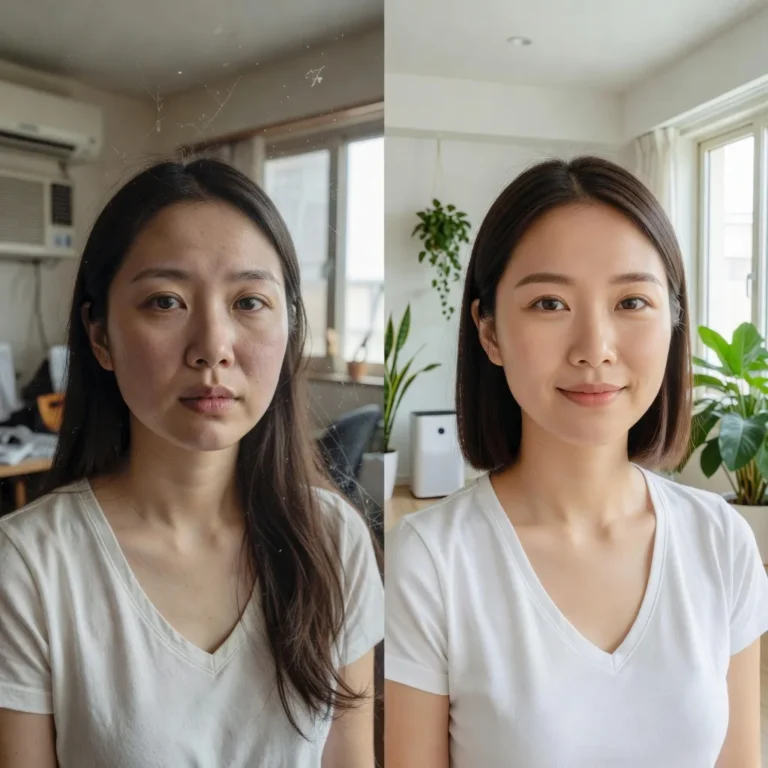
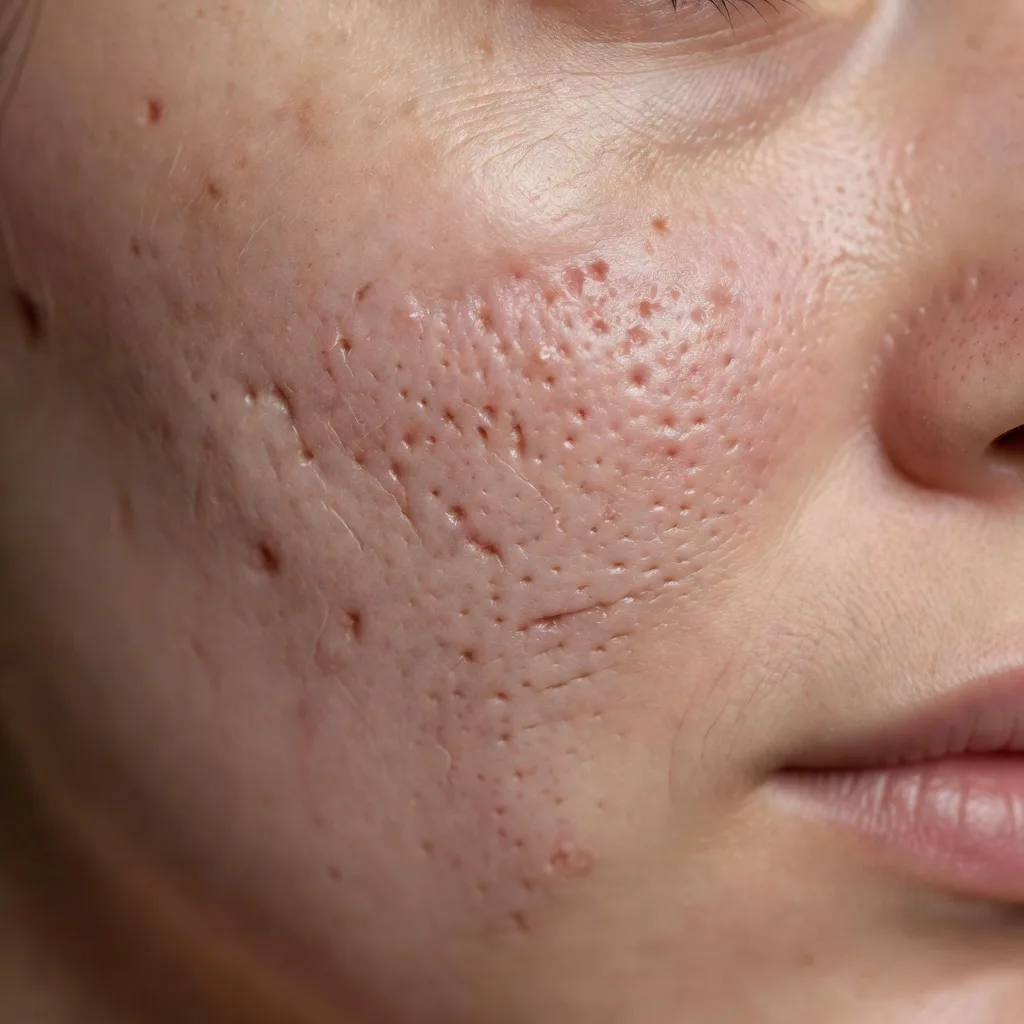
In a mirror the cheeks look fine, but tilt your head toward a window and every bump, dip and rough patch shows up. Makeup catches on the texture, and running a hand across your cheek feels more like fine sandpaper than smooth skin.
Part of our guide to skin concerns. Start with: How Can I Make My Pores Less Visible?
Uneven texture on the cheeks usually comes from one or more of five things: clogged pores and closed comedones, keratosis pilaris, dryness and a damaged skin barrier, sun damage, or old acne scars. Most surface roughness improves within one to three months with a gentle cleanser, a mild exfoliant or retinoid used a few times a week, a good moisturiser and daily sunscreen. Pitted scars and deep texture need in-clinic treatment.
The cheeks are an unusual area. They have fewer oil glands than the T-zone, so they dry out more easily, yet they are also where closed comedones and keratosis pilaris bumps often cluster. They take the most sun of any part of the face after the nose and forehead, and they rest on pillows and phone screens every day.
That mix is why aggressive fixes often backfire here. A scrub that feels satisfying on the nose can leave the cheeks raw and redder, and the irritation itself makes texture look worse. The American Academy of Dermatology stresses choosing an exfoliation method that suits your skin type and moisturising straight afterwards.
This guide helps you identify what is behind your cheek texture, shows a routine that smooths without irritating, and explains when professional treatments are worth considering.
Shopping these picks?
Amazon Prime members get fast, free shipping on eligible items, plus Prime Video, Amazon Music and member deals. New members can start with a free trial.
Start a free Prime trialAged 18 to 24? Prime for Young Adults comes with a longer free trial and a lower price after it.
Affiliate link: we may earn a commission at no extra cost to you.
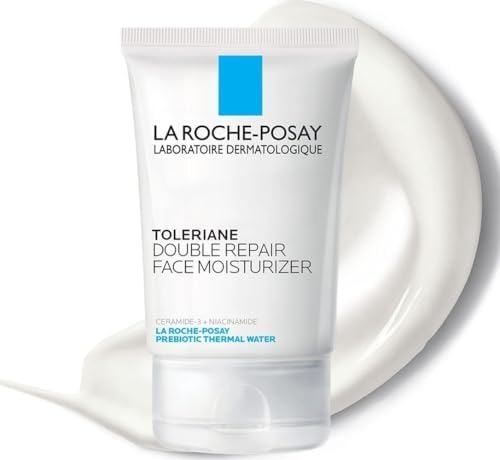
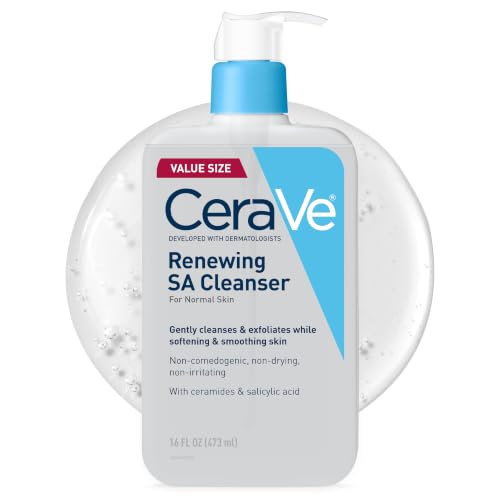
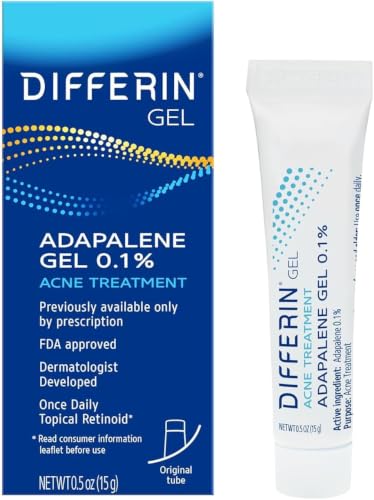
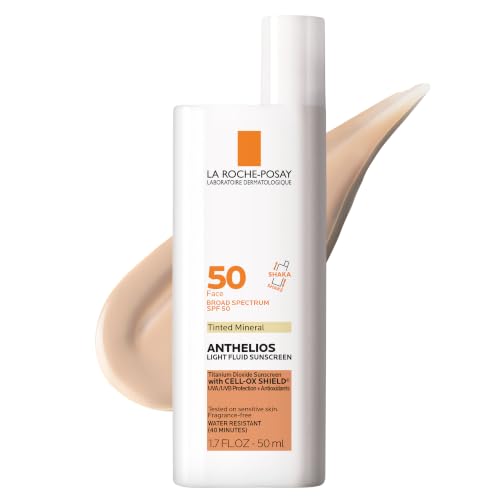
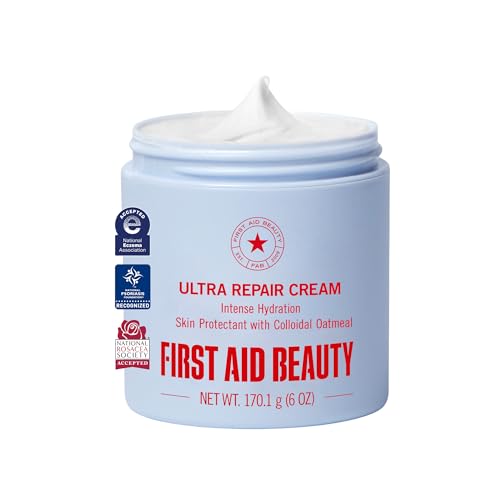
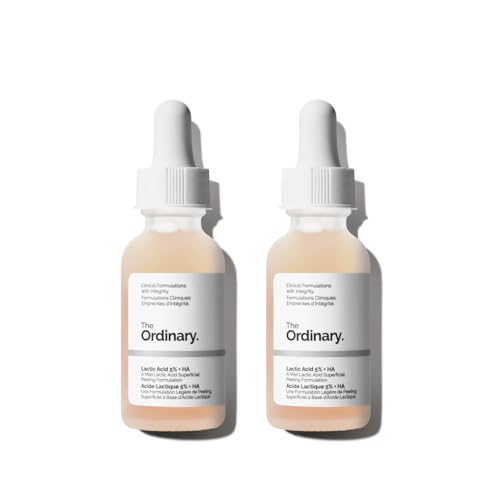
Recommended Products for Smoother Cheeks

Key Takeaways
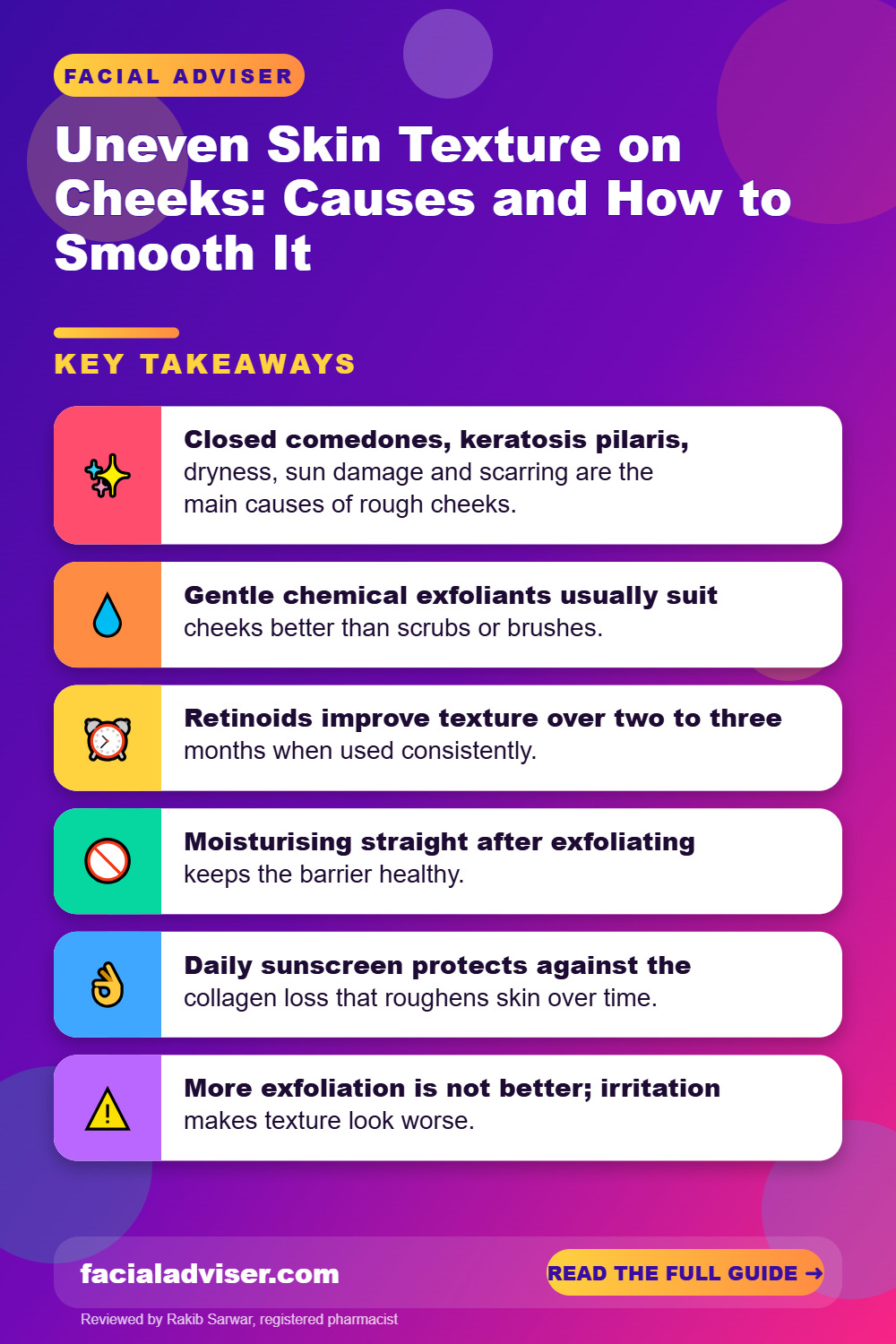
- Closed comedones, keratosis pilaris, dryness, sun damage and scarring are the main causes of rough cheeks.
- Gentle chemical exfoliants usually suit cheeks better than scrubs or brushes.
- Retinoids improve texture over two to three months when used consistently.
- Moisturising straight after exfoliating keeps the barrier healthy.
- Daily sunscreen protects against the collagen loss that roughens skin over time.
- More exfoliation is not better; irritation makes texture look worse.
- Pitted scars need professional treatments such as microneedling or lasers.
On This Page
- What Is Behind the Bumps?
- Keratosis Pilaris on the Face
- How to Smooth Uneven Cheek Texture Gently
- Choosing an Exfoliant for Your Cheeks
- Signs You Are Overdoing It
- Products That Can Make Cheek Texture Worse
- Everyday Habits That Affect Cheek Texture
- Sun Damage and Texture Over Time
- Professional Treatments for Stubborn Texture
- Makeup Tips for Textured Cheeks
- What to Expect
- When to See a Dermatologist
- FAQ
- The Bottom Line
What Is Behind the Bumps?
| Type of texture | What it looks and feels like | Likely cause |
|---|---|---|
| Tiny, skin-coloured bumps | Visible in side light, feel gritty | Closed comedones (clogged pores) |
| Rough, pinpoint bumps with redness | Sandpaper feel, often on outer cheeks | Keratosis pilaris |
| Flaky, tight, dull patches | Rough to the touch, worse in winter | Dryness or barrier damage |
| Fine crepey texture, uneven tone | Develops slowly over years | Sun damage |
| Dips, pits or indents | Stay visible when skin is stretched | Acne scars |
| Clusters of tiny bumps with itch | Appear suddenly, may spread | Irritation, allergy or fungal acne |
Many people have two causes at once. A common pairing is closed comedones from rich products plus dryness from over-exfoliating to get rid of them.
A simple way to narrow it down is to think about timing. Texture that appeared after starting a new cream or sunscreen points to clogged pores or irritation. Texture that has been there since childhood, and is worse in winter, points to KP. Texture that has built up slowly over many summers points to sun damage, and dips that stayed after old breakouts are scars. Hormonal changes, such as coming off the pill or pregnancy, can also bring a wave of tiny bumps that settle once hormones stabilise.
Keratosis Pilaris on the Face
Keratosis pilaris, often called KP, is a harmless condition where keratin builds up around hair follicles, forming tiny rough bumps. It is best known on the upper arms, but it often appears on the outer cheeks, especially in children and young adults, sometimes with a flushed look.
Facial KP is easy to confuse with acne, but the bumps are smaller, more uniform and feel rough rather than sore. They do not come to a head like pimples, and squeezing them only makes the redness worse.
KP tends to run in families and is often worse in dry winter months. It cannot be cured, but gentle exfoliating ingredients such as lactic acid, urea or salicylic acid, together with regular moisturising, can make it much smoother. The AAD’s advice on keratosis pilaris self-care emphasises gentle care rather than scrubbing, which tends to make the redness worse.
How to Smooth Uneven Cheek Texture Gently
Switch to a gentle cleanser
Use a mild, fragrance-free cleanser once or twice a day. A salicylic acid cleanser a few times a week can help if you have clogged pores.
Add one exfoliating ingredient
Choose lactic acid or salicylic acid two or three times a week, or a retinoid at night. Do not start several at once.
Moisturise straight after
Apply a moisturiser with ceramides, glycerin or niacinamide while skin is still slightly damp.
Use sunscreen every morning
Sun exposure breaks down collagen and makes texture more noticeable.
Keep friction low
Change pillowcases often, clean your phone screen and avoid rubbing your face with towels.
Be patient
Give any new routine eight to twelve weeks before judging results.
If you use a retinoid, keep acids for alternate nights or pause them altogether at first. Using both on the same night is one of the most common causes of irritated, rough cheeks.
Choosing an Exfoliant for Your Cheeks
| Ingredient | Works best for | Tips for cheeks |
|---|---|---|
| Lactic acid | Dryness, KP, dullness | Gentle AHA that also hydrates |
| Salicylic acid | Clogged pores, closed comedones | Oil-soluble; good if cheeks break out |
| Glycolic acid | Dullness, mild sun damage | Stronger; can sting sensitive cheeks |
| Adapalene / retinoids | Comedones, texture, early sun damage | Start slowly; buffer with moisturiser |
| Urea | KP, rough dry patches | Softens and moisturises at the same time |
| Physical scrubs | Rarely needed on cheeks | Can cause micro-tears and redness |
The AAD notes that people with sensitive skin generally do better with a mild chemical exfoliant than with scrubs or brushes, and that exfoliants combined with retinoids or benzoyl peroxide can increase dryness or breakouts (AAD).
Signs You Are Overdoing It
- Cheeks sting when you apply moisturiser or plain water.
- Skin looks shiny and tight rather than smooth.
- New redness, flaking or small bumps appear.
- Makeup that used to sit well now looks patchy.
Over-exfoliation is one of the most common reasons cheeks get rougher despite a busy routine. The cheek barrier is thinner than the T-zone, so a frequency that suits your nose may be far too much for your cheeks. Using acids only on the areas that need them is a simple fix.
If you see these signs, stop all exfoliants and retinoids for one to two weeks, use only a gentle cleanser, moisturiser and sunscreen, and restart one product at a lower frequency once skin feels comfortable.
Products That Can Make Cheek Texture Worse
Rich creams, face oils and heavy makeup can clog pores on the cheeks, especially in people prone to closed comedones. Fragranced products and alcohol-heavy toners can irritate the thinner cheek skin. Sunscreens that are too occlusive can have the same effect; our guide to roughness after sunscreen use explains how to choose one your skin tolerates.
If your cheeks are dry but your T-zone is oily, you may be treating the whole face with products meant for one zone. A zone-based combination skin routine can stop you over-drying the cheeks.
Everyday Habits That Affect Cheek Texture
Helps
- Wash pillowcases once or twice a week
- Clean your phone screen regularly
- Pat skin dry with a clean towel
- Use a humidifier in dry weather
- Remove makeup every night
Backfires
- Rest your face on your hands
- Pick at small bumps
- Rub your face dry with a rough towel
- Sleep in heavy makeup
- Try a new exfoliant every week
Picking at tiny bumps on the cheeks is especially tempting, but it turns a clogged pore into an inflamed spot and can leave marks. If you already have lingering spots, our guide to pimple marks that won’t fade can help.
Sun Damage and Texture Over Time
Years of sun exposure break down collagen and elastin and thicken the outer layer of skin unevenly. The result is a slightly rough, crepey texture and uneven tone that tends to be most obvious on the cheeks and cheekbones.
Sunlight through car and office windows counts too. Long daily drives can leave one cheek noticeably rougher and more uneven than the other, which is a useful clue that sun exposure is part of the picture.
Daily broad-spectrum sunscreen of SPF 30 or higher prevents further damage, while retinoids can gradually improve existing sun-related texture over several months.
Rough, scaly spots on the cheeks that do not heal, bleed or keep coming back should be checked by a dermatologist, as some sun-related spots need treatment.
Professional Treatments for Stubborn Texture
When home care has done what it can, in-clinic treatments can make a bigger difference, especially for scars and sun damage.
| Treatment | Best for | Notes |
|---|---|---|
| Chemical peels | Dullness, mild scarring, sun damage | Series of sessions; downtime varies |
| Microneedling | Shallow acne scars, texture | Several sessions; gradual results |
| Fractional lasers | Scars, sun damage, crepey texture | More downtime; choose an experienced provider |
| Prescription retinoids | Comedones, texture, early aging | Stronger than over-the-counter options |
| Extractions by a professional | Stubborn closed comedones | Safer than squeezing at home |
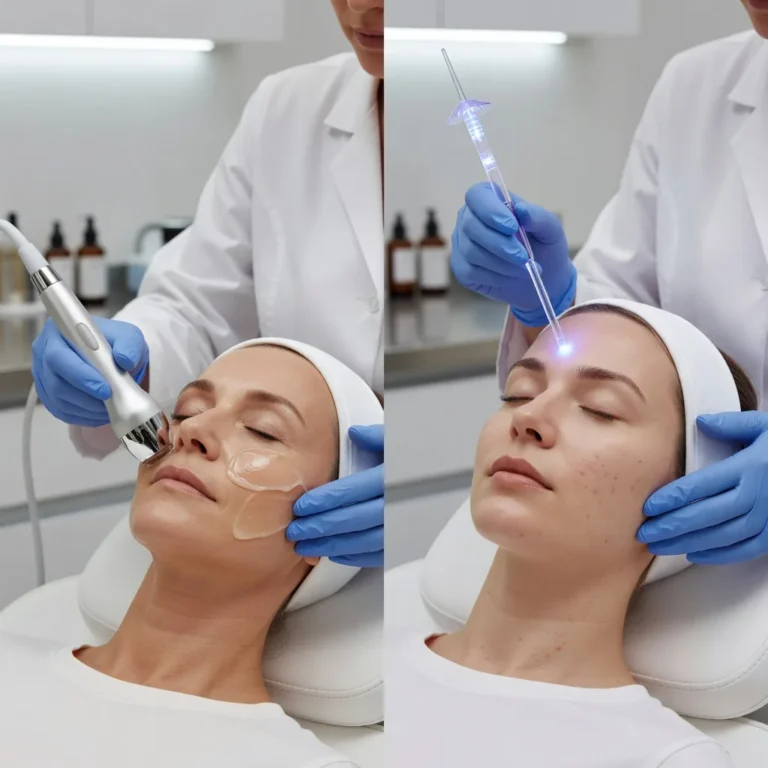
Our comparison of laser facials and microneedling explains which suits different skin concerns and tones.
Makeup Tips for Textured Cheeks
While your skin improves, a few makeup changes can make texture much less obvious. The key is to add as little as possible on top of the bumps.
- Start with a lightweight moisturiser and give it a few minutes to absorb, so dry patches do not grab product.
- Use a thin, blurring or pore-filling primer only where texture is most visible.
- Choose a satin or natural finish foundation; very matte formulas settle into bumps and very dewy ones highlight them.
- Apply with a damp sponge using pressing motions rather than brushing, which can lift dry flakes.
- Skip shimmery highlighter on textured areas, since light-reflecting particles draw attention to every bump.
- Use powder sparingly and only where you get shine.
Remove makeup gently every night. A cleansing balm or micellar water followed by a mild cleanser clears pores without scrubbing the cheeks.
What to Expect
Pores and skin texture are partly genetic, and no routine will make skin look like a filtered photo. The realistic goal is skin that feels smoother, looks more even in daylight and takes makeup better.
Closed comedones and dryness often improve noticeably in six to twelve weeks. KP improves but tends to return if you stop treatment, so a simple maintenance routine of a mild exfoliant twice a week and daily moisturiser usually works better than short, intense bursts of treatment. Sun damage improves slowly over months, and pitted scars change only with professional treatment.
When to See a Dermatologist
- Bumps are itchy, spreading or appeared suddenly.
- You have persistent redness, flushing or visible blood vessels, which could be rosacea.
- Rough, scaly spots do not heal or keep returning.
- You have pitted scars and want to discuss treatment.
- Nothing has improved after three months of gentle care.
This article is for general information and does not replace professional medical advice. See a dermatologist for persistent or changing skin concerns.
FAQ
Why are my cheeks bumpy and rough?
Common causes include clogged pores, keratosis pilaris, dryness, sun damage and old acne scars.
What are closed comedones?
They are small, skin-coloured clogged pores that make skin look bumpy, especially in side light.
Can keratosis pilaris appear on the face?
Yes. It often shows as rough, tiny bumps on the outer cheeks, sometimes with redness.
What is the best exfoliant for cheek texture?
A gentle chemical exfoliant such as lactic or salicylic acid, used a few times a week, suits most cheeks.
Should I use a scrub on my cheeks?
Scrubs can irritate cheek skin and are rarely needed. Chemical exfoliants are usually gentler.
How long does it take to improve skin texture?
Most people see smoother skin after eight to twelve weeks of consistent care.
Can retinol help uneven texture?
Yes. Retinoids speed up cell turnover and can smooth texture and clogged pores over a few months.
Does sunscreen help skin texture?
Yes. Sun damage roughens skin over time, so daily sunscreen protects and supports other treatments.
Can over-exfoliating cause bumps?
Yes. Irritation from too much exfoliation can cause redness, flaking and new bumps.
When should I see a dermatologist about rough cheeks?
If bumps itch, spread, come with persistent redness, or do not improve after a few months of gentle care.
The Bottom Line
Uneven texture on the cheeks is usually a sign of clogged pores, keratosis pilaris, dryness, sun damage or old acne, often more than one at once. The cheeks are more delicate than the T-zone, so gentle care wins over harsh scrubbing.
Pick one exfoliating ingredient or a retinoid, moisturise straight afterwards, wear sunscreen every day and give it two to three months. For pitted scars, sun damage that will not budge or bumps that itch and spread, a dermatologist can offer treatments that go further.

Written by
Registered pharmacist and founder of Facial Adviser. Rakib's pharmacy training covers how skincare actives work and interact; a later course in cosmetology turned that into a focus on facial treatments and skincare products. He plans, researches and edits every guide on the site and checks health claims against sources such as the American Academy of Dermatology, the FDA and the NIH. He is not a dermatologist; see the Editorial Policy and Medical Disclaimer.
About · Editorial policy · How we choose products · Medical disclaimer · Contact
Keep reading: Pores and texture
- How Can I Make My Pores Less Visible?
- Patchy Dry Skin Around the Mouth: Causes and How to Heal It
- What Causes Open Pores on the Nose? Oil, Genes, Age and What Helps
- Dry, Flaky Skin on the Nose: Causes and How to Treat It
- Does Cold Water Close Pores? Myth or Fact, Explained
- Is Pore Minimizing Good for Oily Skin?
- How to Calm Inflamed Red Patches on Your Face
- Are Facials Good for Acne?