Dry, Flaky Skin on the Nose: Causes and How to Treat It
Foundation catches on the sides of your nose, and by lunchtime there are little white flakes in the creases beside your nostrils. The rest of your face might even be oily. It is a common and frustrating combination, especially when scrubbing the flakes away seems to make them come back faster.
Part of our guide to skin concerns. Start with: How Can I Make My Pores Less Visible?
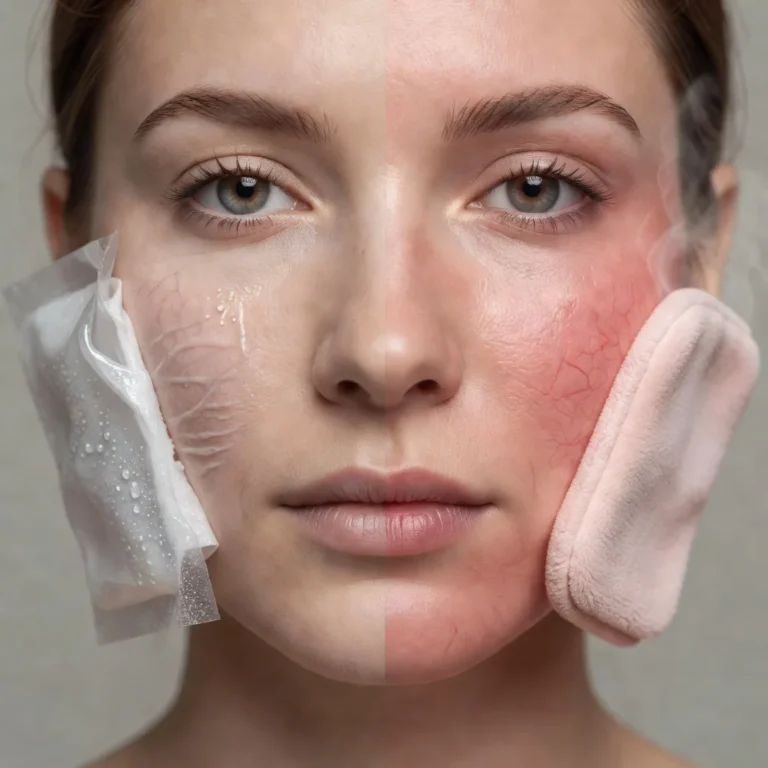
Dry, flaky skin on and around the nose is most often caused by seborrheic dermatitis, irritation from over-exfoliating or strong acne and retinoid products, frequent nose blowing during colds and allergies, or cold, dry weather. Seborrheic dermatitis causes greasy, yellowish flakes in the creases beside the nose and usually responds to a zinc pyrithione or ketoconazole wash. Irritation and weather-related flaking improve with gentle cleansing, a fragrance-free moisturiser and stopping harsh products.
The nose is an unusual spot. It has some of the most active oil glands on the face, yet the skin in the folds beside the nostrils is thin and easily irritated. Yeast that normally lives on oily skin can trigger inflammation there, and every tissue, scrub and acne product adds friction.
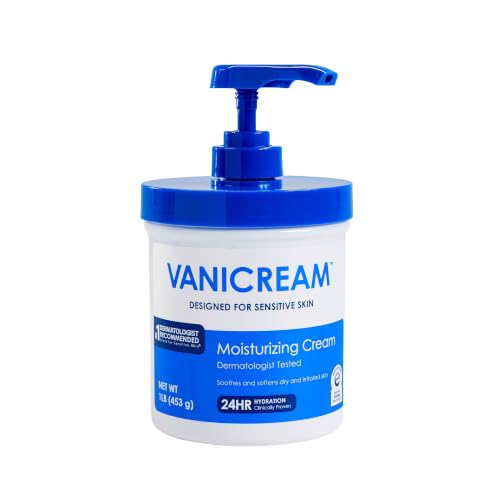
The American Academy of Dermatology’s self-care advice for facial seborrheic dermatitis includes washing with a fragrance-free cleanser or one containing pyrithione zinc, rinsing thoroughly and applying a fragrance-free moisturiser afterwards, because hydrated skin is less likely to flare.
This guide will help you work out which type of flaking you have, calm it and stop it returning.
Shopping these picks?
Amazon Prime members get fast, free shipping on eligible items, plus Prime Video, Amazon Music and member deals. New members can start with a free trial.
Start a free Prime trialAged 18 to 24? Prime for Young Adults comes with a longer free trial and a lower price after it.
Affiliate link: we may earn a commission at no extra cost to you.
Recommended Products for a Dry, Flaky Nose


Jump to a Section
- Which Kind of Flaking Is It?
- Seborrheic Dermatitis Around the Nose
- How to Treat Dry, Flaky Skin on the Nose
- Too Much Exfoliation on the Nose
- Dos and Don’ts for a Flaky Nose
- Colds, Allergies and a Raw Nose
- Makeup Over a Flaky Nose
- Cold Weather and Indoor Heating
- A Simple Weekly Maintenance Plan
- Beards, Moustaches and Seborrheic Dermatitis
- Honest Limits
- When to See a Doctor
- Frequently Asked Questions
- Summing Up
At a Glance
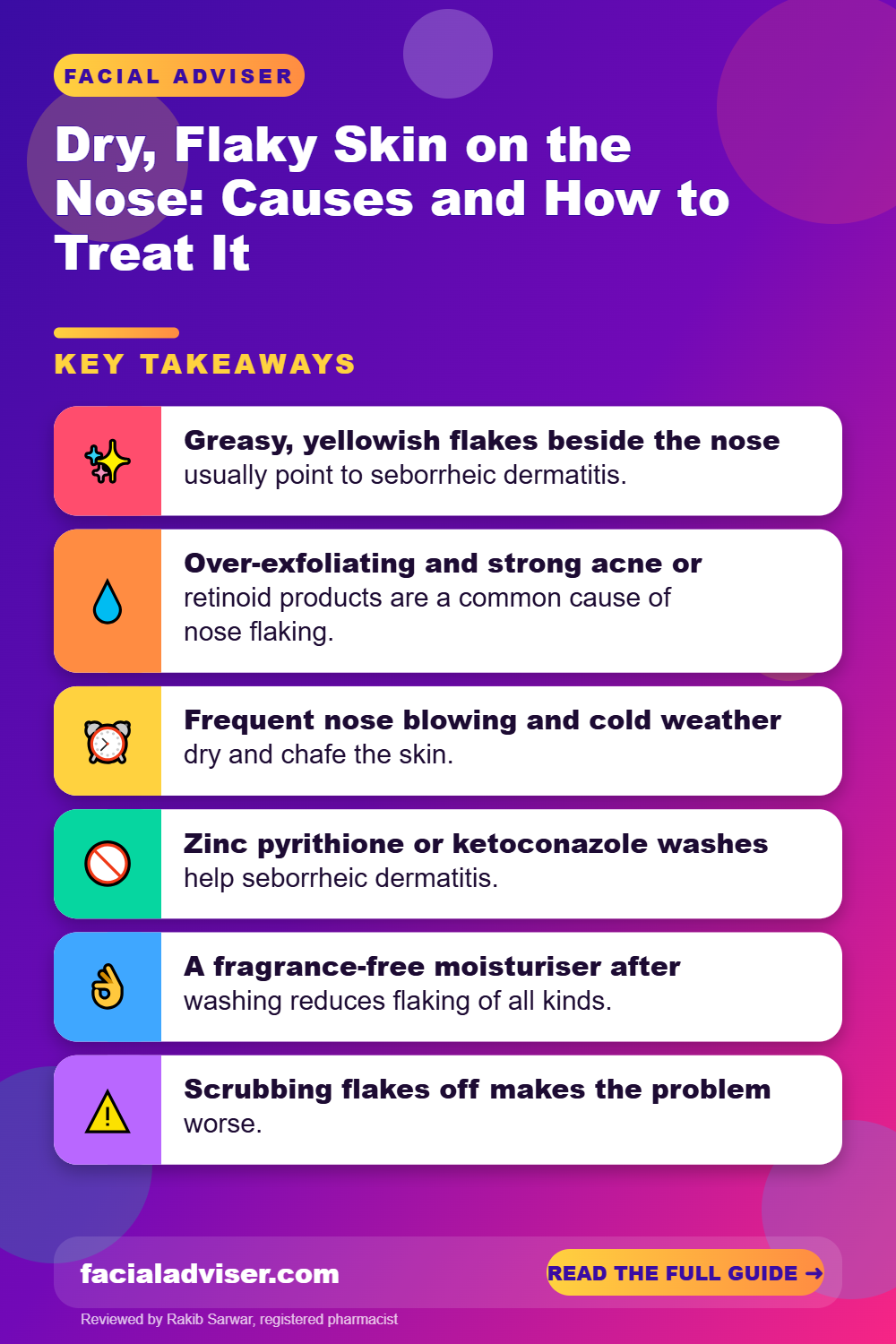
- Greasy, yellowish flakes beside the nose usually point to seborrheic dermatitis.
- Over-exfoliating and strong acne or retinoid products are a common cause of nose flaking.
- Frequent nose blowing and cold weather dry and chafe the skin.
- Zinc pyrithione or ketoconazole washes help seborrheic dermatitis.
- A fragrance-free moisturiser after washing reduces flaking of all kinds.
- Scrubbing flakes off makes the problem worse.
- Persistent scaly patches that bleed or do not heal need a doctor’s review.
Which Kind of Flaking Is It?
| What you notice | Likely cause | Key clue |
|---|---|---|
| Greasy, yellowish flakes in the creases beside the nose | Seborrheic dermatitis | Also flaky brows, scalp or behind the ears |
| Dry, tight, white flakes on the nose tip and sides | Irritation or over-exfoliation | Started with a new acid, retinoid or scrub |
| Red, raw skin under and around nostrils | Nose blowing and chafing | During colds, flu or hay fever |
| Rough, dry patches in winter | Cold, dry weather | Improves in summer |
| Red, bumpy skin with flushing | Rosacea | Triggered by heat, alcohol, spicy food |
| Small bumps with flaking around nose and mouth | Perioral dermatitis | Often after steroid creams |
| Single rough, scaly spot that keeps returning | Sun damage or skin lesion | Needs a doctor to check |
If flaking is limited to the creases beside the nostrils and your scalp also flakes, seborrheic dermatitis is the most likely cause. If it started with a new product, irritation is more likely.
Timing and pattern tell you a lot. Seborrheic dermatitis tends to come and go over months and years, often flaring in winter or during stressful periods. Irritation flaking starts within days or weeks of a new product and settles once it is stopped. Chafing from nose blowing follows colds and allergy season. Keeping a note of when the flaking appears makes the cause much easier to spot.
Seborrheic Dermatitis Around the Nose
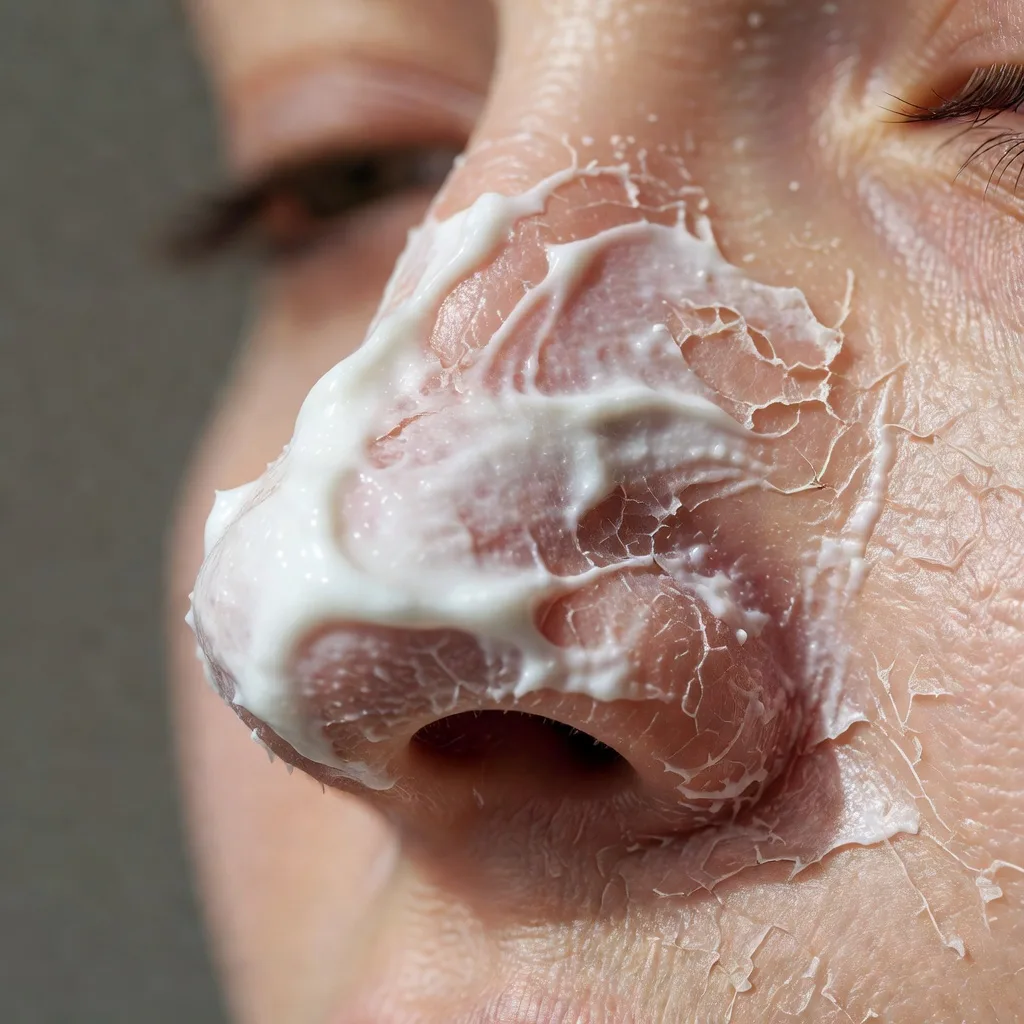
Seborrheic dermatitis is a very common condition in which the skin reacts to yeast that normally lives on oily areas. It causes redness and greasy, yellow or white flakes, typically in the folds beside the nose, the eyebrows, the scalp, behind the ears and on the chest. It tends to flare with stress, cold weather and illness.
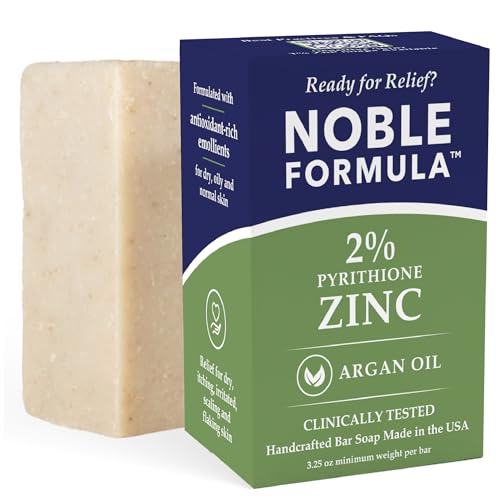
It cannot be cured, but it can be controlled well. The AAD suggests washing affected facial skin with a fragrance-free cleanser, a cleanser containing pyrithione zinc or a medicated product your dermatologist recommends, then moisturising (AAD). Treating the scalp at the same time with a dandruff shampoo often helps the face too.
A doctor or pharmacist can recommend a ketoconazole cream or wash for facial flares. Short courses of mild anti-inflammatory creams are sometimes used, but only under medical guidance.
How to Treat Dry, Flaky Skin on the Nose
Stop the likely irritant
Pause acids, retinoids, benzoyl peroxide, scrubs and pore strips on the nose.
Cleanse gently
Use a mild, fragrance-free cleanser with lukewarm water. If you suspect seborrheic dermatitis, use a zinc pyrithione cleanser a few times a week.
Rinse thoroughly
Residue left in the nose creases can irritate, so rinse carefully.
Moisturise straight after
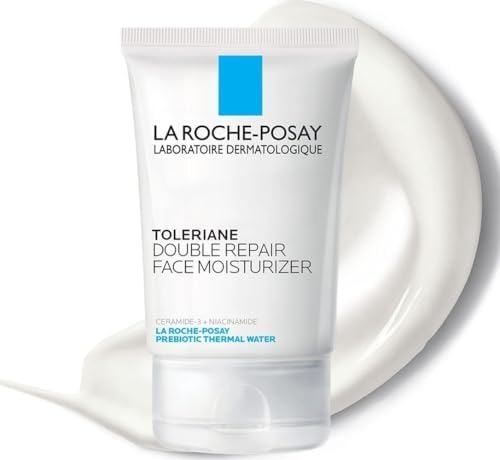
Apply a fragrance-free moisturiser while the skin is slightly damp.
Protect raw areas
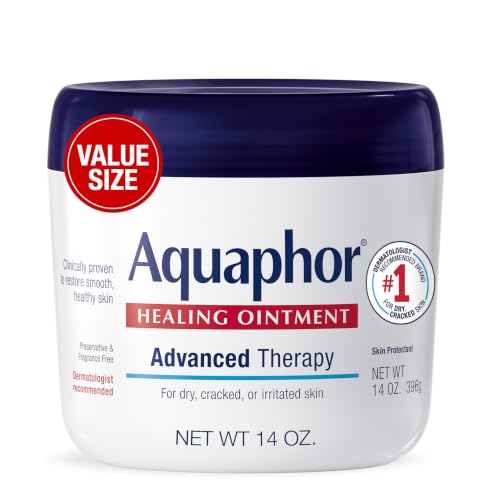
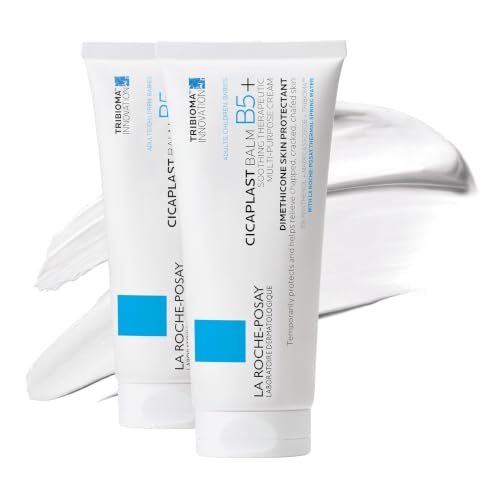
Use a thin layer of ointment on chafed skin under the nostrils, especially at night.
Be kind during colds
Use soft, lotion-infused tissues and pat rather than wipe.
Reassess after two weeks
If flaking persists, see a doctor or pharmacist about medicated options.
Do not peel or pick at flakes, even when they are loose. Let them come away with gentle cleansing, then moisturise.
Too Much Exfoliation on the Nose
Because the nose has visible pores, blackheads and sebaceous filaments, it tends to get the most exfoliation of any area. Salicylic acid, glycolic acid, retinoids, scrubs, pore strips and brushes are often all used there at once. The result can be a nose that is shiny, tight and flaky at the same time.
If you are trying to reduce blackheads, our guide on sebaceous filaments versus blackheads explains what you are seeing and why aggressive treatment rarely helps. And if you have recently started a retinoid, our article on peeling after new products covers how to adjust.
Stop any product that causes burning, swelling or a spreading rash, and seek medical advice if symptoms are severe.
Dos and Don’ts for a Flaky Nose
Do
- Use a gentle, fragrance-free cleanser
- Moisturise after every wash
- Use soft tissues during colds
- Treat dandruff on the scalp as well
- Use a humidifier in dry weather
Don’t
- Scrub or use pore strips on flaky skin
- Pick at flakes
- Stack several exfoliating products
- Use alcohol toners on the nose
- Apply steroid creams without advice
The simplest changes often make the biggest difference: fewer products on the nose, lukewarm water, a moisturiser every time you wash and no picking. Give these basics two weeks before deciding they have not worked.
Colds, Allergies and a Raw Nose
Constant nose blowing strips the skin under and around the nostrils, leaving it red, dry and cracked. Tissues rub off the outer layer, and moisture from the nose keeps the skin wet and then dry again.
- Use soft tissues with added lotion.
- Pat rather than wipe when you blow your nose.
- Apply a thin layer of ointment under the nostrils several times a day.
- Wash your hands before touching the area to avoid infection.
If allergies are the cause, managing them properly can prevent the problem. Our guide to how seasonal allergies affect facial skin has more tips.
Makeup Over a Flaky Nose
Foundation and powder cling to dry flakes and settle into the creases beside the nose, making the problem look worse by midday. Our guide on why makeup separates on the nose explains the causes in detail.
While the skin heals, moisturise well and wait a few minutes before makeup, use a hydrating primer only on the nose, press foundation on thinly with a damp sponge and skip powder on dry areas.
Remove makeup gently at night, paying attention to the creases beside the nose where product builds up. A cleansing balm followed by your usual mild cleanser works well, and it avoids the rubbing that makeup wipes involve.
Cold Weather and Indoor Heating
Cold air holds little moisture, and indoor heating dries the air further. The nose, which sticks out into cold wind and is often rubbed, is one of the first places to flake.
A humidifier in the bedroom, a richer moisturiser in winter and a scarf over the lower face in cold wind all help. Seborrheic dermatitis also tends to flare in winter, so you may need to use your zinc or ketoconazole wash more often in the colder months. Very hot showers and hot water on the face feel comforting in winter but strip oils quickly, so keep the water lukewarm and your time under it short.
A Simple Weekly Maintenance Plan
Once your nose has settled, a light maintenance routine keeps flaking from creeping back. The exact plan depends on the cause, but this pattern works for many people with seborrheic dermatitis or irritation-prone skin.
| When | What to do | Why |
|---|---|---|
| Every morning | Gentle cleanser or just water, moisturiser, sunscreen | Keeps the barrier intact |
| Every evening | Gentle cleanser, moisturiser | Removes oil and product build-up |
| Two or three times a week | Zinc pyrithione or ketoconazole wash on affected creases | Keeps yeast-related flaking under control |
| Once or twice a week | Dandruff shampoo on the scalp | Reduces flares spreading to the face |
| At the first sign of a flare | Increase medicated washes; pause actives | Stops a small flare becoming a big one |
If your flaking was caused by products rather than seborrheic dermatitis, you can skip the medicated washes and simply keep exfoliating products to a low frequency on the nose.
Beards, Moustaches and Seborrheic Dermatitis
Facial hair creates a warm, oily environment where the yeast linked to seborrheic dermatitis thrives. Many people with beards or moustaches notice flaking and redness beside the nose and in the beard itself.
Washing the beard and the skin underneath with a zinc pyrithione or ketoconazole product a few times a week, rinsing thoroughly and using a light, fragrance-free beard moisturiser rather than a heavy oil often helps. Some people find that seborrheic dermatitis improves noticeably after shaving, although that is a personal choice rather than a necessity.
Honest Limits
Seborrheic dermatitis is a long-term condition. Even when it clears, it often returns, so many people use a medicated wash once or twice a week as maintenance. That is normal, not a sign of failure.
Stress, illness, lack of sleep and cold weather are all common flare triggers, so it is worth stepping up your routine during demanding periods rather than waiting for the flakes to reappear.
A flaky patch on the nose that is rough, scaly, keeps coming back in the same spot or bleeds easily is not something to treat at home. Some sun-related skin changes and skin cancers can look like a stubborn dry patch.
When to See a Doctor
- A rough, scaly spot that does not heal, bleeds or keeps returning in the same place.
- Flaking with significant redness, swelling or pain.
- Crusting, oozing or yellow crusts, which may be infection.
- Seborrheic dermatitis that does not respond to over-the-counter washes.
- Flaking and bumps after using a steroid cream.
This article is for general information and does not replace professional medical advice. See a doctor for persistent, changing or bleeding spots on the nose.
Frequently Asked Questions
Why is the skin on my nose dry and flaky?
Common causes are seborrheic dermatitis, over-exfoliation, strong acne products, nose blowing and cold weather.
What does seborrheic dermatitis look like on the nose?
Redness with greasy, yellowish or white flakes in the creases beside the nostrils.
How do I treat seborrheic dermatitis on my face?
Wash with a zinc pyrithione or ketoconazole product, rinse well and apply a fragrance-free moisturiser.
Can I use dandruff shampoo on my face?
Some people use it briefly as a face wash, but a zinc cleanser or a product recommended by a doctor is often gentler.
Why is my nose flaky but oily?
Seborrheic dermatitis and over-exfoliation can both cause flaking on otherwise oily skin.
Should I exfoliate a flaky nose?
No. Exfoliating irritated or flaky skin usually makes it worse. Moisturise instead.
How do I stop my nose peeling during a cold?
Use lotion tissues, pat gently and apply ointment under the nostrils several times a day.
Can retinol make my nose flaky?
Yes. The nose and the creases beside it often peel first when starting a retinoid.
Is a flaky nose a sign of vitamin deficiency?
Rarely. Common skin causes are far more likely, but a doctor can check if you have other symptoms.
When should I worry about a scaly spot on my nose?
If it does not heal, bleeds or keeps coming back in the same spot, see a doctor.
Summing Up
Dry, flaky skin on the nose usually comes from seborrheic dermatitis, too much exfoliation, nose blowing or cold weather. Working out which one you have makes treatment much simpler.
Keep cleansing gentle, moisturise after every wash, use a zinc or ketoconazole product for seborrheic dermatitis and stop scrubbing. See a doctor for a stubborn scaly spot, a rash that will not settle or flaking with pain or crusting.

Written by
Registered pharmacist and founder of Facial Adviser. Rakib's pharmacy training covers how skincare actives work and interact; a later course in cosmetology turned that into a focus on facial treatments and skincare products. He plans, researches and edits every guide on the site and checks health claims against sources such as the American Academy of Dermatology, the FDA and the NIH. He is not a dermatologist; see the Editorial Policy and Medical Disclaimer.
About · Editorial policy · How we choose products · Medical disclaimer · Contact
Keep reading: Pores and texture