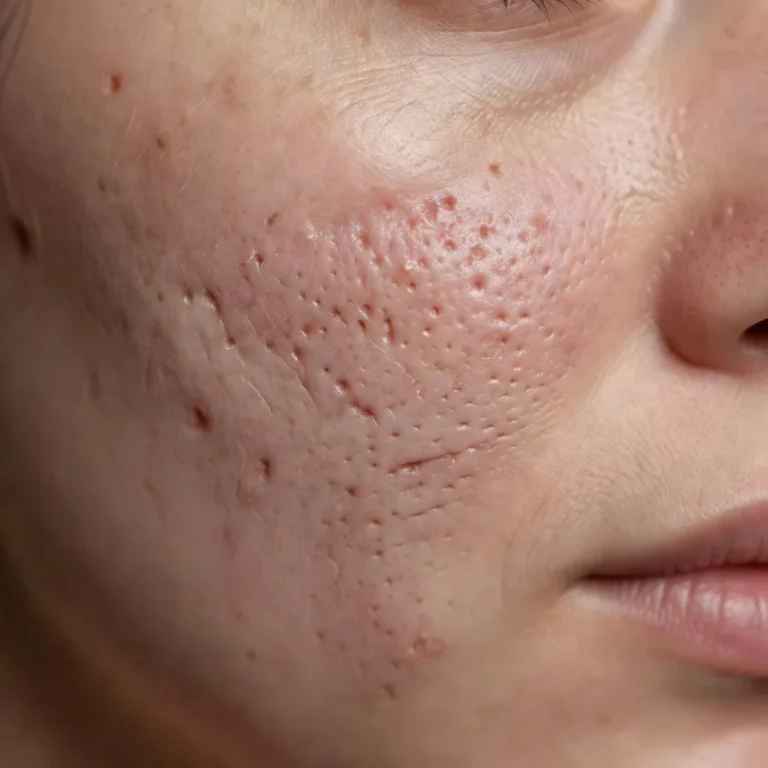
What’s a Dermalogica Facial?
What’s a Dermalogica facial, and does the branded protocol behind it actually deliver something a generic facial doesn’t?
Part of our guide to facial treatments. Start with: What Is a Spa Facial?
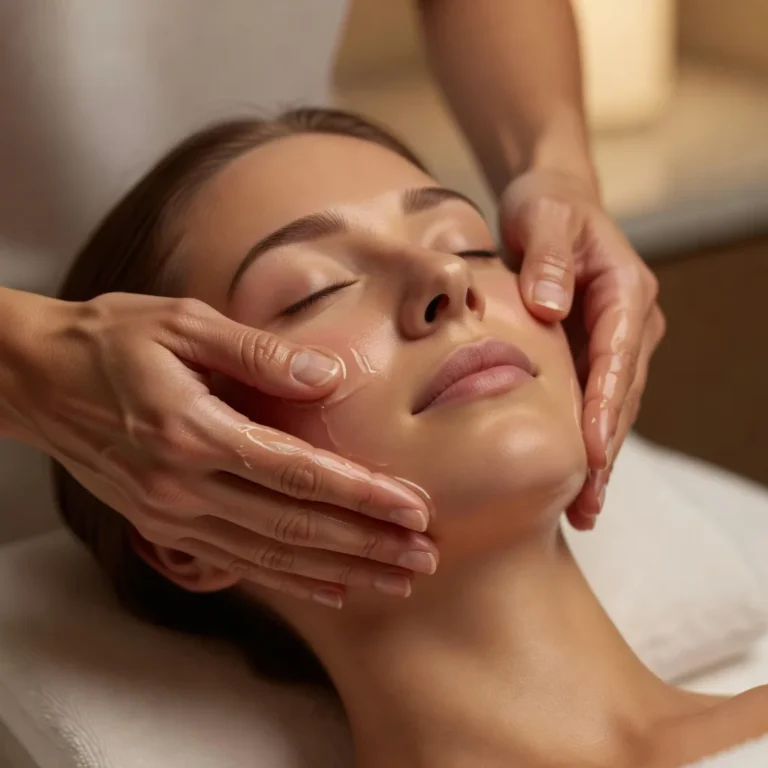
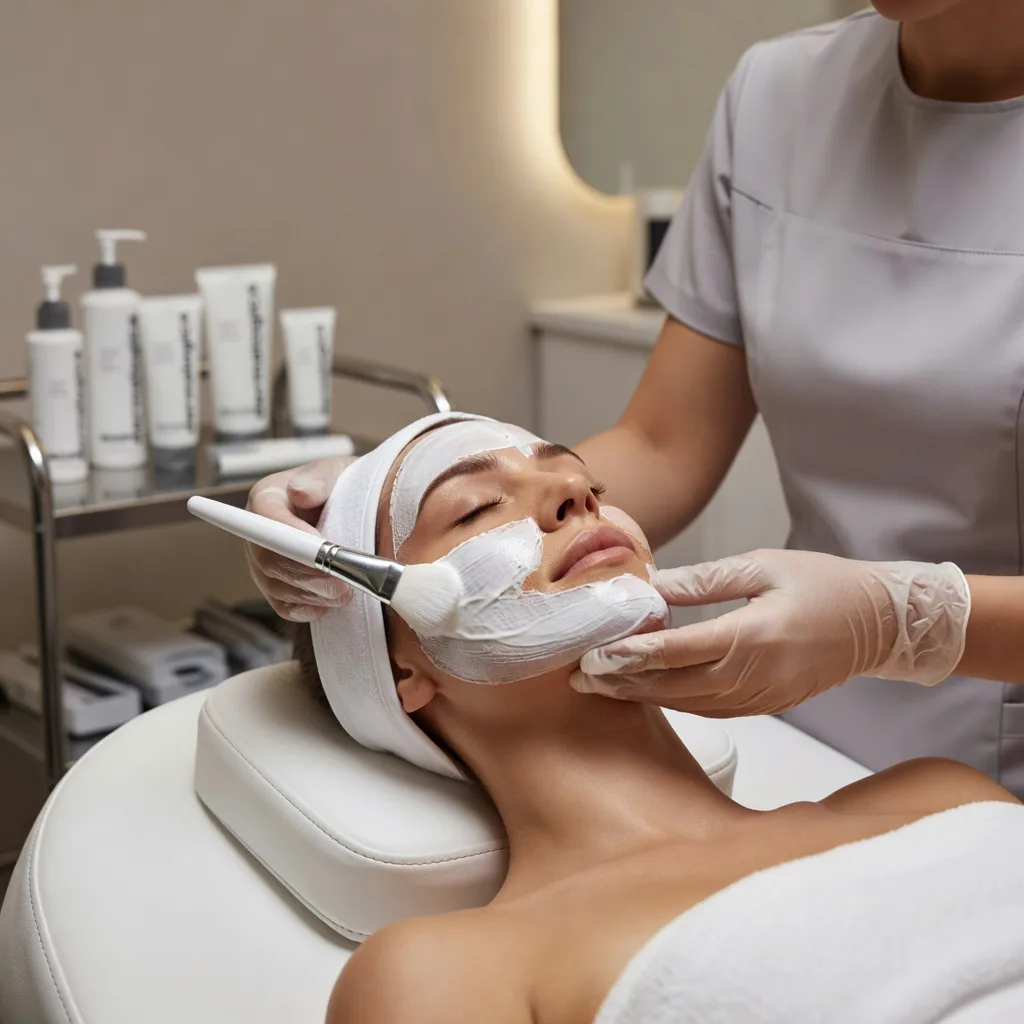
A Dermalogica facial is a structured, branded treatment — most commonly the 60-minute ProSkin 60 — built around Dermalogica’s proprietary “Face Mapping” skin assessment, double cleansing, resurfacing, targeted extractions, and a signature “Touch Therapy” massage technique. The protocol itself is real and consistently reported across independent, brand-certified providers, though Face Mapping should be understood as an in-house customization tool rather than an independently validated diagnostic method.
No independent, non-Dermalogica-funded peer-reviewed outcome study of the ProSkin 60 protocol itself was found, so its reputation rests on standardized provider training and product formulation rather than controlled clinical trials.
This guide walks through the full ProSkin 60 sequence step by step, what Face Mapping can and can’t actually tell you, and how to confirm your provider is genuinely certified in the actual protocol rather than simply stocking the products.
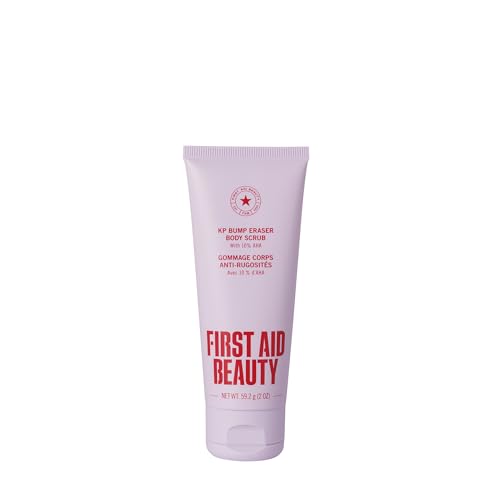
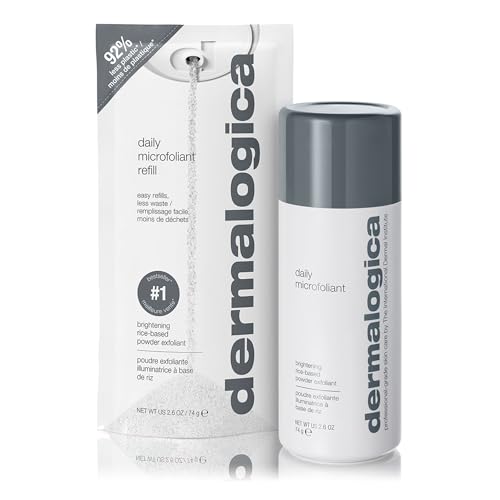
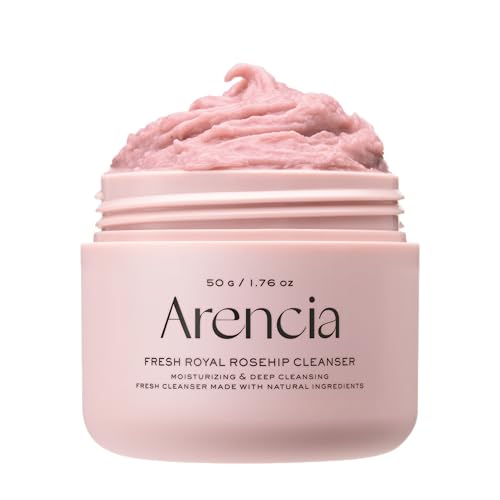
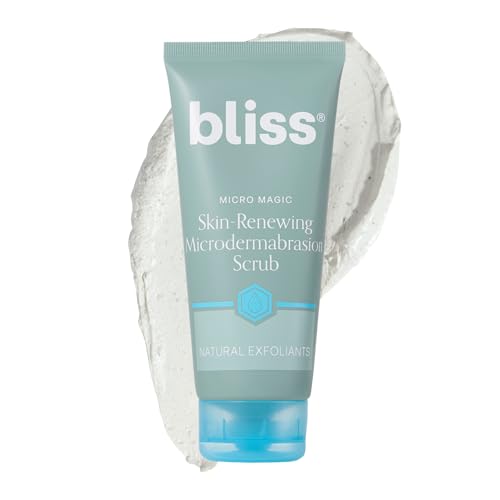
Recommended Gentle Exfoliants for At-Home Maintenance


Key Facts
- A Dermalogica facial is built around a documented, branded protocol — most commonly the 60-minute “ProSkin 60” — consistently reported across independent licensed-provider treatment menus, not a vague marketing label.
- “Face Mapping,” Dermalogica’s proprietary skin-analysis system, is a real in-house assessment and customization tool used to tailor the treatment, but it isn’t an independently validated diagnostic method in peer-reviewed dermatology literature.
- No independent, non-Dermalogica-funded peer-reviewed outcome study of the ProSkin 60 protocol itself was found — its reputation rests on consistent provider training and product formulation, not controlled clinical trials.
Jump To
- What Is a Dermalogica Facial?
- The Brand Behind It
- Face Mapping: What It Is (and Isn’t)
- The ProSkin 60 Protocol, Step by Step
- Dermalogica Facial vs. a Standard Facial
- ProSkin 60 vs. ProSkin 30
- What It Costs
- Who Tends to Choose It
- Who Should Skip It
- Getting the Most Out of the Appointment
- Finding a Genuinely Certified Provider
- When It’s Not the Right Treatment
- Frequently Asked Questions
- The Bottom Line
What Is a Dermalogica Facial?
A Dermalogica facial is a professional treatment built around Dermalogica-brand products and a structured protocol, delivered by an esthetician trained and certified in the brand’s system. Dermalogica is a real, established professional skincare brand founded in 1986 and used in licensed spas globally — this isn’t a generic spa facial with a brand name attached, but a specific, trainable sequence tied to that brand’s product line and assessment method.
Shopping these picks?
Amazon Prime members get fast, free shipping on eligible items, plus Prime Video, Amazon Music and member deals. New members can start with a free trial.
Start a free Prime trialAged 18 to 24? Prime for Young Adults comes with a longer free trial and a lower price after it.
Affiliate link: we may earn a commission at no extra cost to you.
What sets it apart from a generic “we use Dermalogica products” facial is the training layer. Plenty of spas stock Dermalogica retail and professional products without their staff having completed the brand’s formal certification, which means you can encounter the products without encountering the actual standardized protocol. Understanding that distinction is the first step to knowing what you’re actually booking.
The Brand Behind It
Dermalogica has built its professional reputation on training and certifying the estheticians who deliver its treatments, which is part of why the protocol described below shows up consistently across independent providers rather than varying wildly location to location. That consistency is a reasonable signal the protocol is real and standardized, even though the brand itself is the one setting and promoting it.
The brand’s positioning within the professional skincare industry — as opposed to a purely consumer-facing retail line — is part of why its treatments tend to be found in licensed spas and skincare clinics rather than big-box retail settings. Providers typically need to stock the professional product line and complete brand-specific training to offer the treatment under Dermalogica’s name, which creates a meaningful, if brand-controlled, quality floor.
Face Mapping: What It Is (and Isn’t)
The ProSkin 60 Protocol, Step by Step
Unlike a facial where the esthetician improvises the sequence based on general training, the ProSkin 60 follows a set order that’s meant to be broadly consistent from one certified provider to the next. Knowing the sequence in advance can help you understand what’s happening at each stage and ask informed questions if something seems to be skipped or added.
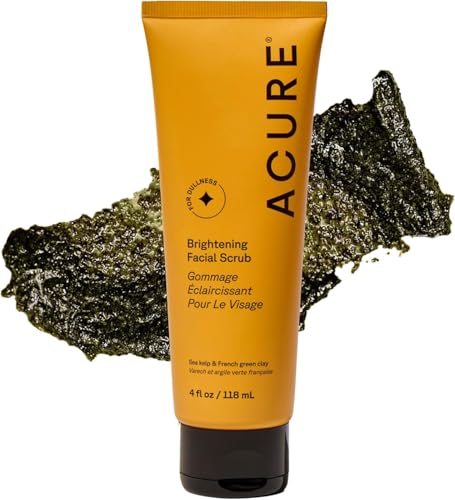
Double cleanse with Face Mapping analysis
A PreCleanse oil-based step followed by a cleanser matched to skin type, during which the esthetician performs the Face Mapping visual assessment.
Resurfacing and exfoliation
Typically a microfoliant or thermafoliant product, with an optional exfoliant accelerator for deeper resurfacing when appropriate.
Extractions
A three-step process — prep, extract, and post-care — performed only if the skin actually needs it, not as an automatic step.
Touch Therapy massage
A pressure-point and acupressure-based massage technique, sometimes offered with aromatherapy options.
Deep treatment
Targeted serums or masques matched to the Face Mapping assessment, sometimes applied with ultrasonic product-penetration technology.
Dermal layering
A finishing sequence of toner, eye treatment, moisturizer, and SPF.
Dermalogica Facial vs. a Standard Facial
| Element | Dermalogica ProSkin 60 | Generic Standard Facial |
|---|---|---|
| Assessment | Branded “Face Mapping” system | Provider’s general visual assessment |
| Products | Dermalogica line throughout | Varies by spa |
| Massage technique | Branded “Touch Therapy” method | Provider’s standard technique |
| Provider training | Dermalogica-certified | General esthetics licensing |
| Duration | 60 minutes (ProSkin 60) | Typically 60–90 minutes |
ProSkin 60 vs. ProSkin 30
Dermalogica also offers a shorter ProSkin 30 variant, which follows the same general protocol structure but compresses the timing, similarly to how an express facial trims steps elsewhere. ProSkin 60 remains the more commonly booked version and the one most treatment menus default to.
The 30-minute version generally keeps the Face Mapping assessment and cleansing steps intact while shortening the massage and deep-treatment phases, rather than removing any single step entirely. That’s a somewhat different trade-off than a generic express facial makes, since Dermalogica’s shorter format is still built around the same branded assessment system rather than dropping it to save time.
What It Costs
| Service | Typical Price Range |
|---|---|
| Dermalogica ProSkin 60 | Roughly $80 – $175, varying by provider and location |
| Dermalogica ProSkin 30 | Roughly $55 – $110 |
List pricing sourced from UK providers starts around £60 for ProSkin 60, but exact pricing varies substantially by location, provider tier, and country — treat these as directional ranges rather than fixed rates. Because the treatment requires brand certification and a specific product line, pricing also tends to sit closer to what a specialized, credentialed provider charges rather than the low end of the general facial market.
It’s worth comparing that price against what you’d pay for a comparable non-branded facial at the same provider, since the premium for the Dermalogica name specifically covers the branded assessment system and product line, not necessarily a longer appointment or more extensive service.
Who Tends to Choose It
People who want a consistent, product-brand-specific experience they can expect to be similar across different Dermalogica-certified locations tend to gravitate toward this option, as do people already using Dermalogica’s retail products at home who want an in-spa treatment that matches their existing routine. It also appeals to people who travel frequently and want a treatment they can reasonably expect to find, in a similar form, in a different city rather than starting from scratch evaluating an unfamiliar spa’s approach each time.
People deciding between a Dermalogica facial and a more general treatment like a standard extraction-focused facial should weigh brand consistency against flexibility — a Dermalogica appointment follows its set protocol fairly closely, while a non-branded facial can sometimes be customized more freely by an individual esthetician’s judgment.
Who Should Skip It
A properly trained provider should ask about these before beginning, since the resurfacing and extraction steps in the ProSkin 60 protocol carry real risk if performed over compromised skin. If a provider skips this screening step entirely, that’s worth noting — it suggests the certification training isn’t being followed as thoroughly as it should be, regardless of how polished the appointment otherwise feels.
Getting the Most Out of the Appointment
Do
- Mention any specific skin concerns before the Face Mapping assessment begins
- Ask whether extractions will be included, since they’re only performed if needed
- Confirm your provider is actually Dermalogica-certified, not just using the products
Don’t
- Treat Face Mapping results as a medical diagnosis
- Expect identical results at every location without checking provider certification
- Skip disclosing recent isotretinoin use or active skin conditions
Finding a Genuinely Certified Provider
A treatment menu that simply lists “Dermalogica facial” without naming the ProSkin 60 or ProSkin 30 protocol by name is worth a follow-up question, since that specificity is usually a sign the provider is genuinely trained on the branded system rather than loosely using the product line in an otherwise generic facial. It costs nothing to ask, and the answer tells you a good deal about what you’re actually booking.
When It’s Not the Right Treatment
Face Mapping is a customization tool, not a diagnostic one — so a persistent, unexplained, or changing skin concern deserves an actual dermatologist evaluation rather than reliance on an esthetician’s in-spa assessment, however experienced.
This is worth restating plainly because brand marketing around Face Mapping can blur the line between “helps your esthetician pick the right products” and “identifies what’s medically wrong with your skin.” It genuinely does the first. It hasn’t been shown, independently, to reliably do the second, and treating it as a substitute for a dermatology visit is a mistake regardless of how thorough the in-spa assessment feels.
Frequently Asked Questions
What is a Dermalogica facial?
A structured professional facial protocol, most commonly the 60-minute ProSkin 60, delivered with Dermalogica products by a brand-certified esthetician.
Is Face Mapping a real diagnostic tool?
It’s a genuine in-house assessment and customization system, but it isn’t independently validated as a clinical diagnostic method.
How long does a Dermalogica facial take?
ProSkin 60 runs about 60 minutes; a shorter ProSkin 30 variant is also commonly available.
Does a Dermalogica facial always include extractions?
No — extractions are part of the protocol but are only performed if your skin actually needs them.
How much does a Dermalogica facial cost?
Typically around $80 to $175 for ProSkin 60, varying by location and provider.
What is “Touch Therapy” in a Dermalogica facial?
A branded pressure-point and acupressure-based massage technique used during the deep-treatment portion of the facial.
Is Dermalogica facial results backed by clinical studies?
No independent, peer-reviewed outcome study of the ProSkin 60 protocol itself was found; its consistency comes from standardized provider training, not controlled trials.
Who shouldn’t get a Dermalogica facial?
Anyone with active cystic acne, active cold sores, sunburned or broken skin, or recent isotretinoin use should avoid it, as with any facial involving extraction and resurfacing.
Is any spa using Dermalogica products giving the real protocol?
Not necessarily — ask whether your esthetician is specifically Dermalogica-certified, since that’s what standardizes the actual protocol.
What’s the difference between ProSkin 60 and ProSkin 30?
They follow the same general protocol structure, with ProSkin 30 compressing the timing similarly to how an express facial trims steps elsewhere.
The Bottom Line
A Dermalogica facial is a real, consistently structured branded protocol delivered by trained providers — worth choosing if you value that consistency or already use the brand’s products at home. Just keep Face Mapping in perspective as a customization tool rather than a diagnostic one, and confirm your provider’s actual certification before assuming you’re getting the standardized experience.

Written by
Registered pharmacist and founder of Facial Adviser. Rakib's pharmacy training covers how skincare actives work and interact; a later course in cosmetology turned that into a focus on facial treatments and skincare products. He plans, researches and edits every guide on the site and checks health claims against sources such as the American Academy of Dermatology, the FDA and the NIH. He is not a dermatologist; see the Editorial Policy and Medical Disclaimer.
About · Editorial policy · How we choose products · Medical disclaimer · Contact