What Is a Spa Facial?
What is a spa facial, exactly, and does the industry actually follow a standardized set of steps behind that one broad name?
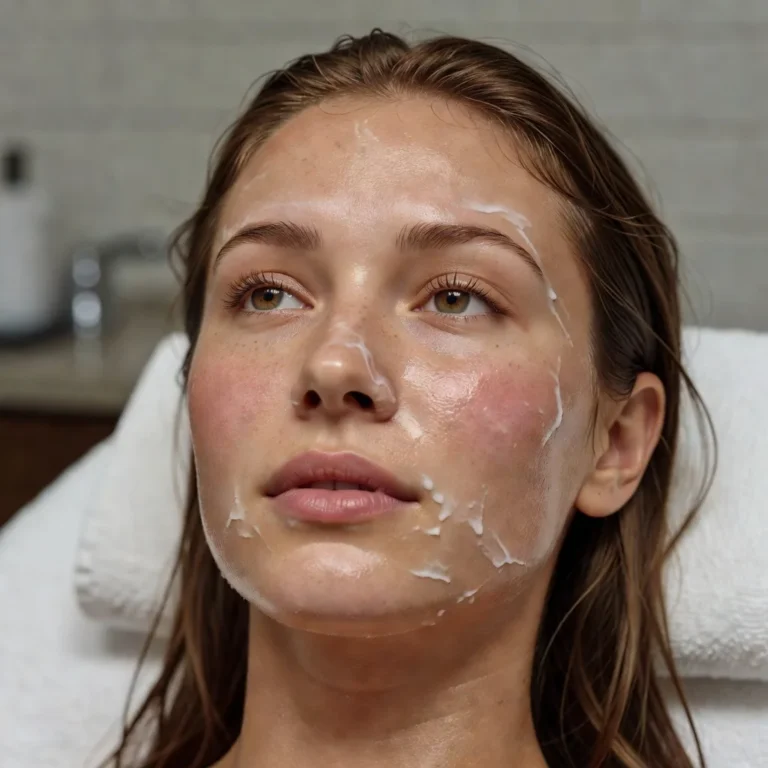
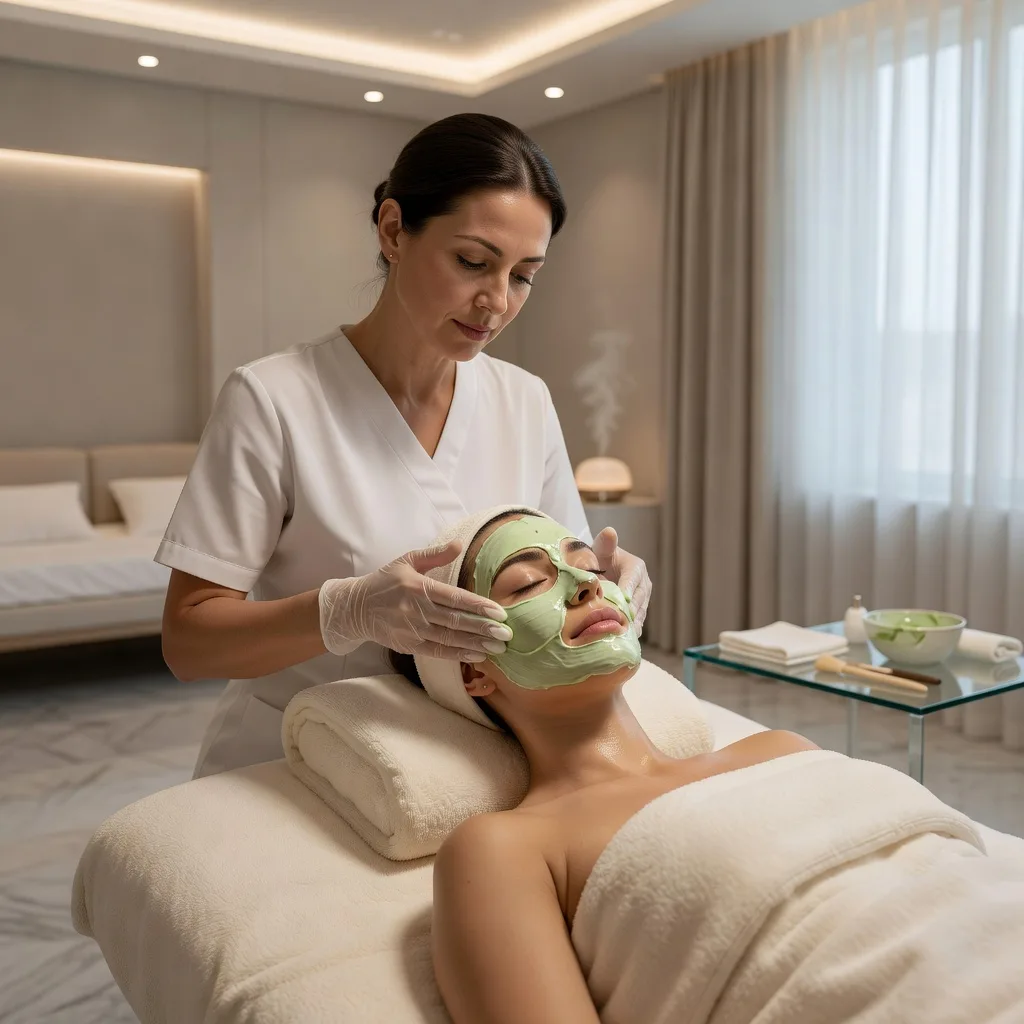
A spa facial is a bundled skin service, typically cleansing, exfoliation, steam, optional extraction, massage, a mask, and a finishing moisturizer or SPF, run together in a single 60- to 90-minute appointment. No regulatory body defines an exact required sequence, so what’s actually included can shift meaningfully from one spa’s menu to another’s, even under the same general name.
Some of the marketing language attached to facials is looser than the mechanics behind it — steam doesn’t literally open or close pores, for instance, though it does soften built-up oil and debris in a way that makes extraction easier and less uncomfortable.
This guide walks through what each step in a standard facial actually does, what the research does and doesn’t support, and how a spa facial differs from a medical-grade treatment performed under a different scope of practice.
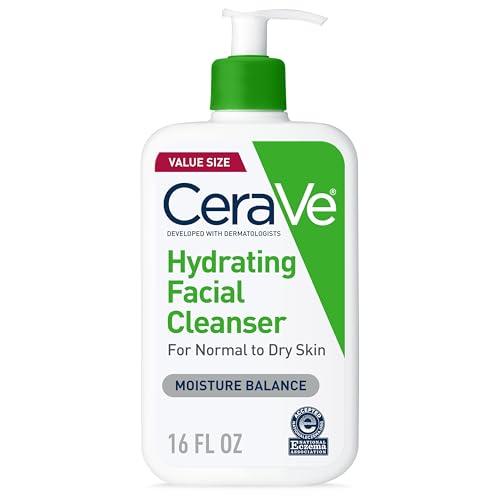
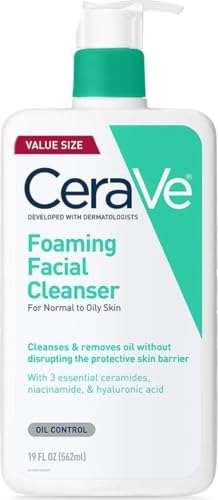
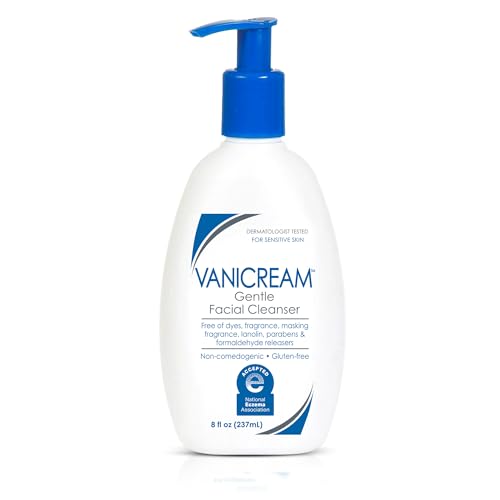
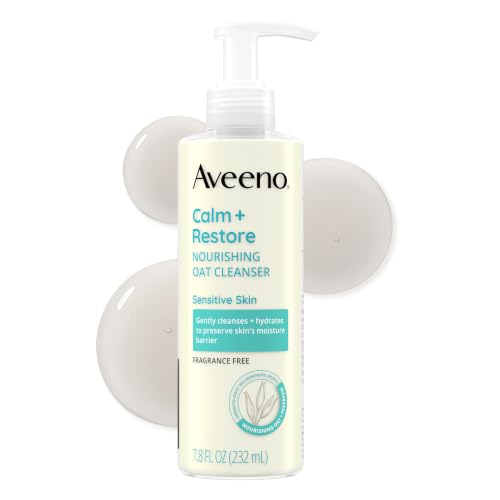
Recommended Gentle Cleansers to Prep Skin Before a Facial



The Short Version
- A “spa facial” is an industry-menu bundle, not a clinically defined treatment — typically cleanse, analyze, exfoliate, steam, optional extraction, massage, mask, then moisturizer/SPF.
- The 60–90 minute, 7–9 step format is universal across spas, but no regulatory body standardizes it — every spa’s version differs slightly.
- Steam doesn’t “open pores” — pores have no muscle tissue to open or close. It softens the plug inside them instead.
- A small pilot study found real, measurable facial-massage effects on tissue position — but it used just 5 people self-massaging at home, not one spa session.
- The “facials lower stress hormones” claim is weaker than marketing suggests — a major review found the cortisol effect close to zero in adults.
- A “medical facial” differs from a spa facial by licensure and depth of tissue reached, not by which steps appear on the menu.
- Knowing which bundled steps are evidence-backed versus which are just spa convention helps you judge whether a $150 facial is worth it over a $40 one.
Where This Guide Goes
- The Standard Facial, Step by Step
- The Steam Myth Everyone Repeats
- What the Massage Step Actually Does
- The Relaxation Claim, Checked Against Research
- Extraction: The One Step With Real (Thin) Evidence
- Spa Facial vs. Medical Facial
- Comparing the Common Facial Tiers
- Each Step, Rated by Evidence
- Signs a Facial Isn’t Being Done Safely
- A Simple Walkthrough of Booking One
- Do This, Not That
- Who Actually Benefits Most
- Frequently Asked Questions
- When to See a Dermatologist Instead
- The Bottom Line
The Standard Facial, Step by Step
Ask ten different spas what “a facial” includes and you’ll get ten slightly different answers, but the core sequence is remarkably consistent across the industry: cleanse, analyze the skin, exfoliate, apply steam, extract (if included), massage, apply a mask, then finish with toner, serum, and moisturizer with SPF. That’s typically 7 to 9 distinct steps stretched across 60 to 90 minutes.
What’s worth knowing upfront: this sequence is a spa-menu convention, not a clinically validated protocol. No dermatology board or regulatory agency defines what “a facial” must contain. Two spas charging the same price can deliver meaningfully different services under the identical word “facial,” which is exactly why later sections in this guide rate each step by how much real evidence actually backs it.
The Steam Myth Everyone Repeats
The most commonly repeated claim about facials — that steam “opens your pores” — is not accurate. Pores are simply follicle openings; they have no muscle tissue and cannot physically dilate or close the way an iris opens or closes in response to light. What actually happens under steam is more modest but still real: the heat and humidity soften the sebum and keratin plug sitting inside the follicle, making it easier and less traumatic to dislodge during extraction. Steam also temporarily increases blood flow to the surface, which can make pores look more visible — an optical effect, not a structural change in pore size.
What the Massage Step Actually Does
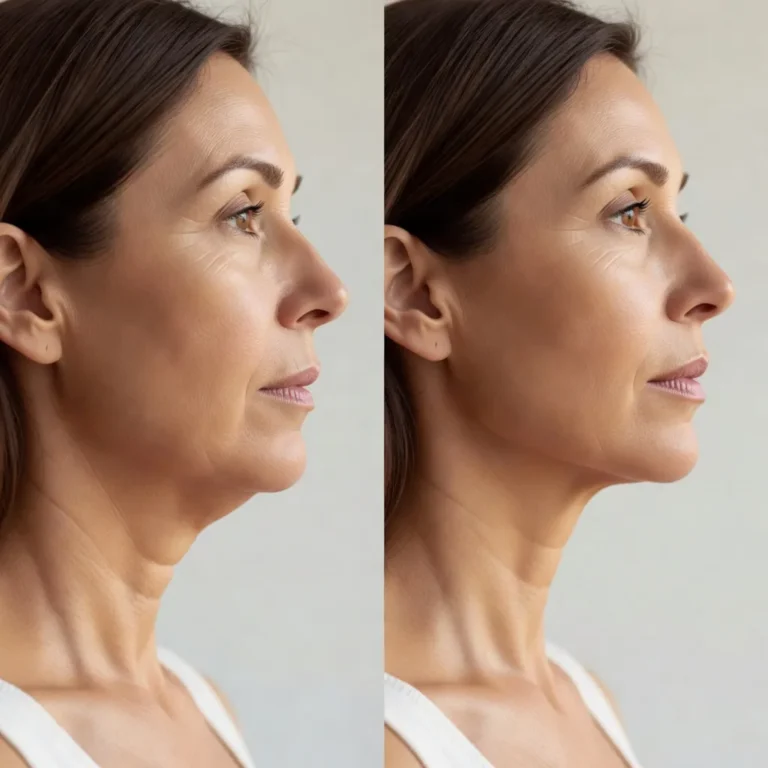
Facial massage has more objective research behind it than most people expect, though the study behind it is small enough to require real caution. A 2022 pilot study in Skin Research and Technology used detailed CT imaging on just five healthy adults who self-massaged their own faces twice daily for two weeks. The researchers measured real, statistically significant changes: cheek tissue thinned slightly and shifted upward and outward, while the fibrous SMAS layer beneath facial muscle measurably thickened, with the two changes negatively correlated — interpreted by the study authors as objective evidence of a mild “lifting” effect.
That’s a genuinely interesting finding, but it needs three caveats stated plainly: the sample was five people, there was no control group, and the massage was a twice-daily home routine sustained over two weeks — not a single spa session. It’s reasonable evidence that consistent facial massage can do something measurable to tissue position over time. It is not evidence that one 10-minute massage during a facial produces a visible lift.
The Relaxation Claim, Checked Against Research
Spa marketing leans hard on the idea that a facial “lowers your cortisol” and melts away stress at a hormonal level. A comprehensive 2011 quantitative review of massage-therapy research examined exactly this question and found the effect on cortisol was, across most studies, small and not statistically significant. The one subgroup that did show a meaningful effect — children receiving multiple massage sessions — was based on only three studies and flagged by the reviewers themselves as vulnerable to publication bias.
None of this means a facial doesn’t feel relaxing — the subjective experience of an hour of quiet, warm towels, and touch is real and doesn’t need a lab measurement to validate it. But the specific physiological claim that it measurably lowers stress hormones is weaker than the marketing copy implies, and worth knowing before that claim factors into a purchase decision.
Extraction: The One Step With Real (Thin) Evidence
Extraction — manually clearing clogged pores — has the most direct dermatologic rationale of any facial step, since removing a keratin/sebum plug can plausibly reduce the inflammation that plug would otherwise cause. But the research base behind it is thinner than most people assume; a full breakdown, including the one controlled study that actually exists on the subject, is covered later in this guide’s evidence table below.
Spa Facial vs. Medical Facial
The real difference between a spa facial and a “medical facial” offered at a med-spa or dermatology office isn’t the list of steps — it’s licensure and how deep into the skin the treatment is legally allowed to reach. A licensed esthetician’s scope of practice is generally limited to the surface of the skin; anything that penetrates or removes living tissue below the epidermis crosses into medical territory and requires a physician, nurse practitioner, or physician assistant. That’s why a medical facial can legally include things like prescription-strength chemical peels, microneedling, or higher-intensity light therapy that a standard spa facial cannot.
Comparing the Common Facial Tiers
Facial menus tend to cluster into a few recognizable tiers. Here’s how they typically differ in practice.
| Tier | Typical length | What’s usually included | Typical price range |
|---|---|---|---|
| Express/mini facial | 20–30 min | Cleanse, light exfoliation, moisturizer | Lower end |
| Classic/signature spa facial | 60 min | Full sequence, optional light extraction | Mid-range |
| Deep-cleansing/acne facial | 75–90 min | Full sequence plus dedicated extraction focus | Mid-to-upper range |
| Medical/med-spa facial | 45–75 min | Device-based add-ons, prescription-strength actives | Upper range |
Each Step, Rated by Evidence
Since this guide’s whole point is separating what’s genuinely evidence-backed from what’s spa convention, here’s the honest rating for each common step.
| Step | What it’s marketed as | What the evidence actually supports |
|---|---|---|
| Cleansing/exfoliation | Deep skin renewal | Strong — well-established skincare fundamentals |
| Steam | Opens pores | Real, narrower mechanism — softens debris, doesn’t open anything |
| Extraction | Clears congestion for good | Thin evidence, one old controlled study, mixed result |
| Massage | Lifts and de-stresses | Small pilot evidence for tissue effect; weak for cortisol |
| Mask | Transformative treatment | Mostly a hydrating/occlusive delivery vehicle |
| Moisturizer/SPF | Protects results | Strong — well-established, independent of the facial itself |
Signs a Facial Isn’t Being Done Safely
Most facials are low-risk, routine services, but a few warning signs are worth knowing before you sit down in the chair. An esthetician who doesn’t ask about skin conditions, recent treatments, or allergies before starting is skipping a basic safety step. Reused, non-disposable extraction tools without visible sterilization between clients is a genuine hygiene red flag, not just a preference. And any esthetician offering to treat a clearly inflamed, cystic, or painful lesion — rather than referring it out — is operating outside safe, licensed scope.
A Simple Walkthrough of Booking One
Decide what you actually want out of it
Relaxation, extraction, or a specific concern like dullness or dryness — the goal should drive which tier you book, not the other way around.
Ask what’s specifically included
Get a plain answer on whether extraction, a particular mask type, or any device is part of the service, rather than assuming from the name alone.
Mention any skin conditions upfront
Active acne, rosacea, recent retinoid use, or known sensitivities all change what an esthetician should safely do.
Skip exfoliating actives beforehand
Avoid retinoids and strong acids in the days before, since the facial itself will already exfoliate.
Book with enough buffer before any event
Give your skin several days to settle if you’re timing this around something important.
Do This, Not That
Do
- Ask specifically what each step involves before booking
- Disclose skin conditions and recent treatments
- Treat the relaxation benefit as real, even if the cortisol claim is thin
Don’t
- Assume “facial” automatically means extraction happens
- Expect one session to produce a lasting structural lift
- Book your first-ever facial the day before a big event
Who Actually Benefits Most
People with generally healthy skin looking for a relaxing reset, a professional-grade cleanse, or guided product recommendations tend to get the most straightforward value from a standard spa facial. People chasing a specific outcome — active acne, pigmentation, or visible aging — are usually better served by a facial that’s explicitly built around that goal, or by a dermatology-office visit where evidence-backed actives and tools are actually available.
Frequently Asked Questions
Does a facial actually shrink my pores?
No. Pore size is mostly determined by genetics, sebum production, and elastic tissue around the follicle. A facial can make pores look less visible temporarily by clearing debris, but it doesn’t structurally shrink them.
How often should I get a facial?
Many estheticians suggest roughly every 4 to 6 weeks, loosely matched to the skin’s renewal cycle, though there’s no clinical trial establishing an optimal interval — treat it as a reasonable convention, not a rule.
Will my skin break out after a facial?
Mild, temporary redness or a few small bumps are common, especially after extraction, and usually settle within a day or two. Persistent new breakouts are worth mentioning to your esthetician or a dermatologist.
Is a more expensive facial always better?
Not necessarily. Price often reflects session length, product cost, and add-ons rather than proportionally better skin outcomes — the evidence table above shows several steps have thin evidence regardless of price tier.
Can I get a facial with active acne?
Often yes, but the approach should change — inflamed, cystic, or nodular acne generally shouldn’t be manually extracted by an esthetician and may need a dermatologist instead.
Do facials help with wrinkles?
A single facial has no trial evidence showing measurable wrinkle reduction. Ingredients with real anti-aging evidence, like retinoids, work through sustained daily use, not one session.
What’s the difference between a facial and a “cleanup”?
A cleanup is typically a shorter, lighter service — cleansing, exfoliation, and steam without massage or a mask — while a full facial adds those extra steps and usually runs longer.
Should I wash my face before going?
Arriving without makeup saves time and lets your esthetician see your actual skin during analysis, though a proper facial always includes a cleansing step regardless.
Is steam bad for rosacea?
Heat and steam can trigger flushing in rosacea-prone skin, so it’s worth flagging rosacea before your appointment so the esthetician can adjust or skip that step.
How is a medical facial different?
A medical facial is typically overseen by a physician, NP, or PA and can use prescription-strength actives or tools that reach below the surface layer of skin — something outside a standard esthetician’s legal scope.
When to See a Dermatologist Instead
A spa facial is not a substitute for medical care. See a dermatologist rather than booking a spa facial if you have inflamed, painful, or cystic acne; a skin condition that hasn’t been diagnosed; sudden or unexplained changes in a mole or lesion; or persistent irritation that doesn’t resolve within a few days of any treatment.
The Bottom Line
A spa facial is a bundle of steps built more by industry convention than clinical protocol. Cleansing, exfoliation, and moisturizer/SPF rest on solid skincare fundamentals; steam and extraction have real but narrower mechanisms than their marketing suggests; and massage and masks lean more on genuine relaxation value than on the stronger physiological claims often attached to them. None of that makes a facial not worth it — it just means knowing what you’re actually paying for helps you pick the right tier for what you actually want.