Do Facials Hurt?
Do facials hurt, or is the mild wincing you’ve seen in videos and social media clips just an exaggerated reaction to something that’s actually painless for most people?
Part of our guide to facials: what to expect. Start with: How Often Should You Get a Professional Facial? A Guide by Skin Type and Goal
A well-performed facial should involve mild-to-moderate discomfort at most — brief pressure during extraction and transient stinging from active ingredients — not sharp, lasting, or bleeding-level pain. How much it hurts varies a lot by individual pain tolerance, skin sensitivity, and how much congestion is actually present to extract, which is exactly why two people can walk out of the same appointment with very different accounts of how uncomfortable it was.
Rosacea, reactive skin, and a skincare routine heavy in strong actives beforehand can all raise how much a normal facial ends up hurting, independent of the esthetician’s technique, and that pre-appointment routine is a variable most people never think to mention before the service starts.
This guide separates normal discomfort from a warning sign of technique that’s too aggressive, covers concrete ways to reduce pain before your next appointment, and walks through what’s reasonable to ask for — including numbing options and simply speaking up mid-service — if you already know extraction tends to be especially uncomfortable for your skin specifically.
Recommended Calming Products to Use Before a Facial

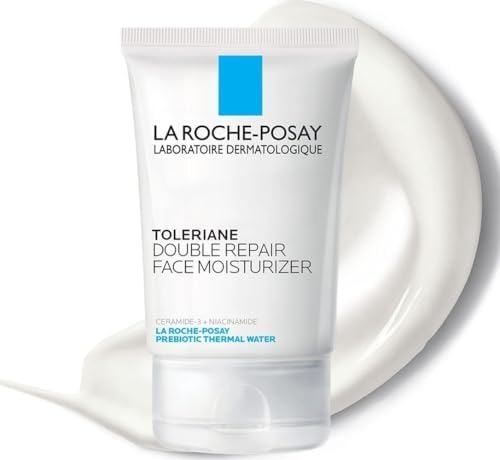


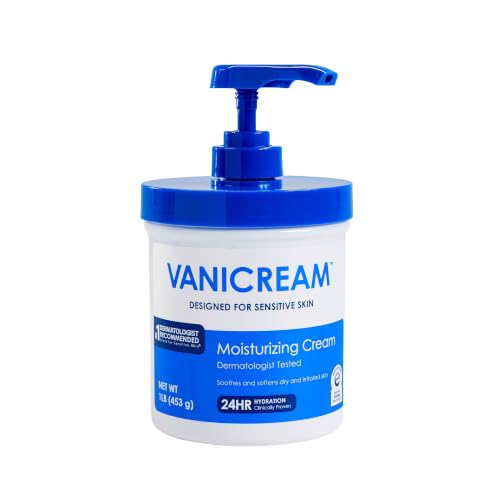
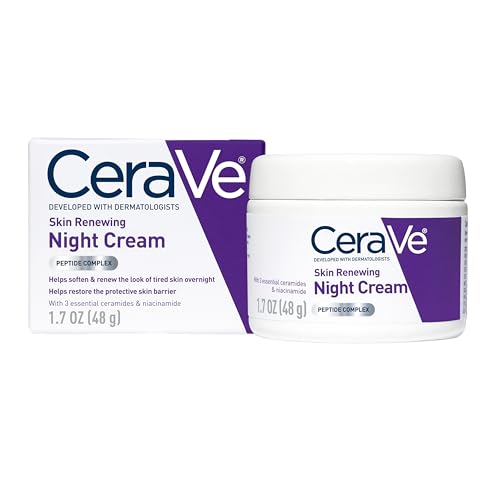
The Short Version
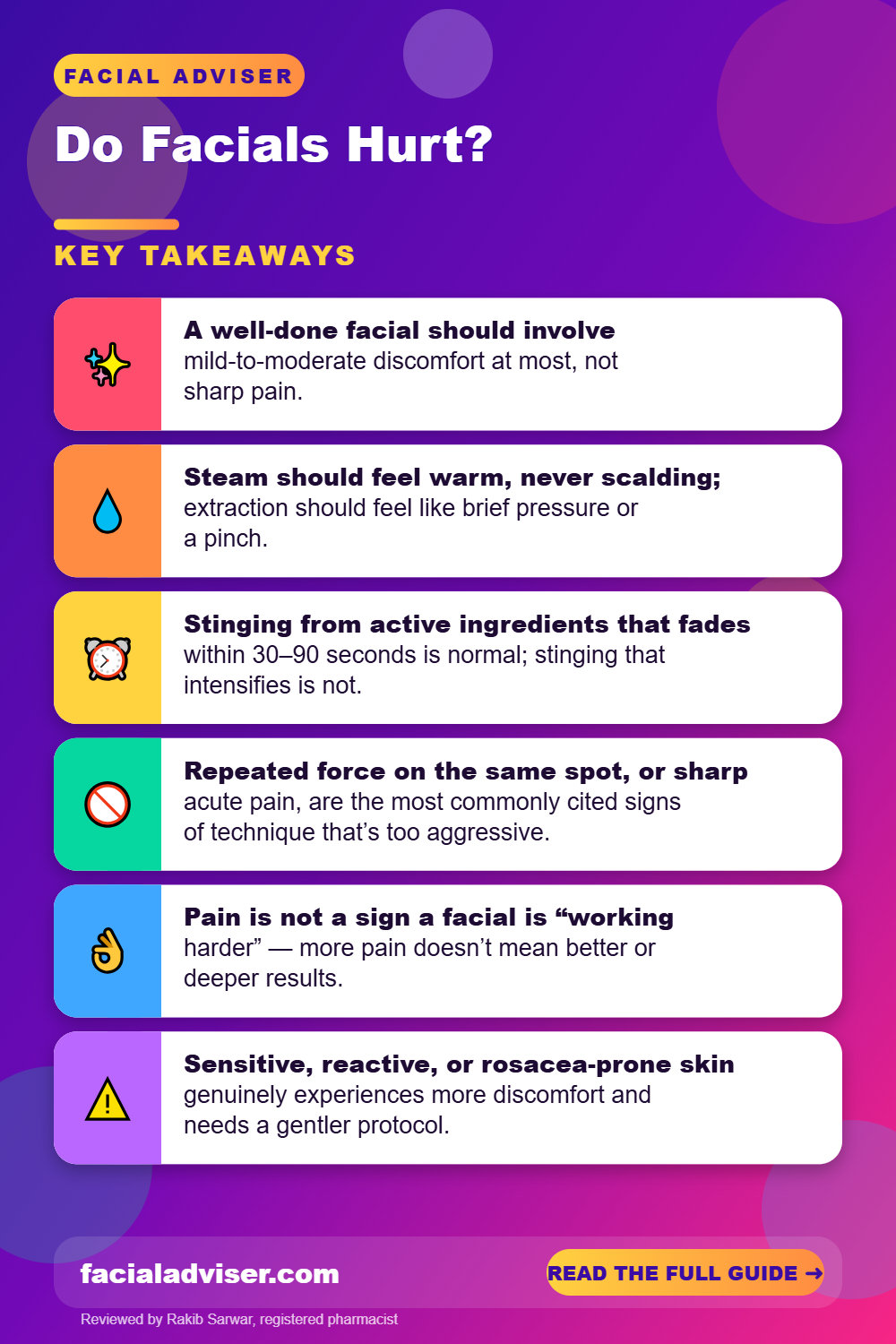
- A well-done facial should involve mild-to-moderate discomfort at most, not sharp pain.
- Steam should feel warm, never scalding; extraction should feel like brief pressure or a pinch.
- Stinging from active ingredients that fades within 30–90 seconds is normal; stinging that intensifies is not.
- Repeated force on the same spot, or sharp acute pain, are the most commonly cited signs of technique that’s too aggressive.
- Pain is not a sign a facial is “working harder” — more pain doesn’t mean better or deeper results.
- Sensitive, reactive, or rosacea-prone skin genuinely experiences more discomfort and needs a gentler protocol.
- Well-softened, well-prepped congestion causes noticeably less discomfort than skin that wasn’t properly prepared first.
Jump To
- What Normal Discomfort Actually Feels Like
- Signs of Technique That’s Too Aggressive
- Why Pain Varies From Person to Person
- Sensation by Facial Step
- Rosacea and Reactive Skin
- The “Pain Means It’s Working” Myth
- A Simple Check During Your Appointment
- How to Reduce Discomfort Before It Starts
- Do This, Not That
- Normal Sensation vs. Warning Sign
- Does Your Skincare Routine Beforehand Matter?
- Can You Ask for Numbing or Pain Management?
- Frequently Asked Questions
- The Bottom Line
What Normal Discomfort Actually Feels Like
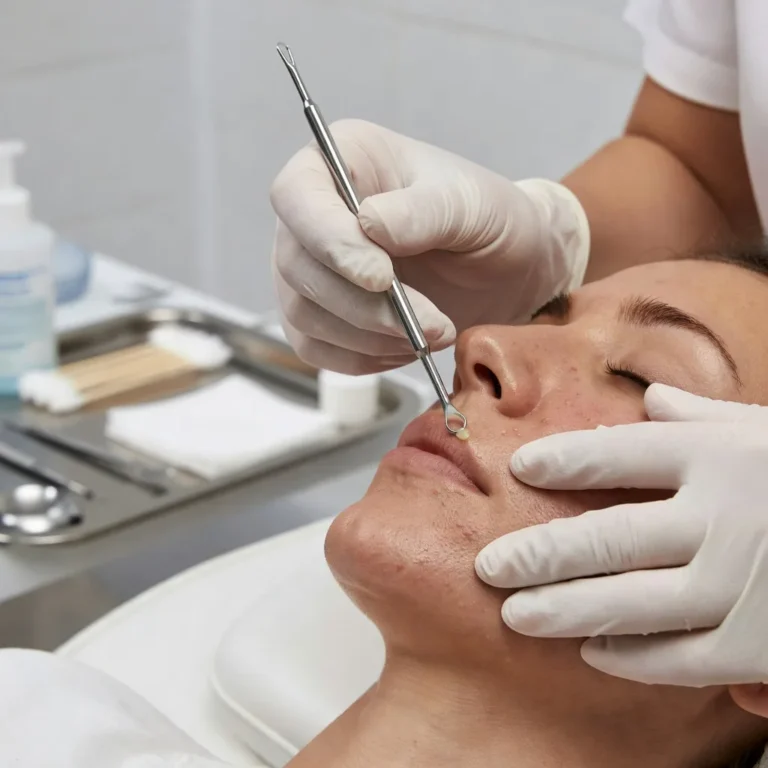
Different steps in a facial produce genuinely different sensations, and knowing what’s expected at each one helps separate normal discomfort from a real problem. Steam should produce a gentle warming sensation, kept at a safe distance — never anything close to scalding. Extraction on a well-prepped, non-inflamed comedone is commonly described as a gentle pinching sensation or brief pressure, not sharp pain. Active ingredients — acids, enzyme exfoliants — typically cause mild stinging or tingling for 30 to 90 seconds after application, especially on skin that’s already a bit sensitized, and that sensation should fade quickly rather than build.
Shopping these picks?
Amazon Prime members get fast, free shipping on eligible items, plus Prime Video, Amazon Music and member deals. New members can start with a free trial.
Start a free Prime trialAged 18 to 24? Prime for Young Adults comes with a longer free trial and a lower price after it.
Affiliate link: we may earn a commission at no extra cost to you.
One detail that explains a lot of variation within a single appointment: older, more compacted, oxidized sebum plugs generally require more pressure to release than freshly formed ones. That can make certain spots feel noticeably more uncomfortable than others in the same session without anything actually being done wrong.
Signs of Technique That’s Too Aggressive
Several independent sources converge on a similar list here, which is worth trusting as reasonable consensus even though none of it comes from peer-reviewed clinical data: sharp, acute pain rather than dull pressure or pinching during extraction; repeated squeezing of the same spot instead of moving on when a comedone won’t release easily; soreness that lingers for days, or redness that persists well beyond a few hours; and extraction being attempted on a visibly inflamed, red, or painful lesion — something that shouldn’t happen in a well-run facial at all.
Why Pain Varies From Person to Person
Skin barrier status genuinely affects pain sensitivity, and this tracks with basic dermatology: a disrupted stratum corneum has a measurably lower irritation threshold, meaning dehydrated or already-compromised skin will react more to both mechanical pressure and active ingredients than well-hydrated, intact skin. Preparation quality matters here too — proper cleansing and softening before extraction genuinely reduces discomfort, because softened congestion needs less pressure to release than congestion that wasn’t adequately prepped.
Sensation by Facial Step
| Step | Normal sensation | Not normal |
|---|---|---|
| Steam | Gentle warmth | Uncomfortable heat |
| Extraction (non-inflamed spot) | Brief pinch or pressure | Sharp, acute pain |
| Active ingredients/acids | Mild stinging, 30–90 seconds | Stinging that intensifies or persists |
| Massage | Firm but comfortable pressure | Genuine pain or bruising sensation |
Rosacea and Reactive Skin
Facials, particularly the steam, extraction pressure, and active-ingredient steps, can genuinely be more painful for people with rosacea or reactive skin, and can trigger a flare if the protocol isn’t adjusted. This is a real, legitimate contraindication-adjacent consideration, distinct from ordinary individual sensitivity — a gentler protocol that avoids aggressive extraction, high heat, and certain acids is commonly recommended for this skin type specifically.
The “Pain Means It’s Working” Myth
This is worth stating directly because it’s a genuinely common misconception: pain is not a proxy for how well an extraction worked, or how deep a facial “got into your pores.” A skilled esthetician should be willing to leave a stubborn comedone alone rather than force it, and more force doesn’t produce a better outcome — it produces more tissue trauma and a higher chance of a lasting mark. Treating discomfort as a sign of effectiveness runs directly against how the field actually works.
A Simple Check During Your Appointment
A useful in-the-moment gauge: if a sensation is a brief pinch, pressure, or mild stinging that settles within roughly a minute, that’s within the range of normal. If a sensation is sharp, doesn’t ease up, or is happening because the same spot is being worked repeatedly, that’s a reasonable moment to speak up and ask the esthetician to move on or adjust technique.
How to Reduce Discomfort Before It Starts
Mention sensitivities upfront
Rosacea, reactive skin, or known product sensitivities should be flagged before the facial begins.
Ask about steam and heat levels
A good esthetician will adjust if you say heat bothers you.
Confirm extraction technique
Ask that they check for inflammation and move on from stubborn spots rather than forcing them.
Speak up mid-appointment if something hurts
Discomfort that’s sharp or escalating is worth mentioning in real time, not after the fact.
Skip actives beforehand if your skin is already sensitized
Avoid new products or strong actives in the day or two before a facial.
Do This, Not That
Do
- Expect mild-to-moderate sensation, never sharp pain
- Mention rosacea or reactive skin before starting
- Speak up if the same spot is being repeatedly worked
Don’t
- Assume more pain means a more effective treatment
- Stay quiet through sharp or escalating discomfort
- Book aggressive extraction right before an event if your skin is sensitive
Normal Sensation vs. Warning Sign
| Normal | Warning sign |
|---|---|
| Brief pinch during extraction | Sharp, acute pain |
| Stinging that fades within a minute | Stinging that builds or spreads |
| One pass on a resistant spot | Repeated squeezing of the same spot |
| Mild redness settling within hours | Soreness lasting days |
Does Your Skincare Routine Beforehand Matter?
What you’ve been using on your skin in the days before a facial genuinely affects how much it hurts. Retinoids, strong AHA/BHA exfoliants, and recent chemical peels all thin and sensitize the outer skin layer, which lowers the threshold at which steam, extraction, and other actives start to sting or feel sharp rather than mild.
A reasonable practical step: pause strong actives for two to three days before a scheduled facial if your skin tends to run sensitive, and tell your esthetician what you’ve been using recently so they can adjust pressure and product choice accordingly.
Can You Ask for Numbing or Pain Management?
If you know from past experience that extraction is genuinely painful for you rather than just uncomfortable, it’s reasonable to ask your esthetician about options before the appointment starts rather than gritting through it silently. Some providers can apply a cooling or calming product before extraction, adjust their pressure and pacing based on your feedback in real time, or simply do fewer extractions in a single session and prioritize the most bothersome spots first.
A topical numbing cream is not standard practice at most day spas and typically isn’t something an esthetician is licensed to apply, since that crosses into a medical-adjacent procedure in many jurisdictions. If numbing is something you specifically want, a dermatology office performing extractions as part of acne treatment is more likely to offer it than a standard spa facial, though it’s still not universal even there.
Speaking up during the appointment matters more than most people realize. Estheticians generally want feedback in the moment — telling them a spot is sharp rather than a dull pressure, or asking them to move on from a stubborn area, is a normal part of the service rather than an imposition. A provider who brushes off that kind of feedback is worth reconsidering for future visits.
Frequently Asked Questions
Do facials hurt?
A well-done facial should involve mild-to-moderate discomfort at most — brief pressure during extraction, mild transient stinging from actives — not sharp or lasting pain.
Does extraction hurt more than the rest of a facial?
It’s usually the most noticeable sensation, typically described as a pinch or pressure, especially on older or more compacted plugs.
Is it normal for facials to hurt more for some people?
Yes. Skin barrier status, sensitivity, and conditions like rosacea genuinely affect how much discomfort a facial produces.
Does more pain mean a facial is working better?
No. Pain isn’t a measure of effectiveness, and forcing a stubborn spot produces more trauma, not a better result.
What should I do if a facial hurts too much?
Speak up in the moment. A properly trained esthetician can adjust pressure, technique, or move on from a difficult spot.
Can rosacea make facials more painful?
Yes, and it can also trigger a flare. Telling your esthetician about rosacea beforehand allows for a gentler, adjusted protocol.
Is stinging from acids normal?
Mild stinging for 30 to 90 seconds is common and expected. Stinging that intensifies or doesn’t fade is not.
Should extraction ever be sharply painful?
No. Sharp, acute pain during extraction is a sign of technique that’s too aggressive, not a necessary part of the process.
Does preparation before extraction reduce pain?
Yes. Properly softened congestion needs less pressure to release, which measurably reduces discomfort during extraction.
Why did one spot hurt more than another during my facial?
Older, more compacted plugs typically require more pressure and can feel more uncomfortable than freshly formed ones, without indicating anything is wrong.
The Bottom Line
A properly performed facial should stay within mild-to-moderate discomfort — brief pressure during extraction, transient stinging from actives, warmth from steam — and never involve sharp, escalating, or lasting pain. Repeated force on the same spot is the clearest, most commonly cited sign that technique has crossed into too aggressive.
The single most useful thing to internalize is that pain isn’t a quality signal. A facial that hurts more isn’t reaching deeper or working harder — it’s more likely leaving a mark. Speaking up in the moment, and flagging sensitivities like rosacea before starting, does more for your outcome than tolerating discomfort ever will.

Written by
Registered pharmacist and founder of Facial Adviser. Rakib's pharmacy training covers how skincare actives work and interact; a later course in cosmetology turned that into a focus on facial treatments and skincare products. He plans, researches and edits every guide on the site and checks health claims against sources such as the American Academy of Dermatology, the FDA and the NIH. He is not a dermatologist; see the Editorial Policy and Medical Disclaimer.
About · Editorial policy · How we choose products · Medical disclaimer · Contact
Keep reading: Facials: what to expect
- How Often Should You Get a Professional Facial? A Guide by Skin Type and Goal
- Facial Specialist vs Esthetician vs Dermatologist: Who Should You See?
- Man vs Woman Facial Features: Typical Differences in Bone, Skin and Ageing
- Soft vs Sharp Facial Features in Women: How to Tell and Make Up Each
- What Is the Disadvantage of Facial?
- How Much Does a Facial Cost? Discover Affordable Facial Prices in Austin