Man vs Woman Facial Features: Typical Differences in Bone, Skin and Ageing
People can often tell at a glance whether a face is more typically male or female, but the differences behind that impression are averages, not rules. They come from bone structure, soft tissue, skin and hair, and they are shaped by hormones, genetics and age.
Part of our guide to facials: what to expect. Start with: How Often Should You Get a Professional Facial? A Guide by Skin Type and Goal
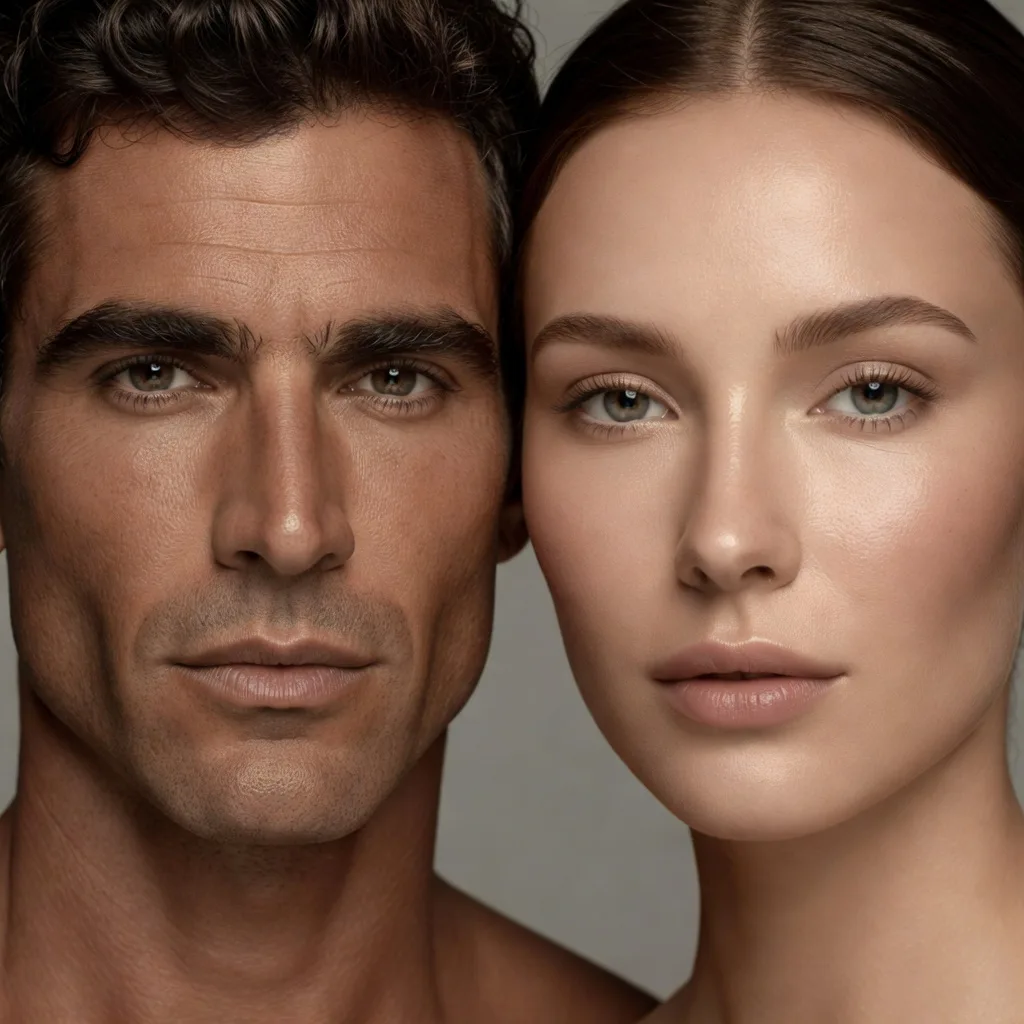
On average, men’s faces tend to have a more prominent brow ridge, a longer lower face, a wider and more angular jaw and chin, and a larger nose, while women’s faces tend to have a smoother forehead, fuller cheeks, a more tapered jaw and relatively larger-looking eyes and lips. Male skin is generally thicker, oilier and has more facial hair because of higher androgen levels, while female skin is usually thinner and changes more noticeably around menopause as oestrogen falls. These are population averages with lots of overlap, so every individual face mixes these traits. For skincare, the basics are the same for everyone: cleanse gently, moisturise for your skin type and wear sunscreen daily.
In short: male and female faces differ on average in bone, skin and hair, but skincare should follow your skin type, not your gender.
The American Academy of Dermatology recommends that everyone use a broad-spectrum sunscreen of SPF 30 or higher, regardless of sex, because sun exposure drives much of visible facial ageing.
This guide explains the main typical differences, why they happen, how they affect ageing and what they actually mean for your routine.
Shopping these picks?
Amazon Prime members get fast, free shipping on eligible items, plus Prime Video, Amazon Music and member deals. New members can start with a free trial.
Start a free Prime trialAged 18 to 24? Prime for Young Adults comes with a longer free trial and a lower price after it.
Affiliate link: we may earn a commission at no extra cost to you.
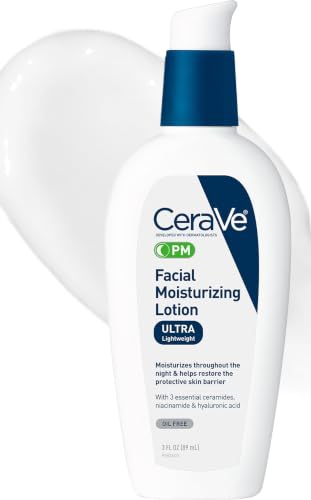
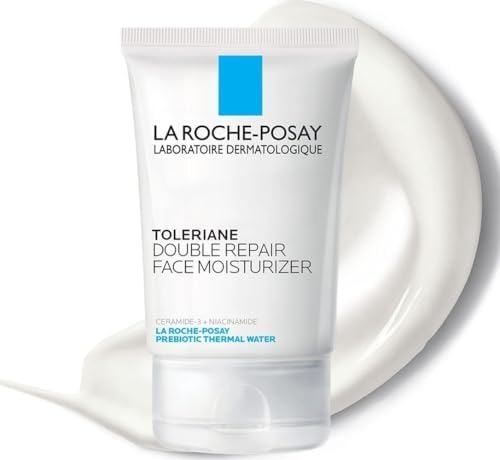
Recommended Men’s and Women’s Moisturisers and Face Sunscreens on Amazon
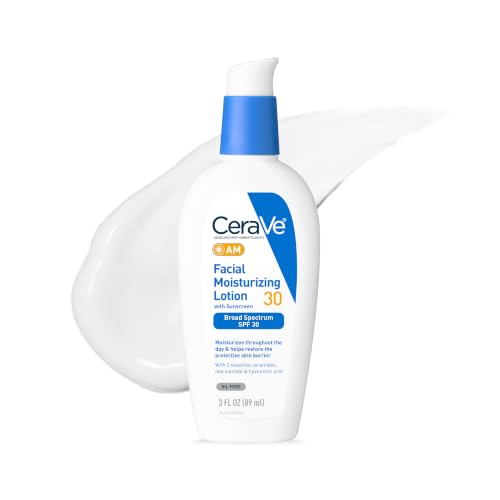
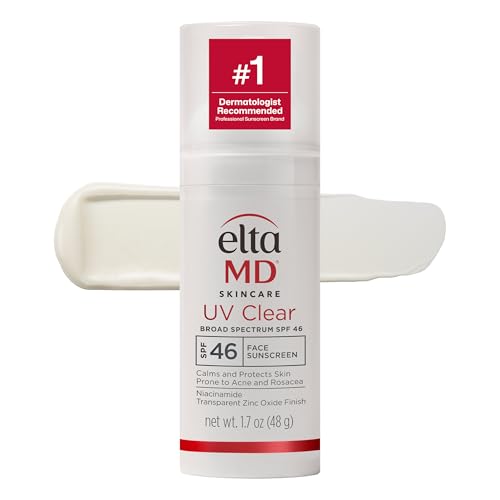
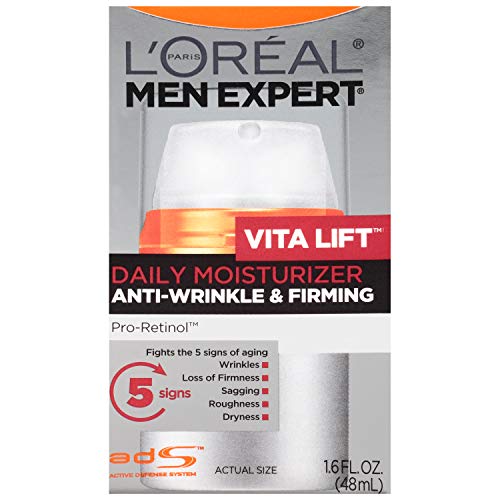
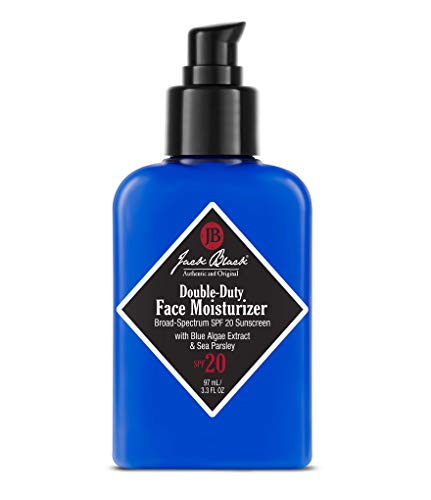

What This Covers
- Why Male and Female Faces Differ
- Bone Structure: Brow, Jaw, Chin and Nose
- Soft Tissue: Fat, Lips and Cheeks
- Why Individual Faces Often Break the Pattern
- Skin Differences: Thickness, Oil and Pores
- Facial Hair and Shaving
- How Men and Women Age Differently
- How to Build a Skincare Routine for Your Skin, Not Your Label
- Skincare Basics That Suit These Differences
- Dos and Don’ts When Thinking About Facial Differences
- Honest Limits: What These Differences Do and Do Not Tell You
- When to See a Dermatologist
- Your Questions, Answered
- Summing Up
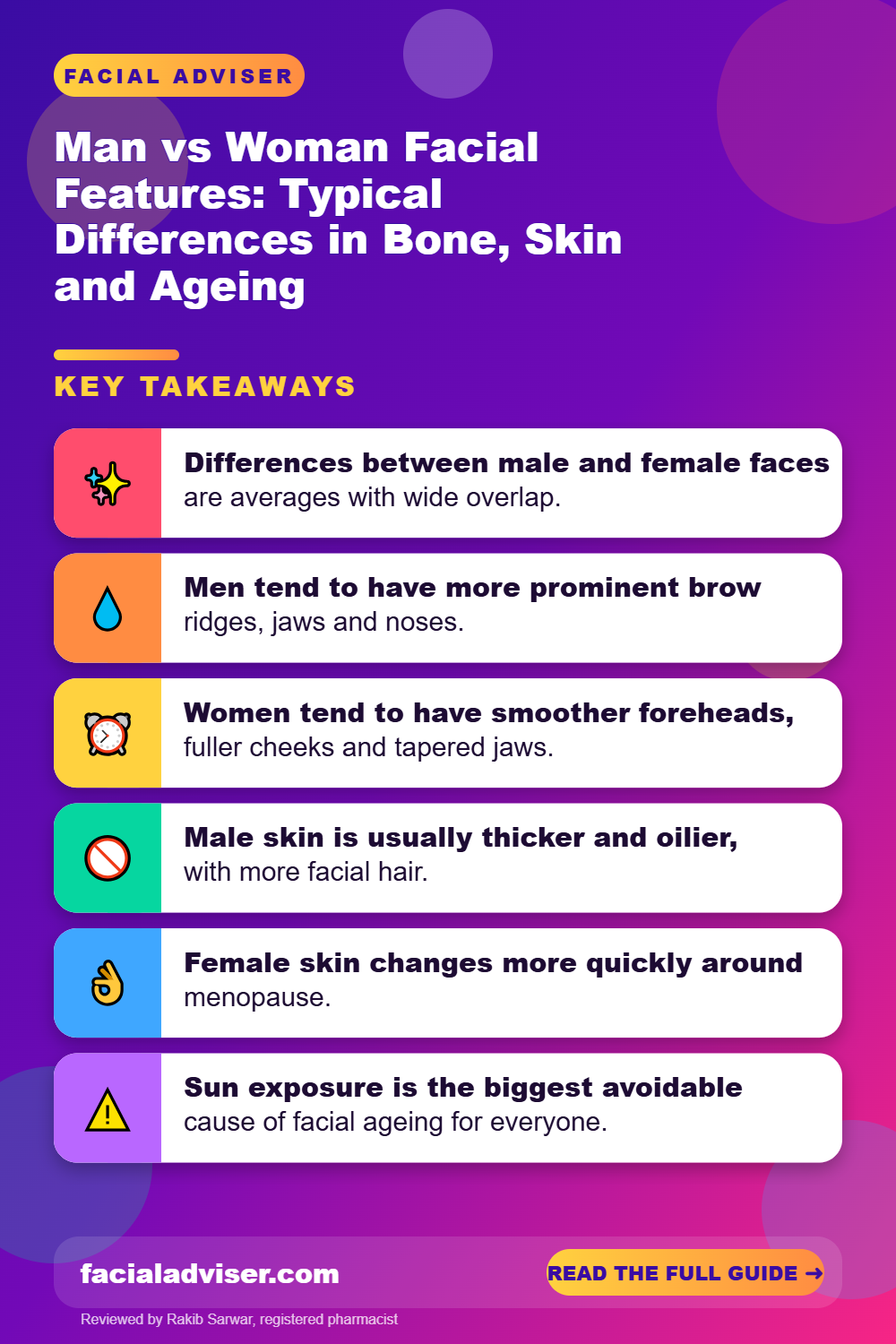
Key Takeaways
- Differences between male and female faces are averages with wide overlap.
- Men tend to have more prominent brow ridges, jaws and noses.
- Women tend to have smoother foreheads, fuller cheeks and tapered jaws.
- Male skin is usually thicker and oilier, with more facial hair.
- Female skin changes more quickly around menopause.
- Sun exposure is the biggest avoidable cause of facial ageing for everyone.
- Choose skincare by skin type and needs, not by the label on the pack.
Why Male and Female Faces Differ
Most differences between typical male and female faces develop at puberty. Before then, children’s faces are much more alike. Rising testosterone in boys and oestrogen in girls influence how bone grows, where fat is stored, how thick the skin becomes and how much facial hair grows.
Genetics, ancestry, body weight and age all shape the face too, so two people of the same sex can look very different, and many people have a mix of features often described as masculine or feminine. None of these traits is better or worse, and none determines someone’s identity.
Bone Structure: Brow, Jaw, Chin and Nose
The skeleton gives the face its overall shape, and this is where the average differences are most visible.
| Feature | Typically more male | Typically more female |
|---|---|---|
| Brow ridge | More prominent, forehead slopes back | Smoother, more upright forehead |
| Eyes | Look more deep-set under the brow | Look larger relative to the face |
| Nose | Larger, often wider with a stronger bridge | Smaller, often narrower |
| Cheekbones | Can be strong but less full over the top | Often appear higher due to fuller soft tissue |
| Jaw | Wider, more angular, sharper angle at the back | Narrower, more tapered, softer angle |
| Chin | Broader and squarer | Narrower and more pointed |
| Lower face | Longer relative to the rest of the face | Shorter relative to the rest of the face |
These patterns are average tendencies. Plenty of women have strong jaws and many men have soft features. Our article on soft vs sharp facial features in women looks at how varied facial structure is within one group.
Soft Tissue: Fat, Lips and Cheeks
Beyond bone, fat and muscle shape the surface of the face. On average, women carry relatively more fat in the cheeks and midface, which gives a fuller, rounder look, and lips are often fuller relative to face size. Men tend to have larger facial muscles and less fat over the midface, making contours look more defined.
With age, facial fat pads in both sexes shrink and shift downward, which contributes to hollows under the eyes, flatter cheeks and deeper folds around the mouth. Because women often start with fuller cheeks, the change can look more noticeable after midlife.
Why Individual Faces Often Break the Pattern
If you line up many faces, the average differences become clear, but any single face can sit anywhere along the range. Several factors often matter as much as sex.
- Ancestry: nose shape, cheekbone height, eyelid shape and skin tone vary widely across populations.
- Body weight: facial fat changes how full the cheeks, jaw and neck look in both sexes.
- Age: the face lengthens, fat shifts and bone slowly remodels over decades.
- Hormones: conditions that raise or lower androgens or oestrogen can change oil, hair and fat distribution.
- Lifestyle: sun, smoking, sleep and stress show clearly on the skin.
This is why studies that describe typical male or female faces talk about averages and probabilities rather than fixed categories. It is also why a face that does not match the stereotype is completely normal, and why cosmetic or grooming advice built on rigid ideas of how a man or woman should look is rarely helpful.
Skin Differences: Thickness, Oil and Pores
Skin is where the differences matter most for daily care. Androgens such as testosterone stimulate oil glands and hair follicles and affect how much collagen the skin holds.
| Skin feature | Typical male skin | Typical female skin |
|---|---|---|
| Thickness | Generally thicker | Generally thinner |
| Oil production | Usually higher | Usually lower, varies with the menstrual cycle |
| Pores | Often look larger | Often look smaller |
| Facial hair | Dense beard growth, daily shaving common | Fine vellus hair, some darker hair is normal |
| Hydration | Can be similar, but barrier often stressed by shaving | Can become drier after menopause |
| Hormonal shifts | Relatively steady in adulthood | Cycle, pregnancy and menopause all change skin |
Oiliness and pore size depend heavily on genetics and hormones, not just sex. Many women have oily skin with visible pores and many men have dry, sensitive skin. Our guide on how hormones affect sebum production explains the link in more detail.
Facial Hair and Shaving
Facial hair is one of the clearest average differences. After puberty, most men grow terminal beard hair, while most women have fine, light vellus hair with some darker hairs on the upper lip or chin. Some darker facial hair in women is common, but a sudden increase can be linked to hormonal conditions and is worth checking with a doctor.
Daily shaving affects skin in its own way. It exfoliates the surface, but it can also cause razor burn, ingrown hairs and barrier irritation, which is why many men benefit from gentle cleansers, a soothing moisturiser after shaving and a sharp, clean blade. Shaving with the direction of hair growth, using a lubricating gel and rinsing the razor often all reduce irritation. Women who remove facial hair by shaving, waxing or threading face similar issues, and the same gentle aftercare applies: avoid strong acids or retinoids on freshly treated skin for a day or two.
How Men and Women Age Differently
Everyone’s face ages through the same processes: collagen loss, fat pad changes, bone remodelling and, above all, sun damage. The timing and pattern differ on average.
- Men: thicker skin often means fine lines appear later, but deeper forehead and frown lines can form from stronger muscle movement.
- Women: skin often loses collagen quickly in the years after menopause as oestrogen falls, which can make thinning and dryness more noticeable.
- Both: sun exposure, smoking and poor sleep speed up visible ageing far more than sex does.
- Both: bone in the jaw and around the eyes gradually changes with age, affecting facial contours.
Men are often less likely to wear sunscreen every day, yet sun exposure is the main avoidable cause of wrinkles, dark spots and skin cancer on the face, ears and scalp. The FDA’s page on sunscreen and how to help protect your skin explains why broad-spectrum protection matters for everyone.
How to Build a Skincare Routine for Your Skin, Not Your Label
Products are often marketed separately to men and women, but the ingredients that help skin are the same. Build your routine around your skin type and concerns.
Identify your skin type
Notice whether your face feels oily, dry, combination or sensitive a few hours after washing.
Cleanse gently
Use a mild cleanser morning and night, or just water in the morning if your skin is dry.
Moisturise
Use a gel or lotion for oily skin and a richer cream for dry skin.
Protect from the sun
Apply broad-spectrum SPF 30 or higher every morning, including ears and neck.
Care for shaved areas
Shave with the grain on clean, damp skin and apply a fragrance-free balm afterwards.
Add one targeted product
Choose a single active for your main concern, such as retinoid for ageing or salicylic acid for oil.
Adjust over time
Review your routine with hormonal changes, seasons or new medications.
Men’s and women’s versions of the same product type often differ mainly in fragrance and packaging. Compare ingredient lists and choose the texture and formula that suit your skin, whichever aisle it is in.
Skincare Basics That Suit These Differences
A few simple choices address the most common average differences without needing a gendered product line.
- Oilier, thicker skin: lightweight, oil-free gel moisturisers and non-comedogenic sunscreens.
- Shaving irritation: fragrance-free, soothing moisturisers or aftershave balms without alcohol.
- Thinner or post-menopausal skin: richer creams with ceramides, glycerin or hyaluronic acid.
- All skin types: daily broad-spectrum sunscreen, applied generously.
- Signs of ageing: a retinoid at night, introduced slowly, is one of the best-studied options.
If you are curious about professional treatments tailored to thicker skin and beard areas, our guide to what a male facial is explains what usually happens.
Dos and Don’ts When Thinking About Facial Differences
Helps
- Treat differences as averages, not rules
- Choose products by skin type and concerns
- Wear sunscreen daily regardless of sex
- Protect skin after shaving
- Expect skin to change with hormones and age
Backfires
- Assume your skin is oily or dry because of your sex
- Pay more for gendered packaging alone
- Skip sunscreen because your skin is thicker
- Ignore sudden changes in facial hair or skin
- Judge anyone’s face against a stereotype
Honest Limits: What These Differences Do and Do Not Tell You
Average differences are useful for understanding why skin behaves as it does, but they cannot predict any one person’s face. Variation within each sex is large, and ancestry, genetics and lifestyle often matter more. Many descriptions of facial differences in beauty media are exaggerated or based on stereotypes. Skincare cannot change bone structure, and no cream will make a face look more masculine or feminine; it can only keep the skin healthy, hydrated and protected. Cosmetic procedures that alter facial structure should be discussed with a qualified, board-certified specialist.
When to See a Dermatologist
See a dermatologist or doctor if you notice sudden or excessive facial hair growth, severe or persistent acne, painful razor bumps or ingrown hairs that keep getting infected, rapid skin thinning or bruising, or any new, changing or bleeding spot on the face.
This article is for general information only and is not medical advice. Hormonal and skin changes can have many causes, so speak to a doctor or dermatologist about any concerns.
Your Questions, Answered
What are the main differences between male and female faces?
On average, brow ridge, jaw, chin, nose size, cheek fullness, skin thickness and facial hair.
Is male skin thicker than female skin?
Generally yes, on average, largely because of androgens.
Why is men’s skin oilier?
Testosterone stimulates oil glands, so men often produce more sebum.
Do men age more slowly than women?
Fine lines may appear later in men, but sun exposure matters more than sex.
Why does women’s skin change after menopause?
Falling oestrogen reduces collagen and moisture, making skin thinner and drier.
Do men need different skincare products?
Not really; choose by skin type, though shavers may benefit from soothing products.
Do men need sunscreen every day?
Yes, everyone benefits from daily broad-spectrum SPF 30 or higher.
Is facial hair in women normal?
Fine hair is normal; sudden or heavy growth should be checked by a doctor.
Can skincare change facial structure?
No, it cannot change bone or overall shape.
Are these differences the same for everyone?
No, they are averages with lots of overlap between individuals.
Summing Up
Man vs woman facial features differ on average in bone structure, soft tissue, skin thickness, oil production and facial hair, mostly because of hormones at and after puberty. But these are tendencies, not rules, and every face is a mix of traits.
For skincare, the smartest approach ignores the label on the bottle: cleanse gently, moisturise for your skin type, care for shaved skin and wear sunscreen every day. See a dermatologist if your skin or facial hair changes suddenly.

Written by
Registered pharmacist and founder of Facial Adviser. Rakib's pharmacy training covers how skincare actives work and interact; a later course in cosmetology turned that into a focus on facial treatments and skincare products. He plans, researches and edits every guide on the site and checks health claims against sources such as the American Academy of Dermatology, the FDA and the NIH. He is not a dermatologist; see the Editorial Policy and Medical Disclaimer.
About · Editorial policy · How we choose products · Medical disclaimer · Contact
Keep reading: Facials: what to expect
- How Often Should You Get a Professional Facial? A Guide by Skin Type and Goal
- Soft vs Sharp Facial Features in Women: How to Tell and Make Up Each
- What Is the Disadvantage of Facial?
- How Much Does a Facial Cost? Discover Affordable Facial Prices in Austin
- 10 Best Facial Products for Women (2026): A Simple Core Routine
- Dermatologist vs Skin Specialist: What's the Difference?