
Forehead Lines in Your 20s: Causes and Prevention
You raise your eyebrows in a photo and notice a faint horizontal line across your forehead. You are in your twenties, and it feels too early.
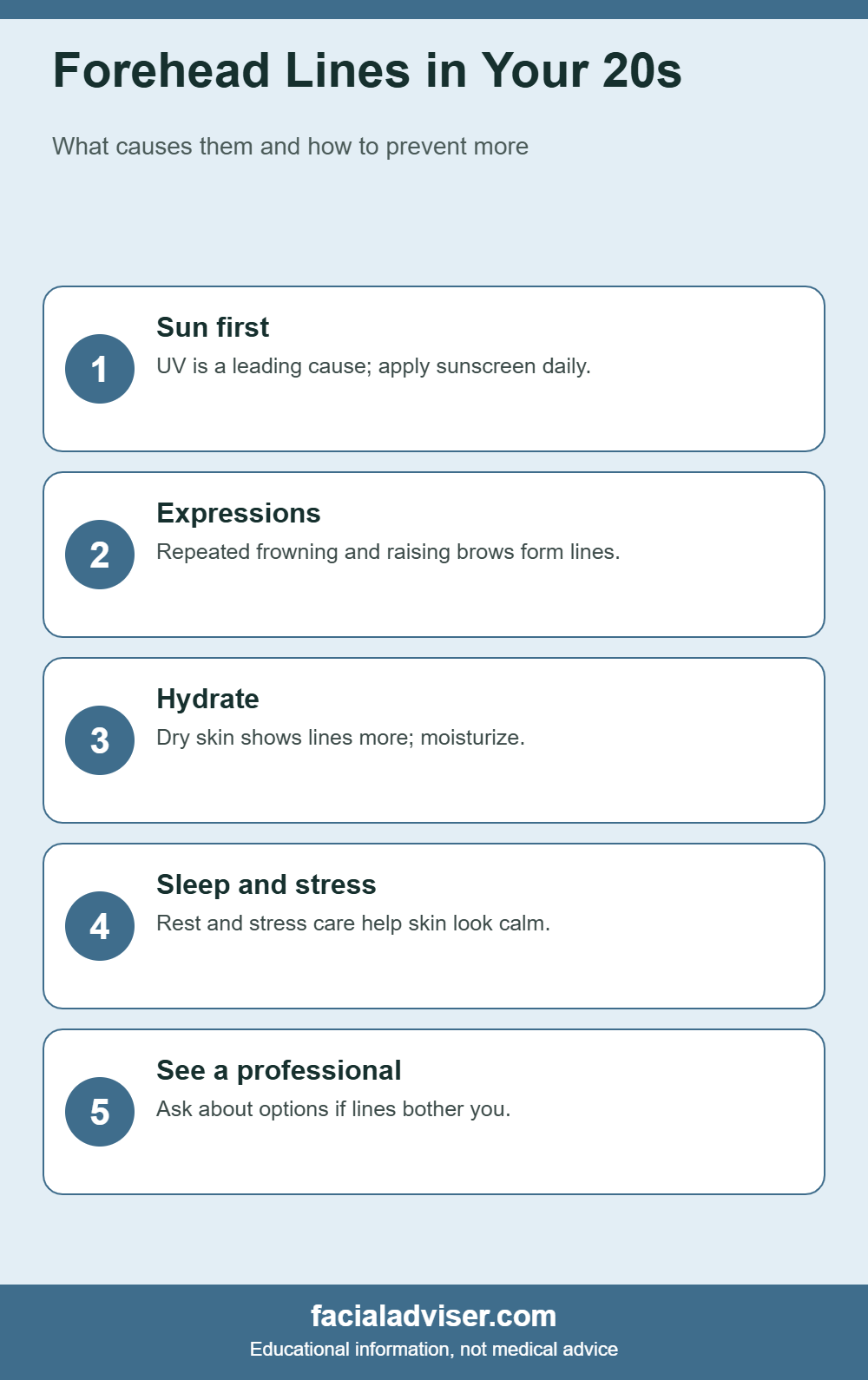
Forehead lines in your 20s are common, and they are usually a mix of facial movement, sun exposure, dry skin and genetics rather than a sign that you are aging fast.
Sun Protection and Hydration Products for Early Forehead Lines
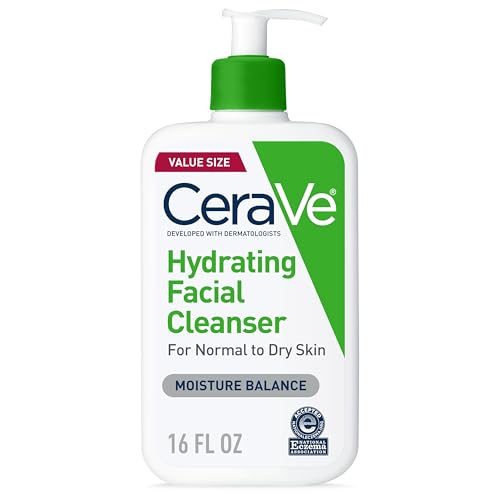


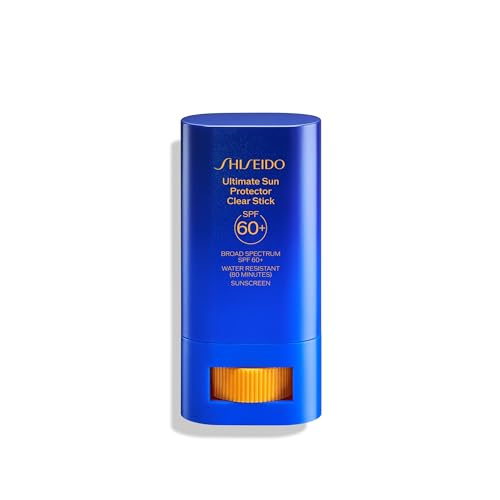
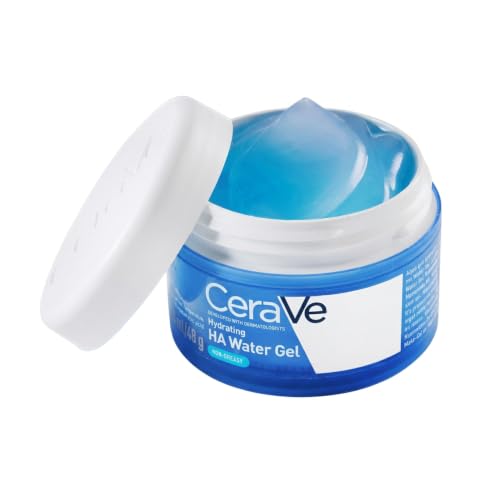
Expression lines form where skin folds repeatedly, and the forehead moves more than almost any other part of the face. Every raised brow creases the skin a little. With time, the skin loses some of its ability to spring back.
Black Friday is coming: shop the deals with Prime
Ultraviolet light speeds that process, which is why sun protection is the single most useful step.
Skincare cannot freeze movement, but it can soften the look of fine lines, protect collagen and keep the skin plump and smooth. Professional options exist too, though most people in their twenties do not need them. This guide explains what actually causes early forehead lines, which habits matter, and a simple routine that helps.
We also list sun protection and hydration products that fit this kind of routine. For more on how the sun affects the face over time, see our guide to sun damage on the face, and use our skin type guide to pick formulas that suit you.
The author is a registered pharmacist, not a dermatologist, so treat this as educational background and see a professional if you want personal treatment advice.
Key Takeaways
- Early forehead lines come from repeated expressions, sun exposure, dry skin and genetics.
- Daily broad-spectrum sunscreen is the most useful prevention step.
- Hydrating serums and moisturizers soften the look of fine lines but do not remove etched lines.
- Retinoids are the best-studied topical ingredient for lines; start slowly and ask a professional.
- Lines that appear very early, or deep lines at rest, are worth discussing with a doctor.
- Avoid chasing quick fixes; consistency beats expensive products.
In This Guide
- What Forehead Lines Really Are
- Why They Appear in Your 20s
- Sun Protection Comes First
- A Simple Routine to Soften and Prevent Lines
- Hydration, Peptides and Other Ingredients
- Should You Start a Retinoid in Your 20s?
- Habits That Make a Difference
- Forehead Patches, Tape and Gadgets
- Screens, Squinting and Eyesight
- Professional Options and When They Make Sense
- When to Talk to a Professional
- Honest Limits and Myths
- Your Questions, Answered
- Where This Leaves You
What Forehead Lines Really Are
There are two kinds of lines. Dynamic lines appear only when you move your face, such as when you raise your brows. Static lines remain when the face is at rest. In your twenties, most forehead lines are dynamic, which means they come and go.
The forehead muscle, called the frontalis, lifts the eyebrows. Each time it contracts, the skin above folds. Over years, the dermis loses collagen and elastin, so skin does not flatten as quickly. This is a normal part of aging that begins earlier or later depending on genetics and habits.
Having lines in your twenties does not mean something is wrong. It usually just means you have an expressive face, and that you should protect your skin early.
Dynamic lines that disappear at rest are very common in the twenties and are generally not a concern.
Why They Appear in Your 20s
The main causes are expression habits, sun, dehydration and genetics. Squinting in bright light, scrunching your forehead while looking at a screen and raising your brows to open your eyes all add up. Poor sleep and smoking also affect how skin looks.
| Cause | How it affects the forehead |
|---|---|
| Repeated expressions | Fold the skin in the same place |
| UV exposure | Breaks down collagen and elastin |
| Dry skin | Makes fine lines look deeper |
| Smoking and vaping | Reduce skin quality |
| Genetics | Influence skin thickness and muscle strength |
Some people also raise their brows because of tired eyes or an uncorrected vision problem. If you squint a lot, an eye exam is worth having.
Understanding which cause applies to you helps you pick the right fix. If sun is the main factor, sunscreen matters most. If expression is the main factor, habits and eye care help more. If dryness is the main factor, hydration will make an obvious difference within days.
Sun Protection Comes First
Of all the habits that affect skin aging, sun exposure is the most important, and it is also the most preventable. UVA rays pass through clouds and windows and damage collagen over time. A daily broad-spectrum sunscreen of SPF 30 or higher is the best investment for your forehead.
Remember the hairline and the area just under the brow bone, which are often missed. A sunscreen stick makes midday touch-ups easy, and sunglasses reduce squinting.
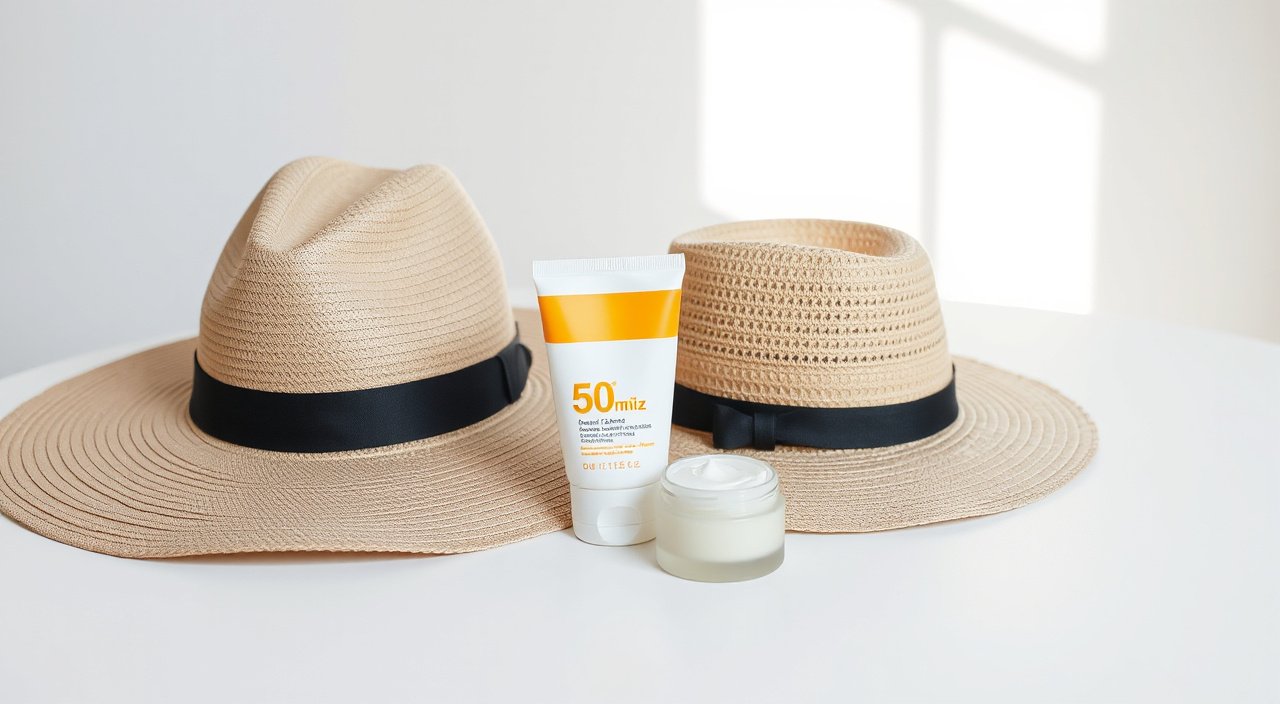
Wear sunglasses and a brimmed hat on bright days. They reduce squinting and shade the forehead.
Use about a nickel-sized amount for the face and neck if you use a lotion, and go over the forehead twice if you use a stick. Apply it before makeup, and reapply every two hours if you are outdoors for long periods.
A Simple Routine to Soften and Prevent Lines
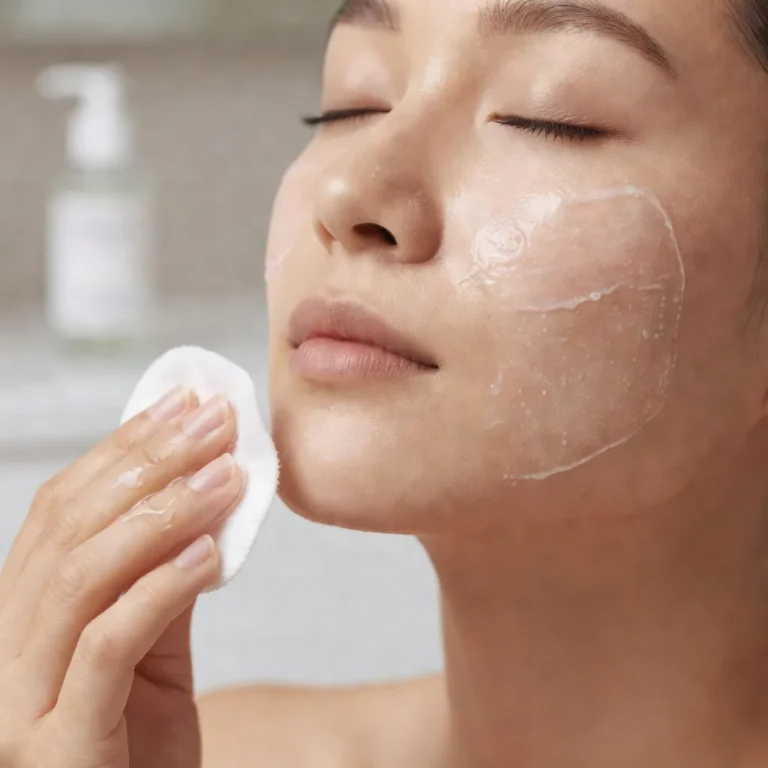
You do not need a ten-step routine. A gentle cleanser, a hydrating serum or moisturizer and sunscreen every morning are enough for most people in their twenties. In the evening, cleanse, moisturize and consider a retinoid if your skin tolerates it.
Cleanse gently
Wash morning and night with a mild cleanser.
Hydrate
Apply a hyaluronic acid serum to slightly damp skin.
Moisturize
Seal in water with a simple moisturizer.
Protect
Apply broad-spectrum SPF 30 or higher every morning.
Optional retinoid at night
Start two nights a week and build up, after talking to a professional.
Consistency beats complexity. Give any routine at least 8 to 12 weeks before judging it.
In the morning, apply products from thinnest to thickest: serum, then moisturizer, then sunscreen. In the evening, cleanse, apply any active, and finish with a moisturizer. If your skin feels tight or stings, simplify and see a professional.
Hydration, Peptides and Other Ingredients
Hyaluronic acid draws water into the surface of skin, plumping fine lines temporarily. Peptides are small chains of amino acids that some studies suggest may improve the look of skin, though the evidence is modest. Vitamin C helps protect against free radicals and can brighten skin.
Remember that these ingredients soften the look of lines, but they cannot erase a line that is etched into the skin. Think of them as supportive, not corrective.
| Ingredient | What it does | Evidence level |
|---|---|---|
| Sunscreen | Prevents new damage | Strong |
| Retinoids | Support collagen and smoother texture | Strong |
| Hyaluronic acid | Hydrates and plumps | Moderate |
| Peptides | May improve look of skin | Limited to moderate |
| Vitamin C | Antioxidant support | Moderate |
When choosing a hydrating serum, look for a simple formula with hyaluronic acid and glycerin, and apply it to skin that is slightly damp so the ingredient has water to hold on to. Seal it with a moisturizer.
If a serum feels sticky or makes the skin pill, use less of it. More product does not mean more benefit.
Should You Start a Retinoid in Your 20s?
Retinoids are among the best-studied ingredients for photoaging and acne. Many dermatologists suggest starting a mild one in the mid to late twenties if skin tolerates it. They are not essential, though, and you can wait.
Start slowly, with a pea-sized amount two nights a week, and always use sunscreen. Avoid retinoids in pregnancy. If you want prescription tretinoin, you need a prescription, and our guide to the tretinoin purge explains what the first weeks can look like.
Do not use retinoids if you are pregnant, planning pregnancy or breastfeeding unless a doctor says it is safe.
Habits That Make a Difference
Try to notice when you furrow your brow. Looking at a bright screen, concentrating or reading in poor light can all trigger it. Raise your screen brightness and take breaks, and consider an eye exam if you squint.
Sleep, hydration and not smoking support all skin. Sleeping on your back on a clean pillowcase can reduce creasing, though it will not prevent lines on its own.
Do
- Wear sunscreen daily
- Wear sunglasses
- Moisturize
- Sleep well
Don’t
- Do not rely on tape or patches alone
- Do not pick at skin
- Do not smoke or vape
- Do not skip sun protection
Hydrating from the inside also supports comfortable skin, though drinking extra water will not erase lines. Aim for a balanced diet with plenty of fruit and vegetables, and try to limit alcohol, which can leave skin looking dull and puffy the next day.
Forehead Patches, Tape and Gadgets
Wrinkle patches and tapes claim to flatten lines overnight. They may hold the skin flat and moisturize it, so the lines look softer in the morning, but any effect is temporary. They will not change the muscle or collagen.
Facial massage tools and exercises have little proof for preventing lines. Some can even stretch or irritate skin if used harshly. Skincare basics and sun protection give you more value for your money.
Screens, Squinting and Eyesight
Many people in their twenties spend hours a day looking at screens. Squinting at a bright display, leaning toward the monitor or raising the brows to keep the eyes open all engage the forehead muscle. Over years, this repeated movement can deepen lines.
Simple changes help. Match your screen brightness to the room, increase text size, use a matte screen filter if glare is a problem and take short breaks every 20 minutes to look at something far away. If you still squint, book an eye exam, because uncorrected vision is a common and fixable cause.
Wearing sunglasses outdoors lowers the urge to squint, and a brimmed hat adds shade. These small habits cost little and protect the skin around the eyes as well as the forehead.
Finally, pay attention to stress and concentration frowns. Some people find that gentle awareness, rather than force, helps them relax the face during long tasks.
Professional Options and When They Make Sense
Botulinum toxin injections relax the muscle that causes dynamic lines. Some people in their twenties choose small doses as prevention, but this is a personal decision and not required. Treatments should be done by a qualified medical professional.
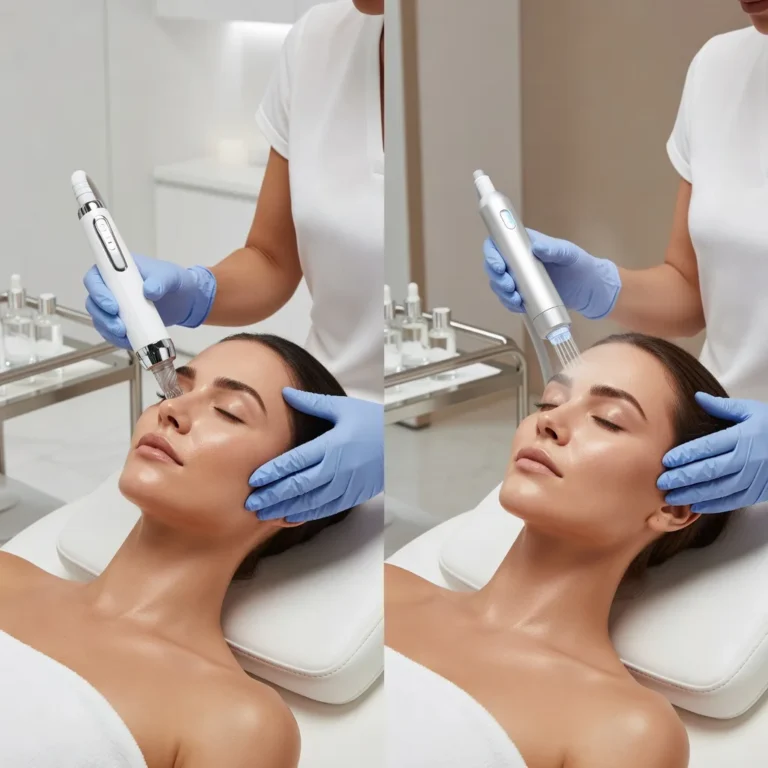
Other options include laser, microneedling and chemical peels, which suit deeper or more established concerns. Most twenty-somethings do not need these. If you are considering any procedure, ask about risks, costs and what happens when you stop.
When to Talk to a Professional
Speak with a doctor if lines appear very suddenly, if they are deep at rest at an unusually young age, or if you have other skin changes. They can check for sun damage, thyroid problems or other factors.
If you are unsure about a product, ask a pharmacist. They can check for interactions with medicines you take and for ingredients that do not suit pregnancy.
This article is educational and not medical advice. The author is a registered pharmacist, not a dermatologist, and cannot diagnose skin conditions.
Honest Limits and Myths
No cream erases lines overnight, and no routine can stop all signs of aging. Marketing claims often promise more than the evidence supports. Beware of products that claim to work like injections.
Expect small, steady improvements in texture and hydration. Be wary of social media trends that promote extreme methods like face taping all day or very strong acids. Gentle and consistent is usually best.
It is also worth saying that lines are not a flaw. Faces move, and expression lines are part of how people communicate. Early prevention is about keeping skin healthy, not chasing a perfectly smooth forehead.
Your Questions, Answered
Are forehead lines in your 20s normal?
Yes. Many people have expression lines in their twenties, especially if they have a very expressive face.
Can skincare remove forehead lines?
It can soften the look of fine lines, but it cannot remove lines that are etched into the skin.
What is the best prevention?
Daily broad-spectrum sunscreen and not smoking are the most useful steps.
Should I use retinol?
Many people start in their late twenties, but it is optional. Start slowly and use sunscreen.
Do forehead patches work?
They may soften the look temporarily, but they do not change the muscle or collagen.
Does raising my eyebrows cause lines?
Repeated movement contributes, but lines also depend on genetics and sun.
Is Botox needed in your 20s?
No. It is a personal choice, and it should be done by a qualified professional.
Do hyaluronic acid serums help?
They hydrate and can plump fine lines temporarily.
Can sleeping position cause lines?
Pressing your face into a pillow can crease skin, but forehead lines are mostly expression-related.
When should I see a doctor?
If lines appear suddenly, are deep at rest or come with other skin changes.
Where This Leaves You
Forehead lines in your 20s are usually expression lines, and they are not a cause for alarm. Wear sunscreen daily, keep skin hydrated and be gentle.
The products below are popular sun protection and hydration options that suit this routine. They do not stop expression lines, but they support healthy skin.

Written by
Registered pharmacist and founder of Facial Adviser. Rakib's pharmacy training covers how skincare actives work and interact; a later course in cosmetology turned that into a focus on facial treatments and skincare products. He plans, researches and edits every guide on the site and checks health claims against sources such as the American Academy of Dermatology, the FDA and the NIH. He is not a dermatologist; see the Editorial Policy and Medical Disclaimer.
About · Editorial policy · How we choose products · Medical disclaimer · Contact
Turn skincare time into me-time with a free audiobook