Sun Damage on the Face: Signs, Prevention and What Helps
Sun damage is one of the most common reasons skin looks older than it is. Years of ultraviolet light can cause dark spots, rough texture, fine lines, broken capillaries and a leathery look. Dermatologists call this photoaging, and it is separate from normal aging.
Part of our guide to skincare products. Start with: What Does a Facial Toner Do? The Real Answer
The good news is that you can prevent most of it, and you can improve some of what is already there.
I am Rakib Sarwar, a registered pharmacist with a cosmetology course. I am not a dermatologist, so I focus on prevention and widely accepted skincare steps, and I am clear about when you need a professional. Any spot that changes, bleeds or looks unusual should be checked by a doctor.
Black Friday is coming: shop the deals with Prime
The most important step is daily sunscreen, including on cloudy days and in winter. After that come shade, hats, sunglasses and a routine with ingredients such as vitamin C, niacinamide and retinoids, which have the best evidence for improving the look of sun-damaged skin over months.
I explain each step in plain language and avoid miracle claims, because sun damage is slow to build and slow to improve. Realistic expectations make it easier to stay consistent, which is what actually works.
I also cover how to check your own skin, since early detection of skin cancer matters far more than any cosmetic fix.
Below you will find the signs of sun damage, how to prevent more, what may help, what a dermatologist can do, mistakes to avoid, how to check spots and seven products people often use.
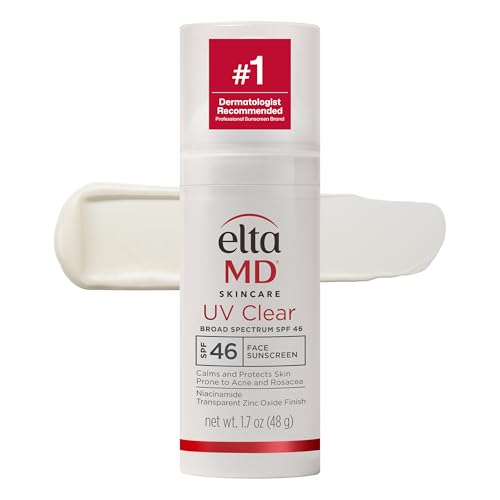
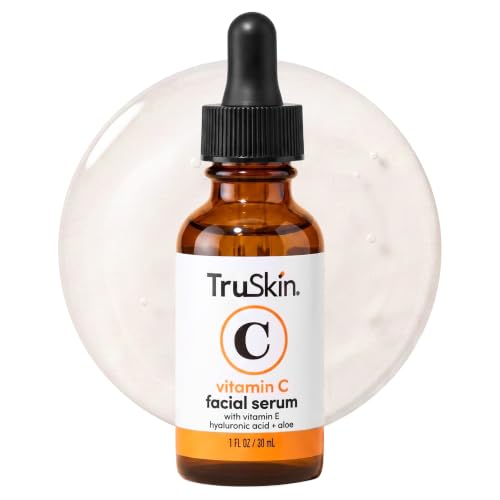
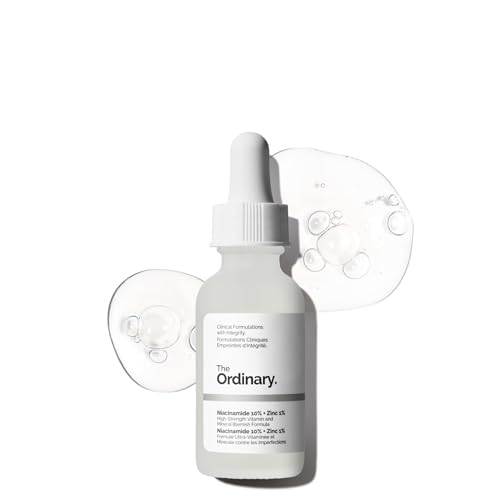
Sun Protection and Skin Repair Products People Often Use


In Brief
- Sun damage causes dark spots, rough texture, fine lines and uneven tone.
- Daily broad spectrum SPF 30 or higher is the most important step.
- Shade, hats and sunglasses add protection that sunscreen alone cannot.
- Vitamin C, niacinamide and retinoids may improve the look of damaged skin over months.
- Tanning beds increase skin cancer risk and should be avoided.
- New, changing or bleeding moles and spots need a dermatologist.
- Treatments such as peels and lasers should be done by a trained professional.
In This Guide
- What Sun Damage Looks Like
- How the Sun Damages Skin
- How to Protect Your Face Every Day
- Choosing a Sunscreen for the Face
- What May Help Existing Damage
- A Simple Repair Routine
- What a Dermatologist Can Do
- How to Check Spots and Moles
- Common Mistakes
- Who Should Be Careful
- Honest Limits
- When to See a Professional
- Your Questions, Answered
- The Takeaway
What Sun Damage Looks Like
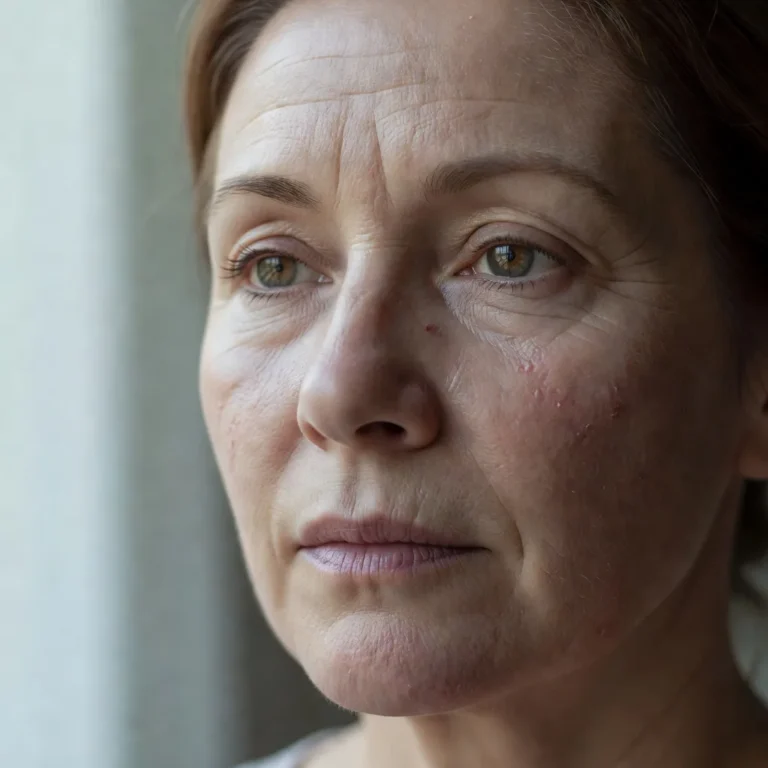
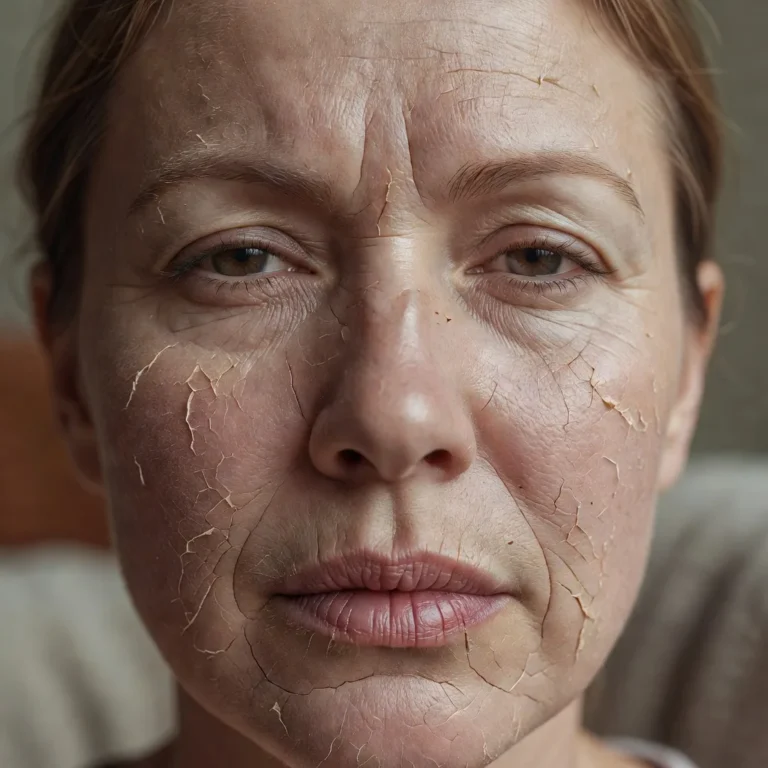
Early signs include freckles that multiply, a tan that does not fade and a dull or uneven skin tone. Over time you may see brown spots, often called sun spots or age spots, fine lines around the eyes and mouth, rough or leathery texture and small red veins.
More serious damage includes rough, scaly patches that do not heal, known as actinic keratoses, and skin cancers. These need a doctor and are not something to treat with creams alone.
Sun damage builds up over a lifetime, so the face you see at 50 reflects exposure from decades earlier.
Sun damage can look different on different skin tones. On fair skin, freckles, redness and visible veins are common. On darker skin, dark patches and uneven tone are more common, and skin cancers are more often found late, so regular checks matter for everyone.
The backs of the hands, the neck and the chest often show the same signs as the face, and the same advice applies to them.
How the Sun Damages Skin
UVA rays go deep and break down collagen and elastin, which causes lines and sagging. UVB rays affect the surface and cause sunburn. Both can damage skin cells’ DNA and raise skin cancer risk.
The skin responds by making more pigment, which is why spots appear. Some people are more at risk, including those with fair skin, many moles or a family history of skin cancer, but darker skin can also be damaged.
UV rays reach you on cloudy days, through windows and in winter. Snow and water reflect UV and can increase exposure.
| UV type | What it does | Visible result |
|---|---|---|
| UVA | Reaches deep skin layers | Lines, sagging, dark spots |
| UVB | Affects the surface | Sunburn, DNA damage |
| Visible light | Can trigger pigment in some skin | Melasma, dark marks |
| Tanning beds | Strong UVA/UVB exposure | Higher skin cancer risk |
Even brief daily exposure adds up. Studies of drivers have shown more sun damage on the side of the face next to the window, which shows how much indoor and car exposure counts over decades.
How to Protect Your Face Every Day
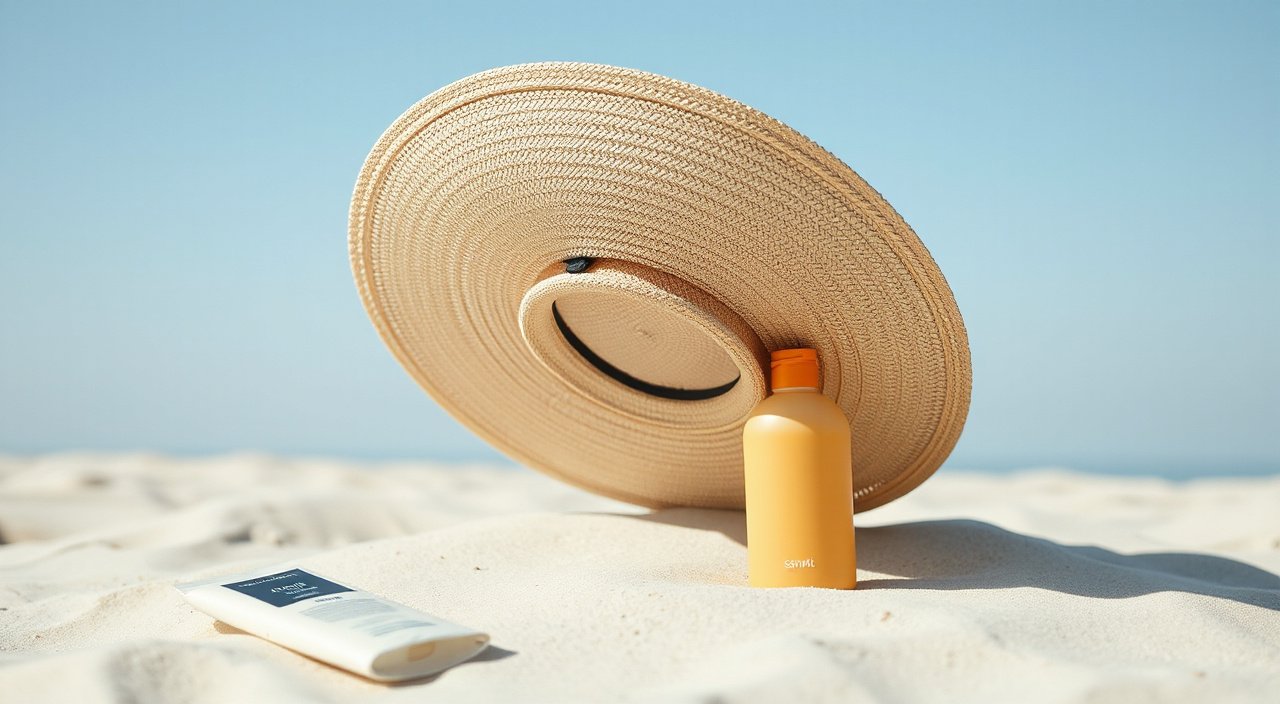
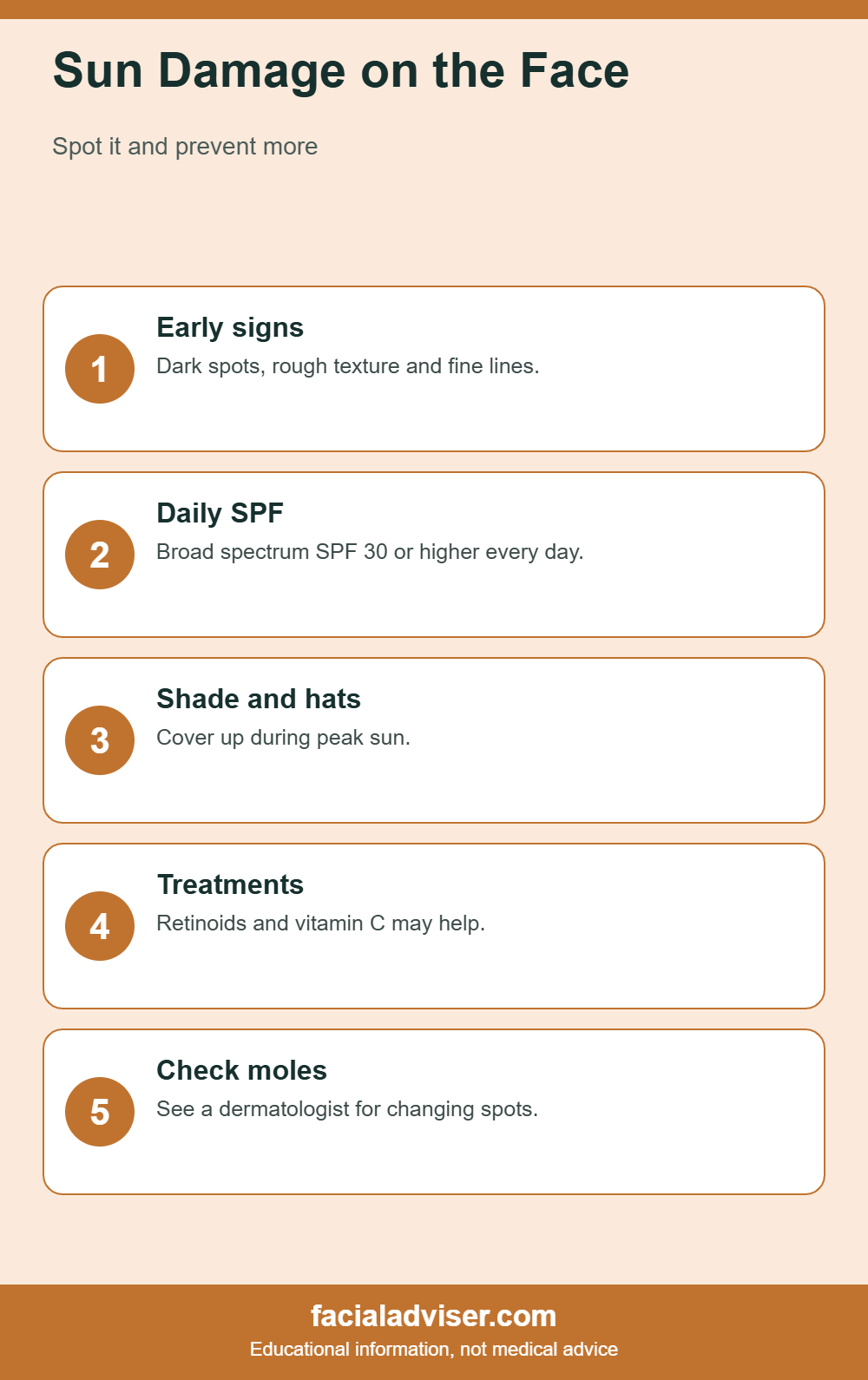
Prevention is far easier than repair. Use a broad spectrum sunscreen every day, and combine it with shade and clothing.
Apply sunscreen every morning
Use SPF 30 or higher, about a quarter teaspoon for face and neck.
Cover ears, neck and hairline
These areas are often missed.
Reapply every two hours outdoors
Reapply after sweating or swimming.
Wear a wide-brim hat and sunglasses
They protect the face and eyes.
Seek shade at peak sun
Mid-morning to mid-afternoon is strongest.
Avoid tanning beds
They raise skin cancer risk.
Keep a small sunscreen in your bag or car so you can reapply easily. The best sunscreen is the one you actually use.
No sunscreen blocks all UV. Do not rely on it to stay in the sun for hours.
Lip balm with SPF protects the lips, and a daily sunscreen on the backs of the hands helps prevent spots there. Protective clothing with a UV rating adds an extra layer for long days outdoors.
If you take medicines that make skin more sensitive to sun, such as certain antibiotics, ask your pharmacist about extra precautions.
Choosing a Sunscreen for the Face
Look for broad spectrum SPF 30 or higher. Mineral sunscreens with zinc oxide or titanium dioxide are popular for sensitive skin, while chemical filters feel lighter on many people. Tinted formulas can also help with visible light and dark spots.
Pick a texture you enjoy, such as a lightweight fluid, gel or cream. Fragrance-free is gentler on sensitive skin.
| Skin type | Sunscreen idea | Why |
|---|---|---|
| Oily | Gel or fluid, non-comedogenic | Lighter feel |
| Dry | Cream with moisturizers | Added comfort |
| Sensitive | Mineral, fragrance-free | Fewer irritants |
| Dark skin | Tinted or sheer formula | Less cast |
| Acne-prone | Non-comedogenic, oil-free | Less clogging |
Check the expiry date, and replace sunscreen that has been left in a hot car or looks separated. Enough product is more important than the exact SPF number.
What May Help Existing Damage
Some ingredients have reasonable evidence for improving the look of sun-damaged skin over months. Retinoids help with fine lines and texture. Vitamin C is an antioxidant that may brighten. Niacinamide can help with uneven tone and barrier health.
Alpha and beta hydroxy acids exfoliate gently, which can smooth rough skin. Start slowly, and use sunscreen every day, because these ingredients can make skin more sensitive to sun.
Results take time. Most people need 8 to 12 weeks to notice change, and some spots will not fade completely.
Sunscreen comes first, because treating damage while continuing to expose skin is like mopping the floor with the tap still running.
Consistent use of a retinoid is the best-studied cosmetic option for fine lines and texture. Be patient and gentle.
Niacinamide is generally well tolerated, which makes it a good first active for sensitive skin. Add vitamin C or a retinoid later if your skin is calm.
A Simple Repair Routine
Keep the routine short. In the morning, cleanse, apply a vitamin C or niacinamide serum, moisturizer and sunscreen. In the evening, cleanse, apply a retinoid a few nights a week and moisturize.
Avoid combining many strong actives at the start. Introduce one at a time, and stop if skin burns, stings or peels heavily.
Retinoids should be avoided in pregnancy and when trying to conceive. Ask your doctor if you are unsure.
If your skin is sensitive, choose a lower-strength product and use it less often. Patience and moisturizing matter as much as the active itself.
Expect some dryness or flaking in the first few weeks of a retinoid, and ease off if it becomes uncomfortable. A simple moisturizer is your friend throughout.
What a Dermatologist Can Do
A dermatologist can check spots and rule out skin cancer. They can also prescribe stronger retinoids or lightening creams and offer treatments such as chemical peels, laser or light-based therapies.
Some treatments carry risks, especially for darker skin tones, and need to be done by a trained professional. Good aftercare includes strict sun protection.
Rough, scaly spots that do not heal may be treated with freezing or prescription creams.
Ask your dermatologist about realistic goals, downtime and costs before choosing a treatment.
How to Check Spots and Moles
Look at your skin regularly. Dermatologists often use the ABCDE guide: Asymmetry, irregular Borders, uneven Color, Diameter larger than a pencil eraser, and Evolving or changing spots.
Also look for sores that do not heal, bleeding or crusting spots and shiny bumps. If anything looks unusual or changes, book a skin check.
People with many moles, fair skin or a family history may need regular professional checks.
A good habit is to take photos of any mole you are watching so you can compare over time, and to ask a partner or friend to check places you cannot see, such as the back of the neck.
Common Mistakes
The most common mistake is using too little sunscreen or skipping it on cloudy days. Another is using a high SPF as an excuse to stay in the sun longer.
Many people also forget the ears, neck, lips and hands. Others try strong DIY treatments, such as lemon juice or harsh scrubs, which can burn and darken skin.
Another mistake is stopping sunscreen after a few sunny weeks. UV exposure continues all year, so build sunscreen into your morning routine like brushing your teeth.
Finally, avoid peeling products on damaged skin that is already inflamed or sunburned. Let the skin recover first, and ask a professional if you are unsure.
Who Should Be Careful
Helps
- Anyone who spends time outdoors
- People with fair skin, freckles or many moles
- Those with early dark spots or lines
- People who want a simple daily routine
- Anyone willing to wear sunscreen daily
Backfires
- People with new or changing moles who have not seen a doctor
- Anyone planning strong peels or lasers without a professional
- Pregnant women using retinoids
- People with very sensitive skin who have not patch tested
- Anyone using tanning beds
If you notice a changing spot, see a dermatologist rather than trying home treatments.
Outdoor workers, athletes and people who live at high altitude or near the equator have higher exposure and should be extra careful with protection and skin checks.
Honest Limits
Skincare can improve the look of mild sun damage, but it cannot fully reverse it. Deep wrinkles, scars and skin cancers need professional care.
Dark spots can also come from melasma, hormones or inflammation. A dermatologist can tell which you have.
This guide is general information and not personal medical advice.
Product listings, prices and ratings change often, so check the current Amazon page before buying.
Results vary with skin tone, age and the amount of past exposure. Some people see big improvements, while others see modest changes even with perfect habits.
When to See a Professional
See a dermatologist for a new, changing, bleeding or itchy mole, a sore that does not heal, rough scaly patches or sudden dark spots. Annual skin checks are sensible for people at higher risk.
This article is for general information only and is not medical advice. It does not replace a visit to a doctor or pharmacist. I am a registered pharmacist with a cosmetology course, not a dermatologist.
Your Questions, Answered
What does sun damage look like on the face?
Dark spots, rough texture, fine lines, uneven tone and small red veins.
Can sun damage be reversed?
Mild damage can improve with sunscreen, retinoids and professional care, but not fully.
Do I need sunscreen on cloudy days?
Yes. UV passes through clouds.
What SPF should I use?
Broad spectrum SPF 30 or higher.
Does vitamin C help sun damage?
It is an antioxidant that may brighten, but sunscreen is still essential.
Are tanning beds safe?
No. They raise skin cancer risk.
How long do dark spots take to fade?
Often 8 to 12 weeks or more, and some persist.
Is a tan healthy?
A tan is a sign of skin damage.
What is the ABCDE rule?
A guide for spotting suspicious moles: asymmetry, border, color, diameter and evolving.
When should I see a dermatologist?
See one for new or changing spots, non-healing sores or rough scaly patches.
The Takeaway
Sun damage builds slowly, but protection works at any age. Wear sunscreen daily, add shade and a hat, and keep your skincare routine simple.
If a spot changes, bleeds or does not heal, see a dermatologist.

Written by
Registered pharmacist and founder of Facial Adviser. Rakib's pharmacy training covers how skincare actives work and interact; a later course in cosmetology turned that into a focus on facial treatments and skincare products. He plans, researches and edits every guide on the site and checks health claims against sources such as the American Academy of Dermatology, the FDA and the NIH. He is not a dermatologist; see the Editorial Policy and Medical Disclaimer.
About · Editorial policy · How we choose products · Medical disclaimer · Contact
Keep reading: Toners, mists and sunscreen
- What Does a Facial Toner Do? The Real Answer
- Facial Mist vs Toner: Differences, Benefits and Whether to Use Both
- Facial Toner vs Astringent: Which One Your Skin Actually Needs
- Facial Spray vs Toner: What Each Does and Whether You Need Either
- 10 Best Facial Toners for Pores (2026): Smoother, Clearer-Looking Skin
- 10 Best Face Masks for Every Skin Type (2026): Clay, Gel and Sheet
- 10 Best Facial Cleansers for Combination Skin (2026): Balanced Picks
Prime for Young Adults: a longer free trial and a lower price after it