What ‘Reef-Safe’ Sunscreen Actually Means
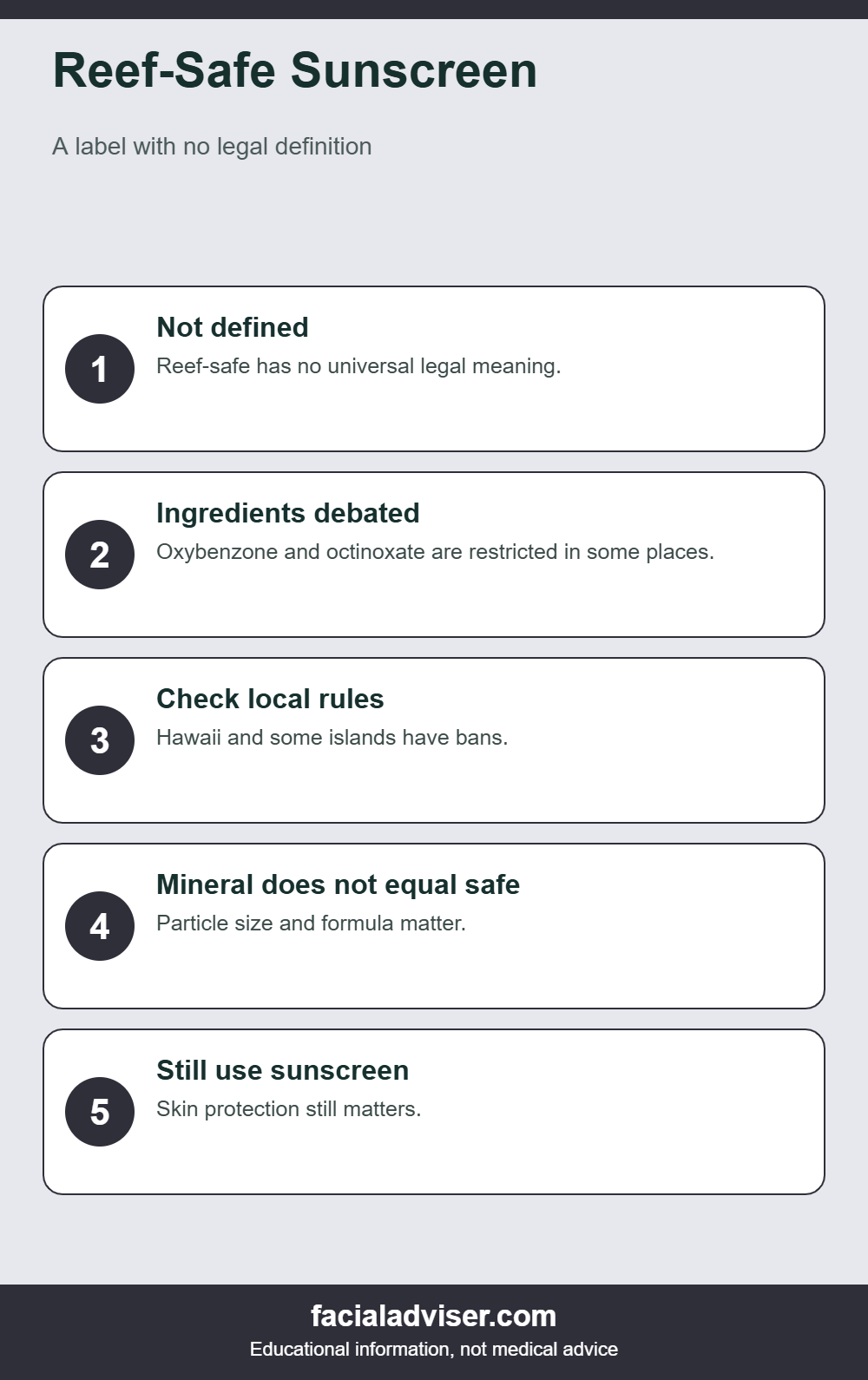
Before a beach trip, many people search for reef-safe sunscreen. It sounds like a clear promise that a product will not harm corals and marine life. In reality, reef-safe is a marketing term with no universal legal definition, and the science on sunscreen and reefs is more complicated than the label suggests.
Many travelers also feel guilty about using any sunscreen at the beach, but that guilt is misplaced if it leads to sunburn.
This guide explains what reef-safe usually means, which ingredients are restricted in some places, what the research does and does not show and how to choose a sunscreen that protects your skin without relying on vague claims. It also covers practical habits that reduce your impact at the beach.
Black Friday is coming: shop the deals with Prime
I am Rakib Sarwar, a registered pharmacist with a cosmetology course. I am not a marine scientist or a dermatologist, and this article is general education. Rules differ by location and change often, so check local regulations before you travel.
Some places, such as Hawaii and Key West, restrict the sale of sunscreens containing certain chemical filters, mainly oxybenzone and octinoxate. Other destinations have their own rules. That is why a label that says reef-safe is not enough on its own. It does not tell you which rules the product meets.
Below you will find a clear explanation, a practical checklist, honest limits and a short list of mineral sunscreens. For makeup and sun protection, our guide to reapplying sunscreen over makeup may also help.
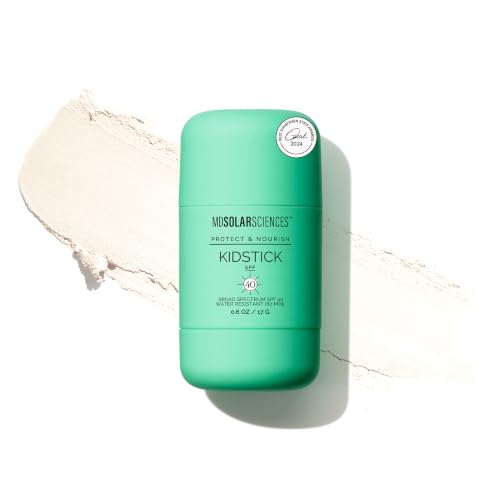
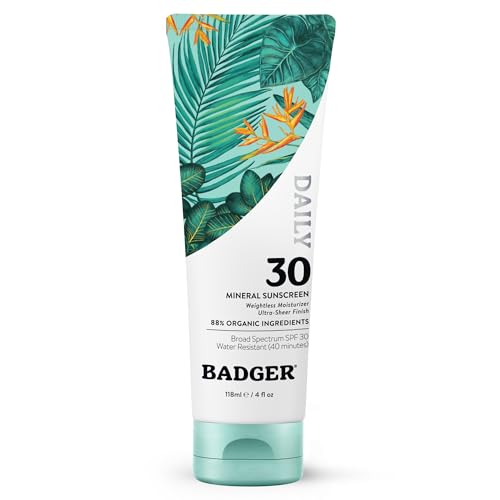
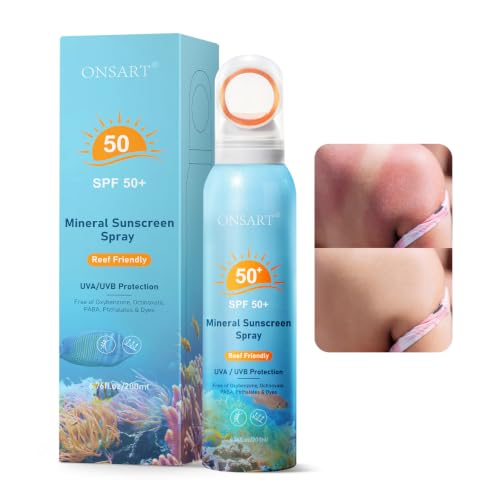
Mineral Sunscreens to Consider for Beach Trips




Jump to a Section
In Brief
- Reef-safe has no legal definition, so it cannot be treated as a guarantee.
- Oxybenzone and octinoxate are restricted in some places like Hawaii.
- Mineral sunscreens use zinc oxide or titanium dioxide, but formula and particle type still matter.
- Real reef harm comes from many sources, including warming oceans and pollution.
- Shade, clothing and rash guards reduce how much sunscreen you need.
- Protect your skin first; avoid skipping sunscreen because of reef worries.
What Reef-Safe Is Supposed to Mean
Reef-safe is usually used to suggest that a sunscreen does not contain ingredients thought to harm coral reefs. There is no standard test, no official certification in the United States and no single list of ingredients that everyone agrees on. A brand can use the phrase without proving anything.
Marketing phrases like ocean-friendly, coral-safe and eco-friendly follow the same pattern. They have no common definition. When in doubt, read the ingredient list and ignore the slogans.
Some brands pursue third-party certification in specific places, which can add credibility. Look for details on what the certification covers and who runs it.
Some tourism destinations have started to display lists of approved or banned products. If your destination does, use them. If not, check the local government or environmental authority page for current guidance.
Because enforcement varies, a product may be sold legally in one shop and not in another. Always check the label of what you pack.
Some brands use more specific wording, such as free from oxybenzone and octinoxate, or reef-friendly. These are also marketing terms, though a clear ingredient statement is more useful than a vague slogan.
Rules differ by place and change over time. Check local regulations before traveling.
Ingredients That Are Restricted in Some Places
Oxybenzone and octinoxate are chemical filters that some places have banned from sunscreens sold locally. Hawaii and Key West are well-known examples, and several other destinations have their own rules. Some regulations also cover other filters, so reading the local list matters.
Always check both the active ingredients and the inactive list. Some sunscreens list many fragrances, preservatives and emollients that can irritate sensitive skin or raise questions for environmental groups.
If you buy a sunscreen in your destination, check that it is made for that market and in date.
Other chemical filters, such as avobenzone, octocrylene and homosalate, are sometimes mentioned in reef discussions. The evidence is less settled, and local rules differ. If you want to be cautious, mineral sunscreens avoid most of these ingredients.
If you are not sure about a product, look up the ingredient list on the brand site and compare it to the local rules.
Mineral filters, zinc oxide and titanium dioxide, are usually allowed. But a mineral sunscreen can still include other ingredients that raise questions, and nano-sized particles are debated by some regions and brands.
| Ingredient | Type | Status in some places |
|---|---|---|
| Oxybenzone | Chemical filter | Restricted in Hawaii and Key West |
| Octinoxate | Chemical filter | Restricted in Hawaii and Key West |
| Zinc oxide | Mineral filter | Generally allowed |
| Titanium dioxide | Mineral filter | Generally allowed |
What the Research Does and Does Not Show
Laboratory studies have shown that some sunscreen ingredients can harm coral at high concentrations in controlled conditions. Real oceans are more complicated, and many scientists say that warming seas, pollution, overfishing and runoff are the biggest threats to reefs.
Corals also face disease, ocean acidification and physical damage from boats and divers. These stressors interact with each other, which is why scientists often call for a broad approach that includes cutting carbon emissions.
Researchers disagree about how much sunscreen contributes to coral damage compared with other stressors. Some studies point to specific chemicals, while others suggest the effect is small compared with warming and pollution.
Because of this uncertainty, the most sensible approach is to reduce unnecessary use, avoid restricted ingredients where rules exist and keep protecting your skin.
That does not mean sunscreen is irrelevant, but it means that no sunscreen label can make a simple promise. Reducing sunscreen runoff, protecting skin with clothing and supporting broader ocean protection all matter.
Use a rash guard, hat and shade first, then sunscreen on exposed skin. That reduces both skin damage and the amount of product entering the water.
Is Mineral Sunscreen Always Reef-Safe?
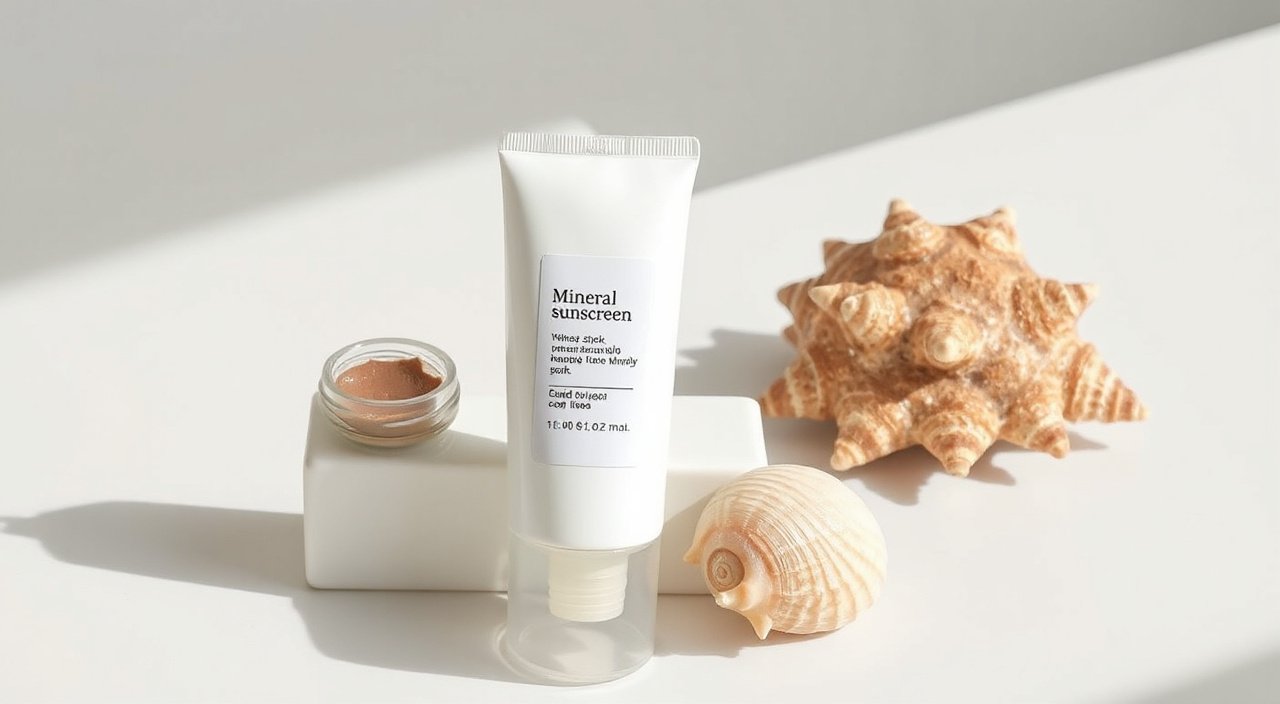
Not necessarily. Mineral sunscreens avoid oxybenzone and octinoxate, which makes them more likely to meet local rules. But they may contain other ingredients, coatings or particle sizes that still raise questions, and there is no certification that covers all of them.
Zinc oxide has a long history in sun protection and is used in many baby and sensitive-skin products. Titanium dioxide is often paired with it. Both work by sitting on top of the skin, which is why they can look chalky until rubbed in.
Spray mineral sunscreens exist, but they are harder to apply evenly and can be inhaled. If you use a spray, apply it outdoors, rub it in and avoid breathing the mist.
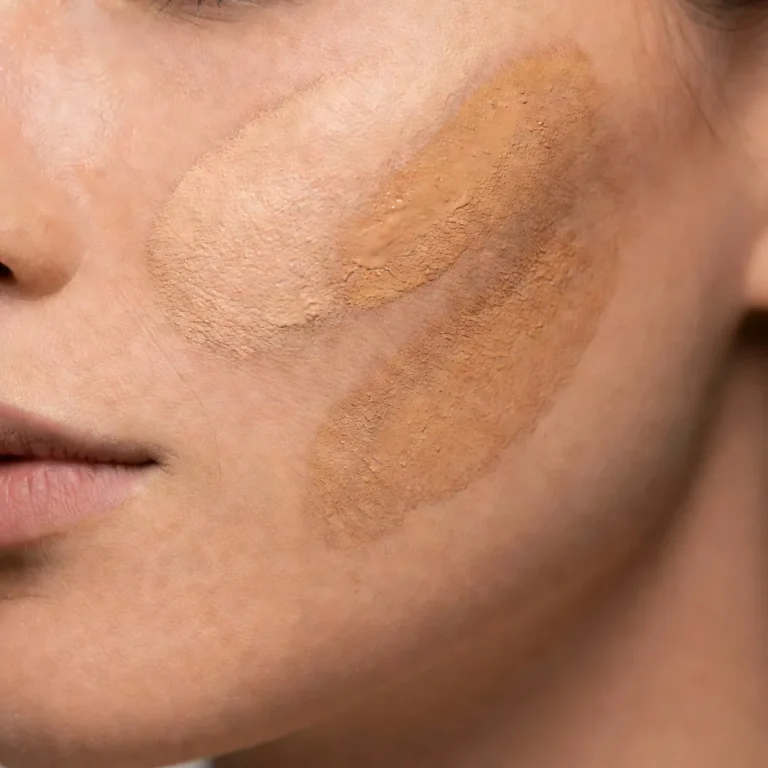
White cast is a real practical issue. Tinted mineral sunscreens and sticks can make application easier. Rub in thoroughly, and apply a second layer rather than one thick layer if you see streaks.
Check that the product states water resistance, such as 40 or 80 minutes. Reapply after that time, after towel drying and after heavy sweating.
Mineral sunscreens can also be thicker and leave a white cast. Tinted or sheer formulas make them easier to wear. Choose one that you will use properly, since skin protection matters.
Worth Doing
- Check the ingredient list
- Check local rules
- Use shade and clothing
Skip It
- Rely on the reef-safe label alone
- Skip sunscreen to avoid chemicals
- Spray near water or corals
How to Choose a Sunscreen for the Beach
Start with protection for your skin: broad spectrum, SPF 30 or higher and water resistance if you swim. Then check the ingredients against the rules of your destination. If the label names specific filters, compare them to the local list.
Read reviews with a critical eye. Many reviewers report white cast, stinging or pilling, and these details tell you more than star ratings. Look for reviews from people with a similar skin tone and type to yours.
If you plan multiple beach days, apply sunscreen after your morning shower and again at midday. A water-resistant formula still needs reapplication. Mark the time on your phone to help you remember.
Also think about children. Mineral sunscreens are often used for children, but any new sunscreen should be tested on a small area first. For babies under six months, talk to a pediatrician before using sunscreen.
Pack enough sunscreen for your trip. Running out and buying an unknown product at a resort can be expensive and may not meet your preferences.
Think about the format too. Sticks and creams are easier to apply precisely than aerosol sprays, which can drift. Apply sunscreen before you get to the water, so it has time to settle.
Check local rules
Look up sunscreen restrictions for your destination.
Choose broad spectrum SPF 30+
Pick water-resistant if you will swim.
Read the ingredient list
Avoid restricted filters and fragrance if you are sensitive.
Apply early
Put it on 15 minutes before entering the water.
Cover up
Use a rash guard, hat and shade to reduce product use.
Stop using any sunscreen that causes burning, swelling or a rash, and see a doctor if symptoms persist.
Habits That Reduce Your Impact
Apply sunscreen before you reach the beach so less washes off right away. Use sticks or creams rather than sprays near the water. Rinse off at a shower on land. Avoid touching coral or stirring up sand.
| Habit | Why it helps |
|---|---|
| Apply before the beach | Less product washes off at once |
| Use sticks or creams | Less drift than sprays |
| Wear a rash guard | Cuts the amount of sunscreen needed |
| Rinse on land | Keeps product off reefs |
These simple changes cost nothing, and they protect both your skin and the places you visit.
Take a reusable bag for rubbish and avoid leaving sunscreen packaging on the beach. Choose products in recyclable or refillable packaging where possible.
If you snorkel or dive, wear a rash guard or wetsuit, which lowers the amount of sunscreen you need on large areas of skin.
Support local conservation efforts and choose reef-friendly tour operators. These actions can make a bigger difference than any sunscreen label.
Honest Limits
No sunscreen can be guaranteed harmless to marine life. Science is ongoing, and the effects of many ingredients at real-world concentrations are not fully understood. Rules also differ between destinations, and enforcement varies.
Climate and local conditions change what works. A beach with strong currents and many swimmers needs different habits from a calm private bay. Local guides often know the best practices for their area, so ask them.
Remember that reading a label takes seconds, while sun damage and sunburn can last years. A little preparation lets you enjoy the trip with fewer worries.
Finally, marketing claims change quickly. A product that was reef-safe last year may have been reformulated, so check the label on the product you actually buy, not the one in an old review.
Never skip sunscreen because of worries about reefs. Skin cancer and sun damage are well-documented risks, and protecting your skin is important.
When to See a Professional
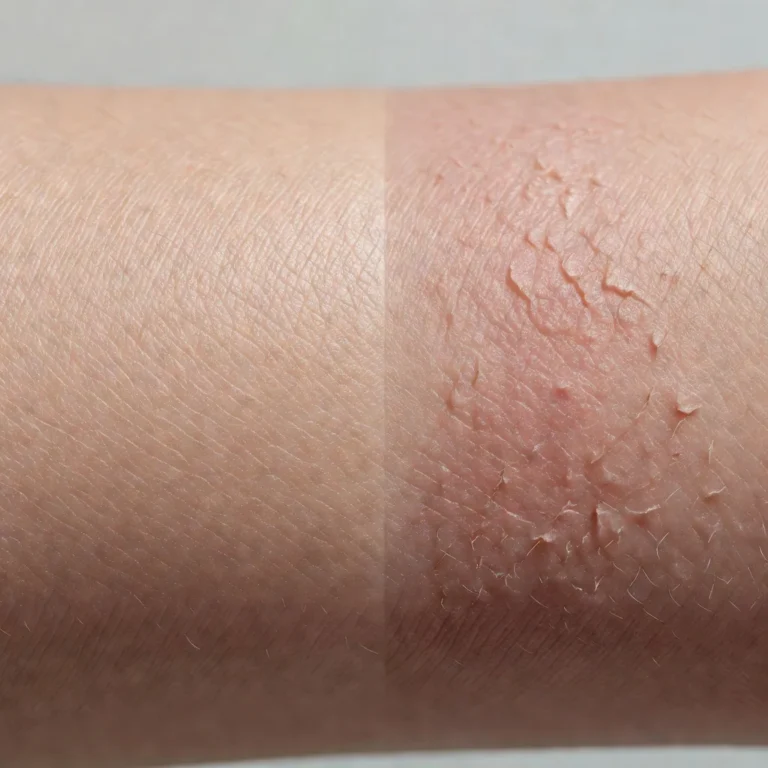
See a doctor or dermatologist if you have skin that burns easily, a history of skin cancer, new or changing moles, or a rash from sunscreen. They can recommend products and sun habits that suit you.
Take sunscreen seriously for children and older adults, who may be more vulnerable to sun damage. Talk to a pediatrician about infants and seek advice before using new products on babies.
After a long day outdoors, aloe gel or a gentle moisturizer can soothe warm skin. If you are blistering, in pain or feeling unwell, seek medical help.
This article is educational and not medical advice. The author is a registered pharmacist, not a dermatologist or marine scientist, and cannot diagnose skin conditions or assess environmental impact.
Questions People Ask
What does reef-safe mean on sunscreen?
It is a marketing term with no universal legal definition.
Is mineral sunscreen reef-safe?
It avoids oxybenzone and octinoxate, but no label guarantees reef safety.
Which ingredients are banned in Hawaii?
Oxybenzone and octinoxate are restricted in sunscreens sold there.
Do I need reef-safe sunscreen outside Hawaii?
Some destinations have rules, so check locally.
Is reef-safe sunscreen safer for my skin?
Not necessarily. It depends on the ingredients and your skin.
Are nano zinc particles safe?
Opinions and rules differ, so check local guidance.
Is spray sunscreen bad for reefs?
Sprays can drift, so apply them away from the water.
Should I skip sunscreen to protect reefs?
No. Use shade and clothing, and still protect your skin.
How early should I apply sunscreen?
About 15 minutes before entering the water.
When should I see a doctor?
See one for rashes, burns or skin changes.
Summing Up
Reef-safe is a vague claim, so read ingredients, check local rules and use shade and clothing to reduce how much sunscreen you need.
Protect your skin first and choose a mineral sunscreen you will actually wear.

Written by
Registered pharmacist and founder of Facial Adviser. Rakib's pharmacy training covers how skincare actives work and interact; a later course in cosmetology turned that into a focus on facial treatments and skincare products. He plans, researches and edits every guide on the site and checks health claims against sources such as the American Academy of Dermatology, the FDA and the NIH. He is not a dermatologist; see the Editorial Policy and Medical Disclaimer.
About · Editorial policy · How we choose products · Medical disclaimer · Contact
Turn skincare time into me-time with a free audiobook