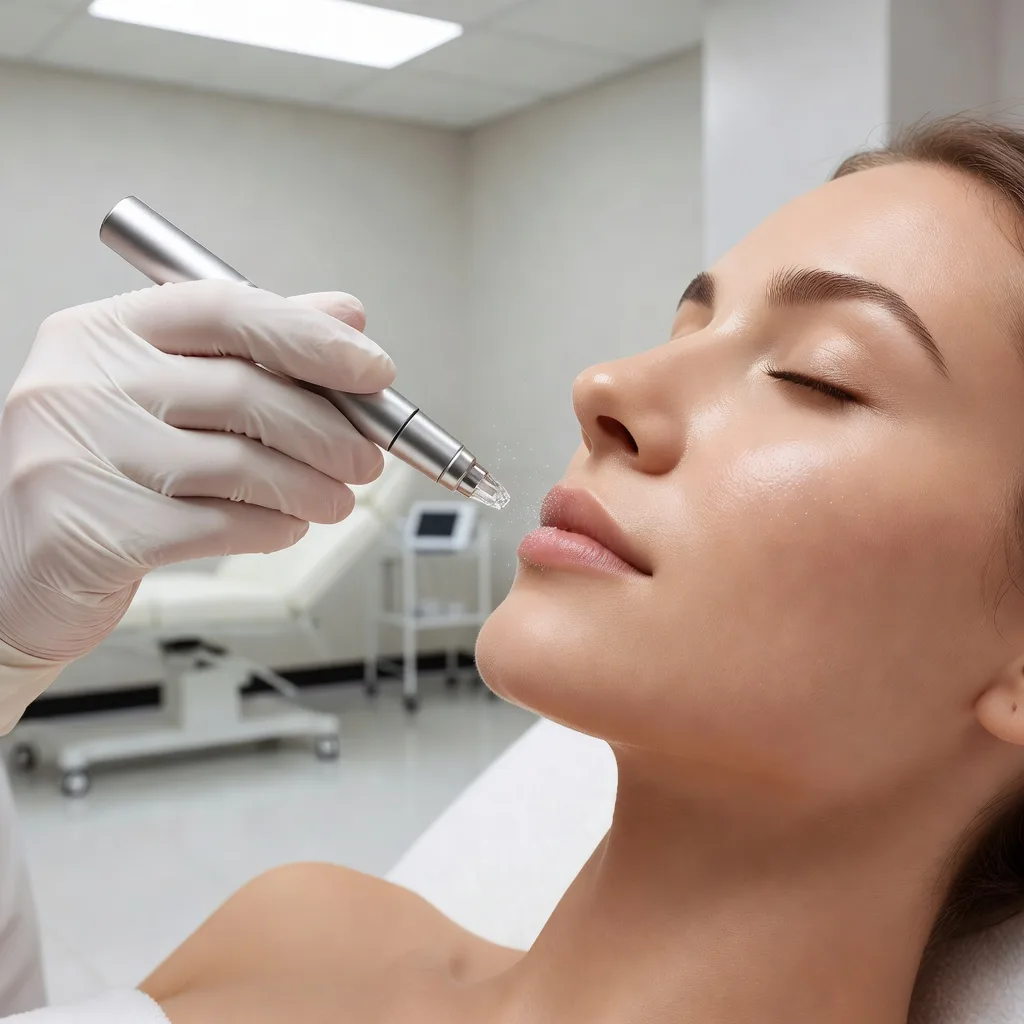
What Is a Diamond Peeling Facial, Really?
What is a diamond peeling facial, and how is it different from every other diamond-tip treatment on a spa menu? It’s a straightforward mechanical exfoliation session, a diamond-coated wand plus vacuum suction, extractions, and a calming mask, with none of the mystery the branding implies.
Part of our guide to facial treatments. Start with: Ultimate Guide Microdermabrasion: What to Know
The entire session runs on one consistent protocol from spa to spa: cleanse, wand pass, extractions, mask, then sunscreen, typically 30 to 45 minutes start to finish. That consistency is exactly why it’s worth knowing the real steps ahead of time rather than trusting whatever a menu description promises.
Real aftercare matters more than most people expect going in, sun sensitivity is genuinely elevated for a day or two afterward, and several categories of skin conditions are legitimate reasons to reschedule rather than push through.
This guide walks through exactly what happens during a session, who it suits and who should skip it, how it’s priced relative to other facials, and the device-regulation category behind the whole treatment.
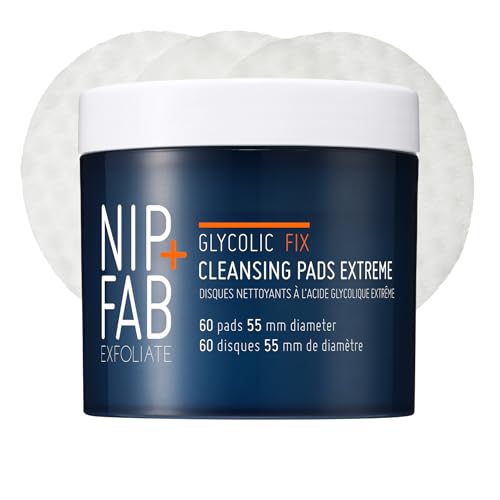
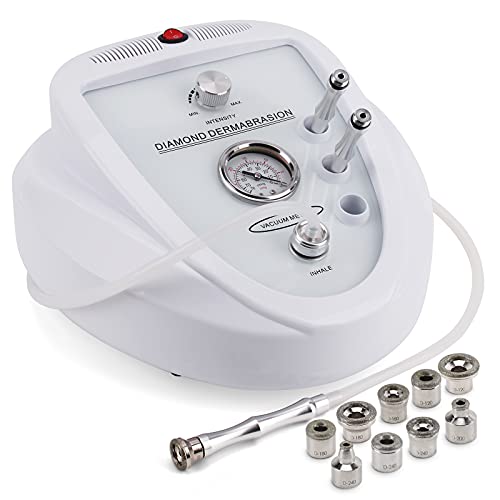
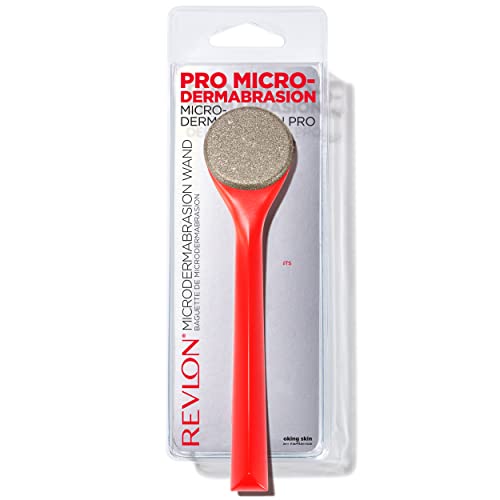
Recommended At-Home Diamond Peel and Microdermabrasion Tools

Key Takeaways
- A diamond peeling facial is a straightforward, low-complexity session: cleanse, diamond-tip exfoliation pass, extractions, calming mask, moisturizer and SPF.
- A typical session runs 30 to 45 minutes, up to 60 minutes when bundled into a fuller facial with extended massage.
- It suits normal-to-oily skin with dullness, mild texture, or closed comedones, but not active inflammatory acne, active rosacea, or sunburned or fragile skin.
- Sun sensitivity is genuinely increased for 24 to 48 hours afterward, and actives like retinoids or AHAs should be paused for several days.
- The device sits in the same low-oversight FDA device category as basic microdermabrasion machines generally, not a specially cleared or approved treatment.
- It’s priced and positioned as a maintenance “polish” treatment, below chemical peels and laser resurfacing, not a corrective procedure.
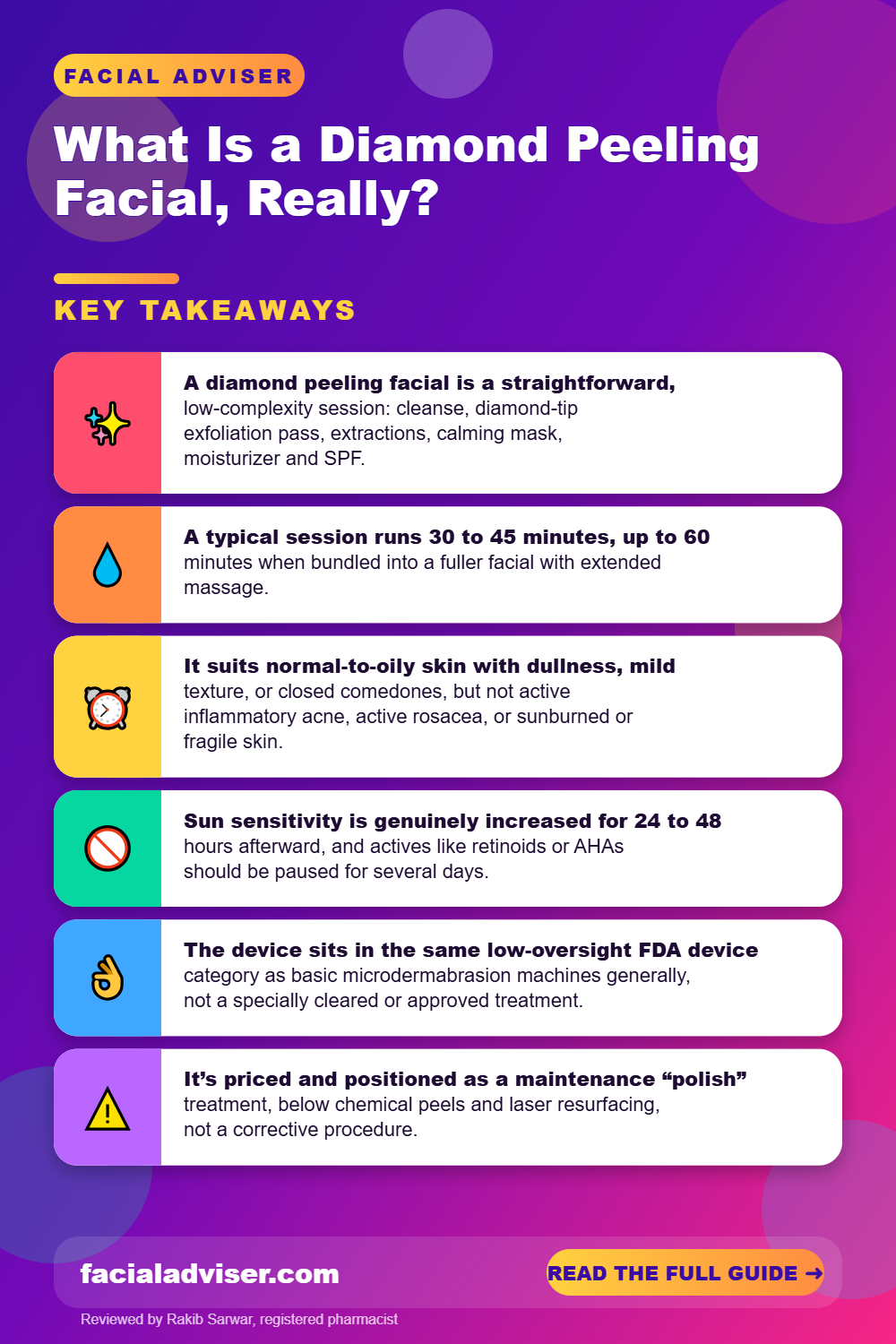
Table of Contents
- What Actually Happens in a Diamond Peeling Facial
- The Session, Step by Step
- Who It Suits (and Who Should Skip It)
- Real Aftercare You Need to Follow
- How It’s Priced and Positioned
- What Results Actually Look Like
- How Often to Repeat a Session
- The Device Category Behind It
- Do This, Not That
- When to See a Dermatologist
- Frequently Asked Questions
- The Bottom Line
What Actually Happens in a Diamond Peeling Facial
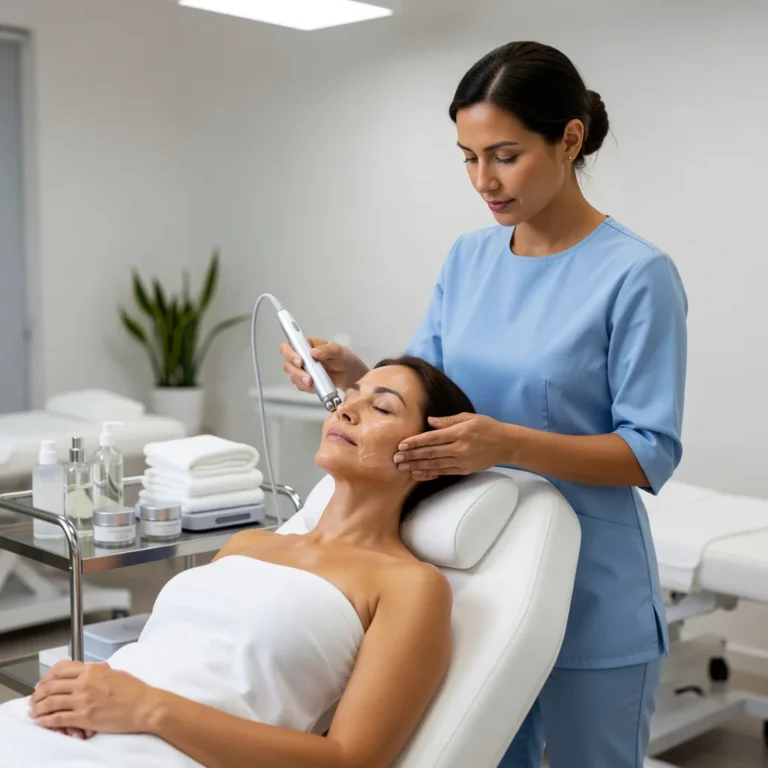
A diamond peeling facial is a mechanical exfoliation treatment built around a diamond-coated wand: skin is cleansed, the wand is passed across the face under vacuum suction to lift away dead surface cells, visible comedones are extracted, and a calming mask and sun protection close out the session. It’s a low-complexity, device-driven treatment, not a multi-modality medical procedure, which is exactly why the protocol is so consistent from one spa to another.
Shopping these picks?
Amazon Prime members get fast, free shipping on eligible items, plus Prime Video, Amazon Music and member deals. New members can start with a free trial.
Start a free Prime trialAged 18 to 24? Prime for Young Adults comes with a longer free trial and a lower price after it.
Affiliate link: we may earn a commission at no extra cost to you.
This guide walks through the actual step-by-step session, who it genuinely suits, the real aftercare that follows from how the treatment works, and the device-regulation category it shares with basic microdermabrasion generally.
The Session, Step by Step
Double cleanse
Makeup and oil are removed first, then a gentle cleanser strips surface debris so the diamond tip is abrading skin, not a layer of product.
Skin analysis
In more clinical settings, a visual assessment or Wood’s lamp check screens for active breakouts, broken capillaries, or inflammation that would make the wand a bad idea that day.
Diamond-tip pass under vacuum suction
The wand moves across the face in a grid pattern; suction lifts the loosened surface cells away. Combination devices infuse serum through the same tip simultaneously, while older, simpler machines treat exfoliation and infusion as separate steps.
Extractions
Visible comedones are manually extracted after the skin has been softened by the exfoliation step, when pores are most receptive and blackheads or whiteheads come out with the least trauma.
Calming or hydrating mask
A mask formulated with antioxidants, hyaluronic acid, or peptides counters the mechanical irritation from the exfoliation and extraction steps.
Tip: If you’re booking this before an event, schedule it at least 3 to 4 days ahead rather than the day before, so any redness from extractions has time to fully settle.
Moisturizer and broad-spectrum SPF
This step is not optional: skin is measurably more sun-sensitive right after exfoliation, so sunscreen closes out every session regardless of the weather.
Who It Suits (and Who Should Skip It)
This treatment genuinely suits normal-to-oily skin dealing with dullness, mild textural irregularities, closed comedones, or uneven tone, and it’s a reasonable choice for a pre-event “polish” since the immediate smoothing and glow effect is real, it’s literally removing dead surface cells and improving how light reflects off the skin.
It doesn’t suit everyone. Active inflammatory acne is a genuine reason to skip a session, the vacuum and abrasion can spread acne-causing bacteria and rupture pustules, actively worsening a breakout rather than treating it. Active rosacea flares, eczema or dermatitis flares, sunburned skin, and very thin or fragile skin are the same story: the mechanical action makes an already-compromised skin barrier worse, not better.
Real Aftercare You Need to Follow
Warning: Skip a session entirely if you have active cystic or inflammatory acne, an active cold sore, a sunburn, recent (within 3 to 7 days) retinoid use, a rosacea flare, or any broken or compromised skin. These are the recurring exclusion criteria across clinic protocols, including DiamondGlow’s own instruction to discontinue retinoids at least three days before treatment.
Sun sensitivity following this treatment is real and genuinely time-limited, typically 24 to 48 hours of meaningfully increased sensitivity, with general SPF vigilance advised for about a week afterward. Avoid retinoids, AHA or BHA exfoliants, and strong vitamin C for several days to a week post-treatment, since layering more exfoliation or irritants onto a temporarily thinned barrier increases the risk of stinging, redness, and post-inflammatory hyperpigmentation, especially in darker skin tones. Skip strenuous exercise and heavy makeup for the first 24 hours, since sweat and occlusive makeup on freshly exfoliated, extraction-marked skin raises infection and irritation risk.
Mild, expected side effects include transient redness, tightness, slight swelling, and occasional pinpoint bleeding from more vigorous extractions. Genuine red flags are persistent redness beyond a couple of days, unusual swelling, or itching that suggests a reaction, any of which warrants contacting your provider rather than waiting it out.
How It’s Priced and Positioned
| Treatment tier | Typical positioning | Corrective or maintenance |
|---|---|---|
| Diamond peeling facial / basic microdermabrasion | Lower-cost professional facial | Maintenance / cosmetic polish |
| Combination device (e.g., DiamondGlow, HydraFacial) | Premium-tier facial, higher cost per session | Maintenance, with a more noticeable single-session effect |
| Chemical peel (higher-percentage acid) | Mid-to-higher cost, provider-dependent depth | More corrective, depth-dependent |
| Laser resurfacing | Highest cost, most downtime | Corrective |
A diamond peeling facial sits at the lower-cost end of professional facials, cheaper than combination devices that add proprietary serum-infusion systems and licensing costs, and cheaper still than chemical peels using higher-percentage acids or any laser-based resurfacing. That positioning tracks directly with what the mechanism can and can’t do: it’s a surface-level polish, not a corrective procedure, which is exactly why it’s marketed and priced as maintenance rather than a fix.
What Results Actually Look Like
The most honest way to describe the result is an immediate, visible improvement in smoothness and light-reflecting glow right after the session, which is real and comes directly from removing a layer of dead surface cells, followed by a gradual fade back toward baseline over the following weeks as normal skin turnover replaces what was exfoliated. It’s not a treatment that produces a cumulative, permanent change after a handful of sessions the way a corrective procedure would.
People booking this treatment for a single event, a wedding, a photoshoot, a big presentation, are generally getting exactly what the mechanism can deliver: a short-term surface polish timed to peak a few days after the session, once any redness from extractions has fully settled. Anyone expecting a diamond peeling facial to meaningfully improve texture or tone on a lasting basis is better served understanding it as a maintenance habit rather than a one-time fix.
How Often to Repeat a Session
Skin’s surface-cell turnover cycle runs roughly 28 to 40 days, and that’s the practical reason a diamond peeling facial is generally repeated every four to six weeks for ongoing maintenance rather than weekly, more frequent sessions don’t meaningfully outpace how quickly the skin naturally sheds and rebuilds its outer layer, and they do add unnecessary irritation risk on top of whatever benefit the treatment provides.
Someone dealing with a more specific concern, mild congestion or dullness that a provider wants to address more actively, might reasonably book a short initial course every two weeks for several sessions before dropping back to that monthly-to-six-week maintenance rhythm. Either way, the interval is set by how the skin renews itself, not by how often a spa would prefer to see a return visit.
The Device Category Behind It
Note: FDA guidance places manual dermabrasion devices and motorized dermabrasion devices (which includes diamond-tip microdermabrasion wands) in Class I, the lowest-risk device category, and both were exempted from premarket notification requirements decades ago for standard indications. This means most of these machines reach the market through general safety controls only, not a rigorous efficacy review, the same low-oversight tier that basic microdermabrasion sits in generally.
That regulatory status is worth understanding plainly: “cleared” or even “FDA-regulated” language on a spa’s marketing page is accurate but shouldn’t be read as proof the treatment achieves its cosmetic claims. It reflects a device-safety framework, not a clinical-efficacy endorsement.
| Claim | What’s actually true |
|---|---|
| “Medical-grade device, FDA regulated” | Accurate but means Class I general controls, not an efficacy review |
| “Removes years of damage in one session” | Not supported; effect is a temporary surface polish requiring repeat sessions |
| “Suitable for all skin types” | Not accurate; active acne, rosacea, and sunburned or fragile skin are real exclusions |
Do This, Not That
Do
- Book at least 3 to 4 days ahead of any event, not the day before
- Apply sunscreen immediately after and for about a week following treatment
- Pause retinoids and strong acids for several days before and after a session
- Mention any active breakouts, rosacea history, or recent retinoid use before booking
- Treat this as a maintenance polish, not a corrective fix for texture or scarring
Don’t
- Book a session with active cystic acne, a cold sore, or a sunburn present
- Skip sunscreen in the days following treatment
- Layer on additional exfoliating actives right after a session
- Expect a single session to correct deep texture issues or scarring
- Assume “FDA regulated” language means the treatment’s results are clinically proven
When to See a Dermatologist
See a dermatologist or skin specialist if you have active acne, a rosacea diagnosis, or a skin condition you’re unsure is compatible with mechanical exfoliation, before booking a session. If your actual goal is treating acne scarring rather than a surface polish, our guide on whether diamond peel can remove scars covers what this treatment can and can’t reach.
Frequently Asked Questions
What happens during a diamond peeling facial?
Cleansing, a diamond-tip exfoliation pass under vacuum suction, extractions, a calming mask, and moisturizer with SPF.
How long does a session take?
Typically 30 to 45 minutes, up to 60 minutes when bundled into a fuller facial.
Who should avoid a diamond peeling facial?
Anyone with active inflammatory acne, an active rosacea flare, a sunburn, or very thin or fragile skin.
How long does sun sensitivity last afterward?
Meaningfully increased sensitivity lasts 24 to 48 hours, with general SPF vigilance advised for about a week.
Can I use retinoids right after treatment?
No, pause retinoids and strong acids for several days to a week following the session.
Is this treatment FDA-approved?
The device category is Class I and exempt from premarket review, general safety controls, not an efficacy approval.
How is this priced compared to other facials?
It’s at the lower-cost end, cheaper than combination devices, chemical peels, and laser resurfacing.
What are normal side effects afterward?
Transient redness, tightness, slight swelling, and occasional pinpoint bleeding from extractions.
When should I contact my provider after a session?
If redness persists beyond a couple of days, or you notice unusual swelling or itching.
Can this treatment fix acne scarring?
No, it only reaches the outer skin layer; true scarring needs deeper modalities, covered in our diamond-peel-and-scars guide.
The Bottom Line
A diamond peeling facial is a straightforward, well-defined session: cleanse, diamond-tip exfoliation, extractions, a calming mask, and sun protection. The immediate polish effect is real, and so is the temporary increase in sun sensitivity that follows it.
Treat it as what it is, a maintenance-tier facial for dullness, mild texture, and closed comedones, priced and positioned below chemical peels and laser resurfacing for exactly that reason, not a corrective fix for anything structural.

Written by
Registered pharmacist and founder of Facial Adviser. Rakib's pharmacy training covers how skincare actives work and interact; a later course in cosmetology turned that into a focus on facial treatments and skincare products. He plans, researches and edits every guide on the site and checks health claims against sources such as the American Academy of Dermatology, the FDA and the NIH. He is not a dermatologist; see the Editorial Policy and Medical Disclaimer.
About · Editorial policy · How we choose products · Medical disclaimer · Contact
Keep reading: Microdermabrasion and diamond peel
- Ultimate Guide Microdermabrasion: What to Know
- How Often to Do Microdermabrasion
- Microdermabrasion for Acne and Blackheads: Real Answer
- 10 Best Professional Microdermabrasion Machines (2026): Diamond Picks
- Kendal Microdermabrasion Machine: Features, Pros, Cons and Safety
- PMD Personal Microderm: How It Works, Pros, Cons and Who It Suits
- Microneedling Facial: Real Results, Explained
- Is Hydrafacial a Gimmick? What Evidence Shows