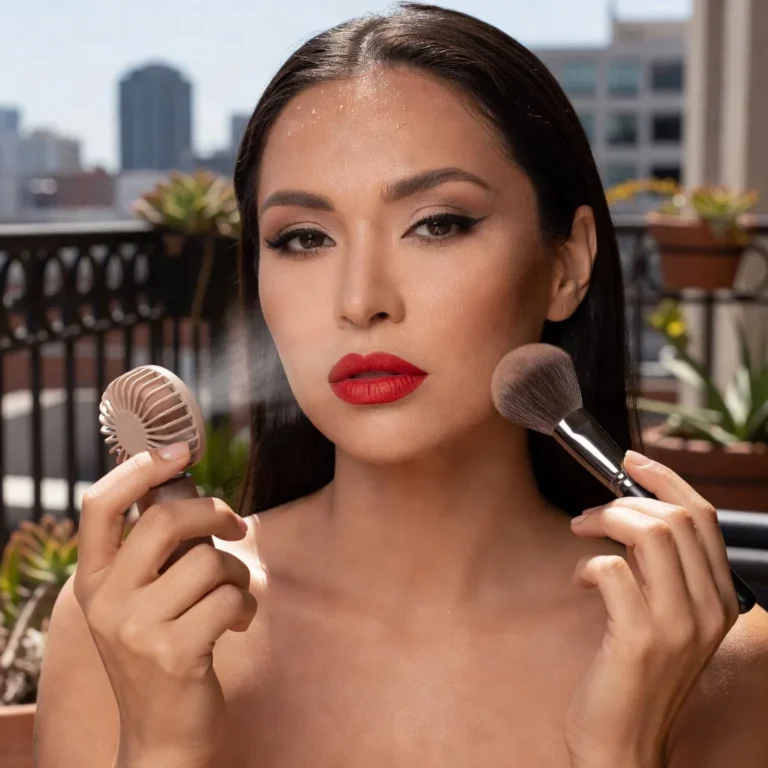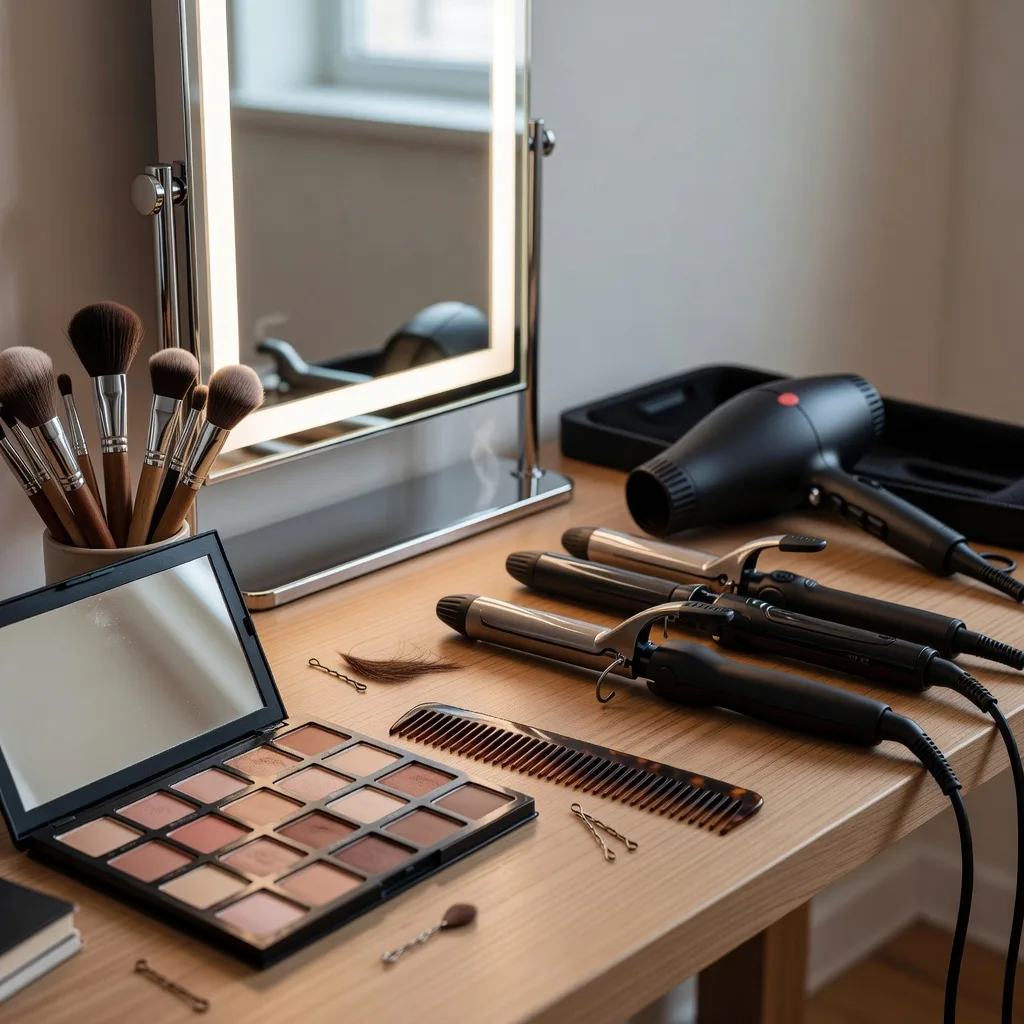
Makeup or Hair First? The Real Chemistry Behind It
Makeup or hair first is one of those beauty-routine questions everyone has an opinion on, and the honest starting point is that no dermatological research has ever actually tested it.
Part of our guide to makeup how-to. Start with: How to Properly Put On Face Makeup: The Right Order, Step by Step
Hairspray and makeup setting spray look nearly identical but are formulated to do opposite jobs: hairspray is water-free with rigid, stiff-bonding polymers, while setting spray is water-based with flexible, skin-friendly emollients, so hairspray drifting onto a finished face leaves a tacky, dehydrating residue rather than setting anything. Heat and sweat from styling tools can genuinely disrupt a fresh base too, a real if unstudied mechanical effect.
The bigger, better-evidenced risk for anyone actually breaking out isn’t which order they do things in at all, it’s comedogenic ingredients and inconsistent removal, and “non-comedogenic” on a label isn’t even a regulated term.
This guide covers the real product chemistry behind the folk wisdom, a practical routine that avoids both failure modes, a one-minute test for isolating the actual cause of a ruined base, and where the order question stops mattering compared to bigger factors.
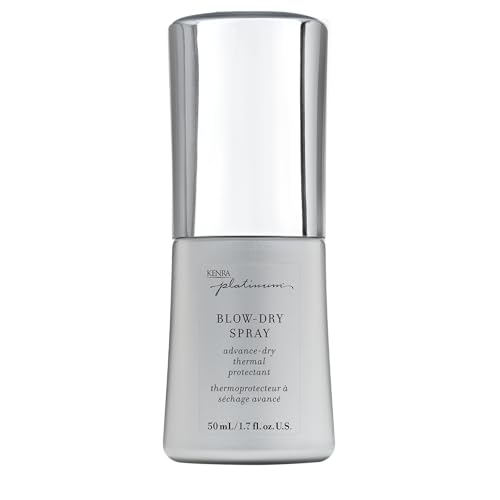
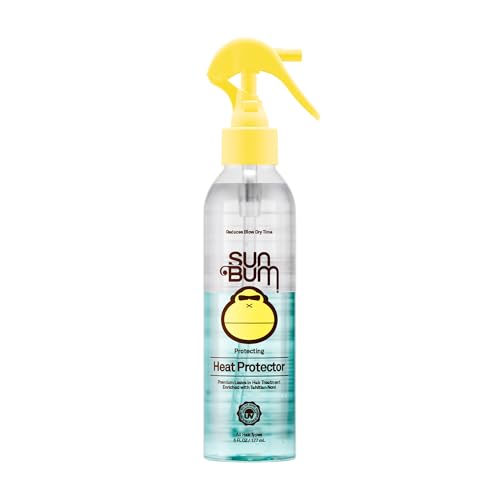
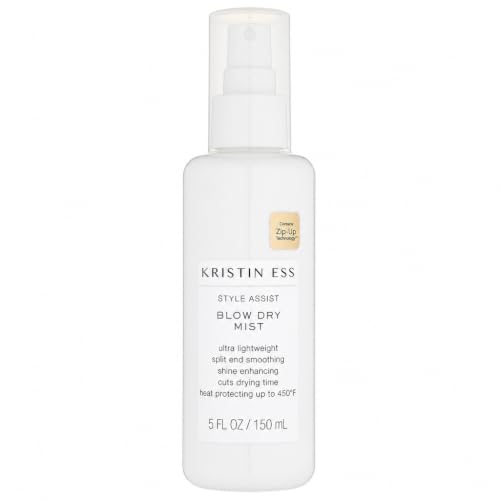
Recommended Products for Heat and Humidity Styling



Quick Takeaways
- There is no clinical or dermatological research on makeup-vs-hair order at all, this is a product-chemistry and workflow question, not a medical one.
- Hairspray and makeup setting spray look similar but are formulated completely differently; hairspray drifting onto a finished base leaves a stiff, dehydrating film, not a set.
- Heat and sweat from styling tools can genuinely disrupt a freshly applied foundation before it’s had time to set, a real, if unstudied, mechanism.
- “Non-comedogenic” on a makeup label is not a regulated or standardized term, a bigger practical issue than styling order for anyone actually breaking out.
- A simple tissue-blot test after styling tells you in under a minute whether your routine is actually the problem.
What This Guide Covers
- Why This Question Doesn’t Have a Dermatology Answer
- Hairspray vs. Setting Spray: Why They’re Not Interchangeable
- The Case for Hair First
- The Case for Makeup First
- What Heat and Sweat Actually Do to a Finished Base
- Do This, Not That
- A Practical Routine That Avoids Both Problems
- One-Minute Check: Is Styling Damaging Your Makeup?
- The Order That Actually Matters More
- The Bigger Risk: Comedogenic Ingredients
- Aerosol and Fragrance Sensitivity
- The Real Risk With Repeated Product Buildup
- Climate Considerations: Humidity and Heat
- When It’s More Than Cosmetic
- Frequently Asked Questions
- The Bottom Line
Why This Question Doesn’t Have a Dermatology Answer
There is no clinical or peer-reviewed literature on whether makeup or hair should come first, none. This is purely a beauty-industry workflow question, not a medical one, and the honest starting point is saying so directly rather than pretending a “correct” order exists. Beauty blogs and brand content repeat the same anecdotal logic in both directions: do hair first to avoid product drifting onto your face, or do makeup first so you’re not smudging it while moving your arms and head around during styling. Neither position rises above consumer-level anecdote, but the underlying product chemistry each side is gesturing at is genuinely real, and worth explaining properly instead of just picking a side.
Shopping these picks?
Amazon Prime members get fast, free shipping on eligible items, plus Prime Video, Amazon Music and member deals. New members can start with a free trial.
Start a free Prime trialAged 18 to 24? Prime for Young Adults comes with a longer free trial and a lower price after it.
Affiliate link: we may earn a commission at no extra cost to you.
Hairspray vs. Setting Spray: Why They’re Not Interchangeable
Hairspray and makeup setting spray look nearly identical, a fine aerosol mist from a similar-looking can, but they’re built to do opposite jobs.
| Product | Base | Film Formed |
|---|---|---|
| Hairspray | Water-free/anhydrous (water makes hair droop) | Rigid, stiff bond at hair-fiber intersections (PVP, PVP/VA, or VA/crotonates polymers) |
| Makeup setting spray | Water-based, lower-solid, typically non-aerosol | Flexible, breathable film using emollients like polyhydroxystearic acid |
If hairspray drifts onto a finished face, deliberately or by accident, it deposits a stiffer, dehydrating polymer film that isn’t formulated for skin. It can sit on top of foundation as a tacky, filmy residue rather than blending in or setting anything. That’s a real, mechanistically explainable reason to keep hairspray off a finished base, but it’s a product-formulation mismatch, not a sign your skin is reacting badly.
The Case for Hair First
Doing hair first avoids the two genuine mechanical risks above: hairspray or dry-shampoo particulate landing on wet or tacky foundation, and hot-tool heat or perspiration disrupting a base before it’s had time to set. Dry shampoo in particular deposits a visible white, starchy residue that can drift and settle on a lower face or collar if styling happens after makeup is on.
The Case for Makeup First
The honest argument for makeup first is ergonomics, not chemistry: less risk of smudging eyeshadow, eyeliner, or lipstick while moving your arms and head around during blow-drying or curling. That’s a genuinely reasonable, practical reason, but it’s workflow, not a skin-health consideration either way.
What Heat and Sweat Actually Do to a Finished Base
Blow-dryers and hot tools run roughly 350 to 450°F at the plate or barrel, hot enough to raise local skin and scalp temperature and induce a light sweat at the forehead and hairline, along with a transient increase in sebum flow. Sweat is mostly water, electrolytes, and urea, and it can dissolve or loosen water-soluble setting powders and disrupt an even foundation film before oils and silicones underneath have fully set. There’s no formal clinical trial behind this specific claim, it’s cosmetics-industry and user-experience consensus rather than peer-reviewed research, so it should be treated as plausible and practical, not proven.
Do This, Not That
Do
- Keep hairspray and dry shampoo pointed away from a finished face
- Let hot-tool heat and any light sweat fully settle before setting spray or powder
- Check a foundation’s ingredient list for known comedogenic oils if you break out regularly
Don’t
- Assume hairspray can double as a makeup setting product
- Blame “the order” for a breakout that’s actually a hygiene or ingredient issue
- Spray aerosol products directly toward closed eyes or an open mouth
A Practical Routine That Avoids Both Problems
Style first, at a distance
Do the bulk of blow-drying and hot-tool work with your face turned away from direct heat and spray drift.Let skin cool and settle
Give your face a couple of minutes after styling for any light sweat or heat flush to fully pass before applying a base.Apply makeup
Build your base once skin has returned to its normal temperature and any residue has been wiped away.Finish hair details last
Save any final hairspray touch-ups for after makeup, aimed at hair only, not the face.
One-Minute Check: Is Styling Damaging Your Makeup?
Try this: right after your usual styling routine, press a clean, dry tissue against your forehead for a few seconds. If it comes away with visible oil, product residue, or a fine powder, that’s the actual cause of a breakdown you might otherwise blame on “doing things in the wrong order,” a quick, honest way to isolate the real variable before changing your whole routine.
The Order That Actually Matters More
| Question | Has Real Evidence Behind It? |
|---|---|
| Makeup or hair first | No, zero clinical literature |
| Skincare before makeup, thinnest to thickest layer | Yes, standard dermatological sequencing based on absorption and barrier logic |
If you’re going to be precise about product order for a genuine reason, the sequencing that actually matters is skincare before makeup, layered thinnest to thickest so lighter, water-based serums can absorb before heavier creams or SPF sit on top. Hair timing, by comparison, is a workflow preference, not a skin-science one.
The Bigger Risk: Comedogenic Ingredients
If breakouts are the actual concern behind “what order should I do things in,” the ingredient list matters more than the sequence. Certain waxes, some plant oils like coconut oil, isopropyl myristate, and some lanolin derivatives can occlude pores and contribute to comedone formation, a real, formally described phenomenon called acne cosmetica. “Non-comedogenic” on a label is a helpful signal but not a regulated or standardized term, different brands test it differently, some with a rabbit-ear assay, some with human patch testing, some not at all, so it’s worth treating as a hint, not a guarantee.
Aerosol and Fragrance Sensitivity
Good to know: repeated aerosol hairspray exposure near the face and eyes can cause mild irritant conjunctivitis or respiratory irritation in sensitive individuals, a general aerosol-cosmetic safety note drawn from occupational studies on hairdressers, not specific to styling order. Occasional, isolated exposure is unlikely to cause a problem, but it’s a real reason to keep spray products pointed away from your face regardless of what order you do things in.
The Real Risk With Repeated Product Buildup
Careful: the genuine risk in a busy hair-then-makeup-then-touch-ups routine isn’t the order itself, it’s layered buildup over a long day. Styling product residue at the hairline, sweat from later reheating with a curling wand for touch-ups, and repeated foundation reapplication without removing the earlier layer first can combine at the hairline and jaw into a mix that’s more occlusive than any single product alone. That combination, not a “wrong order,” is what actually raises the odds of hairline breakouts or clogged follicles by the end of a long day, especially in warm weather or under a hat or helmet.
The fix isn’t picking a strict order, it’s avoiding repeated re-application on top of unremoved residue: if you’re touching up hair mid-day, wipe the hairline first; if you’re reapplying foundation, remove what’s already broken down rather than layering more on top of it.
Climate Considerations: Humidity and Heat
In hot or humid climates, both halves of this question get harder at once: hairspray takes longer to set and is more likely to stay tacky enough to attract airborne particulate, and makeup is more likely to slide from ongoing sweat rather than a single heat spike from styling tools. A lightweight, oil-free primer and a translucent powder set at the T-zone genuinely help foundation hold up better in humidity, independent of whether hair or makeup went on first, and a travel-size setting spray (the water-based kind, not hairspray) is worth reapplying mid-day rather than assuming the morning routine order was the deciding factor.
When It’s More Than Cosmetic
See a dermatologist or skin specialist if you notice persistent redness, itching, or breakouts that track specifically with a new hairspray, dry shampoo, or makeup product, since that pattern points toward contact dermatitis or a genuine product allergy rather than anything related to the order you apply things in.
Frequently Asked Questions
Should I do my makeup or hair first?
There’s no clinical answer either way; it comes down to avoiding product drift and heat/sweat disruption, both workflow issues rather than skin-science ones.
Can hairspray set my makeup?
No; hairspray uses different, stiffer polymers than setting spray and isn’t formulated for skin, so it can leave a tacky residue instead of setting anything.
Does heat from styling tools ruin makeup?
It can disrupt a freshly applied base through light sweat and increased sebum flow, though this is practical consensus rather than clinically studied.
Is there research on this topic?
No, there’s no peer-reviewed or clinical literature on makeup-vs-hair order at all.
What actually causes breakouts from makeup?
Comedogenic ingredients and poor removal, not the order you applied things in.
Does “non-comedogenic” guarantee no breakouts?
No; it’s an unregulated marketing term with no standardized testing method across brands.
What order should skincare and makeup go in?
Thinnest to thickest, skincare fully before makeup, a sequencing question with real dermatological logic behind it.
Is dry shampoo residue a problem for makeup?
Yes, if it’s applied after your base is on, since its starchy particulate can visibly settle on tacky foundation.
How do I know if styling is really the issue?
Blot your forehead with a clean tissue right after styling; visible oil or residue points to a real, isolatable cause.
When should I see a doctor about a reaction?
If redness or breakouts consistently track with a specific new product, since that suggests contact dermatitis or an allergy rather than a routine-order issue.
The Bottom Line
Makeup-or-hair-first has no dermatological answer because it isn’t a dermatological question, it’s product chemistry and workflow ergonomics wearing a skincare-adjacent question’s clothing. Hairspray and setting spray are genuinely different formulations, and heat or sweat from styling can genuinely disrupt a fresh base, real mechanisms worth understanding even though no clinical trial has ever tested them directly.
If breakouts or irritation are the real concern, the order you do things in is a minor variable next to ingredient choice, removal habits, and genuine allergy or sensitivity, and that’s where it’s worth putting your attention instead.

Written by
Registered pharmacist and founder of Facial Adviser. Rakib's pharmacy training covers how skincare actives work and interact; a later course in cosmetology turned that into a focus on facial treatments and skincare products. He plans, researches and edits every guide on the site and checks health claims against sources such as the American Academy of Dermatology, the FDA and the NIH. He is not a dermatologist; see the Editorial Policy and Medical Disclaimer.
About · Editorial policy · How we choose products · Medical disclaimer · Contact
Keep reading: Makeup basics and skin
- How to Properly Put On Face Makeup: The Right Order, Step by Step
- Makeup vs No Makeup: Does Wearing It Damage Skin?
- Why Can't I Wear Makeup After Botox?
- How to Fix Makeup on Dry Skin
- Is It Bad to Do Your Makeup Everyday?
- Best Tips for a No-Makeup Look: Skin Prep, Tints, Brows, Blush and Lips
- How to Get Started as a Freelance Makeup Artist: Training, Kit and Clients
- Best Way to Use Makeup Remover: Micellar Water, Balms, Oils and Eye Removers