Perioral Dermatitis: Causes, Triggers and What to Stop Using
A cluster of small red bumps around the mouth and chin, sometimes with flaking, itching or a burning feeling, is easy to mistake for ordinary acne. The usual acne treatments often make it worse, which is a clue that something else is happening. One common cause of this pattern is perioral dermatitis.
Part of our guide to body and other. Start with: 10 Best Body Tools for Skincare and Massage (2026): Smooth and Relax
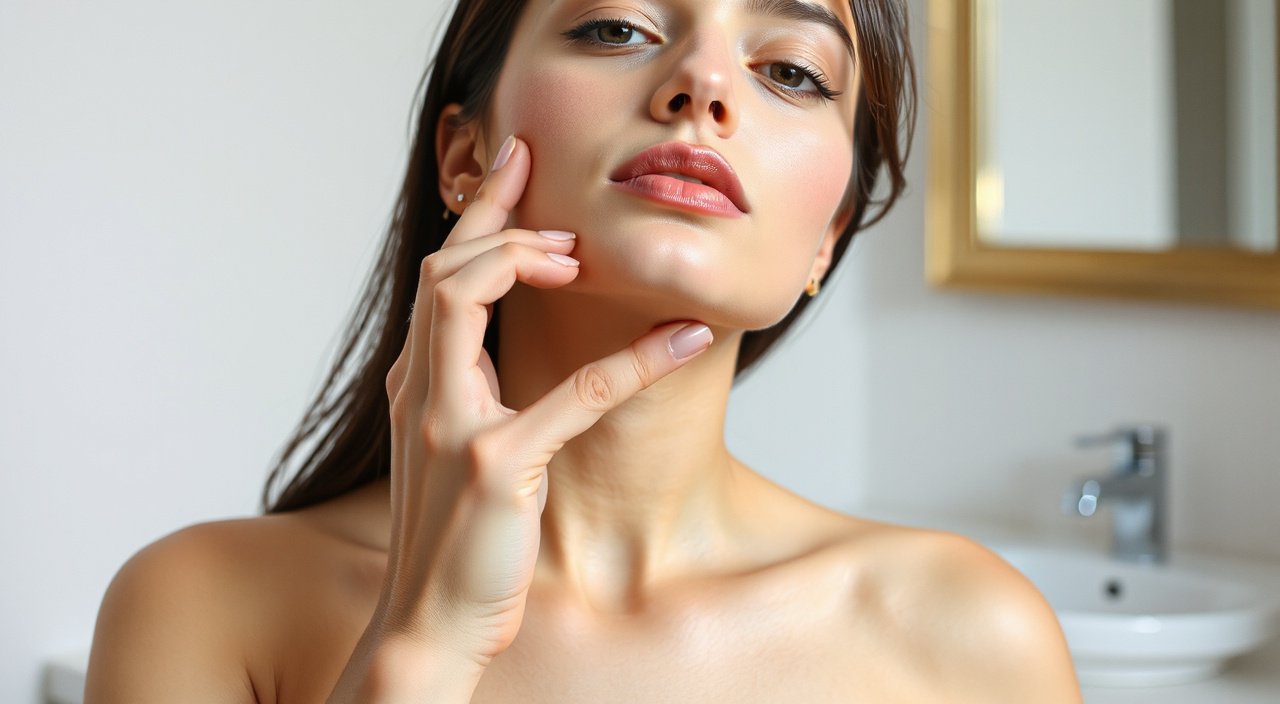
Perioral dermatitis is a rash of small bumps around the mouth, and sometimes the nose and eyes, that looks like acne but behaves differently. The exact cause is unclear, but common triggers include long-term steroid creams, heavy or irritating skin care, and some toothpastes. The usual first step is to stop the likely triggers, simplify your routine to a gentle cleanser and light moisturizer, and see a doctor if it does not clear.
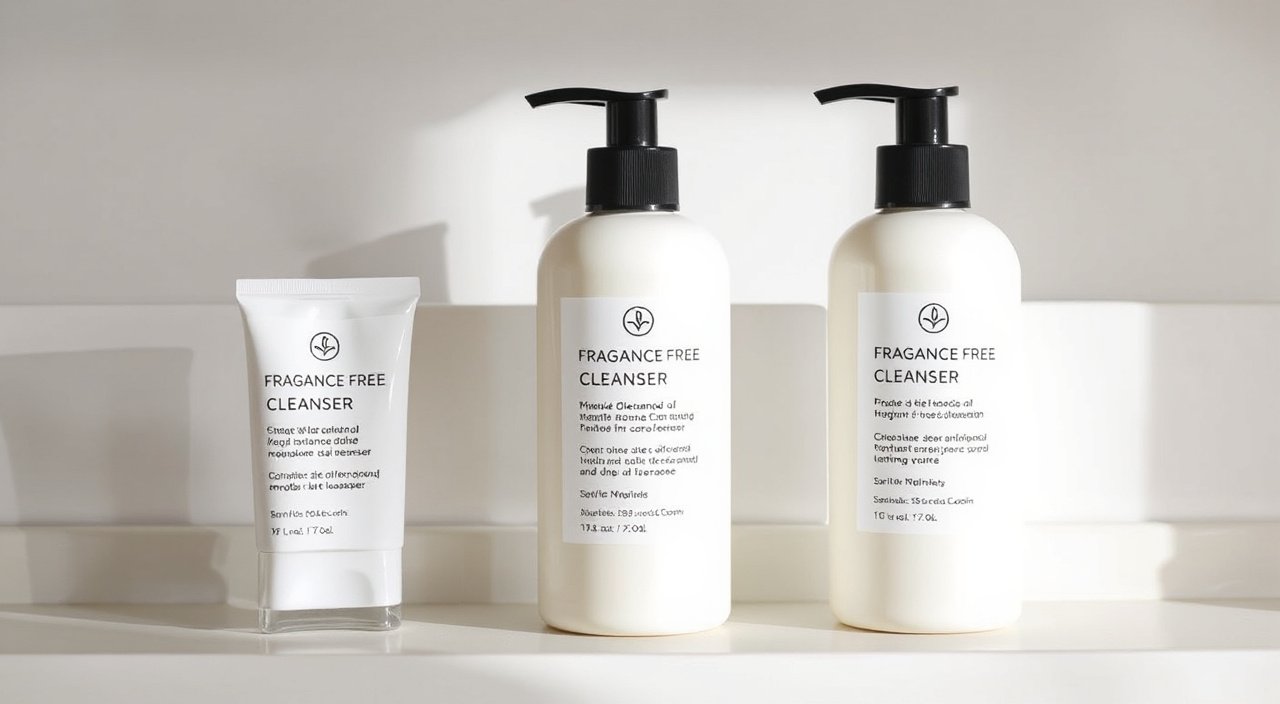
Recommended Gentle, Fragrance-Free Skin Care Basics
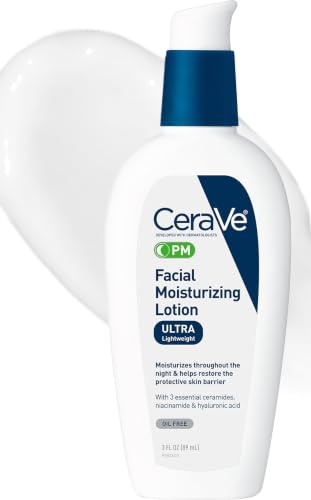
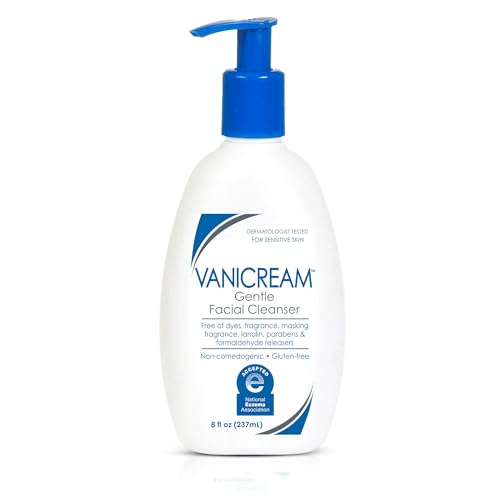
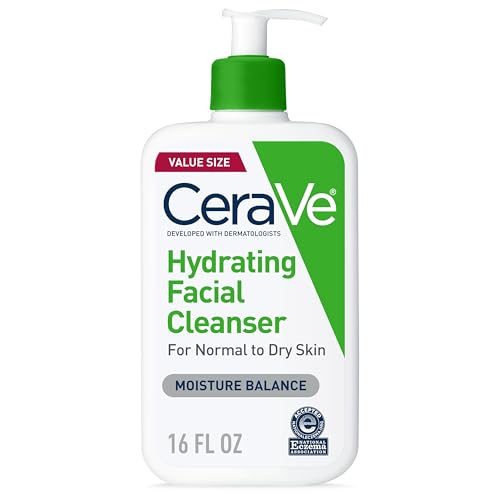
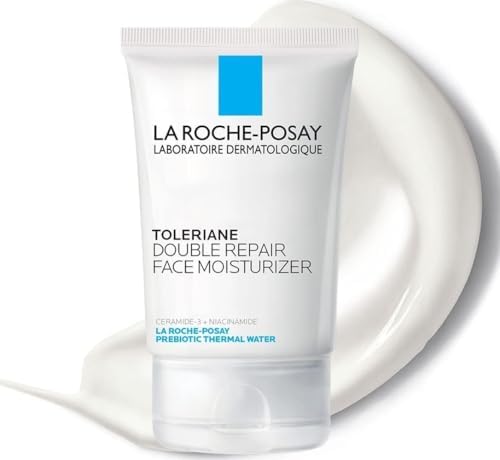


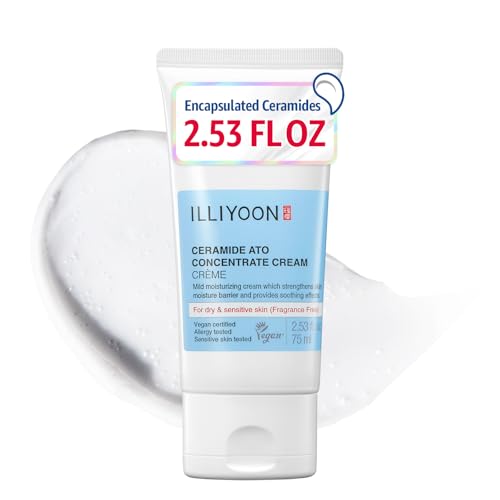
The American Academy of Dermatology says the cause is not fully understood, that irritating products and long use of steroid creams, including over-the-counter hydrocortisone, are common triggers, and that the rash may take weeks to months to clear. That makes the question of what to stop using the most useful one to ask.
Black Friday is coming: shop the deals with Prime
In this guide we explain how to recognize the rash, which triggers to look for, how to simplify your routine, and when a doctor should step in. We also separate it from fungal and hormonal acne, because the treatments differ. Our article on fungal acne vs regular acne covers another look-alike.
If you are unsure what is in your routine, our skin care routine guide shows a minimal order of steps that is a good starting point while your skin settles.
In Brief
- Perioral dermatitis is a rash of small bumps around the mouth that can look like acne.
- The exact cause is unclear, but steroid creams and irritating products are common triggers.
- Stop steroid creams on the face unless a doctor tells you otherwise.
- Simplify to a gentle, fragrance-free cleanser and a light moisturizer.
- Heavy creams and occlusive products near the mouth can make it worse.
- It can take weeks to months to clear, and some people need prescription treatment.
- See a doctor for diagnosis, since treatment differs from acne.
What This Covers
- What Perioral Dermatitis Looks Like
- Perioral Dermatitis vs Acne and Other Rashes
- Common Triggers
- How to Calm the Skin Around Your Mouth
- Ingredients and Products to Be Careful With
- A Minimal Routine While It Settles
- Do and Do Not
- What a Doctor May Do
- Preventing Flares After It Clears
- Questions to Ask Your Doctor
- Honest Limits
- When to See a Professional
- Your Questions, Answered
- The Bottom Line
What Perioral Dermatitis Looks Like
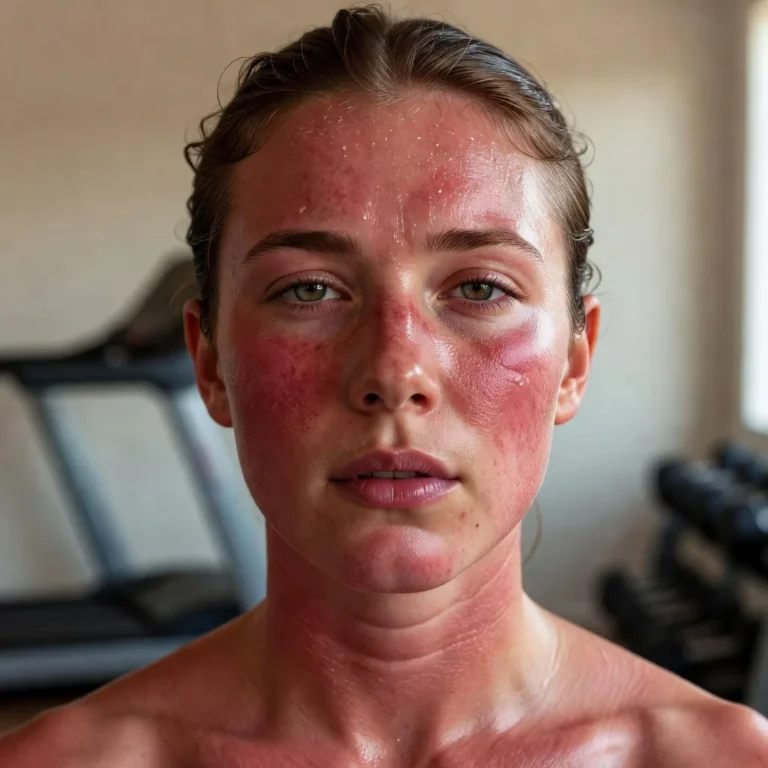
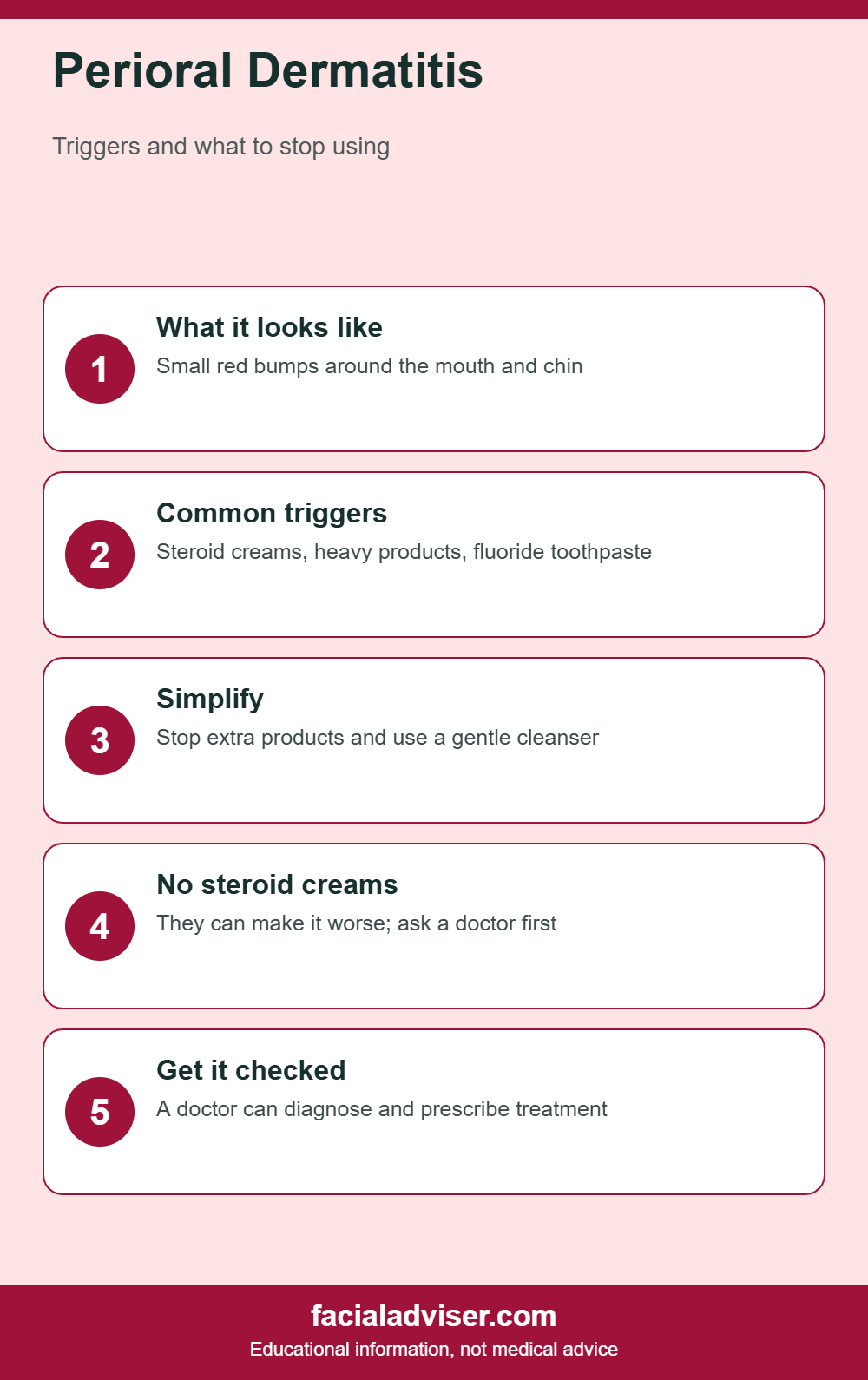
Perioral dermatitis usually appears as small red or skin-colored bumps around the mouth, with a clear rim of unaffected skin next to the lips. It can spread to the chin, the folds beside the nose and sometimes around the eyes. The skin may look dry or flaky, and some people feel itching or burning.
On lighter skin the bumps look red, and on darker skin they are often skin-colored or brown. Unlike a whitehead, the bumps are usually uniform and small. The rash is not contagious.
Because it looks like acne, many people reach for acne products. Strong cleansers, benzoyl peroxide and exfoliating acids can irritate the area and prolong the problem. A rash that gets worse with acne products is a reason to stop and look for another explanation.
It helps to know that the rash tends to follow a pattern. It is usually concentrated in a ring around the mouth and in the creases beside the nose, and it often leaves the lip border itself clear.
Flares may be worse after heavy product use, hot weather or stress, and many people notice the skin feels tight or stings when they apply moisturizer or sunscreen. Keeping notes on where the bumps start and what you used that day gives a doctor useful clues.
Perioral Dermatitis vs Acne and Other Rashes
Several conditions can look similar, so a quick comparison helps you decide what to bring up with a doctor.
| Condition | Typical look | Usual clue |
|---|---|---|
| Perioral dermatitis | Small uniform bumps around mouth and chin, sometimes flaky | Worsens with steroid creams or heavy products |
| Acne | Mixed blackheads, whiteheads and larger pimples | Responds to acne treatments |
| Fungal acne | Itchy uniform bumps on forehead, chest or back | Improves with antifungal care |
| Seborrheic dermatitis | Greasy flaking near nose, brows and hairline | Comes and goes, often itchy |
| Contact dermatitis | Red, itchy patch where a product touched | Appears after a new product |
Only a doctor can tell these apart with certainty. If your rash is stubborn, a photo and a list of every product you use makes the appointment far more useful.
Common Triggers
Doctors do not know a single cause, but several triggers are repeatedly linked to flares.
The American Academy of Dermatology notes that prolonged use of topical corticosteroids, including hydrocortisone cream, is a common trigger. It also lists irritating skin care products, toothpaste and allergies to things that touch the skin as possible factors. You can read their summary of perioral dermatitis.
- Steroid creams or nasal sprays used on or near the face
- Thick, heavy creams and ointments around the mouth
- Fragranced cleansers, scrubs and harsh exfoliating acids
- Some toothpastes, especially strongly flavored or whitening types
- Heavy makeup and long periods of occlusion
- Hormonal changes and stress are sometimes reported as factors
Do not apply hydrocortisone or other steroid creams to the rash. They can clear it briefly and then bring it back worse. If you use a prescribed steroid, ask the prescriber before stopping.
Not every trigger applies to every person, and many people never find a clear cause. The goal is to remove the likely ones and give the skin time.
How to Calm the Skin Around Your Mouth
Most guidance centers on stripping the routine back. This is a general approach, not a treatment plan, and a doctor may recommend more.
Stop the likely triggers
Pause steroid creams (after checking with your doctor if prescribed), scrubs, strong acids and heavily fragranced products.
Switch to a gentle cleanser
Use lukewarm water and a mild, fragrance-free cleanser once or twice a day. Pat the skin dry.
Keep moisturizer light
Apply a light, fragrance-free lotion or gel-cream. Avoid thick ointments and heavy balms near the mouth.
Check your toothpaste
Consider a plain, mildly flavored toothpaste and wipe away residue after brushing, and ask your dentist before switching.
Protect from the sun
Use a gentle broad-spectrum sunscreen on exposed skin.
See a doctor
If the rash does not improve in a couple of weeks, get it checked. Prescription options may be needed.
Change one thing at a time and give it two weeks. Changing everything at once makes it impossible to learn which trigger mattered.
Ingredients and Products to Be Careful With
Because the cause is uncertain, the safest approach is to reduce the number of things touching the area. Several product types are frequently suspected, and a short list makes it easier to check your own shelf.
| Product type | Why it can be a problem | Simpler swap |
|---|---|---|
| Scrubs and exfoliating acids | Friction and acids irritate inflamed skin | Gentle cleanser only |
| Fragranced cleansers and creams | Fragrance is a common irritant | Fragrance-free versions |
| Thick balms and ointments | Can trap moisture and heat on the skin | Light lotion or gel-cream |
| Foaming toothpaste with strong flavors | May irritate the lip line | Plain toothpaste, wipe residue |
| Heavy foundation and primers | Occlude the area for hours | Light or no makeup near the mouth |
This does not mean every product on the list causes the rash. It means that, while your skin is flaring, fewer and simpler products give it the best chance to settle.
A Minimal Routine While It Settles
A calm skin barrier heals better than an over-treated one. A short routine is easier to follow and easier to troubleshoot.
| Time | Steps |
|---|---|
| Morning | Rinse or gentle cleanse, light moisturizer, mineral or gentle sunscreen |
| Evening | Gentle cleanse, light moisturizer around the mouth |
| Avoid for now | Scrubs, retinoids, acids, steroid creams, fragranced products |
When you are ready to add products back, introduce them one at a time. Our guide to reading a cosmetic ingredient list helps you avoid fragrance and heavy occlusives.
Skip trendy layering routines for now. They add steps that can irritate.
Do and Do Not
Do
- Simplify to a gentle cleanser and light moisturizer
- Patch test any new product
- Pat the skin dry instead of rubbing
- Keep a list of products and flare dates
- See a doctor for a diagnosis
Don’t
- Use hydrocortisone or steroid creams on the rash
- Scrub or pick at the bumps
- Layer many actives at once
- Use thick balms or ointments near the mouth
- Assume it is acne and use stronger acne products
People who are pregnant, breastfeeding or taking other medication should check any treatment with a doctor or pharmacist first.
What a Doctor May Do
Treatment is usually prescribed. The American Academy of Dermatology notes that some people need a dermatologist’s help and that treatment may include stopping steroids, short courses of an oral antibiotic, and switching to gentle, fragrance-free products. Topical options are sometimes used as well.
Clearing usually takes weeks to a few months. Flares can return if the trigger comes back, so keep the routine simple even after the skin looks better.
Because treatment differs from acne, getting the right diagnosis early saves time and prevents irritation from the wrong products.
Do not be discouraged if the first weeks look worse. Some people see a temporary flare when they stop a steroid cream, which is one reason to do it under medical guidance.
Preventing Flares After It Clears
Perioral dermatitis can return, especially if the original trigger comes back. Once the rash has cleared, the habits that helped become your maintenance routine.
Keep the routine short and fragrance-free. Introduce new products one at a time and wait two weeks before adding another. Avoid long-term use of steroid creams or nasal sprays on or near the face unless a doctor directs it, and mention your history of perioral dermatitis whenever someone prescribes a topical treatment.
Keep a short log of what you use and when the rash flares. It takes only a minute and often reveals patterns, such as a flare a week after starting a new moisturizer. Share it with your doctor if the rash returns.
Finally, be patient with the process. The skin around the mouth is thin and slow to recover, and flares can look worse before they look better.
Questions to Ask Your Doctor
A short list helps you get more from the appointment, especially if you have used several products.
- Is this perioral dermatitis, or could it be acne, rosacea or a contact reaction?
- Which of my current products or medicines should I stop?
- Do I need a prescription treatment, and how long will it take to work?
- Is it safe to keep using sunscreen and moisturizer on the area?
- What should I do if the rash comes back?
Bring photos of the rash at its worst and the full list of products, including toothpaste, lip balm and any steroid creams you have used.
Honest Limits
We cannot diagnose a rash from a description, and many conditions around the mouth look alike. This article explains what is commonly reported and recommended, but your skin may have a different cause.
The product suggestions on this page are gentle basics for supporting a simple routine. They are not treatments for perioral dermatitis.
There is also no single proven cause, so avoiding all possible triggers may not be needed. Use this guide as a starting point for a conversation with a doctor.
When to See a Professional
See a doctor or dermatologist if the rash lasts more than a couple of weeks, spreads to the eyes, becomes painful or crusted, or returns after stopping treatment.
This article is for general information and is not medical advice. Rakib Sarwar is a registered pharmacist with a cosmetology course, not a dermatologist. Talk to a doctor or dermatologist about a persistent rash.
Your Questions, Answered
What causes perioral dermatitis?
The exact cause is unclear. Steroid creams, heavy or irritating skin care and some toothpastes are common triggers.
Is perioral dermatitis contagious?
No. It is not contagious.
Does it look like acne?
Yes, it resembles acne, but it usually shows small uniform bumps around the mouth and chin and gets worse with acne products.
Should I use hydrocortisone on it?
No. Steroid creams are a common trigger, and the rash may return worse after brief relief.
What should I stop using?
Stop steroid creams, scrubs, strong acids and fragranced or heavy products unless a doctor says otherwise.
How long does perioral dermatitis last?
It can take weeks to months to clear, and some people need prescription treatment.
Can toothpaste cause it?
Some people notice a link with strongly flavored or whitening toothpastes. Ask your dentist before switching.
What moisturizer is safe?
A light, fragrance-free lotion or gel-cream is usually better than a thick balm. Patch test first.
Can makeup make it worse?
Heavy makeup and occlusive products can irritate the area, so use less while it heals.
When should I see a doctor?
See a doctor if it lasts over a couple of weeks, spreads to the eyes or becomes painful.
The Bottom Line
Perioral dermatitis responds best to a calm, minimal routine and a correct diagnosis. Remove steroid creams and heavy products, keep your routine short, and get professional help if it lingers.
Patience matters, because clearing is gradual and flares are easier to prevent than to treat.

Written by
Registered pharmacist and founder of Facial Adviser. Rakib's pharmacy training covers how skincare actives work and interact; a later course in cosmetology turned that into a focus on facial treatments and skincare products. He plans, researches and edits every guide on the site and checks health claims against sources such as the American Academy of Dermatology, the FDA and the NIH. He is not a dermatologist; see the Editorial Policy and Medical Disclaimer.
About · Editorial policy · How we choose products · Medical disclaimer · Contact
Keep reading: Body care and more
- 10 Best Body Tools for Skincare and Massage (2026): Smooth and Relax
- Snail Mucin Benefits for Skin: What It Does and Who Should Skip It
- 10 Best Scalp Massagers for Hair Care and Relaxation (2026)
- Centella (Cica) for Sensitive Skin: Benefits and How to Use It
- 10 Best Neck and Shoulder Massagers (2026): Relief for Tight Muscles
- Face Yoga: Does It Work? What the Evidence Says
Prime for Young Adults: a longer free trial and a lower price after it