How Diet Impacts the Skin Microbiome: What the Science Actually Shows
Your skin is home to trillions of microbes, including bacteria, fungi, and viruses, collectively known as the skin microbiome. These microbes help protect against harmful germs, train the immune system, and support the skin barrier. Not surprisingly, there is growing interest in whether what you eat can shape them. Wellness trends have made the idea hugely popular.
Diet appears to influence the skin microbiome mostly indirectly, through the gut, blood sugar, hormones, and inflammation, rather than by feeding skin bacteria directly. The strongest evidence links high-glycemic diets to acne, while research on specific foods and the skin microbiome itself is still early.
The connection is often described as the gut-skin axis. A 2022 review in Gut Microbes summarized how gut bacteria interact with the immune system and may influence conditions such as acne, rosacea, eczema, and psoriasis. The authors also noted that the exact mechanisms remain unclear. It is an exciting area of research, but still a young one.
What you put on your skin affects the skin microbiome more directly than what you eat. Harsh cleansers, over-exfoliation, and frequent antibiotics can disrupt skin microbes, while a gentle routine that protects the skin barrier tends to support a healthy balance.
This guide explains what the skin microbiome is, what research says about diet, gut health, and skin, practical eating habits that may help, and how skincare choices fit in. It also covers lifestyle factors beyond food.
Shopping these picks?
Amazon Prime members get fast, free shipping on eligible items, plus Prime Video, Amazon Music and member deals. New members can start with a free trial.
Start a free Prime trialAged 18 to 24? Prime for Young Adults comes with a longer free trial and a lower price after it.
Affiliate link: we may earn a commission at no extra cost to you.
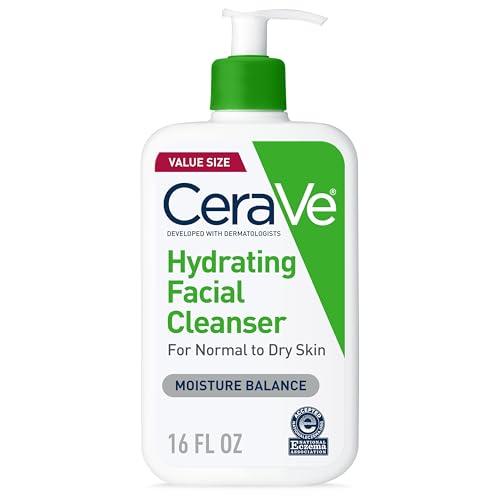
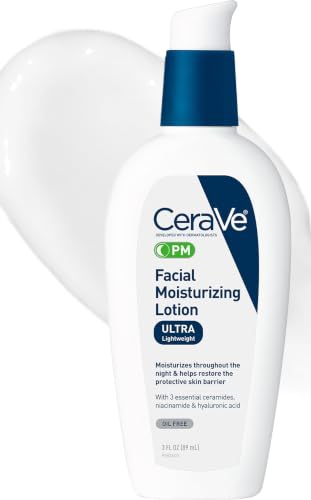
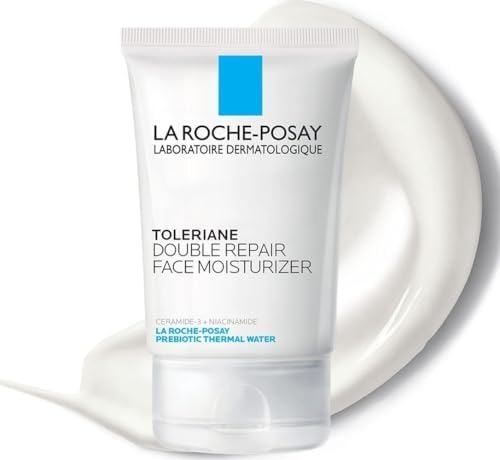
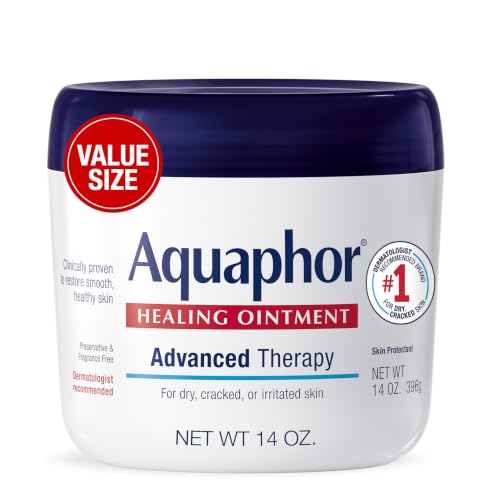
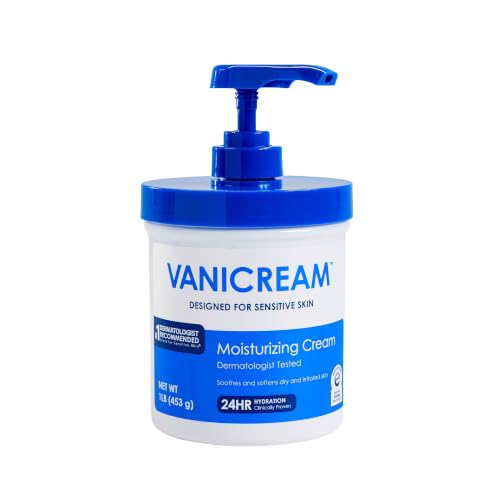
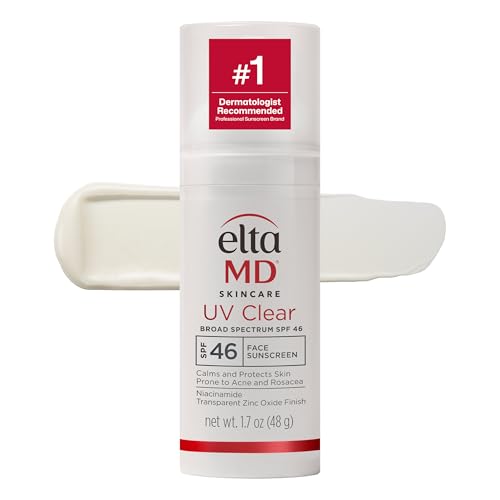
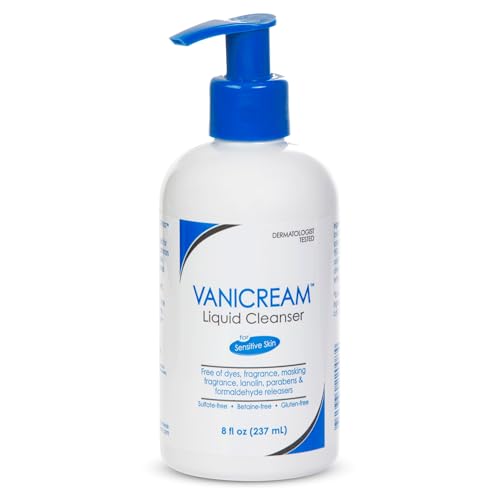
Recommended Gentle, Barrier-Friendly Skincare
Contents
- What the Skin Microbiome Is
- The Gut-Skin Axis
- What Research Shows About Diet and Skin
- A Practical Four-Week Food and Skin Check
- Eating Habits That May Support Skin
- Skincare Affects the Microbiome More Directly
- Antibiotics and the Microbiome
- Lifestyle Factors Beyond Food
- Common Diet and Skin Myths
- What Diet Cannot Do
- When to See a Doctor or Dermatologist
- Common Questions
- Where This Leaves You
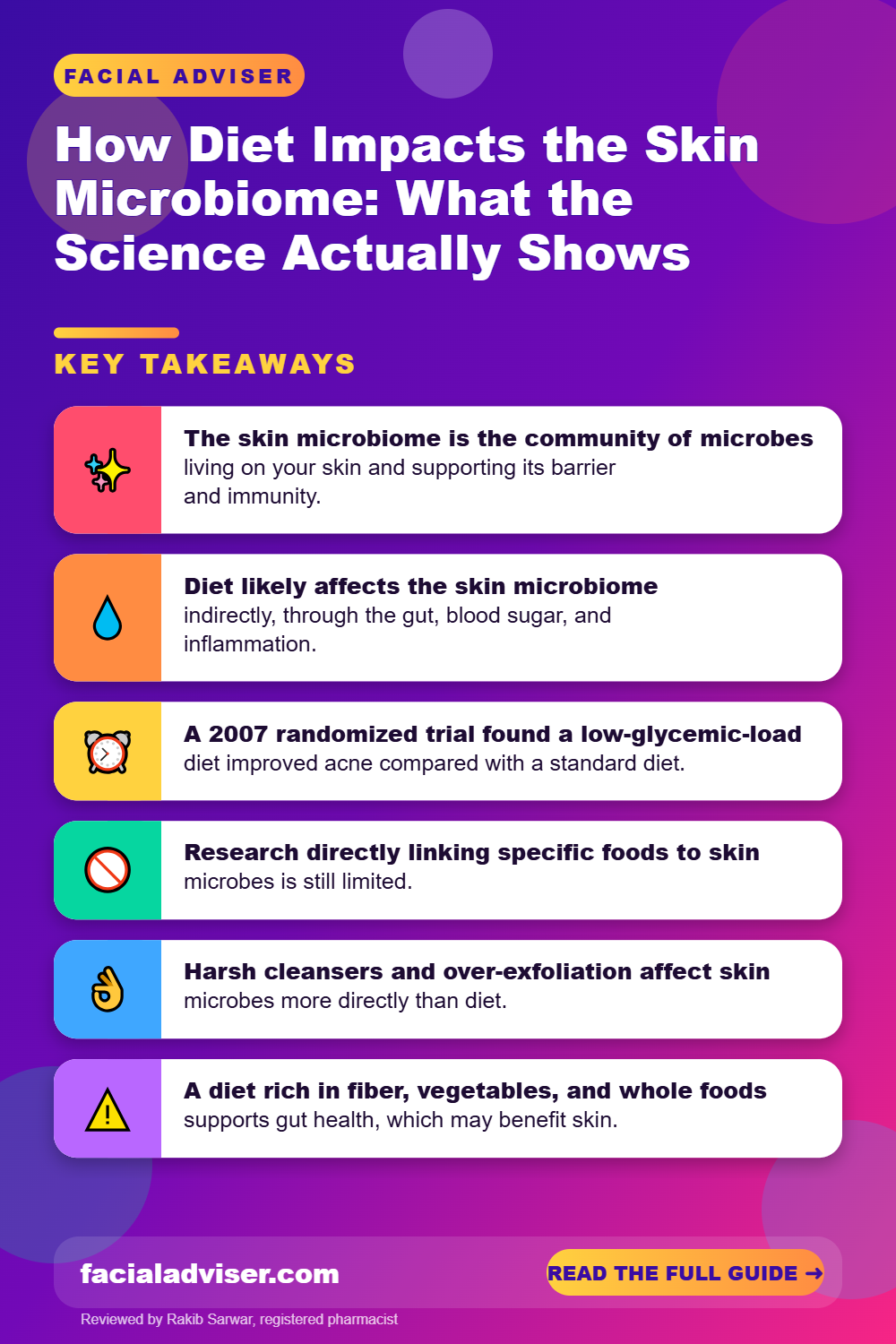
Quick Answer
- The skin microbiome is the community of microbes living on your skin and supporting its barrier and immunity.
- Diet likely affects the skin microbiome indirectly, through the gut, blood sugar, and inflammation.
- A 2007 randomized trial found a low-glycemic-load diet improved acne compared with a standard diet.
- Research directly linking specific foods to skin microbes is still limited.
- Harsh cleansers and over-exfoliation affect skin microbes more directly than diet.
- A diet rich in fiber, vegetables, and whole foods supports gut health, which may benefit skin.
- Persistent acne, eczema, or rosacea need medical treatment, not diet changes alone.
What the Skin Microbiome Is
The skin microbiome includes many types of bacteria, such as Cutibacterium acnes, Staphylococcus epidermidis, and Corynebacterium species, as well as yeasts like Malassezia. Different areas of the body host different communities: oily areas such as the face favor oil-loving microbes, while dry areas host a different mix.
These microbes are not just passengers. Many compete with harmful bacteria, produce substances that help keep the skin slightly acidic, and interact with immune cells in the skin. A balanced microbiome is thought to support a healthy barrier.
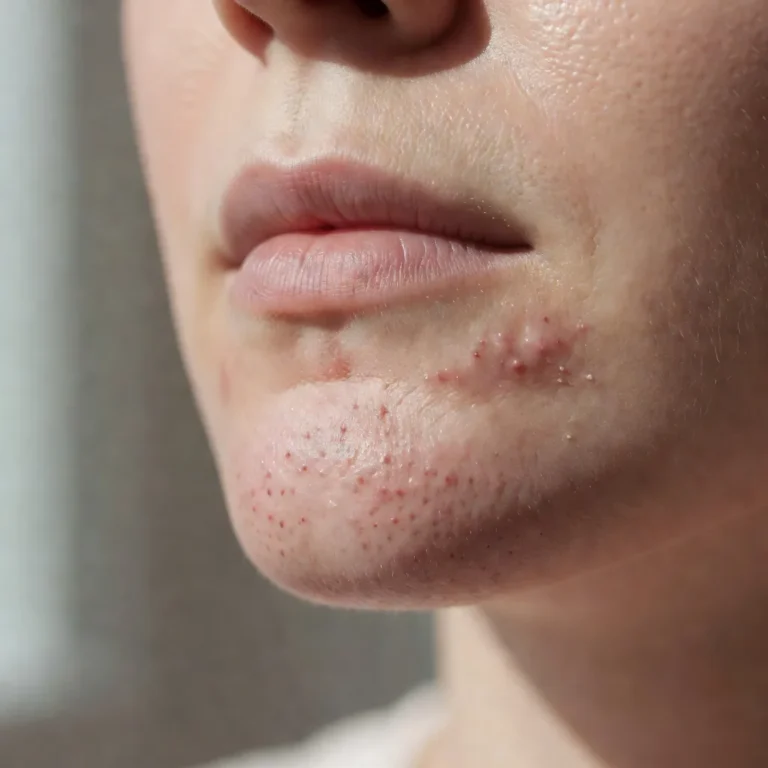
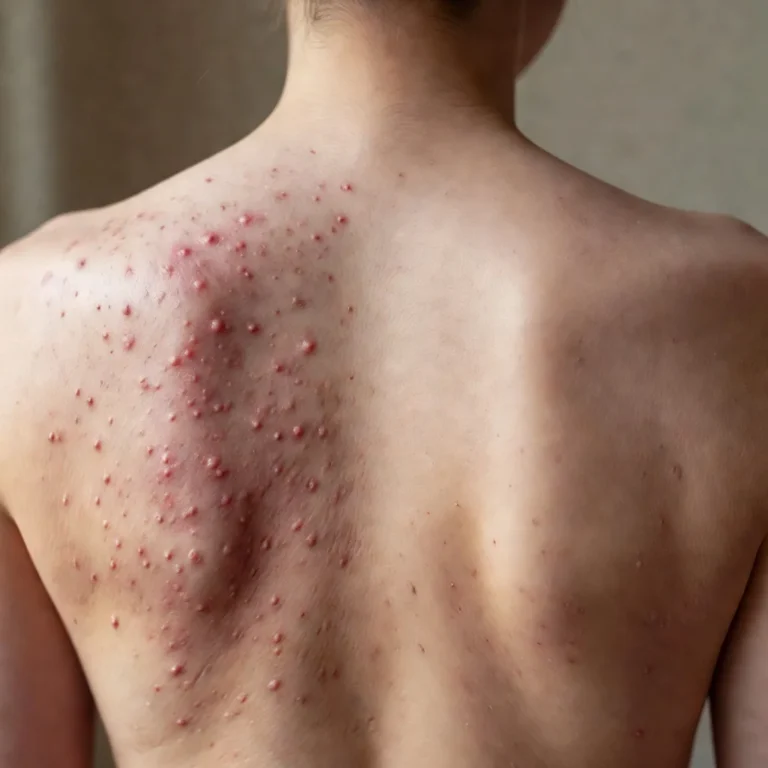
When the balance shifts, a state sometimes called dysbiosis, it has been associated with conditions such as acne, eczema, rosacea, and dandruff. Whether these shifts cause the conditions or result from them is still being studied.
The skin microbiome is shaped by many factors, including genetics, age, climate, hygiene, skincare products, medications, and possibly diet.
Researchers are still learning what a healthy skin microbiome looks like, since it varies between people, body areas, and even seasons.
The Gut-Skin Axis
The gut-skin axis describes the two-way communication between gut microbes, the immune system, and the skin. Gut bacteria help regulate inflammation and produce compounds, such as short-chain fatty acids from fiber, that influence immune activity throughout the body.
The 2022 review in Gut Microbes examined links between gut microbes and skin conditions including acne, rosacea, atopic dermatitis, psoriasis, alopecia areata, and hidradenitis suppurativa. It highlighted promising research on diet, probiotics, and prebiotics, while noting that mechanisms are not fully understood.
In practice, this means improving gut health may support skin, but it is not a guaranteed fix, and results vary widely between people.
Correlation is not causation. Many studies show that people with certain skin conditions have different gut microbes, but that does not prove the gut causes the condition.
What Research Shows About Diet and Skin
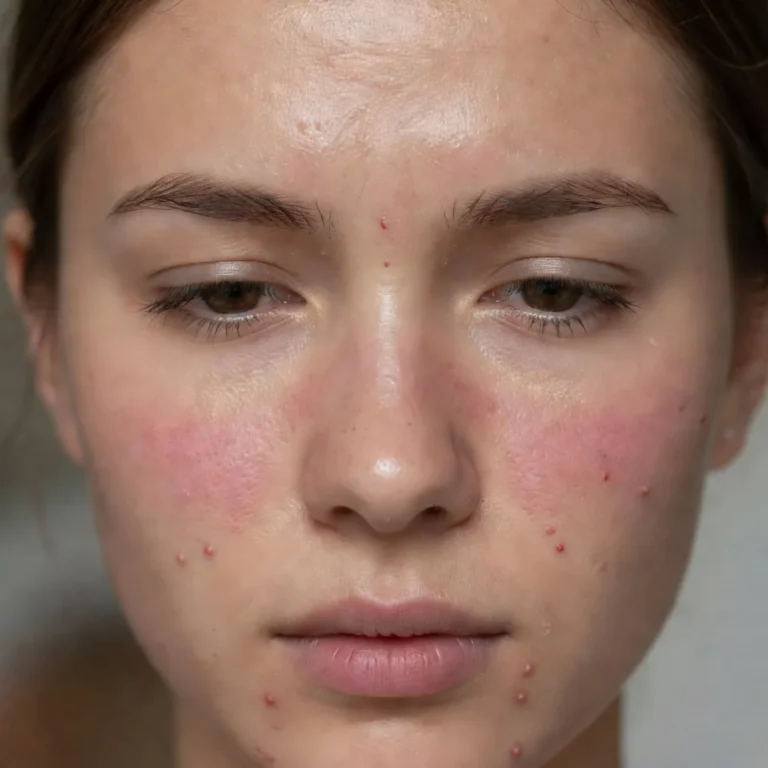
The best-studied link between diet and skin involves blood sugar. In a 2007 randomized controlled trial published in the American Journal of Clinical Nutrition, Smith and colleagues found that young men with acne who followed a low-glycemic-load diet for 12 weeks had greater improvement in acne lesions than those on a standard diet.
High-glycemic foods, such as white bread, sugary drinks, and sweets, raise blood sugar and insulin quickly, which can increase hormones that stimulate oil glands. More oil can change the environment for skin microbes, particularly C. acnes.
Dairy, especially skim milk, has been associated with acne in some observational studies, although the evidence is less consistent. Research on probiotics for skin shows some promising results, particularly for eczema and acne, but studies are often small and use different strains.
| Dietary factor | What evidence suggests | Strength of evidence |
|---|---|---|
| Low-glycemic diet | May improve acne | Moderate (randomized trials) |
| Dairy, especially skim milk | Linked to acne in some people | Mixed (mostly observational) |
| Fiber and whole foods | Support gut microbes and lower inflammation | Indirect |
| Probiotics | May help eczema and acne in some trials | Early and variable |
| Omega-3 fats | May reduce inflammation | Limited for skin outcomes |
A Practical Four-Week Food and Skin Check
If you suspect diet affects your skin, a structured approach helps you see what makes a difference.
Take baseline photos
Photograph your skin in the same light and note current breakouts, redness, or dryness.
Reduce high-glycemic foods
For four weeks, cut back on sugary drinks, sweets, and refined carbohydrates, and choose whole grains and legumes instead.
Add fiber and plants
Aim for vegetables, fruit, beans, nuts, and whole grains daily to support gut microbes.
Keep skincare the same
Do not change products during the test, so you can tell whether diet made the difference.
Compare and decide
After four weeks, compare photos. If you see improvement, keep the changes. If not, diet may not be your main trigger.
Change one thing at a time. If you cut dairy and sugar together, you will not know which change mattered.
Eating Habits That May Support Skin
Helps
- Eat plenty of vegetables, fruit, legumes, and whole grains.
- Include fermented foods such as yogurt, kefir, or kimchi if you tolerate them.
- Choose water and unsweetened drinks.
- Include sources of omega-3 fats, such as oily fish or walnuts.
- Keep a balanced, varied diet rather than strict restrictions.
Backfires
- Rely heavily on sugary drinks and refined snacks.
- Cut out whole food groups without medical advice.
- Expect diet alone to clear acne or eczema.
- Take many supplements without checking with a doctor.
- Assume one food works for everyone.
If you are curious about collagen and diet, our guide on whether drinking collagen helps your skin covers what research shows.
If you have a diagnosed condition such as irritable bowel syndrome, celiac disease, or food allergies, work with a doctor or dietitian before making changes, since some general advice may not suit you.
Skincare Affects the Microbiome More Directly
What touches your skin has a more immediate effect on its microbes than what you eat. Harsh, high-pH soaps and frequent scrubbing can strip oils and disrupt microbial balance. Over-exfoliation and using many strong actives at once can weaken the barrier.
A gentle, fragrance-free cleanser, a moisturizer that supports the barrier with ingredients like ceramides, and daily sunscreen form a simple routine that tends to support a balanced microbiome.
Some products are marketed as prebiotic or probiotic skincare. The idea is appealing, but research on these products is still early, and a gentle routine is likely to matter more than any specific microbiome claim.
Washing your face once or twice a day is usually enough. Cleansing more often, especially with strong products, can do more harm than good.
Antibiotics and the Microbiome
Oral antibiotics, sometimes used for acne or rosacea, affect both gut and skin microbes. They can be very helpful when prescribed, but long courses may disrupt microbial balance and contribute to antibiotic resistance.
Dermatologists now try to limit antibiotic courses and often combine them with topical treatments such as benzoyl peroxide to reduce resistance. Never stop a prescribed antibiotic early without talking to your doctor.
Do not use leftover or borrowed antibiotics for skin problems. The wrong antibiotic or dose can do more harm than good.
After a course of antibiotics, a varied, fiber-rich diet may help gut microbes recover, although more research is needed on the best approach.
Lifestyle Factors Beyond Food
Diet is only one of many influences on skin and its microbes. Several everyday factors may matter just as much.
- Sleep: poor sleep is linked to higher stress hormones and inflammation, which can affect skin conditions.
- Stress: stress can worsen acne, eczema, and rosacea through hormonal and immune pathways.
- Exercise: regular activity supports gut health and circulation; shower and cleanse after heavy sweating.
- Environment: climate, humidity, pollution, and sun exposure all affect the skin barrier and its microbes.
- Pets and outdoor time: some research suggests exposure to diverse environments may support microbial diversity.
Focusing on these basics, along with a balanced diet and gentle skincare, is more realistic than chasing a single perfect food.
Common Diet and Skin Myths
Diet and skin advice online is full of confident claims. A few are worth questioning.
Chocolate is often blamed for acne, but the evidence is mixed, and effects may relate more to sugar and dairy content than cocoa itself. Greasy food does not cause oily skin directly, although a diet high in processed foods may affect overall health.
Drinking extra water keeps you hydrated, which matters for health, but very large amounts do not make skin dramatically more hydrated or clear acne. Juice cleanses and detox diets have no good evidence for improving skin and can be high in sugar.
The most reliable approach is steady, balanced eating rather than extreme changes.
What Diet Cannot Do
| Belief | Reality |
|---|---|
| The right diet will clear all acne | Diet may help some people but rarely replaces treatment |
| Probiotic supplements fix skin | Evidence is early and strain-specific |
| You can feed skin bacteria directly with food | Diet acts mostly through the gut and hormones |
| Detox diets cleanse the skin | There is no good evidence for detox claims |
| One food triggers acne for everyone | Triggers vary between individuals |
For persistent breakouts, our guide on acne on the temples covers other common causes.
Small, sustainable changes are more likely to help than dramatic diets.
When to See a Doctor or Dermatologist
See a healthcare professional if you have:
- Acne that is painful, scarring, or not improving after a few months.
- Eczema or rosacea that flares frequently.
- Digestive symptoms such as ongoing bloating, pain, or diarrhea alongside skin problems.
- Unexplained weight loss or fatigue.
- Plans to follow a restrictive diet for skin reasons.
- Questions about probiotics or supplements.
Medical disclaimer: This article is for general information and is not a substitute for professional medical or nutritional advice. Talk to a healthcare provider before making major dietary changes.
Common Questions
Does diet affect the skin microbiome?
Probably, but mostly indirectly through the gut, blood sugar, hormones, and inflammation.
What foods are good for the skin microbiome?
A diet rich in fiber, vegetables, fruit, whole grains, and fermented foods supports gut health, which may benefit skin.
Does sugar cause acne?
High-glycemic diets have been linked to acne, and a 2007 trial found a low-glycemic diet improved acne.
Does dairy cause acne?
Some studies link dairy, especially skim milk, to acne, but evidence is mixed.
Do probiotics help skin?
Some trials show benefits for eczema and acne, but results vary by strain and study.
What is the gut-skin axis?
The communication between gut microbes, the immune system, and the skin.
Can skincare damage the skin microbiome?
Harsh cleansers, over-exfoliation, and many strong actives can disrupt it.
Is prebiotic skincare worth it?
Research is early; a gentle routine likely matters more.
How long does it take for diet changes to affect skin?
Often several weeks to a few months.
Should I cut out foods to improve my skin?
Only with guidance, and one change at a time, to avoid unnecessary restrictions.
Where This Leaves You
Diet appears to influence the skin microbiome mostly indirectly, through gut health, blood sugar, hormones, and inflammation. The clearest evidence links high-glycemic diets to acne, while research on specific foods, probiotics, and skin microbes is still developing.
A varied diet rich in fiber and whole foods supports gut health and may help skin, but gentle skincare affects skin microbes more directly. See a dermatologist for persistent acne, eczema, or rosacea, since diet alone rarely replaces treatment.

Written by
Registered pharmacist and founder of Facial Adviser. Rakib's pharmacy training covers how skincare actives work and interact; a later course in cosmetology turned that into a focus on facial treatments and skincare products. He plans, researches and edits every guide on the site and checks health claims against sources such as the American Academy of Dermatology, the FDA and the NIH. He is not a dermatologist; see the Editorial Policy and Medical Disclaimer.
About · Editorial policy · How we choose products · Medical disclaimer · Contact
Keep reading: Diet, sleep, stress and skin