Milk Facial: The Best-Evidenced Natural Facial
A milk facial, from the folkloric Cleopatra bath to modern yogurt masks, has more real dermatological evidence behind it than most other natural-ingredient facials, with one important catch.
Part of our guide to facial treatments. Start with: Fruit Facial at Home: Does It Actually Work?
Lactic acid is a genuinely well-studied, clinically established AHA, but fresh, unfermented milk contains only trace amounts of it. Meaningfully higher lactic acid content comes specifically from soured milk, buttermilk, or yogurt, not plain milk straight from the carton.
The dairy-protein-absorption claim doesn’t hold up to scrutiny, and the Cleopatra story, while a fine piece of history, isn’t scientific evidence for anything specific.
This guide separates milk’s genuinely strong evidence from its folklore, and explains which dairy product actually delivers meaningful exfoliation.
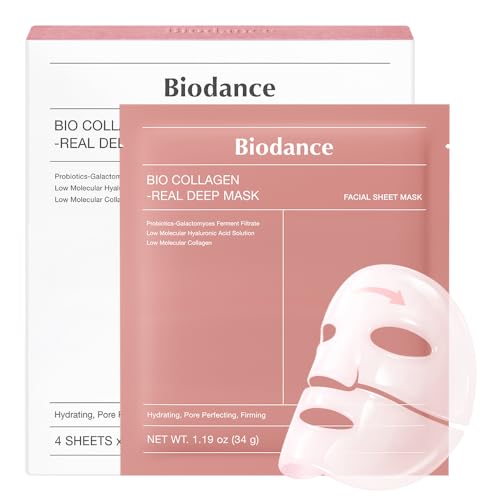
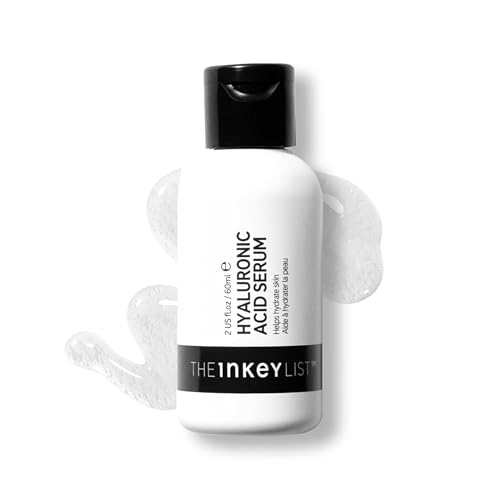
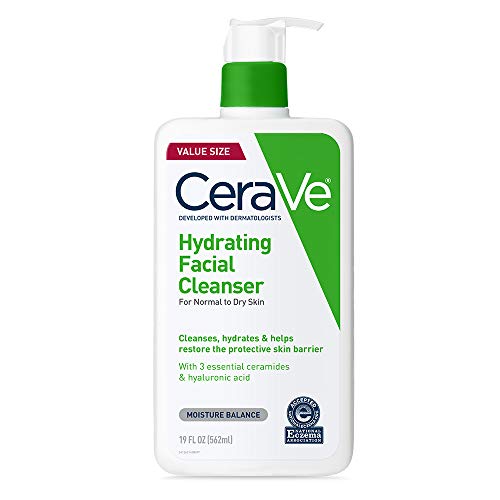
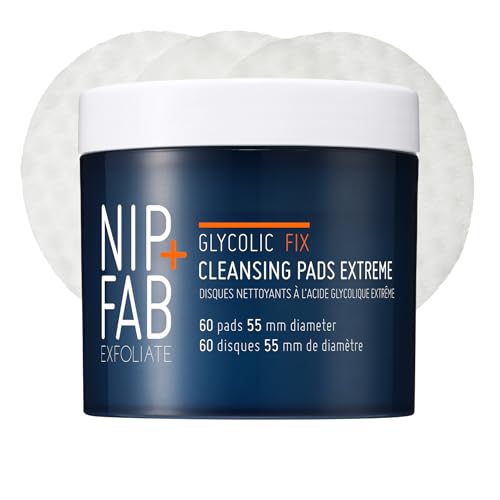
Recommended Milk Facial Products

Key Takeaways
- Lactic acid is the best-established AHA of any raw-ingredient facial on this site, genuinely studied in clinical dermatology, not just marketing.
- Fresh, unfermented milk contains only trace lactic acid, meaningfully higher amounts come from soured milk, buttermilk, or yogurt specifically.
- In-office lactic acid peels use 30 to 92 percent concentrations under professional supervision, vastly higher than anything a DIY milk facial delivers.
- The Cleopatra milk-bath story is historical folklore, not a scientifically tested claim, worth knowing as context, not evidence.
- “Dairy protein firms skin via absorption” lacks a plausible delivery mechanism, casein and whey molecules are too large to meaningfully penetrate intact skin.
- Dairy allergy is a real, distinct IgE-mediated condition, different from lactose intolerance, which isn’t a topical-use concern at all.
- Regular use of a meaningfully lactic-acid-rich fermented milk mask carries the same mild sun-sensitivity consideration as any AHA product.
Table of Contents
- What a Milk Facial Actually Involves
- Lactic Acid: The Best-Evidenced AHA Here
- Why Fresh Milk Isn’t the Same as Soured Milk
- The Cleopatra Story: Folklore, Not Evidence
- The Dairy Protein Claim That Doesn’t Hold Up
- Comparing Milk Facial Formats
- Do This, Not That
- How to Do a Milk Facial Safely
- Dairy Allergy vs. Lactose Intolerance
- When to See a Doctor
- Frequently Asked Questions
- The Bottom Line
What a Milk Facial Actually Involves
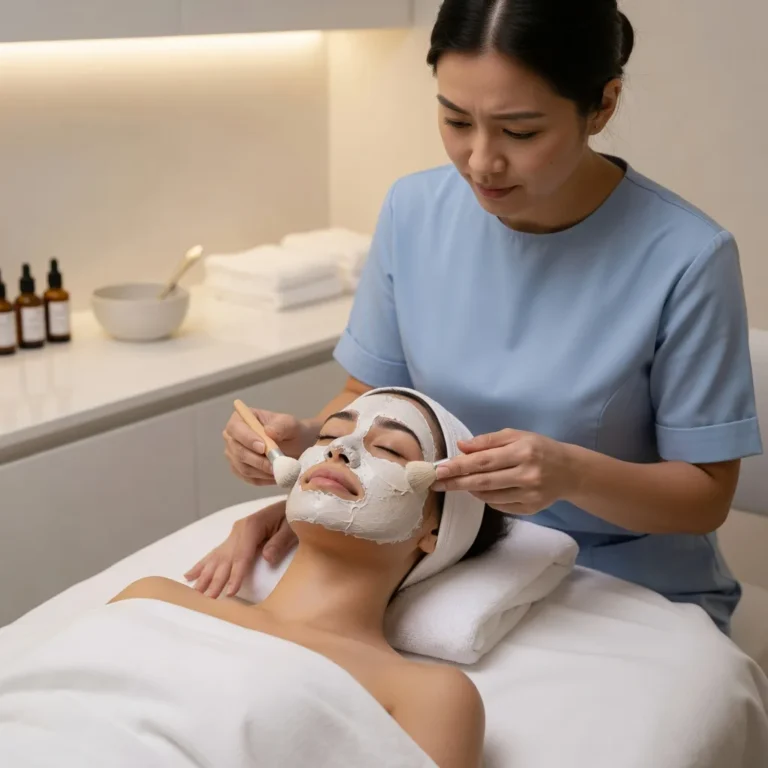
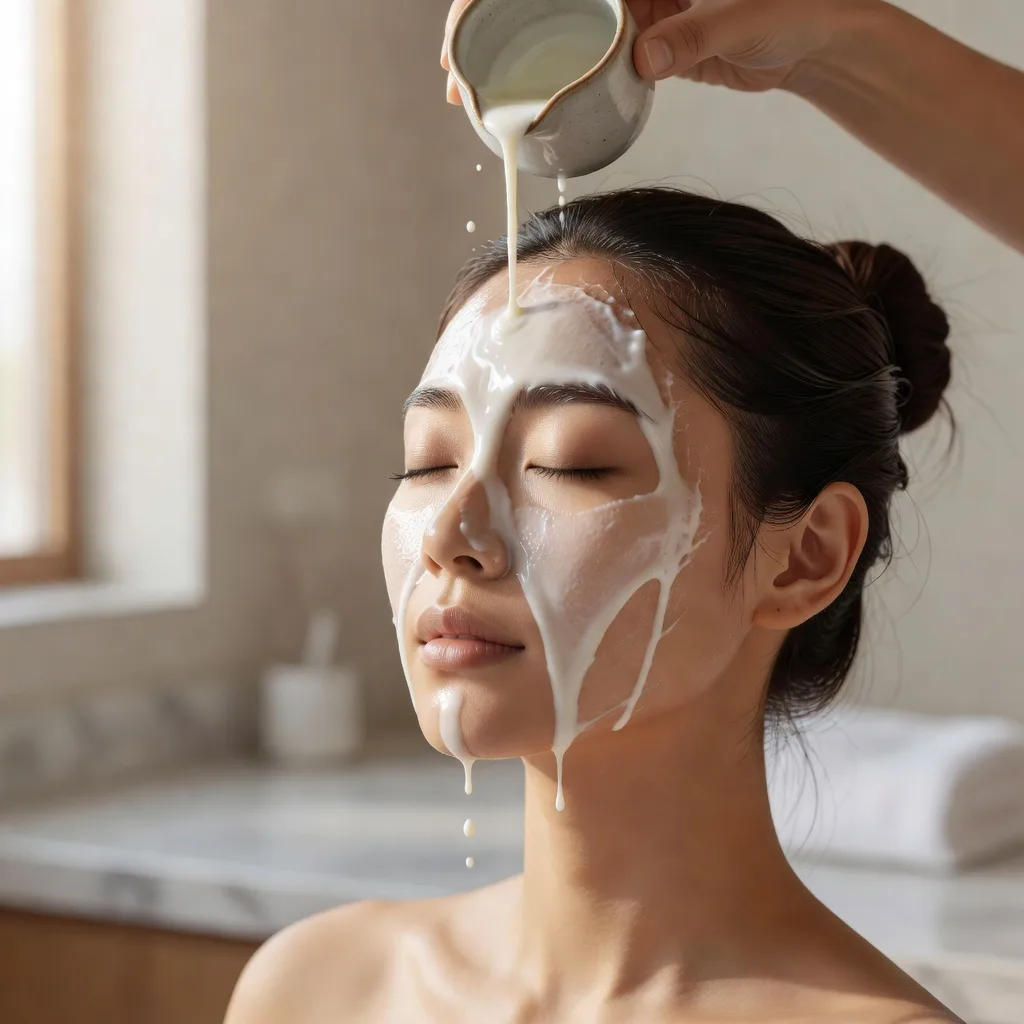
A milk facial uses raw or whole milk, buttermilk, or yogurt applied as a mask or soak, including the folkloric “Cleopatra milk bath.” Modern versions include milk-soaked cotton pads used as a toner, or fermented-milk masks made from yogurt or buttermilk specifically. Of every raw ingredient covered across this site’s natural-facial series, milk’s headline active compound, lactic acid, has by far the strongest clinical evidence behind it, though with an important concentration caveat that changes which version of “milk” you should actually be reaching for.
Shopping these picks?
Amazon Prime members get fast, free shipping on eligible items, plus Prime Video, Amazon Music and member deals. New members can start with a free trial.
Start a free Prime trialAged 18 to 24? Prime for Young Adults comes with a longer free trial and a lower price after it.
Affiliate link: we may earn a commission at no extra cost to you.
Lactic Acid: The Best-Evidenced AHA Here
Lactic acid is genuinely well studied in clinical dermatology. A clinical review of lactic acid chemical peeling covers its real, established use for melasma, acne, and photoaging at formulated concentrations. Mechanistically, it works the same way as other AHAs, loosening the corneodesmosomes that bind dead skin cells together, and it has an added genuine humectant property, since lactic acid is a natural component of skin’s own Natural Moisturizing Factor. This isn’t a marginal or folk-remedy ingredient, it’s one of the more clinically established acids in dermatology.
Why Fresh Milk Isn’t the Same as Soured Milk
Note: This concentration caveat matters more than almost any other detail in this article. Lactic acid is produced by bacterial fermentation of lactose, meaning fresh, unfermented milk contains only trace amounts of it.
Meaningfully higher lactic acid content comes specifically from soured milk, buttermilk, or yogurt, the fermented products, not plain fresh milk straight from the carton. In-office lactic acid peels typically use concentrations of 30 to 92 percent under professional supervision, vastly higher and far better controlled than anything a DIY milk facial can deliver regardless of which dairy product you choose. So the ingredient-class evidence, lactic acid as a real AHA, is strong; a plain-fresh-milk facial specifically delivers a very low, unstandardized dose of it.
This is worth spelling out because it’s the single most common point of confusion in milk-facial marketing: a product or routine that simply says “milk” without specifying fresh versus fermented is making an implicit claim about lactic acid content that may not hold up. A yogurt or buttermilk mask left to ferment further at room temperature for a short period will generally carry more lactic acid than one made straight from the refrigerator, though even that home method still can’t approach the standardized concentrations used in a professional peel.
The Cleopatra Story: Folklore, Not Evidence
The Cleopatra milk-bath story, attributed to ancient sources like Pliny, is a historical and folkloric reference rather than a scientifically tested claim. It’s a fine narrative hook for understanding why milk shows up in skincare traditions across cultures and centuries, but there’s no controlled ancient or modern comparative study behind it, and it shouldn’t be treated as evidence for any specific skin benefit.
Traditional practices like this one are common across many cultures precisely because fermented and fresh dairy were widely available household staples long before formulated skincare existed, not because ancient observers had access to any scientific method for isolating which specific compound in milk was doing what. That doesn’t make the tradition worthless as a starting point for modern ingredient research, lactic acid’s real AHA properties were, after all, eventually identified and studied, it just means the historical anecdote itself isn’t the evidence.
The Dairy Protein Claim That Doesn’t Hold Up
“Dairy protein, or casein, firms and rejuvenates skin via absorption” is a claim that doesn’t survive scrutiny of basic skin physiology. Casein and whey are large protein molecules that don’t meaningfully penetrate intact stratum corneum to deliver structural or collagen-boosting effects, there’s no plausible delivery mechanism for that claim. General “whitening” or “brightening” claims for plain milk beyond its low, in-fresh-milk-form AHA content are similarly unsubstantiated.
This is the same bioavailability pattern that shows up across nearly every protein-based skincare claim, not just milk: a molecule can be genuinely present in an ingredient and still be functionally irrelevant to what happens on your skin’s surface, because size and skin barrier physiology, not the ingredient’s inherent value, determine what actually gets through.
Comparing Milk Facial Formats
| Fresh milk | Soured milk/buttermilk/yogurt | In-office lactic acid peel | |
|---|---|---|---|
| Lactic acid content | Trace amounts only | Meaningfully higher, still unstandardized | 30-92%, precisely controlled |
| Supervision | None needed | None needed | Professional supervision required |
| Sun-sensitivity consideration | Minimal | Same general AHA caution applies | Explicit post-peel sun protection required |
| Claim | What the evidence actually shows |
|---|---|
| “Lactic acid exfoliates skin” | Well-supported, clinically established mechanism |
| “Fresh milk delivers meaningful AHA exfoliation” | Overstated, fresh milk has only trace lactic acid |
| “Dairy protein firms skin via absorption” | Not supported, no plausible penetration mechanism |
| “Cleopatra bathed in milk for these documented benefits” | Folklore, not a tested scientific claim |
Do This, Not That
Do
- Use soured milk, buttermilk, or yogurt if you actually want meaningful lactic acid exfoliation
- Patch test 24 to 48 hours before full-face use, especially with known dairy allergy
- Apply sunscreen the following day if using a fermented-milk mask regularly
- Understand fresh milk as primarily a gentle, low-acid soak, not a strong exfoliant
- Consider a formulated lactic acid product if you want a standardized, reliable dose
Don’t
- Expect fresh milk alone to deliver strong AHA exfoliation
- Confuse lactose intolerance with a reason to avoid topical milk use
- Assume dairy protein absorbs into skin to firm or rejuvenate it
- Treat the Cleopatra story as proof of any specific measurable benefit
- Skip a patch test if you have a known dairy or casein allergy
How to Do a Milk Facial Safely
Choose your milk product intentionally
Fresh milk for a gentle soak, soured milk or yogurt if you want more meaningful lactic acid exfoliation.
Patch test first
Apply to your inner forearm and wait 24 to 48 hours, especially if you have a known dairy allergy.
Soak a cotton pad or apply as a mask
Milk-soaked pads work well as a toner step; yogurt masks stay in place better for longer application.
Tip: Chilled milk can feel especially soothing on warm or flushed skin.
Leave on for 10 to 15 minutes
Rinse thoroughly with lukewarm water.
Apply sunscreen the next day if using fermented milk regularly
This covers the same mild, temporary AHA-related sun-sensitivity as any acid exfoliant.
Dairy Allergy vs. Lactose Intolerance
This distinction matters and is worth making explicit, since many readers conflate the two. Dairy or casein allergy is a genuine IgE-mediated allergic response, with established skin prick and patch testing methodology in the allergy literature. Lactose intolerance, by contrast, is a digestive enzyme issue related to consuming dairy, and it isn’t a contraindication for topical use at all. If you have a diagnosed milk-protein allergy, that’s the real self-check reason to patch test before a milk facial, lactose intolerance alone gives you no reason for caution here.
Most documented allergic reactions in the literature involve ingestion rather than skin contact specifically, which means topical reactions in milk-allergic individuals are somewhat less thoroughly studied than food reactions. That’s a reason for a cautious patch test rather than a reason to assume topical use carries the same risk profile as drinking milk would for someone with a diagnosed allergy.
When to See a Doctor
Warning: Hives, facial swelling, or difficulty breathing after topical milk contact is a sign of a possible allergic reaction and warrants prompt medical attention, not a wait-and-see approach.
See an allergist or dermatologist if you develop hives, swelling, or a spreading rash after topical milk contact, particularly if you have a known dairy-protein allergy. Persistent irritation from fermented-milk masks that doesn’t resolve with reduced use is also worth a dermatologist’s input, and if what you’re really after is reliable AHA exfoliation, they can help you compare a milk-based routine against a more standardized option like the one covered in our grape peel treatment guide.
Frequently Asked Questions
Is lactic acid in milk facials really effective?
Yes, lactic acid is a well-studied, clinically established AHA, though fresh milk contains only trace amounts of it.
Does fresh milk exfoliate skin as well as yogurt or buttermilk?
No, meaningfully higher lactic acid content comes from soured milk, buttermilk, or yogurt, not plain fresh milk.
Is the Cleopatra milk-bath story scientifically proven?
No, it’s a historical and folkloric reference, not a claim backed by any controlled ancient or modern study.
Does dairy protein really firm skin?
No, casein and whey molecules are too large to meaningfully penetrate intact skin, so this claim lacks a plausible mechanism.
Can I use milk facials if I’m lactose intolerant?
Yes, lactose intolerance is a digestive issue and isn’t a contraindication for topical use at all.
Who should avoid milk facials?
Anyone with a diagnosed dairy or casein allergy should patch test first or avoid topical milk products.
How does a milk facial compare to an in-office lactic acid peel?
In-office peels use 30 to 92 percent concentrations under professional supervision, far higher and better controlled than any DIY milk facial.
Do I need sunscreen after a milk facial?
If using a meaningfully lactic-acid-rich fermented milk mask regularly, the same general AHA sun-sensitivity precaution applies.
How long should a milk facial mask stay on?
Typically 10 to 15 minutes before rinsing thoroughly with lukewarm water.
Is lactic acid FDA-regulated?
It’s FDA/CIR-recognized as a safe AHA cosmetic ingredient under the same framework as glycolic and citric acid.
The Bottom Line
Milk facials have the strongest real evidence of any raw-ingredient facial on this site, but only when you’re using the right form of it. Lactic acid is genuinely well studied and clinically established, and it comes specifically from soured milk, buttermilk, or yogurt, not plain fresh milk, which delivers only trace amounts.
The dairy-protein-absorption claim doesn’t hold up, and the Cleopatra story is folklore worth enjoying as context rather than evidence. Choose the right dairy product for what you actually want, patch test if you have a known allergy, and you’ll get a genuinely defensible skincare step out of this one.

Written by
Registered pharmacist and founder of Facial Adviser. Rakib's pharmacy training covers how skincare actives work and interact; a later course in cosmetology turned that into a focus on facial treatments and skincare products. He plans, researches and edits every guide on the site and checks health claims against sources such as the American Academy of Dermatology, the FDA and the NIH. He is not a dermatologist; see the Editorial Policy and Medical Disclaimer.
About · Editorial policy · How we choose products · Medical disclaimer · Contact
Keep reading: DIY and ingredient facials
- Wine Facial: Does It Actually Work?
- Paraffin Facial: What It Really Does for Skin
- De-Tan Facial: The Two Mechanisms Marketing Blurs
- Gold Facial at Home: What the Evidence Shows
- Fruit Facial at Home: Does It Actually Work?
- Microneedling Facial: Real Results, Explained
- Is Hydrafacial a Gimmick? What Evidence Shows