Wine Facial: Does It Actually Work?
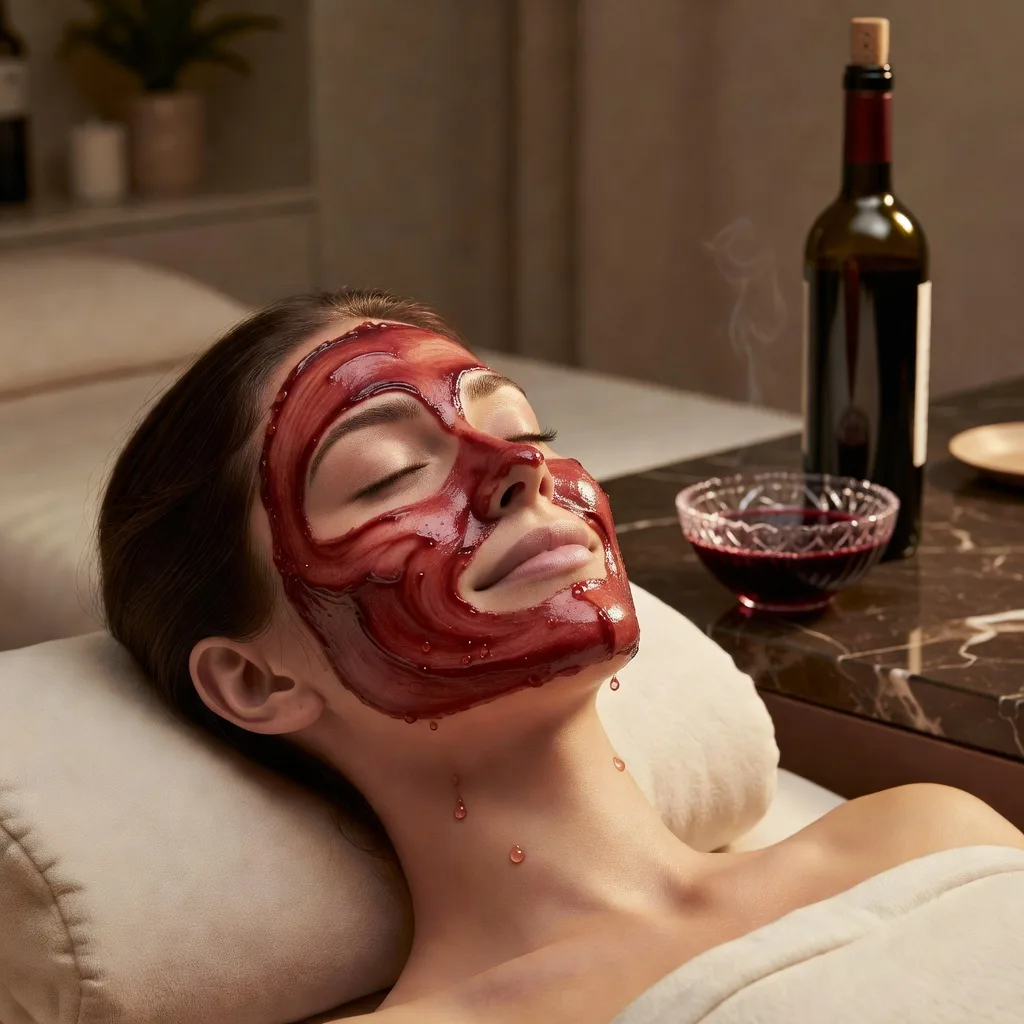
A wine facial sounds like pure spa-menu indulgence, but the underlying compounds, resveratrol, broader polyphenols, and tannins, are real and genuinely bioactive in some contexts, which raises a fair question about whether the finished treatment lives up to the ingredient science.
Part of our guide to facial treatments. Start with: Fruit Facial at Home: Does It Actually Work?
Resveratrol’s antioxidant mechanism is well studied at the cellular level, but low bioavailability in skin is described directly in the literature as the primary hurdle standing between that cellular science and a real-world effect from a spa mask. That gap matters more than most wine-facial marketing lets on.
The one relevant clinical trial with meaningful results used isolated, stabilized trans-resveratrol as the only active ingredient, applied consistently over eight weeks, not an occasional wine or grape spa mask, an important distinction for anyone weighing the real evidence.
This guide covers what’s genuinely in a wine facial, what the actual trial data shows, the real (but temporary) tannin-based tightening effect, and the staining and irritation risks worth knowing before you book or try one at home.
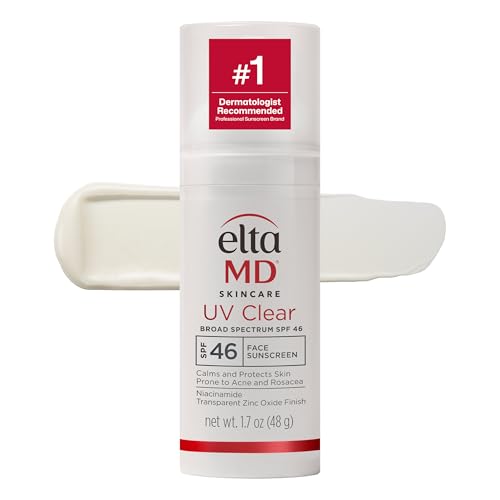
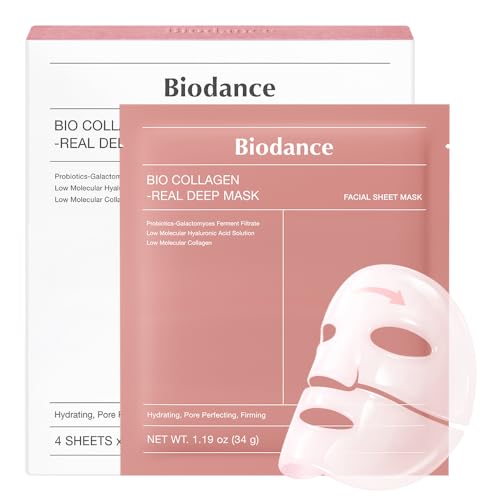
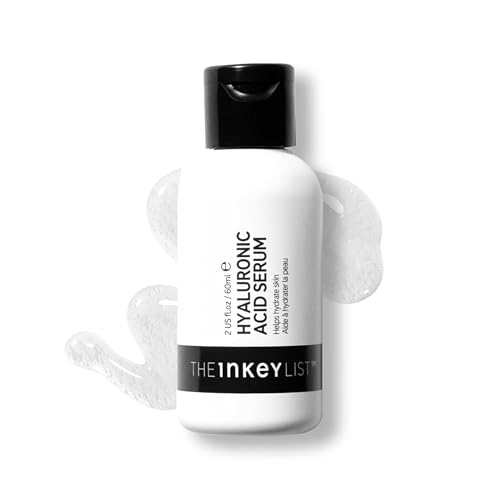
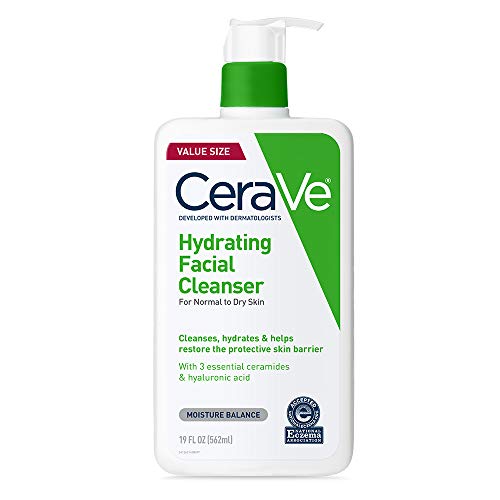
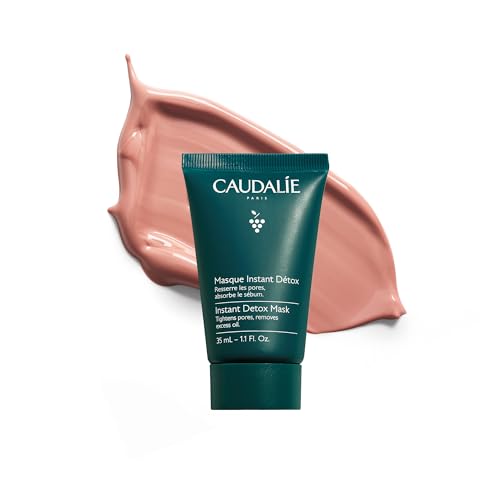
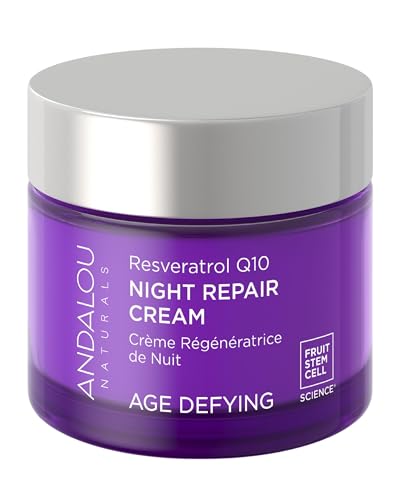
Recommended Wine and Resveratrol Facial Products
Key Takeaways
- Wine facials draw on real, well-defined compounds: resveratrol, broader polyphenols, and tannins, but the finished-product evidence lags well behind the ingredient-level science.
- Resveratrol’s antioxidant mechanism is genuinely well studied at the cellular level, but low bioavailability in skin is described in the literature as “the primary hurdle impeding clinical translation.”
- The one real 8-week clinical trial with meaningful results used isolated, stabilized trans-resveratrol as the only active, not a wine or grape extract facial product.
- Tannins do produce a real, temporary tightening sensation, but this is surface astringency, not a structural reduction in pore size.
- Staining from tannins and anthocyanins in red or darker wines is a real, if temporary, risk worth a patch test first.
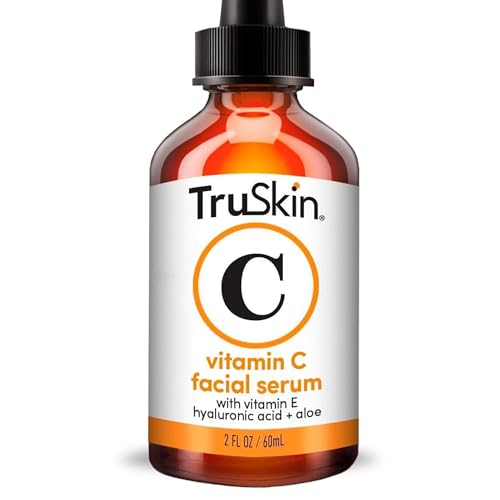
- Formulated vitamin C and niacinamide serums have substantially stronger clinical backing than any wine or grape spa product.
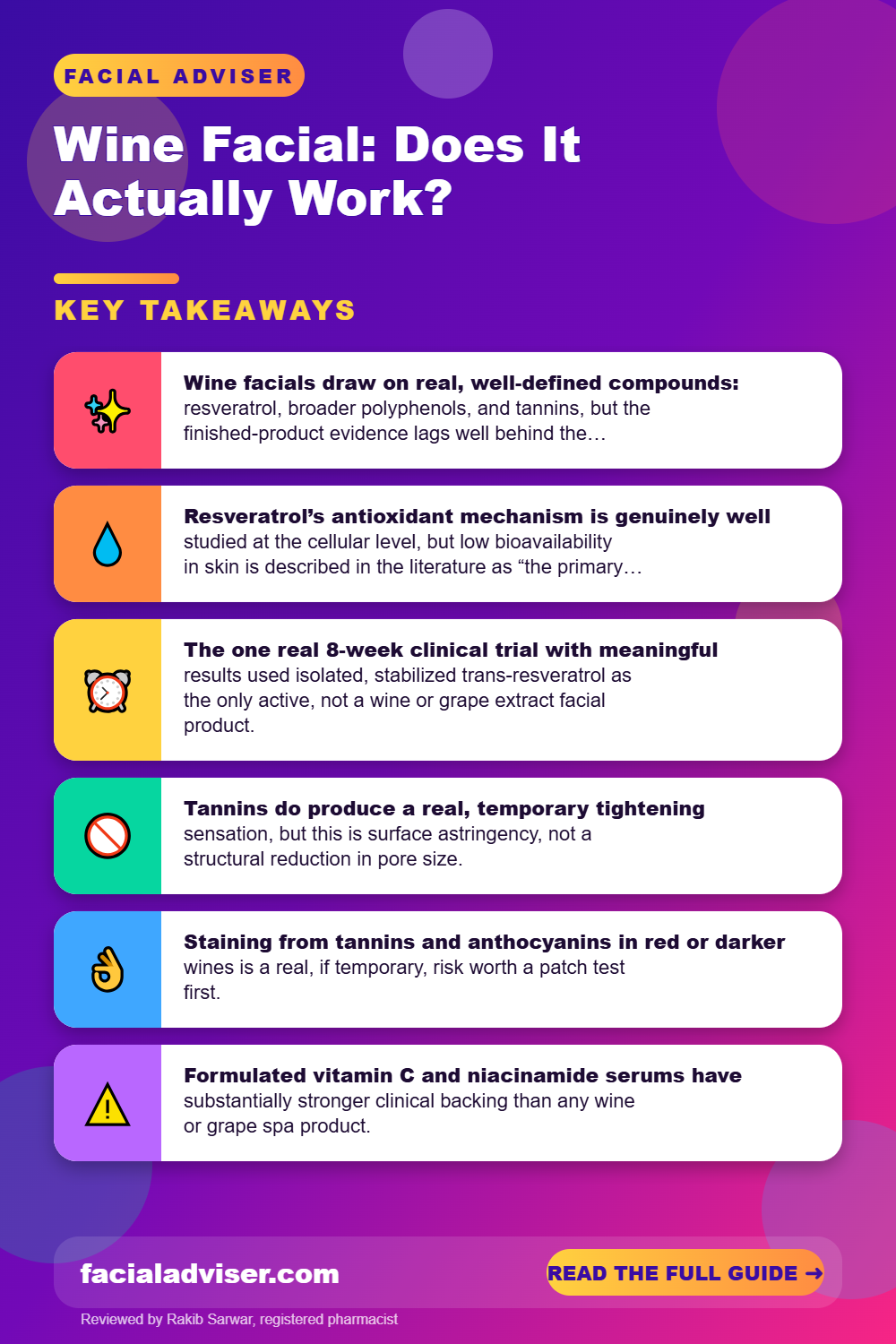
Table of Contents
- What’s Actually in a Wine Facial
- Resveratrol’s Real Mechanism, and the Evidence Gap
- What the Actual Clinical Trial Found
- Tannins and the “Pore-Tightening” Claim
- Wine Facial vs. Formulated Antioxidant Serums
- Staining, Irritation, and Allergy Considerations
- How Often to Try One, and What to Actually Expect
- Do This, Not That
- Trying a Wine Facial Safely at Home
- When to See a Dermatologist
- Frequently Asked Questions
- The Bottom Line
What’s Actually in a Wine Facial
A wine facial draws on a real, chemically defined set of compounds: resveratrol, a stilbene polyphenol concentrated in grape skins, broader polyphenols and flavonoids, and tannins, including grape-seed proanthocyanidins. That part of the marketing is accurate, these compounds are genuinely present and genuinely bioactive in some contexts. The question worth asking honestly is whether a spa-applied wine or grape mask delivers those compounds to skin in a way that actually matters.
Shopping these picks?
Amazon Prime members get fast, free shipping on eligible items, plus Prime Video, Amazon Music and member deals. New members can start with a free trial.
Start a free Prime trialAged 18 to 24? Prime for Young Adults comes with a longer free trial and a lower price after it.
Affiliate link: we may earn a commission at no extra cost to you.
This guide separates the real, well-studied mechanism behind resveratrol from the evidence gap around finished wine-facial products, explains what tannins genuinely do and don’t do to pores, and covers the safety considerations, staining and irritation, that are worth knowing before booking one.
Resveratrol’s Real Mechanism, and the Evidence Gap
Resveratrol has a genuinely well-characterized set of mechanisms in the dermatology literature: it activates the AMPK/SIRT1 pathway, involved in autophagy and mitochondrial function, scavenges reactive oxygen species, upregulates a cellular antioxidant pathway, suppresses inflammatory signaling, and inhibits an enzyme that degrades collagen. That’s a mechanistically plausible route to reduced oxidative stress and collagen protection, and it’s real science, not invented marketing chemistry.
Note: The same research reviewing these mechanisms is explicit about the gap between them and a finished spa product: it calls for rigorous long-term placebo-controlled trials, and identifies resveratrol’s low systemic bioavailability, it’s rapidly broken down by the body, as “the primary hurdle impeding clinical translation.” Penetration into the living layers of skin hasn’t been adequately quantified either, meaning topical application doesn’t guarantee the compound reaches target skin cells at a meaningful concentration without specially engineered delivery systems.
What the Actual Clinical Trial Found
A real 8-week, double-blind, placebo-controlled trial of 134 people (122 completed) tested oral and topical trans-resveratrol across four treatment arms. The group using both oral and topical resveratrol together showed the most improvement: a wrinkle score reduction of about 12%, statistically significant against placebo. The topical-only groups showed a significant improvement in pigmentation. Skin elasticity, moisture, and pore size showed no significant difference between groups.
Here’s the important caveat for anyone comparing this to a spa wine facial: this trial used isolated, stabilized trans-resveratrol as the only active ingredient, applied consistently over eight weeks, not a wine or grape extract facial product used occasionally at a spa. It’s real, genuine evidence for the molecule under carefully controlled conditions, one step removed from evidence that a wine-and-grape spa mask does the same thing. Other studies showing positive results combined resveratrol with ferulic acid and other antioxidants in finished creams, meaning even the positive clinical data available is for multi-ingredient formulations, not resveratrol or wine extract alone.
Tannins and the “Pore-Tightening” Claim
Tannins are well-established, real astringent compounds, the same protein-binding chemistry responsible for the dry, puckering mouthfeel of a tannic red wine comes from tannins binding to proteins. Applied to skin, that same protein-binding action causes temporary surface tightening, a genuine short-term firming sensation that can make pores look smaller by contracting the surrounding tissue.
That’s a real physical effect, but it’s cosmetic and temporary, not a structural change. Pore size is determined by the size of the sebaceous gland beneath it, and no topical astringent, wine-based or otherwise, permanently alters that. This is the same category of effect you’d get from any astringent like witch hazel; niacinamide works through a different, more evidence-backed mechanism, regulating sebum production, for a longer-lasting effect on how pores appear.
Wine Facial vs. Formulated Antioxidant Serums
| Wine/grape spa facial | Formulated vitamin C or niacinamide serum | |
|---|---|---|
| Active concentration | Undefined, not standardized | Specific, stabilized concentration (10-20% vitamin C, 4-5% niacinamide) |
| Clinical trial backing | Essentially unstudied as a finished product | Substantially stronger, direct clinical trial evidence |
| Delivery engineering | None specific to bioavailability | Formulated for stability and skin penetration |
| Realistic expectation | Pleasant, temporary astringent/antioxidant sensation | More reliable, better-documented brightening/antioxidant effect |
The honest hierarchy here is straightforward: formulated, stabilized, clinically dosed actives rank above isolated resveratrol in a properly engineered delivery system, which itself ranks above a one-off wine or grape spa mask. None of that makes the spa version worthless, it’s just a different category of experience than a clinically validated treatment.
Staining, Irritation, and Allergy Considerations
| Concern | What’s actually documented |
|---|---|
| Skin staining | Real, temporary risk from tannins and anthocyanins, especially with deeper reds; same pigments that stain teeth and fabric |
| Irritation | Tannic acid can irritate broken, sensitive, or over-exfoliated skin at higher concentrations |
| Wine allergy | Most commonly attributed to histamines, sulfites, or residual grape/yeast proteins, not tannins specifically |
| Topical reaction data | Thin; most allergy literature concerns ingestion, not skin contact, so treat this as a plausible caution, not a documented epidemic |
Warning: If you have a known sulfite sensitivity, a history of wine-triggered flushing or headaches, or already-compromised skin (eczema, active breakouts, recently over-exfoliated skin), treat a wine facial with the same caution you’d apply to any new astringent or antioxidant product, and choose a lighter-colored wine or grape extract to reduce staining risk.
How Often to Try One, and What to Actually Expect
Because the astringent tightening and mild antioxidant sensation from a wine or grape mask is genuinely temporary, occasional use, as an add-on within a broader facial or a once-in-a-while at-home treat, is a more honest framing than a regular skincare-routine staple you’d repeat weekly. There’s no cumulative clinical mechanism established at the finished-product level the way there is for a properly dosed retinoid or a stabilized vitamin C serum used consistently over months, so treating a wine facial as a special-occasion indulgence rather than a core routine step matches what the evidence actually supports.
The same broader point applies here as it does to professional facials generally: relaxation and a temporary glow are genuine, real benefits worth enjoying on their own terms, but they shouldn’t be mistaken for a substitute for a consistent, evidence-based home routine using ingredients with actual clinical-trial backing behind them.
Do This, Not That
Do
- Patch test any wine or grape mask 7 to 10 days before full-face use
- Choose a lighter-colored wine or grape extract if staining is a concern
- Treat resveratrol’s antioxidant benefit as real but unproven at the finished-product level
- Use formulated vitamin C or niacinamide serums if you want a stronger, better-documented effect
- Rinse thoroughly and moisturize afterward given the astringent effect
Don’t
- Expect a wine facial to permanently shrink pores
- Assume a spa wine mask delivers resveratrol the same way a clinical trial formulation does
- Use a wine facial on already broken, irritated, or over-exfoliated skin
- Skip the patch test if you have a known sulfite sensitivity or wine-related reactions
- Treat cell-based resveratrol research as proof the finished spa product works
Trying a Wine Facial Safely at Home
Choose your wine or grape extract
Lighter-colored options reduce staining risk compared to deep reds high in anthocyanins.
Patch test first
Apply a small amount to your inner arm 7 to 10 days before trying it on your face.
Tip: Check the patch test area in daylight the next morning specifically for any lingering staining, not just irritation, since staining can be more noticeable than a reaction.
Apply for a limited time
Keep contact time short given the astringent, protein-binding action of tannins on skin.
Rinse thoroughly
Remove all residue with lukewarm water to limit prolonged tannin contact.
Moisturize afterward
The astringent effect can leave skin feeling tight, so follow with a moisturizer.
When to See a Dermatologist
See a dermatologist or skin specialist if you have a known sulfite sensitivity, a history of wine-related reactions, or sensitive/reactive skin, before trying a wine-based mask. If you want an evidence-based antioxidant option with stronger clinical backing, a formulated vitamin C or niacinamide serum is worth discussing instead.
Frequently Asked Questions
What’s actually in a wine facial?
Resveratrol, broader polyphenols, and tannins, all real compounds present in wine and grapes.
Does resveratrol actually work on skin?
Its antioxidant mechanism is well studied at the cellular level, but low bioavailability is a major hurdle for translating that into a finished product’s real-world effect.
Is there clinical trial evidence for wine facials specifically?
No, the one relevant clinical trial used isolated, stabilized resveratrol, not a wine or grape spa mask.
Do wine facials shrink pores?
They create a temporary tightening sensation from tannins, not a permanent structural change in pore size.
Can a wine facial stain my skin?
Yes, temporarily, especially with deeper red wines higher in anthocyanins.
Is wine allergy a concern for topical use?
Most wine allergy is attributed to histamines, sulfites, or grape/yeast proteins rather than tannins, and topical reaction data specifically is thin.
Should I patch test before a wine facial?
Yes, especially to check for staining as well as irritation, 7 to 10 days before full-face use.
Is vitamin C or niacinamide a better antioxidant option?
Yes, both have substantially stronger clinical trial backing at specific, stabilized concentrations than any wine or grape facial product.
Can a wine facial irritate sensitive skin?
Yes, tannic acid can irritate broken, sensitive, or over-exfoliated skin.
Is a wine facial worth trying at all?
As a pleasant, low-commitment treatment it’s reasonable, but it shouldn’t be expected to match a clinically validated antioxidant serum.
The Bottom Line
Wine facials draw on real compounds, resveratrol, polyphenols, and tannins, but the science behind them is far stronger at the cellular level than at the finished-spa-product level. The one meaningful clinical trial used isolated resveratrol under controlled conditions, not a wine mask, and tannins’ “pore-tightening” effect is real but temporary and cosmetic.
Enjoy a wine facial for what it honestly is, a pleasant, mildly astringent, antioxidant-adjacent treatment, patch test first given the real staining and irritation risk, and reach for a formulated vitamin C or niacinamide serum if what you actually want is a stronger, better-documented effect.

Written by
Registered pharmacist and founder of Facial Adviser. Rakib's pharmacy training covers how skincare actives work and interact; a later course in cosmetology turned that into a focus on facial treatments and skincare products. He plans, researches and edits every guide on the site and checks health claims against sources such as the American Academy of Dermatology, the FDA and the NIH. He is not a dermatologist; see the Editorial Policy and Medical Disclaimer.
About · Editorial policy · How we choose products · Medical disclaimer · Contact
Keep reading: DIY and ingredient facials
- Paraffin Facial: What It Really Does for Skin
- De-Tan Facial: The Two Mechanisms Marketing Blurs
- Gold Facial at Home: What the Evidence Shows
- Fruit Facial at Home: Does It Actually Work?
- Honey Facial: What the Real Evidence Shows
- Is Hydrafacial a Gimmick? What Evidence Shows
- Ultimate Guide Microdermabrasion: What to Know