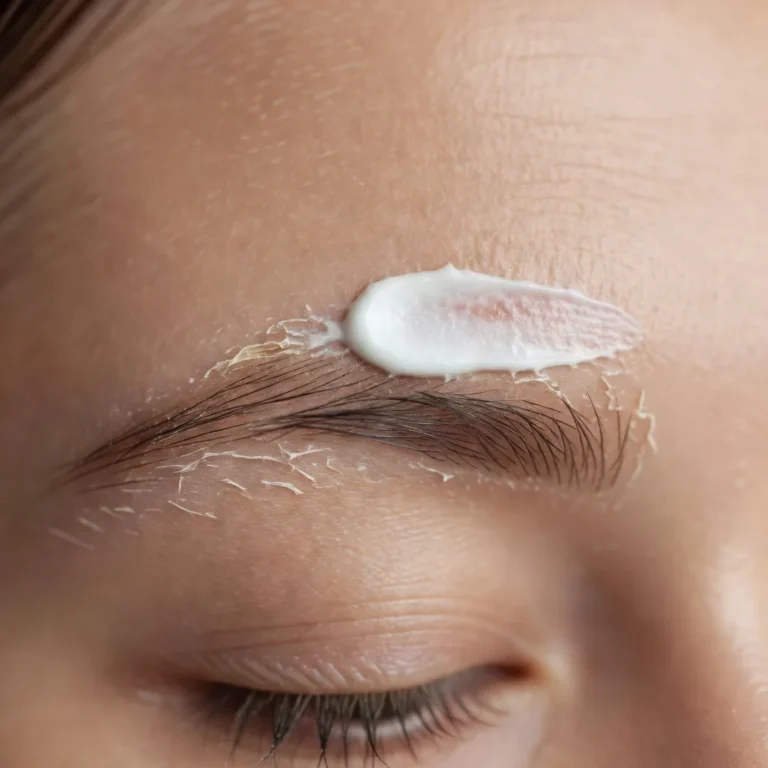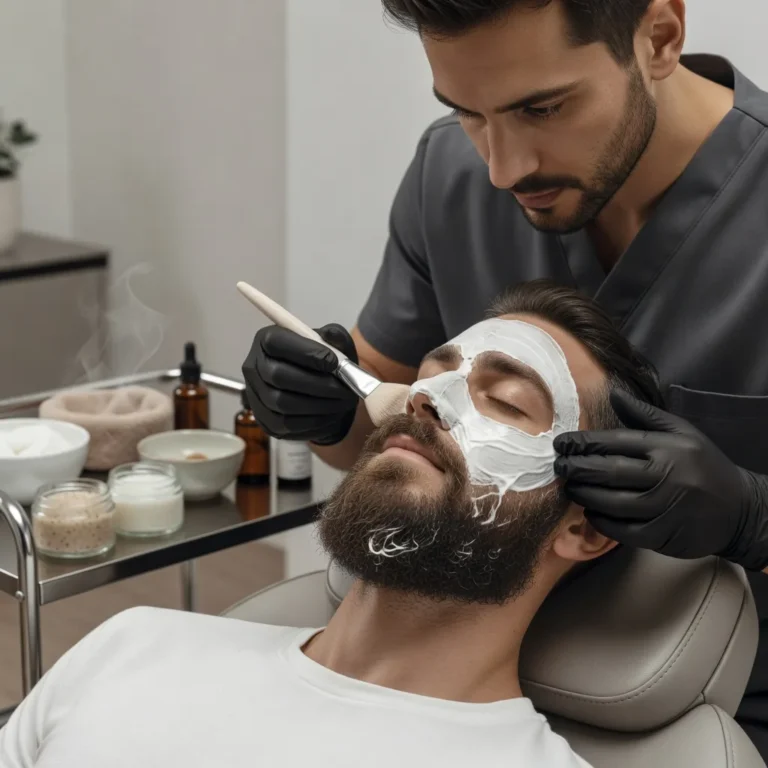
Cryo Facial: What the Cold Actually Does
A cryo facial promises an instant de-puffed, tightened look from cold alone, and the vasoconstriction behind that effect is real and immediate, the harder question is what happens once the redness settles back in an hour later.
Part of our guide to facial treatments. Start with: What Is the Best Anti-Aging Facial Treatment? Options Compared by Goal
Cold genuinely constricts superficial blood vessels and reduces visible puffiness and flushing for a short window, but there’s no plausible mechanism, and no trial evidence, for cold alone boosting collagen or producing any lasting tightening effect. The AAD and FDA have both been direct about the evidence gap, specifically for whole-body cryotherapy chambers.
A documented case of facial nerve palsy following targeted dermatologic cryotherapy is a genuine, if rare, reminder that even medically supervised cold treatment carries risk, a different risk profile than a gentle at-home ice roller, but relevant to any facial cryotherapy using more intense freezing.
This guide covers the real, short-lived benefit, what the FDA and AAD have actually said, the frostbite and nerve-injury risks worth knowing, and how an at-home ice roller compares to a thermostatically controlled clinical device.
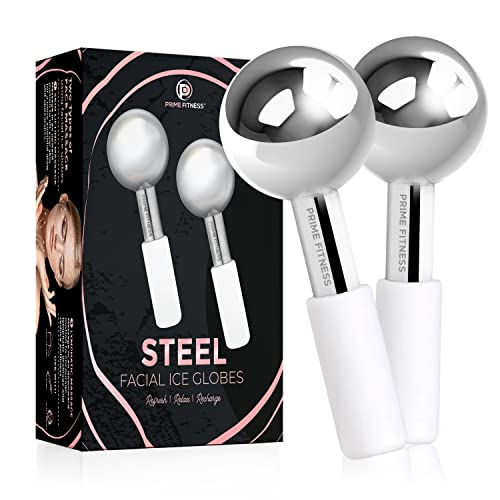
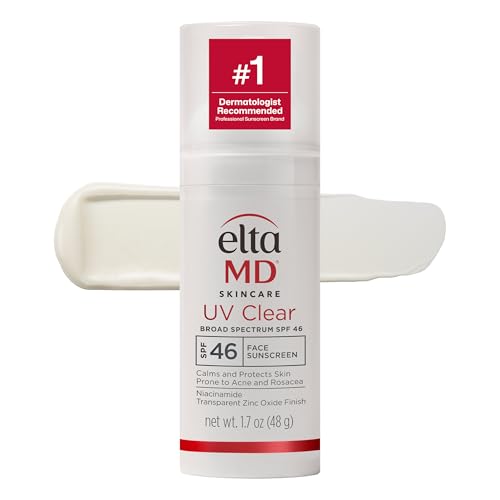
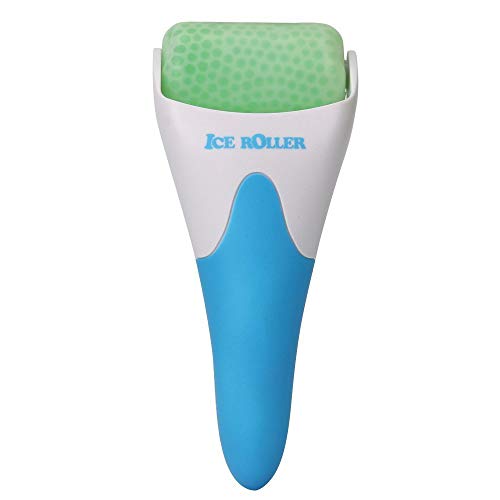
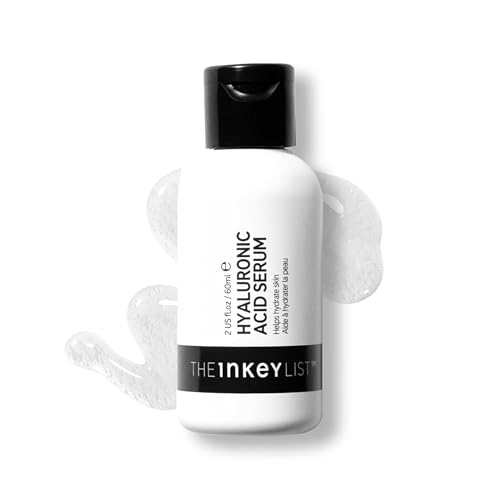
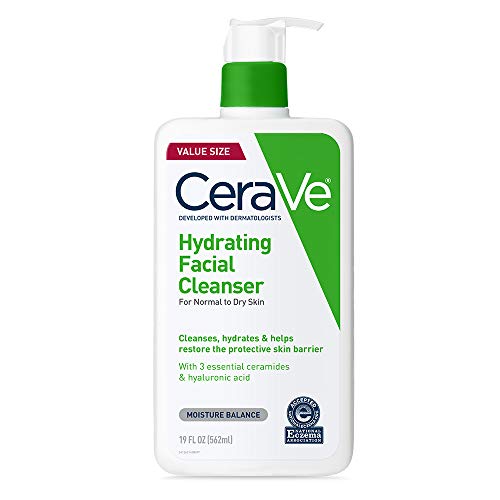
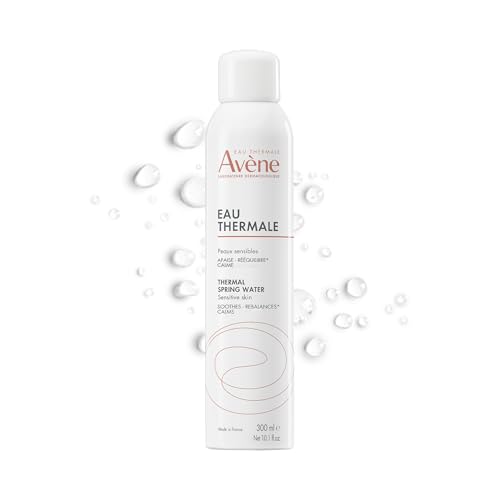
Recommended At-Home Cryo Facial Tools

Key Takeaways
- A cryo facial works through real vasoconstriction, temporarily reducing puffiness and redness, but the effect fades within hours.
- There’s no plausible mechanism, and no clinical trial evidence, for cold exposure alone boosting collagen or producing lasting skin tightening.
- The FDA has not cleared whole-body cryotherapy as safe or effective for any condition, and the American Academy of Dermatology explicitly doesn’t recommend it.
- Documented whole-body cryotherapy harms include frostbite in a meaningful share of participants and, rarely, more serious injury.
- A case report documented temporary facial nerve palsy after targeted dermatologic cryotherapy near the cheek, a rare but real risk with intense, prolonged cold near facial nerve pathways.
- These whole-body warnings shouldn’t be assumed to apply identically to a brief at-home ice roller, but the category’s track record of overstated claims is worth knowing either way.
Table of Contents
- What a Cryo Facial Actually Does
- Marketing Claims vs. What Holds Up
- What the FDA and Dermatologists Actually Say
- Real Risks Worth Knowing
- Ice Rollers vs. Whole-Body Cryotherapy
- Why Cold Therapy Became a Spa Trend
- How Often Cold Facial Treatments Are Actually Useful
- At-Home Rollers vs. Clinical Cryo Devices
- Do This, Not That
- Using Cold Therapy on Your Face Safely
- When to See a Dermatologist
- Frequently Asked Questions
- The Bottom Line
What a Cryo Facial Actually Does
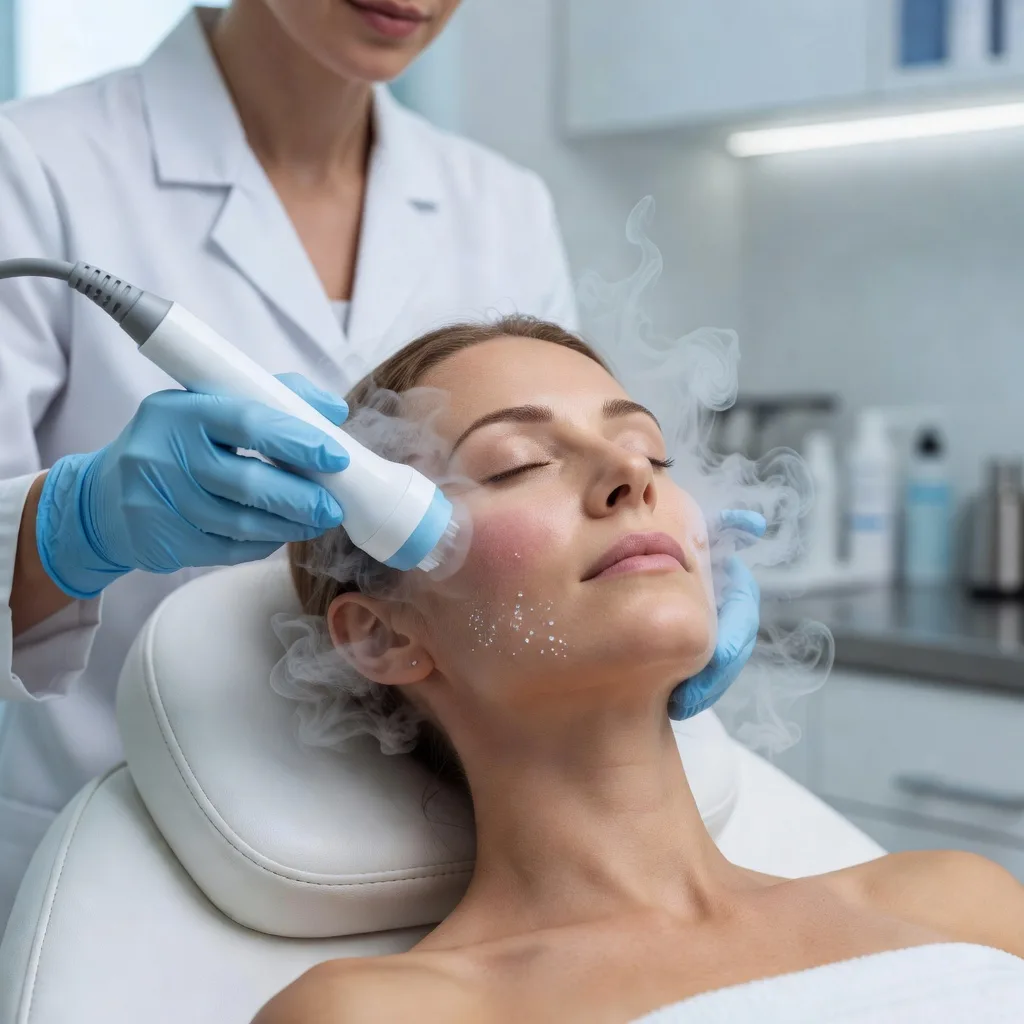
Applying cold to the face, whether an ice roller, a cryo probe, or a cold-air device, triggers real vasoconstriction: blood vessels near the surface narrow, which can temporarily reduce visible puffiness and the appearance of redness or flushing. That effect is genuine and well documented physiologically, along with a numbing, soothing sensation many people find pleasant.
Shopping these picks?
Amazon Prime members get fast, free shipping on eligible items, plus Prime Video, Amazon Music and member deals. New members can start with a free trial.
Start a free Prime trialAged 18 to 24? Prime for Young Adults comes with a longer free trial and a lower price after it.
Affiliate link: we may earn a commission at no extra cost to you.
What isn’t well documented is anything beyond that short-term effect. This guide separates the real, temporary vasoconstriction benefit from the “boosts collagen” and “tightens skin” claims that don’t hold up, and covers what regulators and dermatologists actually say about cryotherapy as a category.
Marketing Claims vs. What Holds Up
| Claim | What’s actually true |
|---|---|
| “Reduces puffiness instantly” | Real, vasoconstriction is immediate but temporary, gone within hours |
| “Boosts collagen production” | Not supported; no mechanism connects brief cold exposure to new collagen synthesis |
| “Tones and tightens skin” long-term | Not supported; this describes the temporary vasoconstriction/edema-reduction effect being oversold as structural |
| “Detoxifies skin” | No evidence, same issue as with heat-based “detox” claims |
Collagen synthesis requires a sustained signal that stimulates fibroblasts, the kind of controlled micro-injury produced by lasers, microneedling, or radiofrequency, or a specific growth-factor signal. Transient surface cooling simply doesn’t provide that kind of stimulus, which is why no randomized trial has shown cold exposure alone increasing dermal collagen.
What the FDA and Dermatologists Actually Say
Note: The American Academy of Dermatology’s official safety page on whole-body cryotherapy states directly that “research studies have yet to prove that WBC can deliver any of these benefits,” and that dermatologists “don’t recommend that anyone try WBC.” The FDA has not cleared or approved whole-body cryotherapy as safe or effective for any medical condition, and issued a 2016 consumer warning after finding “very little evidence about its safety or effectiveness” for the conditions being promoted, including anti-aging and cellulite claims specifically.
It’s worth being precise about scope here: these warnings are specifically about whole-body cryotherapy chambers, a different modality than a localized facial ice roller or a spa cryo-facial using cold air or a cold probe on just the face. No dedicated, large randomized trial exists specifically testing localized cosmetic facial cryotherapy for the claims made about it. The honest statement is an absence of evidence for the specific cosmetic benefits claimed about localized cryo-facials, not proof that a properly used ice roller causes harm, while the harms documented below are specifically tied to the whole-body version.
Real Risks Worth Knowing
Warning: The AAD documents frostbite as the most common skin injury from whole-body cryotherapy, with 16% of participants developing mild frostbite in one research study, alongside a documented case of third-degree burns and blisters after a single session, and cold panniculitis requiring weeks to heal. A 2024 case report described a patient who developed temporary hemifacial nerve weakness, initially mistaken for a stroke, after targeted liquid-nitrogen cryotherapy on the cheek, attributed to cold-induced nerve compromise; she fully recovered within eight weeks with treatment.
That nerve-injury case involved medically supervised, more intense, targeted cryotherapy, a materially different exposure than a brief pass with a consumer ice roller, but it’s a legitimate reason not to apply intense or prolonged cold treatments directly over areas near facial nerve pathways. People with cold urticaria, Raynaud’s phenomenon, cryoglobulinemia, or impaired circulation should avoid cold facial treatments altogether.
Ice Rollers vs. Whole-Body Cryotherapy
| At-home ice roller / facial cold probe | Whole-body cryotherapy chamber | |
|---|---|---|
| Regulatory status | Not specifically evaluated by the FDA for these claims | Not FDA-cleared or approved as safe/effective for any condition |
| Documented harm | No large-scale documented harm data found specifically | Frostbite, burns, cold panniculitis, and rare serious events documented |
| Temperature control | Variable, no thermostatic control on most consumer devices | Extreme cold, tightly time-controlled in clinical settings |
| Realistic expectation | Brief puffiness/redness reduction only | Marketed for broader claims the FDA found insufficient evidence for |
Why Cold Therapy Became a Spa Trend
Cold therapy’s popularity as a wellness and spa trend largely traces back to whole-body cryotherapy chambers, marketed aggressively over the past decade with broad claims about anti-aging, cellulite reduction, athletic recovery, and mood benefits. That marketing push is precisely what drew the FDA’s 2016 attention, and it’s worth understanding that the same enthusiasm carried over into localized facial cold treatments, ice rollers, cold jade tools, and spa cryo-facials, even though the specific evidence base for whole-body chambers doesn’t automatically transfer to a targeted facial device.
The appeal is understandable: cold genuinely feels good, genuinely reduces visible puffiness in the moment, and genuinely carries a sense of active self-care. None of that requires inflating the claims beyond what the mechanism supports, and a treatment can be worth doing for the real, modest, temporary benefit it provides without needing a collagen or anti-aging story attached to justify it. It’s a useful contrast with a heat-based facial treatment like paraffin, which works through the opposite temperature mechanism but shares the same pattern: a real, temporary comfort effect, oversold with claims the underlying science doesn’t support.
How Often Cold Facial Treatments Are Actually Useful
Because the vasoconstriction effect is short-lived, there’s no meaningful cumulative benefit to using cold therapy more than once in a given morning routine or before a specific event where reduced puffiness matters. Using an ice roller daily as part of a routine is unlikely to cause harm if kept brief and gentle, but it’s also unlikely to produce any benefit beyond what a single session already provides, since the mechanism doesn’t compound the way a treatment targeting collagen or cell turnover would.
The most reasonable use case is situational: right before an event where temporary de-puffing matters, after a poor night’s sleep, or as a brief, pleasant part of a skincare routine, rather than a treatment scheduled on any particular frequency for a claimed long-term effect.
At-Home Rollers vs. Clinical Cryo Devices
Not all cold-therapy tools carry the same risk profile, and the distinction matters more than most product marketing acknowledges. Clinical cryo-facial devices used in spas and dermatology offices are thermostatically controlled, meaning the temperature is capped and monitored so it can’t drift into frostbite range regardless of how long the applicator stays on skin. A consumer ice roller or a jar of ice cubes has no such safeguard: the only limit on how cold or how long is the person holding it.
That gap is exactly where most avoidable cold-injury cases come from, prolonged, direct contact with something colder than a thermostatically controlled device would ever allow, held in one spot for too long because there’s no built-in cutoff warning the user. The fix isn’t avoiding at-home tools altogether, it’s respecting the same limits a clinical device would enforce mechanically: keep the roller moving rather than holding it still on one spot, limit total contact time to a couple of minutes, and never apply ice directly to skin without a barrier like a thin cloth, which is standard advice for any at-home cold application, not unique to facial use.
Do This, Not That
Do
- Use a facial ice roller briefly for temporary puffiness or a soothing sensation
- Treat any tightening or toning sensation as temporary, not structural
- Ask a whole-body cryotherapy provider directly what evidence supports their specific claims
- Avoid prolonged, intense cold directly over areas near facial nerve pathways
- Disclose Raynaud’s, cold urticaria, or circulation problems before any cold treatment
Don’t
- Expect cold therapy to boost collagen or produce lasting skin tightening
- Assume whole-body cryotherapy chamber claims are FDA-backed
- Use excessively cold devices or extend exposure time past brief, comfortable use
- Treat facial cryo-facial claims and whole-body cryotherapy claims as interchangeable evidence
- Ignore numbness, unusual pain, or skin discoloration during or after cold exposure
Using Cold Therapy on Your Face Safely
Choose a mild, controllable method
A facial ice roller or a cold, damp cloth is a gentler starting point than an intense cryotherapy device.
Limit exposure time
Brief passes, seconds at a time per area, are enough to trigger the real vasoconstriction effect without risking cold injury.
Tip: Keep the roller or cloth moving rather than holding it still on one spot, which reduces localized cold-injury risk.
Avoid intense, prolonged cold near the jaw and cheek nerve pathways
This is where the rare nerve-injury case reported in the literature occurred.
Set realistic expectations
Expect temporary de-puffing and a soothing sensation, not collagen building or lasting tightening.
Stop if you notice numbness, unusual pain, or skin discoloration
These are signs to stop immediately and let skin fully rewarm.
When to See a Dermatologist
See a dermatologist or skin specialist if you have Raynaud’s phenomenon, cold urticaria, cryoglobulinemia, or a circulatory condition and are considering any cold-based facial treatment, or if you notice numbness, unusual pain, or discoloration after cold exposure that doesn’t resolve quickly.
Frequently Asked Questions
What does a cryo facial actually do?
It triggers real vasoconstriction, temporarily reducing puffiness and the appearance of redness.
Does a cryo facial boost collagen?
No, there’s no mechanism or clinical trial evidence supporting that claim.
Is whole-body cryotherapy FDA-approved?
No, the FDA has not cleared or approved it as safe or effective for any medical condition.
What do dermatologists say about whole-body cryotherapy?
The American Academy of Dermatology states plainly that research hasn’t proven its claimed benefits and doesn’t recommend it.
Is frostbite a real risk?
Yes, it’s documented as the most common skin injury from whole-body cryotherapy in research studies.
Can cryotherapy near the face cause nerve damage?
Rarely, a case report documented temporary facial nerve weakness after intense, targeted cryotherapy near the cheek.
Is an at-home ice roller the same risk as a cryotherapy chamber?
No, the documented harms above are specifically tied to whole-body cryotherapy, not a brief at-home ice roller pass.
How long does the puffiness-reduction effect last?
Typically minutes to a few hours, since it’s a temporary vasoconstriction effect.
Who should avoid cold facial treatments?
Anyone with Raynaud’s phenomenon, cold urticaria, cryoglobulinemia, or impaired circulation.
Does cold therapy tighten skin permanently?
No, any tightening sensation is temporary and not a structural change.
The Bottom Line
A cryo facial delivers a real, temporary vasoconstriction effect, less puffiness and redness for a short while, and that’s a genuine, if modest, benefit. Claims that it boosts collagen or produces lasting tightening don’t hold up, and neither the FDA nor the American Academy of Dermatology backs the broader claims made about whole-body cryotherapy.
Keep any cold-based facial treatment brief and mild, avoid prolonged intense cold near facial nerve pathways, and treat the puffiness-reduction effect as exactly what it is: real, but temporary.

Written by
Registered pharmacist and founder of Facial Adviser. Rakib's pharmacy training covers how skincare actives work and interact; a later course in cosmetology turned that into a focus on facial treatments and skincare products. He plans, researches and edits every guide on the site and checks health claims against sources such as the American Academy of Dermatology, the FDA and the NIH. He is not a dermatologist; see the Editorial Policy and Medical Disclaimer.
About · Editorial policy · How we choose products · Medical disclaimer · Contact
Keep reading: Anti-aging facials and treatments
- What Is the Best Anti-Aging Facial Treatment? Options Compared by Goal
- How Long After Botox Can You Get a Facial?
- Acupuncture Facial: What the Evidence Shows
- Mesotherapy Facial: What the Evidence Shows
- Anti-Aging Facial: What the Evidence Shows
- Facial Harmonization: What It Actually Is
- Fruit Facial at Home: Does It Actually Work?
- Facial Types: A Guide to 11 Popular Facials and How to Choose One