Frownies vs Facial Smoothies: Do Wrinkle Patches Actually Work?
Wrinkle patches have become a popular overnight habit. You stick a patch over your forehead, between your brows or around your mouth before bed, and wake up with skin that looks smoother. Two names come up again and again: Frownies, which have been sold for more than a century, and Facial Smoothies, a newer brand in the same category.
Part of our guide to at-home facial devices. Start with: 10 Best Gua Sha Facial Tools (2026): Stone and Steel Picks Compared
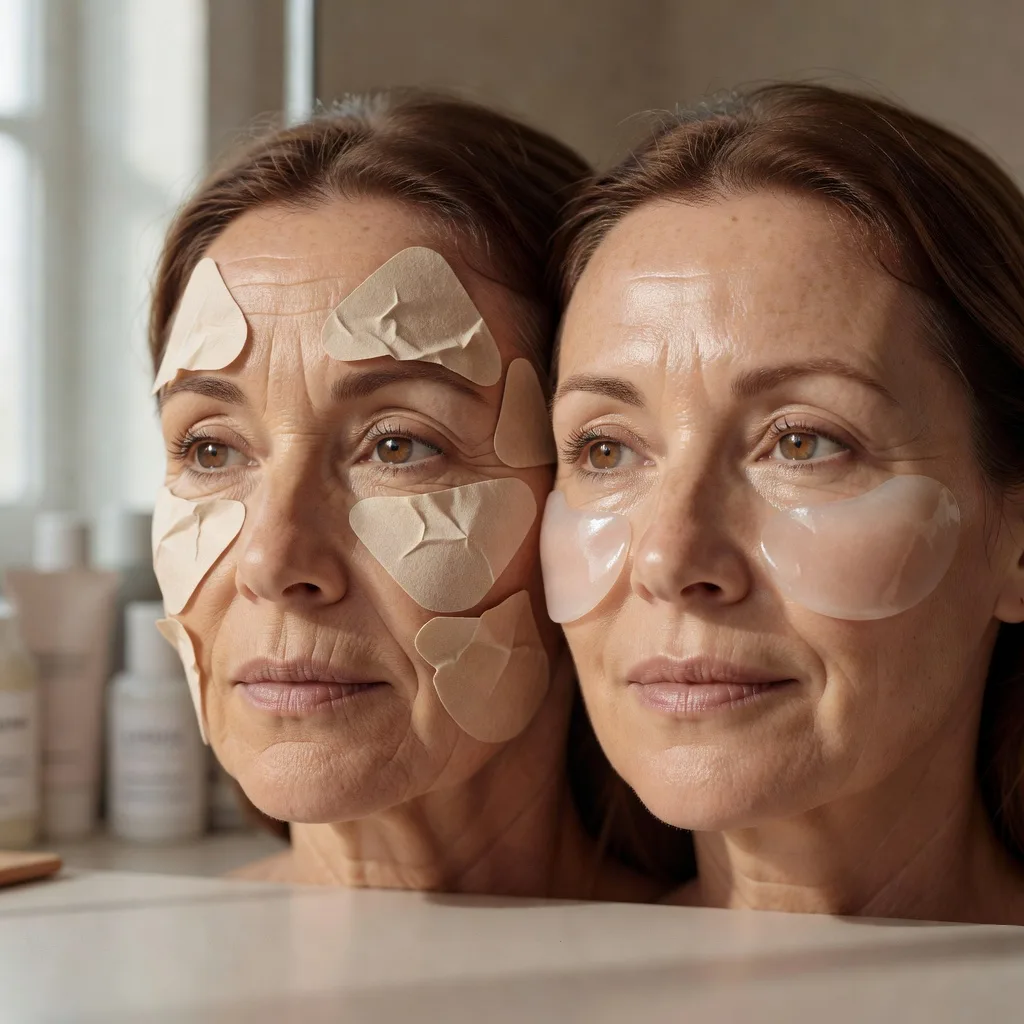
Frownies are paper-based adhesive patches that you moisten and press onto areas where expression lines form, holding the skin and underlying muscles still for several hours. Facial Smoothies are also sold as wrinkle patches worn overnight; patches in this category are made either from adhesive tape or from medical-grade silicone, so check the packaging for the material. Both work mainly by temporarily keeping the skin flat and limiting repeated folding, which can make lines look softer the next morning. The effect is usually temporary, and neither works like Botox or treats deep, static wrinkles.
In short, wrinkle patches are an inexpensive, needle-free way to get a temporary smoothing effect, but they will not permanently erase lines.
There is very little independent research on these products specifically. Newer patch types, such as hyaluronic acid microneedle patches, are starting to be studied, but early results are preliminary. The American Academy of Dermatology notes that daily sun protection is among the most effective ways to prevent new lines.
This guide compares the two types, explains how they work, how to use them safely and how they fit into a realistic anti-aging routine.
Shopping these picks?
Amazon Prime members get fast, free shipping on eligible items, plus Prime Video, Amazon Music and member deals. New members can start with a free trial.
Start a free Prime trialAged 18 to 24? Prime for Young Adults comes with a longer free trial and a lower price after it.
Affiliate link: we may earn a commission at no extra cost to you.
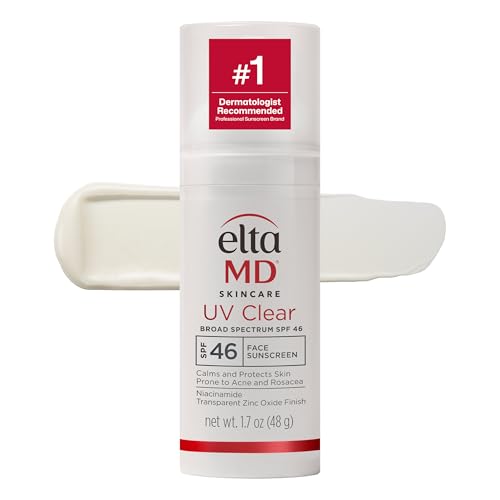
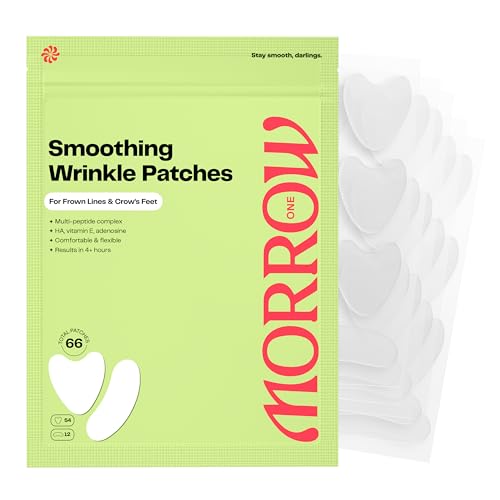
Recommended Wrinkle Patches and Related Products

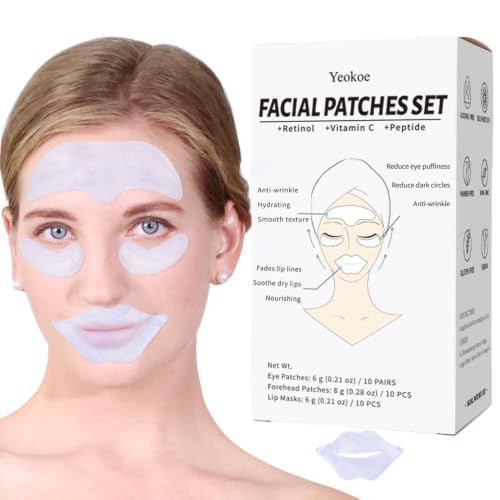
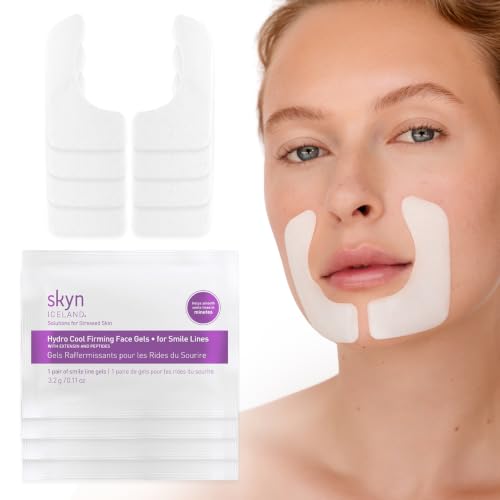
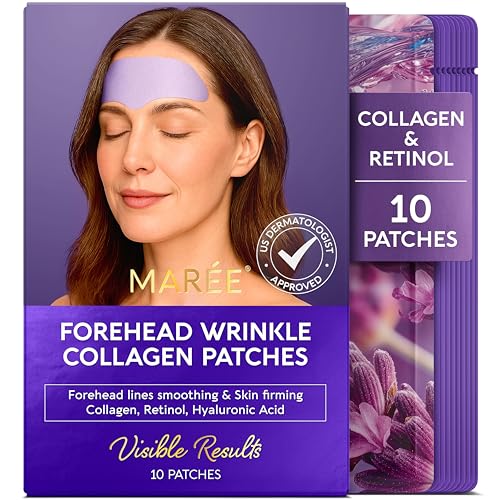
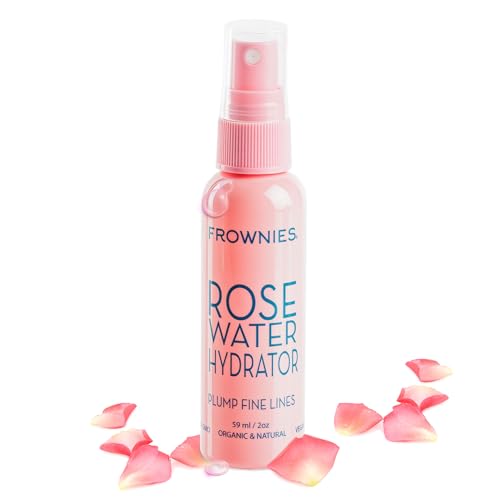
In This Guide
- Frownies vs Facial Smoothies at a Glance
- How Wrinkle Patches Work
- What the Evidence Says
- What Results to Expect
- How to Use Wrinkle Patches Safely
- Side Effects and Who Should Be Careful
- Which Should You Choose?
- Building a Routine Around Patches
- Types of Wrinkle Patches You Will See
- Dos and Don’ts
- Honest Limits
- When to See a Dermatologist
- Common Questions
- The Bottom Line
Key Takeaways
- Frownies are paper adhesive patches used overnight.
- Facial Smoothies are also overnight wrinkle patches.
- Patches hold skin flat and limit folding while you wear them.
- Results are usually temporary smoothing, not permanent change.
- They work best on fine expression lines, not deep wrinkles.
- Stop if patches cause redness, itching or peeling.
- Daily sunscreen does more to prevent lines than any patch.
Frownies vs Facial Smoothies at a Glance
Brands update their products, so always check current packaging. In general, the two compare like this.
| Feature | Frownies | Facial Smoothies and silicone-style patches |
|---|---|---|
| Material | Paper tape with water-activated adhesive | Varies; often silicone or tape |
| How used | Moisten, apply to smoothed skin, wear for hours | Apply to clean skin, usually overnight |
| Reusable | Single use | Silicone versions are often reusable |
| Feel | Firm hold, can feel stiff | Softer, flexible feel for silicone types |
| Main effect | Temporary smoothing by limiting movement | Temporary smoothing and occlusion |
| Evidence | Very limited | Very limited |
The practical difference is mostly comfort and cost over time. Paper patches give a firm hold but are thrown away after each use, while reusable silicone patches cost more upfront but can be washed and worn again. Comfort matters more than it sounds: a patch that wakes you up or peels off during the night will not be worn often enough to make any difference.
How Wrinkle Patches Work
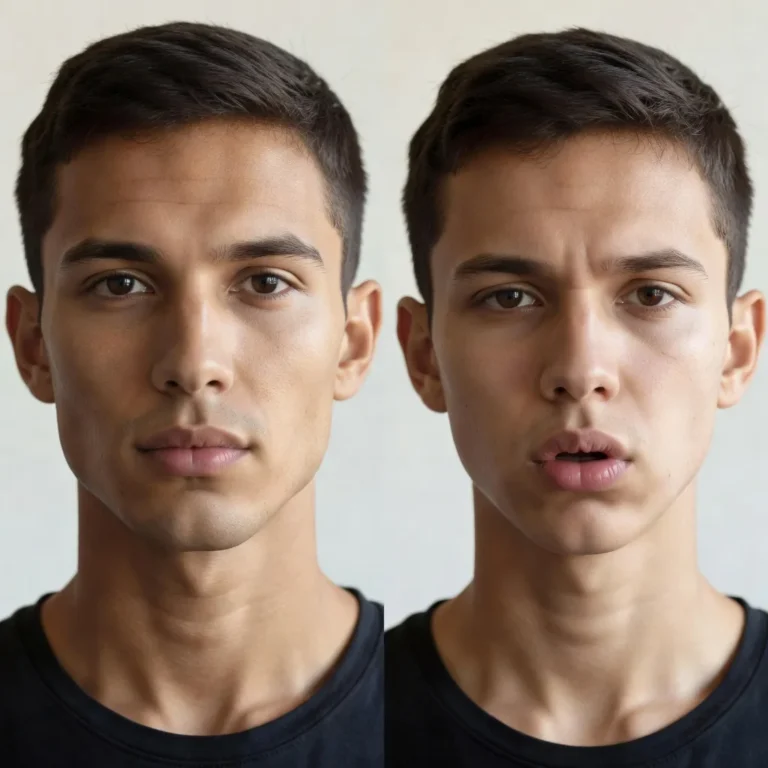
Expression lines form where the skin folds repeatedly, such as between the brows when you frown or across the forehead when you raise your eyebrows. Over years, and especially with sun damage and collagen loss, these folds can become visible even when the face is relaxed. Lines that appear only when you move are called dynamic lines, while those visible at rest are called static lines. Patches have the best chance of making a visible difference to dynamic lines.
- Holding the skin still: patches physically limit frowning or raising the brows while worn.
- Keeping skin flat: skin is held smooth for hours, which can make lines look softer when removed.
- Occlusion: covering the skin reduces water loss, which can briefly plump the surface.
- Habit awareness: some people notice how often they frown once they wear a patch.
Any smoothing you see after removing a patch usually fades over hours to a day as you use your face normally. Patches do not rebuild collagen or relax muscles the way Botox does.
If you are weighing patches against injections, our guide on facial fillers versus Botox explains how those treatments differ.
What the Evidence Says
Independent clinical studies on Frownies, Facial Smoothies and similar tape or silicone wrinkle patches are scarce. Most of the claims you will see come from brands, reviews and before-and-after photos, which are not reliable evidence. Photos can be affected by lighting, angle, hydration and even the time of day, and people who try a product and see no change are less likely to post about it.
Newer types of patches are starting to be studied. A 2026 preliminary study in Skin Pharmacology and Physiology, available on PubMed, evaluated hyaluronic acid microneedle patches and reported short-term improvements in skin appearance, but also a temporary increase in water loss from the skin, and the authors said results need confirming in longer studies. That research is about a different product type, so it does not prove that traditional tape patches work.
The most reliable ways to reduce and prevent lines remain daily sunscreen, topical retinoids and, for some people, medical treatments. The American Academy of Dermatology lists sun protection among its top ways to reduce premature skin aging.
What Results to Expect
Expectations should be modest.
| Type of line | Likely effect of patches |
|---|---|
| Fine lines that appear only with movement | Can look softer the next morning |
| Frown lines between the brows | Temporary softening; may help reduce frowning habits |
| Deep lines visible at rest | Little visible change |
| Lines from sun damage and collagen loss | Minimal effect |
| Crepey skin | Minimal effect |
Photos in the same light before and after a few weeks of use are the best way to judge whether patches make a difference for you. Many people like them as a pre-event trick for a smoother look in the morning. If you see no difference after a month of regular use, patches may simply not suit your type of lines, and your time and money may be better spent on sunscreen and a retinoid.
How to Use Wrinkle Patches Safely
Follow the product instructions, and use these general steps.
Start with clean, dry skin
Remove makeup, oil and moisturiser from the area so patches stick well.
Smooth the skin
Gently stretch the area flat with your fingers before applying.
Apply the patch
Press it firmly onto the smoothed skin without pulling too hard.
Wear for the recommended time
Often overnight or for several hours.
Remove slowly
Peel gently, soaking with water if the adhesive is strong.
Moisturise afterwards
Apply a gentle moisturiser to the area.
Rest your skin
Skip a night if the skin looks red or irritated.
Patch-test a small piece on your forehead for one night before using full patches, especially if you have sensitive skin or react to plasters.
Sleep position also affects morning creases. Our guide on sleep position and wrinkle formation explains how.
Side Effects and Who Should Be Careful
Wrinkle patches are generally low risk, but adhesive products can irritate some skin.
- Redness, itching or a rash from the adhesive.
- Dryness or peeling after removal, especially if pulled off quickly.
- Breakouts in people prone to acne if patches trap oil.
- Skin tearing in very fragile skin or when using retinoids.
Do not apply patches over broken skin, active eczema, rashes, cold sores or sunburn. Stop using them if you develop a rash, blistering or persistent irritation, and be especially gentle if you use prescription retinoids, which can make skin more fragile.
People with an adhesive allergy should avoid tape-based patches and discuss alternatives with a doctor. If your skin is sensitive, try wearing a patch for an hour or two in the evening before committing to a full night, and use a gentle, fragrance-free moisturiser once it is removed.
Which Should You Choose?
The best patch is the one you can wear comfortably and consistently.
| If you want… | Consider |
|---|---|
| A firm hold and a long-established brand | Frownies-style paper patches |
| A softer, reusable option | Silicone-style patches |
| Something for smile lines | Patches shaped for the mouth area |
| The lowest daily cost | Reusable silicone patches |
| To test the idea cheaply | A small pack of paper patches |
Whichever you choose, patches are an add-on. They work best alongside sunscreen, a moisturiser and, if your skin tolerates it, a retinoid. If you are unsure whether you will stick with them, start with a small pack rather than a large reusable set.
Building a Routine Around Patches
Wrinkle patches are most useful as part of a simple, consistent routine.
- Morning: gentle cleanser, moisturiser and broad-spectrum sunscreen.
- Evening: cleanser, retinoid if tolerated, moisturiser, then patches on clean, dry areas if using them.
- Weekly: check skin under the patches for irritation.
- Long term: protect skin from the sun and avoid smoking, both of which speed up line formation.
Consistency matters more than any single product. A simple routine you follow every day will do more for your skin over the years than an elaborate one you abandon after a few weeks.
If you like cooling tools as well, our guide on cryo facials versus Botox explains what cold treatments can and cannot do for lines.
Types of Wrinkle Patches You Will See
Wrinkle patches now come in many shapes and materials. Knowing the main types helps you choose.
- Paper tape patches: the original style, firm hold, single use; Frownies is the best-known example.
- Silicone patches: soft, flexible and often reusable; designed to lie flat and create a smooth, occlusive layer.
- Hydrogel patches: cooling, gel-based patches often used under the eyes, usually with added ingredients such as peptides or hyaluronic acid.
- Microneedle patches: newer patches with tiny dissolving points that carry ingredients into the upper skin; these are a different technology and should be used exactly as directed.
- Face tape: long strips worn on the forehead or around the mouth, similar in principle to paper patches.
Shapes vary too: forehead strips, small triangles for between the brows, crescent shapes for smile lines and curved pieces for the eye area. Many people use a combination depending on where their lines are most visible.
Added ingredients such as peptides or hyaluronic acid may help hydrate the surface, but the main effect of most patches still comes from holding the skin flat and still.
Dos and Don’ts
Helps
- Apply to clean, dry skin
- Patch-test first
- Remove gently
- Moisturise afterwards
- Wear sunscreen every day
Backfires
- Apply over broken or irritated skin
- Pull patches off quickly
- Expect permanent results
- Use them to replace sun protection
- Ignore persistent redness
Honest Limits
There is little independent research on traditional tape or silicone wrinkle patches. Any smoothing is usually temporary and works best on fine expression lines. Patches do not replace proven treatments for aging skin.
If you want longer-lasting improvement in lines, a dermatologist can discuss topical retinoids, in-office treatments or injections, and help you decide what is realistic for your skin and budget. Patches can still play a small part in that plan, especially if they help you notice and relax habits such as frowning, but they should not be the main treatment for lines that bother you.
When to See a Dermatologist
- Patches cause a rash, blisters or lasting irritation.
- You notice a new or changing spot under the area you patch.
- You want advice on deep lines or sagging skin.
- You have a skin condition such as eczema or rosacea on your face.
This article is for general information and does not replace professional medical advice. See a board-certified dermatologist for persistent skin concerns or reactions to skincare products.
Common Questions
What is the difference between Frownies and Facial Smoothies?
Frownies are paper adhesive patches; Facial Smoothies are also wrinkle patches, and this category includes tape and silicone types.
Do Frownies really work?
They can temporarily smooth expression lines while and after wearing them.
How long do results last?
Usually hours to a day as normal movement returns.
Can wrinkle patches replace Botox?
No, they do not relax muscles in the same way.
Are silicone wrinkle patches reusable?
Many silicone patches are reusable; check the product instructions.
Can I wear patches every night?
Many people do, if their skin tolerates the adhesive.
Do wrinkle patches cause breakouts?
They can in acne-prone skin if they trap oil.
Where can I use wrinkle patches?
Commonly the forehead, between the brows and around the mouth or eyes.
Are wrinkle patches safe with retinol?
Be gentle, as retinoids can make skin more fragile.
What prevents wrinkles best?
Daily sunscreen, avoiding smoking and, if tolerated, a retinoid.
The Bottom Line
Frownies and Facial Smoothies are overnight wrinkle patches that hold the skin flat and limit movement, which can make fine expression lines look softer for a while. They are inexpensive and low risk, but results are temporary and evidence is limited.
Use them on clean, healthy skin, remove them gently and pair them with the basics that matter most: daily sunscreen, moisturiser and, if your skin tolerates it, a retinoid.

Written by
Registered pharmacist and founder of Facial Adviser. Rakib's pharmacy training covers how skincare actives work and interact; a later course in cosmetology turned that into a focus on facial treatments and skincare products. He plans, researches and edits every guide on the site and checks health claims against sources such as the American Academy of Dermatology, the FDA and the NIH. He is not a dermatologist; see the Editorial Policy and Medical Disclaimer.
About · Editorial policy · How we choose products · Medical disclaimer · Contact
Keep reading: Facial rollers, gua sha and massagers
- 10 Best Gua Sha Facial Tools (2026): Stone and Steel Picks Compared
- Facial Roller vs Gua Sha: What a 2025 Trial Found and Which to Choose
- Facial Cupping vs Gua Sha: Suction, Scraping, and What Each Is Good For
- Jade vs Rose Quartz Facial Roller: Does the Stone Actually Matter?
- Do Anti-Aging Face Massages Work? Evidence, Technique and Best Tools
- How to Use Anti-Wrinkle Patches: Silicone vs Hydrogel, Overnight Use and Results
- 10 Best Facial Tools (2026): LED, Cleansing, Gua Sha and More
- 10 Best LED Light Therapy Masks (2026): Clearer Skin, Softer Lines