Facial Cupping vs Gua Sha: Suction, Scraping, and What Each Is Good For
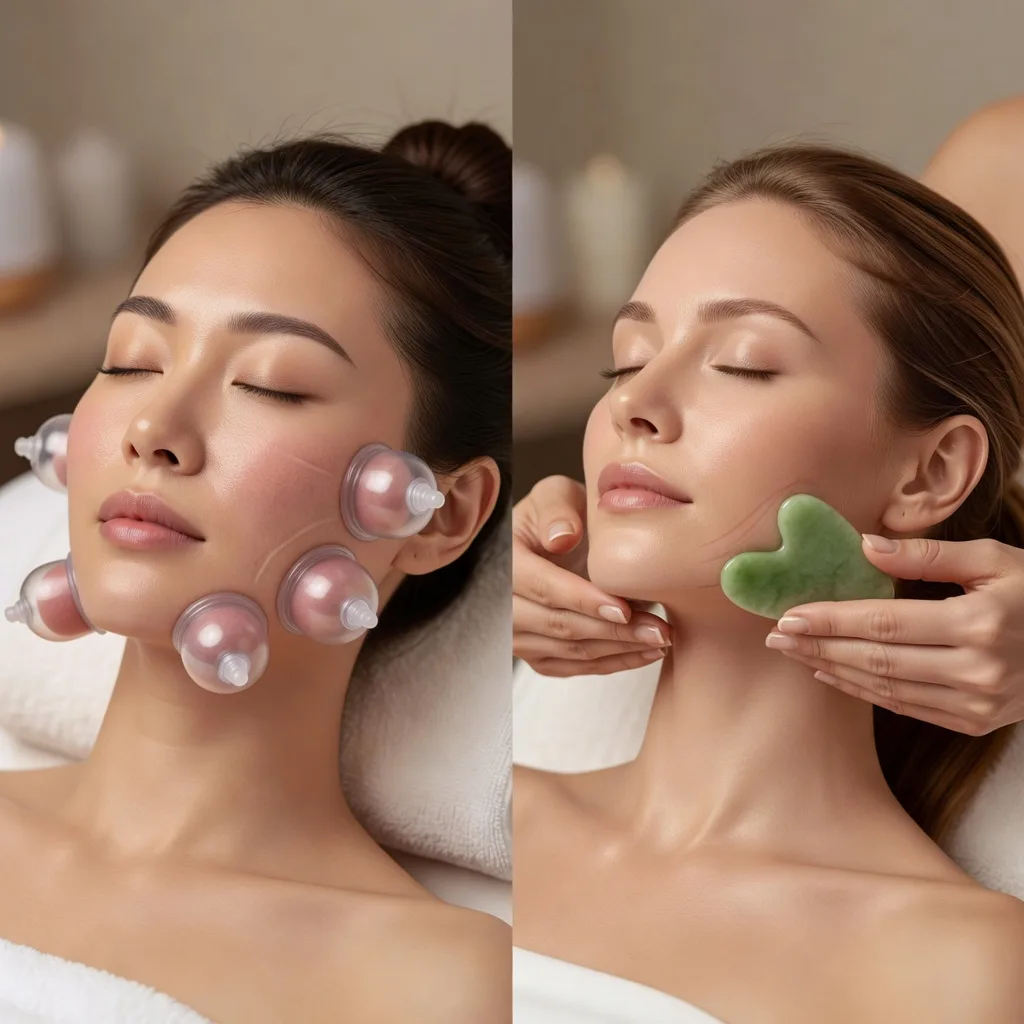
Pull or push? That is the simplest way to understand the difference between these two facial massage methods. Facial cupping uses small, soft cups to create suction that lifts the skin away from the tissue underneath. Gua sha uses a flat, smooth-edged tool pressed and glided along the skin.
Part of our guide to at-home facial devices. Start with: 10 Best Gua Sha Facial Tools (2026): Stone and Steel Picks Compared
Both can temporarily reduce puffiness and leave skin looking brighter, and neither has strong evidence for lasting anti-aging results. The difference is mostly in how they feel, how easy they are to do well at home, and how likely they are to leave marks.
Facial cupping comes from the same tradition as body cupping, but it uses much gentler suction and keeps the cups moving so they do not leave the round bruises seen on athletes’ backs. Gua sha comes from traditional East Asian medicine, where firm scraping on the body is used to raise redness. Facial gua sha is a far lighter version.
The research base is small for both. A 2025 randomized trial found modest changes in facial contour and elasticity with regular gua sha or roller use, while studies on facial cupping are mostly limited to small pilot work and research on body cupping. That does not mean they are useless, but it does mean realistic expectations matter.
Below, you will find a quick way to decide which method fits your skin and goals, a side-by-side comparison, step-by-step technique for both, and the situations where you should skip them entirely.
Shopping these picks?
Amazon Prime members get fast, free shipping on eligible items, plus Prime Video, Amazon Music and member deals. New members can start with a free trial.
Start a free Prime trialAged 18 to 24? Prime for Young Adults comes with a longer free trial and a lower price after it.
Affiliate link: we may earn a commission at no extra cost to you.
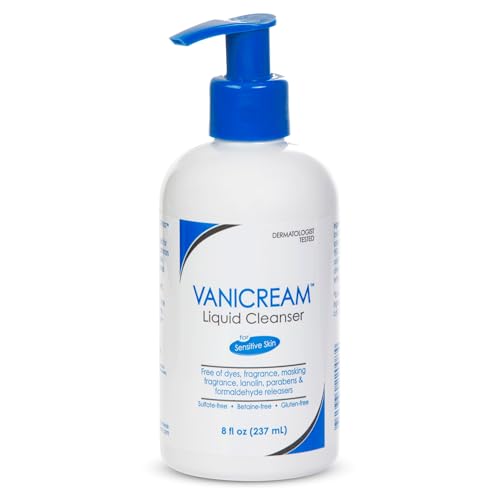
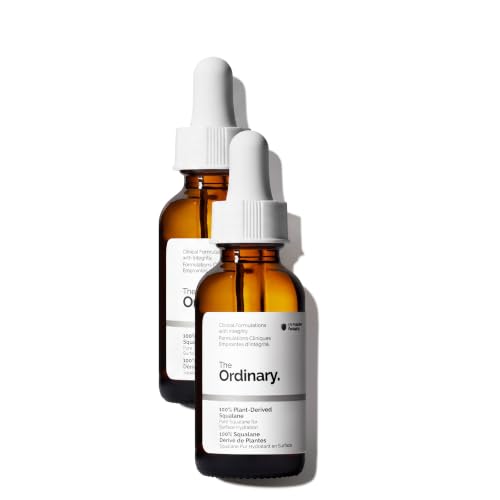
Recommended Facial Cupping and Gua Sha Tools


At a Glance
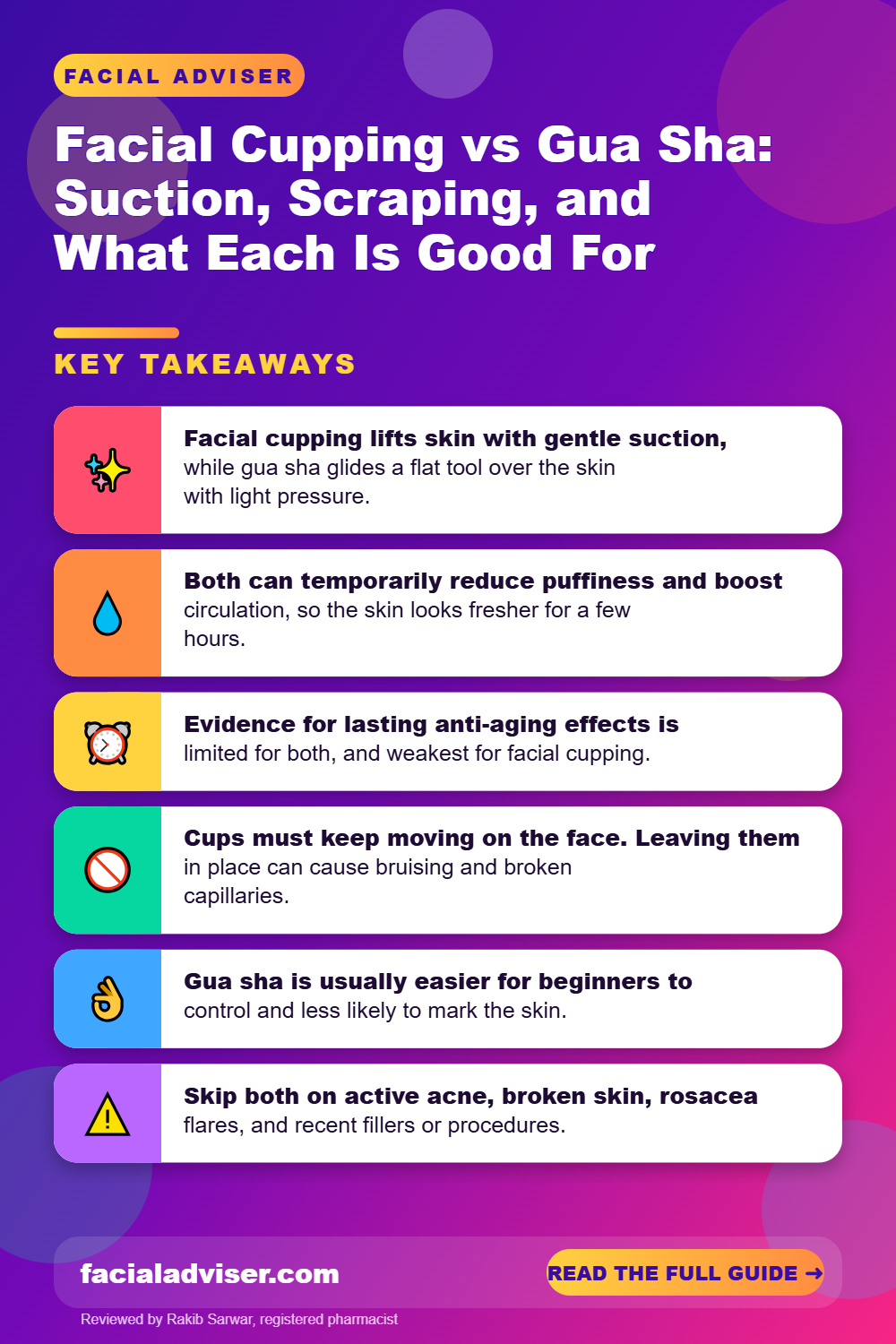
- Facial cupping lifts skin with gentle suction, while gua sha glides a flat tool over the skin with light pressure.
- Both can temporarily reduce puffiness and boost circulation, so the skin looks fresher for a few hours.
- Evidence for lasting anti-aging effects is limited for both, and weakest for facial cupping.
- Cups must keep moving on the face. Leaving them in place can cause bruising and broken capillaries.
- Gua sha is usually easier for beginners to control and less likely to mark the skin.
- Skip both on active acne, broken skin, rosacea flares, and recent fillers or procedures.
- Use a slippery oil and light pressure, and clean your tools after every use.
Jump to a Section
- Quick Answer: Which Should You Pick?
- A Two-Minute Test to Find Your Match
- How Facial Cupping Works
- How Gua Sha Works
- Facial Cupping vs Gua Sha at a Glance
- Technique for Both Methods
- Bruises and Red Marks: What Is Normal
- What These Tools Cannot Do
- When to Skip Both and See a Doctor
- Your Questions, Answered
- The Takeaway
Quick Answer: Which Should You Pick?
If you want a simple, low-risk daily ritual for puffiness, gua sha is usually the easier choice. It is intuitive to learn, one tool covers the whole face, and it rarely leaves marks when you use light pressure.
If you enjoy the sensation of suction and are willing to learn a careful technique, facial cupping is an option, particularly for the cheeks and forehead. It takes more practice, because the most common mistake, letting a cup sit still, can leave visible marks for days.
If your goal is to change the shape of your face, remove wrinkles, or tighten sagging skin, neither is likely to meet those expectations. They are best thought of as massage methods, not treatments.
A practical middle path is to learn gua sha first, since it teaches you how much pressure your skin tolerates, and add a small cup for the cheeks later if you want a change. Whichever you choose, consistency matters more than the tool. A few gentle minutes on most days will do more for morning puffiness than an occasional long, forceful session.
A Two-Minute Test to Find Your Match
Before buying tools, you can check how your skin responds to each type of pressure using just your fingers. Do this on clean skin with a little oil.
Do the pinch-and-release test
Gently pinch a small area of your cheek between thumb and finger for two seconds, then release. If the spot stays red for more than a few minutes, your skin is reactive and gua sha with very light pressure is the safer start.
Try a gentle press-and-glide
Slide two fingertips outward along your cheekbone with light pressure. If this feels good and leaves no lasting redness, gua sha should suit you.
Check for visible vessels
Look closely at your cheeks and nose. If you see many small red or purple vessels, avoid cupping, since suction can make them more noticeable.
Think about your main concern
Morning puffiness responds to either method. Tension in the jaw and forehead often feels better with gua sha. If you like a lifting, pulling sensation, cupping may feel more satisfying.
Start with one method for two weeks
Use it a few times a week and note how your skin looks the next morning. Only add the second method if the first is well tolerated.
How Facial Cupping Works
Facial cups are small, usually made of soft silicone or glass with a rubber bulb. You squeeze the cup, place it on oiled skin, and release so it draws the skin gently upward. Then you glide it along the face, lifting off every second or two.
The suction pulls skin and superficial tissue upward, which increases blood flow to the area. That is why the skin often looks pinker and plumper right afterward. A 2017 review of cupping research by Lowe in Complementary Therapies in Clinical Practice described how suction affects skin and blood flow, but most of that work involved body cupping rather than the face.
The effects on the face are mostly short-term. Brighter color and reduced puffiness tend to fade within hours. Claims that cupping builds collagen or lifts sagging skin have not been confirmed in good-quality facial studies.
Never leave a cup still on your face. Stationary suction can break small blood vessels and leave round bruises that take a week or more to fade. Keep cups moving and use the lightest suction that still grips.
How Gua Sha Works
A facial gua sha tool is a flat piece of stone, steel, or ceramic with curved and notched edges shaped to follow the jaw, cheekbones, and brows. You hold it almost flat against oiled skin and glide it outward and upward in slow strokes.
The best study so far is a 2025 randomized trial by Ahn and colleagues in the Journal of Cosmetic Dermatology, in which 34 women used gua sha or a facial roller for ten minutes, five times a week, for eight weeks. Both groups showed small reductions in facial contour measurements, and gua sha users showed some reduction in muscle tone. Our comparison of facial roller vs gua sha explains that trial in more depth.
An older 2007 study by Nielsen and colleagues found that gua sha increased local surface blood flow for a short period, though it was done on the back rather than the face. Taken together, the evidence suggests gua sha can offer mild, short-term benefits, with more research needed on long-term results.
Facial Cupping vs Gua Sha at a Glance
| Feature | Facial cupping | Gua sha |
|---|---|---|
| How it works | Suction lifts skin | Pressure glides over skin |
| Main short-term effect | Brighter, plumper look | Less puffiness, relaxed tension |
| Research on the face | Very limited | Small 2025 randomized trial |
| Learning curve | Moderate; cups must keep moving | Easy to learn |
| Risk of marks | Higher if cups stay still | Low with light pressure |
| Best areas | Cheeks, forehead | Jaw, cheekbones, brows, neck |
| Time per session | About 5 to 10 minutes | About 5 to 10 minutes |
Many people find that gua sha fits more easily into a daily routine, while cupping works better as an occasional treatment a couple of times a week.
Technique for Both Methods
Facial cupping
Start with clean skin and a generous layer of facial oil. Squeeze a small cup, place it near the center of your face, release, and glide outward toward the ear or hairline. Lift it off after one or two seconds by squeezing again. Use the smallest cups around the eyes and brow, and avoid the delicate skin directly under the eye unless you are very experienced.
Gua sha
Apply oil, then hold the tool at a low angle, almost flat to the skin. Stroke outward from the center of the face and upward along the jaw, cheeks, and forehead, three to five times per area. Finish with downward strokes on the sides of the neck toward the collarbone, which is where many lymphatic massage routines end.
Try This
- Use plenty of oil so the tool or cup glides.
- Keep pressure light, especially at first.
- Work outward from the center of the face.
- Clean tools with soap and water after each use.
- Stop if you feel pain or see lasting redness.
Avoid This
- Leave a cup still in one spot.
- Scrape hard enough to cause redness that lasts.
- Work over pimples, cold sores, or broken skin.
- Use tools on recent filler or Botox areas.
- Share tools without cleaning them.
For a gentler hands-only alternative, our guide to lymphatic facial massage covers a routine you can do with just your fingertips.
Bruises and Red Marks: What Is Normal
Light pinkness that fades within about 15 to 30 minutes is a normal response to both methods and simply reflects increased blood flow. Anything beyond that is a sign to reduce pressure or suction.
Round purple or brown marks after cupping are bruises from stationary or overly strong suction. Red streaks or pinpoint dots after gua sha, sometimes called petechiae, suggest you pressed too hard. These usually fade over several days, but repeated marks can make small vessels more visible over time.
On the face, marks mean something went wrong. Body gua sha and cupping are often meant to leave redness, but facial versions should leave skin looking fresh, not marked.
What These Tools Cannot Do
Neither cupping nor gua sha can remove fat, change bone structure, or tighten loose skin in any lasting way. The changes seen in studies are small, measured in millimeters, and mostly linked to fluid movement.
| Common claim | What the evidence supports |
|---|---|
| Lifts sagging skin | No good evidence of lasting lift |
| Removes wrinkles | No reliable evidence; sunscreen and retinoids do more |
| Detoxes the skin | Skin does not need tools to detox |
| Slims the face | Temporary depuffing only |
| Boosts collagen | Not shown in facial studies |
| Reduces puffiness | Short-term reduction is plausible |
If fine lines are your main concern, daily sunscreen and a well-tolerated retinoid will usually do far more than any massage tool. Our guide to starting retinol can help.
When to Skip Both and See a Doctor
Facial cupping and gua sha are not suitable for everyone. Avoid them and ask a doctor or dermatologist for advice if you:
- Have rosacea, many visible broken vessels, or very reactive skin.
- Have active acne, cold sores, eczema, or an infection on the face.
- Take blood thinners or bruise easily.
- Have had fillers, Botox, threads, or a facial procedure recently.
- Notice swelling on only one side of your face or a lump that does not go away.
- Have facial pain, numbness, or swelling with fever.
If you have recently had injectables, ask your provider how long to wait. Many suggest avoiding firm facial massage for at least two weeks after filler.
Medical disclaimer: This article is for general information and is not a substitute for professional medical advice. See a doctor about persistent swelling, unusual bruising, or skin changes.
Your Questions, Answered
Is facial cupping or gua sha better?
Neither is clearly better. Gua sha is easier to learn and less likely to leave marks, while cupping offers a different, suction-based sensation.
Can facial cupping cause bruising?
Yes, if a cup stays in one place or the suction is too strong. Keep cups moving and use light suction.
How often should I do facial cupping?
Two or three times a week is a common starting point. Stop if you notice marks or irritation.
How often should I use gua sha?
A few minutes most days is common. The 2025 trial used ten-minute sessions five times a week.
Can I do facial cupping and gua sha on the same day?
You can, but start with one method so you know how your skin reacts before combining them.
Does facial cupping reduce wrinkles?
There is no good evidence that it reduces wrinkles. Any smoothing effect is usually temporary.
What oil should I use?
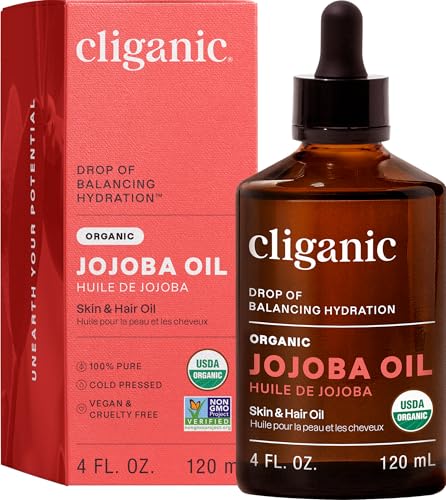
A light, non-fragranced oil such as squalane or jojoba helps tools glide without tugging.
Can I use these with acne?
Avoid active breakouts. Pressure and suction can spread bacteria and worsen inflammation.
Is facial cupping safe after Botox or filler?
Wait until your provider says it is safe, often at least two weeks, and avoid treated areas.
Why is my skin red after gua sha?
Mild pinkness is normal and fades quickly. Lasting redness or dots mean you used too much pressure.
The Takeaway
Facial cupping lifts the skin with suction, while gua sha glides over it with pressure. Both can make skin look fresher and less puffy for a while, but neither has strong evidence for lasting changes to wrinkles, firmness, or face shape.
If you are new to facial tools, gua sha is usually the easier and lower-risk place to start. If you try cupping, keep the cups moving and the suction light, stop at the first sign of marks, and skip both methods when your skin is broken, inflamed, or recently treated.

Written by
Registered pharmacist and founder of Facial Adviser. Rakib's pharmacy training covers how skincare actives work and interact; a later course in cosmetology turned that into a focus on facial treatments and skincare products. He plans, researches and edits every guide on the site and checks health claims against sources such as the American Academy of Dermatology, the FDA and the NIH. He is not a dermatologist; see the Editorial Policy and Medical Disclaimer.
About · Editorial policy · How we choose products · Medical disclaimer · Contact
Keep reading: Facial rollers, gua sha and massagers
- 10 Best Gua Sha Facial Tools (2026): Stone and Steel Picks Compared
- Jade vs Rose Quartz Facial Roller: Does the Stone Actually Matter?
- Do Anti-Aging Face Massages Work? Evidence, Technique and Best Tools
- How to Use Anti-Wrinkle Patches: Silicone vs Hydrogel, Overnight Use and Results
- 10 Best Gua Sha Stones (2026): Shape, Material and How to Use
- 10 Best Jade Rollers for Reducing Puffiness (2026): Honest Picks
- How to Incorporate Microcurrent Into Your Routine: Gel, Timing and Safety
- 10 Best Products for Women's Facial Hair Removal (2026): Gentle Picks