How to Use Anti-Wrinkle Patches: Silicone vs Hydrogel, Overnight Use and Results
Anti-wrinkle patches promise smoother skin while you sleep, with no needles and very little effort. They can make a visible difference by morning, but only if you choose the right type for the area, apply them to clean, dry skin and understand that the smoothing is temporary.
Part of our guide to at-home facial devices. Start with: 10 Best Gua Sha Facial Tools (2026): Stone and Steel Picks Compared
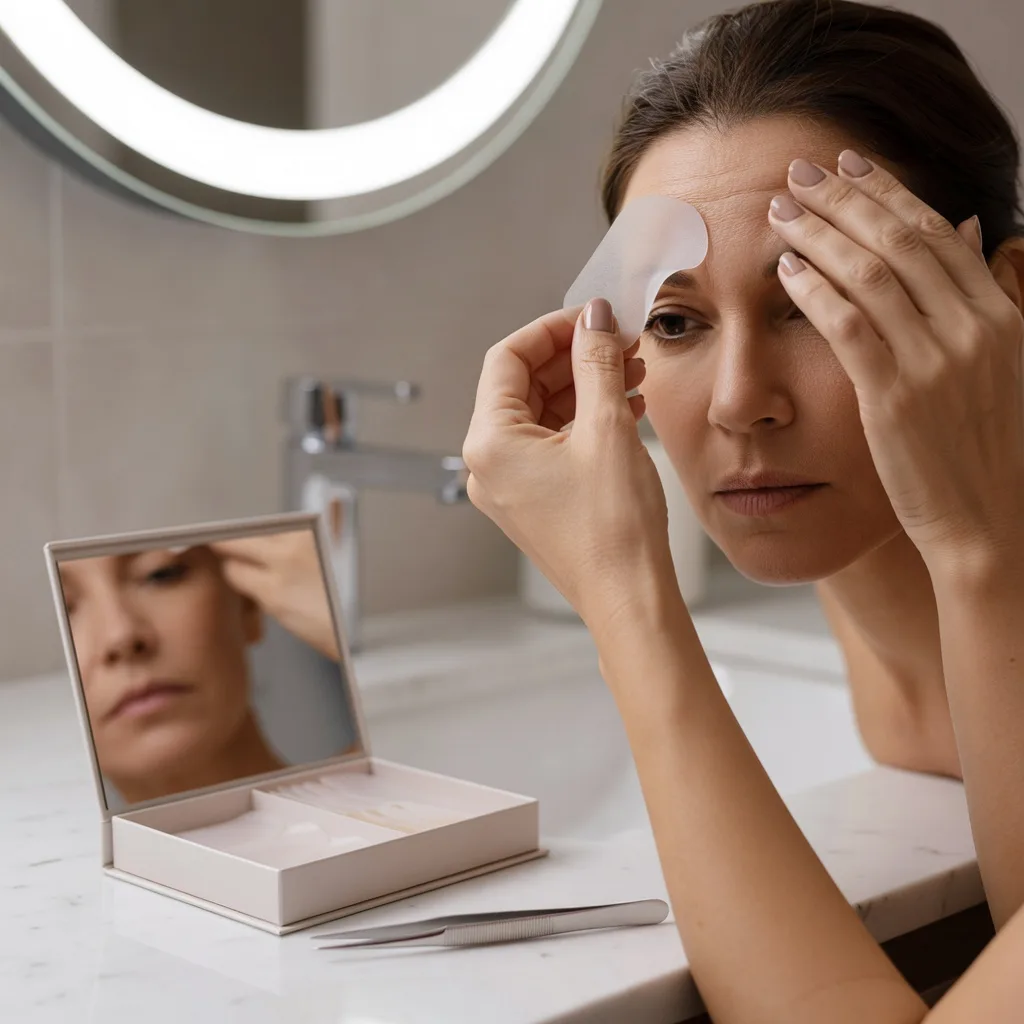
To use anti-wrinkle patches, cleanse and fully dry the area, gently smooth the skin flat with your fingers, then press the patch on so it holds the skin still without pulling it tight. Leave it on for at least a few hours or overnight, then peel it off slowly and follow with moisturiser. Silicone patches hold moisture in and keep skin flat, and most can be washed and reused. Hydrogel patches deliver water and ingredients such as hyaluronic acid or peptides for a short plumping boost and are usually single use. Patches can soften expression lines for hours, but they do not permanently remove wrinkles.
In short: clean dry skin, smooth it flat, patch it, sleep, then moisturise in the morning.
The American Academy of Dermatology notes that daily broad-spectrum sunscreen is one of the most effective ways to prevent new wrinkles, so patches work best as an extra rather than a substitute for sun protection.
This guide explains the patch types, how to apply them to the forehead, eyes, smile lines and chest, how long to wear them and what they can and cannot do.
Shopping these picks?
Amazon Prime members get fast, free shipping on eligible items, plus Prime Video, Amazon Music and member deals. New members can start with a free trial.
Start a free Prime trialAged 18 to 24? Prime for Young Adults comes with a longer free trial and a lower price after it.
Affiliate link: we may earn a commission at no extra cost to you.
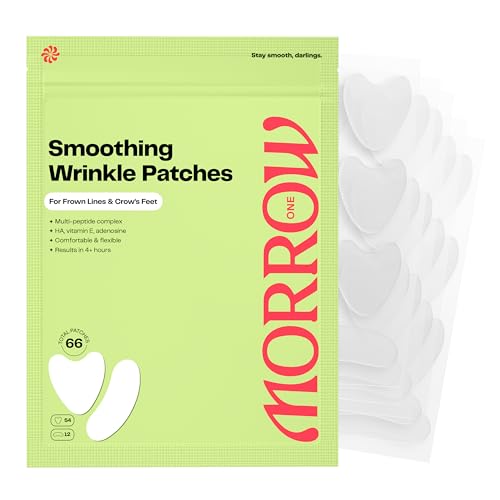
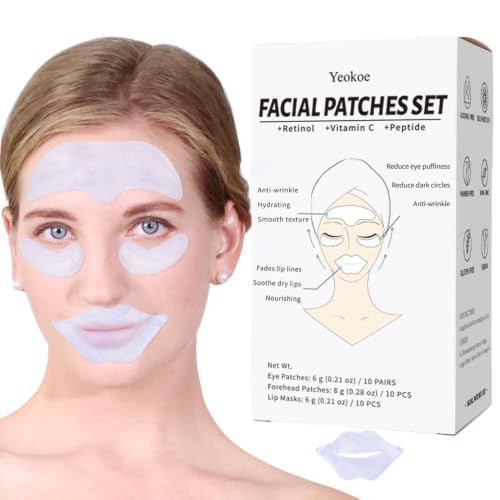
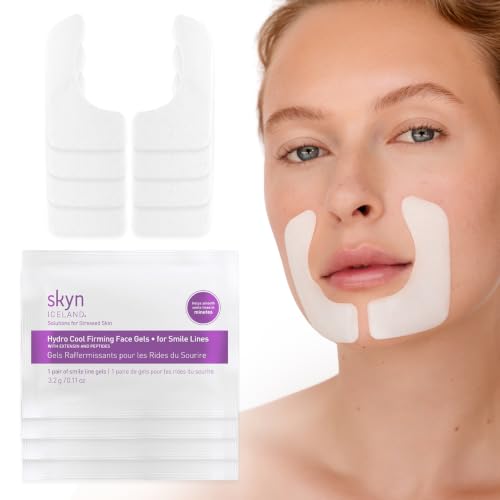
Recommended Anti-Wrinkle Patches



What to Know First
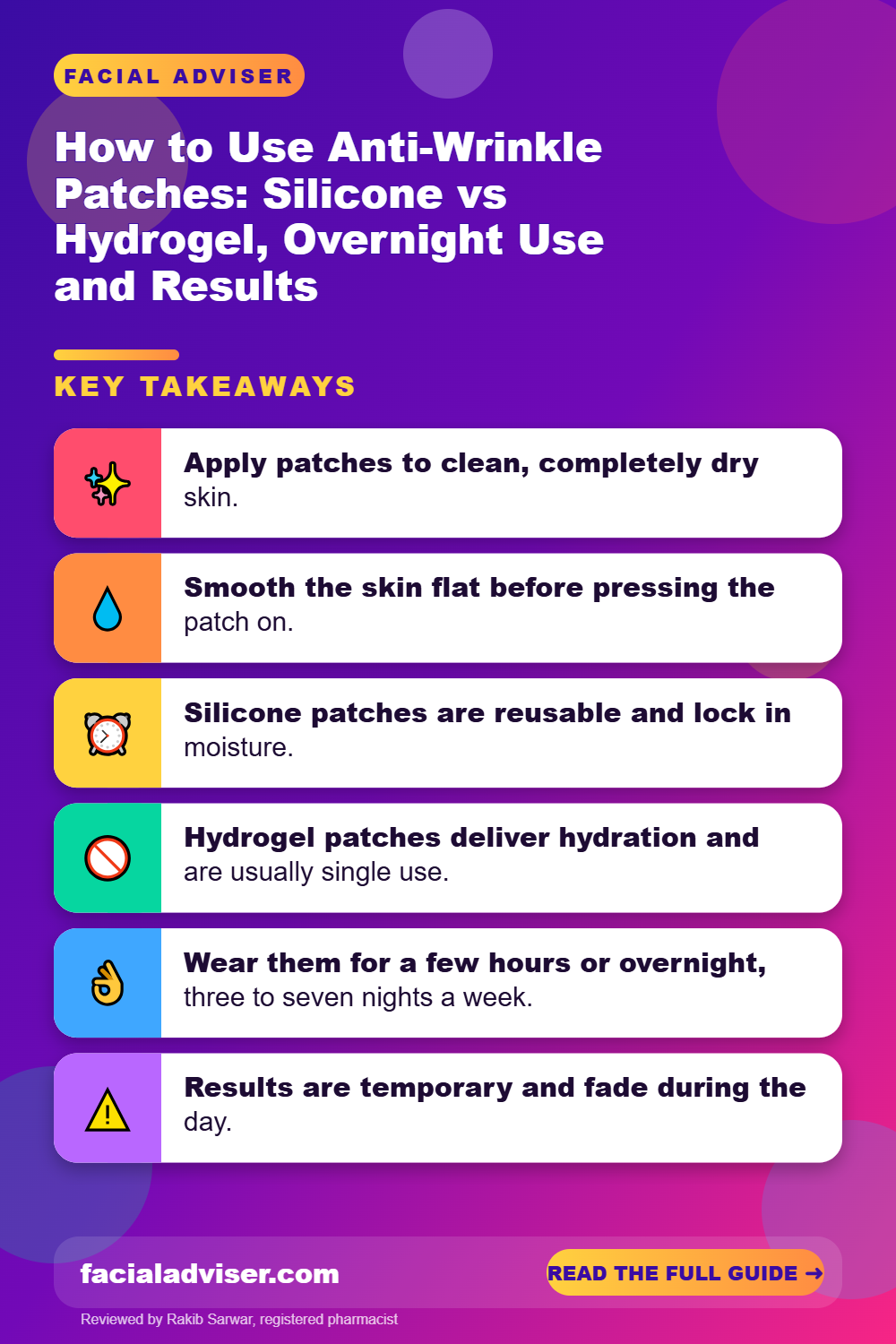
- Apply patches to clean, completely dry skin.
- Smooth the skin flat before pressing the patch on.
- Silicone patches are reusable and lock in moisture.
- Hydrogel patches deliver hydration and are usually single use.
- Wear them for a few hours or overnight, three to seven nights a week.
- Results are temporary and fade during the day.
- Stop if you notice redness, itching or breakouts.
On This Page
- Silicone vs Hydrogel vs Adhesive Patches
- How Anti-Wrinkle Patches Work
- How to Apply Anti-Wrinkle Patches Step by Step
- How to Use Patches on Each Area
- Wearing Patches Overnight: How Long and How Often
- Do Anti-Wrinkle Patches Work?
- How to Choose the Right Anti-Wrinkle Patch
- Common Mistakes to Avoid
- Fitting Patches Into Your Routine
- Dos and Don’ts
- Honest Limits
- When to See a Dermatologist
- Questions People Ask
- Final Word
Silicone vs Hydrogel vs Adhesive Patches
Most anti-wrinkle patches fall into three groups. They look similar in the packet, but they work in different ways and suit different people.
| Type | How it works | Reusable? | Best for |
|---|---|---|---|
| Medical-grade silicone | Seals in moisture and holds skin flat | Yes, often for weeks | Forehead, chest, smile lines |
| Hydrogel | Water-rich gel releases hydration and ingredients | Usually single use | Under-eye area and quick plumping |
| Adhesive paper or tape | Stops the skin folding while you sleep | No | Frown lines and forehead |
| Microneedle patches | Tiny dissolving points carry ingredients into the upper skin | No | Targeted fine lines |
Silicone patches are the most popular choice for regular use because they are gentle, washable and create a moist, occlusive seal, the same principle used in silicone scar sheets. Hydrogel patches feel cool and soothing and give a noticeable plump look, which fades within hours. Tape-style patches are the oldest approach and mainly work by stopping you from frowning or squinting in your sleep. Our comparison of tape and silicone patch styles covers how the two classic options differ.
How Anti-Wrinkle Patches Work
Patches do not reach the muscles or rebuild collagen. Instead, they change the surface of the skin for a few hours using three simple effects.
- Occlusion: the patch traps moisture, so the outer skin swells slightly and fine lines look softer.
- Immobilisation: the patch holds skin flat and stops it creasing while you sleep or rest.
- Ingredient delivery: hydrogel and microneedle patches release hyaluronic acid, peptides or other ingredients onto the treated area.
The first two effects explain most of the visible result. That is why patches often look impressive on waking but lines return as you start moving your face again during the day.
How to Apply Anti-Wrinkle Patches Step by Step
Good application decides whether a patch works or peels off in the night. These steps suit most silicone and hydrogel patches; always check the instructions on your pack too.
Cleanse the area
Wash with a gentle cleanser to remove oil, makeup and sunscreen.
Dry completely
Pat dry and wait a minute; any water or oil stops the patch sticking.
Skip serums under silicone
Most silicone patches need bare skin, so apply serums elsewhere or after removal unless the brand says otherwise.
Smooth the skin flat
Use two fingers to gently spread the line without stretching it hard.
Press the patch on
Lay it over the line and press from the centre outwards for a few seconds.
Leave it on
Wear for at least two to three hours, or overnight for the best effect.
Peel off slowly
Lift from one edge while supporting the skin with your other hand.
Moisturise and clean
Apply moisturiser, then wash reusable silicone patches in lukewarm water and let them air dry, sticky side up.
If a silicone patch stops sticking, wash it with mild soap and water and let it dry fully. Lost stickiness is usually caused by skin oils, not wear, and a quick wash often restores it.
How to Use Patches on Each Area
Each part of the face and chest needs a slightly different approach. This table summarises what to do and what to avoid for each area.
| Area | Patch shape | How to apply | Watch out for |
|---|---|---|---|
| Forehead | Large strip or oval | Raise brows slightly, smooth skin, then relax and press on | Hairline adhesion |
| Between the brows | Small triangle or square | Relax the frown, smooth outward and apply | Pulling brows together |
| Under the eyes | Crescent | Place below the lower lash line, not on the lid | Eyes watering or stinging |
| Crow’s feet | Small curve or strip | Smile lightly, smooth the lines, then relax and apply | Drying out the thin skin |
| Smile lines | Long narrow strip | Stretch the mouth slightly, smooth the fold and apply | Movement lifting edges |
| Chest | Large silicone pad | Apply lying on your back or side before sleep | Heat and sweat |
Keep hydrogel and silicone patches off broken skin, active acne, cold sores and the eyelids themselves. Under-eye patches should sit on the bony area below the eye, not on the moving lid or the lash line.
Chest pads are designed for the vertical creases that form between the breasts from side sleeping. They pair well with a change of sleep position, which our guide on sleep position and wrinkle formation explains in more detail.
Wearing Patches Overnight: How Long and How Often
Overnight use is the most common approach because you are not moving much, you are not wearing makeup and the patch has the longest time to work.
- Silicone patches: most brands suggest overnight, around six to eight hours, and many allow daily use.
- Hydrogel patches: often 20 minutes to a few hours; some are designed for overnight, so check the pack.
- Adhesive tape patches: overnight, several nights a week.
- Microneedle patches: follow the pack exactly, often two to three nights a week.
- Start with shorter wear on sensitive skin and build up if there is no redness.
Consistency matters more than any single night. Many people use silicone patches most nights for several weeks and then switch to a few nights a week to keep up the smoothing effect before events. If your skin feels damp, itchy or congested after removal, reduce the time and give it a night off between uses.
Do Anti-Wrinkle Patches Work?
Anti-wrinkle patches do work, but only in a limited, temporary way. On waking, fine lines on the forehead, around the eyes or on the chest often look softer and the skin looks plumper. That effect usually fades within hours as hydration evens out and your face moves normally.
Patches are most effective on fine, dynamic lines that are still forming and on dehydrated skin. They do far less for deep, static folds, sagging or sun damage. There is limited independent research on cosmetic wrinkle patches, and most claims come from brand studies, so treat dramatic before-and-after photos with caution. Honest expectations are the key to being happy with them. Used regularly, they may also help by stopping you from frowning or squinting into the pillow night after night, which is one reason many people like them as a gentle, low-risk habit alongside sunscreen and a good moisturiser.
How to Choose the Right Anti-Wrinkle Patch
With so many shapes and materials available, it helps to match the patch to the line you want to soften and to your skin type before you buy.
- Pick the shape for the area: large strips for the forehead, crescents for under the eyes, long strips for smile lines and wide pads for the chest.
- Choose medical-grade silicone if you want something reusable for nightly wear.
- Choose hydrogel if you want a short, cooling, hydrating boost before an event.
- Look for fragrance-free patches if you have sensitive skin.
- Check that the adhesive is described as gentle or skin safe, especially for the thin skin around the eyes.
- Avoid patches that promise permanent results or claim to replace injections.
A mixed pack with several shapes is a sensible way to start, because it lets you find out which areas respond best before buying larger sets. Replace reusable patches once they stop sticking even after washing, or if the edges start to tear.
Common Mistakes to Avoid
Most disappointing results come from a few simple mistakes that are easy to fix.
- Applying patches over moisturiser, oil or damp skin so they slide off.
- Stretching the skin too hard before applying, which can cause irritation.
- Wearing the same single-use hydrogel patch more than once.
- Storing silicone patches without their backing so they collect dust and lose grip.
- Using patches on irritated, sunburnt or broken skin.
- Expecting permanent results from temporary smoothing.
Remove the patch and stop using it if you notice burning, itching, a rash, swelling or tiny bumps. Patch test a small area first if you have sensitive skin, eczema or a history of reactions to adhesives or plasters.
Fitting Patches Into Your Routine
Patches work best as one step in a routine that protects and supports your skin over the long term. Use them at night after cleansing, and keep your active ingredients and moisturiser on the areas the patch does not cover, or apply them after removal in the morning.
In the morning, finish with a broad-spectrum sunscreen of SPF 30 or higher. The AAD guide on how to apply sunscreen explains how much to use. If your lines are mostly caused by dehydration, a hydrating serum helps too; our guide on collagen vs hyaluronic acid explains which ingredient does what.
Dos and Don’ts
Do
- Apply to clean, fully dry skin
- Smooth the line gently before applying
- Wash and air dry reusable silicone patches
- Moisturise after removal
- Wear sunscreen every morning
Don’t
- Apply over oils or thick creams
- Use patches on eyelids or broken skin
- Reuse single-use hydrogel patches
- Pull the patch off quickly
- Rely on patches instead of sun protection
Honest Limits
Anti-wrinkle patches are a temporary cosmetic tool, not a treatment. They cannot relax muscles like injections, build collagen like retinoids or undo sun damage. The smoothing you see in the morning is mostly surface hydration and skin that has been held still, and it fades as the day goes on.
They also carry a small risk of irritation and clogged pores, especially on oily or acne-prone skin, because they trap heat and moisture. If you break out easily, use them less often and follow the AAD’s acne skin care tips. For lasting change, daily sunscreen and a retinoid will do more than any patch.
When to See a Dermatologist
- You get a rash, blisters or ongoing redness after using patches.
- You have deep lines or sagging and want to discuss effective treatments.
- Patches trigger breakouts that do not clear when you stop.
- You have eczema, rosacea or very sensitive skin and want safe options.
This article is for general information and does not replace professional medical advice. See a board-certified dermatologist for skin conditions or if you react to cosmetic products.
Questions People Ask
How do you use anti-wrinkle patches?
Apply to clean, dry, smoothed skin and leave on for hours or overnight.
Do anti-wrinkle patches work?
Yes, temporarily; lines look softer for a few hours after removal.
Are silicone or hydrogel patches better?
Silicone suits regular reusable use; hydrogel gives a quick hydrating boost.
Can I wear anti-wrinkle patches overnight?
Yes, most silicone patches are designed for overnight wear.
How often should I use wrinkle patches?
Three to seven nights a week, depending on your skin.
Can I put serum under a silicone patch?
Usually not, unless the brand says so, because it stops sticking.
How many times can you reuse silicone patches?
Many can be reused for weeks if washed and stored properly.
Can patches cause breakouts?
They can on oily or acne-prone skin.
Can I use patches under my eyes?
Yes, below the lash line, not on the eyelid.
Do wrinkle patches remove wrinkles permanently?
No, the effect is temporary.
Final Word
To use anti-wrinkle patches, apply them to clean, dry, gently smoothed skin, wear them for a few hours or overnight and moisturise after removal.
Choose silicone for regular reusable use and hydrogel for a quick boost, keep expectations realistic, and pair patches with daily sunscreen for lasting protection.

Written by
Registered pharmacist and founder of Facial Adviser. Rakib's pharmacy training covers how skincare actives work and interact; a later course in cosmetology turned that into a focus on facial treatments and skincare products. He plans, researches and edits every guide on the site and checks health claims against sources such as the American Academy of Dermatology, the FDA and the NIH. He is not a dermatologist; see the Editorial Policy and Medical Disclaimer.
About · Editorial policy · How we choose products · Medical disclaimer · Contact
Keep reading: Facial rollers, gua sha and massagers
- 10 Best Gua Sha Facial Tools (2026): Stone and Steel Picks Compared
- 10 Best Gua Sha Stones (2026): Shape, Material and How to Use
- 10 Best Jade Rollers for Reducing Puffiness (2026): Honest Picks
- Best Tea Tree Oil Facial Roller for Acne-Prone Skin: A Careful Guide
- 10 Best Face Reflexology Tools for Stress Relief (2026): Calm Picks
- 10 Best Facial Ice Globes for Puffy Eyes (2026): Cool, Quick Depuffing
- How to Incorporate Microcurrent Into Your Routine: Gel, Timing and Safety
- 10 Best Products for Women's Facial Hair Removal (2026): Gentle Picks