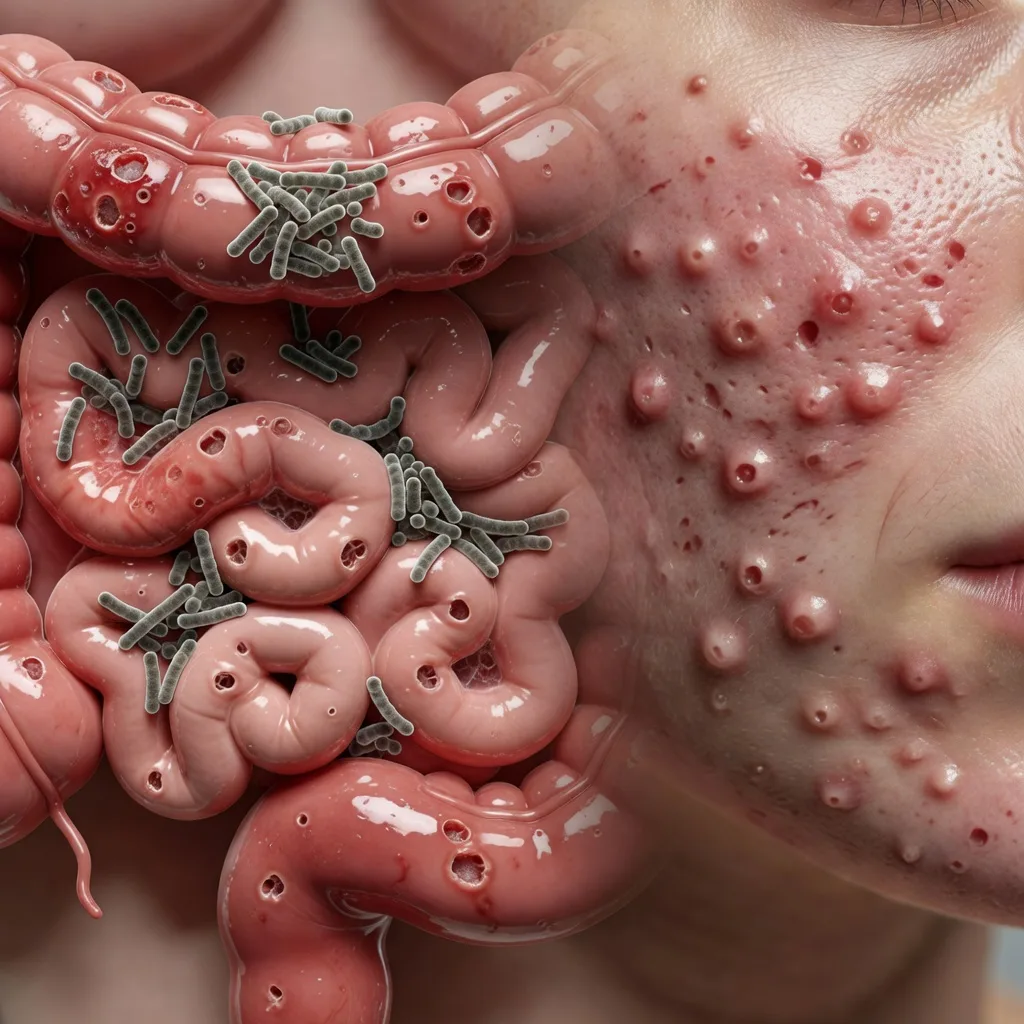
The Connection Between Gut Health and Acne: What Research Shows
Acne is usually explained by oil, clogged pores, bacteria, and hormones. More recently, attention has turned to the gut, with claims that clearing your digestion will clear your skin. Social media is full of gut cleanses and supplements promising acne-free skin. Separating real science from marketing can be tricky.
Part of our guide to lifestyle and skin. Start with: How Diet Impacts the Skin Microbiome: What the Science Actually Shows
There does appear to be a connection between gut health and acne, but it is indirect and still being studied. Diet, inflammation, and the balance of gut bacteria may influence acne, but they are rarely the only cause, and gut-focused changes work best alongside proven acne treatments. Understanding the link helps you focus on changes that are most likely to help.
Research supports the link. A 2018 study by Deng and colleagues in Acta Dermato-Venereologica compared 43 people with acne to 43 healthy controls and found that those with acne had less diverse gut bacteria, with fewer bacteria generally considered beneficial. The pattern resembled one associated with a Western-style diet.
Diet has the strongest evidence. A 2007 randomized trial in the American Journal of Clinical Nutrition found that a low-glycemic-load diet improved acne compared with a standard diet over 12 weeks.
This guide explains how the gut and skin may be linked, what research shows about diet, probiotics, and antibiotics, a practical way to test whether food affects your skin, and why proven acne treatments still matter most. It also covers stress, sleep, and other lifestyle links.
Shopping these picks?
Amazon Prime members get fast, free shipping on eligible items, plus Prime Video, Amazon Music and member deals. New members can start with a free trial.
Start a free Prime trialAged 18 to 24? Prime for Young Adults comes with a longer free trial and a lower price after it.
Affiliate link: we may earn a commission at no extra cost to you.
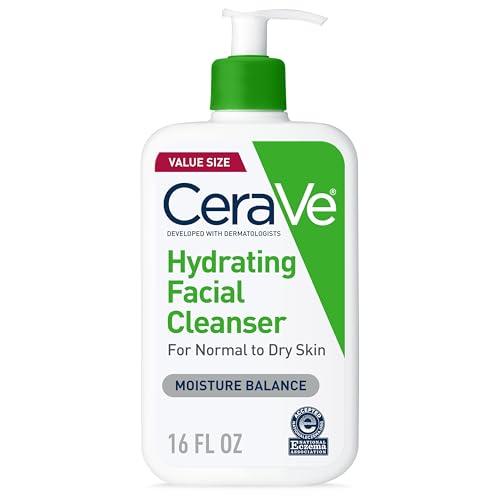
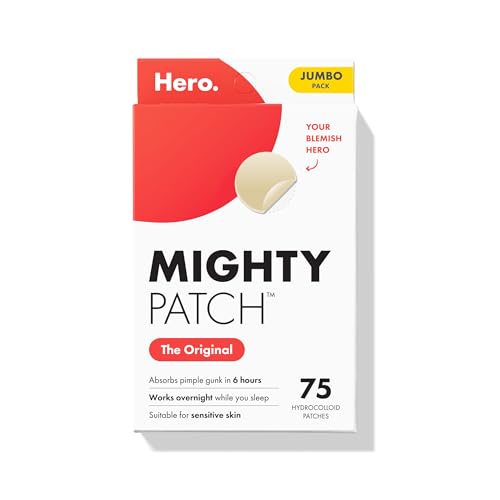
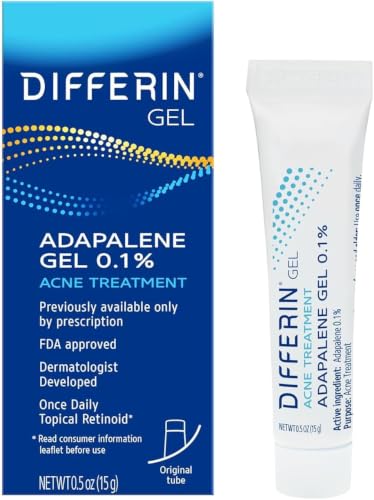
Recommended Evidence-Based Acne Treatments



Quick Answer
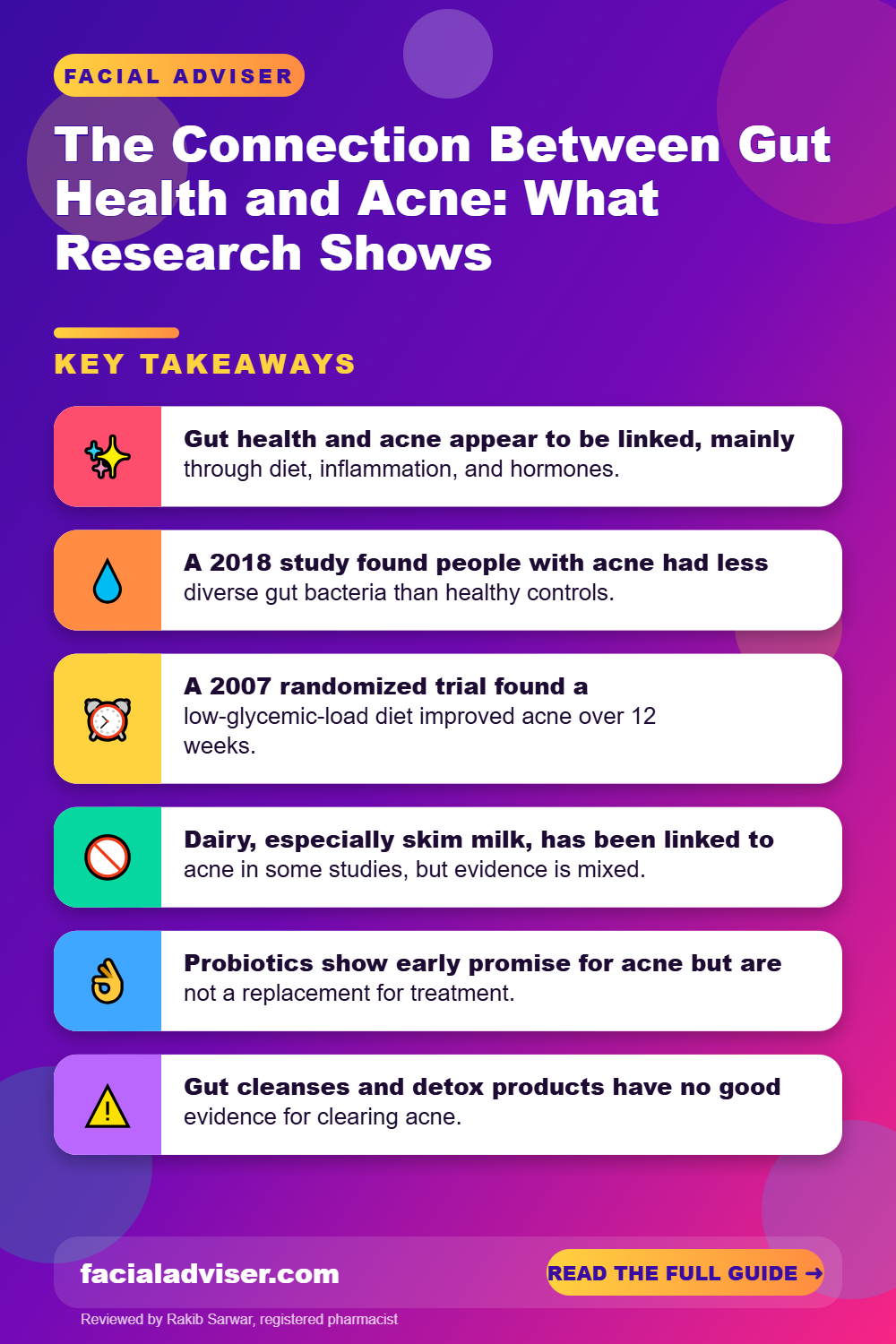
- Gut health and acne appear to be linked, mainly through diet, inflammation, and hormones.
- A 2018 study found people with acne had less diverse gut bacteria than healthy controls.
- A 2007 randomized trial found a low-glycemic-load diet improved acne over 12 weeks.
- Dairy, especially skim milk, has been linked to acne in some studies, but evidence is mixed.
- Probiotics show early promise for acne but are not a replacement for treatment.
- Gut cleanses and detox products have no good evidence for clearing acne.
- Proven treatments such as retinoids and benzoyl peroxide remain the foundation of acne care.
Contents
- How the Gut Might Affect Acne
- What the Research Shows
- A Six-Week Test to See If Food Affects Your Acne
- Diet Changes With the Best Evidence
- Probiotics and Acne
- Antibiotics, Acne, and the Gut
- Proven Acne Treatments Still Come First
- Stress, Sleep, and the Gut-Skin Link
- Realistic Expectations
- What Gut-Focused Approaches Cannot Do
- When to See a Doctor or Dermatologist
- Questions People Ask
- The Bottom Line
How the Gut Might Affect Acne
Acne develops when oil glands produce excess sebum, pores become clogged with oil and dead skin cells, Cutibacterium acnes bacteria multiply, and inflammation follows. The gut may influence several of these steps.
- Blood sugar and insulin: high-glycemic foods raise insulin and a hormone called IGF-1, which can increase oil production and skin cell turnover in pores.
- Inflammation: an imbalanced gut microbiome may contribute to low-grade inflammation throughout the body.
- Immune signaling: gut bacteria help regulate immune responses that also affect the skin.
- Hormones: gut bacteria are involved in processing some hormones, which may influence oil glands.
These pathways are plausible and supported by some studies, but they do not act the same way in everyone. Genetics and hormones remain major drivers of acne.
This is why two people eating the same diet can have very different skin.
Researchers are also exploring whether some people have increased gut permeability, sometimes called leaky gut, that allows more inflammatory signals into the bloodstream. This idea is still being studied and is not a recognized diagnosis for acne.
What the Research Shows
| Study or area | Finding | What it means |
|---|---|---|
| Deng et al., 2018, Acta Dermato-Venereologica | People with acne had less diverse gut bacteria than controls | A link exists, but cause and effect are unclear |
| Smith et al., 2007, AJCN | Low-glycemic-load diet improved acne over 12 weeks | Diet can influence acne |
| Dairy studies | Skim milk linked to acne in some observational research | Possible trigger for some people |
| Probiotic trials | Some show modest improvement, often alongside treatment | Early, promising, not definitive |
| Antibiotic research | Long courses alter gut microbes | A reason to limit antibiotic use |
Overall, the evidence supports a relationship between gut health, diet, and acne, but most studies are small, and many are observational. It is an active area of research rather than a settled explanation.
Observational studies show links, not causes. People with acne may eat differently or take antibiotics, both of which can change gut bacteria.
A Six-Week Test to See If Food Affects Your Acne
If you want to explore whether diet affects your skin, a structured test is more useful than random changes.
Start with photos and notes
Photograph your skin in the same light and count your spots. Note your current diet and treatments.
Keep treatments steady
Continue your acne treatment unchanged, so any improvement can be linked to diet.
Lower glycemic load
For six weeks, reduce sugary drinks, sweets, white bread, and refined snacks. Choose whole grains, legumes, vegetables, and protein.
Optionally test dairy separately
If you suspect dairy, reduce it after the first few weeks rather than at the same time, so you can see which change matters.
Review results
Compare photos and counts. Keep changes that seem to help, and reintroduce foods one at a time if you want to confirm.
Acne naturally fluctuates with hormones and stress, so give any diet change at least six weeks before judging it.
Diet Changes With the Best Evidence
Try This
- Choose whole grains, legumes, and vegetables.
- Limit sugary drinks and sweets.
- Include protein and healthy fats at meals.
- Eat plenty of fiber to support gut bacteria.
- Stay consistent for at least six weeks.
Avoid This
- Cut out entire food groups without advice.
- Rely on juice cleanses or detox teas.
- Expect overnight results.
- Replace medical treatment with diet alone.
- Follow extreme diets that affect overall health.
If you want to understand how diet affects skin microbes more broadly, our guide on how diet impacts the skin microbiome explains the gut-skin axis.
Staying hydrated and eating regular meals also helps keep blood sugar steadier through the day, which may be helpful if high-glycemic foods seem to trigger your breakouts.
Probiotics and Acne
Probiotics are live microbes that may benefit health when taken in adequate amounts. Some small trials have found that certain probiotic strains, often combined with standard acne treatment, led to modest improvements in acne.
The problem is that studies use different strains, doses, and durations, so it is hard to know which product, if any, will help a particular person. Probiotic supplements are also not regulated as strictly as medicines.
Fermented foods such as yogurt, kefir, and kimchi are a food-based way to include beneficial microbes, though their effect on acne specifically is not well studied. If you want to try a probiotic supplement, talk to your doctor or pharmacist first.
If you try a probiotic, choose one product and use it consistently for at least eight weeks, keeping your other routines steady, so you can judge whether it makes a difference.
Antibiotics, Acne, and the Gut
Oral antibiotics such as doxycycline are commonly prescribed for moderate to severe acne. They reduce bacteria and inflammation but also affect gut bacteria, and long courses may contribute to antibiotic resistance.
Current dermatology guidance generally recommends limiting oral antibiotic courses to the shortest effective duration and combining them with topical treatments such as benzoyl peroxide and retinoids.
Do not stop a prescribed antibiotic abruptly without talking to your doctor, and never use leftover antibiotics for acne.
Some dermatologists recommend taking antibiotics with food and staying well hydrated to reduce stomach upset, and discussing any persistent digestive symptoms during treatment.
Proven Acne Treatments Still Come First
Whatever role the gut plays, the most reliable acne treatments act directly on the skin. These include topical retinoids such as adapalene, benzoyl peroxide, salicylic acid, azelaic acid, and, for more severe acne, prescription treatments from a dermatologist.
Gentle skincare supports these treatments. Use a mild cleanser, a non-comedogenic moisturizer, and daily sunscreen. Our guide on non-comedogenic makeup helps you avoid products that clog pores.
Diet and gut health changes can complement treatment, but they rarely replace it for moderate or severe acne.
Adapalene gel is available over the counter in many countries and is a good first step for many people with mild to moderate acne. Start every other night to reduce irritation.
Stress, Sleep, and the Gut-Skin Link
Stress affects both digestion and skin. Many people notice breakouts during exams, work deadlines, or difficult life events, and stress can also cause digestive symptoms such as bloating or changes in bowel habits.
Stress hormones such as cortisol can increase oil production and inflammation, and stress may shift gut bacteria. Poor sleep has similar effects, so the gut, stress, sleep, and skin are all connected.
Regular sleep, physical activity, and stress management techniques such as walking, breathing exercises, or talking to someone you trust can support both gut and skin health. They are not a cure for acne, but they can make treatment more effective.
If stress is severe or ongoing, speaking to a healthcare professional can help, since mental health and skin health often affect each other.
Realistic Expectations
For many people, the best results come from combining a sensible diet with a consistent skincare routine and, when needed, medical treatment. Diet changes might reduce breakouts modestly, while a retinoid or benzoyl peroxide targets the skin directly.
Acne treatments usually take 8 to 12 weeks to show clear results, and diet changes follow a similar timeline. Keeping notes and photos helps you see gradual progress that is easy to miss in the mirror.
If you have tried diet changes and over-the-counter treatments for several months without improvement, a dermatologist can offer prescription options that are much more effective for persistent acne.
Progress is rarely a straight line, so look at trends over weeks rather than day to day.
What Gut-Focused Approaches Cannot Do
| Belief | Reality |
|---|---|
| Acne is always caused by the gut | Hormones, genetics, and skin factors are major drivers |
| A gut cleanse will clear acne | There is no good evidence for cleanses or detoxes |
| Probiotics replace acne medication | Evidence is early; they may help alongside treatment |
| Cutting dairy works for everyone | Some people notice a difference, many do not |
| Diet changes work within days | Skin changes usually take weeks |
Acne in specific areas may also have other causes. Our guide on acne on the temples covers hair products and friction.
Balanced, sustainable changes tend to help more than strict rules.
When to See a Doctor or Dermatologist
See a healthcare professional if you have:
- Painful, deep, or cystic acne.
- Acne that leaves scars or dark marks.
- Acne not improving after two to three months of over-the-counter care.
- Sudden adult acne with irregular periods or excess hair growth.
- Digestive symptoms such as ongoing pain, bloating, or diarrhea.
- Plans to follow a restrictive diet or take supplements.
Medical disclaimer: This article is for general information and is not a substitute for professional medical advice. Talk to a healthcare provider before changing treatments or diet.
Questions People Ask
Is there a connection between gut health and acne?
Research suggests a link through diet, inflammation, and gut bacteria, but it is indirect and still being studied.
Can bad gut health cause acne?
It may contribute for some people, but acne usually has several causes, including hormones and genetics.
What foods trigger acne?
High-glycemic foods have the strongest evidence; dairy, especially skim milk, is linked in some studies.
Do probiotics help acne?
Some small trials show modest benefits, often alongside treatment, but evidence is early.
Will a gut cleanse clear acne?
There is no good evidence that cleanses or detoxes clear acne.
How long does it take for diet changes to affect acne?
Usually at least six weeks.
Do antibiotics for acne affect the gut?
Yes. They can change gut bacteria, which is one reason courses are kept short.
Should I stop eating dairy for acne?
You can try reducing it for a few weeks to see if it helps, ideally with guidance.
Is sugar bad for acne?
High-sugar, high-glycemic diets have been linked to acne.
What is the best treatment for acne?
Topical retinoids, benzoyl peroxide, and other proven treatments, with a dermatologist for moderate or severe acne.
The Bottom Line
There does appear to be a connection between gut health and acne, mainly through diet, inflammation, and the balance of gut bacteria. Studies show people with acne may have less diverse gut bacteria, and a low-glycemic diet has been shown to improve acne in a randomized trial.
Diet and gut-focused changes can support clearer skin, but they work best alongside proven acne treatments. Give changes at least six weeks, avoid extreme cleanses, and see a dermatologist for acne that is painful, scarring, or not improving.

Written by
Registered pharmacist and founder of Facial Adviser. Rakib's pharmacy training covers how skincare actives work and interact; a later course in cosmetology turned that into a focus on facial treatments and skincare products. He plans, researches and edits every guide on the site and checks health claims against sources such as the American Academy of Dermatology, the FDA and the NIH. He is not a dermatologist; see the Editorial Policy and Medical Disclaimer.
About · Editorial policy · How we choose products · Medical disclaimer · Contact
Keep reading: Diet, sleep, stress and skin
- How Diet Impacts the Skin Microbiome: What the Science Actually Shows
- How Breathing Habits Affect Face Shape: Mouth vs Nose Breathing
- Does Poor Posture Cause Facial Sagging? The Real Link
- How Seasonal Allergies Affect Facial Skin and What Helps
- Cold Therapy for Skin: What It Really Does (and What It Doesn't)
- Sinuses and Facial Pressure: Why It Happens and How to Ease It