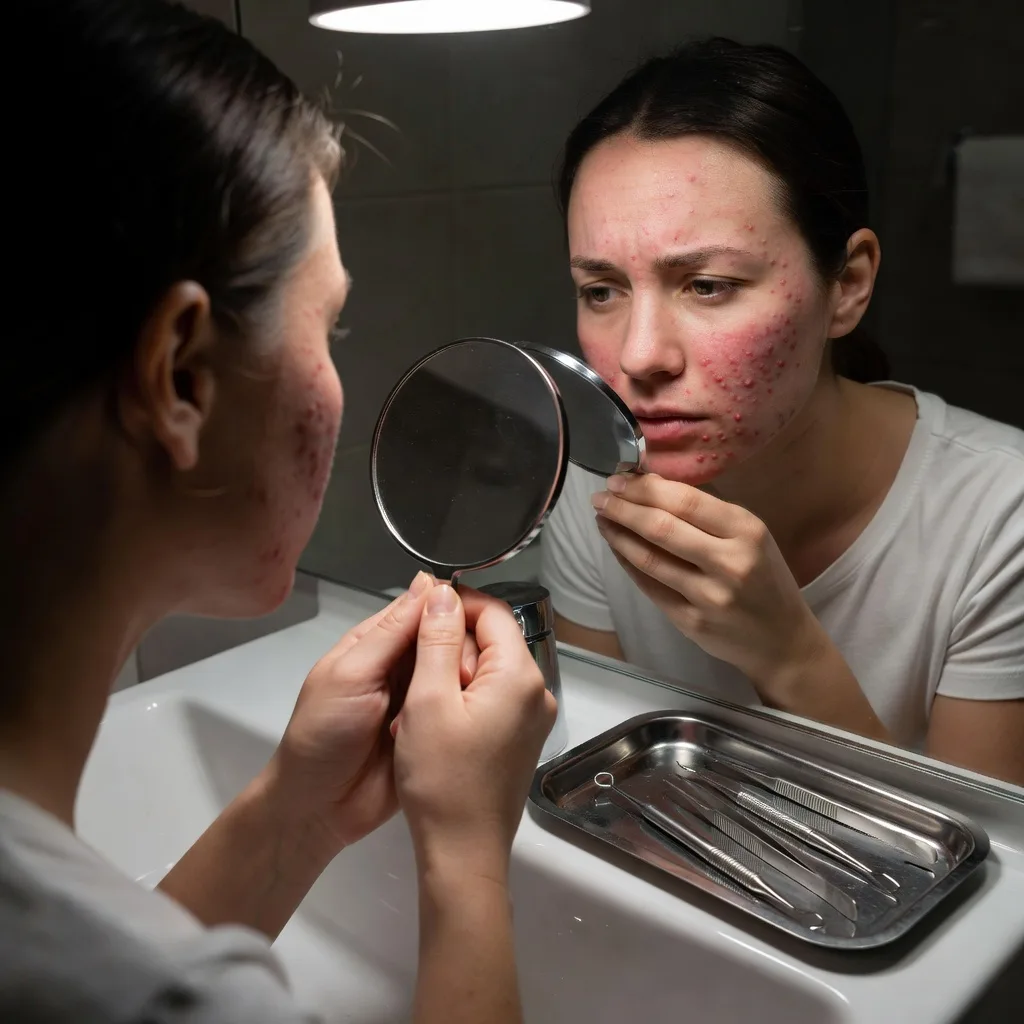
What Is the Disadvantage of Facial?
What is the disadvantage of facial treatments that the relaxing spa marketing tends to leave out?
There is very little rigorous evidence that a standard facial does much more than cleanse, exfoliate, and moisturize, while documented downsides — temporary redness, post-extraction breakouts, and real infection risk from unsterilized tools — are genuine costs worth weighing. Aggressive extraction on inflamed lesions also carries real scarring risk regardless of how gently a technician believes they’re working.
None of this means facials aren’t worth getting; it means the disadvantages deserve the same honest treatment the benefits usually get in marketing copy.
This guide covers the specific, documented risks — redness, breakouts, sanitation failures, cost versus benefit — and how to actually lower them before booking.
Recommended Gentle Aftercare Products


The Real Trade-offs
- Beyond moisturizing, there is very little rigorous scientific evidence that a standard facial does much for skin long-term — the anti-aging and “detox” claims outrun the research.
- Temporary redness, mild swelling, and post-extraction breakouts are documented, normal side effects, not signs that something went wrong — but they are real costs to weigh against the benefit.
- Sanitation failures with reused tools, steamers, or extractors carry a genuine infection risk, and aggressive extraction by an undertrained technician can cause scarring.
- The single biggest controllable risk factor is who is doing the facial and how they’re trained — not the products used.
Where This Goes
- Facials Aren’t Risk-Free, Even Done Well
- The Evidence Problem: What Facials Actually Prove
- Redness and Irritation After Exfoliation or Extraction
- Post-Facial Breakouts and Where They Come From
- Extraction Risk by Technique
- Sanitation Risk With Reused Tools and Steamers
- Risk Comparison Across Common Facial Types
- Dryness and Sun Sensitivity Afterward
- Cost Versus Documented Benefit
- The Wrong Facial for Your Skin Type Is a Real Risk
- Do This, Not That
- Lowering Your Risk, Step by Step
- What This Article Can’t Tell You
- Frequently Asked Questions
Facials Aren’t Risk-Free, Even Done Well
A facial marketed as relaxing and purely beneficial can still carry real, documented downsides, even when performed correctly by a trained esthetician. That doesn’t mean facials are dangerous or not worth getting — it means the disadvantages deserve the same honest treatment as the benefits usually get in marketing copy. Most of the real risk clusters around three things: how much evidence actually backs the claimed benefit, how the skin reacts in the hours and days afterward, and how sanitary the tools and technique are.
The Evidence Problem: What Facials Actually Prove
The honest starting point is that there is very little rigorous, peer-reviewed evidence that a standard spa facial does much more than cleanse, exfoliate, and moisturize the skin. Claims about detoxification, lymphatic drainage triggering measurable toxin removal, or lasting anti-aging effects from a single session are marketing language more than clinical findings. That doesn’t make facials worthless — cleansing, gentle exfoliation, and a good moisturizing mask have real, if modest, short-term effects on skin texture and hydration. It does mean a facial shouldn’t be expected to treat a diagnosed skin condition, and any esthetician who claims it will should be treated with some skepticism.
Redness and Irritation After Exfoliation or Extraction
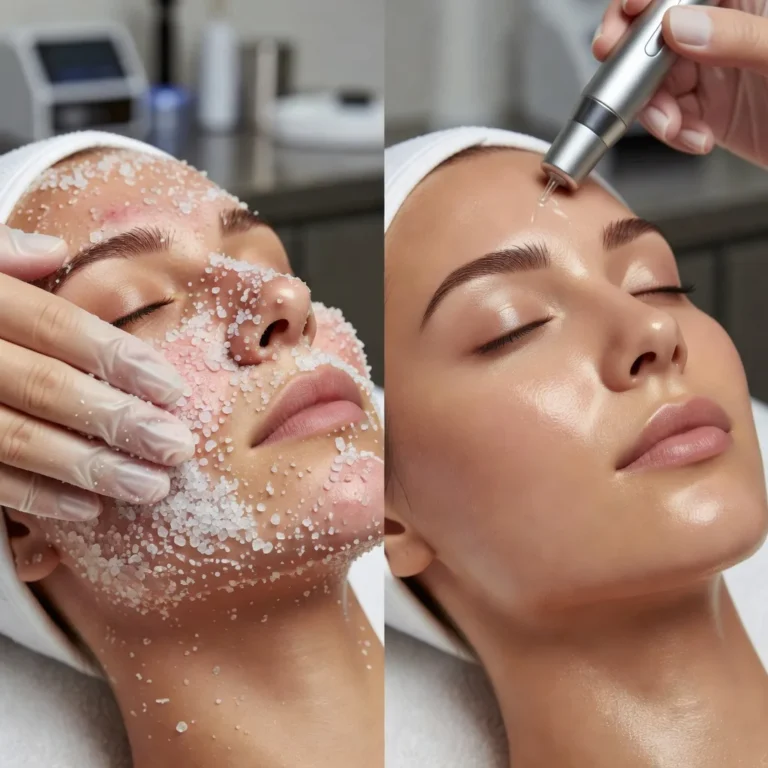
Exfoliation and manual extraction are both mildly traumatic to the skin by design — they’re meant to remove dead skin cells and clear congested pores, and doing that leaves the skin temporarily redder and more reactive than before. This is a documented, expected side effect, not a sign of a bad facial, but it is a real disadvantage worth planning around: several days of visible redness or blotchiness is a common enough outcome that no one should book a facial immediately before an important event without testing how their skin responds first.
Post-Facial Breakouts and Where They Come From
A short breakout in the days following a facial is a genuinely common complaint, and it has two real explanations. The first is purging: exfoliation and extraction can bring existing congestion to the surface faster than it would have emerged on its own, producing a temporary flare that isn’t actually new damage. The second, less discussed explanation is contamination — bacteria transferred from an unsterilized tool, steamer, or extractor onto freshly opened pores, which is a genuine hygiene failure rather than a normal skin response. Distinguishing the two matters: a purge settles down within days, while a hygiene-driven breakout can worsen and should prompt a conversation with the provider about their sanitation practices.
Extraction Risk by Technique
| Technique | Typical risk level | Why |
|---|---|---|
| Manual extraction, softened first | Low, if done gently | Only removes matter that’s already loosened; minimal trauma to surrounding tissue |
| Manual extraction, no softening | Moderate to high | Forcing an unready pore raises the chance of tearing capillaries or the follicle wall |
| Comedone extractor tool, improperly sterilized | High (infection) | Direct contact with an open pore; unsterilized metal transfers bacteria efficiently |
| Aggressive extraction on inflamed lesions | High (scarring) | Papules, pustules, nodules, and cysts have higher intrinsic scarring risk regardless of technique |
Sanitation Risk With Reused Tools and Steamers
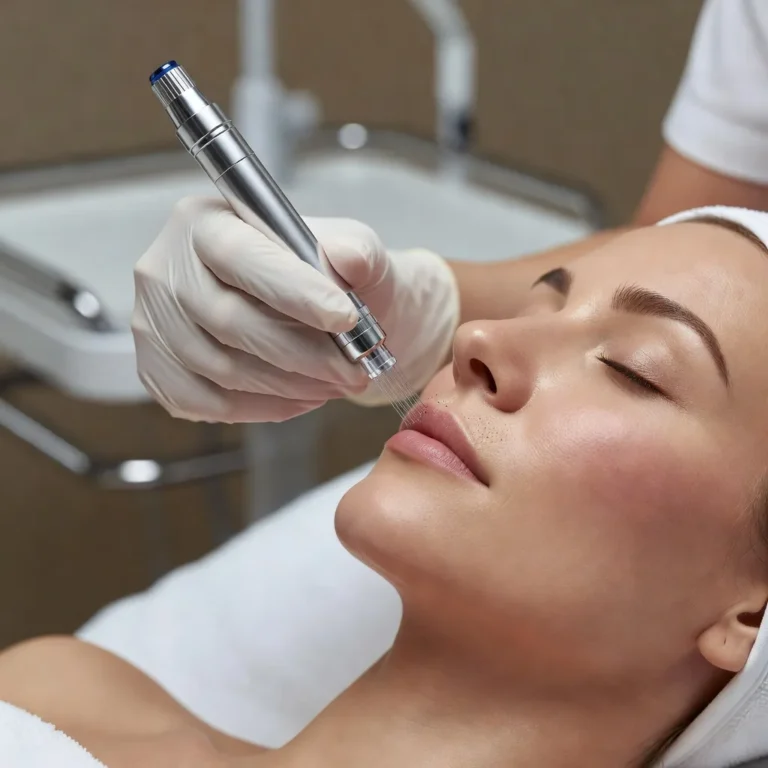
Facial steamers, extractors, and even the linens used during treatment all need proper sterilization between clients, and this is where a real disadvantage of facials becomes a facility-quality issue rather than a skin-biology one. Improperly sterilized tools can transmit bacterial or, in rarer cases, viral infections, particularly during procedures that involve breaking the skin surface, such as extractions or any facial that uses needles or draws blood. A reputable provider follows documented sterilization protocols between every single client; asking about this directly before booking is a reasonable and increasingly common question.
Risk Comparison Across Common Facial Types
| Facial type | Main disadvantage | Who should be most cautious |
|---|---|---|
| Basic European facial | Low; mostly cost-versus-benefit | Anyone expecting dramatic, lasting results |
| Deep-pore/extraction-heavy facial | Redness, temporary breakouts, scarring if aggressive | Acne-prone or reactive skin |
| Chemical peel facial | Irritation, peeling, sun sensitivity | Sensitive skin, anyone with an event soon |
| Microneedling or blood-based (e.g. vampire) facial | Infection risk if not properly sterilized | Anyone booking with an unlicensed or unverified provider |
Dryness and Sun Sensitivity Afterward
Exfoliation, whether mechanical or chemical, removes a layer of dead skin cells that was also providing some barrier protection. The result can be a few days of dryness, tightness, or flaking, and — more importantly — genuinely increased sun sensitivity while that barrier rebuilds. Skipping sunscreen after a facial that included any exfoliation is a real, avoidable way to turn a minor cosmetic procedure into a sunburn or, with repeated exposure, longer-term pigment changes.
Cost Versus Documented Benefit
A single facial session’s price often runs from modest to genuinely expensive depending on the provider and add-ons, and given how limited the evidence is for anything beyond short-term cleansing and hydration, that cost-to-benefit ratio is a legitimate disadvantage to weigh. A well-formulated at-home routine of cleanser, exfoliant, and moisturizer used consistently will do more for skin health over a month than one occasional facial, even though the facial feels more indulgent in the moment.
The Wrong Facial for Your Skin Type Is a Real Risk
A facial designed around one skin type or concern applied to a mismatched skin type is a disadvantage that’s entirely avoidable but still common. An aggressively exfoliating facial on already-sensitized or rosacea-prone skin, or an extraction-heavy facial on skin with active inflammatory acne, can make the underlying problem measurably worse rather than better. A brief consultation before treatment, where the esthetician actually looks at and asks about your skin rather than defaulting to a standard package, is the main safeguard against this.
Do This, Not That
Do
- Do a trial facial well ahead of any important event, never for the first time right before one.
- Do ask directly about tool sterilization practices before booking, especially for extraction-heavy or blood-based treatments.
- Do wear sunscreen diligently for several days after any exfoliating facial.
Don’t
- Don’t expect a single facial to treat a diagnosed skin condition or produce lasting anti-aging change.
- Don’t book an aggressive extraction or exfoliation facial on already-inflamed, actively breaking-out skin.
- Don’t skip the consultation step just to save time — skin-type mismatch is one of the most avoidable disadvantages here.
Lowering Your Risk, Step by Step
Disclose your skin history first
Tell the esthetician about active breakouts, sensitivities, or recent procedures before anything is applied.
Ask about sterilization
Confirm tools, extractors, and linens are sterilized between every client, not just periodically.
Schedule with a buffer
Book at least a week before any event, never the day of or the day before.
Watch for purge versus problem
Expect mild redness or a short purge; flag anything that worsens instead of settling within a few days.
Protect the skin afterward
Use sunscreen and a gentle moisturizer for several days following any exfoliating or extraction-based facial.
What This Article Can’t Tell You
This article can’t tell you whether a specific provider’s sanitation practices meet the standard they claim, or whether your particular skin will react to a specific facial — those require direct verification and, ideally, a patch test or trial session. What it can tell you honestly is which disadvantages are well-documented and predictable, so you can ask the right questions before booking rather than after a reaction.
Frequently Asked Questions
What is the biggest disadvantage of getting a facial?
For most people it’s the mismatch between marketing claims and actual evidence — facials reliably cleanse and hydrate, but there’s little rigorous proof of lasting anti-aging or “detox” effects.
Is it normal for skin to break out after a facial?
A short purge from loosened congestion is common and normal. A worsening breakout that doesn’t settle within days may point to a hygiene issue with the tools used.
Can a facial damage your skin?
Aggressive extraction technique, especially on inflamed lesions, can cause scarring, and unsterilized tools can transmit infection — both are avoidable with a properly trained provider.
How long does redness last after a facial?
Typically 24 to 48 hours for most skin types, though sensitive or reactive skin can take longer to settle.
Should you get a facial before an important event?
Only if you’ve had one with the same provider before and know how your skin reacts. First-time facials should never be scheduled right before an event.
Is it safe to get a facial with active acne?
It depends on the type of lesion — non-inflamed comedones are generally fine to treat, while aggressive extraction on papules, pustules, nodules, or cysts raises real scarring risk.
Why does my skin feel dry after a facial?
Exfoliation removes a layer of dead skin that was providing some barrier protection, which can leave skin temporarily dry and more sun-sensitive.
Are blood-based or needle-based facials riskier than standard ones?
Yes, meaningfully — any procedure that breaks the skin surface carries real infection risk if sterilization isn’t done properly, which makes provider vetting more important.
Is a facial worth the cost?
That depends on your goals. For occasional relaxation and short-term hydration, yes; as a substitute for a consistent at-home skincare routine, the evidence doesn’t really support it.
How do I reduce my risk before booking a facial?
Ask about sterilization practices, disclose your skin history honestly, and schedule with enough buffer before any event to see how your skin actually responds.