Silver Facial: What the Real Evidence Shows
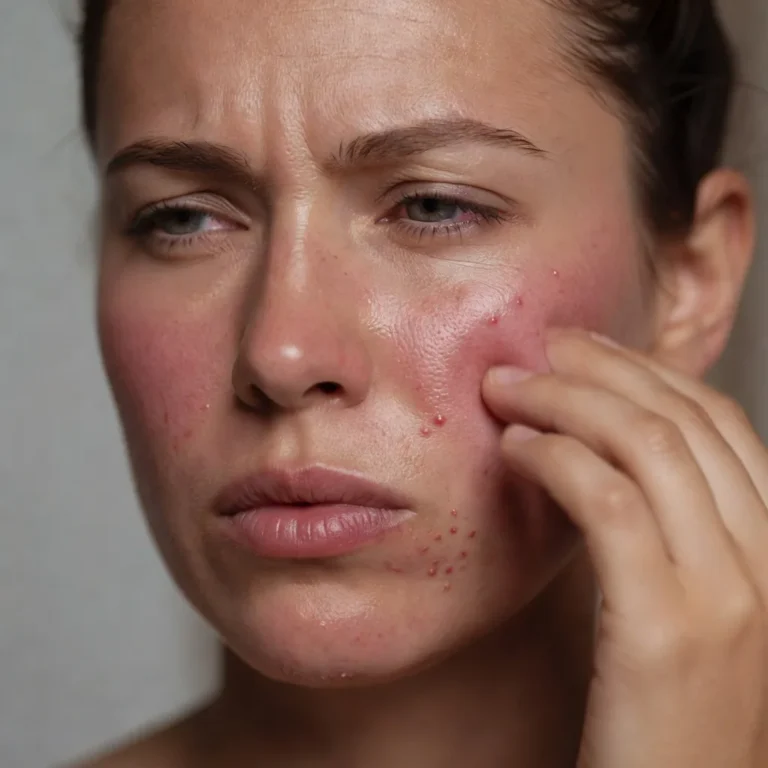
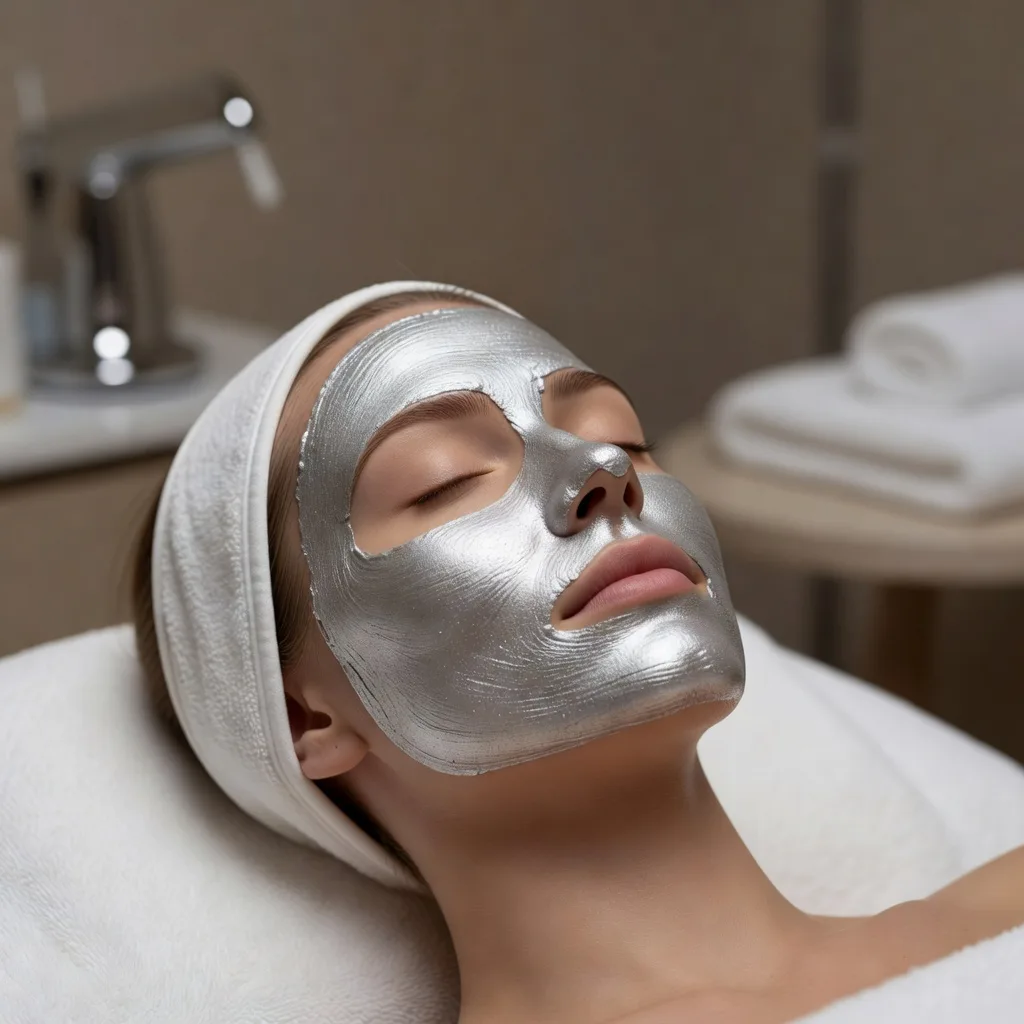
A silver facial is typically marketed with claims that silver’s antimicrobial properties fight acne and reduce wrinkles, but credible health bodies tell a very different story.
Part of our guide to facial treatments. Start with: Fruit Facial at Home: Does It Actually Work?
NCCIH, quoting FDA’s own position directly, states that colloidal silver “isn’t safe or effective for treating any disease or condition,” and the FTC has taken direct enforcement action against companies for unsubstantiated silver health claims. Argyria, a permanent blue-gray skin discoloration, is the primary documented risk of prolonged silver exposure.
Silver does have a genuine medical role in prescription wound care, a meaningfully different context than a cosmetic spa facial on intact skin.
This guide covers what credible bodies actually say, the real argyria risk, and who should skip a silver facial entirely.
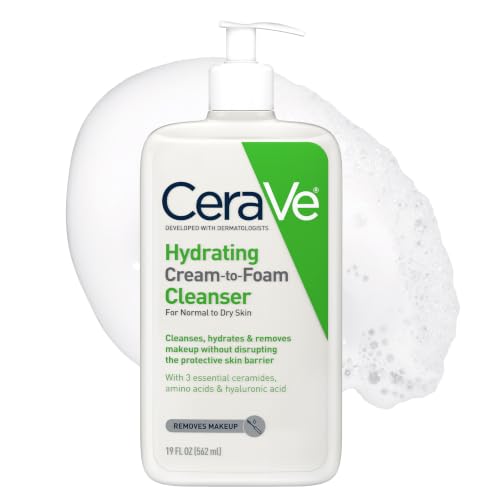
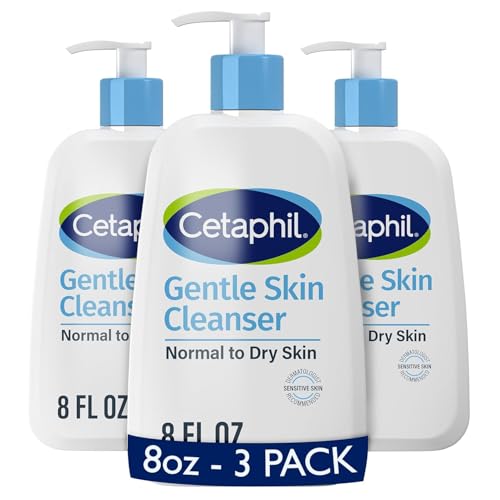
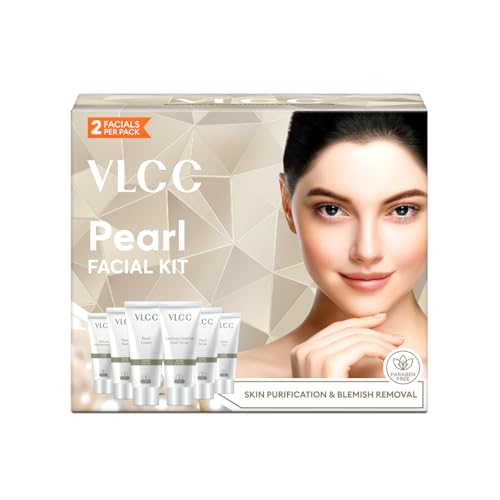
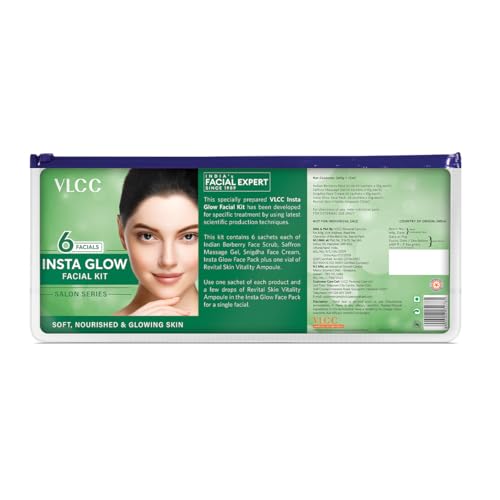
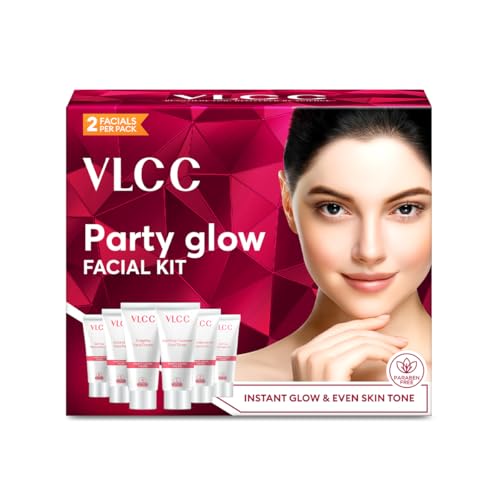
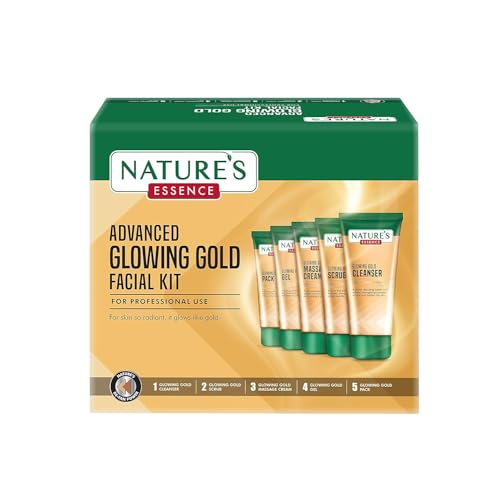
Recommended Facial Kits and Gentle Cleansers

What a Silver Facial Actually Claims to Do
Silver-infused facials are typically marketed with a specific set of claims: that silver’s antimicrobial and anti-inflammatory properties make it ideal for acne-prone skin, and that it can reduce the appearance of wrinkles and fine lines. Silver has genuinely been “having a moment” in beauty marketing recently — the same pattern we’ve examined with other ingredients like snow mushroom — which matters here mainly because current popularity is not itself evidence of anything working — trend status and clinical efficacy are two completely separate questions, and this treatment is a clear case where they’ve been conflated.
Shopping these picks?
Amazon Prime members get fast, free shipping on eligible items, plus Prime Video, Amazon Music and member deals. New members can start with a free trial.
Start a free Prime trialAged 18 to 24? Prime for Young Adults comes with a longer free trial and a lower price after it.
Affiliate link: we may earn a commission at no extra cost to you.
The Verdict
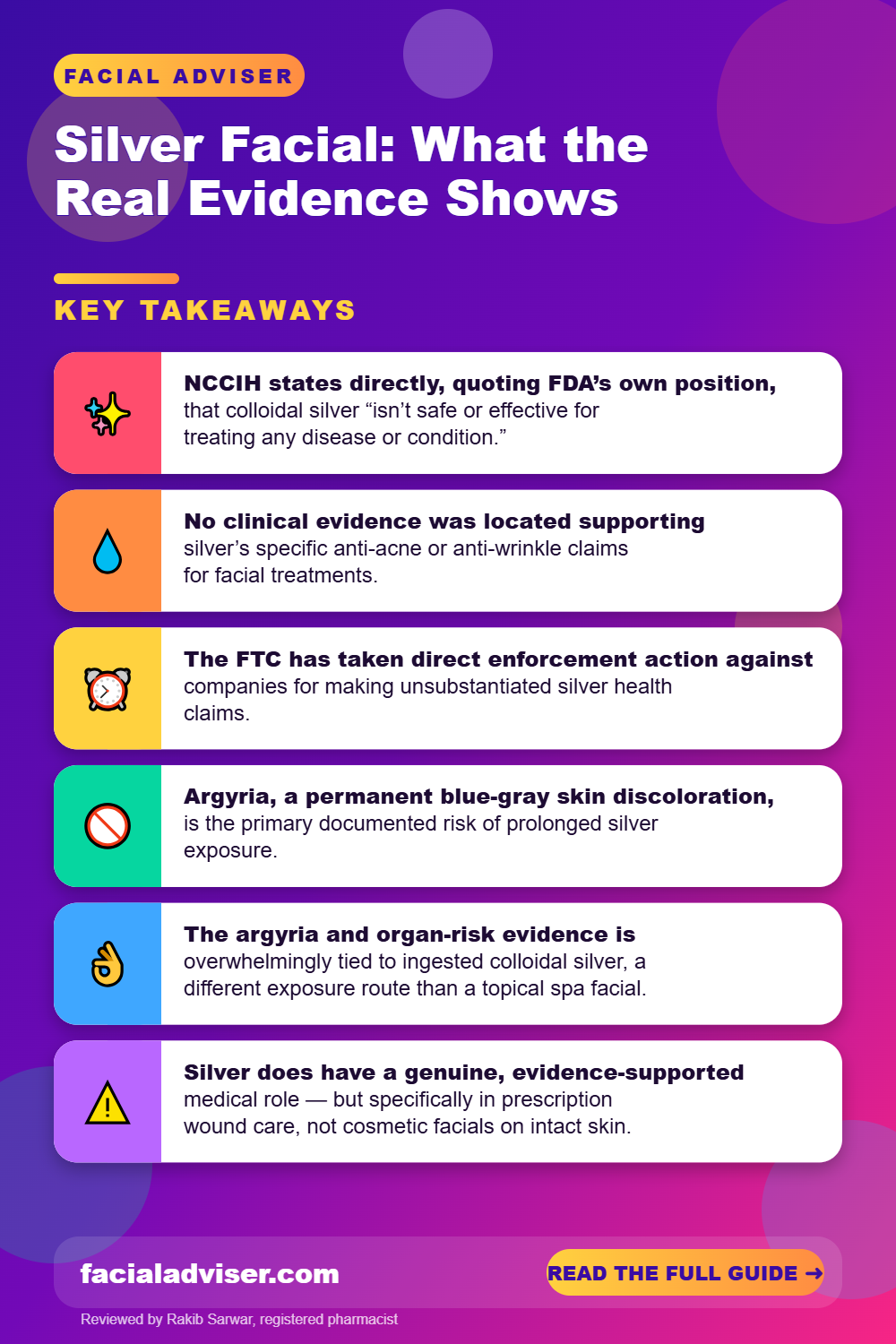
- NCCIH states directly, quoting FDA’s own position, that colloidal silver “isn’t safe or effective for treating any disease or condition.”
- No clinical evidence was located supporting silver’s specific anti-acne or anti-wrinkle claims for facial treatments.
- The FTC has taken direct enforcement action against companies for making unsubstantiated silver health claims.
- Argyria, a permanent blue-gray skin discoloration, is the primary documented risk of prolonged silver exposure.
- The argyria and organ-risk evidence is overwhelmingly tied to ingested colloidal silver, a different exposure route than a topical spa facial.
- Silver does have a genuine, evidence-supported medical role — but specifically in prescription wound care, not cosmetic facials on intact skin.
What’s Inside
- What a Silver Facial Actually Claims to Do
- What Credible Health Bodies Actually Say
- The FTC Enforcement History Behind Silver Health Claims
- Argyria: The Real, Documented Risk
- Silver’s Genuine Medical Role Is Wound Care, Not Cosmetic Facials
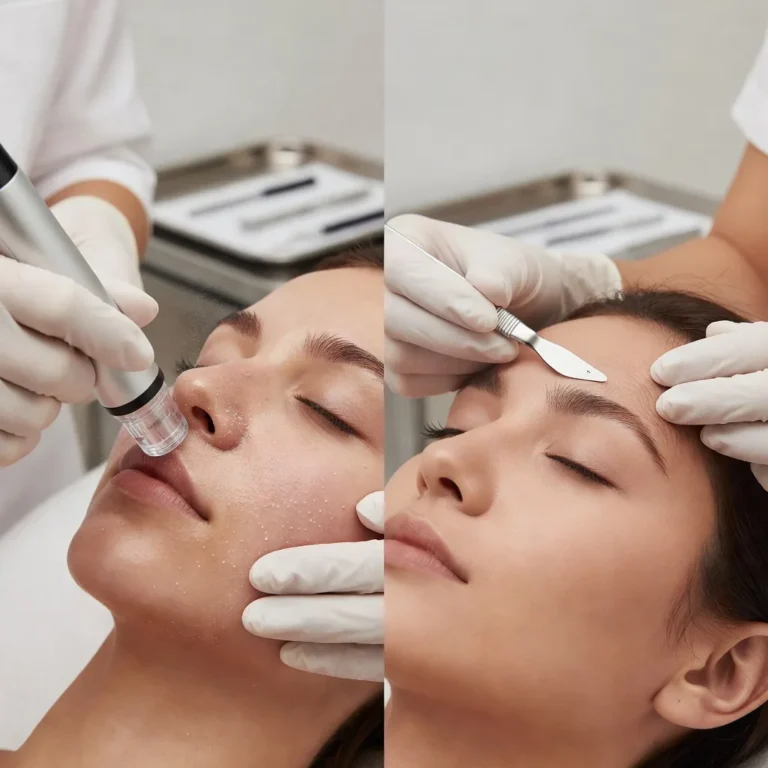
- What a Typical Silver Facial Session Looks Like
- Who Might Reasonably Try It Anyway
- Who Should Skip It
- When to See a Doctor Instead
- A One-Minute Check Before Booking
- Where the Evidence Runs Out
- Frequently Asked Questions
What Credible Health Bodies Actually Say
The National Center for Complementary and Integrative Health, part of the NIH, states that evidence supporting health-related claims for colloidal silver “is lacking,” and quotes FDA’s own position directly: colloidal silver “isn’t safe or effective for treating any disease or condition.” Silver has no documented benefit when ingested and serves no essential biological function in the human body. Even for more recent claims, like colloidal silver preventing or treating COVID-19, NCCIH states there is no clinical evidence supporting that use, and studies of colloidal silver nasal spray for chronic sinus infections did not demonstrate meaningful improvement. Mayo Clinic’s position is similarly direct: taking colloidal silver “is not thought to be safe or effective for any of the health claims that many manufacturers make,” and little research supports the benefits claimed around immune support and other conditions.
| Claim commonly made | What credible bodies actually say |
|---|---|
| “Antimicrobial, ideal for acne-prone skin” | No clinical evidence located for this specific cosmetic application |
| “Reduces wrinkles and fine lines” | No clinical evidence located; unsupported claim |
| “Safe with no adverse effects” | Directly contradicted by documented argyria risk and FTC enforcement history |
The FTC Enforcement History Behind Silver Health Claims
This is concrete and citable rather than abstract skepticism. As part of its “Operation Cure.All” initiative, the FTC took action against companies specifically for silver-related health fraud. ForMor, Inc. had claimed that ingestion of colloidal silver was “proven effective in treating over 650 infectious diseases,” including arthritis, cancer, diabetes, and tuberculosis, while also falsely claiming it was safe with no adverse effects. A separate case against Aaron Company similarly marketed colloidal silver as able to cure or treat more than 650 diseases and claimed it was “medically proven to kill over 650 disease-causing organisms.” Both companies settled and were barred from making unsubstantiated disease claims going forward. Separately, FDA identified 48 websites marketing colloidal silver as a disease cure or treatment and sent warning letters citing violations of federal law — only about 27 percent of those sites complied by removing or changing the claims, a useful, honest datapoint about how persistent this specific category of false marketing has been.
Argyria: The Real, Documented Risk
Prolonged silver exposure can cause argyria, a permanent blue-gray discoloration of the skin, and potentially the eyes, organs, nails, and gums, caused by silver deposits accumulating in tissue over time. Both NCCIH and Mayo Clinic identify this as the primary documented risk of silver exposure, and both are explicit that the discoloration is typically permanent and does not reverse after stopping use. Documented case reports of argyria following colloidal silver ingestion exist in the peer-reviewed dermatology literature. Additional risks noted by both organizations include potential drug interactions — colloidal silver can interfere with the absorption of certain antibiotics and with thyroid medication like levothyroxine — along with rare but serious reports of kidney damage and seizures with heavy or prolonged exposure.
Silver’s Genuine Medical Role Is Wound Care, Not Cosmetic Facials
Silver does have a real, evidence-supported medical role — just not the one implied by spa marketing. Silver sulfadiazine is a well-established prescription topical antimicrobial cream used in burn wound care, and silver-based wound dressings are a genuinely studied category in managing chronic wounds and burns, including recent comparative clinical studies against silver sulfadiazine for second-degree burns. This is a useful, accurate distinction: silver’s real antimicrobial utility is established specifically in wound care, an environment with active bacterial risk on broken skin under prescription or medical supervision, not as a general cosmetic “brightening” or “anti-acne” agent applied to intact, healthy facial skin in a spa setting. Treating “silver has real medical antimicrobial uses in wound dressings” as proof that “a spa silver facial will fight acne or wrinkles” is a category error worth naming directly.
| Context | Evidence status |
|---|---|
| Silver sulfadiazine for burn wound care (prescription) | Real, studied, established medical use |
| Silver-based dressings for chronic wounds | Genuinely studied clinical category |
| Silver facial for acne or wrinkles (cosmetic, intact skin) | No clinical evidence located supporting this specific use |
What a Typical Silver Facial Session Looks Like
Cleanse
Skin is cleansed to remove makeup and surface oil before the silver-infused product is applied.Application
A silver-infused serum, mask, or treatment is applied to the face, often left on for a set period.Additional steps
Some providers pair it with massage, LED light, or a complementary mask during the sitting.Removal and moisturizing
The product is removed, and a standard moisturizer and sunscreen (for daytime) are applied afterward.
Who Might Reasonably Try It Anyway
Someone who enjoys the spa experience itself and wants an occasional cosmetic treatment, understanding clearly that the specific anti-acne and anti-wrinkle claims aren’t clinically supported, can reasonably treat a silver facial the same way as any other unproven-but-low-frequency spa indulgence. It’s a different decision than choosing it specifically to treat acne or wrinkles based on marketing claims, which the evidence doesn’t support.
Do
- Treat a silver facial as a cosmetic spa experience, not a treatment for a diagnosed skin condition
- Ask what concentration or form of silver the product actually contains
- Get a patch test first if you have sensitive or reactive skin
Don’t
- Choose it specifically to treat acne or wrinkles based on marketing claims
- Confuse silver’s wound-care antimicrobial evidence with cosmetic facial benefits
- Assume “silver is popular right now” means it’s been clinically proven
Who Should Skip It
Anyone with active allergies to metals, a known silver sensitivity, or open cuts or active skin infections in the treatment area should skip a silver facial or discuss it with a provider first. People already using strong topical actives like retinoids or exfoliating acids should be cautious layering an unfamiliar treatment on top without knowing exactly what else is in the silver-infused product.
When to See a Doctor Instead
A silver facial is a cosmetic spa treatment, not a treatment for a diagnosed skin condition. See a board-certified dermatologist directly if you have persistent acne, are concerned about wrinkles or skin aging, or notice any unusual skin discoloration — including after using any silver-containing product regularly, given the documented argyria risk with prolonged exposure.
A One-Minute Check Before Booking
Before you book, ask: is this being marketed as a way to treat acne or wrinkles, or simply as a spa experience? Can the provider name the specific form and concentration of silver in the product? Do you have any known metal allergy, active skin infection, or open cuts in the treatment area? If the marketing leans heavily on medical-sounding claims without specifics, that’s worth treating as a reason for extra skepticism.
Where the Evidence Runs Out
Be precise about what’s established: no clinical evidence was located supporting silver facials for acne or wrinkles specifically, and credible bodies including NCCIH, Mayo Clinic, and FDA directly state colloidal silver isn’t proven safe or effective for any health claim. The documented serious risk, argyria, comes from a different exposure route — ingestion over time — than a single topical spa facial, so neither “it’s proven beneficial” nor “it’s proven dangerous in facial-treatment form” is an accurate claim. Silver’s genuine medical value lies specifically in prescription wound care, not cosmetic use on intact facial skin. It’s also worth being honest about the absence of data itself: the lack of any topical-silver-facial-specific safety or efficacy research isn’t neutral information one way or the other — it means claims of proven benefit are unsupported, while claims of proven facial-specific danger would also be overstating what’s actually been studied.
Frequently Asked Questions
Does a silver facial actually help acne?
No clinical evidence was located supporting this specific claim for cosmetic facial treatments.
Is colloidal silver safe?
FDA and NCCIH state directly that colloidal silver isn’t proven safe or effective for any health condition.
What is argyria?
A permanent blue-gray skin discoloration caused by silver deposits building up in tissue from prolonged exposure.
Can a single silver facial cause argyria?
The documented argyria risk is tied to repeated ingestion over time, not a single topical spa treatment, though no facial-specific safety data exists either way.
Has the FTC taken action against silver health claims?
Yes — companies have been sanctioned for falsely claiming colloidal silver cures hundreds of diseases, though those actions date to 2001.
Does silver have any real medical use?
Yes — silver sulfadiazine is an established prescription antimicrobial used in burn and wound care, a different context from cosmetic facials.
Does a silver facial reduce wrinkles?
No clinical evidence was located supporting this claim.
Is silver’s popularity in beauty trends proof it works?
No — popularity and clinical efficacy are separate questions, and trend status isn’t evidence of a treatment working.
Who should avoid silver facials?
Anyone with a metal allergy, silver sensitivity, active skin infection, or open cuts in the treatment area.
Is a silver facial worth getting?
As a cosmetic spa experience, that’s a personal choice; as a treatment for acne or wrinkles specifically, the evidence doesn’t support it.

Written by
Registered pharmacist and founder of Facial Adviser. Rakib's pharmacy training covers how skincare actives work and interact; a later course in cosmetology turned that into a focus on facial treatments and skincare products. He plans, researches and edits every guide on the site and checks health claims against sources such as the American Academy of Dermatology, the FDA and the NIH. He is not a dermatologist; see the Editorial Policy and Medical Disclaimer.
About · Editorial policy · How we choose products · Medical disclaimer · Contact
Keep reading: DIY and ingredient facials
- Fruit Facial at Home: Does It Actually Work?
- What Are Home Remedies to Minimize Large Pores?
- How Much Does Paraffin Wax Treatment Cost?
- Which Fruit Facial Is Good for Oily and Pimple-Prone Skin?
- Which Fruit Facial Is Best for Glowing Skin?
- How to Do a Fresh Fruit Facial at Home
- What Is a Spa Facial?
- Facial Types: A Guide to 11 Popular Facials and How to Choose One