What Are Home Remedies to Minimize Large Pores?
What are home remedies to minimize large pores that actually hold up, and which ones just sound plausible?
Part of our guide to facial treatments. Start with: Fruit Facial at Home: Does It Actually Work?
Home remedies to minimize large pores split into three real categories: genuinely risky (baking soda’s high pH, lemon juice’s photosensitizing compounds), harmless but ineffective (ice, egg white, tomato), and temporarily effective but superficial (pore strips). None have peer-reviewed evidence of changing actual pore structure.
Knowing which category a given kitchen-cabinet remedy falls into is the difference between a wasted evening and a genuine skin injury.
This guide walks through each common remedy, the real chemistry or biology behind it, and an honest verdict on whether it’s worth trying.
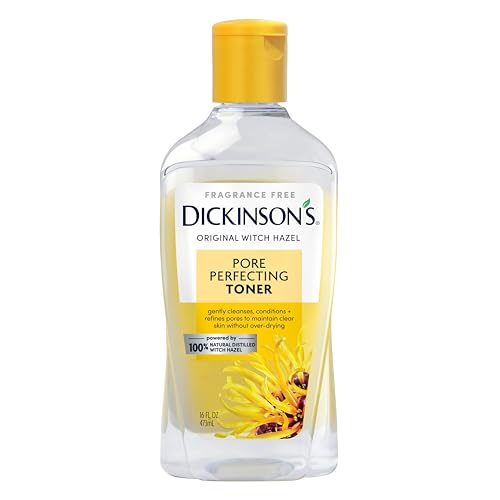
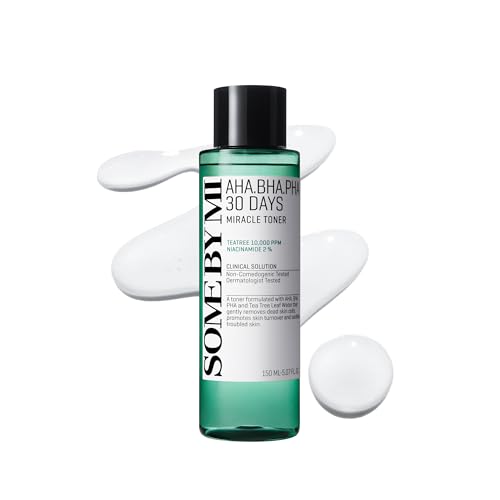
Recommended Gentle Pore-Care Products Instead of DIY Remedies



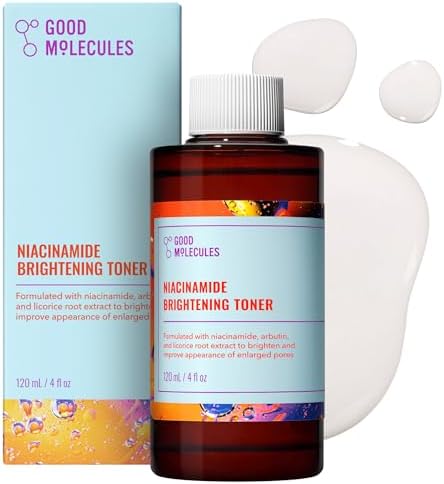
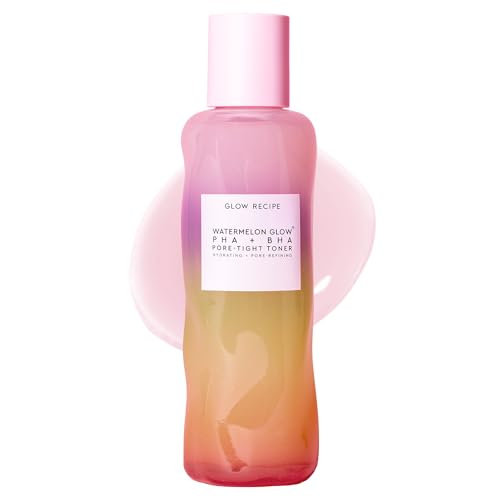
Fast Facts
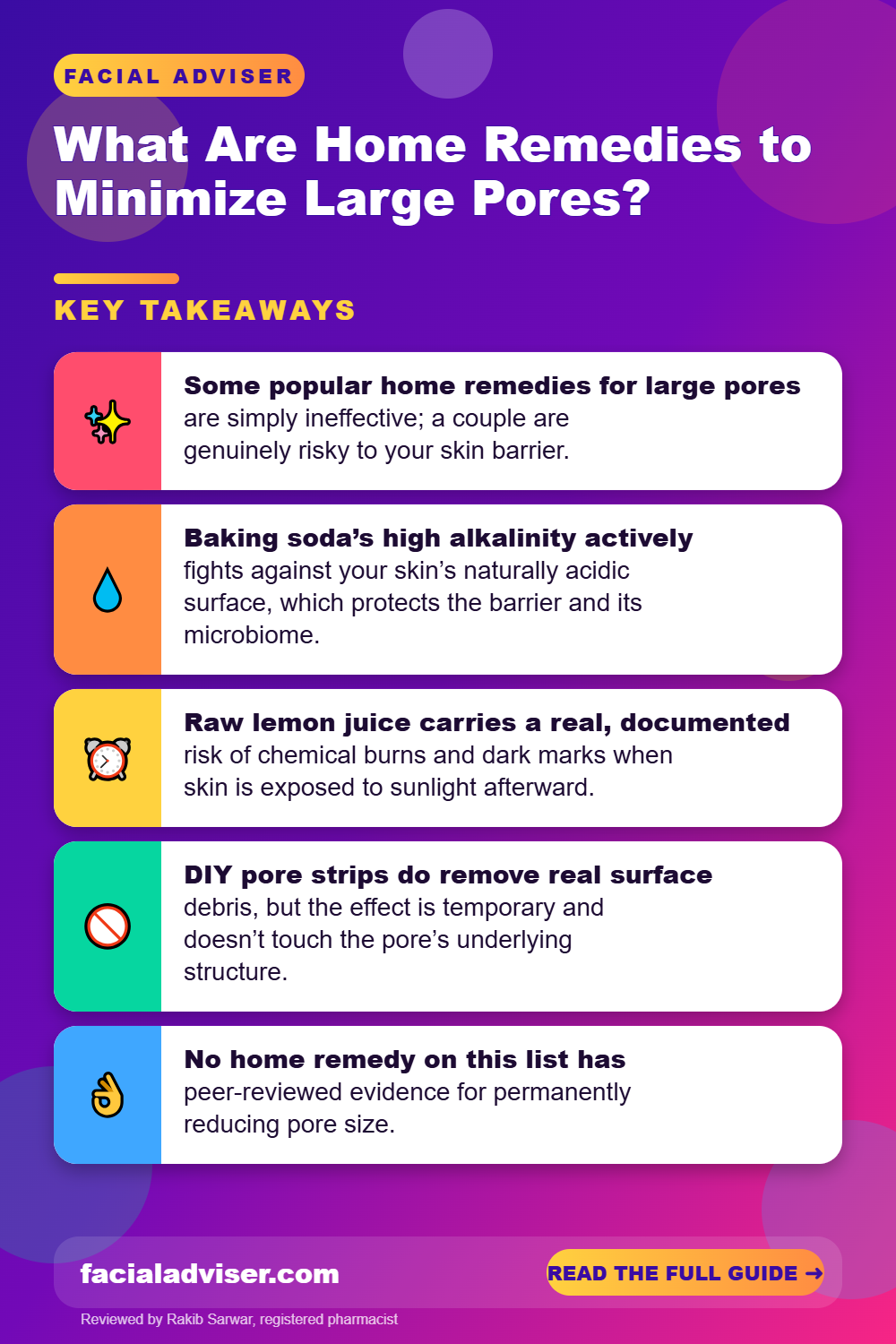
- Some popular home remedies for large pores are simply ineffective; a couple are genuinely risky to your skin barrier.
- Baking soda’s high alkalinity actively fights against your skin’s naturally acidic surface, which protects the barrier and its microbiome.
- Raw lemon juice carries a real, documented risk of chemical burns and dark marks when skin is exposed to sunlight afterward.
- DIY pore strips do remove real surface debris, but the effect is temporary and doesn’t touch the pore’s underlying structure.
- No home remedy on this list has peer-reviewed evidence for permanently reducing pore size.
Jump to a Section
- Sorting Home Remedies Into Three Real Categories
- The Remedies That Can Actually Harm Your Skin
- Home Remedies Compared by Risk and Effect
- Remedies That Are Safe but Do Essentially Nothing to Pore Size
- DIY vs. Store-Bought Pore Strips
- Two More Remedies Worth a Closer Look
- Do This Instead, Skip That
- A Safer At-Home Routine
- How to Patch-Test Any DIY Remedy Safely
- When Home Remedies Aren’t Enough
- What No Home Remedy Can Do
- Frequently Asked Questions
Sorting Home Remedies Into Three Real Categories
Search for home remedies for large pores and you’ll find dozens of suggestions repeated across blogs and social media with almost no differentiation between them. Some are genuinely risky. Some are harmless but do essentially nothing. A very small number produce a real, if temporary and superficial, effect. Treating all of them as equally reasonable options does readers a disservice, so this guide sorts them honestly into those three categories.
Shopping these picks?
Amazon Prime members get fast, free shipping on eligible items, plus Prime Video, Amazon Music and member deals. New members can start with a free trial.
Start a free Prime trialAged 18 to 24? Prime for Young Adults comes with a longer free trial and a lower price after it.
Affiliate link: we may earn a commission at no extra cost to you.
The Remedies That Can Actually Harm Your Skin
Baking soda has a pH around 9, strongly alkaline. Healthy skin maintains a naturally acidic surface, typically in the range of 4.5 to 5.5, often called the acid mantle, which helps protect the skin barrier and supports its protective microbiome. Applying a strongly alkaline substance directly disrupts this acidic environment, and disrupted barrier function is a well-established mechanism for increased water loss through the skin and greater susceptibility to irritation. This isn’t a fringe concern invented to scare people away from a kitchen ingredient; it follows directly from basic, well-documented skin-barrier physiology. No study supports baking soda for reducing pore size, and the barrier-disruption risk is real.
Lemon juice and other raw citrus applications carry a different, well-documented hazard: citrus fruits contain compounds called furocoumarins that make skin significantly more reactive to ultraviolet light. Applying lemon juice and then going out in the sun is a recognized cause of phytophotodermatitis — a chemical burn combined with lasting dark discoloration, sometimes taking months to fade. Beyond that specific risk, raw lemon juice’s acidity (around pH 2) is far more concentrated and unbuffered than any formulated skincare acid, with no demonstrated pore-size benefit to offset the risk.
Home Remedies Compared by Risk and Effect
| Remedy | Real effect on pores | Risk level |
|---|---|---|
| Baking soda paste | None demonstrated | High (barrier disruption) |
| Raw lemon juice | None demonstrated | High (phytophotodermatitis, burns) |
| Egg white mask | Temporary tightening sensation only | Low (allergy risk only) |
| Ice/cold compress | Temporary cosmetic tightening | Low (avoid direct ice burns) |
| Tomato pulp | None demonstrated | Low |
| DIY pore strips | Removes surface debris temporarily | Low-moderate (irritation with overuse) |
Remedies That Are Safe but Do Essentially Nothing to Pore Size
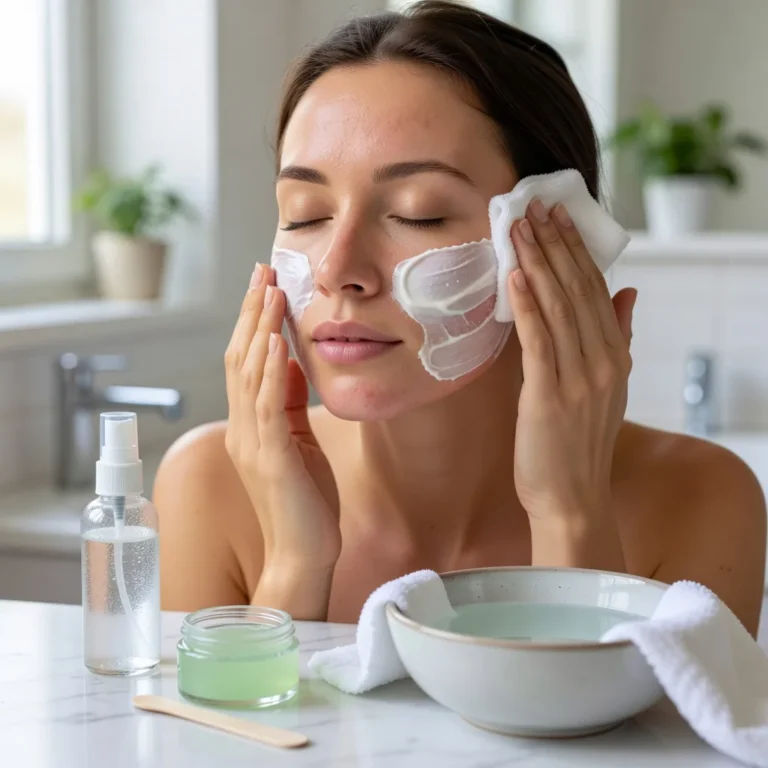
Egg white masks dry into a thin film that visibly contracts as it sets, producing a genuine tightening sensation on the skin surface. That sensation disappears the moment you wash the mask off, and there’s no peer-reviewed evidence it changes pore size in any lasting way. It’s low-risk unless you have an egg-protein allergy, in which case it can trigger a real contact reaction.
Ice or cold compresses cause a brief vasoconstriction effect — blood vessels narrow, and tissue can look and feel slightly firmer for a short period. This is the same temporary, cosmetic-only mechanism dermatologists point to when discussing cooling rollers professionally. It’s genuinely harmless when done correctly (wrap ice rather than applying it directly to avoid a cold burn), but the effect fades within minutes to hours.
Tomato pulp contains lycopene, a real antioxidant compound, along with mild natural acidity. Neither of those properties has been tested in a controlled trial for reducing pore size, so this remains an unproven folk remedy rather than a demonstrated one.
DIY vs. Store-Bought Pore Strips
| DIY (milk/gelatin, egg white) | Store-bought adhesive strips | |
|---|---|---|
| Mechanism | Film adhesion, variable strength | Standardized adhesive, tested formulation |
| Effect | Removes some loosened surface debris | Removes loosened surface debris more reliably |
| Risk | Irritation, inconsistent results | Irritation with overuse; generally milder |
| Duration of effect | Days at most | Days at most |
Two More Remedies Worth a Closer Look
Two other suggestions come up often enough in home-remedy roundups to deserve their own honest look rather than being lumped into a generic “and other natural options” line.
Raw honey has real, well-documented antibacterial properties, driven by hydrogen peroxide generation, its naturally low pH, and its high osmolarity, which draws water out of bacterial cells. That evidence base comes overwhelmingly from wound-care research — honey dressings speeding burn healing in clinical settings — not from studies on cosmetic pore size in otherwise healthy skin. Applying honey as a mask is low-risk for most people (barring a bee-product allergy) and may offer a mild antibacterial benefit for acne-prone skin generally, but there’s no direct evidence connecting that mechanism to smaller-looking pores specifically.
Green tea bags or brewed green tea, applied topically, carry genuine antioxidant compounds, and green tea extract has been studied for other skin benefits, including some human trial support for acne specifically. But a used tea bag pressed against skin delivers an unstandardized, highly variable dose of those compounds compared with a formulated extract, and no controlled trial has isolated a pore-size effect from this specific home application. It’s a low-risk habit with plausible but unproven benefit for this particular use.
Both of these sit in a different category from baking soda or lemon juice: not risky, and backed by real underlying chemistry, but still unproven for the specific claim of reducing pore size, which is worth stating plainly rather than letting the real antibacterial or antioxidant research get borrowed to support an untested cosmetic claim.
Do This Instead, Skip That
Do
- Use gentle, formulated exfoliating acids (salicylic or glycolic) instead of raw kitchen ingredients
- Apply sunscreen daily, especially after any exfoliating step
- Patch-test any new product, including natural ones, before applying to your whole face
- Keep expectations realistic: cosmetic, temporary improvements are the norm for home methods
Don’t
- Apply baking soda paste directly to your face
- Use raw lemon juice on skin that will see sun exposure
- Overuse adhesive pore strips more than once or twice a week
- Expect any home remedy to produce a lasting structural change
A Safer At-Home Routine
Cleanse with a gentle, pH-appropriate cleanser
Avoid anything that leaves skin feeling tight or stripped.
Use a formulated exfoliating acid a few times a week
Salicylic acid in particular is well suited to oily, pore-prone skin.
Reserve adhesive pore strips for occasional use
Once or twice weekly at most, on already-softened skin.
Moisturize afterward
Exfoliation and adhesive removal can both be mildly drying.
Apply sunscreen every morning
Especially important after any exfoliating or extraction step.
How to Patch-Test Any DIY Remedy Safely
There’s no shortcut diagnostic that tells you in advance whether a home remedy will help your pores — the research above already shows most won’t, regardless of skin type. What’s genuinely useful is patch-testing anything new, including “natural” ingredients, on a small area of skin (like the inner forearm) for 24 to 48 hours before applying it to your face, watching for redness, itching, or swelling.
When Home Remedies Aren’t Enough
If visible pores are a significant, ongoing concern despite a consistent, gentle routine, or if a home remedy has caused irritation, burning, or discoloration, it’s worth seeing a board-certified dermatologist rather than escalating to a stronger DIY approach. In-office options like chemical peels or laser treatments have more direct supporting evidence than any kitchen-ingredient remedy.
What No Home Remedy Can Do
None of the remedies covered here — safe or risky — have been shown to permanently reduce the structural size of a pore. Pore size is substantially influenced by genetics and the collagen support around the follicle; a kitchen-ingredient mask, however satisfying it feels while drying, isn’t changing that underlying anatomy.
It’s worth being honest with yourself about which kind of result you’re actually looking for. If the goal is a quick, temporary improvement before a photo or an event, several of the low-risk remedies here can genuinely deliver that in the short term. If the goal is a lasting change to how large pores look over months and years, none of these kitchen-cabinet approaches are the right tool for that job — that’s a routine built around evidence-backed actives and sun protection, not a weekend DIY project.
Frequently Asked Questions
Is baking soda safe to use on my face for pores?
No; its high alkalinity disrupts the skin’s protective acid mantle and can worsen irritation and barrier function without any demonstrated pore-size benefit.
Can lemon juice shrink pores?
There’s no evidence it shrinks pores, and it carries a real risk of sun-triggered chemical burns and dark marks.
Do egg white masks actually tighten pores?
They create a temporary tightening sensation as the dried protein contracts, but this has no lasting effect on pore size.
Are DIY pore strips as effective as store-bought ones?
Store-bought strips tend to be more consistent, but both types only temporarily remove surface debris rather than changing pore structure.
Does ice actually shrink pores?
It produces a brief, cosmetic tightening effect through vasoconstriction that fades within minutes to hours.
Is tomato good for large pores?
There’s no controlled clinical evidence it affects pore size, despite its antioxidant content.
What’s the safest home remedy on this list?
Ice and egg white masks are the lowest-risk options, though neither produces a lasting change in pore size.
Should I patch-test natural remedies before using them on my face?
Yes; “natural” doesn’t mean risk-free, and a 24-48 hour patch test on the inner forearm can catch a reaction before it affects your face.
What should I use instead of baking soda or lemon juice?
Formulated salicylic or glycolic acid products offer similar exfoliating goals with a much better-established safety and evidence profile.
When should I stop trying home remedies and see a dermatologist?
If a remedy causes irritation, burning, or discoloration, or if pores remain a major concern after a gentle routine, a dermatologist visit is the next reasonable step.

Written by
Registered pharmacist and founder of Facial Adviser. Rakib's pharmacy training covers how skincare actives work and interact; a later course in cosmetology turned that into a focus on facial treatments and skincare products. He plans, researches and edits every guide on the site and checks health claims against sources such as the American Academy of Dermatology, the FDA and the NIH. He is not a dermatologist; see the Editorial Policy and Medical Disclaimer.
About · Editorial policy · How we choose products · Medical disclaimer · Contact
Keep reading: DIY and ingredient facials
- Fruit Facial at Home: Does It Actually Work?
- How Much Does Paraffin Wax Treatment Cost?
- Which Fruit Facial Is Good for Oily and Pimple-Prone Skin?
- Which Fruit Facial Is Best for Glowing Skin?
- How to Do a Fresh Fruit Facial at Home
- Which Fruit Facial Is Good for Sensitive Skin?
- Is Hydrafacial a Gimmick? What Evidence Shows
- Ultimate Guide Microdermabrasion: What to Know