How to Do a Fruit Face Pack at Home: Recipes, Steps and Skin-Type Tips
A fruit face pack is one of the easiest home treatments you can try, and most of the ingredients are already in your kitchen. Done well, it leaves skin softer and brighter. Done carelessly, with the wrong fruit or too long on the skin, it can sting, clog pores or make skin more sensitive to the sun.
Part of our guide to facial treatments. Start with: Fruit Facial at Home: Does It Actually Work?
To do a fruit face pack at home, cleanse your face, mash one or two gentle fruits such as ripe papaya, banana or avocado with a binder like plain yoghurt, honey or oats, apply a thin, even layer while avoiding the eyes and lips, leave it on for 10 to 15 minutes, then rinse with lukewarm water and moisturise. Choose papaya or a clay-based pack for oily skin, banana or avocado with honey for dry skin, and always patch test first. Avoid raw lemon and lime on the face, keep packs to once or twice a week, and wear sunscreen the next day, because fruit acids can make skin more sun-sensitive.
In short: gentle fruit, a simple binder, a short time on the skin and sunscreen afterwards.
The US Food and Drug Administration notes that alpha hydroxy acids, the type found in many fruits, can increase sun sensitivity. The American Academy of Dermatology also recommends gentle, skin-type-appropriate exfoliation.
This guide covers the best recipes, how to apply them, how to adapt them for oily or dry skin, and when a ready-made kit is the better choice.
Shopping these picks?
Amazon Prime members get fast, free shipping on eligible items, plus Prime Video, Amazon Music and member deals. New members can start with a free trial.
Start a free Prime trialAged 18 to 24? Prime for Young Adults comes with a longer free trial and a lower price after it.
Affiliate link: we may earn a commission at no extra cost to you.
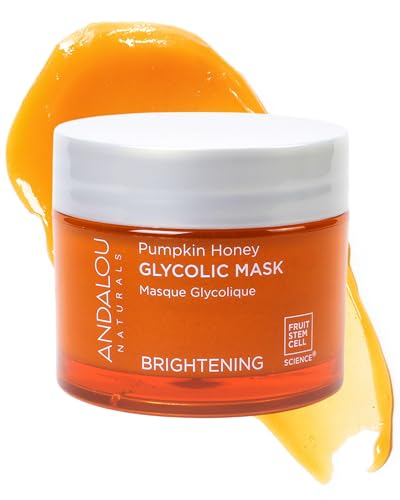
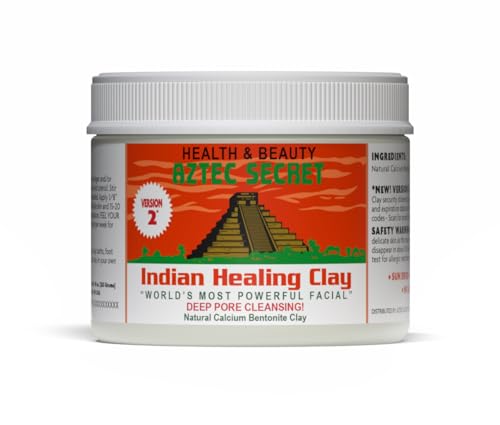
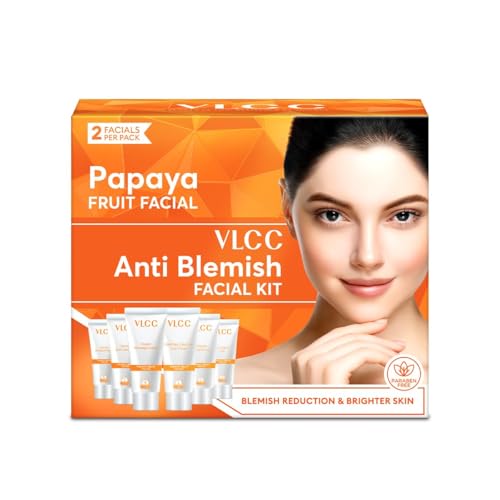
Recommended Ready-Made Fruit Packs and Kits


On This Page
- Easy Fruit Face Pack Recipes by Skin Type
- How to Apply a Fruit Face Pack at Home
- Best and Worst Fruits for a Face Pack
- Fruit Face Packs for Oily Skin
- Fruit Face Packs for Dry Skin
- Making a Fruit Cream or Massage Base
- Ready-Made Fruit Kits vs Homemade Packs
- Safety Tips
- Common Mistakes to Avoid
- Dos and Don’ts
- Honest Limits
- When to See a Dermatologist
- Common Questions
- Summing Up
What to Know First
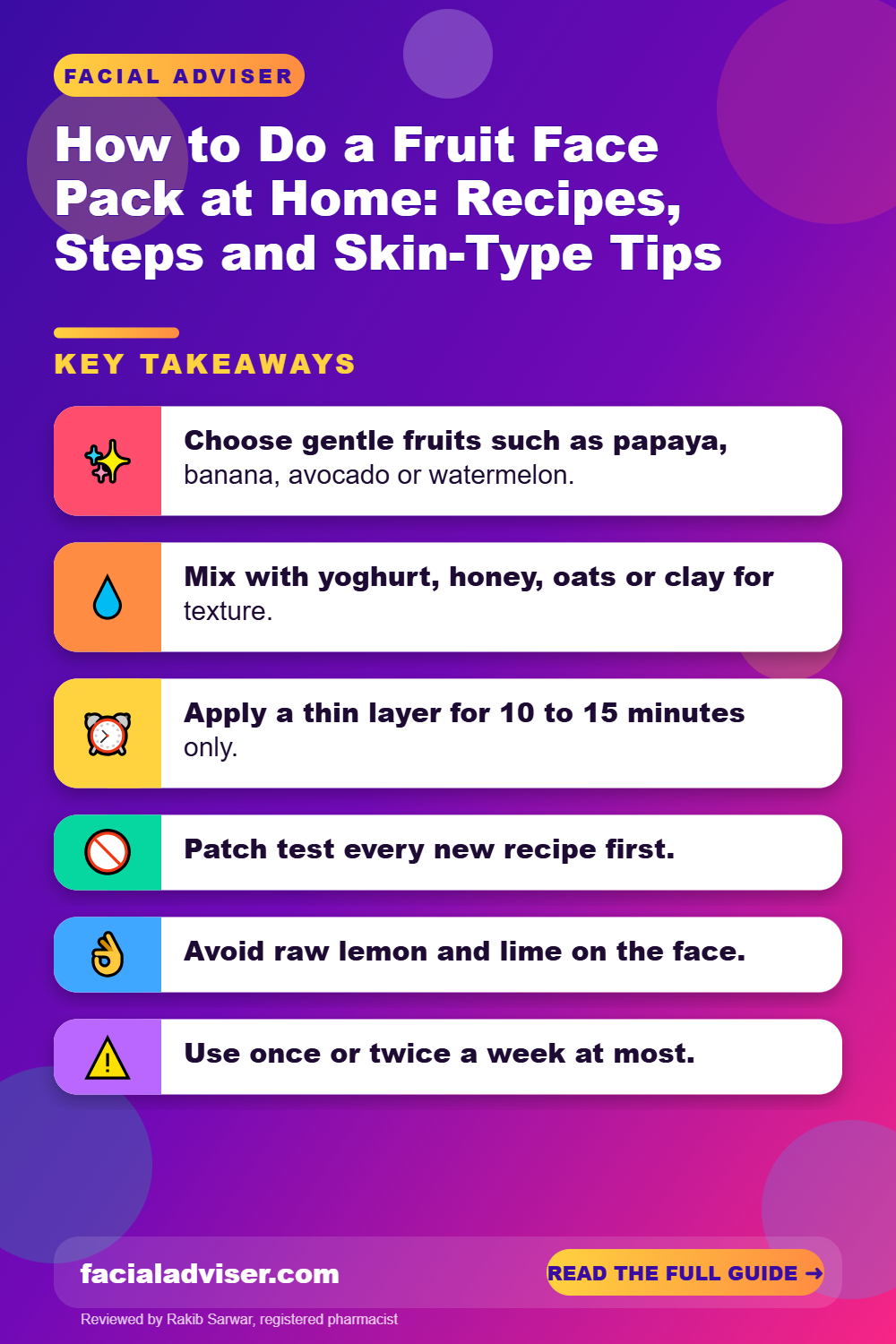
- Choose gentle fruits such as papaya, banana, avocado or watermelon.
- Mix with yoghurt, honey, oats or clay for texture.
- Apply a thin layer for 10 to 15 minutes only.
- Patch test every new recipe first.
- Avoid raw lemon and lime on the face.
- Use once or twice a week at most.
- Wear sunscreen the day after.
Easy Fruit Face Pack Recipes by Skin Type
These simple recipes use one or two fruits and a gentle binder. Use fresh, ripe fruit and make a small amount each time. Ripe fruit mashes more smoothly and is usually gentler than underripe fruit, which can be firmer and more acidic.
| Skin type | Recipe | Why it helps |
|---|---|---|
| Oily | 2 tbsp mashed papaya + 1 tsp clay or multani mitti | Papaya enzyme exfoliates; clay absorbs oil |
| Dry | Half a ripe banana + 1 tsp honey | Creamy banana softens; honey attracts moisture |
| Very dry | 2 tbsp avocado + 1 tbsp plain yoghurt | Rich and soothing |
| Combination | Papaya on the T-zone, banana on the cheeks | Treats each area separately |
| Dull | 2 tbsp papaya + 1 tsp honey | Gentle enzyme glow |
| Sensitive | Cucumber or watermelon pulp + 1 tbsp oats | Cooling, low in acid |
Keep recipes simple. Adding many ingredients increases the chance of irritation and makes it harder to know what your skin is reacting to. Use roughly one to two tablespoons of pack for the whole face, and wash your bowl and spoon well before and after. Fresh fruit starts to spoil quickly once mashed, so make only what you will use straight away and throw away any leftovers.
How to Apply a Fruit Face Pack at Home
Follow these steps for the best results with the least irritation. The whole routine takes about 20 to 25 minutes, including preparation and rinsing.
Patch test
Apply a small amount to the jawline or behind the ear and wait 24 hours to check for redness, itching or bumps before using it on your whole face.
Cleanse
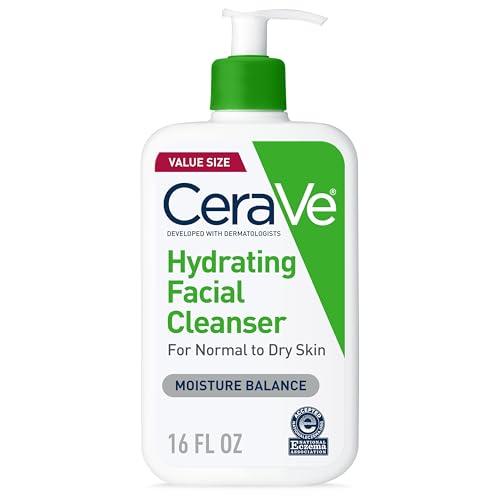
Wash your face with a gentle cleanser and pat it dry.
Prepare the pack
Mash the fruit until smooth and mix in the binder to a spreadable paste.
Apply
Spread a thin, even layer with clean fingers or a brush, avoiding the eyes and lips.
Wait
Leave it on for 10 to 15 minutes while you relax; do not let it dry completely and crack, and remove it sooner if it starts to sting.
Rinse
Wash off with lukewarm water using gentle circular movements, then pat dry with a clean, soft towel rather than rubbing.
Moisturise
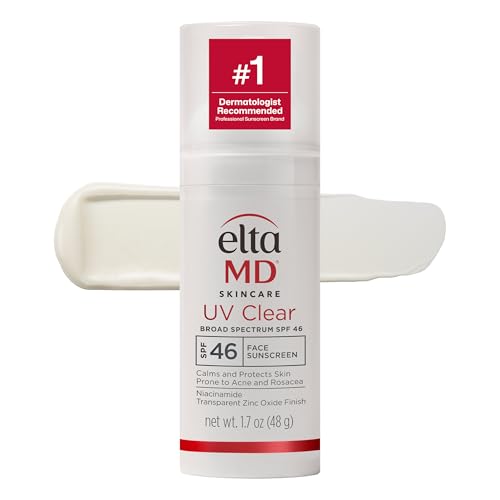
Apply a light moisturiser; use sunscreen the next morning.
Tie your hair back and apply the pack over a sink. Fruit packs are messy, and keeping them off your hairline and clothes makes the whole routine easier.
Best and Worst Fruits for a Face Pack
Not every fruit belongs on your face. Some are gentle and nourishing, while others are too acidic or irritating, especially for sensitive or freshly shaved skin.
- Papaya: contains the enzyme papain, a gentle exfoliant for dull and oily skin.
- Banana: soft, creamy and soothing, good for dry skin.
- Avocado: rich in natural oils, useful for very dry skin.
- Watermelon and cucumber: mostly water, cooling and gentle.
- Pineapple: contains bromelain but can tingle; use sparingly and only on resilient skin.
- Lemon, lime and orange juice: too acidic and can cause burns or dark patches in sunlight; avoid on the face.
Never apply raw lemon or lime juice to your face and then go outdoors. Citrus juice on sun-exposed skin can cause a painful reaction called phytophotodermatitis, which may leave dark marks for weeks.
Our guide on whether a fruit facial is good for your skin explains how fruit acids and enzymes work.
Fruit Face Packs for Oily Skin
Oily and combination skin benefits from packs that exfoliate gently and absorb excess oil without stripping the skin. Over-drying oily skin can make it feel tight and even trigger more oil, so balance matters more than strength.
- Use papaya or pumpkin for their enzymes.
- Add a little clay or multani mitti to absorb oil.
- Avoid heavy, oily fruits such as avocado on the T-zone.
- Leave clay-based packs on for no more than 10 minutes.
- Follow with a light, oil-free moisturiser.
If you are prone to breakouts, choose simple recipes, avoid heavy oils and honey on active spots, and stop if you notice more spots over the following days. The AAD’s acne tips recommend gentle care and non-comedogenic products for acne-prone skin.
Fruit Face Packs for Dry Skin
Dry skin needs hydration more than exfoliation, so choose soft, creamy fruits and moisturising binders. Enzyme-rich fruits can still be used occasionally, but mix them with something soothing such as yoghurt or honey and keep the time short.
- Banana or avocado mashed with honey or yoghurt.
- Skip clay, which can dry skin further.
- Keep the pack on for 10 to 15 minutes, then rinse gently.
- Apply a richer moisturiser straight afterwards while the skin is slightly damp.
A thin layer of pack is enough. Thick layers do not work better and are harder to rinse off without rubbing. In very dry or cold weather, you can finish with a few drops of a gentle facial oil over your moisturiser to lock in hydration.
Making a Fruit Cream or Massage Base
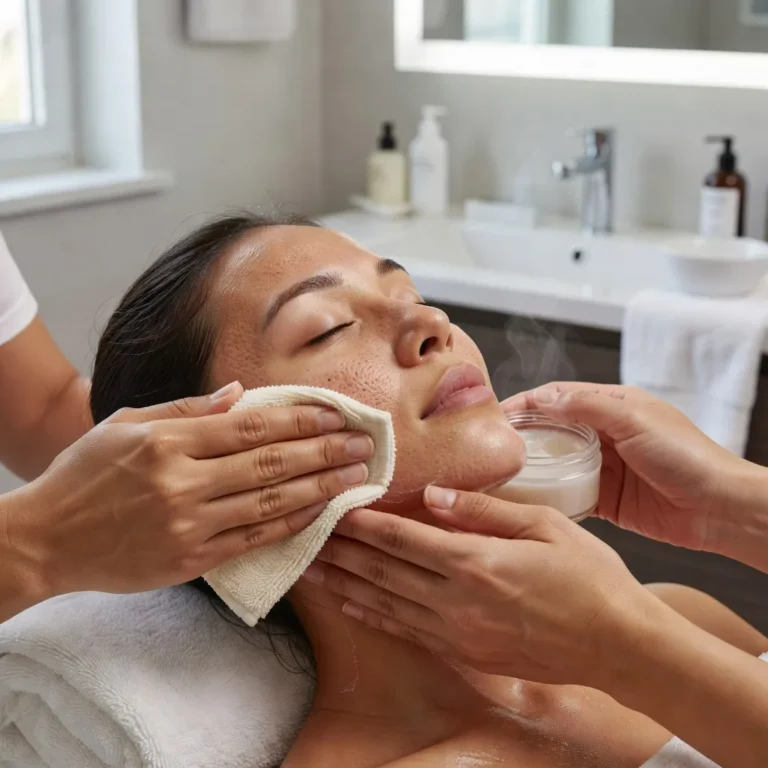
Some people like to massage the face before applying a pack, as in a salon fruit facial. You can make a simple massage base at home, and the massage itself is a relaxing way to boost circulation and give skin a brief rosy glow.
- Mix a spoonful of your usual gentle moisturiser with a little mashed banana or avocado.
- Massage in upward circles for three to five minutes.
- Wipe away with a damp cloth before applying the pack.
- Make it fresh each time and do not store homemade fruit creams, which spoil quickly.
Homemade creams have no preservatives, so they can grow bacteria within hours, especially in warm, humid weather. If you want a longer-lasting product, choose a formulated fruit cream or kit instead.
Ready-Made Fruit Kits vs Homemade Packs
Both options work, and each has advantages. The best choice depends on your skin, budget and how much time you want to spend preparing the pack.
| Feature | Homemade pack | Ready-made kit |
|---|---|---|
| Cost | Low | Moderate |
| Freshness | Must be made each time | Shelf-stable |
| Strength | Varies with the fruit | Controlled and tested |
| Convenience | Messy, more preparation | Quick and tidy |
| Irritation risk | Higher with acidic fruits | Usually lower |
| Steps | Pack only | Often cleanser, scrub, cream and pack |
If you have sensitive skin or want predictable results, a formulated kit or fruit enzyme mask is usually the safer choice. Kits have tested strengths, clear instructions and a shelf life, while homemade packs are cheaper and let you control exactly what goes on your skin. Many people use both: a homemade banana or papaya pack for a quick weekly treat and a kit before special occasions. Our guide to fruit facial steps in a parlour explains the full salon routine you can copy with a kit.
Safety Tips
Home face packs are low risk if you follow a few simple rules. Most reactions come from acidic fruits, long application times or using packs too often.
- Patch test every new recipe.
- Keep packs away from the eyes, lips and broken skin.
- Do not use a pack on sunburn, cuts, eczema or active rosacea.
- Remove the pack immediately if it burns or itches.
- Use once or twice a week at most.
- Wear sunscreen the next day.
The FDA advises using sunscreen during and for a week after using alpha hydroxy acid products, because they make skin more sensitive to the sun.
Common Mistakes to Avoid
Most problems with home fruit packs come from a few simple mistakes. Avoiding them makes the routine safer and more effective.
- Using too many ingredients at once, which makes irritation more likely and harder to trace.
- Adding lemon, lime, baking soda or toothpaste, which can burn or strip the skin.
- Leaving the pack on until it dries and cracks, which pulls on the skin and can irritate it.
- Scrubbing the pack off, which adds friction to freshly exfoliated skin.
- Using a pack every day, which can weaken the skin barrier over time.
- Skipping moisturiser and sunscreen afterwards.
If a pack leaves your skin tight, red or stinging, rinse it off with cool water, apply a plain moisturiser and give your skin a few days to recover before trying a gentler recipe. Mild, brief tingling can be normal with enzyme fruits, but burning never is.
Dos and Don’ts
Good Habits
- Use ripe, fresh fruit
- Patch test first
- Keep the layer thin
- Rinse with lukewarm water
- Wear sunscreen afterwards
Common Mistakes
- Use lemon or lime juice on your face
- Leave packs on until they crack
- Store homemade packs
- Scrub the pack off roughly
- Use a pack every day
Honest Limits
Homemade fruit packs can make skin feel softer and look fresher for a day or two, but the effects are mild. There is little direct research on homemade fruit packs, and the amount of acid or enzyme in fresh fruit varies widely with ripeness and variety, so results are not always predictable.
Fruit packs will not treat acne, melasma, deep pigmentation or wrinkles, and claims that they permanently lighten or whiten skin are not supported. For those concerns, a dermatologist can recommend treatments with stronger evidence. Think of a fruit pack as a simple, relaxing treat for healthy-looking skin rather than a treatment.
When to See a Dermatologist
- You have persistent or painful acne.
- Your skin reacts with rashes, burning or dark patches.
- You have eczema, rosacea or very sensitive skin.
- You want to treat pigmentation or scars.
This article is for general information and does not replace professional medical advice. See a board-certified dermatologist for skin conditions, and stop using any home remedy that causes irritation.
Common Questions
How do I make a fruit face pack at home?
Mash a gentle fruit with a binder like yoghurt or honey and apply for 10 to 15 minutes.
Which fruit face pack is best for oily skin?
Papaya with a little clay.
Which fruit face pack is best for dry skin?
Banana or avocado with honey.
How often should I use a fruit face pack?
Once or twice a week.
How long should I leave a fruit pack on?
About 10 to 15 minutes.
Can I use lemon in a face pack?
It is best avoided because it can irritate and cause dark marks in the sun.
Can I store a homemade fruit pack?
No, make it fresh each time.
Is a fruit facial kit better than a homemade pack?
Kits are more consistent and usually gentler.
Can I use a fruit pack on acne?
Only gentle recipes, and stop if breakouts worsen.
Do I need sunscreen after a fruit pack?
Yes, fruit acids can make skin more sun-sensitive.
Summing Up
To do a fruit face pack at home, cleanse, apply a thin layer of mashed gentle fruit mixed with a simple binder for 10 to 15 minutes, rinse and moisturise.
Match the recipe to your skin type, patch test first, avoid citrus juice on the face and wear sunscreen the next day.

Written by
Registered pharmacist and founder of Facial Adviser. Rakib's pharmacy training covers how skincare actives work and interact; a later course in cosmetology turned that into a focus on facial treatments and skincare products. He plans, researches and edits every guide on the site and checks health claims against sources such as the American Academy of Dermatology, the FDA and the NIH. He is not a dermatologist; see the Editorial Policy and Medical Disclaimer.
About · Editorial policy · How we choose products · Medical disclaimer · Contact
Keep reading: DIY and ingredient facials
- Fruit Facial at Home: Does It Actually Work?
- Can Eating Too Much Fruit Cause Skin Problems? What the Evidence Says
- White Bumps on Eyelids: Home Remedies, Causes and When to See a Doctor
- Marshmallow Facial: What the Evidence Shows
- Strawberry Facial: Does the Vitamin C Claim Hold Up?
- Seaweed Facial: What The Science Actually Shows
- Facial vs Chemical Peel: Differences, Results and Which to Choose
- What Is the Best Anti-Aging Facial Treatment? Options Compared by Goal