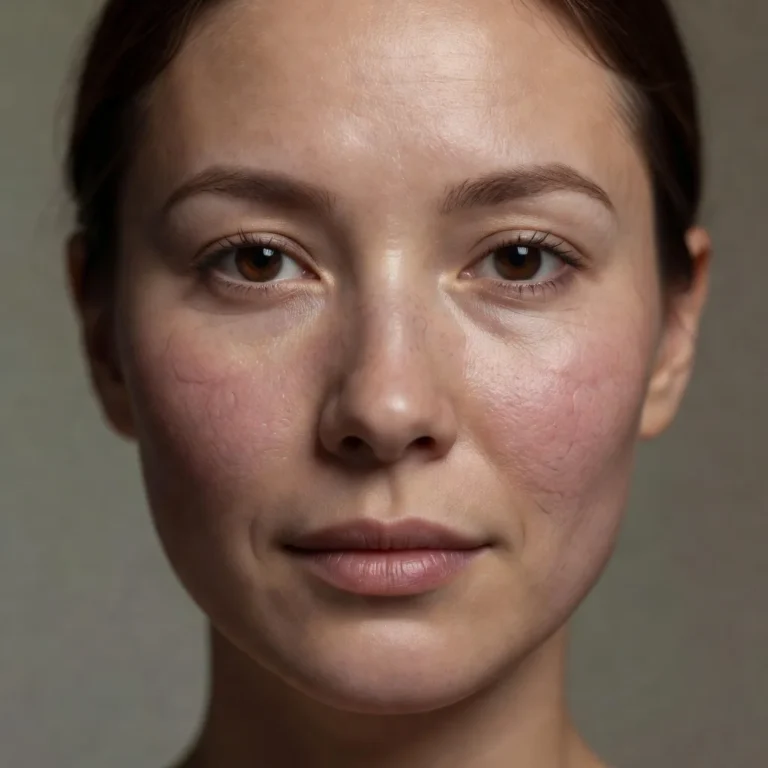
Can Eating Too Much Fruit Cause Skin Problems? What the Evidence Says
Fruit is usually seen as one of the healthiest things you can eat, so it can be confusing to hear that it might cause breakouts or other skin problems. The truth is more nuanced: whole fresh fruit is rarely the problem, but the form you eat it in, how much you eat and your own sensitivities can all matter.
Part of our guide to facial treatments. Start with: Fruit Facial at Home: Does It Actually Work?
For most people, eating whole fresh fruit does not cause skin problems and is part of a diet that supports healthy skin. Problems are more likely with large amounts of fruit juice, smoothies with added sugar and dried fruit, which raise blood sugar quickly and may worsen acne in some people. Very high intakes of orange and yellow fruits such as mango, papaya and cantaloupe can cause a harmless yellow-orange tint to the skin called carotenemia. Fruit allergies can cause itching, hives or rashes around the mouth, and handling limes or other citrus in the sun can trigger a skin reaction. If you notice a pattern, track your intake and see a dermatologist.
In short: whole fruit is fine for most skin; juice, dried fruit, allergies and extreme intakes are where issues can appear.
The American Academy of Dermatology notes that high-glycemic foods may worsen acne, while listing some fresh fruits among lower-glycemic choices.
This guide explains how fruit can affect your skin, who is most at risk and how to work out whether your diet is playing a part.
Shopping these picks?
Amazon Prime members get fast, free shipping on eligible items, plus Prime Video, Amazon Music and member deals. New members can start with a free trial.
Start a free Prime trialAged 18 to 24? Prime for Young Adults comes with a longer free trial and a lower price after it.
Affiliate link: we may earn a commission at no extra cost to you.
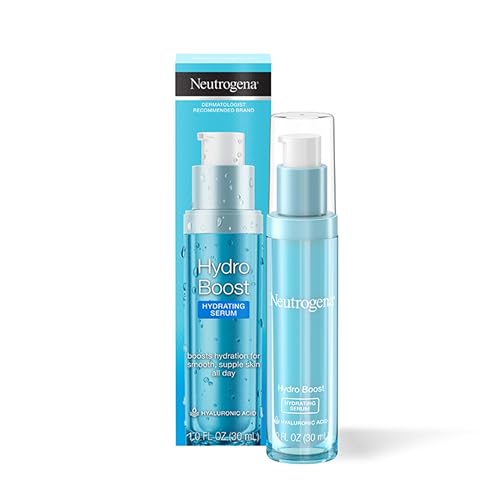
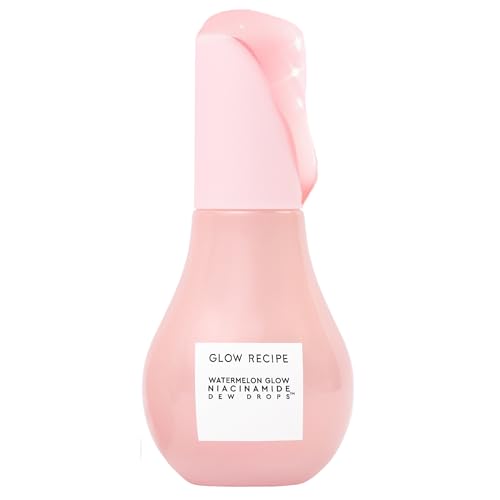
Recommended Skincare for Breakout-Prone and Dull Skin


Key Takeaways
- Whole fresh fruit rarely causes skin problems.
- Fruit juice, sugary smoothies and dried fruit raise blood sugar faster.
- High-glycemic diets may worsen acne in some people.
- Very high intakes of orange fruits can tint the skin yellow-orange.
- Fruit allergies can cause itching, hives or rashes.
- Citrus on the skin plus sunlight can cause a reaction.
- Track patterns before cutting out healthy foods.
Jump to a Section
- How Fruit Can Affect Your Skin
- Can Fruit Cause Acne?
- Yellow or Orange Skin From Eating Fruit
- Fruit Allergies and Skin Reactions
- Citrus, Sunlight and Your Skin
- How to Work Out Whether Fruit Is Affecting Your Skin
- Whole Fruit vs Juice vs Dried Fruit
- Healthy Ways to Eat Fruit for Your Skin
- Skincare That Helps Alongside Diet
- Dos and Don’ts
- Honest Limits
- When to See a Doctor or Dermatologist
- FAQ
- The Takeaway
How Fruit Can Affect Your Skin
Fruit affects skin in several different ways, and most of them are positive. This table summarises the main effects, from the everyday benefits to the less common problems.
| Effect | What causes it | How common |
|---|---|---|
| Healthy skin support | Vitamins, antioxidants, fibre and water | Very common |
| Acne flares in some people | High-glycemic juices, sweetened smoothies, dried fruit | Varies between people |
| Yellow-orange skin tint | Very high intake of orange and yellow fruits | Uncommon |
| Itching, hives or rash | Fruit allergy or oral allergy syndrome | Uncommon |
| Skin reaction in sunlight | Citrus juice on the skin plus sun exposure | Uncommon |
| Irritation around the mouth | Acidic fruits such as citrus or pineapple | Fairly common, mild |
For most people, the benefits of fruit far outweigh any risk. Fruit provides vitamin C, which the skin needs to make collagen, along with antioxidants and fibre that support overall health. Cutting fruit out of your diet without a clear reason is more likely to harm your overall health than help your skin.
Can Fruit Cause Acne?
The link between diet and acne is still being studied, but high-glycemic foods, which raise blood sugar quickly, have been linked to acne in some people. Researchers think quick rises in blood sugar and insulin may increase oil production and inflammation in the skin.
- Whole fruits contain fibre, which slows the rise in blood sugar.
- Fruit juice, sweetened smoothies and dried fruit deliver sugar much faster and in larger amounts.
- Tropical fruits such as very ripe mango, grapes or pineapple are higher in sugar than berries, apples or pears, though all of them are fine in normal portions.
- Fruit eaten alongside protein or fat raises blood sugar more slowly.
The AAD’s article Can the right diet get rid of acne? lists sugary drinks among high-glycemic foods and includes some fresh fruits among lower-glycemic choices. Our guide on the connection between gut health and acne looks at diet and breakouts more broadly.
Yellow or Orange Skin From Eating Fruit
Eating very large amounts of orange and yellow fruits and vegetables can cause carotenemia, a harmless yellow-orange tint to the skin. It is more common in people who follow very fruit-heavy diets, drink a lot of carrot or mango juice, or take beta-carotene supplements.
- It comes from beta-carotene in foods such as mango, papaya, cantaloupe, oranges and carrots.
- The tint is most visible on the palms, soles and around the nose.
- Unlike jaundice, the whites of the eyes stay white.
- It fades gradually over weeks once intake is reduced, and it does not damage the skin.
A yellow tint to the skin can also be a sign of liver or other medical problems. If the whites of your eyes turn yellow, or you feel unwell, see a doctor promptly rather than assuming it is your diet.
Fruit Allergies and Skin Reactions
Some people react to specific fruits, and the skin is often where the reaction shows first. Reactions usually happen within minutes to a couple of hours of eating the fruit.
- Itching, tingling or swelling of the lips, mouth or throat after eating raw fruit.
- Hives or itchy rashes on the face or body.
- Redness around the mouth from acidic fruits, especially in children.
- Rarely, severe reactions with breathing difficulty.
Seek emergency help if you have swelling of the lips, tongue or throat, trouble breathing or feel faint after eating any food. These can be signs of a serious allergic reaction.
Some people with pollen allergies react to certain raw fruits, a condition called oral allergy syndrome. Cooking the fruit often reduces the reaction. An allergist can confirm which foods are involved and whether you need to avoid them.
Citrus, Sunlight and Your Skin
Citrus can affect the skin from the outside as well as the inside, and this reaction is often mistaken for an allergy or a burn.
- Lime, lemon and other citrus juices on the skin can react with sunlight and cause a burn-like rash called phytophotodermatitis.
- The rash often appears as streaks or drip marks where juice touched the skin.
- It can leave dark marks that last for weeks or months.
- Wash your hands and face after handling citrus, especially before going outdoors.
This is also why lemon juice should not be used as a home face treatment, despite its popularity in DIY beauty tips. Our guide on how to do a fruit face pack at home covers safer fruits to use on the skin.
How to Work Out Whether Fruit Is Affecting Your Skin
Before cutting out healthy foods, look for a real pattern. These steps help you find out whether fruit is involved, and they work for any food you suspect.
Keep a food and skin diary
Note what you eat and drink and how your skin looks each day for four to six weeks.
Look at the form of fruit
Separate whole fruit from juice, smoothies and dried fruit.
Watch portion sizes
Note large amounts of any single fruit, especially orange fruits.
Swap rather than cut
Replace juice with whole fruit and pair fruit with protein or nuts.
Change one thing at a time
Adjust one habit for several weeks before judging the result.
Keep your skincare consistent
Avoid changing products at the same time so you can see the effect of diet.
See a professional
Talk to a dermatologist, allergist or dietitian if symptoms persist.
Acne often improves slowly, so give any diet change at least six to eight weeks before deciding whether it helps.
Whole Fruit vs Juice vs Dried Fruit
The same fruit can affect your body differently depending on the form you eat it in. This matters most if you are prone to acne and want to keep blood sugar steadier.
| Form | Fibre | Sugar per typical serving | Effect on blood sugar |
|---|---|---|---|
| Whole fresh fruit | High | Moderate | Slower rise |
| Fruit juice | Very low | High, from several fruits | Fast rise |
| Sweetened smoothie | Some | Often high, with added sugar | Fast rise |
| Dried fruit | High | Concentrated, easy to overeat | Moderate to fast |
| Fruit with yoghurt or nuts | High | Moderate | Slowest rise |
A glass of juice can contain the sugar of several pieces of fruit without the fibre that slows absorption, which is why swapping juice for whole fruit is one of the simplest changes to try if you think diet is affecting your skin. Dried fruit is healthy in small amounts but easy to overeat, because the water has been removed and a handful contains a lot of sugar.
Healthy Ways to Eat Fruit for Your Skin
You do not need to avoid fruit to protect your skin. A few simple habits help you enjoy it without problems, and most of them are good for your overall health too.
- Choose whole fruit over juice most of the time.
- Mix lower-sugar fruits such as berries, apples and pears with sweeter tropical fruits.
- Eat fruit with yoghurt, nuts or seeds to slow the rise in blood sugar.
- Keep dried fruit to small portions.
- Vary the colours of fruit you eat rather than eating large amounts of one type.
A balanced diet with plenty of vegetables, whole grains and protein supports your skin far more than cutting out any single food. Drinking enough water, sleeping well and managing stress also play a part in how your skin looks and behaves.
Skincare That Helps Alongside Diet
Diet is only one piece of the picture. A simple, consistent routine makes a bigger difference for most skin concerns, whatever you eat.
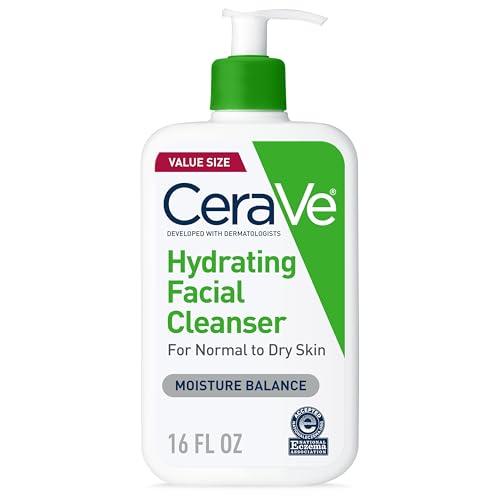
- A gentle cleanser morning and night.
- A leave-on BHA a few times a week for clogged pores.
- A light, non-comedogenic moisturiser.
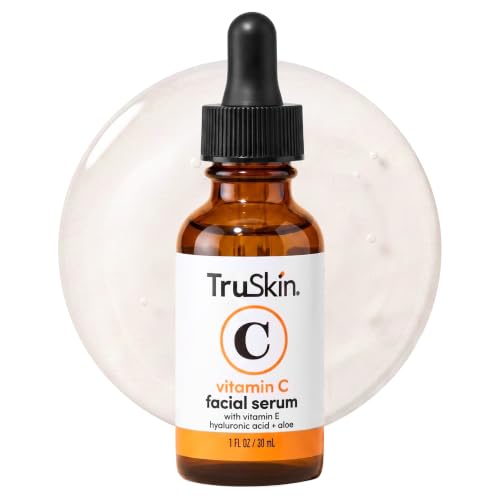
- A vitamin C or niacinamide serum for dullness and uneven tone.
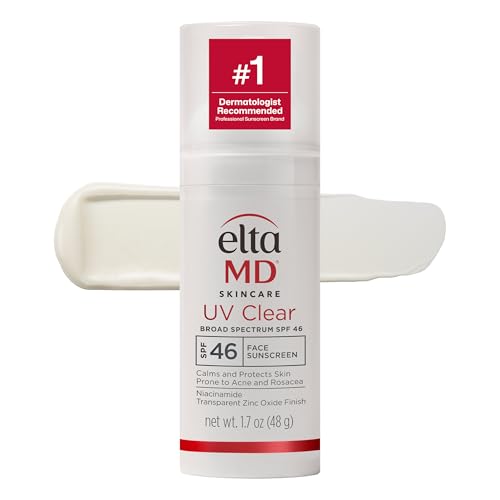
- Broad-spectrum sunscreen every morning.
The AAD’s acne tips recommend gentle care and non-comedogenic products for breakout-prone skin. If over-the-counter products do not help within a few months, a dermatologist can recommend prescription options that work far better than diet changes alone.
Dos and Don’ts
Try This
- Eat whole fruit most of the time
- Pair fruit with protein or healthy fats
- Track patterns before changing your diet
- Wash hands after handling citrus
- See a doctor for yellow eyes or allergic symptoms
Avoid This
- Cut out all fruit without a reason
- Drink large amounts of fruit juice daily
- Rub lemon juice on your skin
- Ignore swelling after eating fruit
- Expect diet alone to clear acne
Honest Limits
Research on diet and skin is still developing, and headlines often overstate what individual studies show. Links between high-glycemic foods and acne come mainly from observational studies and small trials, and people vary widely in how their skin responds.
There is no strong evidence that whole fruit in normal amounts causes acne or other skin problems for most people. If your skin changes, other factors such as hormones, stress, skincare and medications are often more important than fruit. A dermatologist can help you look at all of these together rather than focusing on one food.
When to See a Doctor or Dermatologist
- Your acne is persistent, painful or leaving marks.
- The whites of your eyes turn yellow.
- You have swelling, hives or itching after eating fruit.
- You have a burn-like rash after handling citrus in the sun.
This article is for general information and does not replace professional medical advice. See a doctor, dermatologist or allergist for skin changes, suspected allergies or before making major changes to your diet.
FAQ
Can eating too much fruit cause acne?
Whole fruit rarely does; large amounts of juice, sweetened smoothies or dried fruit may worsen acne in some people.
Can fruit make your skin turn orange?
Very high intakes of orange and yellow fruits can cause harmless carotenemia.
Is fruit juice bad for skin?
Large amounts may raise blood sugar quickly and may affect acne in some people.
Which fruits are best for skin?
A variety, including berries, citrus, kiwi, papaya and apples.
Can a fruit allergy cause a rash?
Yes, it can cause itching, hives or rashes.
Can lemon cause skin problems?
Lemon or lime juice on the skin in sunlight can cause a burn-like reaction.
Should I stop eating fruit if I have acne?
Usually not; switch juice for whole fruit and track patterns.
How long does carotenemia last?
It fades over weeks once intake is reduced.
Does sugar in fruit cause wrinkles?
There is no good evidence that normal fruit intake causes wrinkles.
When should I see a doctor?
If your eyes turn yellow, you have allergic symptoms or acne persists.
The Takeaway
Eating whole fresh fruit is unlikely to cause skin problems for most people, but large amounts of juice or dried fruit, very high intakes of orange fruits, allergies and citrus on sun-exposed skin can all affect the skin.
Choose whole fruit most of the time, track patterns before cutting foods out, and see a professional if symptoms persist.

Written by
Registered pharmacist and founder of Facial Adviser. Rakib's pharmacy training covers how skincare actives work and interact; a later course in cosmetology turned that into a focus on facial treatments and skincare products. He plans, researches and edits every guide on the site and checks health claims against sources such as the American Academy of Dermatology, the FDA and the NIH. He is not a dermatologist; see the Editorial Policy and Medical Disclaimer.
About · Editorial policy · How we choose products · Medical disclaimer · Contact
Keep reading: DIY and ingredient facials
- Fruit Facial at Home: Does It Actually Work?
- White Bumps on Eyelids: Home Remedies, Causes and When to See a Doctor
- Marshmallow Facial: What the Evidence Shows
- Strawberry Facial: Does the Vitamin C Claim Hold Up?
- Seaweed Facial: What The Science Actually Shows
- Flower Facial: Which Botanical Claims Hold Up
- Microneedling Facial: Real Results, Explained
- Is Hydrafacial a Gimmick? What Evidence Shows