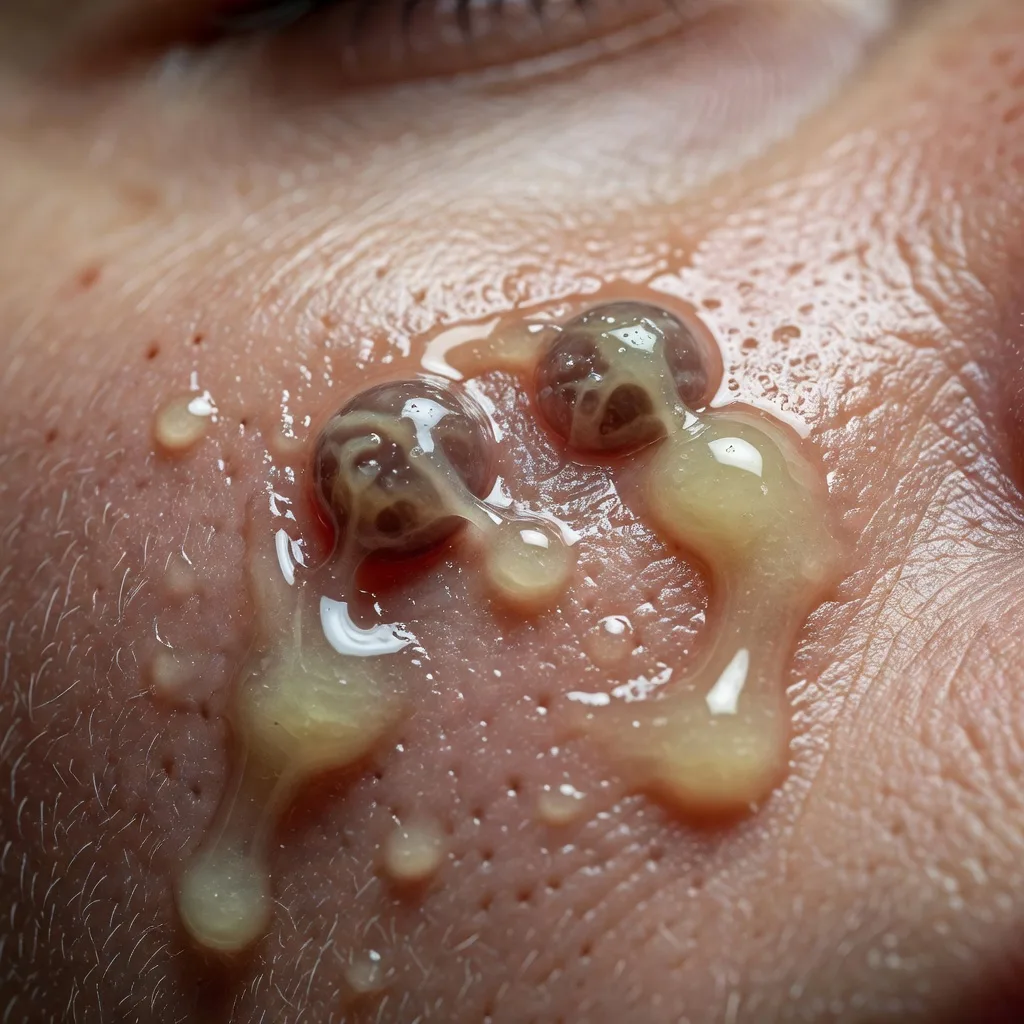
How Hormones Control Oil Production in Your Skin
Why does skin turn oily almost overnight at puberty, get shinier in the week before a period, or suddenly break out after stopping the pill? The answer lies in the small oil glands attached to every hair follicle and the hormones that switch them up and down.
Part of our guide to lifestyle and skin. Start with: How Diet Impacts the Skin Microbiome: What the Science Actually Shows
Sebum production is controlled mainly by androgens, the hormones such as testosterone and dihydrotestosterone (DHT) that are present in both men and women. Androgens make oil glands grow and produce more sebum, which is why oiliness rises at puberty, before periods, in conditions such as polycystic ovary syndrome (PCOS) and sometimes with stress. Oestrogen tends to reduce oil. Topical products control shine, while prescription hormonal treatments can reduce oil at its source.
Sebum itself is not the enemy. It is a waxy mix of fats that helps keep skin supple and forms part of its protective barrier. Problems come when there is too much of it, or when it combines with dead skin cells and bacteria to clog pores and trigger acne.
Hormones are only part of the picture. Genetics largely decide how big and active your oil glands are, and climate, skincare and some medicines play a role too. But when oiliness changes over time, or follows a monthly pattern, hormones are usually involved.
This guide explains how hormones act on the oil glands, the life stages and conditions that shift sebum production, how to tell when oiliness is hormonal, and what actually helps, from daily skincare to treatments a doctor can prescribe.
Shopping these picks?
Amazon Prime members get fast, free shipping on eligible items, plus Prime Video, Amazon Music and member deals. New members can start with a free trial.
Start a free Prime trialAged 18 to 24? Prime for Young Adults comes with a longer free trial and a lower price after it.
Affiliate link: we may earn a commission at no extra cost to you.
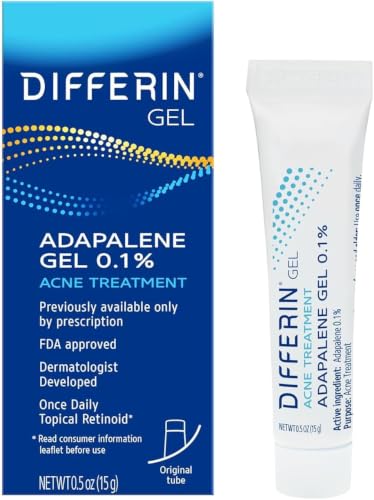
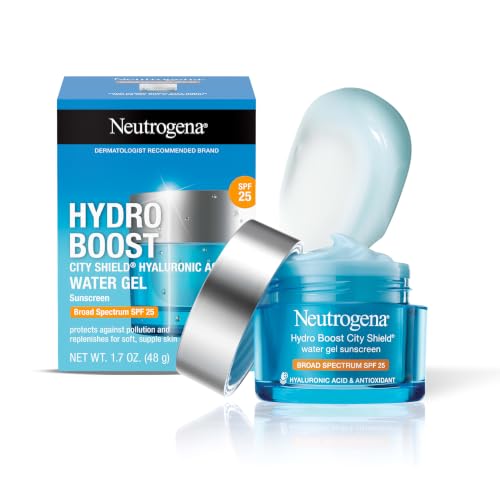
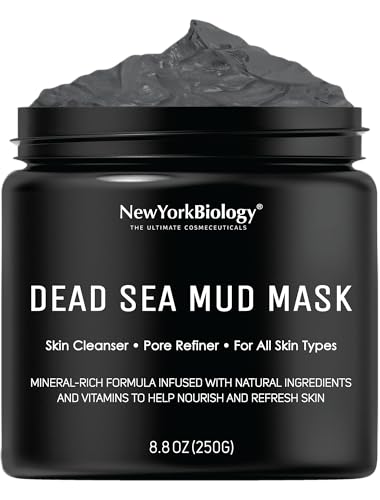
Recommended Products for Hormonal Oily Skin



In This Guide
- How Hormones Act on Oil Glands
- How Oil Production Changes Through Life
- PCOS and Other Hormonal Conditions
- What Sebum Does and Why Too Much Causes Trouble
- Is Your Oiliness Hormonal?
- How to Manage Hormone-Driven Oiliness
- Medical Treatments That Target Hormones
- Lifestyle Factors That Influence Sebum
- Dos and Don’ts
- Honest Limits
- When to See a Doctor
- Questions People Ask
- Where This Leaves You
Key Takeaways
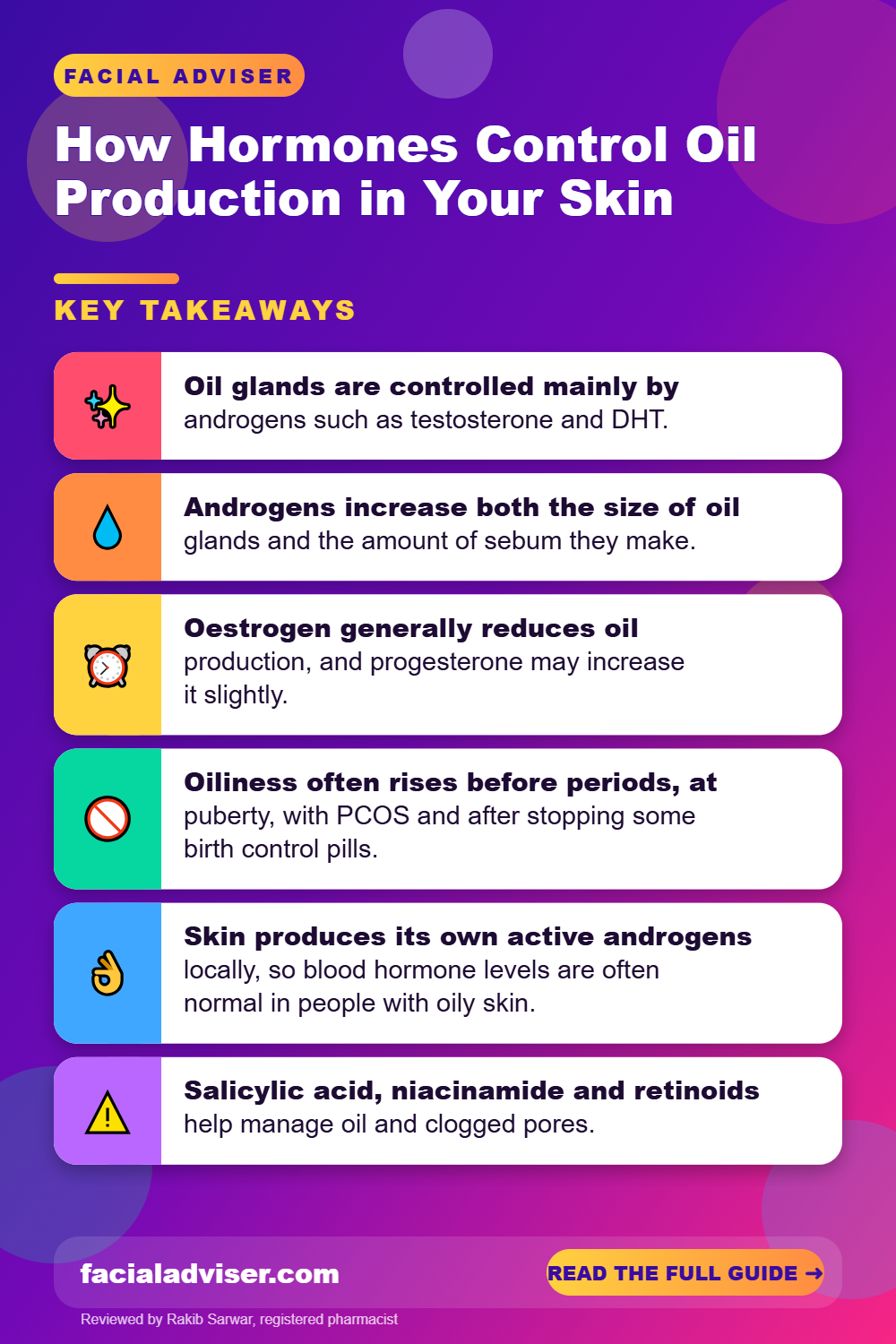
- Oil glands are controlled mainly by androgens such as testosterone and DHT.
- Androgens increase both the size of oil glands and the amount of sebum they make.
- Oestrogen generally reduces oil production, and progesterone may increase it slightly.
- Oiliness often rises before periods, at puberty, with PCOS and after stopping some birth control pills.
- Skin produces its own active androgens locally, so blood hormone levels are often normal in people with oily skin.
- Salicylic acid, niacinamide and retinoids help manage oil and clogged pores.
- Hormonal treatments such as some combined pills and spironolactone can reduce sebum at its source.
How Hormones Act on Oil Glands
Each sebaceous gland is attached to a hair follicle and releases sebum up through the pore. The cells inside the gland carry receptors for androgens. When androgens bind to these receptors, the glands grow larger and make more sebum.
Skin is not just a passive target. It contains enzymes, including 5-alpha reductase, that convert weaker androgens into DHT, a more potent form, right inside the oil gland. This is why people with normal blood hormone levels can still have very oily skin: their glands may be more sensitive to androgens or make more active hormone locally.
| Hormone | Effect on oil glands | When it matters |
|---|---|---|
| Testosterone | Increases sebum | Puberty, PCOS, some medicines |
| DHT | Strongest effect on oil glands | Made locally in the skin from other androgens |
| DHEA-S | Weak androgen from the adrenal glands; converted in skin | Rises at puberty and with stress |
| Oestrogen | Tends to reduce sebum | Higher in the first half of the menstrual cycle, pregnancy |
| Progesterone | May increase oiliness slightly | Second half of the cycle |
| Cortisol and stress hormones | Can raise androgen activity and inflammation | Stressful periods |
| Insulin and IGF-1 | Boost androgen effects on glands | High-glycaemic diets, puberty |
How Oil Production Changes Through Life
- Newborns: hormones from the mother can cause temporary baby acne.
- Puberty: rising androgens enlarge oil glands, making skin oilier and acne common.
- Twenties and thirties: oil production is often at its peak, then slowly declines.
- Menstrual cycle: many people notice more oil and breakouts in the week before a period.
- Pregnancy: changes vary; some people get oilier, others clearer.
- Perimenopause and menopause: falling oestrogen can shift the balance toward androgens, and some women get adult acne even as their skin gets drier overall.
- Older age: sebum production usually drops, especially in women after menopause.
The American Academy of Dermatology notes that fluctuating hormones around periods, during pregnancy, perimenopause and menopause, and after starting or stopping birth control pills are common triggers for adult acne in women (AAD).
PCOS and Other Hormonal Conditions
Polycystic ovary syndrome is one of the most common hormonal conditions in women and often causes higher androgen levels. Along with irregular periods, it can bring oily skin, persistent acne along the jaw and chin, excess facial or body hair and scalp hair thinning.
Other, rarer causes of high androgens include some adrenal and ovarian conditions, and medicines such as anabolic steroids or testosterone therapy. Sudden, marked changes such as a deepening voice or rapid hair growth are reasons to see a doctor promptly.
Most people with oily skin do not have a hormonal disorder. Testing is usually considered when oily skin or acne comes with other signs such as irregular periods, excess hair growth or acne that does not respond to standard treatment.
What Sebum Does and Why Too Much Causes Trouble
Sebum is a mix of fats including triglycerides, wax esters and squalene. It coats the skin surface, slows water loss and carries antioxidants such as vitamin E to the skin. People with very little sebum often struggle with dryness and irritation.
Excess sebum causes problems in a few ways. It makes skin look shiny and pores look larger. Mixed with dead skin cells, it can plug pores, forming blackheads and whiteheads. Acne bacteria feed on sebum, and some of its fats can become irritating when oxidised, driving inflammation and red spots.
| Sebum level | Common result |
|---|---|
| Low | Dryness, tightness, flaking, easily irritated skin |
| Balanced | Comfortable skin with a soft sheen |
| High | Shine, enlarged-looking pores, blackheads and a tendency to acne |
The goal is not to remove oil completely but to bring it back into a comfortable range and keep pores clear.
Is Your Oiliness Hormonal?
- Your skin gets noticeably oilier or breaks out in the week before your period.
- Breakouts cluster along the jaw, chin and neck.
- Oiliness or acne started or worsened after stopping or changing birth control.
- You also have irregular periods, excess hair growth or scalp hair thinning.
- Your skin changed during a stressful period, pregnancy or perimenopause.
- Standard acne products help only partly.
If several apply, hormones are likely part of the picture, and it is worth discussing hormonal treatment options with a doctor or dermatologist.
How to Manage Hormone-Driven Oiliness
Cleanse gently twice a day
Use a gel or foaming cleanser suited to oily skin, without harsh scrubbing, which can trigger rebound irritation.
Use salicylic acid
A leave-on or rinse-off salicylic acid product helps clear oil from pores.
Add a retinoid at night
Adapalene or other retinoids keep pores clear and reduce breakouts.
Moisturise lightly
A light, oil-free moisturiser prevents the dehydration that can make skin look greasier.
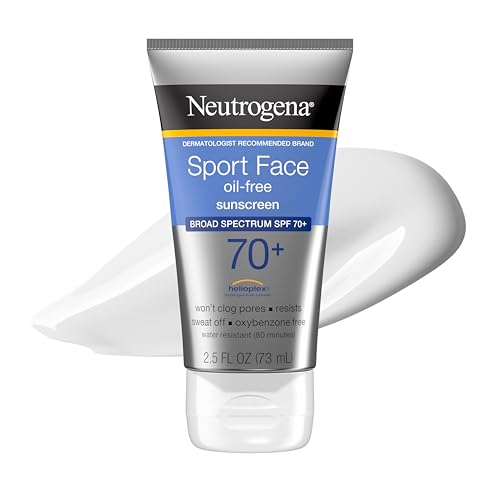
Use a non-greasy sunscreen
Choose a fluid or gel sunscreen labelled non-comedogenic.
Track your cycle
Note when oiliness and breakouts peak so you can step up treatment ahead of time.
Blotting papers remove shine during the day without stripping the skin. Avoid repeatedly washing your face, which can irritate it and does not stop oil production.
Medical Treatments That Target Hormones
When skincare is not enough, doctors can prescribe treatments that reduce oil at its source.
| Treatment | How it works | Who it suits |
|---|---|---|
| Combined oral contraceptives | Oestrogen reduces androgen activity | Women who also want contraception |
| Spironolactone | Blocks androgen receptors | Adult women with hormonal acne |
| Clascoterone cream | Topical androgen receptor blocker | People aged 12 and over with acne |
| Isotretinoin | Shrinks oil glands dramatically | Severe or scarring acne |
| Treating PCOS | Lifestyle changes and medicines such as metformin | Women diagnosed with PCOS |
Spironolactone and isotretinoin must not be taken during pregnancy. They require a prescription and monitoring by a doctor.
Lifestyle Factors That Influence Sebum
Diet and stress affect oil production partly through hormones. High-glycaemic foods raise insulin and IGF-1, which amplify the effect of androgens on oil glands, and some studies link low-glycaemic diets with fewer breakouts; see our guide to sugar and your skin. Chronic stress raises cortisol and androgen activity, which can increase both oil and inflammation, as we cover in how to lower cortisol for better skin.
Sleep, exercise and a balanced diet will not transform genetically oily skin, but they support hormone balance and often make acne easier to control. Heavy, occlusive skincare and hair products can also block pores along the hairline and forehead.
Climate matters too. Heat and humidity increase oil flow and sweating, so many people find their skin oilier in summer and drier in winter even though their hormones have not changed. Adjusting your products with the seasons, such as switching to a lighter gel moisturiser in hot months, keeps skin more comfortable year-round.
Finally, be wary of over-drying. Harsh cleansers, alcohol toners and frequent clay masks can leave the surface dehydrated and irritated. Oil glands do not switch on in response, as is often claimed, but irritated, dehydrated skin can look greasier and break out more, so gentle care usually works better than aggressive stripping.
Dos and Don’ts
Helps
- Use gentle, non-comedogenic products
- Keep a light moisturiser in your routine
- Track breakouts against your cycle
- See a doctor if you have irregular periods or excess hair growth
- Give treatments eight to twelve weeks to work
Backfires
- Scrub or over-wash oily skin
- Use alcohol-heavy toners that strip the barrier
- Stop birth control without discussing skin effects
- Take hormone supplements marketed for skin without advice
- Pick at hormonal breakouts along the jaw
Honest Limits
No topical product can switch off oil glands the way hormonal medicines or isotretinoin can. Skincare manages the effects of oil, such as shine and clogged pores, rather than the cause.
Hormone blood tests are often normal in people with oily skin and acne, because much of the action happens locally in the skin. A normal test does not mean hormones are not involved.
Supplements marketed for ‘hormonal balance’, such as spearmint tea, saw palmetto or DIM, have limited evidence for acne and can interact with medicines. Discuss them with a doctor before trying, especially if you are pregnant, trying to conceive or taking other medicines.
It is also worth knowing that hormonal treatments take time. Oral contraceptives and spironolactone usually need three months or more to show their full effect on oil and breakouts, so judging them after a few weeks can be misleading.
When to See a Doctor
See a doctor or dermatologist if you have:
- Oily skin and acne along with irregular or absent periods
- Excess hair growth on the face or body, or thinning scalp hair
- Sudden acne or oiliness in adulthood with no clear trigger
- Rapid changes such as a deeper voice or rapid weight gain
- Painful, deep or scarring acne
- Acne that has not improved after two to three months of over-the-counter treatment
This article is for general information and is not a substitute for medical advice. See a doctor or dermatologist for persistent acne or signs of a hormonal condition.
Questions People Ask
Which hormone causes oily skin?
Androgens, especially testosterone and DHT, are the main drivers of sebum production.
Why is my skin oilier before my period?
Changes in the balance of oestrogen, progesterone and androgens before a period can increase oil and breakouts.
Does PCOS cause oily skin?
Yes. PCOS often raises androgen levels, which can cause oily skin, acne and excess hair growth.
Can birth control reduce oily skin?
Some combined pills reduce androgen activity and are used to treat hormonal acne.
Why did my skin get oily after stopping the pill?
Stopping the pill can let androgen effects rise again, often causing temporary oiliness and breakouts.
Does stress make skin oilier?
Stress hormones can increase androgen activity and inflammation, which may raise oil and breakouts.
Can men have hormonal oily skin?
Yes. Men naturally have higher androgen levels, and testosterone therapy or anabolic steroids can increase oiliness.
Should I get my hormones tested for oily skin?
Usually only if you also have irregular periods, excess hair growth or acne that does not respond to treatment.
Does diet affect sebum production?
High-glycaemic diets raise insulin and IGF-1, which can amplify androgen effects on oil glands.
Does oily skin age more slowly?
Oily skin may show fine lines a little later, but sun exposure matters far more for ageing.
Where This Leaves You
Oil production is largely under hormonal control. Androgens such as testosterone and DHT make oil glands grow and produce more sebum, while oestrogen tends to calm them. That is why oiliness rises at puberty, before periods, with PCOS and after changes in birth control, and why many people with normal blood tests still have oily skin driven by local hormone activity.
Daily care with gentle cleansing, salicylic acid, a retinoid, a light moisturiser and non-greasy sunscreen manages the effects of oil. When that is not enough, or when oiliness comes with irregular periods, excess hair or scarring acne, a doctor can offer treatments that target hormones directly.

Written by
Registered pharmacist and founder of Facial Adviser. Rakib's pharmacy training covers how skincare actives work and interact; a later course in cosmetology turned that into a focus on facial treatments and skincare products. He plans, researches and edits every guide on the site and checks health claims against sources such as the American Academy of Dermatology, the FDA and the NIH. He is not a dermatologist; see the Editorial Policy and Medical Disclaimer.
About · Editorial policy · How we choose products · Medical disclaimer · Contact
Keep reading: Diet, sleep, stress and skin
- How Diet Impacts the Skin Microbiome: What the Science Actually Shows
- Facial Nerve Sensitivity: Why Your Face Stings, Burns or Flushes
- What Alcohol Does to Your Face Overnight (and Over Time)
- How Sleep Deprivation Causes Dull Skin (and How to Recover)
- Why Your Face Goes Red After Exercise and When It Matters
- Can Vitamin Deficiency Cause a Dull Face? What the Evidence Says