Can Iron Deficiency Cause Pale Skin? Signs, Tests and Fixes
Friends ask if you are feeling alright. Photos look washed out. The inside of your lower eyelids looks pale rather than pink, and you are tired no matter how much you sleep. Pale skin has many innocent explanations, but iron deficiency is one of the most common medical ones.
Part of our guide to lifestyle and skin. Start with: How Diet Impacts the Skin Microbiome: What the Science Actually Shows
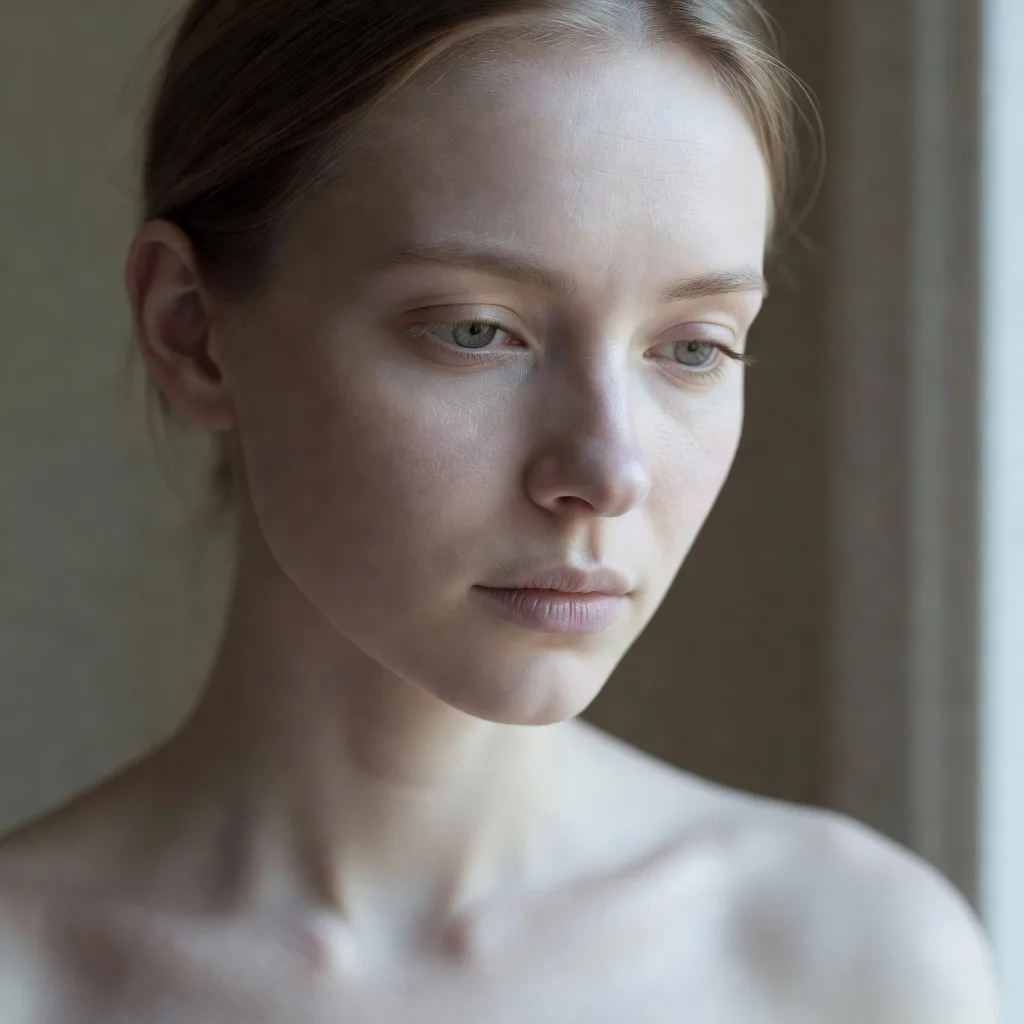
Yes, iron deficiency can make skin look pale. Iron is needed to make haemoglobin, the red pigment in blood that carries oxygen and gives skin its warm, pink undertone. When iron runs low enough to cause anaemia, less haemoglobin circulates, and the face, lips, gums, nail beds and inner eyelids can look pale. Pallor usually comes with tiredness, breathlessness or cold hands, and a blood test is needed to confirm it before taking iron.
Iron-deficiency anaemia is extremely common. The World Health Organization estimates that anaemia affects around 30% of women aged 15 to 49 worldwide, and iron deficiency is the leading nutritional cause. Heavy periods, pregnancy, low-iron diets, blood donation and some digestive conditions all raise the risk.
Pale skin on its own is not a reliable sign. Many people are naturally fair, and skin tone varies widely. What matters is a change from your usual colour, especially alongside other symptoms, and paleness in places that do not depend on skin tone, such as the inner eyelids and nail beds.
This guide explains why low iron affects your colour, the other signs to look for, how iron deficiency is diagnosed and treated, how to eat for better iron levels, and when pallor needs urgent attention.
Shopping these picks?
Amazon Prime members get fast, free shipping on eligible items, plus Prime Video, Amazon Music and member deals. New members can start with a free trial.
Start a free Prime trialAged 18 to 24? Prime for Young Adults comes with a longer free trial and a lower price after it.
Affiliate link: we may earn a commission at no extra cost to you.
Recommended Iron-Rich Foods, Kitchen Tools and Colour Boosters


Contents
- Why Low Iron Makes You Look Pale
- Other Signs of Iron Deficiency
- Who Is Most at Risk?
- A Quick Self-Check
- How Iron Deficiency Is Diagnosed
- How to Restore Iron Levels Safely
- Eating for Better Iron Levels
- Looking After Your Skin While Iron Recovers
- Dos and Don’ts
- Honest Limits
- When to See a Doctor
- Common Questions
- Final Word
Quick Answer
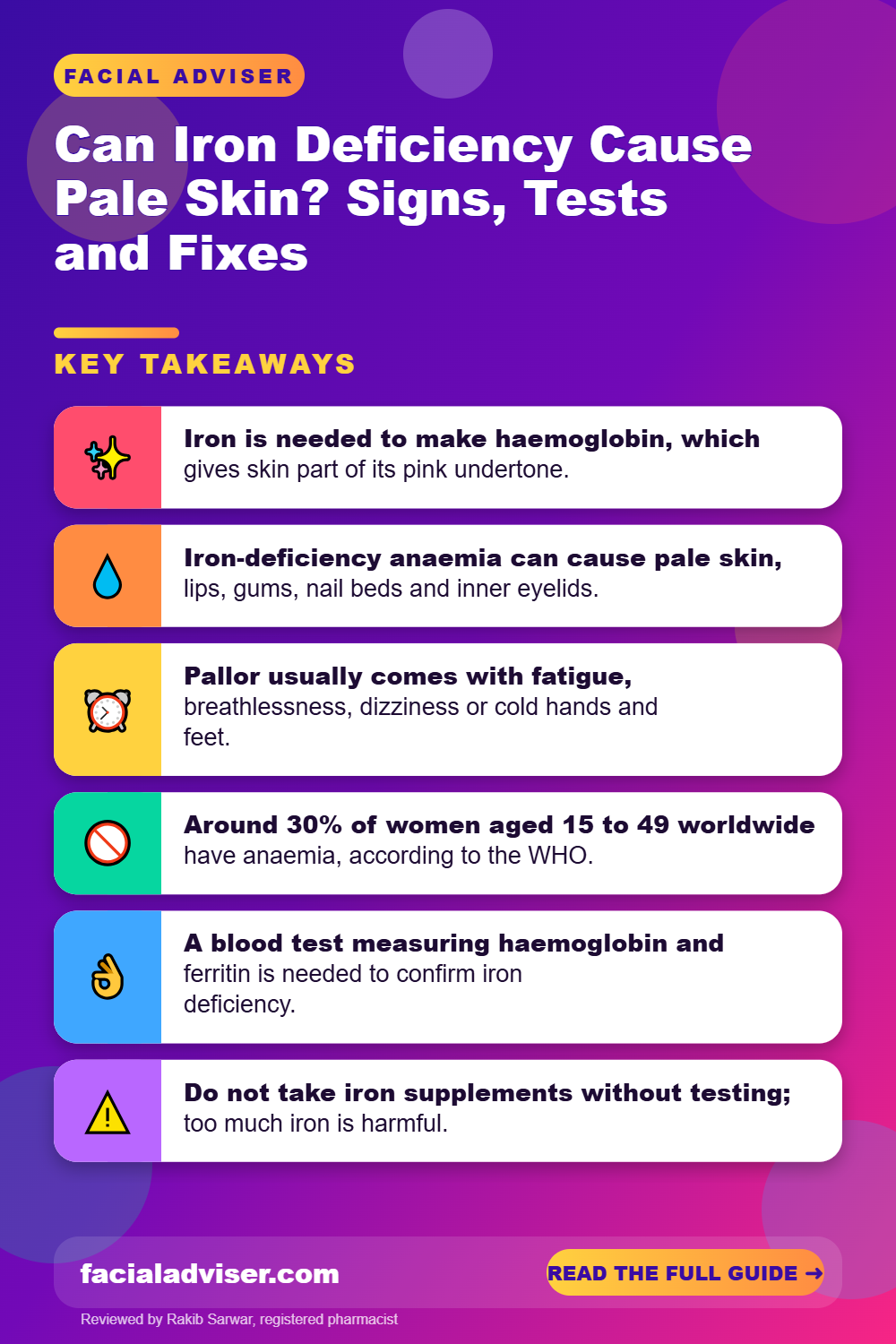
- Iron is needed to make haemoglobin, which gives skin part of its pink undertone.
- Iron-deficiency anaemia can cause pale skin, lips, gums, nail beds and inner eyelids.
- Pallor usually comes with fatigue, breathlessness, dizziness or cold hands and feet.
- Around 30% of women aged 15 to 49 worldwide have anaemia, according to the WHO.
- A blood test measuring haemoglobin and ferritin is needed to confirm iron deficiency.
- Do not take iron supplements without testing; too much iron is harmful.
- Pale skin with chest pain, fainting or severe breathlessness needs urgent medical care.
Why Low Iron Makes You Look Pale
Your skin’s colour comes from several things: melanin, the brown pigment that varies between people; carotenoids from food; and the red of blood flowing through small vessels near the surface. Haemoglobin inside red blood cells is what makes that blood red and gives skin its healthy flush.
When your body runs short of iron, it cannot make enough haemoglobin. Red blood cells become smaller and paler, and there are fewer of them. Less oxygen reaches tissues, and the body diverts blood away from the skin toward vital organs. The result is a paler complexion that can look grey or sallow, especially in people with deeper skin tones.
| Where to look | What you might see with anaemia | Why it helps |
|---|---|---|
| Inner lower eyelid | Pale pink or whitish instead of red | Works across all skin tones |
| Nail beds | Pale, and slow to turn pink after pressing | Easy to check |
| Palms and palm creases | Paler than usual | Useful in darker skin |
| Lips and gums | Pale rather than pink | Visible in mirror |
| Face overall | Washed out, grey or sallow | Most noticeable change for many people |
In people with darker skin tones, paleness of the face can be harder to see. The inner eyelids, gums, tongue and palms are more reliable places to look.
Other Signs of Iron Deficiency
The US National Heart, Lung, and Blood Institute notes that mild iron-deficiency anaemia may cause no symptoms, while more serious cases can cause tiredness, shortness of breath, chest pain, dizziness, cold hands and feet and pale skin (NHLBI).
- Tiredness and low energy that does not improve with rest
- Shortness of breath on exertion, or a fast heartbeat
- Headaches and dizziness
- Cold hands and feet
- Brittle or spoon-shaped nails
- Hair shedding
- Cracks at the corners of the mouth or a sore, smooth tongue
- Cravings for ice or non-food items (pica)
- Restless legs at night
Skin and hair changes are often among the first things people notice, but they are not specific. Many other conditions can cause tiredness and hair shedding, which is why testing matters.
Who Is Most at Risk?
| Group | Why |
|---|---|
| People with heavy periods | Regular blood loss depletes iron stores |
| Pregnant people | Iron needs rise sharply |
| Vegetarians and vegans | Plant iron is absorbed less efficiently |
| Frequent blood donors | Each donation removes iron |
| Endurance athletes | Increased losses and needs |
| People with coeliac disease or inflammatory bowel disease | Poor absorption or bleeding |
| People taking long-term antacids or anti-inflammatory painkillers | Reduced absorption or gut bleeding |
| Older adults | Hidden gut bleeding is a concern |
The World Health Organization notes that anaemia affects around 40% of young children, 37% of pregnant women and 30% of women aged 15 to 49 worldwide, with iron deficiency the most common nutritional cause (WHO).
A Quick Self-Check
This cannot diagnose anaemia, but it can help you decide whether to ask for a blood test.
- Gently pull down your lower eyelid in good light. Is the inside pale pink rather than a healthy red?
- Press on a fingernail until it whitens, then release. Does colour return slowly?
- Have you been more tired or breathless than usual for several weeks?
- Do you have heavy periods, a mostly plant-based diet or a digestive condition?
- Have people commented that you look pale or unwell?
If several apply, ask your doctor for a full blood count and ferritin test.
How Iron Deficiency Is Diagnosed
A few simple blood tests usually give the answer. A full blood count measures haemoglobin and the size of red blood cells. Ferritin reflects your body’s iron stores and is often the first thing to fall. Doctors may also check serum iron, transferrin saturation, vitamin B12 and folate, since deficiencies of these can also cause anaemia and pallor.
If iron deficiency is found, the cause matters as much as the result. In men and in women after menopause, a doctor will usually look for hidden bleeding from the gut. In women with heavy periods, managing the bleeding is part of the treatment.
Do not start iron supplements to treat suspected anaemia without a blood test. Too much iron can build up and damage organs, and accidental iron overdose is dangerous for children. Keep iron tablets out of reach.
How to Restore Iron Levels Safely
Get tested first
Ask for a full blood count and ferritin before taking iron.
Take iron as prescribed
Oral iron is the usual first step. Your doctor may suggest taking it every other day, which can improve absorption and reduce stomach upset.
Pair iron with vitamin C
A glass of orange juice or fruit with your iron tablet or iron-rich meal helps absorption.
Avoid blockers at the same time
Tea, coffee, calcium supplements and dairy can reduce absorption; take them a couple of hours apart.
Eat iron-rich foods daily
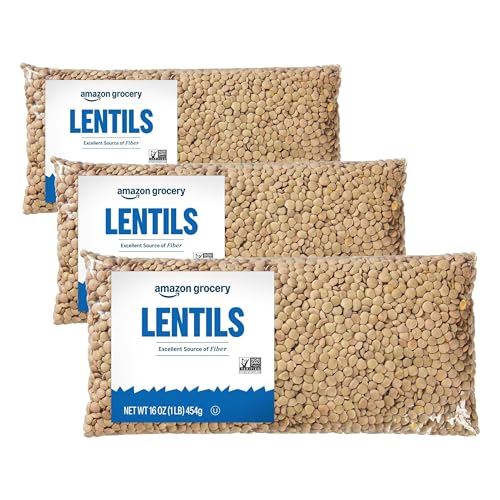
Include red meat, poultry, fish, lentils, beans, tofu, dark leafy greens and fortified cereals.
Recheck your levels
A repeat blood test after a few months confirms your levels are recovering.
Iron tablets commonly cause constipation, dark stools or stomach upset. If they do, tell your doctor; a different form or dose often helps.
Eating for Better Iron Levels
There are two types of dietary iron. Haem iron, found in meat, poultry and fish, is absorbed well. Non-haem iron, found in plant foods and fortified products, is absorbed less efficiently but can still meet your needs with good planning.
| Food | Type of iron | Tip |
|---|---|---|
| Red meat, liver | Haem | Liver is very high in iron but also vitamin A; avoid in pregnancy |
| Chicken, turkey, fish | Haem | Also boost absorption of plant iron eaten at the same meal |
| Lentils, chickpeas, beans | Non-haem | Pair with tomatoes, peppers or citrus |
| Tofu and tempeh | Non-haem | Good for plant-based diets |
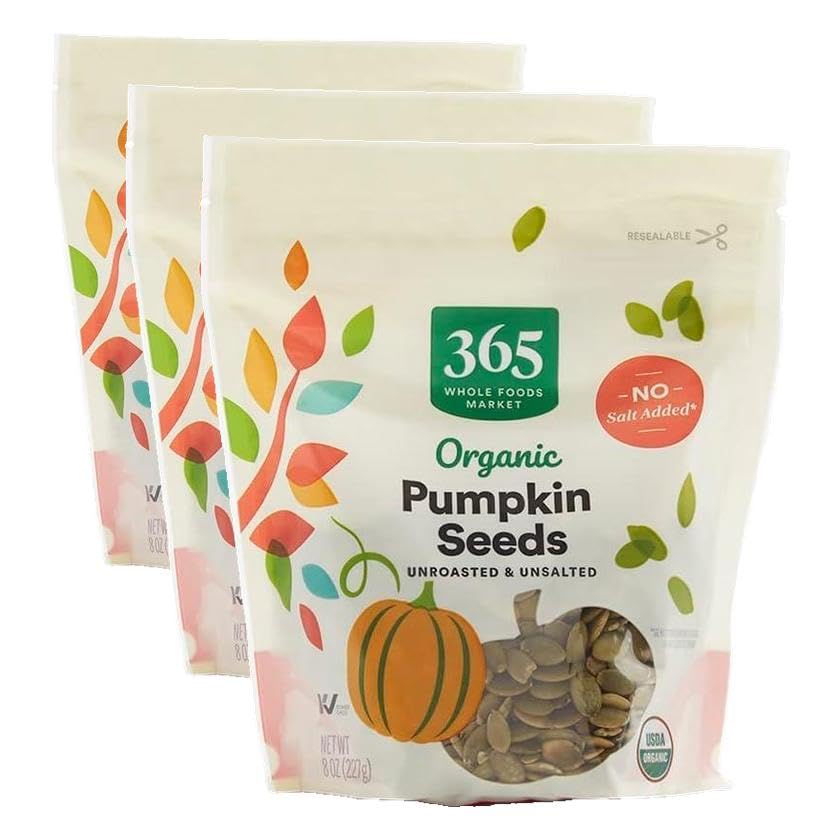
| Pumpkin seeds | Non-haem | Easy snack or salad topping |
| Spinach and kale | Non-haem | Absorption is modest; still useful |
| Fortified breakfast cereals | Non-haem | Check labels |
Cooking acidic foods such as tomato sauce in a cast iron pan can add a small amount of iron to the meal. It is not a treatment for deficiency but can be a helpful extra.
If you follow a vegetarian or vegan diet, plan meals so that a source of vitamin C appears alongside beans, lentils, tofu or fortified cereal at most meals, and consider asking your doctor to check your iron once a year, particularly if you also have heavy periods.
Looking After Your Skin While Iron Recovers
Colour usually returns gradually as haemoglobin rises, often over several weeks to a few months. In the meantime, some people like to give their complexion a lift.
A tinted moisturiser or tinted sunscreen evens out a sallow tone, and a cream blush on the cheeks adds warmth. Keep skincare gentle, as iron deficiency can also leave skin drier and more easily irritated. Hair shedding usually slows once iron stores are rebuilt, though it can take several months to regrow.
Once your iron is back to normal, you may find you look less tired overall, since better oxygen delivery helps energy, sleep and exercise, all of which affect your face.
Dos and Don’ts
Worth Doing
- Get a blood test if you are pale and tired
- Take iron with vitamin C
- Eat a mix of haem and plant iron sources
- Tell your doctor about heavy periods
- Keep supplements away from children
Skip It
- Self-treat with iron without testing
- Take iron with tea, coffee or calcium
- Assume pale skin is just your natural tone if it is new
- Ignore possible gut bleeding signs such as black stools
- Stop treatment early because you feel better
Honest Limits
Pale skin has many causes besides iron deficiency, including being naturally fair, spending little time outdoors, poor sleep, low blood pressure, other types of anaemia, thyroid problems and more serious illnesses. That is why testing, rather than guessing, is important.
Iron supplements will not make someone with normal iron levels look rosier, and taking them unnecessarily can cause side effects and, over time, iron overload. Genetic conditions such as haemochromatosis make iron build-up a real risk for some people.
Makeup and skincare can improve how you look while you recover, but they do nothing for the underlying problem.
When to See a Doctor
Book an appointment if you have new pale skin along with tiredness, breathlessness, dizziness or other symptoms listed above. Seek urgent care if you have:
- Chest pain, fainting or severe shortness of breath
- A very fast or irregular heartbeat
- Black, tarry stools or vomiting blood
- Very heavy bleeding, such as soaking through a pad or tampon every hour
- Sudden, severe paleness with feeling cold, clammy or confused
This article is for general information and does not replace medical advice. If you think you may have anaemia, see a doctor for a blood test before taking iron supplements.
Common Questions
Can low iron make your face pale?
Yes. Iron deficiency reduces haemoglobin, which gives skin part of its pink colour, so the face can look pale or sallow.
How do I know if my paleness is from anaemia?
Check the inner eyelids and nail beds and look for fatigue or breathlessness, then confirm with a blood test.
How long does it take for colour to return after starting iron?
Many people notice improvement within weeks, but rebuilding iron stores often takes three to six months.
Can I take iron supplements without a test?
It is best not to. Testing confirms the problem and its cause, and excess iron can be harmful.
What foods are highest in iron?
Red meat, liver, poultry, fish, lentils, beans, tofu, pumpkin seeds and fortified cereals.
Does iron deficiency cause dark circles?
It may make dark circles more noticeable because the skin looks paler overall.
Can iron deficiency cause hair loss?
Yes, low iron stores are linked with hair shedding, which usually improves once iron is restored.
Why is my skin pale even though my iron is normal?
Natural skin tone, other types of anaemia, thyroid problems, low blood pressure or lack of sun can all play a role.
Does vitamin C help iron absorption?
Yes. Eating vitamin C with iron-rich foods or supplements improves absorption of plant iron.
Is pale skin ever an emergency?
Yes, if it comes with chest pain, fainting, severe breathlessness, confusion or heavy bleeding.
Final Word
Iron deficiency can make skin look pale because the body cannot make enough haemoglobin, the red pigment that gives skin its warm undertone. The paleness usually comes with other signs such as tiredness, breathlessness or cold hands, and it is often easiest to spot inside the lower eyelids and in the nail beds.
If you have noticed a change in your colour along with these symptoms, ask for a blood test before taking anything. If you are low, iron supplements taken correctly, iron-rich foods and treating the cause will usually bring your colour back over a few months. Get urgent help for chest pain, fainting or heavy bleeding.

Written by
Registered pharmacist and founder of Facial Adviser. Rakib's pharmacy training covers how skincare actives work and interact; a later course in cosmetology turned that into a focus on facial treatments and skincare products. He plans, researches and edits every guide on the site and checks health claims against sources such as the American Academy of Dermatology, the FDA and the NIH. He is not a dermatologist; see the Editorial Policy and Medical Disclaimer.
About · Editorial policy · How we choose products · Medical disclaimer · Contact
Keep reading: Diet, sleep, stress and skin
- How Diet Impacts the Skin Microbiome: What the Science Actually Shows
- How Hormones Control Oil Production in Your Skin
- Facial Nerve Sensitivity: Why Your Face Stings, Burns or Flushes
- What Alcohol Does to Your Face Overnight (and Over Time)
- How Sleep Deprivation Causes Dull Skin (and How to Recover)
- Why Your Face Goes Red After Exercise and When It Matters