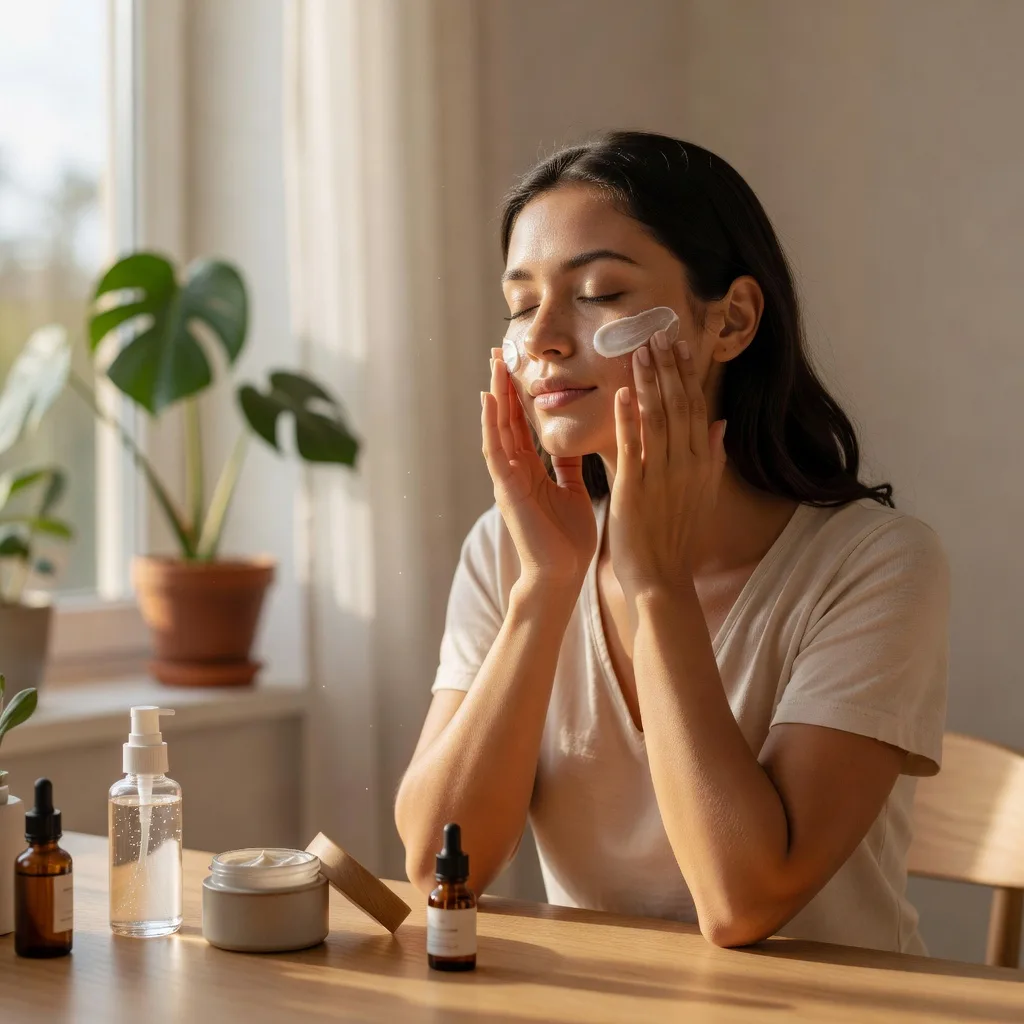
How Does Skin Care Help Behavioral Health?
How does skin care help behavioral health, and is that even the right causal direction to be asking about?
Part of our guide to lifestyle and skin. Start with: How Diet Impacts the Skin Microbiome: What the Science Actually Shows
The real clinical field, psychodermatology, finds evidence running mostly the opposite way from marketing: skin disease causes measurable psychological distress, while no study has directly tested a skincare routine as a treatment for diagnosed anxiety or depression. An estimated 30% of chronic skin conditions are believed influenced by psychiatric factors, yet a 2025 paper found only a minority of dermatologists and psychiatrists report clear understanding of the field.
Behavioral activation, a well-established depression treatment, works by scheduling structured, rewarding activities — a routine can plausibly function this way, though no study tests that specific claim directly.
This guide separates the genuine brain-skin-axis research from the pop-psychology claims, and flags a real risk worth knowing about: compulsive skin-picking.
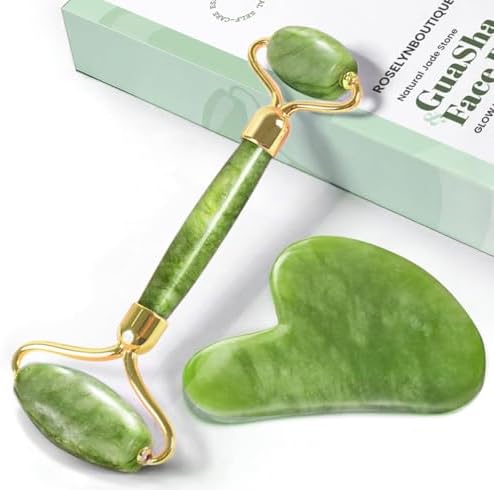
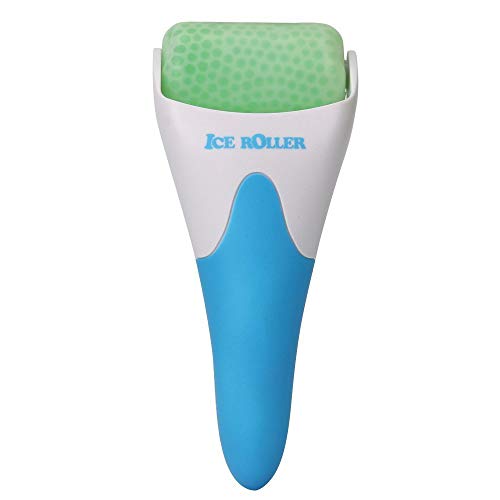
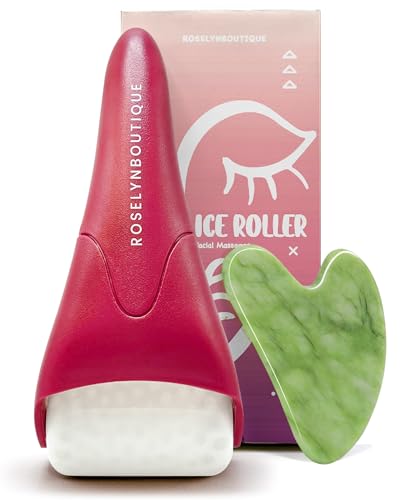
Recommended Products to Support a Calming Skincare Routine




Know This First
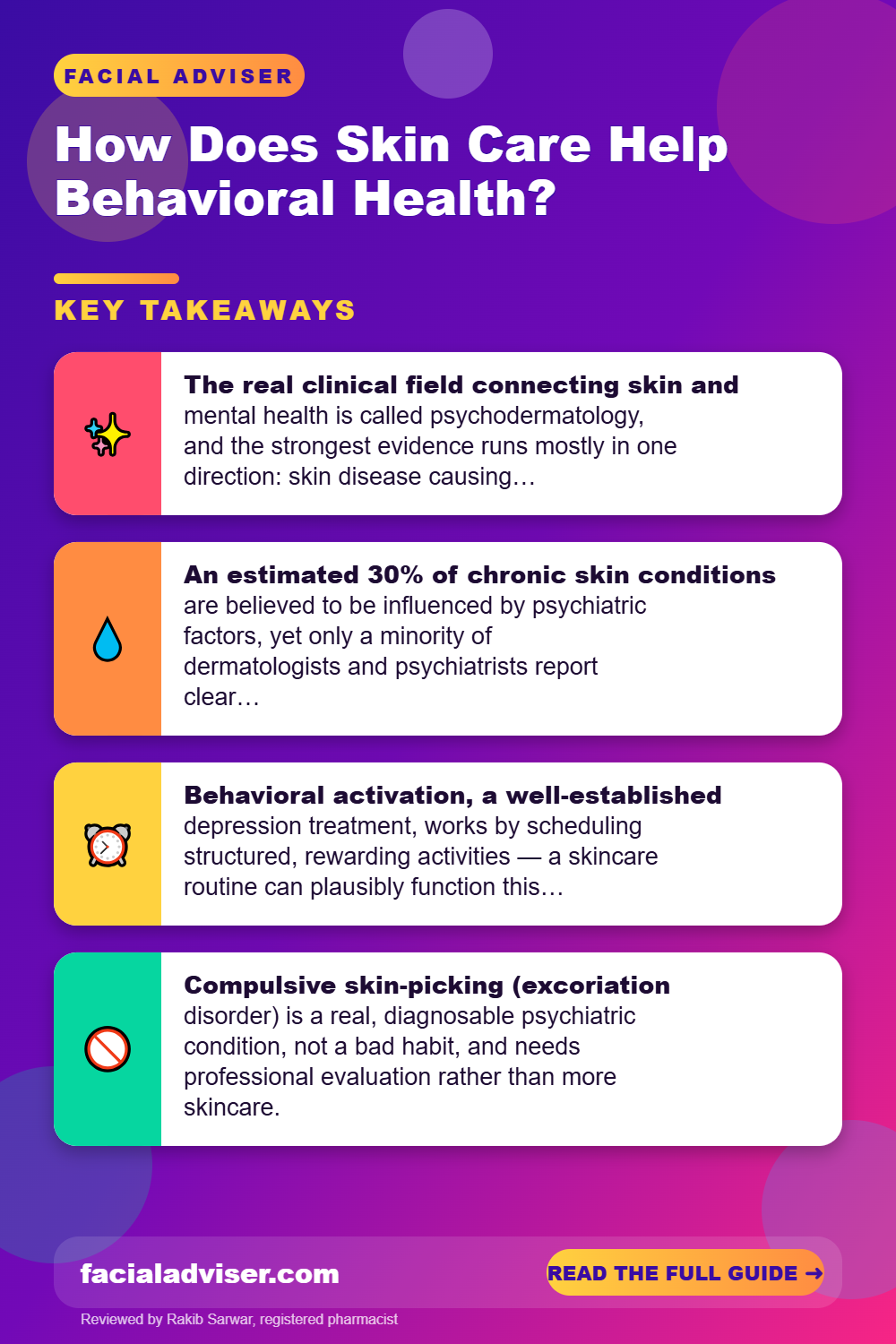
- The real clinical field connecting skin and mental health is called psychodermatology, and the strongest evidence runs mostly in one direction: skin disease causing psychological distress, not skincare routines curing anxiety or depression.
- An estimated 30% of chronic skin conditions are believed to be influenced by psychiatric factors, yet only a minority of dermatologists and psychiatrists report clear understanding of the field, per a 2025 call-to-action paper.
- Behavioral activation, a well-established depression treatment, works by scheduling structured, rewarding activities — a skincare routine can plausibly function this way, but no study has directly tested that specific claim.
- Compulsive skin-picking (excoriation disorder) is a real, diagnosable psychiatric condition, not a bad habit, and needs professional evaluation rather than more skincare.
Where to Look
- What This Question Is Really Asking
- The Real Field: Psychodermatology
- Three Ways Skin and Mental Health Connect
- The Brain-Skin Axis, Explained
- When Skin Disease Itself Causes Psychological Harm
- What the Mindfulness Research Actually Shows
- Behavioral Activation: A Real, Separate Treatment
- Is a Skincare Routine a Form of Behavioral Activation?
- Evidence-Backed vs. Marketing Claim
- A Real Risk: Compulsive Skin-Picking
- Skin Conditions With the Strongest Mental-Health Links
- Do This, Not That
- Using a Routine as Genuine Support, Not a Substitute
- What This Article Can’t Tell You
- Frequently Asked Questions
What This Question Is Really Asking
“How does skin care help behavioral health” gets asked a lot in wellness content, usually followed by a confident answer about self-care and stress relief. The honest answer is more precise and, in places, more interesting: there’s a real clinical field studying the skin-mind connection, but its strongest evidence runs mostly in the opposite direction from what marketing implies — skin disease affecting mental health, rather than skincare products treating it.
Shopping these picks?
Amazon Prime members get fast, free shipping on eligible items, plus Prime Video, Amazon Music and member deals. New members can start with a free trial.
Start a free Prime trialAged 18 to 24? Prime for Young Adults comes with a longer free trial and a lower price after it.
Affiliate link: we may earn a commission at no extra cost to you.
The Real Field: Psychodermatology
Psychodermatology is a recognized interdisciplinary field at the intersection of dermatology and psychiatry. A 2025 paper in the Journal of Clinical and Aesthetic Dermatology called for more interdisciplinary care in this space, noting that an estimated 30% of chronic skin conditions are believed to be influenced by psychiatric factors — yet in the same survey, only about 18% of dermatologists and 21% of psychiatrists reported a clear understanding of psychodermatology as a field. That gap matters: it means a real, evidence-recognized connection between skin and mental health exists, but it’s genuinely underrecognized even among the clinicians who’d be expected to know it.
Three Ways Skin and Mental Health Connect
The psychodermatology literature generally groups the skin-mind connection into three categories, and keeping them separate is what prevents an honest answer from collapsing into a vague “skin and mind are connected” statement. First, primary psychiatric disorders with skin-directed behaviors, like trichotillomania (compulsive hair-pulling) and excoriation disorder (compulsive skin-picking) — here, the psychiatric condition is primary and the skin damage is a consequence of it. Second, secondary psychiatric disorders that arise from living with a visible skin disease, such as depression following a diagnosis of alopecia areata. Third, psychophysiologic disorders, where psychological stress measurably worsens an existing skin disease — documented for conditions including psoriasis, atopic dermatitis, acne, vitiligo, and herpes simplex or shingles flares.
The Brain-Skin Axis, Explained
The mechanistic reason any of this is plausible at all: skin and nervous tissue share a common embryonic origin (both develop from the ectoderm), which underlies a genuine, bidirectional “brain-skin axis.” Chronic psychological stress activates the body’s HPA (hypothalamic-pituitary-adrenal) stress axis, and the resulting cortisol demonstrably alters skin barrier function and cutaneous immune activity. This is real, published physiology — not a metaphor — but it describes how stress affects skin, which is a different claim from “a skincare product improves your mood.”
When Skin Disease Itself Causes Psychological Harm
According to the American Psychiatric Association, citing psychodermatology researcher Dr. Mohammad Jafferany, more than a third of dermatology patients report concurrent psychological concerns, with psoriasis, atopic dermatitis, and eczema showing the strongest associations with mental-health symptoms. The recommended, evidence-based response to this is interdisciplinary medical care — SSRIs or other appropriate medication for depression or anxiety, and cognitive behavioral therapy specifically targeting behaviors like skin-picking — not a skincare regimen standing in for either treatment.
What the Mindfulness Research Actually Shows
A 2024 review in Psychology & Health examined 13 studies on mindfulness and self-compassion in people with chronic dermatological conditions. Cross-sectional data linked higher trait mindfulness and self-compassion to lower psychological distress and better adjustment to living with a skin condition. Intervention studies teaching mindfulness or self-compassion skills showed feasibility and were described as “promising,” but the review was explicit that the evidence base remains methodologically limited — not a green light to treat mindfulness-based skincare marketing as clinically proven.
Behavioral Activation: A Real, Separate Treatment
Behavioral activation (BA) is a well-established, evidence-based treatment for depression in its own right, unrelated to skincare specifically. Its mechanism: depression often drives withdrawal and avoidance of activities that used to feel rewarding, and BA works by deliberately scheduling structured, achievable, rewarding activities to counteract that withdrawal. A 2023 meta-analysis and multiple randomized trials confirm BA’s efficacy for depression generally, independent of what the “activity” actually is.
Is a Skincare Routine a Form of Behavioral Activation?
This is where honesty about extrapolation matters. A daily skincare routine plausibly fits BA’s general mechanism — it’s a structured, low-effort, sensory-pleasant activity that can function as a small, achievable daily win. That’s a reasonable inference from how BA is understood to work. But no randomized trial in the available literature specifically tests “a skincare routine as a behavioral-activation intervention” as its own studied claim. The honest framing is that this is a defensible extrapolation from established BA mechanics, not an established finding on its own.
Evidence-Backed vs. Marketing Claim
| Claim | Where it actually stands |
|---|---|
| Chronic skin disease can cause real psychological distress | Well-evidenced; documented across multiple conditions and studies |
| Stress can measurably worsen certain skin diseases | Well-evidenced via the HPA-axis/cortisol mechanism |
| A skincare routine can function as a small structured, rewarding daily activity | Plausible extrapolation from behavioral-activation mechanics, not directly tested |
| “Skincare treats anxiety or depression” | Not supported by any cited clinical trial |
| “Your skin reflects your inner trauma” | Pop-psychology framing, not a psychodermatology finding |
A Real Risk: Compulsive Skin-Picking
Excoriation disorder (compulsive skin-picking) and trichotillomania (compulsive hair-pulling) are real, diagnosable psychiatric conditions, not simply bad habits or a sign someone “cares too much” about their skin. Content culture built around extraction, popping, and picking can, for a vulnerable reader, normalize or even trigger this kind of behavior. If picking or pulling urges feel persistent, distressing, or hard to stop, that calls for professional evaluation, not a new skincare product.
Skin Conditions With the Strongest Mental-Health Links
| Condition | Documented mental-health association |
|---|---|
| Psoriasis | Strong association with psychological distress; stress can also worsen flares |
| Atopic dermatitis / eczema | Among the strongest associations reported in dermatology-patient surveys |
| Alopecia areata | Documented secondary depression tied to the visible, unpredictable hair loss |
| Acne | Psychophysiologic link; stress can worsen breakouts, and visible acne affects self-esteem |
Do This, Not That
Do
- Treat a skincare routine as a small, supportive daily ritual, not a mental-health treatment.
- Seek medical or psychiatric care for a skin condition that’s causing real psychological distress.
- Raise persistent picking or pulling urges with a professional directly.
Don’t
- Don’t rely on skincare products in place of therapy or medication for diagnosed anxiety or depression.
- Don’t assume “self-care” marketing claims are backed by the same evidence as actual psychodermatology research.
- Don’t dismiss compulsive skin-picking as just a habit that better products will fix.
Using a Routine as Genuine Support, Not a Substitute
Keep the routine simple and consistent
A short, sustainable routine is more likely to function as a genuine structured daily activity than an elaborate one you abandon within weeks.
Notice if a skin condition is affecting your mood
If a diagnosed skin condition is genuinely weighing on your mental health, that’s worth naming to your doctor directly, not just managing quietly.
Get real psychiatric or psychological support when needed
SSRIs, CBT, and other evidence-based treatments address diagnosed anxiety, depression, or compulsive behaviors — a routine doesn’t replace them.
Watch for picking or pulling urges
If these feel compulsive or distressing, mention them to a professional rather than trying to manage them with more products.
Separate stress management from skin-disease management
Both can help each other, but a dermatologist treats the skin disease and a mental-health professional treats the psychiatric symptoms — coordinated care, not one substituting for the other.
What This Article Can’t Tell You
This guide can’t tell you that a skincare routine will improve a diagnosed anxiety or depressive disorder, because no clinical trial has tested that specific claim. What it can tell you honestly is where the real evidence actually points: skin disease can meaningfully affect mental health, stress can measurably affect skin, and a routine can plausibly function as a small structured activity — three genuine, separate facts that don’t add up to “skincare treats mental illness.”
Frequently Asked Questions
How does skin care actually help behavioral health?
The strongest evidence shows skin disease affecting mental health (via visible symptoms and stress-skin physiology), more than skincare products directly treating anxiety or depression. A routine may function as a small structured daily activity, but that’s an extrapolation, not a proven clinical claim.
What is psychodermatology?
It’s the recognized interdisciplinary field studying the connection between skin conditions and psychiatric health, covering conditions where psychiatric symptoms drive skin behaviors, skin disease causes psychological distress, or stress worsens skin disease.
Can a skincare routine treat anxiety or depression?
No clinical trial supports that claim. The evidence more strongly supports skin disease affecting mood than skincare products treating diagnosed mental-health conditions.
Does stress actually affect skin?
Yes. Chronic stress activates the HPA axis, and the resulting cortisol measurably affects skin barrier function and immune activity, worsening conditions like psoriasis, eczema, and acne in some people.
Is compulsive skin-picking a real medical condition?
Yes, it’s a diagnosable psychiatric condition called excoriation disorder, and it needs professional evaluation rather than a change in skincare products.
What is behavioral activation?
It’s a well-established depression treatment that works by scheduling structured, achievable, rewarding activities to counter depressive withdrawal — it’s a general technique, not skincare-specific.
Is there research directly testing skincare as a mental-health treatment?
No study in the available literature directly tests a skincare routine as a behavioral-activation or mental-health intervention specifically — the connection is a reasonable but unproven extrapolation.
Which skin conditions have the strongest links to mental health?
Psoriasis, atopic dermatitis/eczema, alopecia areata, and acne show some of the strongest documented associations with psychological distress in dermatology-patient research.
Should I stop my skincare routine if it’s not treating my anxiety?
No reason to stop a routine you enjoy, but don’t rely on it in place of therapy or medication for a diagnosed anxiety or depressive disorder.
When should I see a professional instead of just changing my skincare?
If a skin condition is causing real emotional distress, or if you notice compulsive picking, pulling, or other skin-manipulation urges, both warrant talking to a doctor or mental-health professional directly.

Written by
Registered pharmacist and founder of Facial Adviser. Rakib's pharmacy training covers how skincare actives work and interact; a later course in cosmetology turned that into a focus on facial treatments and skincare products. He plans, researches and edits every guide on the site and checks health claims against sources such as the American Academy of Dermatology, the FDA and the NIH. He is not a dermatologist; see the Editorial Policy and Medical Disclaimer.
About · Editorial policy · How we choose products · Medical disclaimer · Contact
Keep reading: Diet, sleep, stress and skin