Does Face Exercise Work for a Double Chin? An Honest Answer
Chin lifts, jaw jutting, tongue presses, kissing the ceiling: search for double chin fixes and you will find dozens of routines promising a sharper jawline in a few weeks. They are free and easy to try, which makes them appealing.
Part of our guide to at-home facial devices. Start with: 10 Best Gua Sha Facial Tools (2026): Stone and Steel Picks Compared
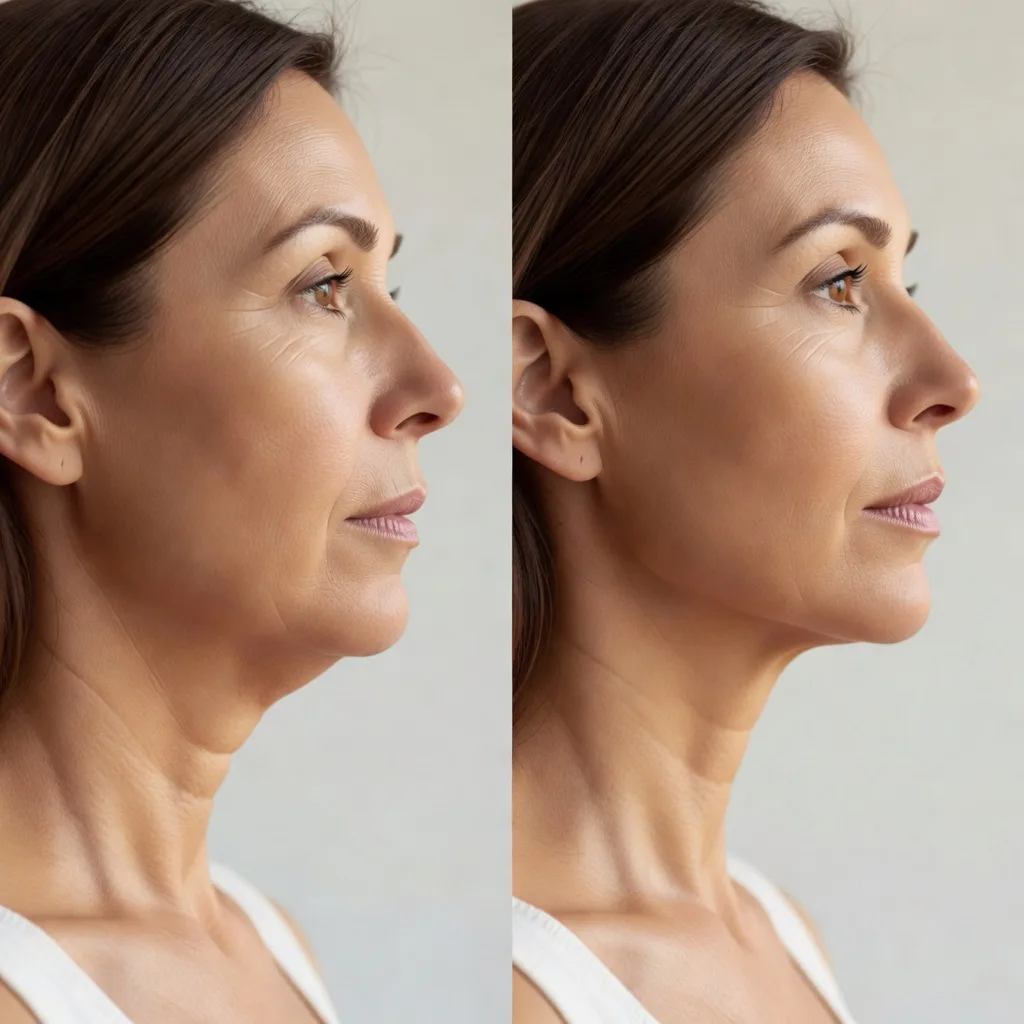
Face exercises cannot burn the fat that forms a double chin. Fat is lost across the whole body through an overall energy deficit, not from the area you work. What chin and neck exercises may do is strengthen the muscles under the jaw and improve posture, which can make the area look slightly firmer. If your double chin is mainly fat, weight loss or a medical treatment is what reduces it.
A double chin is not one single thing. For some people it is a pad of fat under the jaw. For others it is loose skin, a naturally short or recessed chin, or simply the way the neck folds when the head juts forward. Exercises help some of these causes a little and others not at all.
The research on facial exercise is thin but not empty. One small study found that a daily routine made middle-aged women’s cheeks look fuller and younger after 20 weeks. Nothing comparable exists for fat under the chin.
Below we look at what causes a double chin, what exercises can realistically do, a routine worth trying if you want to, the treatments with stronger evidence, and the rare signs that a swelling under the jaw needs a doctor.
Shopping these picks?
Amazon Prime members get fast, free shipping on eligible items, plus Prime Video, Amazon Music and member deals. New members can start with a free trial.
Start a free Prime trialAged 18 to 24? Prime for Young Adults comes with a longer free trial and a lower price after it.
Affiliate link: we may earn a commission at no extra cost to you.
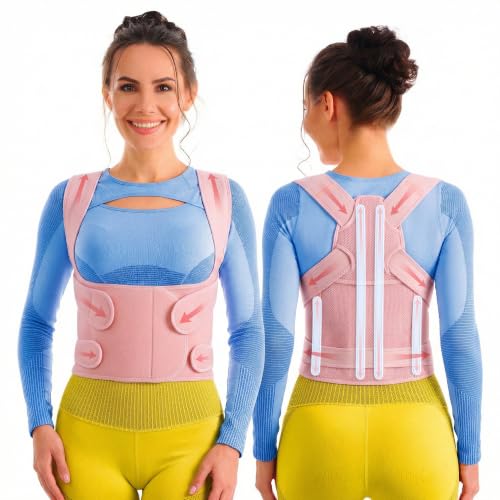
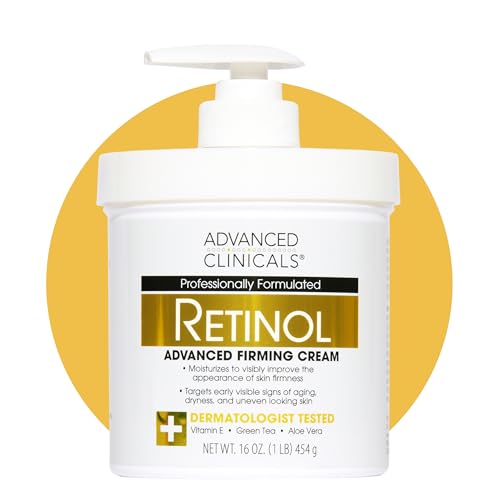
Recommended Products That Support a Better-Defined Jawline



Key Takeaways
- You cannot spot-reduce fat under the chin with exercise; fat loss happens across the whole body.
- Chin and neck exercises may tone the muscles and improve how the area looks, but evidence is limited.
- Posture has a surprisingly large effect: jutting your head forward creates or deepens a double chin.
- Genetics, bone structure and loose skin cause many double chins that exercise cannot change.
- Overall weight loss is the most reliable non-medical way to shrink submental fat.
- FDA-approved injections can dissolve a small pad of chin fat in suitable candidates.
- A new, firm or growing lump under the jaw is not a double chin and should be checked.
In This Guide
- What Actually Causes a Double Chin
- Why You Cannot Spot-Reduce Chin Fat
- What the Research on Face Exercise Does Show
- A Quick Self-Check: What Is Behind Your Double Chin?
- A Chin and Neck Routine Worth Trying
- Dos and Don’ts
- Exercise vs Other Options
- Honest Limits
- When Fullness Under the Chin Needs a Doctor
- Frequently Asked Questions
- The Takeaway
What Actually Causes a Double Chin
The medical term for fat under the chin is submental fat. It is only one of several reasons the area under the jaw can look full.
| Cause | What it looks like | Will exercise help? |
|---|---|---|
| Excess submental fat | Soft, pinchable pad under the jaw | Not directly; overall fat loss is needed |
| Genetics | Fullness even at a healthy weight, often seen in relatives | Little effect |
| Bone structure | Short or set-back chin, low hyoid bone | No |
| Loose or ageing skin | Crepey, sagging skin under the jaw | Minimal; skin is not a muscle |
| Weak or lax neck muscles | Neck bands, blurred jaw angle | Possibly a little |
| Forward head posture | Chin disappears into the neck when you look down | Yes, posture correction can help |
Most people have a mix. Working out which applies to you matters more than choosing the right exercise.
Why You Cannot Spot-Reduce Chin Fat
The idea that working a muscle burns the fat sitting on top of it is appealing but does not hold up. In one controlled trial, six weeks of abdominal exercises did not reduce belly fat compared with a group that did no ab training (Vispute et al., 2011). The same principle applies to the chin. The muscles under your jaw are small, and working them burns very little energy.
When you lose weight, your body draws on fat stores all over, in an order largely set by genetics. For some people the face slims early; for others the chin is one of the last places to change.
If fat is your main issue, the approach that works is the unglamorous one: a modest, sustained calorie deficit, regular whole-body activity that you can keep up, enough protein to protect muscle, and patience. Losing weight slowly also gives skin a better chance to adapt, whereas rapid loss can leave the neck looking looser. Alcohol and very salty meals can add puffiness to the face and neck, so cutting back on both sometimes makes the jawline look sharper within days, even before any fat is lost.
This is why two people can do the same chin exercises for a month and see different results. The one who also lost weight will usually notice more change.
What the Research on Face Exercise Does Show
The best-known study is a small one from Northwestern University. Women aged 40 to 65 did 30 minutes of daily facial exercises for eight weeks, then every other day for a further 12 weeks. Of the 27 who started, 16 completed the programme. Dermatologists rating their photos judged that their upper and lower cheeks looked fuller, and their estimated age dropped from an average of 50.8 to 48.1 years (Alam et al., JAMA Dermatology 2018).
That is encouraging for facial muscle tone in the cheeks, but it says nothing about fat under the chin. The study was small, had no control group and focused on a different part of the face. Harvard Health has described the evidence for facial exercise overall as limited, while noting it is low risk (Harvard Health).
So the fair summary is this: exercises may make the lower face and neck look a little firmer, particularly if muscles are weak or posture is poor, but they will not remove a genuine fat pad.
A Quick Self-Check: What Is Behind Your Double Chin?
- Stand tall with your shoulders back and your ears over your shoulders. Does most of the fullness disappear? Posture is a major factor.
- Gently pinch the area under your jaw. A thick, soft pad suggests fat. A thin fold of skin suggests laxity.
- Look at your profile. If your chin sits well behind your lower lip, bone structure may be part of the picture.
- Think about your family. If parents or siblings have the same shape at a healthy weight, genetics are likely involved.
- Has it appeared alongside weight gain elsewhere? Then overall fat loss is likely to help most.
If posture is the main issue, exercises and habit changes can make a visible difference. If it is fat, combine exercise with a calorie deficit. If it is bone structure or loose skin, talk to a dermatologist or surgeon about what is realistic.
A Chin and Neck Routine Worth Trying
If you want to try exercises, these target the neck and under-jaw muscles and support better posture. Go gently and stop if you feel jaw or neck pain.
Chin tucks
Sit tall, look straight ahead and draw your chin straight back, making a gentle ‘double chin’ on purpose. Hold for 5 seconds. Repeat 10 times. This strengthens deep neck flexors and corrects forward head posture.
Ceiling look
Tilt your head back to look at the ceiling, then press your lips together as if to kiss it. Hold for 5 seconds, relax, repeat 10 times.
Tongue press
Press your whole tongue firmly against the roof of your mouth and hold for 10 seconds. You should feel the muscles under your chin engage. Repeat 5 to 10 times.
Neck curl
Lying on your back, tuck your chin and lift your head a few centimetres off the floor. Hold for 3 seconds and lower. Build to 10 repetitions.
Posture reset
Several times a day, check that your screen is at eye level and your ears sit over your shoulders.
Pair the routine with a phone or monitor at eye level. Looking down at a screen for hours folds the neck in exactly the way that creates a double chin.
For more on how the way you hold your head changes your face, see our guide to poor posture and facial sagging.
Dos and Don’ts
Worth Doing
- Keep movements slow and controlled
- Combine exercises with overall fat loss if fat is the issue
- Fix screen height and posture
- Give any routine at least two to three months
- See a dermatologist for loose skin or stubborn fat
Skip It
- Clench your jaw or grind your teeth during exercises
- Use jaw-strengthening gadgets if you have jaw pain or clicking
- Expect exercises to melt chin fat
- Crash diet to slim your face
- Ignore a new, firm lump under the jaw
Exercise vs Other Options
| Approach | Best for | Evidence | Downtime |
|---|---|---|---|
| Chin and neck exercises | Posture-related fullness, mild muscle laxity | Limited | None |
| Overall weight loss | Excess fat anywhere, including the chin | Strong | None |
| Deoxycholic acid injections | A small, stubborn fat pad at a healthy weight | FDA-approved for chin fat | Swelling for days to weeks |
| Cryolipolysis (fat freezing) | Moderate, pinchable fat | Good for small areas | Minimal |
| Skin tightening (radiofrequency, ultrasound) | Mild skin laxity | Moderate, results vary | Minimal |
| Neck liposuction or neck lift | Significant fat or loose skin | Strong | Weeks |
The American Academy of Dermatology notes that injections of an acid similar to bile acid are FDA-approved to treat a double chin, usually over about two sessions spaced six to eight weeks apart, with full results three to four months after the last session (AAD). The AAD adds that the best candidates have a small bulge of fat that persists despite diet and exercise.
Honest Limits
No exercise changes bone structure, and none can tighten skin that has lost elasticity through age and sun damage. If your double chin is mainly one of those, you may put in weeks of effort for little change, which is worth knowing before you start.
Jaw-strengthening devices sold online are worth particular caution. Chewing hard against resistance for long periods can strain the temporomandibular joint, the hinge in front of your ear, and may trigger or worsen jaw pain.
Stop any chin or jaw exercise that causes clicking, locking or pain in the jaw, headaches or neck pain, and see a dentist or doctor if it persists.
When Fullness Under the Chin Needs a Doctor
Most double chins are harmless. However, a few types of swelling under the jaw are not fat and should be assessed:
- A firm, rubbery or hard lump that you can move or that feels separate from the surrounding tissue
- Swelling on one side only, especially if it is growing
- Swelling that appears with a fever, pain or a bad taste in the mouth, which can signal a salivary gland infection
- A swelling at the front of the neck that moves when you swallow, which can relate to the thyroid
- Difficulty swallowing or breathing
Swollen lymph nodes under the jaw are common with colds and usually settle within a couple of weeks. One that keeps growing or does not settle deserves a check.
This article is for general information and is not medical advice. Talk to a doctor about any new or changing lump in the neck, and to a qualified dermatologist or plastic surgeon about cosmetic treatments.
Frequently Asked Questions
Can face exercises get rid of a double chin?
Not if the cause is fat. They may improve muscle tone and posture, which can make the area look slightly firmer.
How long do chin exercises take to show results?
If they help, posture-related changes can show within weeks. Muscle tone changes typically take two to three months of regular practice.
Does chewing gum reduce a double chin?
There is no good evidence that chewing gum reduces chin fat, and excessive chewing can strain the jaw.
Will losing weight remove my double chin?
Often it helps, but where you lose fat first is largely genetic. Some people keep a small pad even at a healthy weight.
Why do I have a double chin when I am slim?
Genetics, a short or set-back chin, a low hyoid bone or posture can all cause fullness regardless of weight.
Is mewing effective for a double chin?
Mewing is a tongue-posture technique. There is no solid research showing it changes adult jaw shape or chin fat.
What is the fastest way to reduce a double chin?
For a small fat pad, medical treatments such as injections or fat freezing work faster than exercise. Posture correction gives the quickest visual change.
Do chin straps work?
Chin straps may briefly compress the area, but they do not remove fat or tighten skin in any lasting way.
Are double chin injections safe?
They are FDA-approved and generally safe in trained hands, but they cause swelling and can rarely affect a nearby nerve. Discuss risks with a qualified practitioner.
Can a double chin be a sign of a health problem?
A typical soft double chin usually is not. A new firm lump or one-sided swelling should be checked by a doctor.
The Takeaway
Face exercises will not burn the fat that makes up most double chins, and no routine can reshape bone or tighten loose skin. What they can do is strengthen the neck, improve posture and make the area under the jaw look a little firmer, which is worth something if posture or weak muscles are part of your picture.
If fat is the main issue, overall weight loss remains the most reliable route, and for a small pad that will not budge, FDA-approved injections or fat freezing are worth discussing with a dermatologist. Keep screens at eye level, go easy on your jaw, and get any new, firm lump under the chin checked.

Written by
Registered pharmacist and founder of Facial Adviser. Rakib's pharmacy training covers how skincare actives work and interact; a later course in cosmetology turned that into a focus on facial treatments and skincare products. He plans, researches and edits every guide on the site and checks health claims against sources such as the American Academy of Dermatology, the FDA and the NIH. He is not a dermatologist; see the Editorial Policy and Medical Disclaimer.
About · Editorial policy · How we choose products · Medical disclaimer · Contact
Keep reading: Facial rollers, gua sha and massagers
- Does Facial Massage Improve Lymph Flow? Evidence and Technique
- Benefits of Facial Yoga: What Science Actually Shows
- Nurse Jamie UpLift Beauty Roller: Does It Sculpt and Depuff?
- Best Vibrating T-Bar Beauty Tool: What It Does and How to Choose One
- 10 Best Gua Sha Facial Tools (2026): Stone and Steel Picks Compared
- 10 Best Facial Tools (2026): LED, Cleansing, Gua Sha and More
- 10 Best LED Light Therapy Masks (2026): Clearer Skin, Softer Lines