Do Pores Look Bigger When Skin Is Oily?
Do pores look bigger when skin is oily, or is oiliness getting blamed for something else?
Part of our guide to skin concerns. Start with: How Can I Make My Pores Less Visible?
Oily skin can make pores look more conspicuous through light-reflecting shine and shadow, but a study of 2,585 women found pore appearance correlates poorly with sebum production, and a clay-mask trial that cut oil by nearly 70% produced zero measurable change in pore area. Genetics and sun-related collagen loss are the stronger drivers of true pore size.
That gap between how a pore looks in the moment and what’s actually happening structurally underneath is the key thing most skincare marketing glosses over.
This guide separates the real optical effect of oil from the structural factors that genuinely change pore size over time.
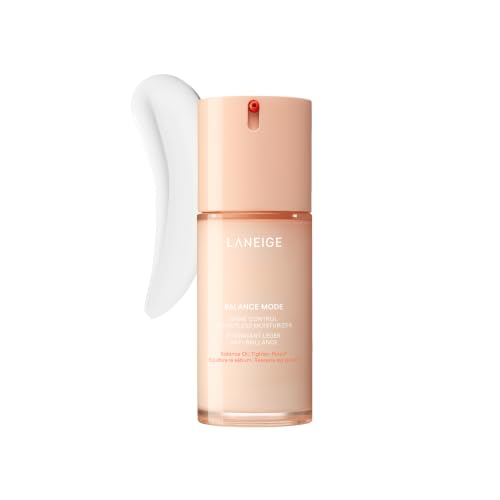
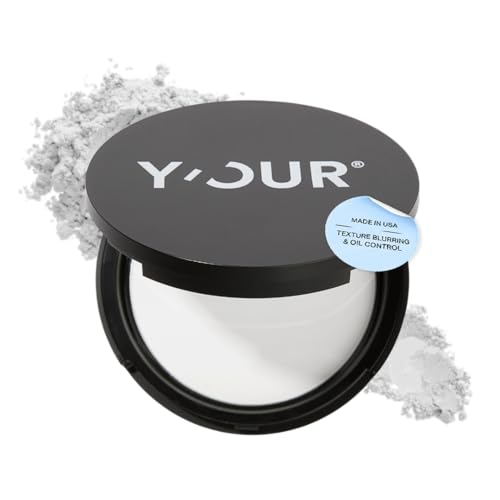
Recommended Mattifying and Oil-Control Skincare
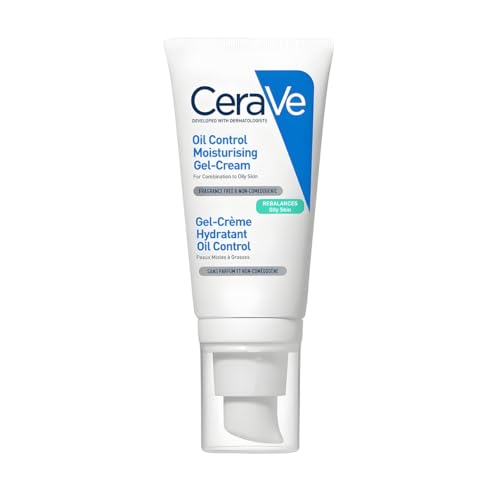
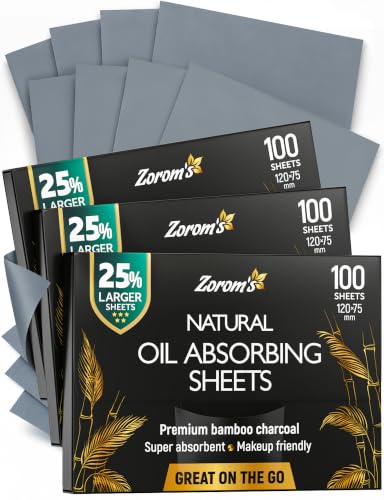
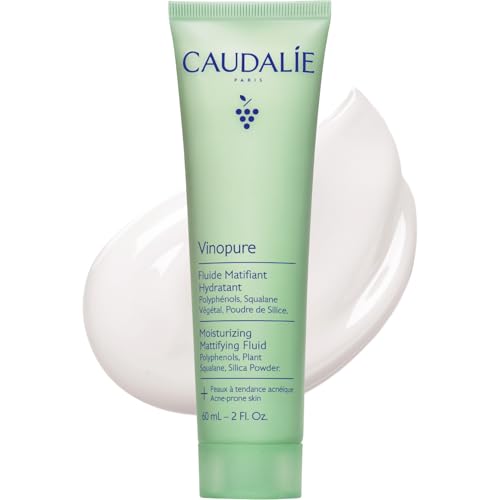
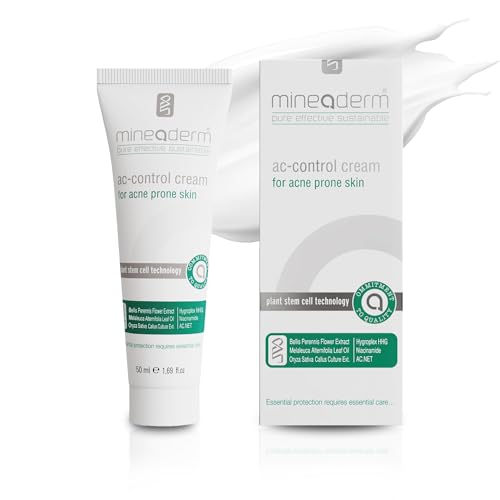

The Short Version
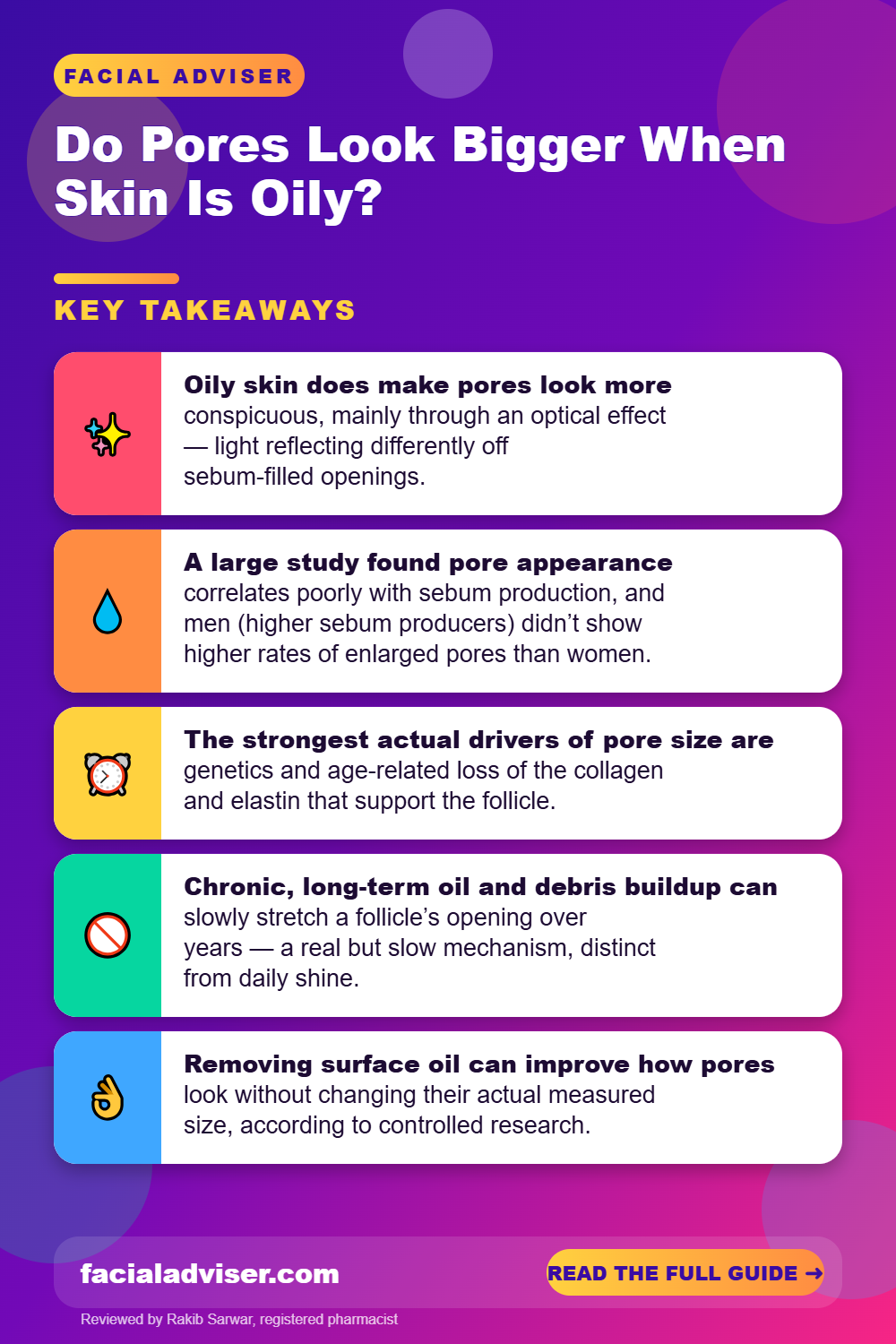
- Oily skin does make pores look more conspicuous, mainly through an optical effect — light reflecting differently off sebum-filled openings.
- A large study found pore appearance correlates poorly with sebum production, and men (higher sebum producers) didn’t show higher rates of enlarged pores than women.
- The strongest actual drivers of pore size are genetics and age-related loss of the collagen and elastin that support the follicle.
- Chronic, long-term oil and debris buildup can slowly stretch a follicle’s opening over years — a real but slow mechanism, distinct from daily shine.
- Removing surface oil can improve how pores look without changing their actual measured size, according to controlled research.
What’s Covered
- The Real Question Behind “Do Oily Pores Look Bigger?”
- The Optical Effect: Light, Shine, and Shadow
- The Slower, Structural Side of the Story
- What the Research Actually Measured
- The Real Drivers of Pore Size, Ranked
- Oiliness vs. Other Factors, Compared
- How This Plays Out by Skin Type
- Do This, Not That
- A Routine That Addresses Both Sides
- Telling Optical Shine From Real Structural Change
- When to Get a Professional Opinion
- What This Doesn’t Mean You Can Fix
- Frequently Asked Questions
The Real Question Behind “Do Oily Pores Look Bigger?”
This question usually gets a quick “yes, obviously” answer online, but the honest picture is more layered than that. Oiliness does affect how pores look — but the mechanism matters, because it determines what actually helps and what’s just cosmetic theater.
Shopping these picks?
Amazon Prime members get fast, free shipping on eligible items, plus Prime Video, Amazon Music and member deals. New members can start with a free trial.
Start a free Prime trialAged 18 to 24? Prime for Young Adults comes with a longer free trial and a lower price after it.
Affiliate link: we may earn a commission at no extra cost to you.
The Optical Effect: Light, Shine, and Shadow
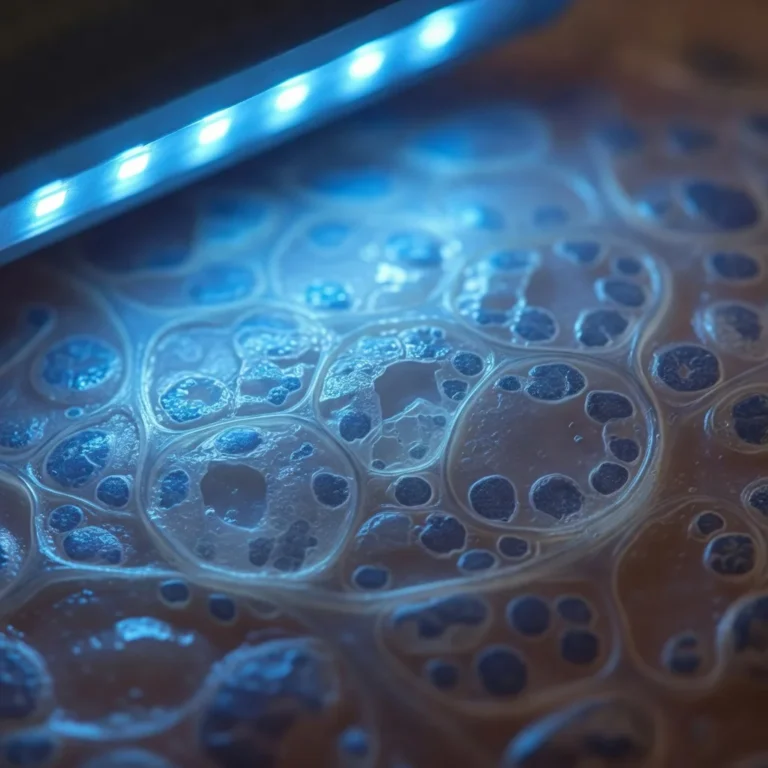
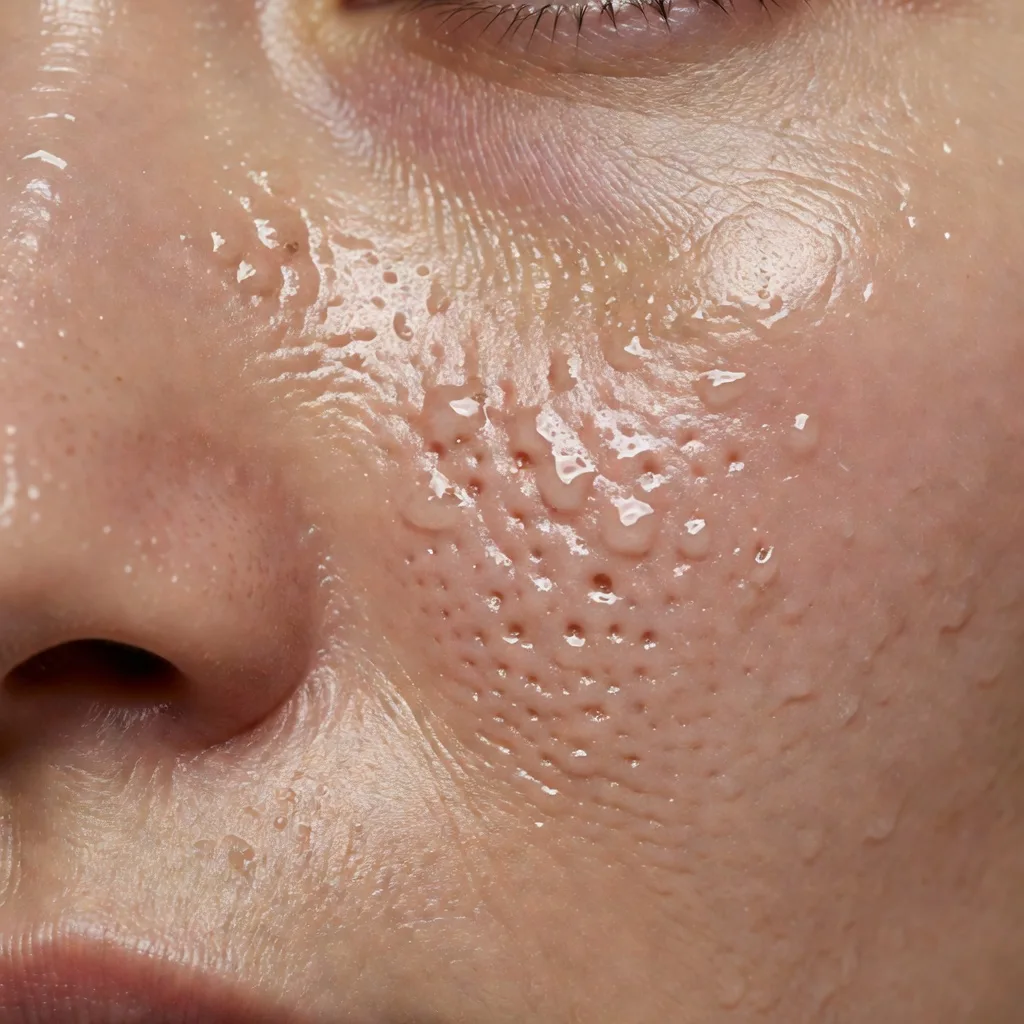
A pore filled with sebum or debris reflects and scatters light differently than the smooth skin around it. That contrast — a small shadowed depression next to shinier, oilier surrounding skin — makes the opening more visually obvious, even when its actual physical diameter hasn’t changed at all. This is a well-established principle in skin-imaging research, where systems like VISIA are specifically built to separate “conspicuousness” from raw measured size, because the two genuinely diverge.
This explains a common everyday experience: pores look noticeably worse by mid-afternoon than right after cleansing, even though nothing about their actual structure changed in those few hours. What changed is how much oil and light-scattering debris built up in the meantime.
The Slower, Structural Side of the Story
Oiliness isn’t purely cosmetic smoke and mirrors, though. Chronic accumulation of sebum and dead skin cells inside a follicle can, over a long period, physically stretch the follicular wall. This is a real, if gradual, mechanism by which years of persistent congestion can leave someone with somewhat larger actual pore openings — distinct from, and much slower than, the moment-to-moment shine effect described above.
What the Research Actually Measured
The best evidence against a simple “oily skin equals big pores” story comes from a 2015 study in Clinical, Cosmetic and Investigational Dermatology, which measured pores in 2,585 women across five countries using standardized imaging. The researchers found pore morphology correlated poorly with sebaceous gland activity, and notably, men — who produce more sebum on average — did not show a correspondingly higher rate of enlarged pores than women in this dataset.
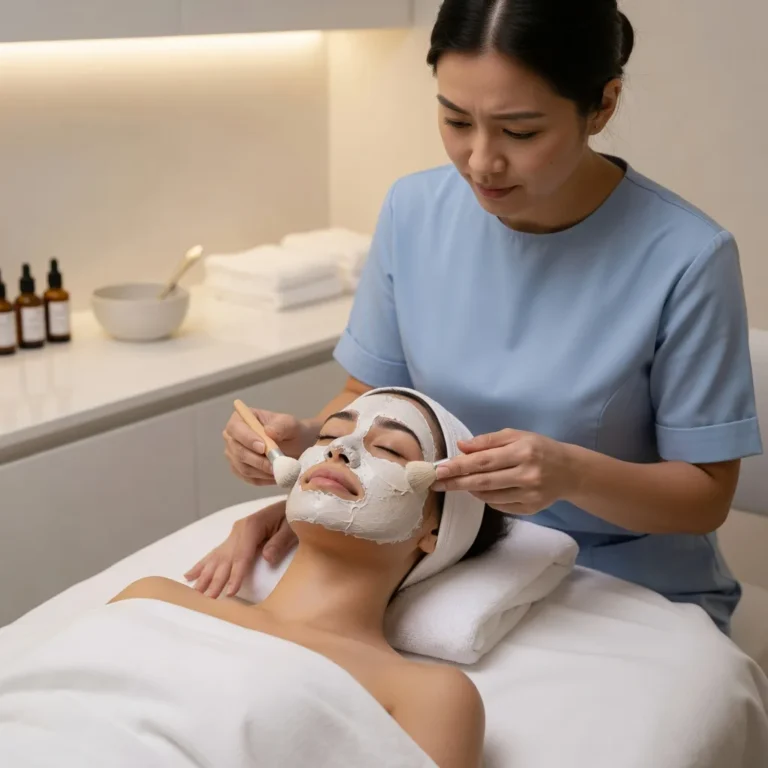
A separate, controlled 2023 study in Skin Research and Technology tested a clay mask on 60 subjects over four weeks using instrumented measurement. It found a large, statistically significant reduction in measured oiliness (nearly 70% immediately, still down almost 30% at four weeks) — but no significant change in measured pore area across the same period. That’s about as clean a piece of direct evidence as exists that reducing surface oil doesn’t reliably change the pore’s actual size.
The Real Drivers of Pore Size, Ranked
Based on the research above and broader dermatology literature on facial pores, here’s a more accurate ranking of what actually determines pore size:
Genetics. The primary determinant of baseline pore size and density, consistent with the large ethnic-variation differences measured across populations.
Aging and photoaging. Loss of collagen and elastin around the follicle removes the structural support that normally keeps the opening cinched; UV exposure accelerates this breakdown. This is a genuinely structural mechanism, and largely irreversible without active intervention.
Chronic oil and debris accumulation. The one place oiliness contributes structurally, through slow, cumulative stretching of the follicle wall over years rather than an instant effect.
Oiliness vs. Other Factors, Compared
| Factor | Type of effect | Reversibility |
|---|---|---|
| Surface oil/sebum | Mostly optical (immediate) | Fully reversible with cleansing |
| Chronic congestion | Slow structural stretching | Partially reversible over time with treatment |
| Genetics | Structural (baseline) | Not reversible |
| Photoaging/collagen loss | Structural (progressive) | Only partially addressable, mainly preventable |
How This Plays Out by Skin Type
The optical-versus-structural distinction plays out somewhat differently depending on overall skin type, which is worth breaking down rather than treating “oily skin and pores” as one uniform experience.
| Skin type | Dominant effect | Practical takeaway |
|---|---|---|
| Oily, non-aging | Mostly optical, day-to-day | Oil control alone produces a noticeable, if temporary, visual improvement |
| Oily and aging (30s-40s+) | Both optical and structural | Oil control plus retinoid/collagen support both matter |
| Combination | Localized optical effect (T-zone) | Targeted oil control in the T-zone, gentler care elsewhere |
| Dry or mature, low oil | Mostly structural (collagen/elastin loss) | Oil control has little to offer; focus on collagen-supportive actives |
This breakdown also explains a pattern many people notice as they get older: oily skin that seemed to make pores obviously worse in their twenties can feel less connected to pore appearance by their forties, even at similar oil levels, because the structural, collagen-driven side of the equation has grown to play a proportionally larger role.
Do This, Not That
Do
- Address surface oil for a real, if temporary, visibility improvement
- Use sunscreen daily to slow the collagen loss that structurally enlarges pores over time
- Use retinoids consistently for the closest thing to a structural intervention
- Judge any routine on a multi-month timeframe, not day to day
Don’t
- Assume a mattifying product is changing your pore structure
- Blame oily skin entirely for pore size that’s more genetically or age-driven
- Expect an oil-control step alone to reverse years of accumulated congestion
- Skip sunscreen because your skin is already oily; UV still degrades collagen regardless
A Routine That Addresses Both Sides
Manage surface oil
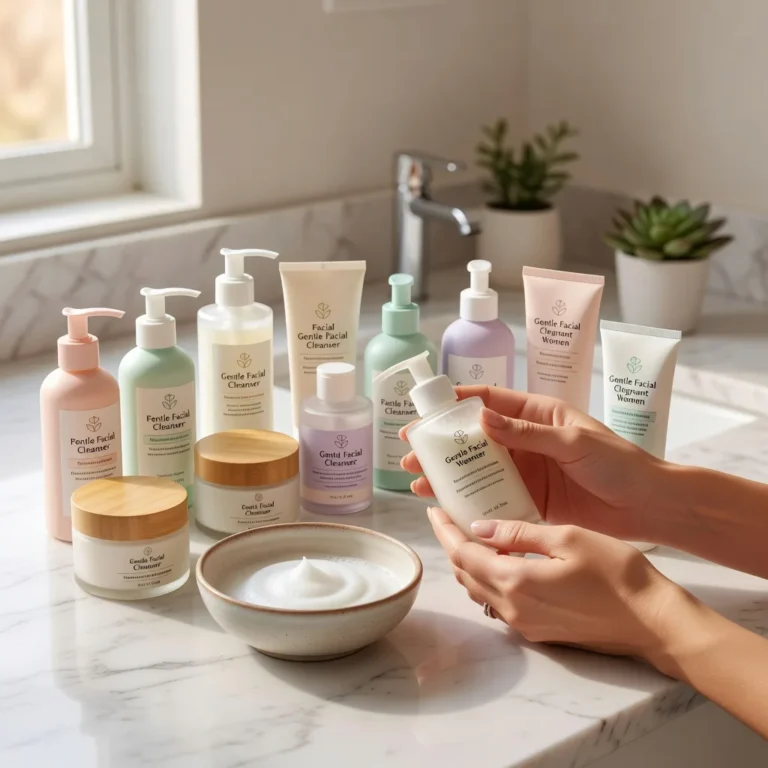
A gentle cleanser and, if needed, a mattifying moisturizer address the optical side day to day.
Clear follicular congestion
Salicylic acid a few times a week targets the debris that can cause slow structural stretching.
Support collagen with a retinoid
Build up gradually; this is the closest thing to a structural intervention available without a dermatologist.
Protect with daily sunscreen
Prevents the photoaging-driven collagen loss that’s a genuine structural driver of pore enlargement.
Track progress over months, not days
Structural change, where it happens at all, takes considerably longer than an optical improvement from cleansing.
Telling Optical Shine From Real Structural Change
There’s no reliable at-home way to distinguish “my pores look bigger because of oil right now” from “my pores have actually gotten structurally larger over time” with precision — that distinction requires the kind of standardized imaging used in the research cited above. A practical substitute: photograph the same area of skin, freshly cleansed, under the same lighting, every month or two. If pores look consistently more prominent over that longer timeframe even right after cleansing, that points toward a slower structural change rather than daily oil buildup.
When to Get a Professional Opinion
If pores remain a significant concern despite consistent oil management and collagen-supportive habits over several months, a dermatologist can offer procedures — chemical peels, laser resurfacing, RF microneedling — with more direct evidence for pore appearance than retail products typically provide.
It’s also worth addressing a related question that comes up often: does sweating make pores look bigger the same way oil does? The honest answer is that the mechanism is similar but not identical — sweat itself is mostly water and doesn’t scatter light the same way sebum does, but sweating tends to happen alongside increased sebaceous activity in warm conditions, and the two together (sweat mixing with oil and dust or makeup) can produce a similar shine-and-shadow contrast. So the visual effect people notice after a hot, humid day is real, but it’s more accurately attributed to the combination of oil, moisture, and debris than to sweat as an isolated cause.
What This Doesn’t Mean You Can Fix
Even with perfect oil control, genetics and accumulated photoaging-related collagen loss remain the dominant drivers of pore size for most people. Managing oil improves how pores look day to day; it doesn’t rewrite the underlying structural baseline.
This is worth sitting with, because it reframes what a reasonable goal actually looks like. Chasing a permanent, oil-driven “fix” for pore size sets up an expectation that no skincare routine can meet, and that mismatch is often what leads people toward harsher, more irritating products in search of a result they were never going to get from oil control alone. A more realistic aim is treating oil management as one part of a broader routine — alongside sunscreen and, where appropriate, retinoids — that keeps pores looking as good as your underlying structure allows, rather than trying to out-cleanse your own genetics.
Frequently Asked Questions
Do oily pores actually get bigger, or just look bigger?
Mostly the latter, in the short term — oil changes how light reflects off the pore, making it look more conspicuous without changing its actual size.
Can years of oily skin permanently enlarge pores?
Chronic accumulation of sebum and debris can slowly stretch the follicle wall over years, a real but gradual structural mechanism.
If I control oil perfectly, will my pores look normal-sized?
Oil control improves visibility, but genetics and age-related collagen loss remain the bigger drivers of actual pore size.
Why do men often have more visible pores despite similar or higher oil production?
Research has found pore prevalence doesn’t track sebum output as directly as assumed, suggesting other factors dominate.
Does a mattifying primer change pore structure?
No; it works optically, diffusing light to reduce visual conspicuousness without altering the pore itself.
How quickly does oil buildup affect how pores look?
The optical effect can be noticeable within hours, which is why pores often look worse by midday than right after cleansing.
Does sunscreen really matter for pore size?
Yes; it slows the collagen and elastin breakdown that structurally supports pore openings over time.
What’s the fastest way to reduce how oily pores look?
Gentle cleansing and a mattifying product address the optical effect quickly, though the improvement is temporary.
Can retinoids reverse structural pore enlargement?
They support collagen turnover around the follicle, which is the closest topical option to addressing the structural side, though results build slowly.
Should I see a dermatologist if my pores seem to be getting worse?
If the change is gradual, a consistent routine plus patience is reasonable first; if it’s sudden or accompanied by other symptoms, a dermatologist visit is warranted.

Written by
Registered pharmacist and founder of Facial Adviser. Rakib's pharmacy training covers how skincare actives work and interact; a later course in cosmetology turned that into a focus on facial treatments and skincare products. He plans, researches and edits every guide on the site and checks health claims against sources such as the American Academy of Dermatology, the FDA and the NIH. He is not a dermatologist; see the Editorial Policy and Medical Disclaimer.
About · Editorial policy · How we choose products · Medical disclaimer · Contact
Keep reading: Pores and texture
- How Can I Make My Pores Less Visible?
- How Do You Deep Clean Your Pores? A Gentle Routine That Works
- 10 Best Facial Products for Pores (2026): Clearer, Smoother Skin
- Dry, Flaky Skin Around the Eyebrows: Causes and Treatment
- Uneven Skin Texture on Cheeks: Causes and How to Smooth It
- How to Calm Inflamed Red Patches on Your Face
- Are Facials Good for Acne?