Dry, Flaky Skin Around the Eyebrows: Causes and Treatment
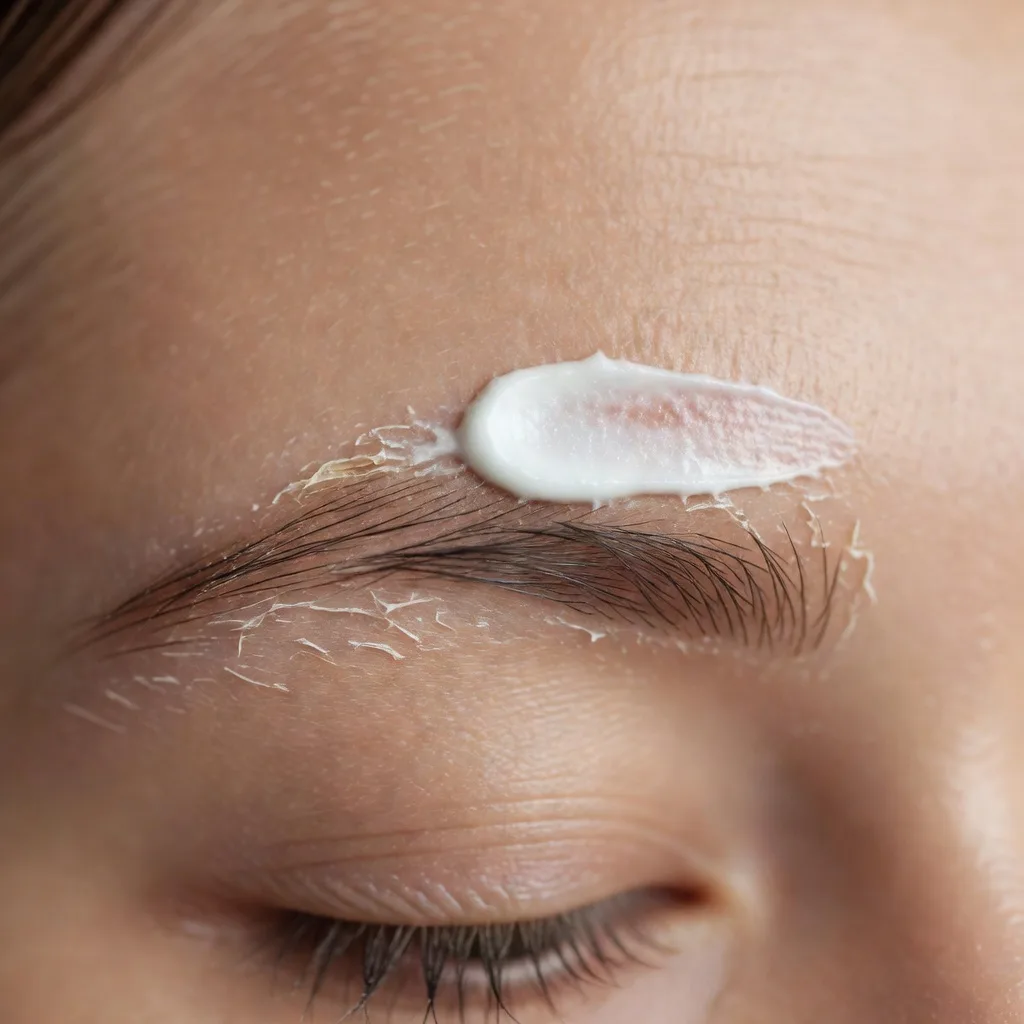
Flakes in your eyebrows can be surprisingly stubborn. You moisturise, the skin looks better for a few hours, and by the next morning there are white or yellowish scales caught in the brow hairs again, sometimes with redness and itching that spread to the sides of the nose.
Part of our guide to skin concerns. Start with: How Can I Make My Pores Less Visible?
Dryness around the eyebrows is most often caused by seborrheic dermatitis, a common inflammatory condition linked to a yeast that lives on oily skin, rather than simple dry skin. It causes greasy or white flakes, redness and itching in the brows, the sides of the nose, the hairline and behind the ears. It is treated with antifungal ingredients such as ketoconazole, zinc pyrithione or selenium sulfide, often from dandruff shampoos used on the face. Plain dry skin, contact dermatitis from brow products and eczema are other causes.
The eyebrow area is a common trouble spot because it has many oil glands and hair follicles, and because brow gels, pencils, tints and waxing all add irritation. Moisturiser alone often fails because it does not address the yeast and inflammation behind seborrheic dermatitis.
The good news is that this is very treatable. Most people see clear improvement within two to four weeks of the right routine, and then keep it under control with occasional maintenance.
This guide covers the common causes of eyebrow flaking, how to tell them apart, a step-by-step treatment routine, what to avoid, and when to see a dermatologist.
Shopping these picks?
Amazon Prime members get fast, free shipping on eligible items, plus Prime Video, Amazon Music and member deals. New members can start with a free trial.
Start a free Prime trialAged 18 to 24? Prime for Young Adults comes with a longer free trial and a lower price after it.
Affiliate link: we may earn a commission at no extra cost to you.
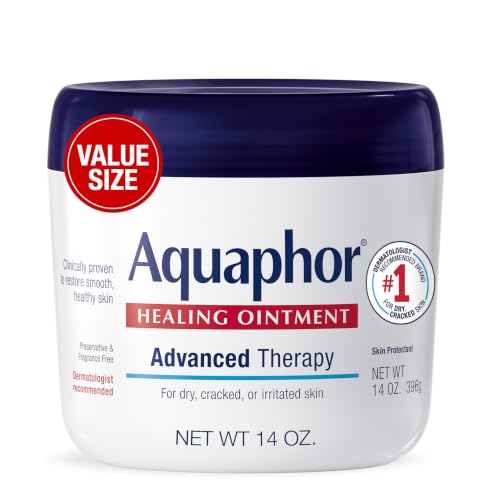
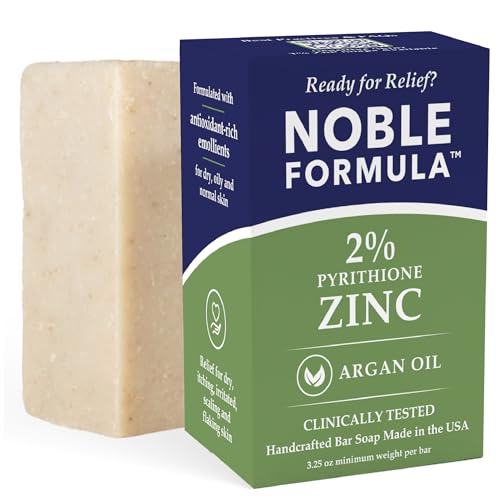
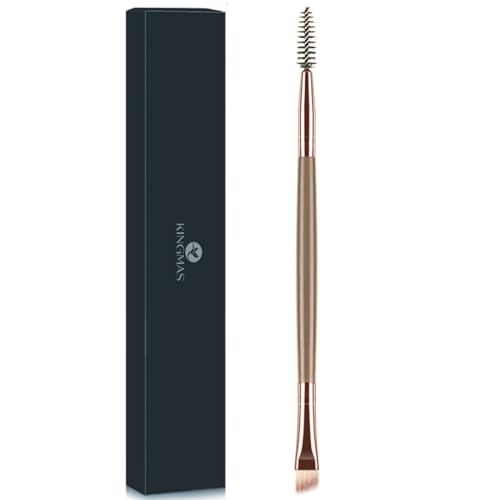
Recommended Products for Flaky Skin Around the Eyebrows




Key Takeaways
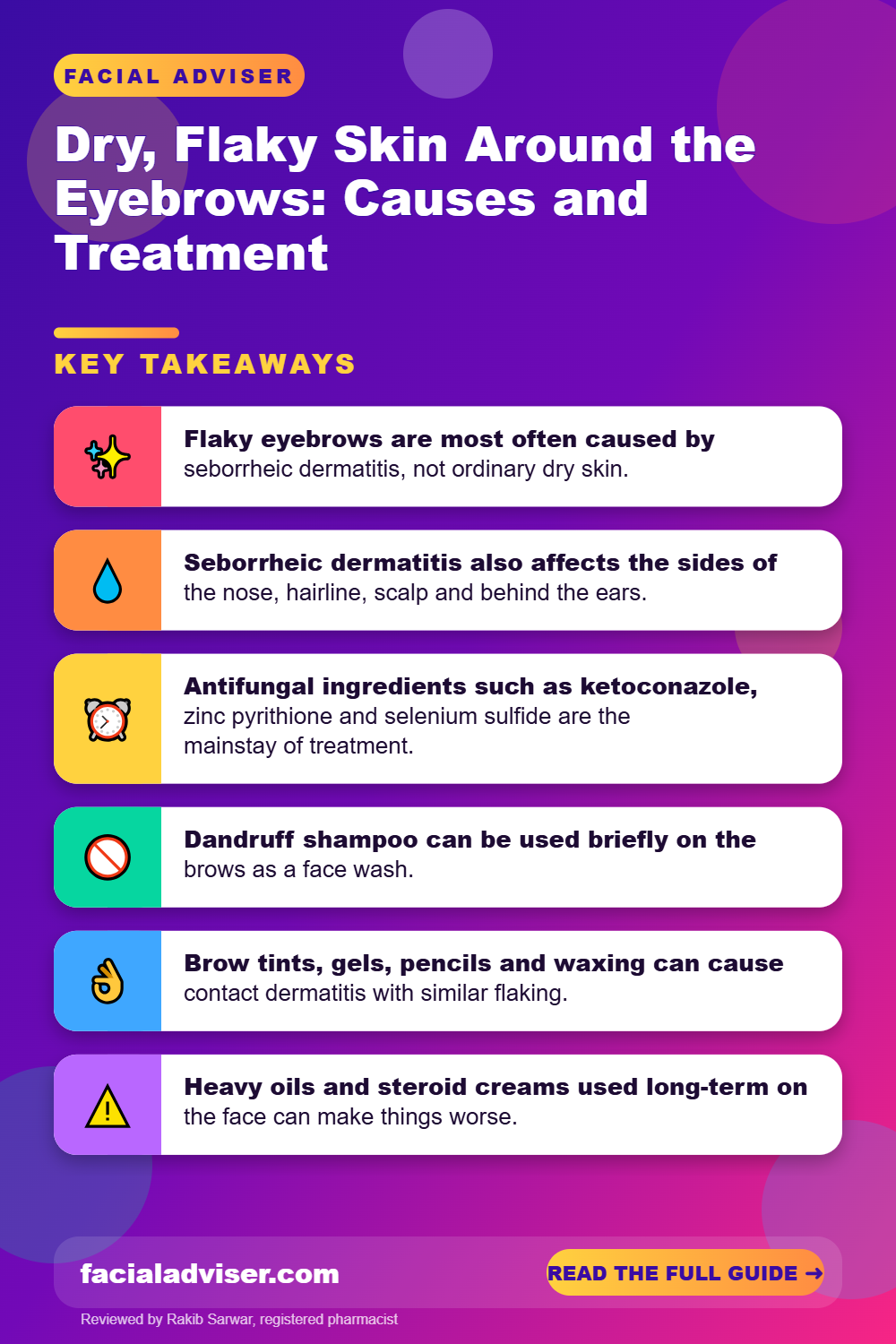
- Flaky eyebrows are most often caused by seborrheic dermatitis, not ordinary dry skin.
- Seborrheic dermatitis also affects the sides of the nose, hairline, scalp and behind the ears.
- Antifungal ingredients such as ketoconazole, zinc pyrithione and selenium sulfide are the mainstay of treatment.
- Dandruff shampoo can be used briefly on the brows as a face wash.
- Brow tints, gels, pencils and waxing can cause contact dermatitis with similar flaking.
- Heavy oils and steroid creams used long-term on the face can make things worse.
- The condition tends to come and go, so maintenance treatment helps prevent flares.
Contents
- Common Causes of Dryness Around the Eyebrows
- Understanding Seborrheic Dermatitis
- Why It Flares: Seasons, Stress and Skincare
- Beards, Brows and Seborrheic Dermatitis in Men
- Which Type Do You Have?
- How to Treat Flaky Skin Around the Eyebrows
- Treatment Options Compared
- Brow Grooming Without the Flakes
- Dos and Don’ts
- Honest Limits
- When to See a Dermatologist
- Frequently Asked Questions
- The Takeaway
Common Causes of Dryness Around the Eyebrows
| Cause | What it looks like | Clues |
|---|---|---|
| Seborrheic dermatitis | Greasy yellow or white flakes, pink-red skin, itch | Also affects sides of nose, scalp, behind ears; flares with stress and cold weather |
| Simple dry skin | Fine white flakes, tightness | Worse in winter, improves quickly with moisturiser |
| Contact dermatitis | Red, itchy, sometimes swollen patch | Started after a new brow product, tint, wax or threading |
| Atopic eczema | Dry, itchy, rough skin | History of eczema, asthma or hay fever; often on eyelids too |
| Psoriasis | Thicker, well-defined silvery scales | Patches elsewhere on the body, nail changes |
| Demodex or blepharitis | Flaking at the lash line and brows, gritty eyes | Crusting on lashes, eye irritation |
Seborrheic dermatitis is by far the most common reason for recurring eyebrow flakes in adults, so it is the first thing to consider if flaking keeps coming back. It can also appear in babies as cradle cap, which sometimes extends onto the brows, and in teenagers and adults once oil production increases after puberty.
Understanding Seborrheic Dermatitis
Seborrheic dermatitis affects areas with lots of oil glands. It is thought to involve an inflammatory reaction to Malassezia, a yeast that normally lives on skin and feeds on oil. In some people, this triggers redness, itching and faster skin turnover, which produces the characteristic flakes.
It is not caused by poor hygiene and is not contagious, although washing the area regularly with the right products does help keep it under control. It often flares with stress, tiredness, cold dry weather and illness, and can be more severe in people with certain neurological conditions or weakened immune systems.
The American Academy of Dermatology notes that dandruff shampoos containing ketoconazole, zinc pyrithione or selenium sulfide can help control seborrheic dermatitis, and that dermatologists may recommend using them on the face or beard as well as the scalp (AAD).
Dandruff and facial seborrheic dermatitis often go together. Treating the scalp at the same time usually helps the brows stay clear for longer.
On darker skin tones, seborrheic dermatitis may look less red and more like lighter or darker patches with fine scale. It can also leave temporary changes in skin colour after it clears, which usually fade over a few months with good sun protection.
Why It Flares: Seasons, Stress and Skincare
Many people notice their eyebrows flake most in autumn and winter. Cold outdoor air and dry indoor heating weaken the skin barrier, and seborrheic dermatitis tends to flare in these conditions. Our guide to why indoor heating dries out your face covers how to fix the air as well as the skin.
Stress and poor sleep are other well-known triggers. Flares often appear during exams, busy work periods or after illness. Hormonal changes and some medicines can also play a role.
| Trigger | What to do |
|---|---|
| Cold, dry weather | Humidify the bedroom; switch to a slightly richer, fragrance-free moisturiser |
| Stress and poor sleep | Prioritise sleep; increase antifungal washes during busy periods |
| Heavy or oily skincare | Choose lightweight, non-comedogenic products around the brows |
| New brow products | Patch test and introduce one at a time |
| Sweating under hats or headbands | Rinse the forehead and brows after exercise |
Beards, Brows and Seborrheic Dermatitis in Men
Men with beards often notice flaking in the brows, beard and moustache at the same time. The same yeast and oil-rich skin are involved, and facial hair traps flakes and oil. Washing the beard and brows with an antifungal shampoo two or three times a week, rinsing well and drying thoroughly usually helps.
Beard oils and balms can make seborrheic dermatitis worse for some men. If you use them, choose light, fragrance-free versions and see whether the flaking improves when you stop.
Which Type Do You Have?
- Are the flakes greasy or yellowish, and do they come back even after moisturising? Seborrheic dermatitis is likely.
- Do you also have flaking at the sides of the nose, in the scalp or behind the ears? Seborrheic dermatitis again.
- Did the problem start after a new brow gel, tint, wax or threading? Consider contact dermatitis.
- Is the skin simply tight and flaky in winter, clearing quickly with moisturiser? Likely plain dry skin.
- Are the scales thick and silvery, with patches elsewhere on the body? Ask about psoriasis.
- Are your eyelids crusty and your eyes gritty? Blepharitis may be involved.
How to Treat Flaky Skin Around the Eyebrows
Stop suspect brow products
Pause tints, gels, pencils and waxing for two to four weeks to rule out irritation.
Use an antifungal wash
Lather a dandruff shampoo or zinc pyrithione bar into the brows, leave for one to three minutes, then rinse thoroughly. Do this two or three times a week.
Keep it out of your eyes
Close your eyes, apply only to the brows and rinse carefully; stop if it stings.
Moisturise with a light, non-oily cream
Choose a fragrance-free moisturiser; avoid heavy oils, which can feed the yeast.
Brush out flakes gently
Use a clean spoolie on dry brows to lift loose flakes rather than picking them.
Maintain after it clears
Continue the antifungal wash once or twice a week to reduce flares.
Apply the dandruff shampoo to the scalp at the same time. Treating both areas together reduces the yeast load and helps the brows stay clear.
Treatment Options Compared
| Option | How it helps | Availability |
|---|---|---|
| Ketoconazole shampoo or cream | Antifungal; reduces yeast and inflammation | Over the counter (1% shampoo) or prescription (2%) |
| Zinc pyrithione wash or bar | Antifungal and antibacterial | Over the counter |
| Selenium sulfide shampoo | Slows skin turnover and reduces yeast | Over the counter |
| Mild topical steroid | Calms redness and itch quickly | Short courses only, on medical advice |
| Calcineurin inhibitor creams | Reduce inflammation without steroid side effects | Prescription |
| Roflumilast foam | Newer non-steroid anti-inflammatory | Prescription |
Do not use steroid creams on the face for long periods without medical supervision. They can thin the skin and trigger perioral dermatitis or rosacea-like rashes.
Brow Grooming Without the Flakes
Brow products and treatments are a common and often overlooked cause of irritation around the eyebrows.
- Tints and dyes: can contain ingredients such as PPD that cause allergic reactions. Always do a patch test 48 hours before tinting.
- Brow gels and pomades: fragrances, preservatives and film-formers can irritate.
- Waxing: removes a layer of skin along with hair; avoid when skin is inflamed.
- Threading and plucking: less irritating to the skin surface but can inflame follicles.
- Lamination: uses chemical solutions that can cause significant irritation.
If you suspect a brow product, stop using it and let the area settle. People with generally reactive skin often find their brows are one of the first places to react; see our guide to facial nerve sensitivity for tips on calming reactive skin. A dermatologist can arrange patch testing if reactions keep happening.
Dos and Don’ts
Good Habits
- Use antifungal washes two to three times a week during flares
- Treat dandruff at the same time
- Choose fragrance-free moisturisers
- Patch test brow tints and new products
- Keep up maintenance once it clears
Common Mistakes
- Pick or scratch the flakes
- Use heavy oils such as coconut or olive oil on the brows
- Use steroid creams on the face long-term
- Wax inflamed skin
- Get dandruff shampoo in your eyes
Honest Limits
Seborrheic dermatitis is a long-term tendency rather than something cured once. Treatments control it very well, but it often returns, especially in winter or during stressful periods. Regular maintenance is normal and expected.
Treatment works best when it is consistent. Many people stop as soon as the flakes disappear, only for them to return a few weeks later. Keeping a once- or twice-weekly antifungal wash going, especially through the colder months, prevents most of these relapses and is far easier than treating a full flare each time.
It is also easy to mistake the problem for simple dryness and keep adding richer creams, which can make seborrheic dermatitis worse. If heavier moisturisers are not helping, that is a strong hint that the cause is inflammatory rather than a lack of moisture.
Online remedies such as apple cider vinegar, tea tree oil and coconut oil are popular, but evidence is limited and they can irritate the delicate skin near the eyes. Coconut and olive oil may even feed the yeast involved.
If a treatment makes the area redder, more painful or swollen, stop and seek advice, as you may be reacting to the product.
When to See a Dermatologist
See a dermatologist or doctor if you have:
- Flaking that does not improve after four weeks of treatment
- Redness spreading to the eyelids or around the eyes
- Crusting on the eyelashes or sore, gritty eyes
- Thick, silvery plaques or patches elsewhere on the body
- Swelling, oozing or pain, which may suggest infection or allergy
- Sudden, severe seborrheic dermatitis, which occasionally points to an underlying health condition
This article is for general information and is not a substitute for professional medical advice. See a dermatologist for flaking that persists or affects the eyes.
Frequently Asked Questions
Why are my eyebrows flaky?
The most common cause is seborrheic dermatitis. Dry skin, reactions to brow products, eczema and psoriasis are other possibilities.
Can I use dandruff shampoo on my eyebrows?
Yes, carefully. Lather into the brows, leave for one to three minutes and rinse well, avoiding the eyes.
Is eyebrow dandruff the same as scalp dandruff?
Usually yes. Both are forms of seborrheic dermatitis.
Will moisturiser fix flaky eyebrows?
It helps simple dryness, but seborrheic dermatitis usually needs antifungal treatment.
Should I put oil on flaky eyebrows?
It is better not to. Some oils can feed the yeast involved in seborrheic dermatitis.
Can brow tinting cause flaking?
Yes. Tints and dyes can cause contact dermatitis. Patch test before every tint.
How long does it take to clear flaky eyebrows?
Most people see improvement within two to four weeks of antifungal treatment.
Is seborrheic dermatitis contagious?
No. It is not contagious and is not caused by poor hygiene.
Can stress make flaky eyebrows worse?
Yes. Stress, tiredness and cold weather commonly trigger flares.
Can I use hydrocortisone on my eyebrows?
Only briefly and on medical advice. Long-term steroid use on the face can cause other problems.
The Takeaway
Flaky, itchy skin around the eyebrows is usually seborrheic dermatitis, an inflammatory reaction linked to a yeast that thrives on oily skin, rather than simple dryness. That is why moisturiser alone often does not solve it, while antifungal washes containing ketoconazole, zinc pyrithione or selenium sulfide usually do.
Use an antifungal wash on the brows and scalp a few times a week, keep moisturisers light and fragrance-free, pause irritating brow products and keep up maintenance once it clears. See a dermatologist if it does not improve in a month, spreads to the eyelids or comes with thick plaques elsewhere.

Written by
Registered pharmacist and founder of Facial Adviser. Rakib's pharmacy training covers how skincare actives work and interact; a later course in cosmetology turned that into a focus on facial treatments and skincare products. He plans, researches and edits every guide on the site and checks health claims against sources such as the American Academy of Dermatology, the FDA and the NIH. He is not a dermatologist; see the Editorial Policy and Medical Disclaimer.
About · Editorial policy · How we choose products · Medical disclaimer · Contact
Keep reading: Pores and texture
- How Can I Make My Pores Less Visible?
- Uneven Skin Texture on Cheeks: Causes and How to Smooth It
- Patchy Dry Skin Around the Mouth: Causes and How to Heal It
- What Causes Open Pores on the Nose? Oil, Genes, Age and What Helps
- Dry, Flaky Skin on the Nose: Causes and How to Treat It
- Does Cold Water Close Pores? Myth or Fact, Explained
- How to Calm Inflamed Red Patches on Your Face
- Are Facials Good for Acne?