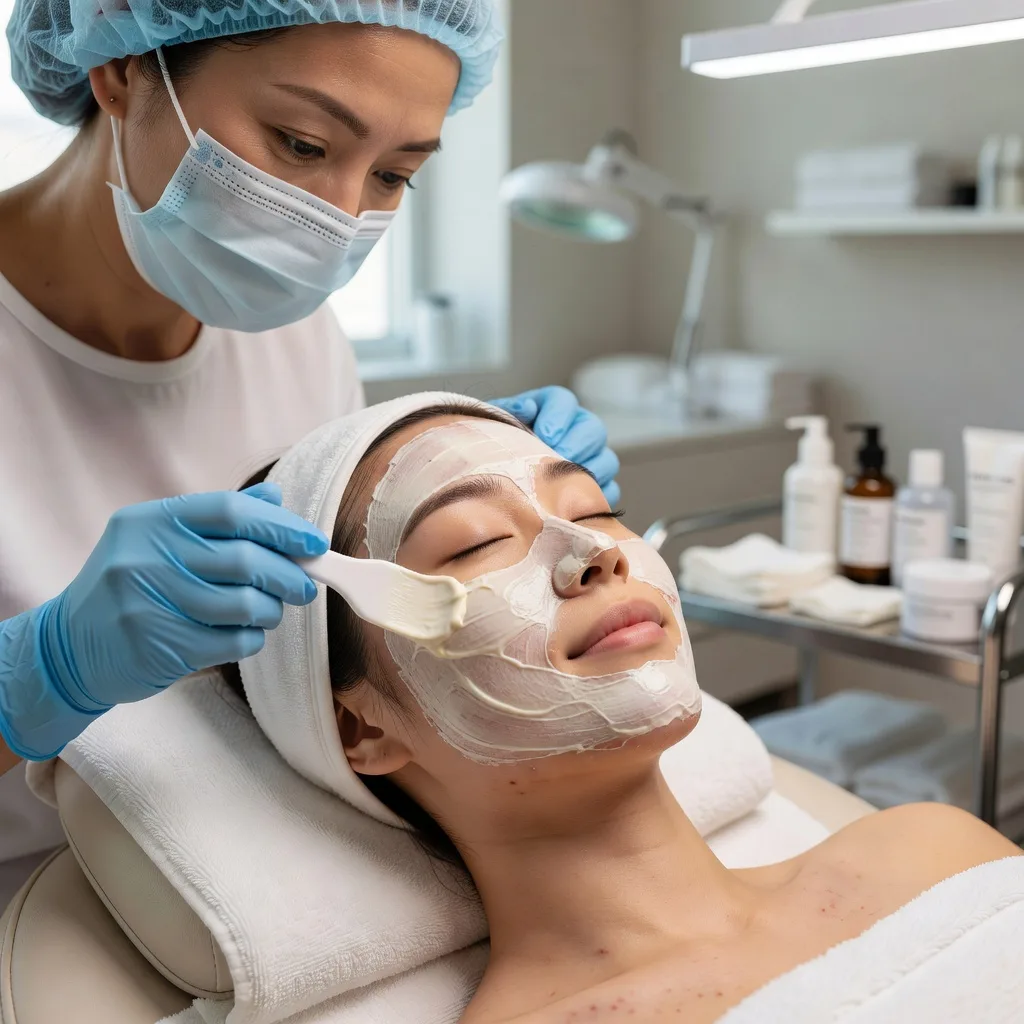
Are Facials Good for Acne?
Are facials good for acne, or does the evidence only support them as an add-on to a real treatment plan?
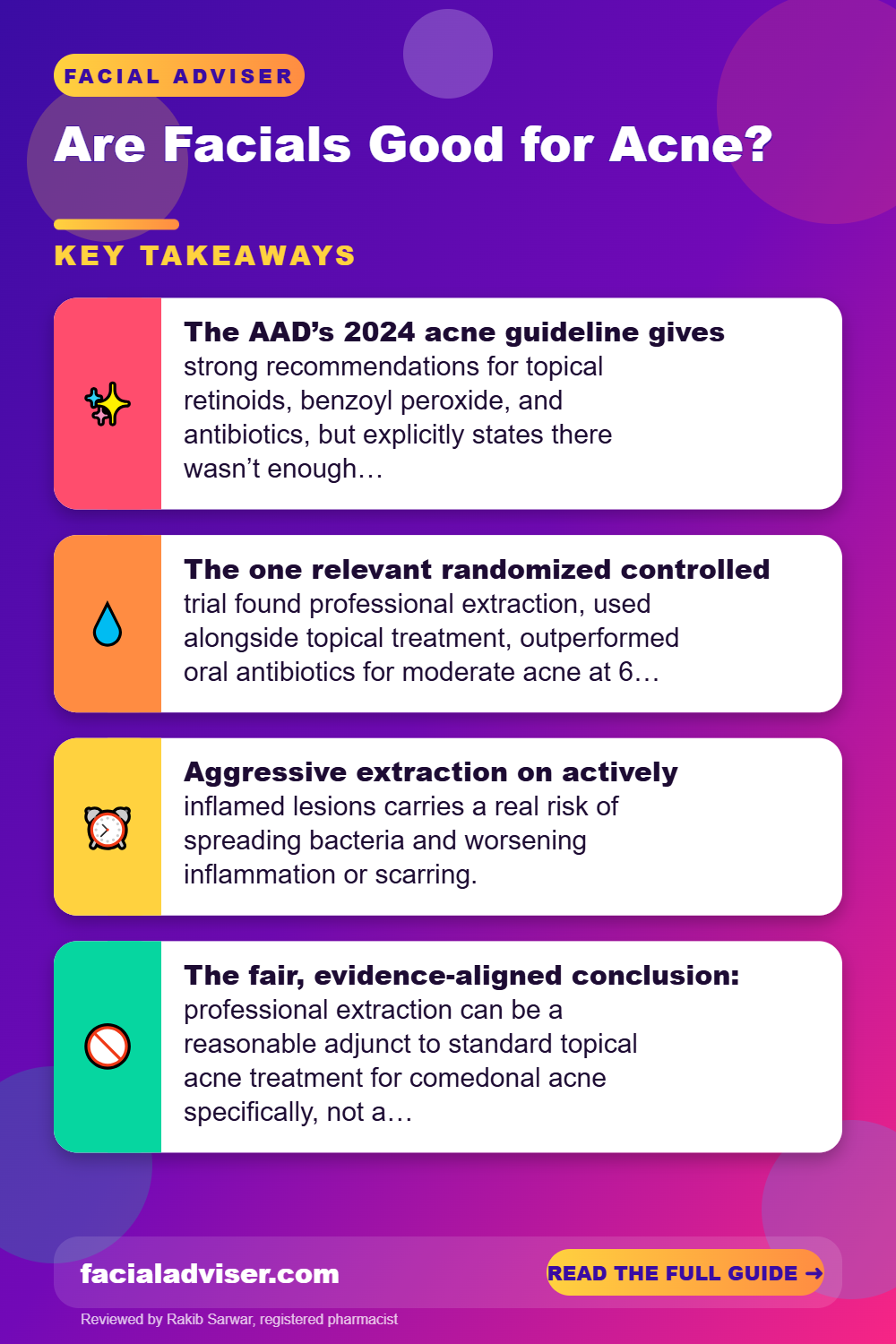
The AAD’s 2024 acne guideline gives strong recommendations to topical retinoids, benzoyl peroxide, and antibiotics, and explicitly states there wasn’t enough evidence to recommend procedures like peels, lasers, or microneedling — facials aren’t addressed at all, which reflects an evidence gap, not a disproof. The one relevant randomized trial found professional extraction, added to topical treatment, outperformed oral antibiotics for moderate acne at six weeks.
Aggressive extraction on actively inflamed lesions specifically carries a real risk of spreading bacteria and worsening inflammation.
This guide compares facials against the AAD’s evidence-based first-line acne treatments and lays out where extraction can be a reasonable adjunct.
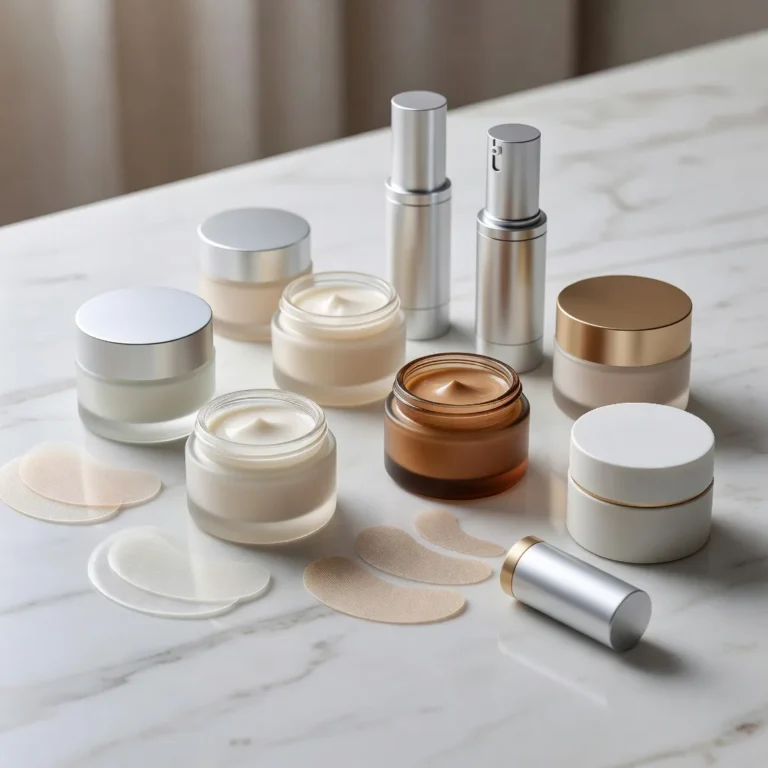
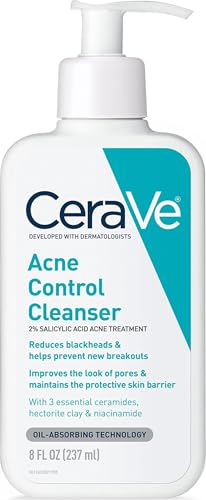
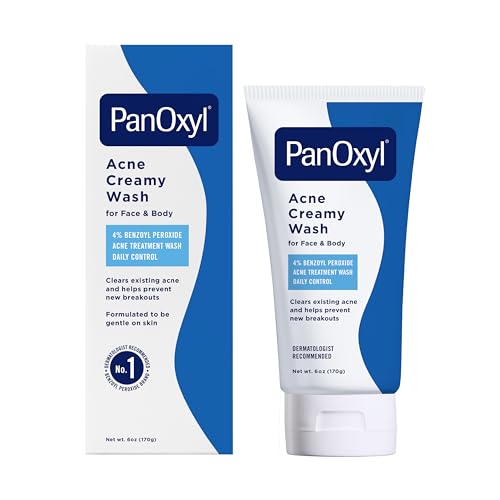
Recommended Non-Comedogenic Products for Acne-Prone Skin


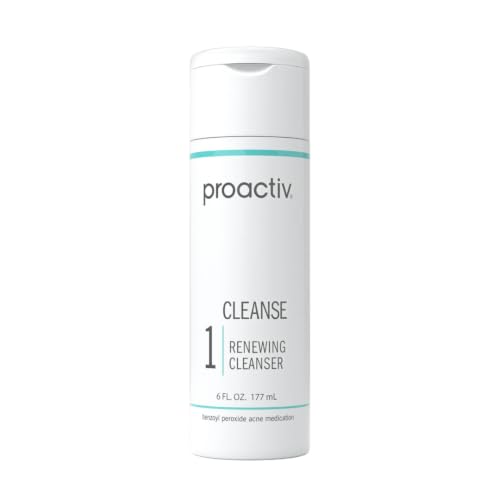

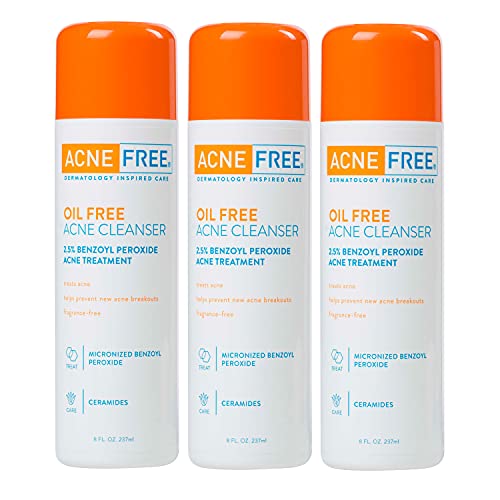
Evidence Check
- The AAD’s 2024 acne guideline gives strong recommendations for topical retinoids, benzoyl peroxide, and antibiotics, but explicitly states there wasn’t enough evidence to make recommendations on procedures like peels, lasers, or microneedling — and facials aren’t addressed at all.
- The one relevant randomized controlled trial found professional extraction, used alongside topical treatment, outperformed oral antibiotics for moderate acne at 6 weeks — but that trial used clinical extraction as an adjunct, not spa facials as a standalone treatment.
- Aggressive extraction on actively inflamed lesions carries a real risk of spreading bacteria and worsening inflammation or scarring.
- The fair, evidence-aligned conclusion: professional extraction can be a reasonable adjunct to standard topical acne treatment for comedonal acne specifically, not a validated primary or first-line treatment.
Guide Map
- What This Question Is Really Asking
- The AAD’s Evidence-Based First-Line Treatments
- What the AAD Does (and Doesn’t) Say About Procedures
- The One Relevant Clinical Trial
- Adjunct Treatment, Not Primary Treatment
- AAD First-Line Treatment vs. Facials
- Real Risk: Facials Worsening Acne
- The Comedogenic Products Risk
- Cross-Contamination Risk
- Acne Type and Facial Suitability
- What a Dermatologist Actually Recommends
- Do This, Not That
- Using Facials Safely Alongside Acne Treatment
- What This Article Can’t Tell You
- Frequently Asked Questions
What This Question Is Really Asking
“Are facials good for acne” deserves a precise answer rather than a flat yes or no, because the real evidence splits sharply between what’s validated as a primary acne treatment and what’s plausible as a supporting habit. This guide compares professional facials against the American Academy of Dermatology’s own evidence-based acne guideline to give an honest, evidence-aligned answer.
Shopping these picks?
Amazon Prime members get fast, free shipping on eligible items, plus Prime Video, Amazon Music and member deals. New members can start with a free trial.
Start a free Prime trialAged 18 to 24? Prime for Young Adults comes with a longer free trial and a lower price after it.
Affiliate link: we may earn a commission at no extra cost to you.
The AAD’s Evidence-Based First-Line Treatments
The AAD’s 2024 acne management guideline gives strong recommendations for topical benzoyl peroxide, topical retinoids (including adapalene, tretinoin, tazarotene, and trifarotene), oral and topical antibiotics such as doxycycline, and combination therapy using these together. It gives conditional recommendations for topical clascoterone, topical salicylic acid, topical azelaic acid, oral minocycline or sarecycline, and hormonal therapies. These are the treatments with the strongest evidence base behind them for actually treating acne.
What the AAD Does (and Doesn’t) Say About Procedures
This is the single most important fact for answering this question honestly: the AAD’s own guideline explicitly states that available evidence was insufficient to develop recommendations for procedures such as chemical peels, laser and light-based devices, and microneedling. Facials and manual extraction aren’t addressed in the guideline at all. That absence matters, but it needs to be read precisely: it means facials are not part of the AAD’s evidence-based first-line treatment framework because the procedure category as a whole is understudied, not because facials have been specifically tested and found ineffective. Evidence-absence and disproof are two different things, and this is a clean example of the distinction.
The One Relevant Clinical Trial
The strongest direct evidence available comes from a 2016 randomized controlled trial that compared biweekly professional lesion extraction, combined with standard topical treatment, against oral doxycycline combined with the same topical treatment, in 140 patients with moderate acne (128 completed the study). At six weeks, the extraction group showed significantly greater improvement than the antibiotic group, with fewer adverse events, and a measurable reduction in a biological marker linked to acne-lesion inflammation. This is genuine, real evidence that professional extraction can meaningfully help. The caveats matter just as much as the finding: this was a moderate-sized, single-country, six-week trial, extraction was performed by trained clinical staff as an addition to standard topical therapy rather than as a standalone treatment, and the setting was a medical clinic, not necessarily generalizable to spa-esthetician extraction technique and sanitation standards.
Adjunct Treatment, Not Primary Treatment
Putting the AAD’s guideline and the one relevant trial together points to a fair, evidence-aligned middle position: professional extraction can be a reasonable adjunct to a standard, evidence-based topical acne regimen for comedonal acne specifically, when performed by a trained professional. It is not validated as a primary or first-line acne treatment on its own, and there isn’t enough evidence to recommend commercial spa facials broadly, as distinct from clinical extraction specifically, as any kind of acne treatment in their own right.
AAD First-Line Treatment vs. Facials
| Treatment | AAD evidence status |
|---|---|
| Topical retinoids, benzoyl peroxide | Strong recommendation |
| Oral/topical antibiotics | Strong recommendation |
| Topical salicylic/azelaic acid | Conditional recommendation |
| Procedures (peels, lasers, microneedling) | Insufficient evidence to recommend |
| Facials/manual extraction | Not addressed in the guideline at all |
Real Risk: Facials Worsening Acne
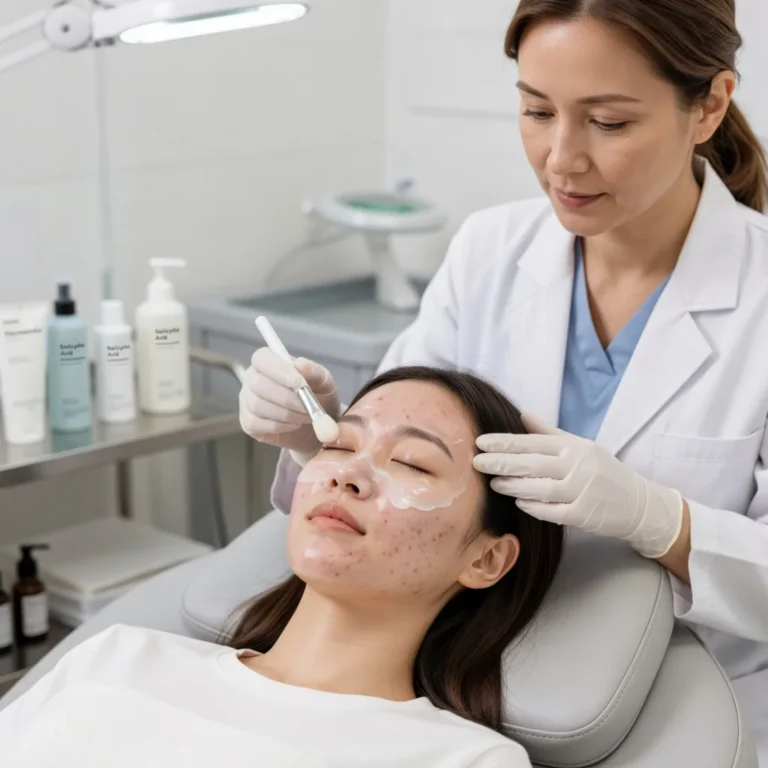
Aggressive or improperly performed extraction on inflamed lesions specifically, papules, pustules, or cysts, rather than plain comedones, carries a real risk of rupturing the lesion and spreading inflammatory content and bacteria into surrounding tissue, which can worsen inflammation or contribute to scarring. This risk concentrates on inflammatory acne; well-performed extraction on ready, non-inflamed comedones carries a meaningfully lower version of this same risk.
The Comedogenic Products Risk
Some products commonly used during facials, like heavy massage oils or occlusive masks, can be comedogenic for acne-prone skin, meaning they have real potential to clog follicles and trigger new breakouts. This is a genuine, practical consideration worth raising with your provider ahead of time if you’re acne-prone, separate from the extraction-technique risk discussed above.
Cross-Contamination Risk
Poor sanitation practices around extraction tools and linens at lower-quality spa settings represent a real, if not systematically quantified in the research literature, cross-contamination risk. Choosing a provider with visibly clean, sterile-tool practices is a practical way to reduce this risk, even though it isn’t a factor that’s been measured in a formal clinical study. In practice, this means looking for metal extraction tools that come out of a sealed autoclave pouch in front of you, or single-use disposable tips, rather than tools pulled from an open tray that’s been sitting out between clients, and asking directly how instruments are sterilized between appointments if it isn’t obvious.
Acne Type and Facial Suitability
| Acne presentation | Facial/extraction suitability |
|---|---|
| Comedonal acne (blackheads, whiteheads) | Extraction can be a reasonable adjunct to topical treatment |
| Mild inflammatory acne (papules) | Approach cautiously; discuss technique with provider |
| Moderate to severe inflammatory acne (pustules, cysts) | Avoid direct extraction on these lesions; prioritize dermatologist-guided treatment |
What a Dermatologist Actually Recommends
When dermatologists discuss facials for acne-prone patients, the framing tends to be consistent with the evidence laid out above: a facial is neither dismissed outright nor endorsed as a treatment in its own right. The practical, commonly given guidance is to keep an evidence-based topical regimen running continuously as the actual treatment, and to treat a facial, if you choose to get one, as an occasional supplementary step that needs to be coordinated around your skin’s current state rather than scheduled on a fixed routine regardless of how your skin looks that week. A dermatologist evaluating whether a facial makes sense for a specific patient will typically weigh the same factors this guide raises: what type of acne is present, how inflamed it currently is, and whether the provider performing the facial has appropriate training and sanitation practices. That’s a more individualized answer than a blanket yes or no, but it’s the more honest one given what the evidence actually supports.
Do This, Not That
Do
- Treat facials as a possible adjunct to, not a replacement for, an AAD-aligned topical acne regimen.
- Disclose your acne type (comedonal vs. inflammatory) to your provider beforehand.
- Choose a provider with visibly clean, sterile-tool practices.
Don’t
- Don’t skip evidence-based topical treatment in favor of facials alone.
- Don’t allow aggressive extraction on active papules, pustules, or cysts.
- Don’t assume “not addressed in the AAD guideline” means “proven ineffective.”
Using Facials Safely Alongside Acne Treatment
Keep your topical acne regimen as the foundation
Treat retinoids, benzoyl peroxide, or whatever your dermatologist recommends as your primary treatment.
Disclose your acne type before booking
Tell your provider whether you have inflamed lesions specifically, not just general “acne-prone” skin.
Ask about comedogenic products used during the service
Request non-comedogenic alternatives if your skin is acne-prone.
Verify sanitation practices
Choose a provider who visibly sterilizes or uses single-use extraction tools.
Watch for worsening symptoms afterward
Contact a dermatologist if inflammation increases rather than improves after a facial.
What This Article Can’t Tell You
This guide can’t tell you whether a facial will improve your specific acne, because no large, dermatology-society-endorsed trial has directly compared commercial spa facials against the AAD’s first-line topical treatments. The one supportive trial concerns clinician-performed extraction used as an adjunct, studied only in comedonal/moderate acne over six weeks — it shouldn’t be extrapolated to inflammatory or cystic acne, or to unsupervised settings.
Frequently Asked Questions
Are facials a proven treatment for acne?
Not as a primary treatment. The AAD’s evidence-based acne guideline doesn’t address facials at all, and its strong recommendations are for topical retinoids, benzoyl peroxide, and antibiotics.
Is there any clinical evidence that facials help acne?
A 2016 randomized trial found professional extraction, added to topical treatment, outperformed oral antibiotics for moderate acne at 6 weeks, though this used clinical extraction as an adjunct, not standalone spa facials.
Can facials make acne worse?
Aggressive extraction on inflamed lesions (papules, pustules, cysts) can worsen inflammation or contribute to scarring; this risk is much lower on plain, non-inflamed comedones.
Should I replace my acne medication with facials?
No. The fair, evidence-aligned position is that facials can be a reasonable adjunct to standard topical acne treatment, not a replacement for it.
Are facials safe if I have cystic acne?
Extraction on cysts and other inflamed lesions specifically carries higher risk; it’s worth discussing directly with a dermatologist rather than a general esthetician.
Why doesn’t the AAD guideline mention facials?
The guideline states there wasn’t enough evidence to make recommendations on procedures generally, including peels, lasers, and microneedling; facials specifically aren’t addressed at all, reflecting an evidence gap rather than a negative finding.
Can facial products themselves cause breakouts?
Yes, some products used during facials, like heavy oils or occlusive masks, can be comedogenic for acne-prone skin and trigger new breakouts.
Is spa hygiene a real concern for acne-prone skin?
Poor sanitation of extraction tools and linens is a genuine, if not formally quantified, cross-contamination risk, making provider hygiene practices worth checking.
What type of acne responds best to professional extraction?
Comedonal acne (blackheads and whiteheads) is the type where extraction, used alongside topical treatment, has the clearest supporting evidence.
Should I tell my esthetician about my specific acne type?
Yes. Disclosing whether you have comedonal or inflammatory acne helps your provider decide which lesions are appropriate to extract and which to avoid.

Written by
Registered pharmacist and founder of Facial Adviser. Rakib's pharmacy training covers how skincare actives work and interact; a later course in cosmetology turned that into a focus on facial treatments and skincare products. He plans, researches and edits every guide on the site and checks health claims against sources such as the American Academy of Dermatology, the FDA and the NIH. He is not a dermatologist; see the Editorial Policy and Medical Disclaimer.
About · Editorial policy · How we choose products · Medical disclaimer · Contact
Keep reading: Acne and breakouts