Is Pore Minimizing Good for Oily Skin?
Is pore minimizing good for oily skin, or is it aimed at the wrong target entirely?
Part of our guide to skin concerns. Start with: How Can I Make My Pores Less Visible?
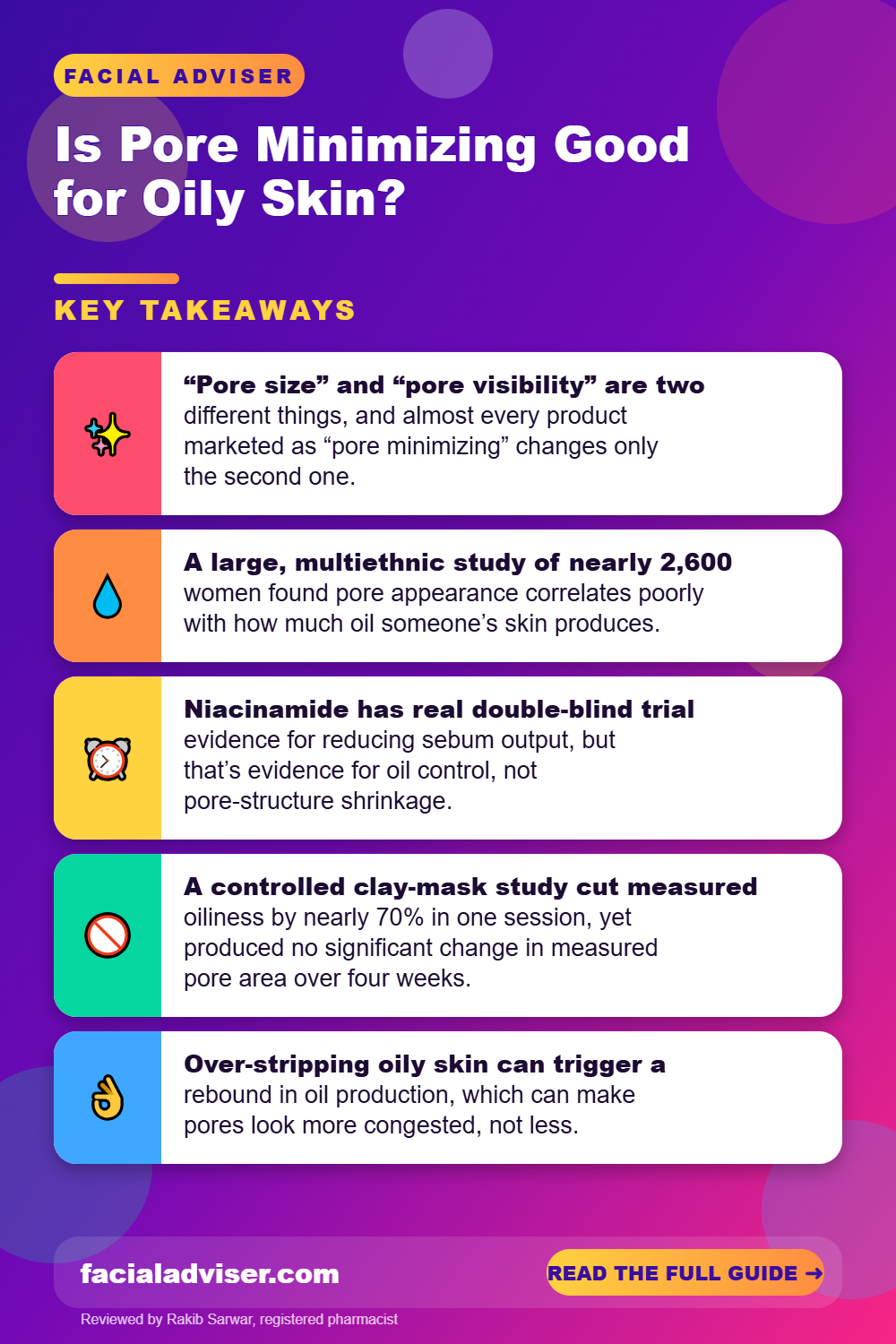
Almost every “pore minimizing” product works on how visible a pore looks, not its actual structural size, and a study of over 2,600 women found pore appearance correlates poorly with how much oil skin produces. Niacinamide has real, double-blind evidence for reducing sebum output, but that’s oil control, not proof that pores themselves shrink.
A clay-mask trial that cut surface oil by nearly 70% found zero significant change in measured pore area — strong evidence that oil control and pore structure are two different things.
This guide covers the real mechanisms behind oily skin and pore visibility, which ingredients have genuine evidence, and which claims are marketing dressed up as dermatology.
Recommended Oil-Control and Pore-Refining Products
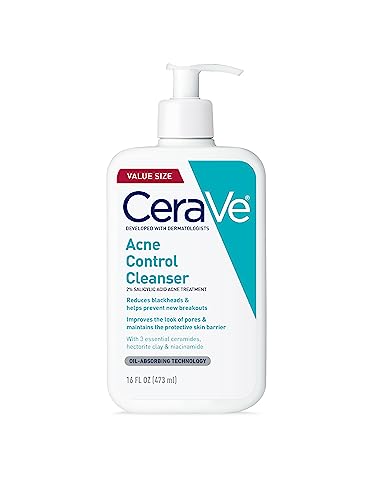
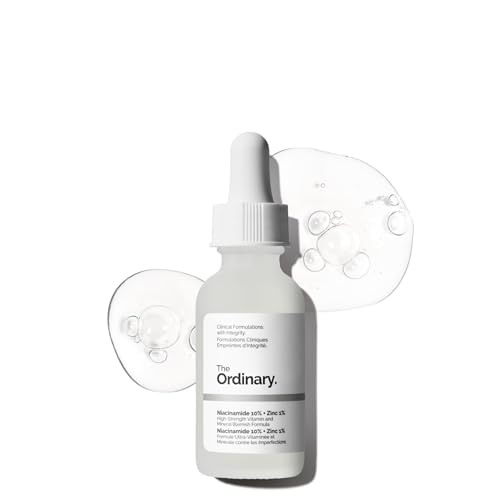
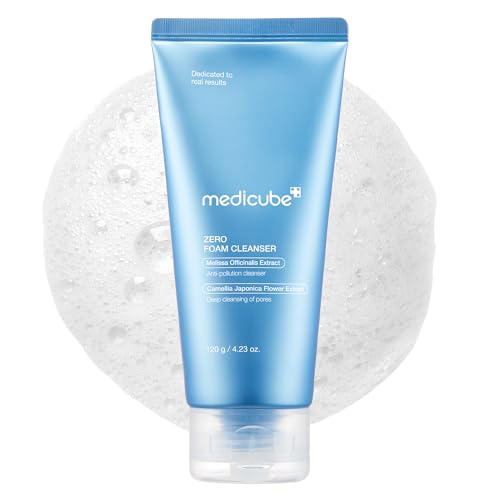
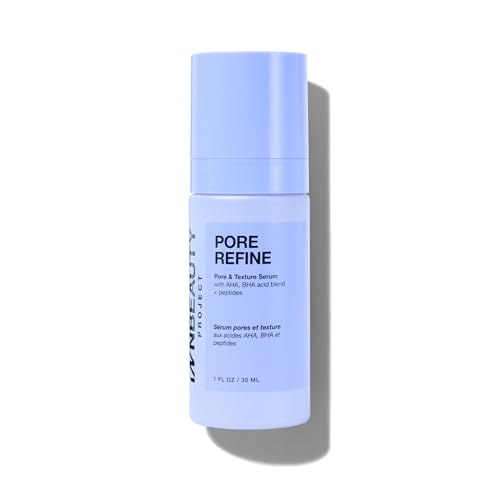
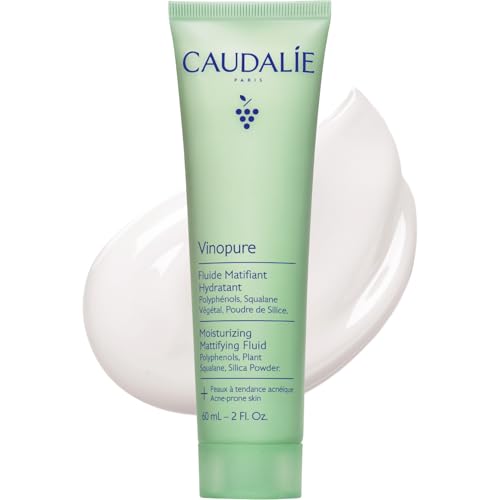

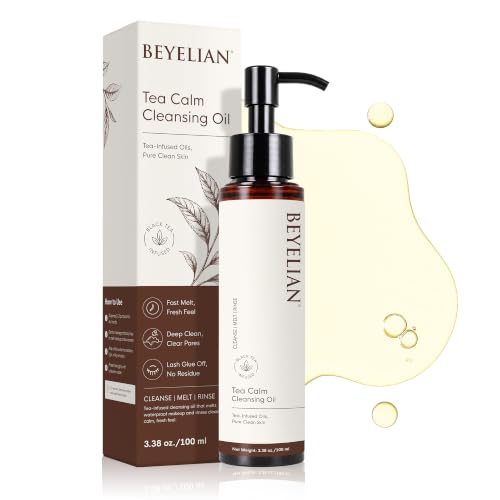
The Core Facts
- “Pore size” and “pore visibility” are two different things, and almost every product marketed as “pore minimizing” changes only the second one.
- A large, multiethnic study of nearly 2,600 women found pore appearance correlates poorly with how much oil someone’s skin produces.
- Niacinamide has real double-blind trial evidence for reducing sebum output, but that’s evidence for oil control, not pore-structure shrinkage.
- A controlled clay-mask study cut measured oiliness by nearly 70% in one session, yet produced no significant change in measured pore area over four weeks.
- Over-stripping oily skin can trigger a rebound in oil production, which can make pores look more congested, not less.
Read By Section
- Pore Size vs. Pore Visibility: The Distinction That Matters
- Does Oil Production Actually Change Pore Size?
- What the Research Says About “Pore Minimizing” Ingredients
- Comparing Common Oily-Skin Pore Ingredients
- Clay Masks: What a Controlled Study Actually Found
- Building a Routine: What to Use When
- Do This, Not That, for Oily Skin and Pores
- A Realistic Routine, Step by Step
- Is There a Real Test for “Pore Congestion”?
- When to See a Dermatologist Instead of Guessing
- The Honest Limits of Any Pore Product
- Frequently Asked Questions
Pore Size vs. Pore Visibility: The Distinction That Matters
Most marketing around “pore minimizing” quietly blends two different claims together: that a product can make a pore look smaller, and that it can make a pore be smaller. Those are not the same thing, and the distinction matters enormously if you have oily skin and are trying to figure out what’s actually worth your money.
Shopping these picks?
Amazon Prime members get fast, free shipping on eligible items, plus Prime Video, Amazon Music and member deals. New members can start with a free trial.
Start a free Prime trialAged 18 to 24? Prime for Young Adults comes with a longer free trial and a lower price after it.
Affiliate link: we may earn a commission at no extra cost to you.
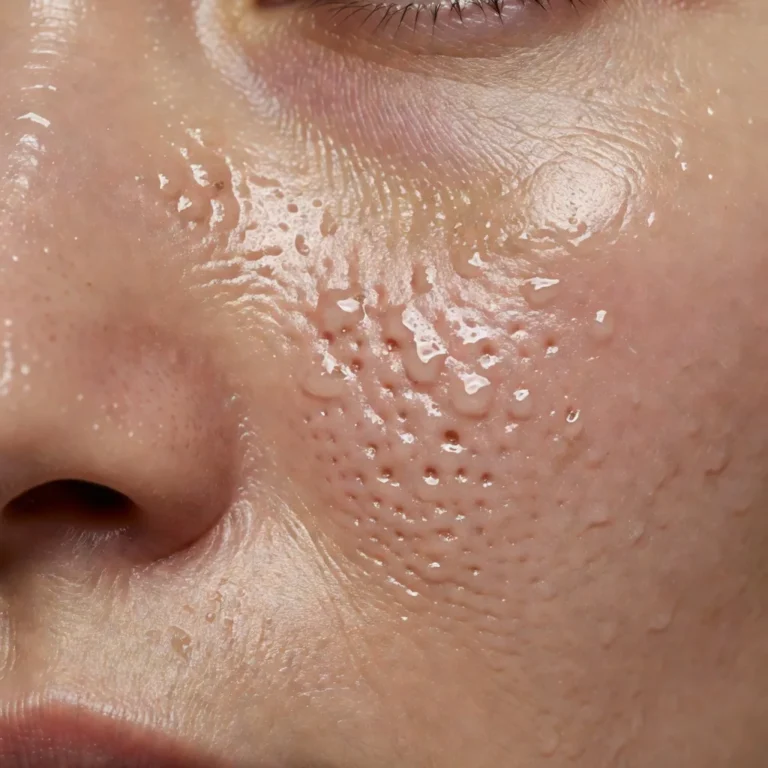
A pore is a fixed anatomical structure — the visible opening of a hair follicle and its attached sebaceous gland. Its baseline diameter is set mostly by genetics. What changes from day to day, and what most “pore minimizing” products actually affect, is pore visibility: how conspicuous that opening looks, which depends on how much sebum, dead skin cells, and debris are sitting in and around it, and how light reflects off that surface.
A 2023 review of facial pore treatments in the Journal of Cosmetic Dermatology lays out this same etiology: pore appearance is shaped by a combination of sebaceous gland size and activity, the surrounding skin’s structural support (collagen and elastin), and follicular debris — not oil production alone. Understanding which lever a given product actually pulls is the difference between realistic expectations and disappointment.
Does Oil Production Actually Change Pore Size?
This is the question most oily-skin pore content skips past. The honest answer is: partly, and less than most marketing implies.
One of the largest studies on this question, published in Clinical, Cosmetic and Investigational Dermatology in 2015, examined facial pores in 2,585 women across five countries using standardized dermatoscopic imaging. The researchers found that pore morphology, as measured by machine and as perceived by the human eye, correlated poorly with sebaceous gland activity. In their dataset, men — who on average produce more sebum than women — did not show a correspondingly higher rate of enlarged pores. That’s a genuinely counterintuitive finding for anyone who assumes oily skin and big pores are simply the same trait wearing two names.
What sebum does appear to do is act through two separate mechanisms, and it’s worth keeping them apart:
An optical effect. Sebum and debris sitting in a follicular opening scatter and reflect light differently than smooth surrounding skin. This creates a shadow-and-shine contrast that makes the opening look more obvious — a real perceptual effect, but not a change in the pore’s actual diameter. Wash the oil away and the visual impression often improves immediately, even though nothing about the pore’s structure has changed.
A slower structural effect. Chronic buildup of sebum and dead skin cells inside a follicle can, over time, physically stretch the follicular wall outward. This is a genuine, if gradual, mechanism by which persistently oily and congested skin can end up with somewhat larger pore openings over years — distinct from the day-to-day shine effect, and much slower to develop or reverse.
What the Research Says About “Pore Minimizing” Ingredients
Several ingredients marketed at oily, pore-prone skin do have real supporting research — but it’s worth being precise about what that research actually measured.
Niacinamide. A double-blind, placebo-controlled study published in the Journal of Cosmetic and Laser Therapy tested 2% niacinamide in two separate trial groups: 100 Japanese subjects and 30 Caucasian subjects. In the Japanese cohort, niacinamide significantly lowered the sebum excretion rate after two and four weeks compared with placebo. In the Caucasian cohort, it significantly reduced casual sebum level after six weeks. That’s solid, real evidence — for oil control. It is not direct evidence that niacinamide shrinks the pore structure itself; the pore-visibility improvement people report is best explained as a downstream effect of less oil sitting in the opening, not a change to the follicle’s anatomy.
Salicylic acid (BHA). Because it’s oil-soluble, salicylic acid penetrates into the sebum-filled follicle itself and helps break up the compacted mixture of oil and dead skin cells that can stretch a pore’s opening from the inside. This is a mechanistically sound explanation for reduced visibility in oily, acne-prone skin, though large, pore-size-specific randomized trials are thinner in the literature than the niacinamide data above — a real, plausible mechanism with less quantification behind it, not a myth.
Retinoids. Topical retinoids increase skin cell turnover and, with consistent use, support collagen production in the tissue surrounding a follicle. Of everything on this list, retinoids come closest to addressing the actual structural side of the pore-visibility equation — but the effect builds over months of continued use, not days.
Comparing Common Oily-Skin Pore Ingredients
| Ingredient | What it actually does | Timeframe | Evidence strength |
|---|---|---|---|
| Niacinamide (2%+) | Reduces sebum output | 2-6 weeks | Strong (double-blind RCT data) |
| Salicylic acid (BHA) | Clears the sebum/keratin plug inside the follicle | Weeks | Mechanistically sound, less quantified |
| Retinoids | Increases turnover, supports peri-follicular collagen | Months | Strong for structural skin support generally |
| Clay masks | Absorbs surface oil | Immediate, temporary | Strong for oil reduction; no pore-size effect shown |
| Astringent toners | Temporary tissue dehydration | Minutes to hours | Weak; cosmetic only |
Clay Masks: What a Controlled Study Actually Found
Clay masks are marketed heavily at oily skin specifically, so they deserve their own look. A 2023 study in Skin Research and Technology tested a clay-based mask on 60 subjects with oily or acne-prone skin over four weeks, using instrumented measurement (sebum meters and standardized imaging) rather than self-reported impressions.
The results were genuinely split. A single mask application produced a 68.97% immediate reduction in measured skin oiliness (a large, statistically significant effect, p<0.001), and that effect was still measurable at 29.90% reduction after four weeks of repeated use (also statistically significant). That’s real, substantial evidence that clay masks do what they claim on the oil-control side.
But the same study measured pore area throughout, and found no statistically significant change in actual pore size across the full four weeks, despite the large and sustained reduction in oil. This is about as clean a piece of evidence as exists for the size-versus-visibility distinction: a treatment can meaningfully cut oil production and still leave the pore’s physical dimensions completely unchanged.
Building a Routine: What to Use When
| Goal | Best-evidenced option | Notes |
|---|---|---|
| Reduce midday shine | Niacinamide serum, morning | Layers well under sunscreen |
| Clear congested follicles | Salicylic acid, 2-3x weekly | Start low-frequency to gauge tolerance |
| Long-term structural support | Retinoid, nightly (build up slowly) | Requires months of consistent use |
| Quick pre-event touch-up | Clay mask or blotting paper | Cosmetic effect only, hours not days |
Do This, Not That, for Oily Skin and Pores
Do
- Introduce niacinamide and/or salicylic acid gradually and consistently
- Use a gentle, non-stripping cleanser twice daily
- Apply broad-spectrum sunscreen daily to protect the collagen that supports pore structure
- Give any active ingredient at least 8-12 weeks before judging its effect
Don’t
- Over-cleanse or use harsh astringents multiple times a day
- Expect a single mask or toner to produce a lasting change
- Combine multiple strong exfoliating actives at once without easing in
- Assume “oil-free” or “pore minimizing” labeling means clinically tested for pore size
A Realistic Routine, Step by Step
Cleanse gently
Use a mild, sulfate-light cleanser twice daily. Stripping the skin barrier can trigger a compensatory increase in oil production.
Add one oil-controlling active
Introduce niacinamide or salicylic acid, not both at full strength immediately, and monitor for irritation over two weeks.
Layer a retinoid at night, if tolerated
Start two to three nights a week and build frequency slowly over a month.
Protect with daily sunscreen
UV damage degrades the collagen that structurally supports pore openings, undermining any progress made with actives.
Reassess at 8-12 weeks
This is the realistic timeframe over which a genuine change in oil control and visibility should be judged, based on the trial durations above.
Is There a Real Test for “Pore Congestion”?
There isn’t a validated at-home diagnostic that distinguishes “oily skin with cosmetically visible pores” from a skin condition needing medical attention, and it would be dishonest to invent one. The instrumented imaging systems used in the research above (sebum meters, standardized high-resolution photography) are used in dermatology offices and research settings, not something you can approximate with a phone camera.
A reasonable practical substitute: track how oily your T-zone feels by early afternoon over a couple of weeks (a rough, subjective but genuinely useful proxy for sebum output), and separately note whether any pores are surrounded by redness, tenderness, or swelling — that combination points toward inflammatory acne rather than plain cosmetic pore visibility, and warrants different treatment.
When to See a Dermatologist Instead of Guessing
See a board-certified dermatologist if oiliness and visible pores are accompanied by persistent inflammatory acne, if over-the-counter actives cause ongoing irritation rather than gradual improvement, or if you want access to in-office options like professional-strength peels or laser treatments with more direct supporting evidence for pore appearance than most retail products carry.
The Honest Limits of Any Pore Product
No topical product, mask, or at-home device changes the underlying genetic size of a pore. The realistic, evidence-backed goal for oily skin is reducing how conspicuous pores look day to day (through oil control) and slowing further structural enlargement over years (through collagen-supportive habits like retinoid use and sun protection) — not eliminating pores, which isn’t something skin biology allows.
Frequently Asked Questions
Does oily skin always mean bigger pores?
No. Large studies have found pore appearance correlates poorly with how much oil someone’s skin produces; genetics and structural skin factors matter more than oil output alone.
Can niacinamide shrink my pores?
Niacinamide has real trial evidence for reducing sebum output, which can make pores look less conspicuous, but there’s no evidence it changes the pore’s actual structural size.
Do clay masks actually shrink pores?
A controlled study found clay masks significantly reduce measured oiliness but produced no significant change in measured pore area over four weeks.
Why do my pores look bigger by the afternoon?
That’s the optical effect of accumulated sebum and debris changing how light reflects off the skin, not a real-time change in pore size.
Is salicylic acid better than niacinamide for oily skin pores?
They work through different mechanisms; salicylic acid clears the follicle from within while niacinamide reduces oil output, and many routines use both.
Can over-cleansing make pores look worse?
Yes; stripping the skin barrier can trigger a compensatory increase in oil production, which can make pores appear more congested.
How long before I see results from a pore-focused routine?
Most of the research behind niacinamide and retinoids measured effects over 2 to 12 weeks of consistent use, not days.
Do astringent toners permanently tighten pores?
No; any tightening sensation comes from temporary tissue dehydration and fades within hours.
Are “pore minimizing” primers actually clinically tested?
Most makeup primers marketed this way work through light-diffusing optical technology rather than any tested skin-level change, and aren’t the same category as treatment actives.
Should I see a dermatologist for oily skin and visible pores?
It’s worth a visit if over-the-counter routines aren’t helping after a couple of months, or if inflamed, painful breakouts are involved alongside the oiliness.

Written by
Registered pharmacist and founder of Facial Adviser. Rakib's pharmacy training covers how skincare actives work and interact; a later course in cosmetology turned that into a focus on facial treatments and skincare products. He plans, researches and edits every guide on the site and checks health claims against sources such as the American Academy of Dermatology, the FDA and the NIH. He is not a dermatologist; see the Editorial Policy and Medical Disclaimer.
About · Editorial policy · How we choose products · Medical disclaimer · Contact
Keep reading: Pores and texture
- How Do Koreans Reduce Pore Size?
- Do Pores Look Bigger When Skin Is Oily?
- How Can I Make My Pores Less Visible?
- How Do You Deep Clean Your Pores? A Gentle Routine That Works
- 10 Best Facial Products for Pores (2026): Clearer, Smoother Skin
- How to Calm Inflamed Red Patches on Your Face
- Are Facials Good for Acne?