Why Do I Have Crepey Skin on My Cheeks? Causes and Treatments That Help
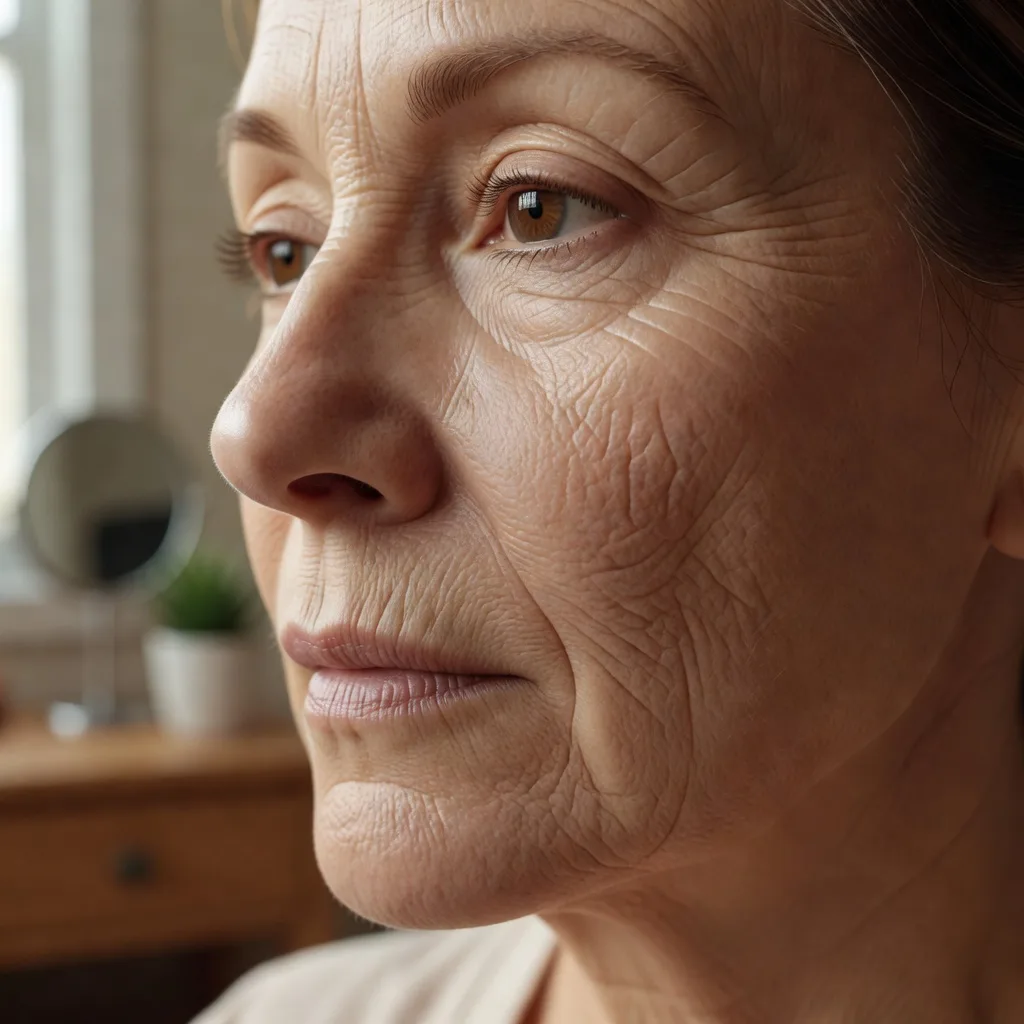
Crepey skin on the cheeks looks thin, finely wrinkled and slightly loose, a little like crepe paper or tissue. It often shows most when you smile, when you lie on your side or when light falls across your face at an angle. Many people first notice it in their forties or fifties, but it can appear earlier after a lot of sun or a big change in weight.
Part of our guide to facial treatments. Start with: What Is the Best Anti-Aging Facial Treatment? Options Compared by Goal
Crepey skin on the cheeks is usually caused by long-term sun damage, which breaks down the collagen and elastin that keep skin thick and springy. Natural ageing slows collagen production, hormonal changes such as menopause speed up that loss, and dryness or dehydration makes fine crinkling far more visible. Significant weight loss can leave skin looser than before, and smoking and some medicines also thin the skin. Daily sunscreen, a retinoid, a good moisturiser and hydrating ingredients can improve the look over months, while procedures such as lasers or microneedling offer bigger but costlier changes.
In short: crepey cheeks are mostly about lost collagen and elastin plus dryness, so protect, rebuild slowly and keep skin well moisturised.
The American Academy of Dermatology and the FDA both stress daily broad-spectrum sunscreen, because ultraviolet exposure is the main outside factor behind early thinning and wrinkling of facial skin.
This guide explains each cause, what topical products can realistically do, which procedures a dermatologist may offer, and how to tell dryness from true crepiness.
Shopping these picks?
Amazon Prime members get fast, free shipping on eligible items, plus Prime Video, Amazon Music and member deals. New members can start with a free trial.
Start a free Prime trialAged 18 to 24? Prime for Young Adults comes with a longer free trial and a lower price after it.
Affiliate link: we may earn a commission at no extra cost to you.
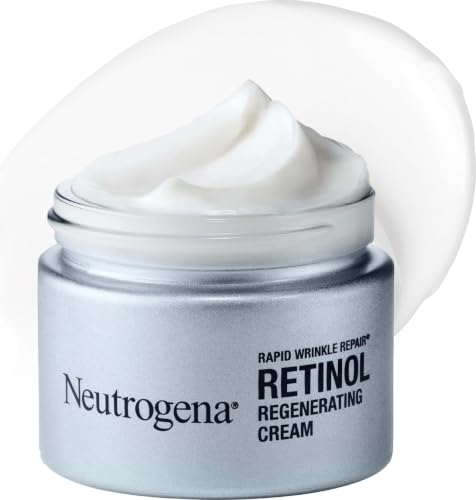
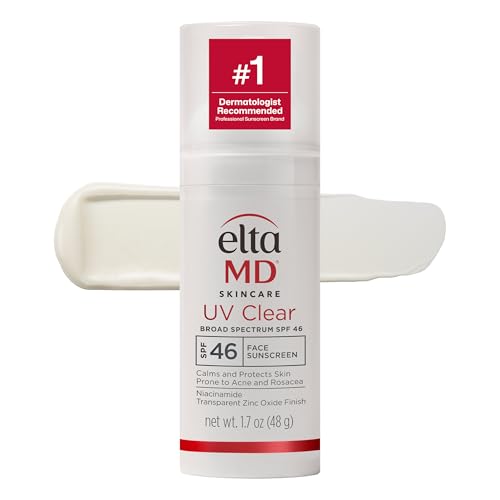
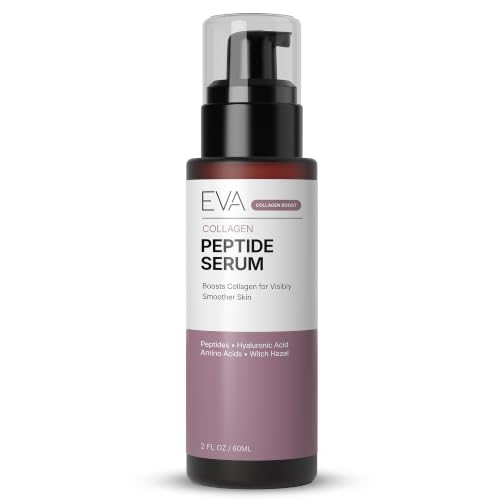
Recommended Products for Crepey Cheek Skin



Contents
- What Is Crepey Skin on the Cheeks?
- Why Crepiness Shows Up on the Cheeks
- Sun Damage: The Biggest Cause
- Collagen Loss, Hormones and Ageing
- Dehydration and Weight Loss
- Topical Treatments: What Can Help
- How to Build a Routine for Crepey Cheeks
- Professional Procedures
- Can Diet, Supplements or Face Exercises Help?
- Dos and Don’ts for Crepey Cheeks
- Honest Limits
- When to See a Dermatologist
- Questions People Ask
- The Takeaway
In Brief
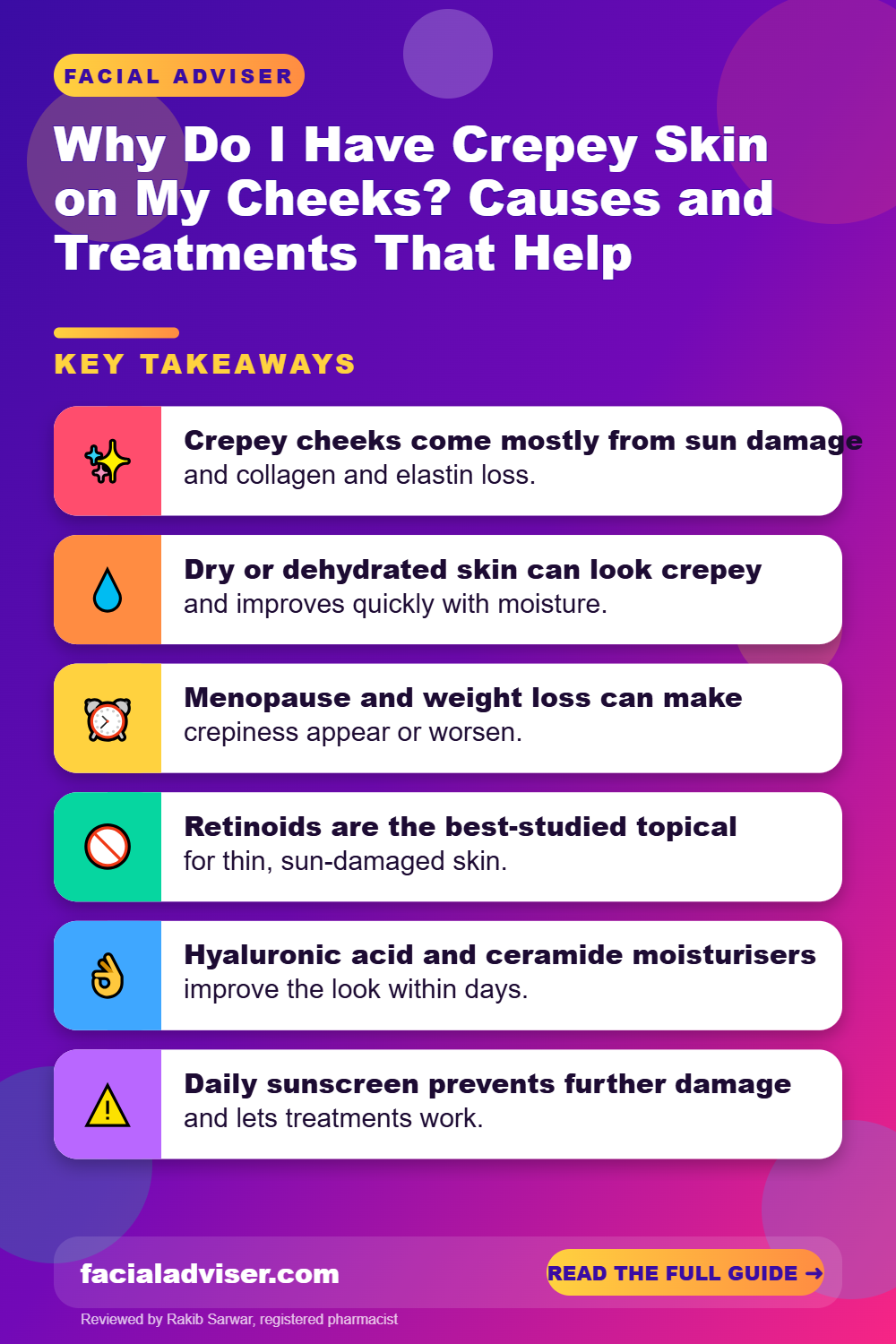
- Crepey cheeks come mostly from sun damage and collagen and elastin loss.
- Dry or dehydrated skin can look crepey and improves quickly with moisture.
- Menopause and weight loss can make crepiness appear or worsen.
- Retinoids are the best-studied topical for thin, sun-damaged skin.
- Hyaluronic acid and ceramide moisturisers improve the look within days.
- Daily sunscreen prevents further damage and lets treatments work.
- Procedures can do more, but no product fully reverses crepey skin.
What Is Crepey Skin on the Cheeks?
Crepey skin is thin skin with many very fine, closely spaced lines, rather than a few deep wrinkles. It tends to feel soft and slightly loose, and it creases easily when you move your face. On the cheeks it often appears in the area below the eyes and beside the smile lines.
It helps to separate true crepiness from temporary texture. Skin that is simply dry or dehydrated can crinkle in the same way, but it smooths out quickly once it is moisturised. Skin that stays crepey after a few weeks of good hydration usually reflects deeper structural change.
| Feature | Dry or dehydrated skin | Crepey skin |
|---|---|---|
| Feel | Tight, rough or flaky | Thin, soft, loose |
| Lines | Fine, change from day to day | Fine and closely packed, persistent |
| After moisturiser | Improves within hours or days | Improves only slightly |
| Main cause | Lack of water or oil in the surface | Loss of collagen and elastin |
| Response time | Days | Months of consistent care |
Why Crepiness Shows Up on the Cheeks
The cheeks move constantly as you talk, smile and chew, so the skin there folds and unfolds thousands of times a day. When collagen and elastin are plentiful, the skin springs back each time. As they decline, those repeated folds start to leave fine, lasting creases that give the crepe-paper look.
The cheeks also lose some of their underlying fat and bone support with age, so the skin has less to drape over and can look looser. Sleeping on one side presses the same cheek into the pillow night after night, which may add to creasing on that side over time.
- Crepiness is often most visible just below the eyes and beside the smile lines.
- Side lighting and bright bathroom lights exaggerate fine texture.
- Heavy powder foundation can settle into lines and make them look deeper.
- One cheek may look more crepey if you usually sleep on that side.
Sun Damage: The Biggest Cause
Ultraviolet light, especially UVA, penetrates into the dermis and breaks down collagen and elastin fibres. Over years this leaves the skin thinner and less elastic, a process called photoageing. The cheeks catch sun from almost every angle, so they often show crepiness earlier than more sheltered areas.
The FDA’s guide on protecting your skin from the sun explains that broad-spectrum sunscreen, along with shade and clothing, helps reduce early skin ageing caused by the sun.
Sun damage is cumulative. Starting daily sunscreen at any age slows further collagen loss, even if it cannot undo damage that has already happened.
Collagen Loss, Hormones and Ageing
Collagen gives skin thickness and firmness, while elastin lets it snap back after stretching. From early adulthood the body makes a little less collagen each year, and the fibres that remain become more fragmented. Many women notice a faster change in the years around menopause, when falling oestrogen affects skin thickness and moisture.
- Natural ageing slowly reduces collagen and elastin production.
- Menopause can speed up thinning and dryness.
- Smoking damages collagen and reduces blood flow to the skin.
- Long-term use of strong topical steroids on the face can thin skin.
- Poor sleep and high sugar diets may play a smaller supporting role.
Our guide on how to stimulate collagen naturally covers the habits and ingredients with the best support for skin firmness.
Dehydration and Weight Loss
Dehydrated skin lacks water in its outer layer, and it shows up as fine crinkly lines that can look just like crepiness. Cold weather, central heating, harsh cleansers and hot water all pull water out of the skin. The good news is that this type improves quickly once the barrier is supported. Our article on how dehydration affects skin explains the changes in more detail.
Weight loss is another common trigger. When fat under the skin shrinks quickly, the skin that stretched over it may not fully tighten again, especially if collagen is already reduced. Rapid loss, including loss from some weight-loss medicines, can make cheeks look hollower and the skin looser and more creased. Losing weight more gradually and protecting skin from the sun may help, but some change is often unavoidable.
To check which type you have, apply a generous layer of moisturiser at night and look at your cheeks in daylight the next morning. If the fine lines have mostly disappeared, dryness was the main issue and a better moisturising routine may be all you need. If they are still clearly there, collagen loss is likely playing a larger part.
Topical Treatments: What Can Help
Skincare cannot rebuild lost structure overnight, but several ingredients improve how crepey skin looks and feels. The table below summarises the main options.
| Ingredient | What it does | Realistic effect |
|---|---|---|
| Retinoids (retinol, prescription tretinoin) | Increase cell turnover and support new collagen | Gradual smoothing over 3 to 6 months or more |
| Hyaluronic acid | Draws water into the surface layer | Plumper look within days, temporary |
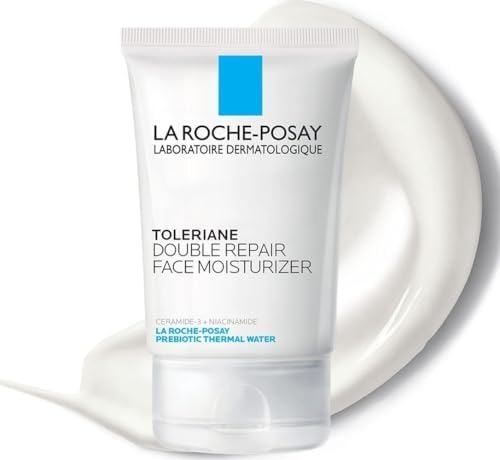
| Ceramide moisturiser | Repairs the barrier and reduces water loss | Less crinkling from dryness |
| Alpha hydroxy acids | Exfoliate the surface for smoother texture | Brighter, smoother skin; increases sun sensitivity |
| Peptides | May signal skin to support collagen | Modest and less well proven |
| Sunscreen | Prevents further UV damage | Protects results over time |
Retinoids have the strongest evidence for thin, sun-damaged skin. Start with a low-strength retinol a few nights a week and build up; our guide on transitioning to retinol smoothly explains how to avoid irritation. If you add alpha hydroxy acids, the FDA notes in its page on alpha hydroxy acids that they can increase sun sensitivity, so daily sunscreen matters even more.
How to Build a Routine for Crepey Cheeks
This simple routine covers protection, repair and hydration. Keep it steady for at least three months before judging results.
Cleanse gently
Use a mild, non-foaming cleanser and lukewarm water to avoid stripping moisture.
Apply a hydrating serum
Pat a hyaluronic acid serum onto slightly damp skin morning and night.
Seal with a ceramide moisturiser
A cream with ceramides and glycerin locks in water and supports the barrier.
Wear sunscreen every morning
Use broad-spectrum SPF 30 or higher and reapply when outdoors.
Add a retinoid at night
Start with a pea-sized amount two or three nights a week, then increase slowly.
Consider a peptide serum
Use it on non-retinoid nights if you want an extra, gentle step.
Apply retinoid after moisturiser on the first few weeks if your skin is sensitive. This buffering reduces irritation while your skin adjusts.
Professional Procedures
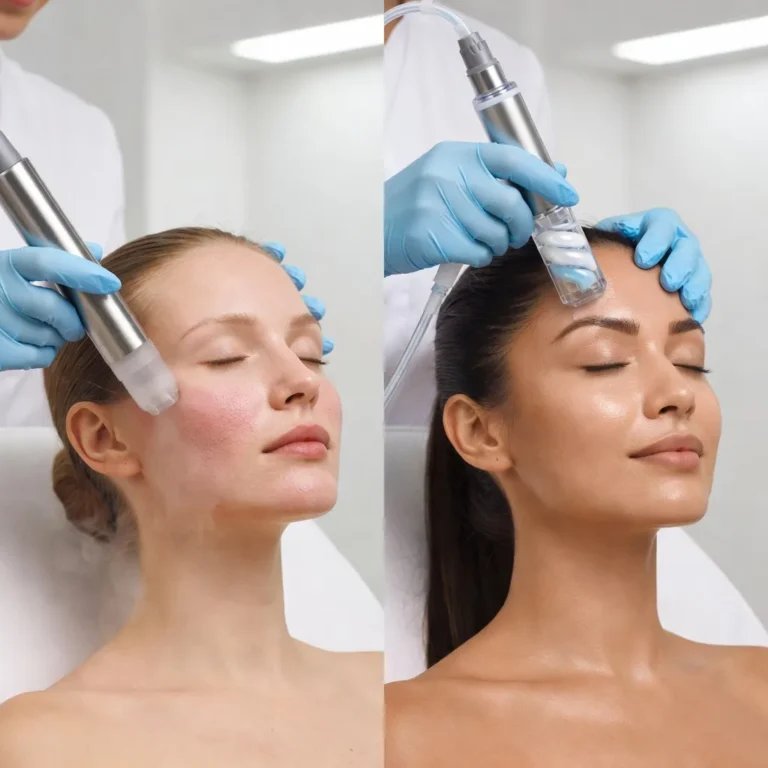
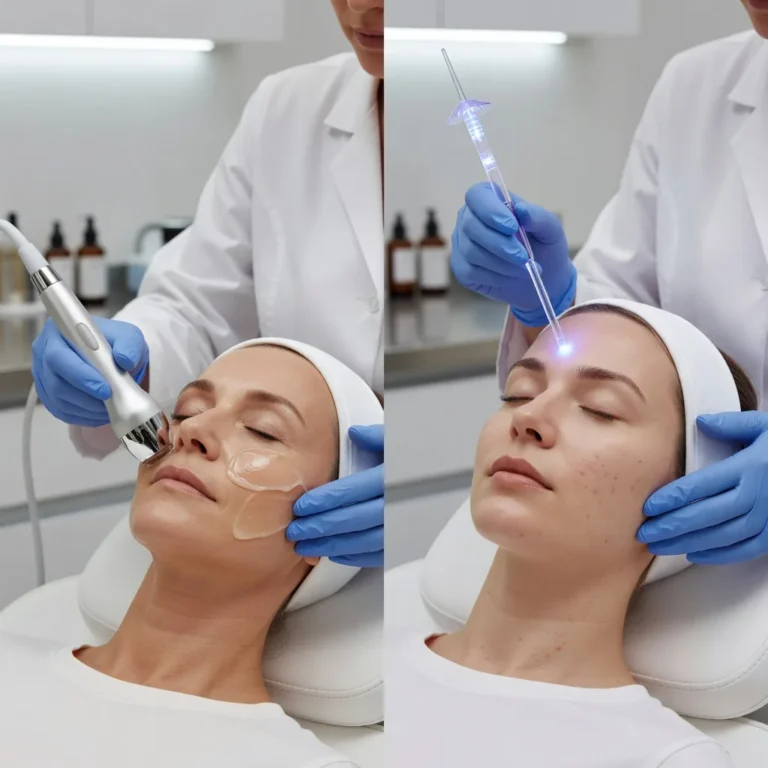
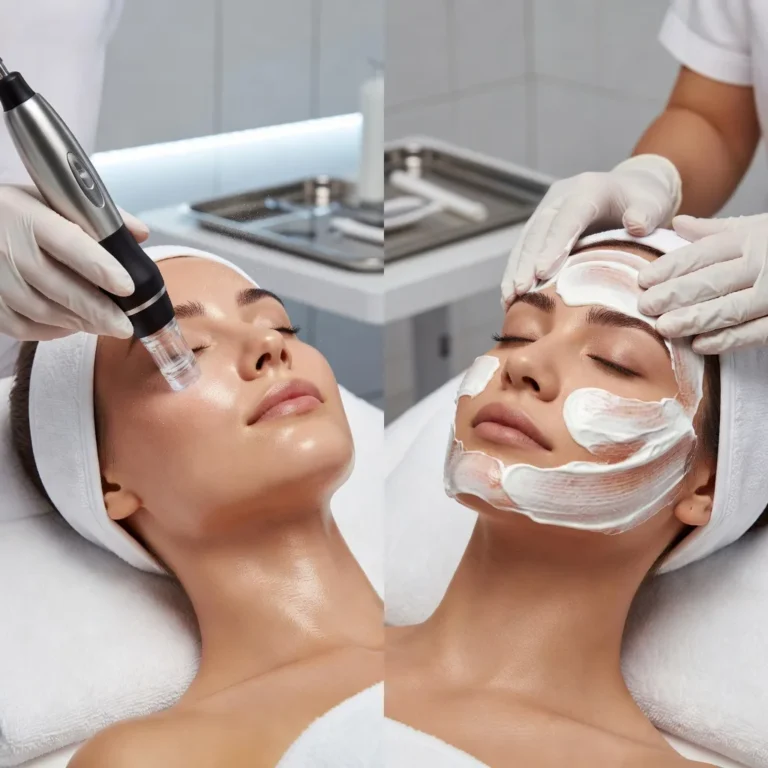
When creams are not enough, a dermatologist may suggest in-office treatments. These can produce more visible tightening and smoothing, but they vary in downtime, risk and how many sessions are needed.
- Fractional lasers: resurface skin and stimulate collagen; downtime of days to a week or more.
- Microneedling, sometimes with radiofrequency: creates controlled micro-injuries to prompt collagen.
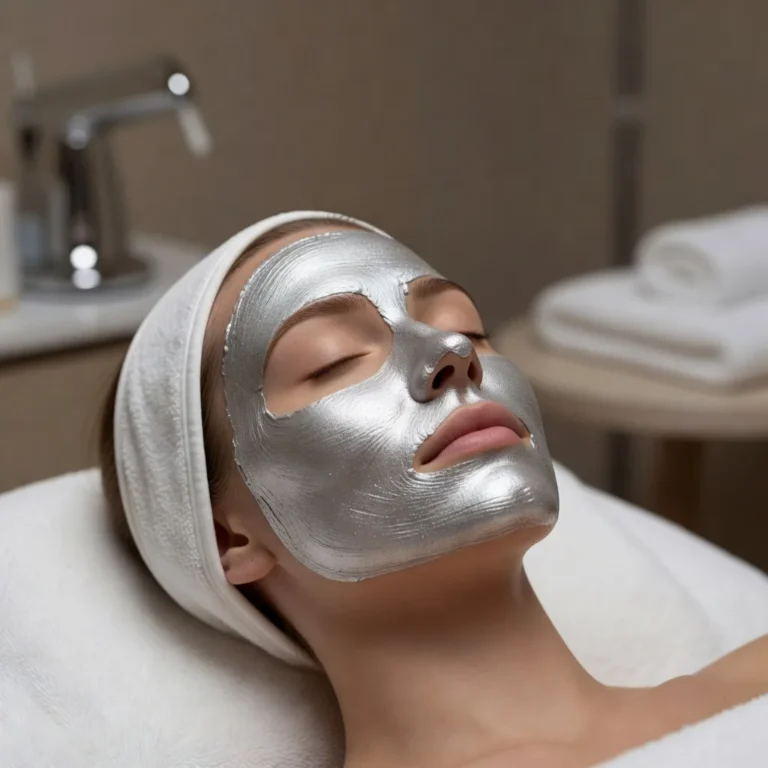
- Chemical peels: remove damaged surface layers for smoother texture.
- Skin boosters and biostimulator injections: add hydration or prompt collagen in selected cases.
- Radiofrequency and ultrasound tightening: modest firming without surface wounds.
The AAD’s overview of chemical peels explains the difference between light, medium and deep peels and why a qualified provider matters.
Stronger procedures can cause burns, infection or pigment changes, particularly on darker skin tones. Choose a board-certified dermatologist or suitably qualified clinician, and avoid at-home devices or peels that promise salon-level results.
Can Diet, Supplements or Face Exercises Help?
Many products and programmes promise to fix crepey skin from the inside or through facial workouts. The evidence for them is much weaker than for sunscreen and retinoids, so treat them as optional extras rather than solutions.
A balanced diet with enough protein, fruit and vegetables supports general skin health, and not smoking is one of the most useful changes you can make. Collagen supplements have mixed and mostly small studies behind them, and many are funded by manufacturers. Face exercises have limited evidence and repeated creasing could, in theory, add to lines. Staying well hydrated helps overall health, but drinking extra water does not replace a good moisturiser for dry skin.
- Stop smoking and avoid sunbeds; both speed up collagen loss.
- Eat enough protein to support normal skin repair.
- Sleep on your back or use a smooth pillowcase if side creases bother you.
- Be cautious with supplements that promise dramatic results.
Dos and Don’ts for Crepey Cheeks
Good Habits
- Wear broad-spectrum sunscreen daily
- Moisturise twice a day
- Introduce retinoids slowly
- Use lukewarm water to wash
- Be patient for three to six months
Common Mistakes
- Scrub or rub thin skin hard
- Use several strong actives at once
- Rely on hot showers and harsh cleansers
- Smoke or use sunbeds
- Expect creams to fully reverse crepiness
Honest Limits
Crepey skin reflects real structural change, and no cream fully restores lost collagen and elastin. Retinoids and sunscreen can make a meaningful difference over months, while moisturisers mainly improve the surface. Many products marketed for crepey skin rely on instant plumping that fades once you stop using them.
Procedures can do more, but even they improve rather than erase crepiness, and results fade over time as ageing continues. Keeping expectations realistic helps you choose treatments that are worth the time, risk and effort.
When to See a Dermatologist
- Crepiness appears suddenly or on only one side of the face.
- You have used a strong steroid cream on your face and the skin has thinned.
- Your skin also bruises very easily or tears.
- Over-the-counter retinoids and moisturisers have not helped after several months.
- You want advice on prescription retinoids or procedures.
This article is for general information and does not replace professional medical advice. See a board-certified dermatologist before starting prescription treatments or procedures, and for any sudden change in your skin.
Questions People Ask
Why do I have crepey skin on my cheeks?
Usually sun damage and collagen loss, made more visible by dryness.
Can crepey skin be reversed?
It can be improved but rarely reversed completely.
Does retinol help crepey skin?
Yes, it is one of the best-studied topical options.
Can dehydration cause crepey skin?
It can cause temporary crepey-looking lines that improve with moisture.
Does weight loss cause crepey cheeks?
Rapid loss can leave skin looser and more creased.
Does hyaluronic acid fix crepey skin?
It plumps temporarily but does not rebuild collagen.
At what age does crepey skin start?
Often in the forties or fifties, earlier with heavy sun exposure.
Is crepey skin a sign of illness?
Usually not, but sudden or one-sided changes need a check.
Which procedure is best for crepey skin?
It depends on your skin; lasers and microneedling are common options.
Can sunscreen prevent crepey skin?
It slows further damage and is the most important step.
The Takeaway
Crepey skin on the cheeks usually comes from sun damage and collagen loss, with dryness, menopause and weight loss making it more visible.
Protect your skin with daily sunscreen, keep it well moisturised, add a retinoid slowly and give it months to work, and talk to a dermatologist if you want stronger treatments.

Written by
Registered pharmacist and founder of Facial Adviser. Rakib's pharmacy training covers how skincare actives work and interact; a later course in cosmetology turned that into a focus on facial treatments and skincare products. He plans, researches and edits every guide on the site and checks health claims against sources such as the American Academy of Dermatology, the FDA and the NIH. He is not a dermatologist; see the Editorial Policy and Medical Disclaimer.
About · Editorial policy · How we choose products · Medical disclaimer · Contact
Keep reading: Anti-aging facials and treatments
- What Is the Best Anti-Aging Facial Treatment? Options Compared by Goal
- Facial Skin Tightening After Weight Loss: Realistic Options That Help
- How to Get Rid of Rhinoplasty Scars
- Why Do I Still Have Crow's Feet After Botox?
- Cryo Facial: What the Cold Actually Does
- How Long After Botox Can You Get a Facial?
- Facial vs Chemical Peel: Differences, Results and Which to Choose
- What Is a Spa Facial?