
Hard Water and Your Skin: Dryness, Breakouts and What Helps
If your skin feels tight, dry or itchy after a shower, and a soap film seems to cling to your skin and tub, hard water may be part of the story. Hard water carries more dissolved minerals, mostly calcium and magnesium, and those minerals can change how soap lathers and what stays on your skin after rinsing.

I am Rakib Sarwar, a registered pharmacist with a cosmetology course. I am not a dermatologist, so I stick to what is reasonably well supported and I say clearly where evidence is limited. This guide is for general information and does not replace medical advice.
Research suggests hard water may be linked with dry skin and with eczema in some people, especially children. But the link is not proven to be a cause, and many other things dry out skin, including hot showers, harsh soaps and cold dry air. Hard water is one possible factor, not a diagnosis.
Black Friday is coming: shop the deals with Prime
I also keep the advice affordable. You do not need a new plumbing system to see whether water is the problem, because a few cheap changes are usually enough to find out, and I list them in order of effort and cost.
Below you will find what hard water is, how it may affect skin, how to tell if it is your problem, a simple protective routine, what shower filters can and cannot do, mistakes to avoid and when to see a doctor.
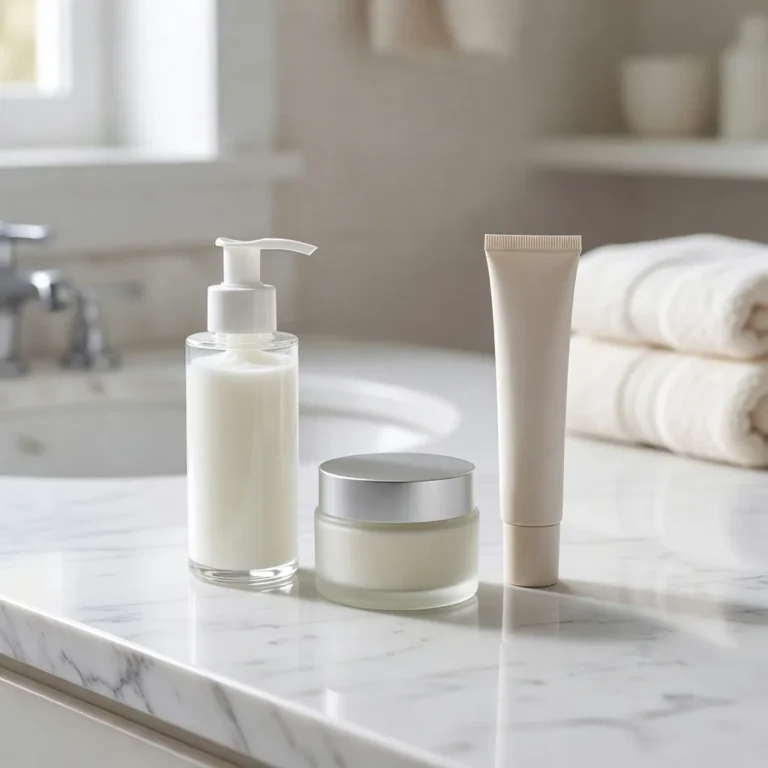
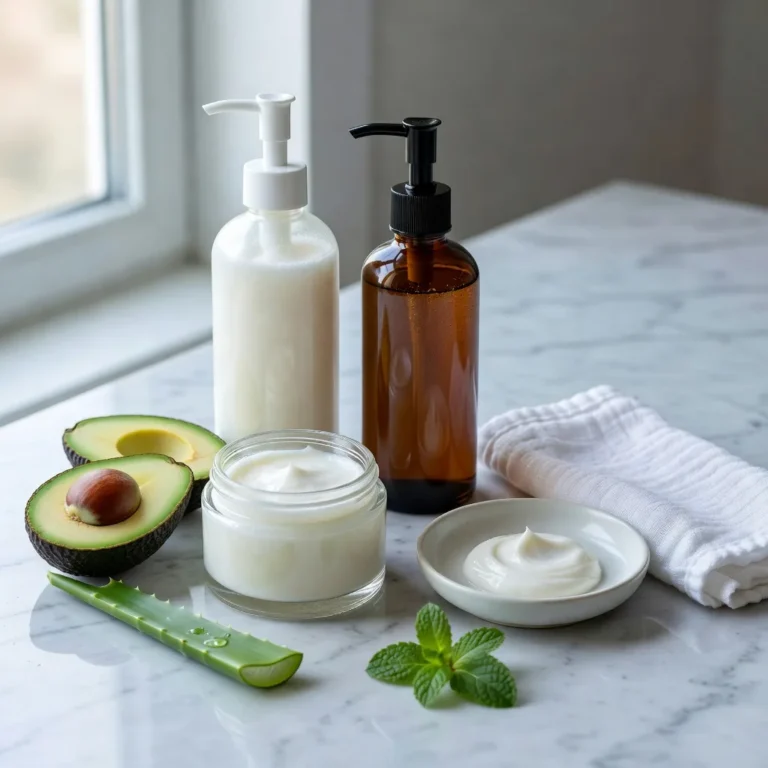
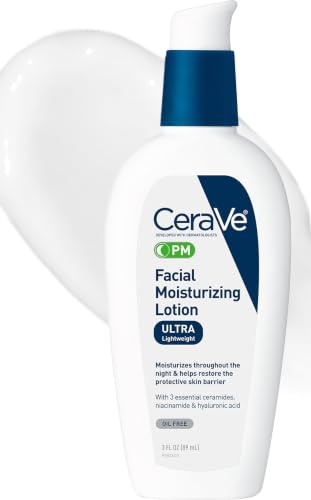
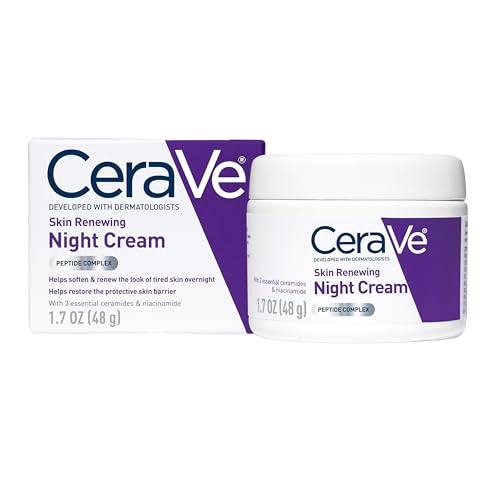
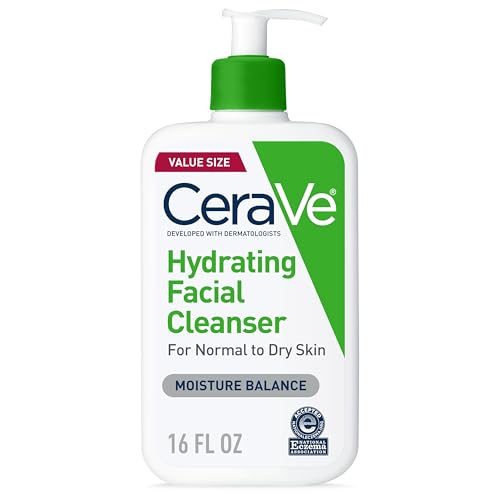
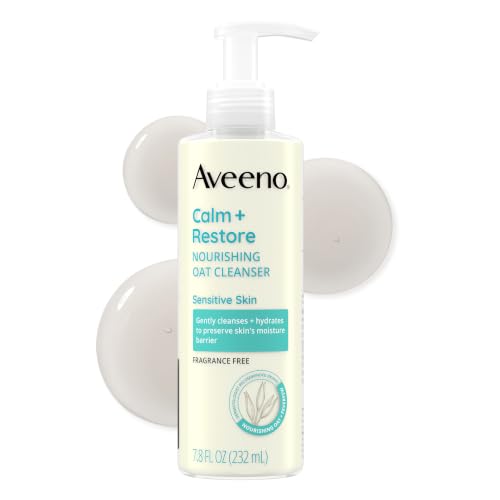
Shower Filters, Cleansers and Moisturizers People Often Use



The Short Version
- Hard water contains more calcium and magnesium minerals.
- It can reduce soap lather and leave a residue that may dry or irritate skin.
- Some studies link hard water with eczema, but cause and effect are not proven.
- Gentle, low-foaming cleansers and prompt moisturizing help most.
- Shower filters may help some people, but evidence is limited.
- Water softeners treat the whole home but need professional installation.
- See a doctor for eczema, persistent itching or skin that does not improve.
On This Page
- What Hard Water Is
- How Hard Water May Affect Skin
- What the Evidence Says
- Signs Your Skin May Be Reacting to Hard Water
- A Hard Water Skin Routine
- Do Shower Filters and Softeners Help
- Choosing Cleansers and Moisturizers
- Hard Water and Hair
- Common Mistakes
- Who May Notice It and Who Should Be Careful
- Honest Limits
- When to See a Professional
- Your Questions, Answered
- The Bottom Line
What Hard Water Is
Water is called hard when it contains a lot of dissolved minerals, mainly calcium and magnesium. These minerals come from rock and soil that water passes through before it reaches your tap. Hardness varies widely by region, and many areas have moderately or very hard water.
Hard water is safe to drink. It is not a health hazard, but it behaves differently from soft water when you wash with it. You may notice white scale on taps and kettles, spots on glasses and a film in the shower.
Your local water supplier usually publishes hardness levels, often in milligrams per liter or grains per gallon. A simple home test kit can also give you a rough idea.
Hardness is often grouped as soft, moderately hard, hard or very hard. Very hard water is common in many limestone and chalk regions, and city supplies can change slightly through the year. If you have recently moved and your skin changed at the same time, the water is a reasonable thing to consider.
How Hard Water May Affect Skin
Calcium and magnesium react with soap and some cleansers. Instead of rinsing away cleanly, they can form a residue that sits on skin, and it takes more product to build a lather. That residue can leave skin feeling tight, rough or itchy.
Hard water may also disturb the skin barrier. The barrier is the outer layer that holds in moisture and keeps irritants out. Some research suggests hard water and surfactants together can raise skin pH and irritate the barrier, which may worsen dryness.
| Possible effect | Why it may happen | What helps |
|---|---|---|
| Tight, dry skin | Residue and stripped oils | Gentle cleanser, moisturizer |
| Itching | Barrier irritation | Lukewarm showers, fragrance-free products |
| Dull look | Mineral film on skin | Thorough rinsing |
| Eczema flare-ups | Barrier stress in some people | Doctor-guided care |
| Clogged feeling | Soap scum build-up | Switch to a syndet cleanser |
Hard water can also affect how well your products work. Some cleansers foam less, so people use more, and some leave-on products may feel different on skin that still has a mineral film. Rinsing for longer helps, as does switching to cleansers designed to work in hard water.
Another factor is temperature. People in hard water areas often take hotter showers to feel clean, which dries the skin further. Cooling the water slightly is a simple change that costs nothing.

What the Evidence Says
Several studies, mostly in children, have linked living in hard water areas with a higher chance of eczema. Trials of water softeners for eczema have given mixed results, with some showing little benefit. So hard water may contribute, but it is not the main cause.
For adults, evidence is thinner. Laboratory studies show that washing with hard water can change skin surface properties, but real-life effects vary from person to person.
Hair and scalp can also feel dry or dull in hard water. This is common but also not well studied.
Because most research is observational, it cannot prove that hard water itself causes eczema. Families in hard water areas may differ in other ways, such as diet, housing and exposure to allergens. This is why doctors usually treat eczema with standard skincare and medication first.
Signs Your Skin May Be Reacting to Hard Water
Pay attention to patterns. Skin that feels tight right after showering, a film on the shower walls, low lather and stiff laundry can all hint at hard water. Symptoms that improve when you travel to a soft water area are another clue.
Of course, dry skin has many causes. Hot water, strong soaps, retinoids, cold weather and skin conditions like eczema can all do the same thing. Try one change at a time to see what helps.
If your skin is red, cracked or very itchy, see a doctor rather than guessing.
A simple test is to wash one hand with bottled soft water and the other with tap water for a week, using the same cleanser. If the tap water hand feels noticeably drier, hard water may be involved. This is not scientific proof, but it can be informative.
A Hard Water Skin Routine
You cannot always change your water, but you can change what happens on your skin. Keep the routine simple and gentle.
Shower in lukewarm water
Hot water strips oils and worsens dryness.
Use a gentle, low-foaming cleanser
Syndet or hydrating cleansers rinse more cleanly in hard water than bar soap.
Rinse thoroughly
Spend a little extra time rinsing so no residue stays on your skin.
Pat dry
Use a soft towel and leave skin slightly damp.
Moisturize within minutes
Apply a cream with ceramides or glycerin to lock in water.
Wipe the shower down
Use a squeegee to reduce mineral film in the shower.
Apply moisturizer on damp skin straight after the shower. It traps more water than applying to fully dry skin.
Avoid hot showers, harsh bar soaps and scrubs if your skin is already dry or irritated.
If you wear makeup or sunscreen, use a gentle double cleanse in the evening so product does not mix with mineral residue. Keep the second cleanse quick and rinse thoroughly.
Do Shower Filters and Softeners Help
A water softener swaps calcium and magnesium for sodium and treats the whole home. It must be installed by a professional, and it costs more than a filter. It can reduce scale, but benefits for skin are less clear.
Shower head filters are cheaper and easy to fit. Many remove chlorine and some reduce certain impurities, but most do not fully remove hardness minerals. Some users report softer skin and hair, though studies are limited.
If you try a filter, replace the cartridge as directed. An old filter can stop working and may harbor bacteria.
Remember that a filter is an add-on, not a treatment. Skin care habits matter more. If you rent, a shower head filter is often the only practical choice, and it is easy to remove when you move.
Choosing Cleansers and Moisturizers
In hard water areas, look for hydrating, low-foaming, fragrance-free cleansers. Syndet bars and gel cleansers rinse more cleanly than traditional soap.
For moisturizers, ceramides, glycerin and hyaluronic acid help repair and hold water in the skin barrier. A cream or lotion that suits your skin type is more important than a brand name.
| Need | Look for | Avoid if dry |
|---|---|---|
| Cleanser | Hydrating, fragrance-free, low foam | Bar soap, strong foaming washes |
| Moisturizer | Ceramides, glycerin, petrolatum | Heavy fragrance |
| Shower | Lukewarm, short | Very hot, long showers |
| Exfoliant | Gentle, occasional | Daily scrubs |
Patch test new products and add them one at a time. If a product stings on already irritated skin, stop using it and let the skin recover with a plain moisturizer first.
Hard Water and Hair
Hair can feel stiff, dull or tangled in hard water, and a clarifying shampoo used occasionally can remove mineral build-up. Follow with a conditioner. If your scalp itches, keep products gentle and fragrance-free.
Hair color can fade faster in hard water, and mineral build-up may make hair feel heavy. A shower filter or an occasional chelating shampoo can help, but check with your stylist if your hair is color treated.
Common Mistakes
The most common mistake is blaming hard water for everything. Skin problems usually have several causes. Another mistake is switching to harsher cleansers to remove the film, which can make skin worse.
Avoid buying expensive systems before trying simple changes like cooler showers, a gentler cleanser and moisturizer. Also avoid stopping prescribed eczema treatments in favor of a filter.
Another mistake is exfoliating heavily to remove the film. Over-exfoliation damages the barrier and makes dryness worse. A gentle wash and a thorough rinse are usually enough.
Who May Notice It and Who Should Be Careful
Helps
- People with dry or sensitive skin
- Anyone who notices a film after washing
- People living in known hard water areas
- Those with mild itching after showers
- Parents wondering about children’s dry skin
Backfires
- People with severe eczema who have not seen a doctor
- Anyone with cracked, bleeding or infected skin
- Those thinking of stopping medication
- People with allergies to filter materials
- Anyone relying on a filter to treat a skin disease
If symptoms are significant, a doctor can check for eczema, allergy or another cause.
Honest Limits
I cannot tell you from here whether hard water is affecting your skin. The evidence is mixed, and the effect varies from person to person.
Hard water is safe to drink. These tips are about washing skin, not about water safety.
This guide is general information and not personal medical advice.
Product listings, prices and ratings change often, so check the current Amazon page before buying.
Individual results vary widely, and many people notice no difference at all between hard and soft water.
When to See a Professional
See a doctor or dermatologist for red, scaly, cracked or very itchy skin, eczema that is not improving or any rash that spreads. Children with eczema should be reviewed by a doctor.
This article is for general information only and is not medical advice. It does not replace a visit to a doctor or pharmacist. I am a registered pharmacist with a cosmetology course, not a dermatologist.
Your Questions, Answered
What is hard water?
Water with higher levels of dissolved calcium and magnesium minerals.
Is hard water bad for your skin?
It may dry or irritate some people’s skin, but effects vary and are not fully proven.
Does hard water cause eczema?
Studies link it to eczema in some children, but it is not proven to be the cause.
Do shower filters fix hard water?
Most reduce chlorine rather than hardness minerals. Evidence for skin benefits is limited.
Do water softeners help skin?
They reduce scale, but trial results for eczema are mixed.
How do I know if I have hard water?
Look for scale on taps, low lather and film in the shower, or check your water supplier’s report.
What cleanser is best for hard water?
A gentle, hydrating, low-foaming cleanser, which usually rinses more cleanly than bar soap.
Should I moisturize right after showering?
Yes, within a few minutes while skin is slightly damp.
Can hard water affect hair?
It can leave hair dull or stiff, and a clarifying shampoo occasionally may help.
When should I see a doctor?
See a doctor for red, cracked or very itchy skin or eczema that is not improving.
The Bottom Line
Hard water may not be the cause of every dry skin problem, but it is a simple factor to check. A lukewarm shower, a gentle cleanser and a good moisturizer help in almost any water.
If your skin is red, cracked or very itchy, see a doctor.

Written by
Registered pharmacist and founder of Facial Adviser. Rakib's pharmacy training covers how skincare actives work and interact; a later course in cosmetology turned that into a focus on facial treatments and skincare products. He plans, researches and edits every guide on the site and checks health claims against sources such as the American Academy of Dermatology, the FDA and the NIH. He is not a dermatologist; see the Editorial Policy and Medical Disclaimer.
About · Editorial policy · How we choose products · Medical disclaimer · Contact
Build a spa-like routine with ad-free music