Flaky Eyebrows and Nose Creases: Seborrheic Dermatitis on the Face
You wash your face, and a few hours later the skin beside your nose is red and flaky again. Your eyebrows shed little white flakes onto your cheeks, and the creases around your nose look rough no matter how much moisturizer you apply.
Part of our guide to body and other. Start with: 10 Best Body Tools for Skincare and Massage (2026): Smooth and Relax
These are classic places for seborrheic dermatitis, a common and manageable skin condition.
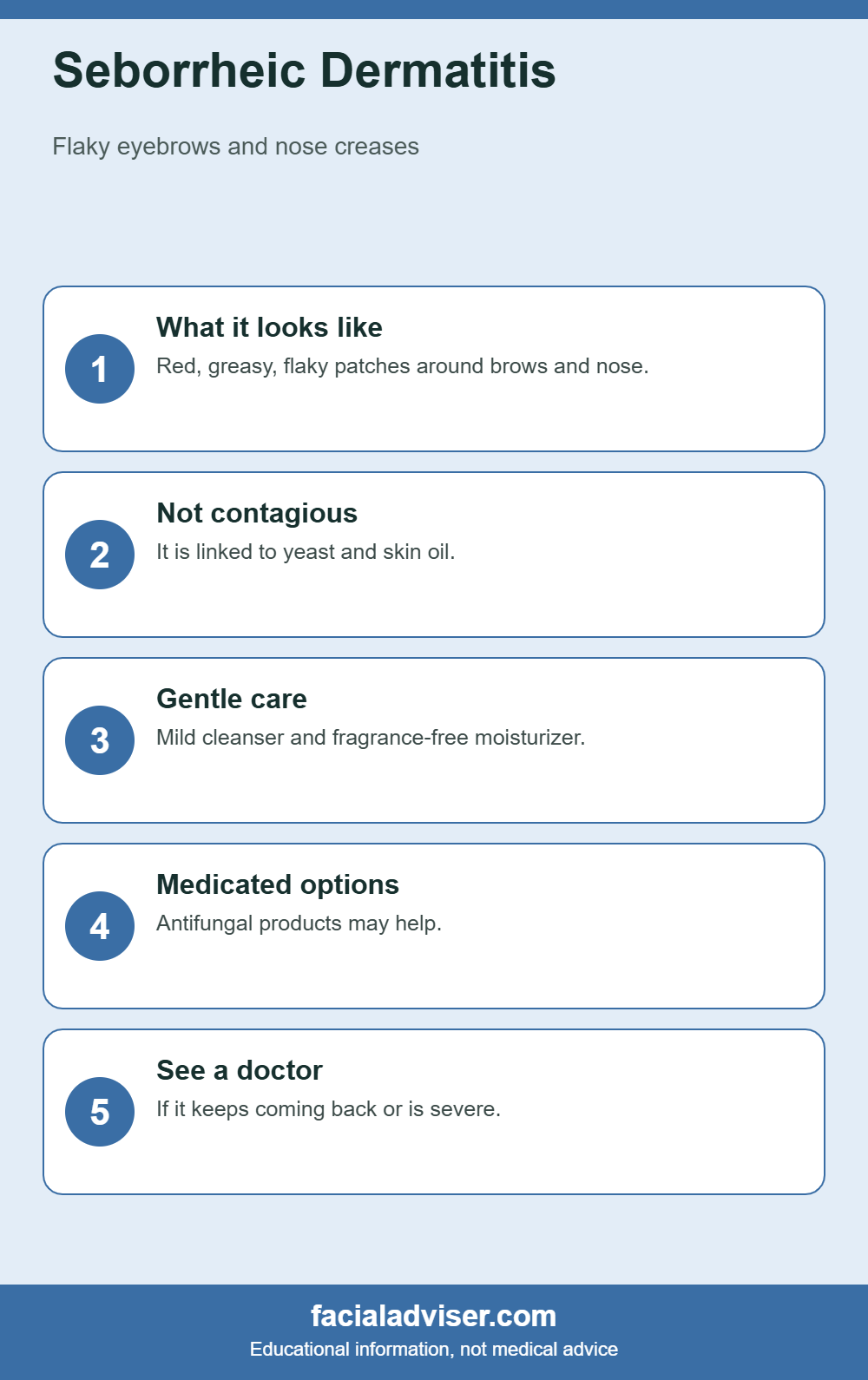
Seborrheic dermatitis is a form of inflammation that appears in oily areas such as the scalp, eyebrows, sides of the nose, ears and chest. It is linked to a normal skin yeast called Malassezia and to the way your skin reacts to it. It is not caused by poor hygiene, and it is not contagious.
Black Friday is coming: shop the deals with Prime
Dandruff on the scalp is the mildest form of the same condition. On the face it tends to come and go, flaring with stress, cold dry weather, lack of sleep or illness. Many people have it for years without knowing what it is, and treat it with moisturizers that never quite fix the problem.
This guide explains how to recognize facial seborrheic dermatitis, what triggers flares, and a gentle routine that supports the skin. It also covers anti-dandruff washes that people commonly use, and when you should see a doctor or pharmacist. If you are unsure about your skin type first, start with our guide to finding your skin type.
The author is a registered pharmacist, not a dermatologist, so this is educational background and not a diagnosis. A healthcare professional should confirm what is causing your rash.
Gentle Cleansers, Moisturizers and Anti-Dandruff Washes for Facial Seborrheic Dermatitis





On This Page
- What Seborrheic Dermatitis on the Face Is
- Signs and Where It Shows Up
- Conditions That Look Similar
- Common Triggers for Flares
- A Gentle Daily Routine
- Anti-Dandruff Washes and Active Ingredients
- Choosing Cleansers and Moisturizers
- Lifestyle Habits That Can Help
- Eyebrows, Beards and Hairlines
- When to See a Doctor or Pharmacist
- Skincare Mistakes That Make Flaking Worse
- Honest Limits and Myths
- Your Questions, Answered
- The Takeaway
Key Takeaways
- Seborrheic dermatitis causes red, flaky, sometimes greasy patches around eyebrows, nose creases, ears and the scalp.
- It is linked to skin yeast and inflammation, not poor hygiene.
- Flares are common with stress, cold weather and lack of sleep.
- Gentle cleansing and plain moisturizing form the foundation of care.
- Anti-dandruff products with ketoconazole or zinc pyrithione are common helpers; follow the label and avoid the eyes.
- See a doctor if the rash is painful, oozing, spreading or does not improve in a few weeks.
What Seborrheic Dermatitis on the Face Is
Seborrheic dermatitis is a chronic, relapsing skin condition. It tends to appear where there are many oil glands, which is why the scalp, eyebrows, nose creases, the area between the brows and behind the ears are the usual sites. The skin becomes red and inflamed, and flaky scales appear.
The cause is not completely understood. A yeast that lives on most people’s skin, called Malassezia, is thought to play a role, along with your immune response and the oils in your skin. That is why anti-yeast ingredients often help, and why the condition can run in families.
It affects people of all ages. Babies can get a form called cradle cap, and adults often see it in their twenties through their fifties. It tends to be more noticeable in men, in people with oily skin and in people with certain neurological or immune conditions.
Seborrheic dermatitis is common, affecting a noticeable share of adults, and it is not a sign of poor cleanliness.
Signs and Where It Shows Up
On the face, you may see pink or red patches, yellowish or white greasy-looking flakes, and a mild itch or tightness. The flakes often cling to the eyebrows, hairline, sides of the nose, cheeks near the nose and the beard area. Eyelid edges can also be affected, which can cause crusting at the lash line.
| Area | What you may see |
|---|---|
| Eyebrows | White or yellow flakes, redness beneath |
| Nose creases | Red, shiny or scaly skin |
| Between brows | Flaky patches, mild redness |
| Ears and hairline | Scale, itch and crusting |
| Eyelid edges | Redness and crusts at the lashes |
Itching is usually mild. Severe pain, oozing or blisters are not typical and need a professional look.
Conditions That Look Similar
Several skin problems can resemble seborrheic dermatitis, and the right care depends on knowing which one you have. Psoriasis tends to have thicker, silvery plaques with sharper edges. Contact dermatitis follows exposure to a product and is often itchier. Rosacea brings flushing, visible vessels and bumps, and can coexist with seborrheic dermatitis.
| Condition | How it differs |
|---|---|
| Psoriasis | Thicker, silvery scale with sharp edges |
| Contact dermatitis | Appears after a new product, often itchy or burning |
| Rosacea | Flushing, visible vessels, bumps |
| Eczema | Very itchy, dry patches in skin folds |
| Fungal infection | Ring-shaped, spreading rash |
If you are not sure, a doctor or pharmacist can help sort it out. A mix of conditions is possible, and treating the wrong one can make things worse.
Common Triggers for Flares
Flares often follow predictable patterns. Cold, dry winter air is a classic trigger, as are sleep loss and stress. Heavy hair products that drift onto the face, harsh soaps and alcohol-based toners can also make the skin more reactive.
Some people notice flares after illness, certain medicines or hormonal changes. Others see no clear pattern. Keeping a simple diary of flares, products and stress levels can reveal your own triggers.
If a flare starts, take a break from new or strongly scented products before you add anything else.
A Gentle Daily Routine
A good routine for facial seborrheic dermatitis is simple. Cleanse once or twice a day with lukewarm water and a mild cleanser, pat dry, apply a plain moisturizer, and use sunscreen in the morning. Avoid scrubbing off flakes, which can irritate the skin and make it redder.
Cleanse gently
Use lukewarm water and a mild, fragrance-free cleanser. Do not scrub.
Pat dry
Dry the skin with a clean towel, without rubbing.
Apply treatment as advised
If a pharmacist or doctor recommended a medicated product, use it as directed.
Moisturize
Apply a plain, fragrance-free moisturizer to calm tightness.
Add sunscreen
Use broad-spectrum sunscreen in the morning, choosing a gentle formula.
Wash pillowcases weekly and keep glasses and hands clean, since flakes and oils can transfer to the skin.
Anti-Dandruff Washes and Active Ingredients
Because yeast is involved, ingredients that reduce yeast and calm inflammation are common helpers. Ketoconazole, zinc pyrithione and selenium sulfide are found in anti-dandruff shampoos and some soaps and washes.
Some people lather a ketoconazole shampoo on the affected areas and rinse after a few minutes, but this should follow the product label or professional advice.
Hydrocortisone cream is sometimes recommended for short courses, but it can thin facial skin if used for too long. Do not use steroid creams on your face for more than a short period without guidance. Do not put shampoos near your eyes, and stop if your skin burns.
Never use a medicated shampoo or steroid cream on the eyelids or near the eyes unless a professional has told you to.
| Ingredient | Common form | Note |
|---|---|---|
| Ketoconazole | Shampoo, cream | Follow label, avoid eyes |
| Zinc pyrithione | Shampoo, bar soap | Can be drying, moisturize after |
| Selenium sulfide | Shampoo | May discolor light hair, rinse well |
| Hydrocortisone | Cream | Short courses only on the face |
Choosing Cleansers and Moisturizers
Look for cleansers labeled gentle, fragrance-free and non-comedogenic. Cream or lotion cleansers are usually kinder than strongly foaming gels. A moisturizer with ceramides, glycerin or hyaluronic acid helps repair the barrier without heavy oils.
Be careful with heavy oils and thick balms on the eyebrow area, because they can feed the yeast in some people. If a product stings or makes flaking worse, stop using it.
Do
- Use a mild cleanser
- Moisturize every day
- Use anti-dandruff products as directed
- Wash pillowcases often
Don’t
- Do not scrub or pick flakes
- Do not use heavy oils on affected skin
- Do not use harsh toners
- Do not use steroid creams for long
Lifestyle Habits That Can Help
Managing stress and sleep matters because both are known triggers. Regular exercise, a consistent bedtime and short breaks during the workday can reduce the number of flares for some people.
Humidity helps too. A humidifier in winter and avoiding very hot showers protect the barrier. If you have a beard, wash it gently and keep the skin underneath moisturized.
Diet has not been proven to cause seborrheic dermatitis, but some people notice flares with alcohol or after very late nights. Pay attention to your own pattern rather than following strict online rules.
Eyebrows, Beards and Hairlines
Flakes on the eyebrows and beard can be mistaken for dry skin. Use your mild cleanser with a soft touch in these areas, because hair traps oil and flakes. A medicated wash may be advised for a few minutes before rinsing, but always keep it away from the eyes.
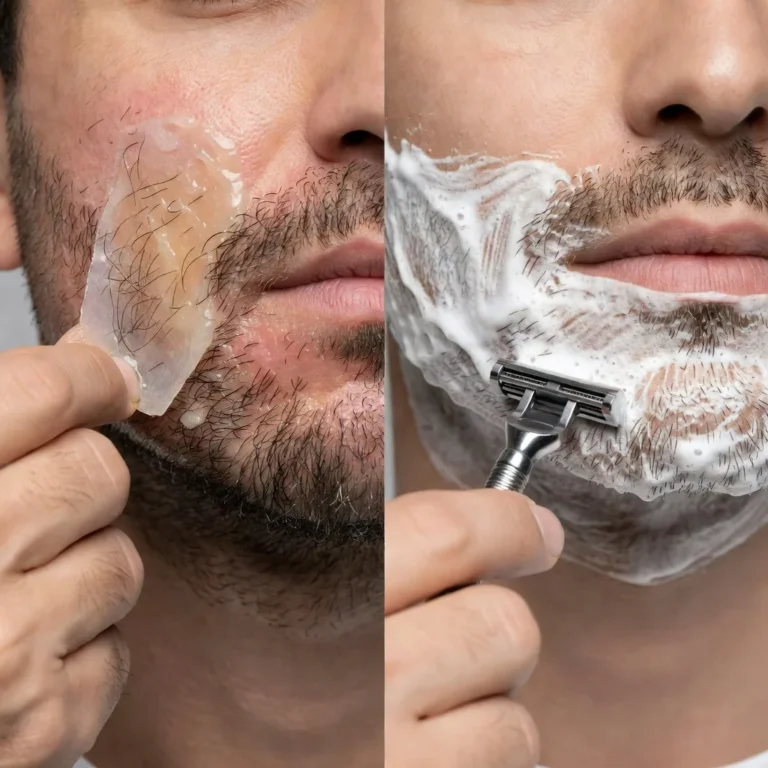
If you shave, use a clean blade and a gentle shaving cream, and avoid stretching irritated skin. Replace blades often to reduce nicks, which can sting on inflamed skin.
For makeup wearers, choose lightweight, non-comedogenic products and remove them well each night so residue does not add to irritation.
When to See a Doctor or Pharmacist
See a professional if the rash is painful, oozing or spreading, if your eyelids are affected, if you have signs of infection such as pus or fever, or if there is no improvement after a few weeks of gentle care.
They can confirm the diagnosis and may suggest prescription antifungal creams or short courses of mild topical steroids or calcineurin inhibitors. Sudden severe seborrheic dermatitis in an adult can sometimes point to another health issue, so a check-up is worthwhile.
Seborrheic dermatitis is controllable, not curable. Expect flares to return and have a plan for them.
Skincare Mistakes That Make Flaking Worse
The most common mistake is treating flakes as ordinary dry skin. Heavy creams, rich balms and facial oils can look like the obvious fix, but on oily, yeast-prone areas they sometimes make the redness and scale worse. A lighter moisturizer is usually the better choice.
Another mistake is over-exfoliating. Scrubs, acids and cleansing brushes strip the barrier and can leave the skin red and burning. Gentle cleansing with a soft cloth or the fingertips is enough to lift loose flakes without scraping the skin.
Switching products too often also makes it hard to know what works. Give any new product at least two to three weeks unless it irritates, and change one thing at a time. Keep notes so you can spot patterns, and bring them to your pharmacist or doctor if you need advice.
Finally, avoid skipping sunscreen. Inflamed skin is more vulnerable to sun, and some medicated treatments can add sensitivity. A gentle, fragrance-free sunscreen protects the skin without adding more irritation.
Honest Limits and Myths
No wash or cream cures seborrheic dermatitis permanently. The goal is to reduce redness and flaking and to space out flares. Online claims of cures or miracle diets are not backed by good evidence.
Also remember that skin conditions can look different on different skin tones. On deeper skin the redness can be less visible, and lighter or darker patches may appear instead.
This article is educational and not medical advice. The author is a registered pharmacist, not a dermatologist, and cannot diagnose skin conditions. Please see a healthcare professional for a diagnosis.
Your Questions, Answered
Is seborrheic dermatitis contagious?
No. It is not contagious and is not caused by poor hygiene.
Why do my eyebrows flake?
Eyebrows have many oil glands and are a common site for seborrheic dermatitis, but other conditions can look similar.
Can I use dandruff shampoo on my face?
Some people do, following the label or professional advice, and keeping it away from the eyes.
What triggers flares?
Stress, cold dry weather, lack of sleep, illness and harsh products are common triggers.
Does it go away?
It often comes and goes. It can be controlled but is usually not permanently cured.
Is it the same as dandruff?
Dandruff is a mild form on the scalp. The face version can be more inflamed.
Can makeup make it worse?
Heavy or irritating products can. Choose light, non-comedogenic formulas and remove them nightly.
Which moisturizer is best?
A plain, fragrance-free moisturizer with ceramides or glycerin is a good place to start.
Can diet cause it?
No diet has been proven to cause it, though some people notice flares with alcohol or poor sleep.
When should I see a professional?
If the rash is painful, oozing, spreading or not improving after a few weeks.
The Takeaway
Facial seborrheic dermatitis is common, controllable and nothing to be embarrassed about. A gentle cleanser, a plain moisturizer and, when advised, an anti-dandruff wash can keep flares calm.
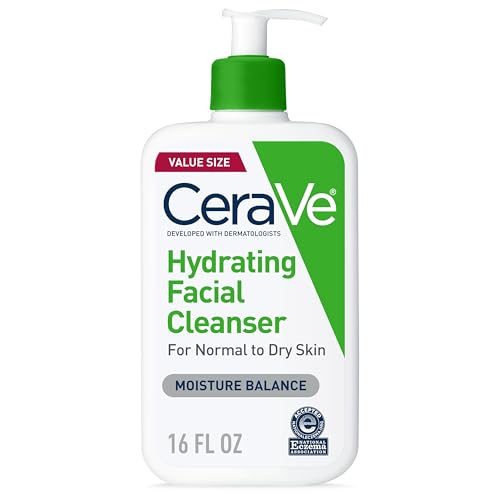
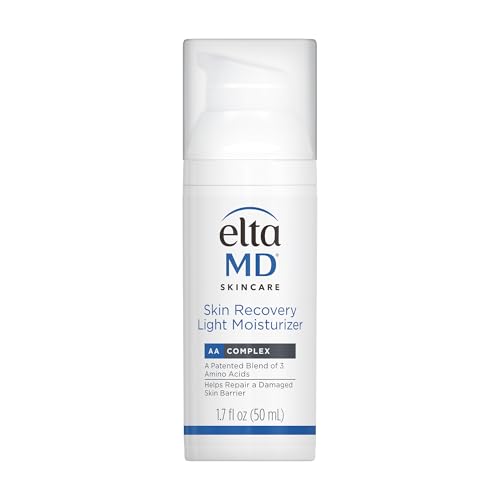
The products below are popular, gentle options that fit this kind of routine. Check labels, patch test and see a professional if your skin worsens.

Written by
Registered pharmacist and founder of Facial Adviser. Rakib's pharmacy training covers how skincare actives work and interact; a later course in cosmetology turned that into a focus on facial treatments and skincare products. He plans, researches and edits every guide on the site and checks health claims against sources such as the American Academy of Dermatology, the FDA and the NIH. He is not a dermatologist; see the Editorial Policy and Medical Disclaimer.
About · Editorial policy · How we choose products · Medical disclaimer · Contact
Keep reading: Body care and more
- 10 Best Body Tools for Skincare and Massage (2026): Smooth and Relax
- Tretinoin Purge: Timeline, What's Normal and When to Stop
- Is a Muscle Massage Gun Worth It? What the Evidence Says and Who Benefits
- Jeroboam Gozo Perfume: Notes, Wear and Who It Suits
- 10 Best Massage Chairs Under $2,000 (2026): Full-Body Picks for Home
- 10 Best Massage Chairs Under $500 (2026): Budget Recliners With Heat
Prime for Young Adults: a longer free trial and a lower price after it