Fruit Facial Types: A Complete Guide
At least eight distinct fruit facial types circulate online, each with its own confident marketing claim, but how do all of these fruit facial types actually stack up once you look past the label at the real evidence behind each one?
Part of our guide to facial treatments. Start with: Fruit Facial at Home: Does It Actually Work?
Every one of the eight types below has a genuine chemical or biochemical mechanism behind its claim, but none has been tested as a raw, whole-fruit DIY mask in a controlled clinical trial. Pomegranate carries the single strongest clinical result of the group, and citrus combines the most research-backed active chemistry with the highest documented risk. Sorting all eight by real mechanism, rather than by marketing reputation, is the actual value of comparing them side by side.
The same handful of mistakes — assuming raw-fruit concentration matches a formulated product’s tested dose, or that “natural” automatically means gentle — repeats across nearly every one of these fruit facial types, regardless of which specific fruit is involved.
This guide profiles all eight fruit facial types individually, compares them side by side in one table, and covers how to choose between them based on your actual skin concern rather than whichever claim sounds most impressive.
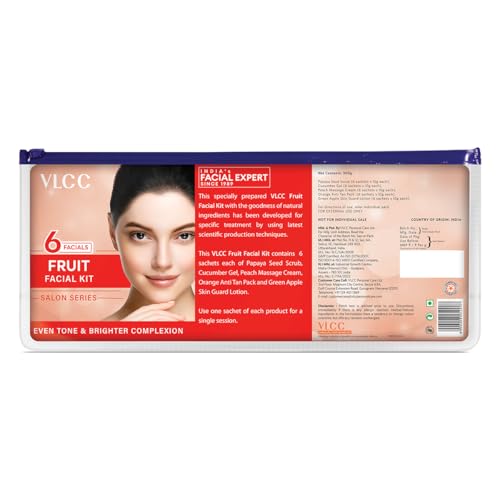
Recommended Fruit Facial Kits and Fruit-Based Skincare

Key Facts
- At least eight distinct fruit facials are in common circulation, each built around a different fruit and a different marketing claim.
- Every one of them has a real chemical or biochemical basis, but none has been tested as a raw, whole-fruit DIY mask in a controlled clinical trial.
- Pomegranate has the single strongest clinical result of any fruit here — from an oral supplement, not a topical mask.
- Citrus is the most research-backed fruit for its target claim and also the riskiest fruit in this entire list, due to a well-documented phototoxic reaction.
What’s Inside
- How This List Works
- Papaya Facial
- Banana Facial
- Strawberry Facial
- Citrus / Lemon Facial
- Apple Facial
- Grape / Wine Facial
- Pomegranate Facial
- Watermelon Facial
- All Eight Types, Side by Side
- Mistakes That Show Up Across All Eight Types
- How to Choose Between Them
- Frequently Asked Questions
- The Bottom Line
How This List Works
Fruit facials get marketed with confident, specific claims — “brightening,” “deep moisturizing,” “oil control,” “anti-aging.” Each of the eight types below is genuinely built on a real chemical or biochemical mechanism found in that fruit; none of that part is invented. What’s missing across the entire category is a controlled clinical trial testing the actual DIY whole-fruit mask people apply at home. The evidence that does exist almost always traces back to either a formulated, standardized topical product built from a purified compound, or in one notable case, an oral supplement — not the raw fruit pulp or juice itself. This list names that gap honestly for each type, rather than repeating the marketing claim as though it were a settled clinical fact.
Shopping these picks?
Amazon Prime members get fast, free shipping on eligible items, plus Prime Video, Amazon Music and member deals. New members can start with a free trial.
Start a free Prime trialAged 18 to 24? Prime for Young Adults comes with a longer free trial and a lower price after it.
Affiliate link: we may earn a commission at no extra cost to you.
Papaya Facial
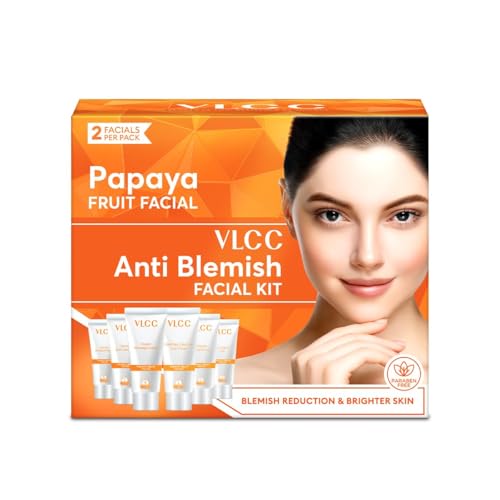
Marketed for: brightening, exfoliation, “natural BHA.” Papain, papaya’s proteolytic enzyme, is a real exfoliant with a documented biochemical mechanism — it genuinely breaks down surface protein bonds. But raw-fruit papain concentration is uncontrolled and ripeness-dependent, and that same protease activity is the documented trigger for a specific itch-and-inflammation receptor pathway on skin nerve fibers. The exfoliation is real; so is the irritation risk. No trial has tested a whole raw-papaya mask specifically.
Banana Facial
Marketed for: deep moisturizing, softening. Banana peel and flesh extracts show anti-inflammatory and hydration signals in preclinical and extract-based studies. The gap here is a common one across this whole category: those studies use processed extracts at controlled concentrations, not mashed raw banana applied to a face. The extrapolation from “extract shows a signal in a study” to “mashed banana moisturizes your skin” is plausible but genuinely unproven.
Strawberry Facial
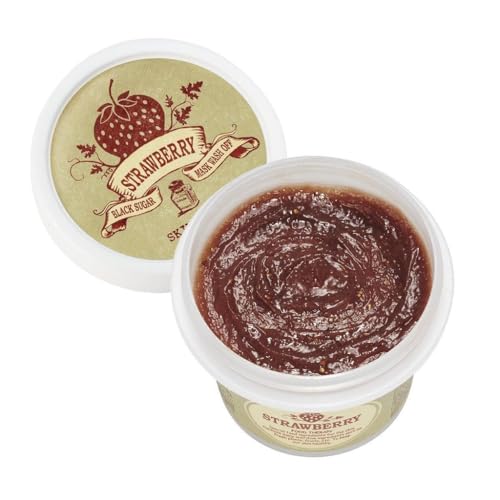
Marketed for: vitamin C content, brightening. Strawberries do contain real vitamin C and antioxidants. They also contain documented allergenic proteins — lipid transfer proteins and profilin — implicated in both oral and contact allergic reactions in the allergy literature. That makes strawberry a higher-allergy-risk brightening fruit than its popular reputation suggests, worth flagging for anyone with broader pollen or plant-food sensitivities.
Citrus / Lemon Facial
Marketed for: brightening, oil control. Citrus genuinely contains vitamin C and citric acid, giving it real AHA and antioxidant chemistry behind its brightening reputation. It’s also the single riskiest fruit in this list: furocoumarins in citrus peel and juice cause phytophotodermatitis, a well-documented, non-allergic phototoxic burn-and-hyperpigmentation reaction when fruit contact is followed by sun exposure — requiring no prior sensitization at all.
Apple Facial
Marketed for: gentle exfoliation, antioxidants. Malic acid gives apple a real, comparatively lower-risk AHA exfoliation mechanism — it shares citrus’s general acid-exfoliation logic without citrus’s phototoxic furocoumarin content. No dedicated raw-apple-mask trial exists, but apple’s risk profile is genuinely milder than citrus’s for this reason.
Grape / Wine Facial
Marketed for: antioxidant and anti-aging effects, via resveratrol and other polyphenols. Grape polyphenol research does exist in formulated cosmeceutical contexts, giving this claim a real basis in ingredient science. Raw grape pulp or juice masks, specifically, remain untested. (This site has a separate, dedicated guide to wine facials specifically, for readers who want the fermented-grape angle in more depth.)
Pomegranate Facial
Marketed for: antioxidant, radiance, anti-aging. Pomegranate has the best-evidenced result of any fruit in this entire list: a randomized, placebo-controlled trial of a standardized extract found statistically significant improvements in skin radiance, tactile roughness, and tone evenness over 60 days. The critical catch is that this trial used a daily oral supplement, not a topical mask, and explicitly excluded topical application from its protocol.
Watermelon Facial
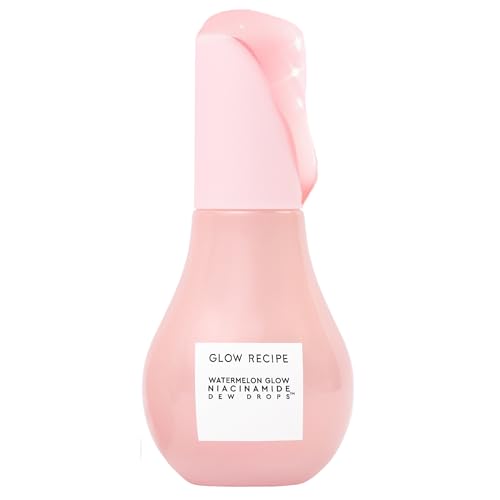
Marketed for: hydration, cooling. Watermelon’s high water content gives it a genuine, simple hydration and soothing rationale, and correspondingly low irritation risk since it carries essentially no meaningful acid or enzyme activity. That simplicity cuts both ways: watermelon also has the thinnest evidence base of any active mechanism in this list, precisely because there isn’t much active chemistry to study in the first place.
All Eight Types, Side by Side
Laid out together, the eight types split cleanly into a handful of patterns: real active chemistry paired with either strong formulated-product evidence, thin direct evidence, or in one case an oral-supplement result that gets misapplied to a topical mask.
| Facial type | Core marketed claim | Real mechanism present | Strongest evidence type |
|---|---|---|---|
| Papaya | Brightening, exfoliation | Papain enzymatic exfoliation | Mechanistic; no direct mask trial |
| Banana | Deep moisturizing | Sugars/starches, mild film-forming | Processed-extract studies only |
| Strawberry | Vitamin C brightening | Vitamin C, antioxidants | Also documented allergen (LTP/profilin) |
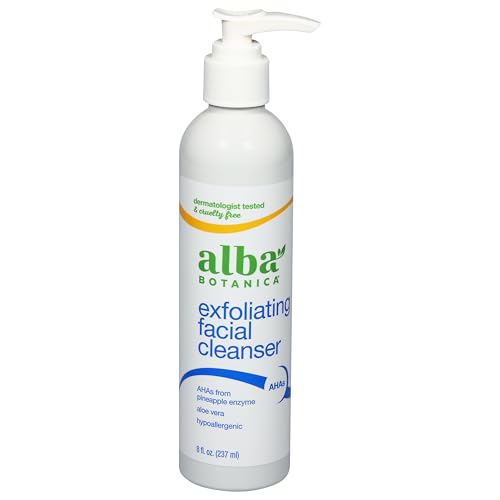
| Citrus / lemon | Brightening, oil control | Vitamin C, citric acid AHA | Strong for stabilized serums; highest raw-fruit risk |
| Apple | Gentle exfoliation | Malic acid AHA | Mechanistic; no direct mask trial |
| Grape / wine | Antioxidant, anti-aging | Polyphenols, resveratrol | Formulated cosmeceutical studies |
| Pomegranate | Radiance, anti-aging | Ellagic acid, punicalagin | RCT (oral supplement only) |
| Watermelon | Hydration, cooling | High water content | Thinnest evidence base of any type here |
Mistakes That Show Up Across All Eight Types
A handful of errors repeat across nearly every fruit-facial type regardless of which fruit is involved, and naming them once here is more useful than repeating the same caveat eight separate times. The first is concentration blindness: with every one of these eight fruits, the active-compound concentration in a piece of produce varies by ripeness, growing conditions, and even which part of the fruit you use, and there’s no way to standardize it at home the way a formulated product is standardized to a labeled percentage. The second is evidence-source substitution: it’s easy to read “pomegranate improves radiance” or “vitamin C brightens skin” and assume that evidence applies directly to a raw mask, when in most cases the actual study used a stabilized serum, a standardized extract, or in pomegranate’s case an oral capsule, not the whole fruit applied to skin.
The third repeated mistake is treating “fruit” and “gentle” as synonyms. Several of these eight types — citrus especially, papaya and pineapple close behind — carry documented irritation or phototoxicity mechanisms that have nothing to do with allergy and everything to do with direct chemical or enzymatic action on skin. A fruit being edible, or even nutritionally beneficial, says nothing about its behavior when left in contact with skin for ten minutes. The fourth is expecting a lasting result from an occasional-use cosmetic ritual: every one of these eight types produces, at most, a temporary surface-level change in exfoliation or hydration, not a structural or lasting improvement, regardless of which fruit or which specific claim is involved.
How to Choose Between Them
Start from your skin’s actual tolerance, not the marketing claim
A lower-risk fruit like banana or watermelon is a safer starting point than jumping straight to citrus or papaya.
Match the fruit to your specific skin concern
See this site’s dedicated guides for glowing skin, sensitive skin, oily/acne-prone skin, and dry skin for a deeper dive into each concern.
Patch test every fruit, regardless of type
Test on the inner forearm for several days before facial application, since irritation and allergy risk vary by fruit and by individual.
Treat every type as a short-term cosmetic ritual
None of these eight facials has trial evidence as a whole raw-fruit mask, so keep expectations to a temporary, surface-level effect.
| Skin goal | Reasonable fruit facial starting points | Fruit facials to approach cautiously |
|---|---|---|
| Glowing / radiance | Papaya, apple | Pomegranate (topical form untested), citrus |
| Sensitive skin | Banana, watermelon, cooked apple | Citrus, pineapple, papaya |
| Oily / acne-prone skin | Apple | Citrus (if using retinoids/benzoyl peroxide) |
| Dry skin | Banana, avocado | Citrus, pineapple, under-ripe papaya |
Do
- Match the fruit type to your specific skin concern, not just the marketing claim
- Patch test every type before facial use, regardless of reputation
- Treat every type as a temporary, surface-level cosmetic ritual
Don’t
- Assume a fruit’s popularity means it has clinical trial support
- Credit a raw mask with results from a formulated product or oral supplement
- Pick citrus or papaya as a first-ever fruit facial without patch testing first
Frequently Asked Questions
How many types of fruit facials are there?
At least eight are in common circulation — papaya, banana, strawberry, citrus, apple, grape/wine, pomegranate, and watermelon — each with its own marketed claim.
Which fruit facial has the strongest clinical evidence?
Pomegranate has the strongest randomized, placebo-controlled trial result of any fruit here, but that trial used a daily oral supplement, not a topical mask.
Which fruit facial is riskiest?
Citrus, due to a well-documented phototoxic reaction (phytophotodermatitis) that can occur with no prior allergy or sensitization.
Which fruit facial is safest for beginners?
Banana and watermelon carry the lowest known irritant load and are reasonable starting points for most skin types.
Do any fruit facials have real scientific backing?
Every fruit facial here has a real chemical or biochemical mechanism behind its claim, but none has a controlled trial testing the actual raw-fruit mask itself.
Is the banana facial actually moisturizing?
Processed banana extract shows a hydration signal in preclinical studies, but this hasn’t been directly tested using mashed raw banana as a mask.
Is strawberry good for brightening skin?
It contains real vitamin C and antioxidants, but also documented allergenic proteins, making it a higher-allergy-risk brightening choice than its reputation suggests.
What’s the difference between a grape facial and a wine facial?
Both draw on the same grape-derived polyphenol and resveratrol chemistry; this site covers the fermented-wine version in a separate, dedicated guide.
Can I combine two fruit facial types?
Yes, as long as you patch test the combination itself, since combining two active ingredients can compound irritation risk beyond either one alone.
How do I pick the right fruit facial for my skin type?
Match the fruit to your specific concern using this site’s dedicated guides for glowing, sensitive, oily/acne-prone, and dry skin, then patch test before facial use.
The Bottom Line
All eight fruit facial types in common circulation have a genuine chemical or biochemical basis behind their marketed claim, and none has been tested as a whole raw-fruit DIY mask in a controlled clinical trial. Pomegranate carries the strongest clinical result of the group, from an oral supplement rather than a topical mask, while citrus combines the most research-backed active chemistry with the highest documented risk. Matching the fruit to your skin’s actual tolerance, and patch testing regardless of type, matters more than chasing whichever claim sounds most impressive.

Written by
Registered pharmacist and founder of Facial Adviser. Rakib's pharmacy training covers how skincare actives work and interact; a later course in cosmetology turned that into a focus on facial treatments and skincare products. He plans, researches and edits every guide on the site and checks health claims against sources such as the American Academy of Dermatology, the FDA and the NIH. He is not a dermatologist; see the Editorial Policy and Medical Disclaimer.
About · Editorial policy · How we choose products · Medical disclaimer · Contact
Keep reading: DIY and ingredient facials
- Fruit Facial at Home: Does It Actually Work?
- Which Fruit Facial Is Best for Dry Skin?
- Fruit Facial Steps in a Parlour: What Happens at Each Stage
- Is a Fruit Facial Good for Your Skin? Benefits, Risks and Who Should Skip It
- Fruit Facial vs Gold Facial: Differences, Benefits and Which to Choose
- How to Do a Fruit Face Pack at Home: Recipes, Steps and Skin-Type Tips
- What Is the Best Anti-Aging Facial Treatment? Options Compared by Goal
- What Is a Spa Facial?