Best Treatment for Facial Wrinkles: At-Home Creams vs In-Office Options
Wrinkles come from a mix of age, sun exposure, repeated facial expressions, smoking and genetics, so there is no single fix that works for everyone. What helps depends on whether your lines are fine or deep, whether they appear only when you move your face, and how much time, money and downtime you are willing to spend.
Part of our guide to facial treatments. Start with: What Is the Best Anti-Aging Facial Treatment? Options Compared by Goal
The best treatment for facial wrinkles is a combination: daily broad-spectrum sunscreen and a topical retinoid at home, backed by in-office treatments when you want bigger changes. Retinoids such as retinol or prescription tretinoin have the strongest evidence of any cream for softening fine lines over months. Moisturiser plumps the skin and makes lines look softer straight away. For expression lines, injections that relax muscles work best; for deeper folds, fillers add volume; and lasers, chemical peels and microneedling improve texture and fine lines across the face. Realistic expectations matter: creams soften, procedures reduce, and nothing erases wrinkles permanently.
In short: protect and treat at home with sunscreen and a retinoid, then add in-office treatments for deeper or expression lines.
The American Academy of Dermatology notes that cosmetic treatments such as botulinum toxin and fillers can reduce the look of wrinkles, while everyday habits such as sun protection help prevent new ones.
This buyer’s guide compares at-home products and professional treatments, explains which wrinkle types each one suits, what to avoid, and how to choose and use an anti-wrinkle cream or serum.
Shopping these picks?
Amazon Prime members get fast, free shipping on eligible items, plus Prime Video, Amazon Music and member deals. New members can start with a free trial.
Start a free Prime trialAged 18 to 24? Prime for Young Adults comes with a longer free trial and a lower price after it.
Affiliate link: we may earn a commission at no extra cost to you.
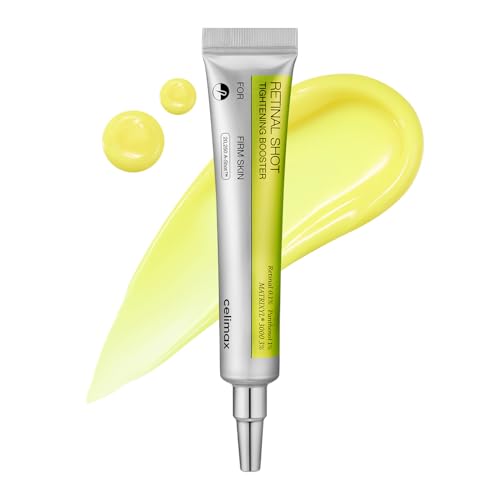
Recommended Anti-Wrinkle Creams and Serums on Amazon

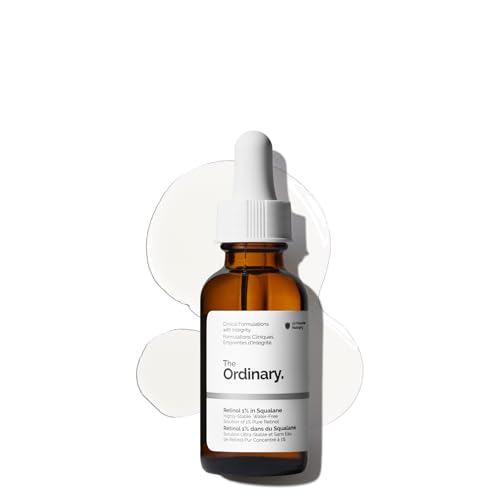
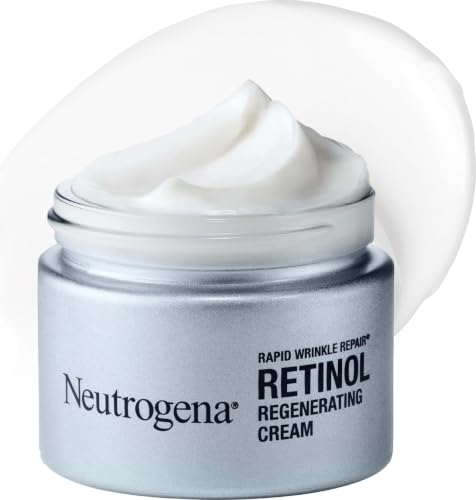
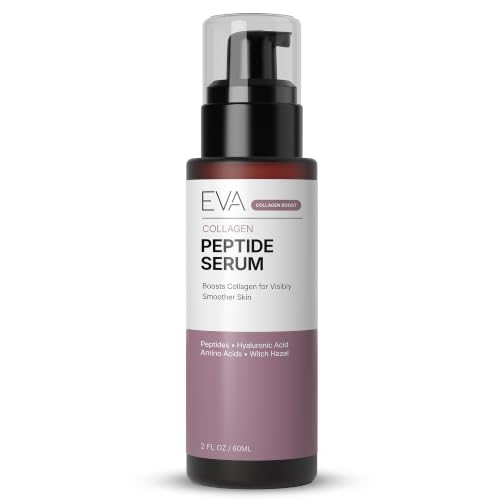

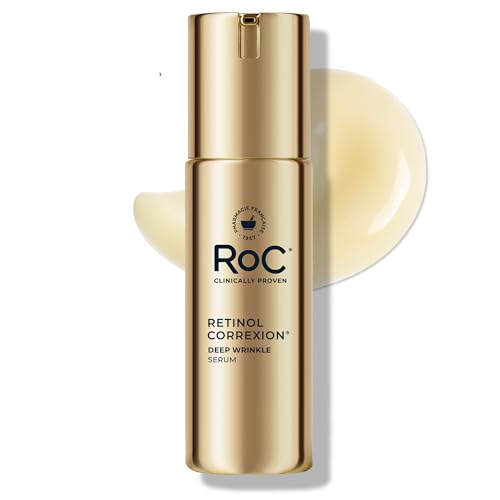
In Brief
- Daily broad-spectrum sunscreen is the foundation of any wrinkle plan.
- Retinoids are the best-studied topical ingredient for fine lines.
- Peptides and moisturisers help, but more modestly than retinoids.
- Muscle-relaxing injections suit expression lines; fillers suit volume loss.
- Lasers, peels and microneedling improve texture and fine lines.
- Creams take months and soften lines rather than removing them.
- A dermatologist can match treatments to your wrinkle type.
Jump to a Section
- Know Your Wrinkle Type First
- At-Home vs In-Office Treatments at a Glance
- The At-Home Essentials
- How to Choose an Anti-Wrinkle Cream or Serum
- In-Office Treatments: What Each One Does
- What to Avoid
- Best Options by Area of the Face
- How to Build an Anti-Wrinkle Routine at Home
- Realistic Expectations
- Dos and Don’ts
- Honest Limits
- When to See a Dermatologist
- Frequently Asked Questions
- The Bottom Line
Know Your Wrinkle Type First
Choosing the best treatment is easier once you know what kind of line you are dealing with. The same cream will not do much for a deep fold, and a filler will not fix crepey texture.
- Fine lines: shallow lines, often around the eyes and mouth, that respond best to at-home care.
- Dynamic lines: expression lines such as crow’s feet, frown lines and forehead lines that appear when you move.
- Static wrinkles: lines that stay visible even when your face is relaxed.
- Folds and volume loss: deeper creases such as those from nose to mouth, linked to loss of fat and support.
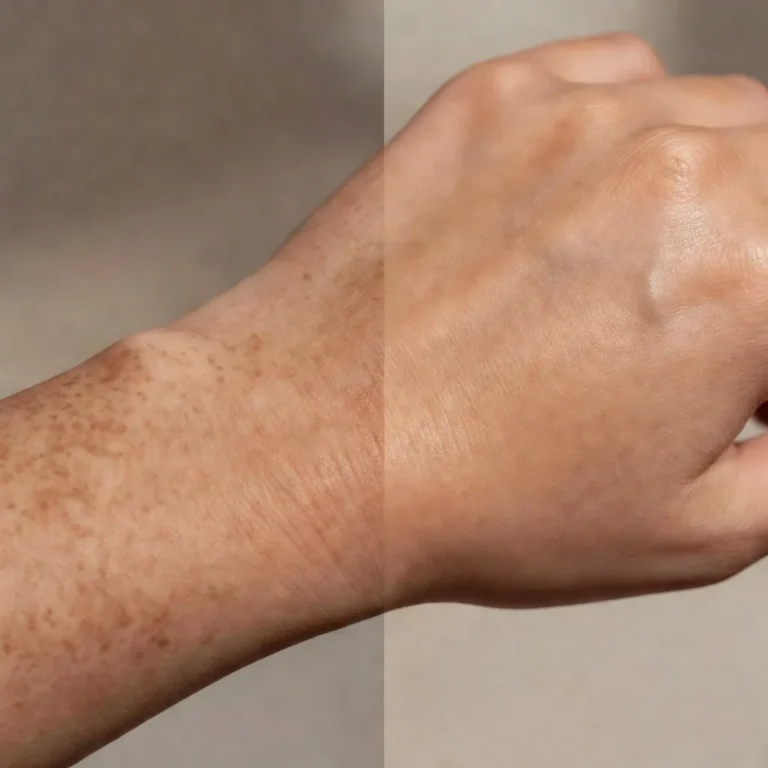
- Crepey texture: thin, finely crinkled skin, usually caused by sun damage.
Most people have a mix, and lines usually deepen gradually as collagen and elastin decline and sun damage builds up over the years. That is why the most effective plans combine a daily at-home routine with targeted treatments for the lines that bother you most.
At-Home vs In-Office Treatments at a Glance
This overview compares the main options. Results vary from person to person, and every in-office procedure should be done or supervised by a qualified professional.
| Treatment | Best for | How long until results | Downtime |
|---|---|---|---|
| Sunscreen | Preventing new lines and sun damage | Ongoing prevention | None |
| Retinoid cream or serum | Fine lines, texture, tone | About 3 to 6 months | Mild dryness at first |
| Peptide or moisturising cream | Dryness, softer look of lines | Days for plumping; weeks for more | None |
| Muscle-relaxing injections | Frown lines, crow’s feet, forehead lines | Days to two weeks | Minimal |
| Dermal fillers | Folds and volume loss | Immediate | A few days of swelling possible |
| Chemical peels | Fine lines, texture, sun damage | Weeks, depending on depth | Days to weeks |
| Laser resurfacing | Fine to moderate lines, texture | Weeks to months | Days to weeks |
| Microneedling | Texture and fine lines | Several sessions | A day or two of redness |
The AAD’s wrinkles overview lists botulinum toxin and fillers among the treatment options and stresses that lifestyle changes can help prevent wrinkles in the first place.
The At-Home Essentials
At-home care cannot match a procedure for deep lines, but it is where most long-term improvement starts, and it protects any results you get from a clinic.
- Sunscreen: broad-spectrum SPF 30 or higher every day slows the sun damage that drives most facial ageing.
- Retinoids: retinol, retinal and adapalene over the counter, or tretinoin on prescription, encourage cell turnover and collagen over time.
- Moisturiser: hydrating ingredients such as glycerin, hyaluronic acid and ceramides make lines look softer right away.
- Peptides: helpful supporting ingredients, gentler than retinoids, with more modest evidence.
- Antioxidants: vitamin C in the morning can support sunscreen and brighten tone.
The AAD guide on how to apply sunscreen explains how much to use and when to reapply, which matters more than the brand you choose.
How to Choose an Anti-Wrinkle Cream or Serum
Most anti-wrinkle products on the shelf rely on a handful of proven ingredients. Reading the label for those, rather than the claims on the front, is the best way to buy.
| Ingredient | What it does | Best for | Notes |
|---|---|---|---|
| Retinol | Speeds cell turnover, supports collagen | Fine lines, texture | Start low, use at night |
| Retinal (retinaldehyde) | Stronger retinoid, works faster than retinol | Experienced retinoid users | Can irritate more |
| Peptides | Signal skin to support firmness | Sensitive skin, eye area | Gentle; modest effect |
| Hyaluronic acid | Draws water into the skin | Dry, dehydrated skin | Plumps temporarily |
| Bakuchiol | Plant ingredient with retinol-like claims | People who cannot tolerate retinol | Less evidence than retinoids |
| Niacinamide | Supports barrier and tone | Most skin types | Pairs well with retinoids |
A cream with a long list of trendy ingredients is not automatically better. One well-formulated retinoid product used consistently at night usually does more than several products used on and off.
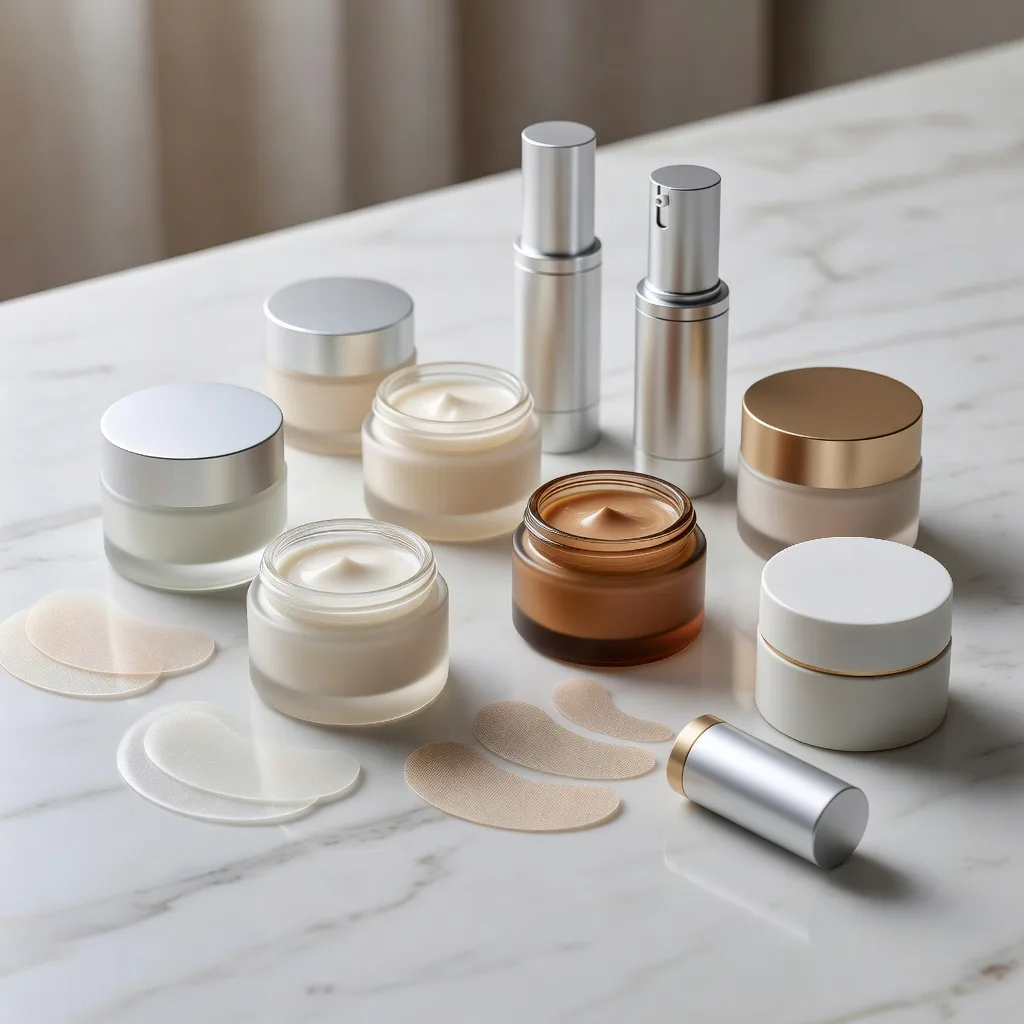
Look for opaque, air-tight packaging, a clear strength or a stated retinoid form, and fragrance-free formulas if your skin is sensitive. If you are new to retinoids, choose a lower strength or an encapsulated retinol and build up slowly rather than starting with the strongest product you can find. Night creams are a practical format because retinoids break down in sunlight and are best applied in the evening, while peptide or hyaluronic acid serums can be used morning and night.
In-Office Treatments: What Each One Does
When at-home care is not enough, professional treatments can give faster and more visible changes. They cost more and carry more risk, so choose a board-certified dermatologist or a qualified practitioner.
- Muscle-relaxing injections soften lines caused by movement and usually last a few months.
- Dermal fillers restore volume in folds, cheeks and lips; results last months to a year or more depending on the product.
- Chemical peels remove damaged outer layers to improve fine lines, texture and uneven tone.
- Laser resurfacing can treat fine to moderate wrinkles and sun damage, with downtime depending on the laser.
- Microneedling creates tiny controlled injuries that encourage collagen, usually over several sessions.
Our guide on fillers vs botox explains which lines each suits, and the AAD’s chemical peels overview covers how peel depth affects results and recovery.
What to Avoid
The anti-wrinkle market is crowded with products that promise far more than they can deliver. Skip these to save money and protect your skin.
- Creams that claim to work like injections or give instant, permanent results.
- Heavily fragranced products, especially on sensitive or retinoid-treated skin.
- Using several strong actives at once, such as a retinoid, acids and scrubs every night.
- Needle-free filler pens and unlicensed injectors.
- Skipping sunscreen while using retinoids or after peels and lasers.
- Retinoids during pregnancy or while trying to conceive, unless your doctor agrees.
Injections, fillers, lasers and deep peels can cause bruising, infection, scarring and pigment changes, and fillers carry a rare but serious risk of blocking a blood vessel. Only have them done by a qualified medical professional in a proper clinical setting.
Best Options by Area of the Face
Wrinkles in different places tend to have different causes, so the most effective treatment often depends on where the lines are. This is a general guide; a dermatologist can tailor it to your face.
- Forehead lines: mostly caused by raising the brows; muscle-relaxing injections work best, with a retinoid to soften fine surface lines.
- Frown lines between the brows: injections are the usual first choice; deep static lines may also need filler or resurfacing.
- Crow’s feet: injections for movement lines, plus a gentle retinoid or peptide eye cream and good sunglasses.
- Under-eye crepiness: gentle retinoids, moisturiser and, in a clinic, lasers or light peels; fillers here need a very experienced injector.
- Lines around the mouth: retinoids and sunscreen for fine lines, with resurfacing or careful filler for deeper ones.
- Nose-to-mouth folds: mostly due to volume loss, so fillers or other volume treatments help more than any cream.
Whatever the area, sun protection and a steady retinoid routine support the results of any professional treatment and help them last longer. Skipping them tends to mean repeating procedures more often.
How to Build an Anti-Wrinkle Routine at Home
A simple, consistent routine beats a complicated one. These steps suit most skin types and can be adjusted as your skin gets used to a retinoid.
Cleanse gently
Use a mild, non-stripping cleanser morning and night.
Apply sunscreen every morning
Use broad-spectrum SPF 30 or higher as the last skincare step, even on cloudy days.
Start a retinoid at night
Apply a pea-sized amount two or three nights a week at first.
Moisturise
Follow with a plain moisturiser to reduce dryness and plump lines.
Increase slowly
Move towards nightly use over several weeks if your skin is comfortable.
Add a supporting serum
Consider peptides, niacinamide or vitamin C once the routine is stable.
Judge after three months
Take photos in the same light to see real change.
If a retinoid stings, try the sandwich method: moisturiser, then retinoid, then moisturiser again. Our guide on how to transition to retinol smoothly covers more ways to reduce irritation.
Realistic Expectations
It helps to know what each approach can realistically achieve so you are not disappointed or tempted to overdo it.
- Moisturisers make lines look softer within days, but the effect fades when you stop.
- Retinoids gradually soften fine lines and improve texture over months of steady use.
- Injections and fillers give visible changes quickly but need repeating.
- Resurfacing treatments can give lasting texture improvements, but ageing continues.
- Sun protection will not remove existing lines, but it slows the arrival of new ones.
Taking clear photos in the same light before you start, and again every few months, is the most honest way to judge whether a product or treatment is actually working for you.
Dos and Don’ts
Good Habits
- Wear broad-spectrum sunscreen every day
- Choose a retinoid and use it consistently
- Introduce one new product at a time
- Check a practitioner’s qualifications
- Give creams at least three months
Common Mistakes
- Believe instant or permanent cream claims
- Layer many strong actives at once
- Buy injectables or fillers online
- Skip sunscreen after peels or lasers
- Keep using a product that burns or peels badly
Honest Limits
No cream can remove deep wrinkles, and no single treatment stops ageing. Over-the-counter products work slowly and modestly, and many anti-wrinkle claims are based on individual ingredients rather than on independent testing of the finished product.
In-office treatments give bigger changes but come with cost, downtime and risk, and their results fade over time. Genetics, sun history and smoking also shape how your skin ages. The most reliable plan is prevention with sunscreen, a steady retinoid routine and targeted professional care only for the lines that truly bother you.
When to See a Dermatologist
- You want injections, fillers, lasers or medium to deep peels.
- Over-the-counter retinoids irritate you and you want a prescription option.
- You have significant sun damage, spots that change, or rough patches.
- You have rosacea, eczema or very sensitive skin.
- You are pregnant or breastfeeding and want safe options.
This article is for general information and does not replace professional medical advice. See a board-certified dermatologist before starting prescription treatments or cosmetic procedures.
Frequently Asked Questions
What is the best treatment for facial wrinkles?
Daily sunscreen and a retinoid, with in-office treatments for deeper lines.
What is the best cream for wrinkles?
A retinoid-based cream or serum used consistently at night.
Do peptide creams work for wrinkles?
They can help modestly and are gentler than retinoids.
How long does retinol take to reduce wrinkles?
Usually about three to six months of regular use.
Is botox or filler better for wrinkles?
Botox suits expression lines; fillers suit folds and volume loss.
Do chemical peels help wrinkles?
Yes, mainly for fine lines, texture and sun damage.
Can wrinkles be removed permanently?
No, treatments reduce them but ageing continues.
Does moisturiser get rid of wrinkles?
It softens their look temporarily but does not remove them.
Can I use retinol while pregnant?
Avoid retinoids unless your doctor advises otherwise.
Is microneedling good for wrinkles?
It can improve fine lines and texture over several sessions.
The Bottom Line
The best treatment for facial wrinkles is a plan rather than a single product: daily sunscreen and a retinoid at home, with injections, fillers, peels, lasers or microneedling added when you want bigger changes.
Choose creams by their proven ingredients, be patient for three months, and see a dermatologist for procedures or if your skin will not tolerate over-the-counter options.

Written by
Registered pharmacist and founder of Facial Adviser. Rakib's pharmacy training covers how skincare actives work and interact; a later course in cosmetology turned that into a focus on facial treatments and skincare products. He plans, researches and edits every guide on the site and checks health claims against sources such as the American Academy of Dermatology, the FDA and the NIH. He is not a dermatologist; see the Editorial Policy and Medical Disclaimer.
About · Editorial policy · How we choose products · Medical disclaimer · Contact
Keep reading: Anti-aging facials and treatments
- What Is the Best Anti-Aging Facial Treatment? Options Compared by Goal
- 10 Best Facial Products for Aging Skin (2026): Serums, SPF and Creams
- Best Facial Procedures for Aging Skin: Botox, Fillers, Lasers and Peels
- Best Facial for Wrinkles: Professional Treatments vs At-Home Options
- Sagging Jowls in Your 30s: Causes and Options That Work
- Why Do I Have Crepey Skin on My Cheeks? Causes and Treatments That Help
- Facial Types: A Guide to 11 Popular Facials and How to Choose One
- Microneedling Facial: Real Results, Explained