Facial Discoloration After Sunburn: Why It Happens and How to Fade It
A sunburn on the face rarely ends when the redness fades. Many people notice peeling, patchy lighter and darker areas, a brownish tan line or blotches that seem to hang around for weeks. It is frustrating, but it is also a clear signal that your skin has been damaged and needs protecting while it recovers.
Part of our guide to skin concerns. Start with: How to Calm Inflamed Red Patches on Your Face
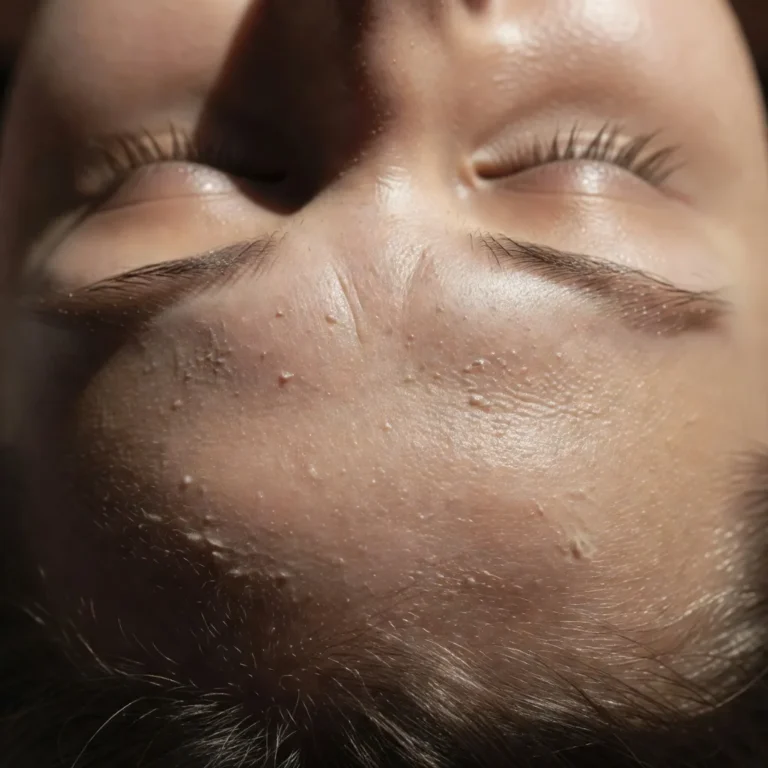
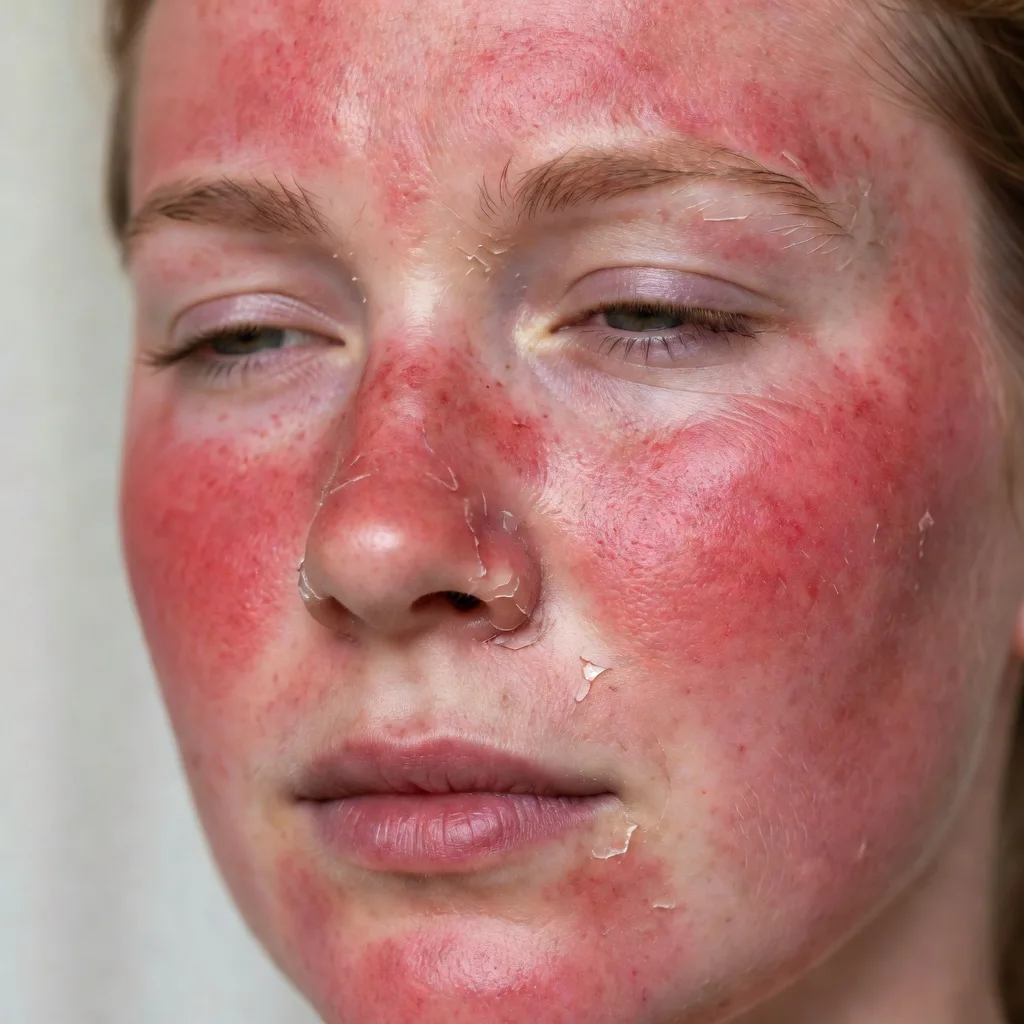
Facial discoloration after sunburn happens because ultraviolet light injures skin cells and triggers inflammation. As the burnt top layer peels away, the new skin underneath can look pink or lighter, while pigment cells that were stimulated by the sun and the inflammation produce extra melanin, leaving darker patches. This darkening is a form of post-inflammatory hyperpigmentation and is more noticeable in medium and deeper skin tones. Most discoloration fades over weeks to months if you keep the skin moisturised and protect it from further sun. Gentle care, daily broad-spectrum sunscreen and, once healed, ingredients such as niacinamide and vitamin C can help it fade faster.
In short: soothe the burn first, let peeling skin shed on its own, and use strict sun protection so the marks can fade instead of darkening.
The American Academy of Dermatology recommends broad-spectrum sunscreen of SPF 30 or higher, reapplied every two hours outdoors, and the US Food and Drug Administration notes that sunburn is a sign of skin damage that raises skin cancer risk.
This guide explains the types of post-sunburn discoloration, how to care for your face during and after the burn, which ingredients help fade marks and what to watch for.
Shopping these picks?
Amazon Prime members get fast, free shipping on eligible items, plus Prime Video, Amazon Music and member deals. New members can start with a free trial.
Start a free Prime trialAged 18 to 24? Prime for Young Adults comes with a longer free trial and a lower price after it.
Affiliate link: we may earn a commission at no extra cost to you.
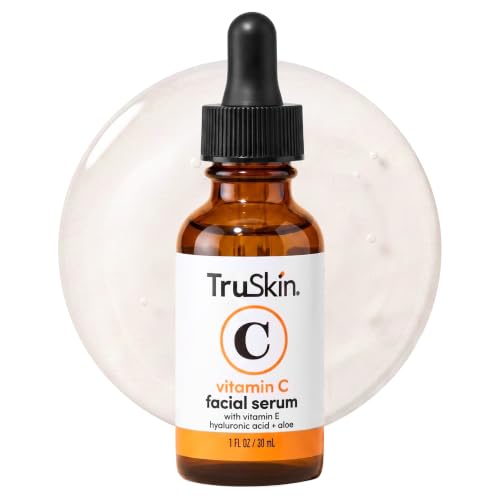
Recommended Products for Sunburned and Discoloured Skin

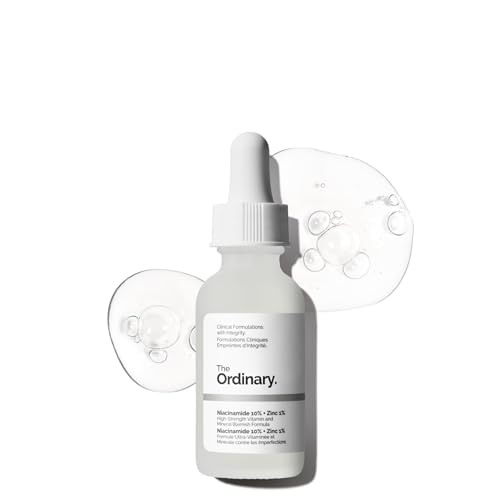
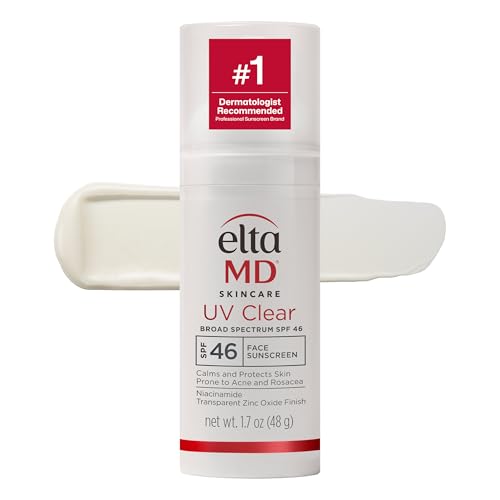
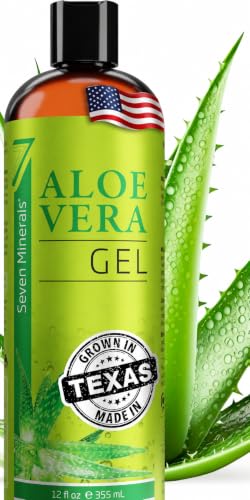
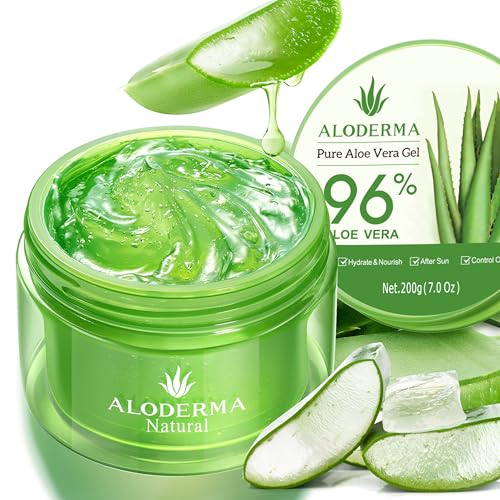

In Brief
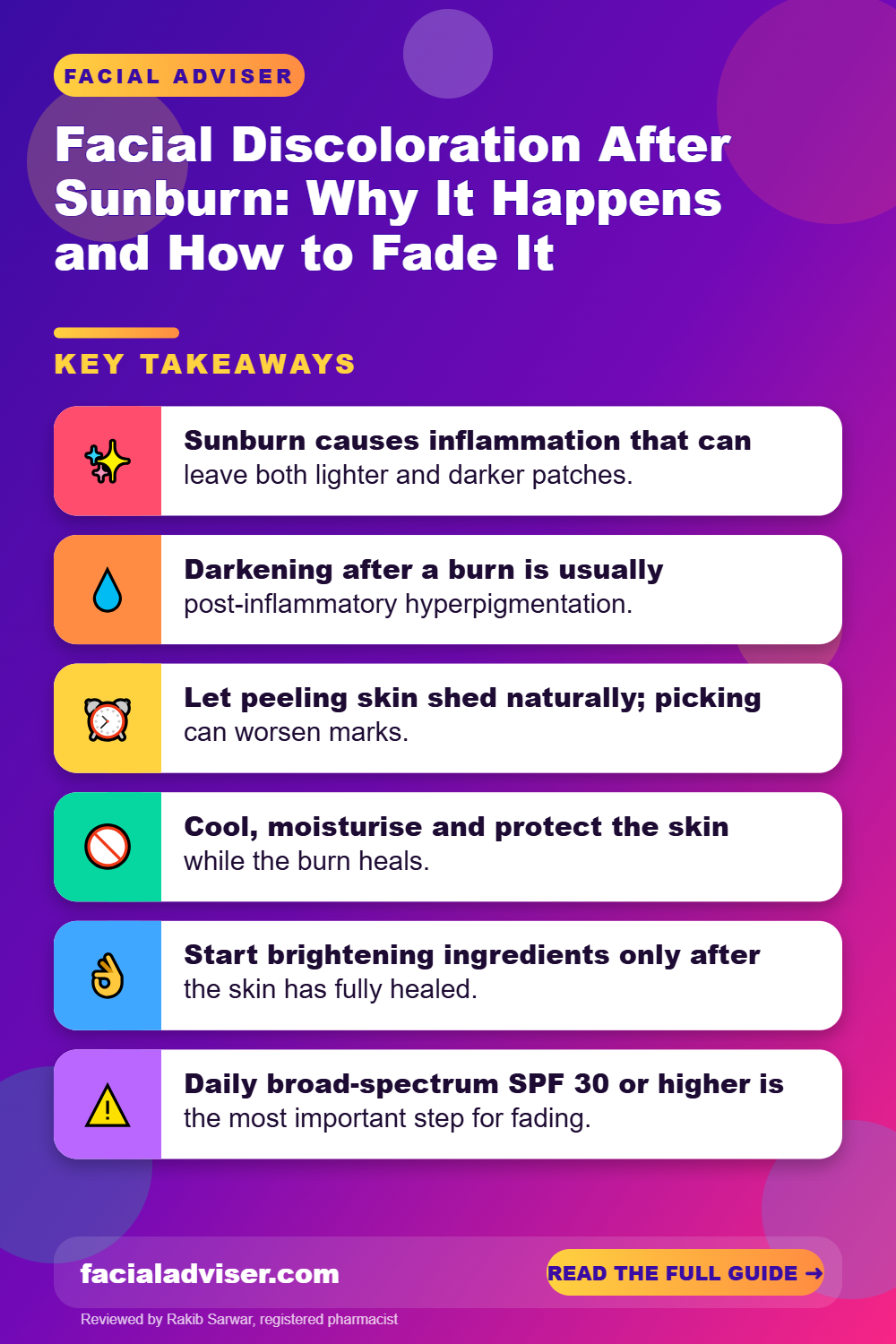
- Sunburn causes inflammation that can leave both lighter and darker patches.
- Darkening after a burn is usually post-inflammatory hyperpigmentation.
- Let peeling skin shed naturally; picking can worsen marks.
- Cool, moisturise and protect the skin while the burn heals.
- Start brightening ingredients only after the skin has fully healed.
- Daily broad-spectrum SPF 30 or higher is the most important step for fading.
- New or changing spots after sun damage should be checked by a doctor.
Jump to a Section
- Why Your Face Changes Colour After a Sunburn
- Types of Discoloration You May See After Sunburn
- Peeling After Sunburn: What Is Normal
- How to Care for Facial Skin During and After a Sunburn
- What to Avoid on a Sunburned Face
- How to Fade Dark Patches After the Burn Heals
- Why Sunscreen Is the Most Important Step
- Preventing Sunburn and Future Discoloration
- Sunburn Discoloration in Different Skin Tones
- Sunburn Symptoms That Need Medical Care
- Honest Limits
- When to See a Dermatologist
- Common Questions
- The Takeaway
Why Your Face Changes Colour After a Sunburn
Ultraviolet B light damages the DNA in skin cells near the surface. The body responds with inflammation, which causes the redness, heat and pain of a sunburn. Damaged cells are then shed, which is why the skin peels a few days later.
At the same time, ultraviolet light and inflammation switch on melanocytes, the cells that make pigment. They produce extra melanin to try to protect the skin, which is where a tan comes from. After a burn, this response can be uneven, so some areas darken more than others, and pigment can remain in the skin after the redness has gone.
A tan is not protection. It is the skin’s response to damage and offers only a very low level of protection against further burning.
Types of Discoloration You May See After Sunburn
| What you see | Likely cause | Usual course |
|---|---|---|
| Pink or red new skin after peeling | Fresh skin that has not yet built full thickness | Settles over one to three weeks |
| Lighter patches | Burnt pigmented skin peeled away, new skin not yet pigmented | Usually evens out over weeks |
| Brown or grey-brown patches | Post-inflammatory hyperpigmentation | Weeks to many months |
| Darker tan lines and blotches | Uneven melanin production | Fades gradually as skin renews |
| Small new freckles or spots | Sun-stimulated pigment cells | May fade in winter or persist |
| Worsening patches on cheeks, forehead, upper lip | Possible melasma triggered or worsened by sun | Long-term, needs strict protection |
People with medium to deep skin tones are more likely to develop long-lasting darkening, while those with very fair skin more often see lingering redness and new freckles. The guide to dark shadows around the mouth covers another common pattern of facial pigmentation that sun can make worse.
Peeling After Sunburn: What Is Normal
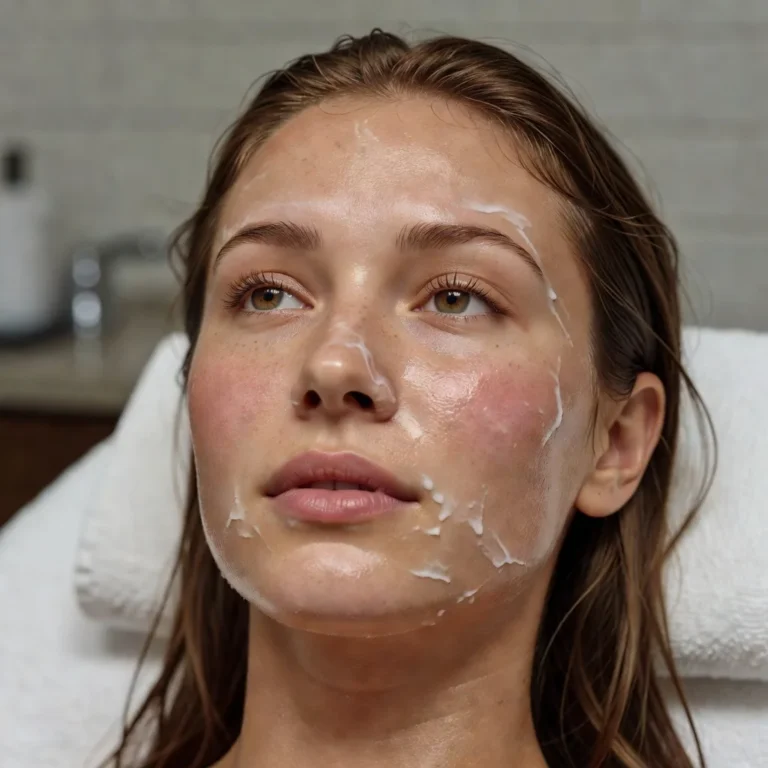
Peeling usually starts three to eight days after the burn. It can be patchy, especially on the nose, forehead and cheeks, and the new skin underneath may look shiny, pink or slightly lighter. This is normal healing.
- Leave loose flakes alone or trim them gently with clean scissors rather than pulling.
- Do not scrub or use exfoliating acids to speed peeling up.
- Keep the area moisturised to reduce tightness and itching.
- Expect the new skin to be more sensitive to sun, wind and products for a few weeks.
Pulling off peeling skin exposes raw skin, increases inflammation and raises the chance of dark marks. Our article on facial peeling after product use explains how barrier damage from different causes heals.
How to Care for Facial Skin During and After a Sunburn
The first days matter most. Reducing inflammation early can lower the risk of lasting discoloration.
Get out of the sun
Move indoors or into shade as soon as you notice burning. Redness often keeps developing for several hours.
Cool the skin
Use cool, not icy, compresses or a cool shower for a few minutes at a time. Pat the skin dry gently.
Soothe and moisturise
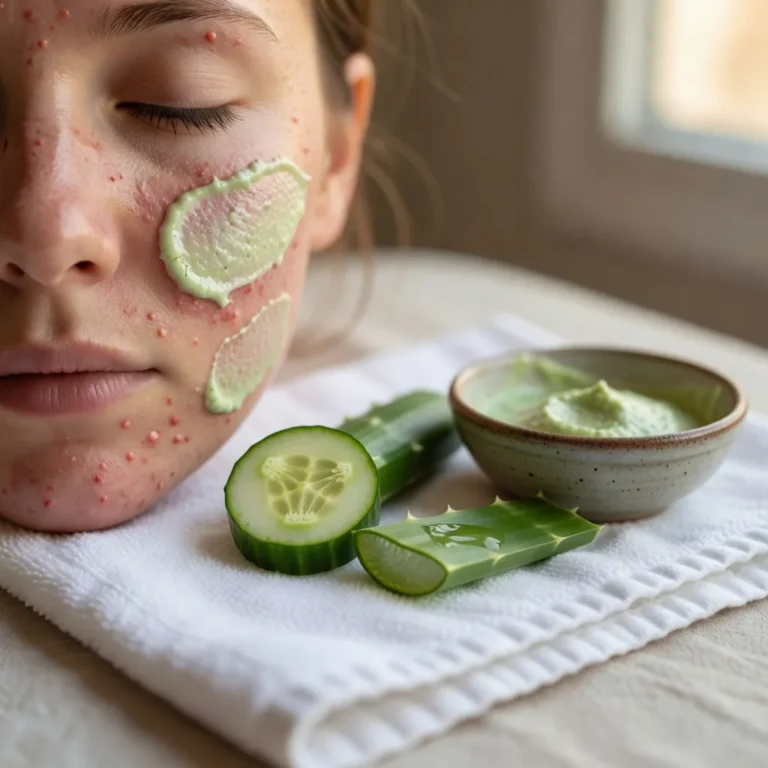
Apply a plain aloe vera gel or a gentle, fragrance-free moisturiser while the skin is slightly damp. Reapply often.
Stop actives
Pause retinoids, exfoliating acids, vitamin C and scrubs until the skin has stopped peeling and no longer stings.
Drink water and consider pain relief
Sunburn draws fluid to the skin surface. If needed and suitable for you, an over-the-counter anti-inflammatory can ease pain; check with a pharmacist.
Protect while healing
Stay out of strong sun. When you do go out, wear a wide-brimmed hat and a gentle mineral sunscreen once the skin is no longer raw.
Keep aloe vera gel in the fridge for extra cooling, and choose one without added fragrance, alcohol or colour to reduce the chance of stinging.
What to Avoid on a Sunburned Face
Worth Doing
- Use lukewarm water and a mild cleanser.
- Moisturise several times a day while the skin feels tight.
- Wear a hat and seek shade for the next few weeks.
- Choose soft cotton pillowcases and wash them often.
- Reintroduce actives slowly, one at a time.
Skip It
- Do not pop blisters; they protect the skin underneath.
- Do not use products with fragrance, menthol or high alcohol.
- Avoid petroleum-heavy occlusives on a fresh, hot burn; they can trap heat.
- Do not exfoliate peeling skin or use peels.
- Do not use numbing creams with benzocaine or lidocaine unless advised.
Plain petrolatum becomes useful later for dry, peeling patches once the heat has gone, but on the first day lighter gels and lotions tend to feel more comfortable.
How to Fade Dark Patches After the Burn Heals
Once the skin has stopped peeling and no longer stings, usually after one to three weeks, you can start treating lingering darkness. Go slowly, because newly healed skin is easily irritated, and irritation creates more pigment.
| Ingredient | How it may help | How to start |
|---|---|---|
| Niacinamide | Reduces pigment transfer to skin cells and supports the barrier | Once daily, usually well tolerated |
| Vitamin C | Antioxidant that can brighten and help reduce pigment formation | Morning, under sunscreen; lower strength first |
| Azelaic acid | Calms inflammation and can reduce excess pigment | A few times a week at first |
| Retinoids | Speed skin renewal so pigmented cells shed sooner | Later, once skin is fully calm; start slowly |
| Gentle exfoliating acids | Help shed surface pigment | Only after skin tolerates other steps |
Results take time, usually at least eight to twelve weeks of consistent use. Use only one new active at a time, patch test it on the jawline for a few days, and stop if the skin stings, reddens or peels, because that irritation can deepen the very marks you are trying to fade. The article on niacinamide and its skin benefits explains why it is a common first choice for sensitive, pigment-prone skin.
Why Sunscreen Is the Most Important Step
Pigment that is exposed to more ultraviolet light keeps darkening, so no serum will work well without daily sun protection. Visible light can also darken pigmentation in some people, which is why tinted mineral sunscreens containing iron oxides are often suggested for those prone to dark patches.
- Use a broad-spectrum sunscreen of SPF 30 or higher every morning, even on cloudy days.
- Apply enough to cover the whole face, ears and neck.
- Reapply every two hours outdoors and after sweating or swimming.
- Add a hat and sunglasses for long days outside.
The American Academy of Dermatology’s guide on how to apply sunscreen explains how much to use, and the FDA’s page on sunscreen and how to protect your skin describes what broad spectrum means.
Preventing Sunburn and Future Discoloration
Preventing the next burn is far easier than fading the marks it leaves. Plan outdoor time around the strongest sun in the middle of the day, check the UV index, and treat sunscreen as a daily habit rather than a holiday product. Remember that water, sand and snow reflect ultraviolet light, and that some medicines and skincare ingredients, such as retinoids and some antibiotics, make skin burn more easily.
If you are prone to pigmentation, protection matters year-round. Many people find their marks fade in winter and return each summer, which is a sign that sun exposure is still driving them. Keeping a hat and a small sunscreen in your bag, and reapplying at lunchtime on sunny days, closes most of the gaps where burns happen. Shade from trees and umbrellas helps, but it does not block reflected light, so it works best combined with sunscreen and clothing.
Sunburn Discoloration in Different Skin Tones
Everyone can burn, including people with deep skin tones, although burning may look less red and feel more like soreness, tightness or itching. How the skin changes colour afterwards differs a lot between skin types, and that affects how you should treat it.
- Fair skin tends to show lingering pinkness, new freckles and a sharp tan line, and burns more quickly.
- Olive and medium skin often develops brown patches and uneven tan that can last for months.
- Deep skin is more likely to develop dark grey-brown post-inflammatory marks that fade slowly.
- People with a history of melasma may see existing patches darken within days of sun exposure.
For medium and deeper skin tones, irritation is the main enemy. Strong peels, high-strength acids or aggressive scrubbing can create new dark marks on top of the old ones, so gentle, consistent care usually works better than fast, harsh fixes. The same applies to lasers and in-clinic peels, which should only be done by experienced professionals who treat your skin type regularly.
Sunburn Symptoms That Need Medical Care
Seek medical help for sunburn with large or widespread blisters, severe pain, swelling of the face or eyes, fever, chills, headache, confusion, dizziness or signs of infection such as pus or spreading redness. These can indicate severe sunburn or heat illness.
Children and older adults are more vulnerable to the effects of severe sunburn and dehydration, so get advice early if they are unwell.
Honest Limits
There is no product that instantly erases sunburn discoloration. Most fading comes from time, natural skin renewal and avoiding more sun, with skincare ingredients playing a supporting role. Aloe vera and moisturisers make a burn more comfortable but do not reverse the DNA damage underneath. Deep or long-standing pigmentation, including melasma, can take many months and may need prescription creams or professional treatments. And some sun damage, such as new freckles and early sun spots, may never fully disappear.
When to See a Dermatologist
- Dark patches have not improved after three months of careful sun protection.
- Pigmentation keeps spreading on the cheeks, forehead or upper lip.
- A spot is new, changing, irregular in colour or shape, bleeding or not healing.
- You burn easily or have had several blistering sunburns.
- Over-the-counter products irritate your skin.
This article is for general information and does not replace professional medical advice. See a doctor for severe sunburn and a board-certified dermatologist for persistent pigmentation or any changing spot.
Common Questions
Why is my face darker after sunburn?
Inflammation and sun trigger extra melanin, leaving darker patches.
Will sunburn discoloration go away?
Most fades over weeks to months with sun protection.
Why is my skin lighter after peeling?
New skin has less pigment at first and usually evens out.
Should I peel off sunburned skin on my face?
No, let it shed on its own.
Is aloe vera good for facial sunburn?
It can soothe; choose a plain, fragrance-free gel.
When can I use vitamin C after sunburn?
After peeling stops and the skin no longer stings.
Can niacinamide help post-sunburn spots?
It may help pigment fade gradually.
Does sunburn cause melasma?
Sun can trigger or worsen melasma in people prone to it.
How long does sunburn peeling last on the face?
Usually about a week.
Can I wear makeup on a sunburned face?
Best to avoid it until the skin is less sore.
The Takeaway
Facial discoloration after sunburn is common and usually comes from peeling and post-inflammatory hyperpigmentation, and most of it fades with time.
Soothe the burn gently, let peeling skin shed, wait until it heals before using brightening ingredients and make daily broad-spectrum sunscreen a habit so the marks fade and new ones do not form.

Written by
Registered pharmacist and founder of Facial Adviser. Rakib's pharmacy training covers how skincare actives work and interact; a later course in cosmetology turned that into a focus on facial treatments and skincare products. He plans, researches and edits every guide on the site and checks health claims against sources such as the American Academy of Dermatology, the FDA and the NIH. He is not a dermatologist; see the Editorial Policy and Medical Disclaimer.
About · Editorial policy · How we choose products · Medical disclaimer · Contact
Keep reading: Redness, puffiness and uneven tone
- How to Calm Inflamed Red Patches on Your Face
- Facial Swelling in the Morning: Common Reasons and When to Worry
- What to Eat to Remove Dark Spots on Your Face
- Itchy Face After a Facial? Common Reasons and What to Do
- Facial Swelling That Gets Worse in the Evening: Possible Causes
- What Causes Your Face to Look Tired All the Time? Causes and Real Fixes
- How Can I Make My Pores Less Visible?
- Are Facials Good for Acne?