Day Cream vs Day Lotion for Your Face: Which Texture Does Your Skin Need?
Walk down any skincare aisle and you will see day creams in heavy jars and day lotions in slim pumps, often from the same brand, with nearly identical claims on the front. It is fair to wonder whether the difference is real or just packaging.
Part of our guide to skincare products. Start with: 10 Best Facial Moisturizers for Dry Skin (2026): Rich, Gentle Creams
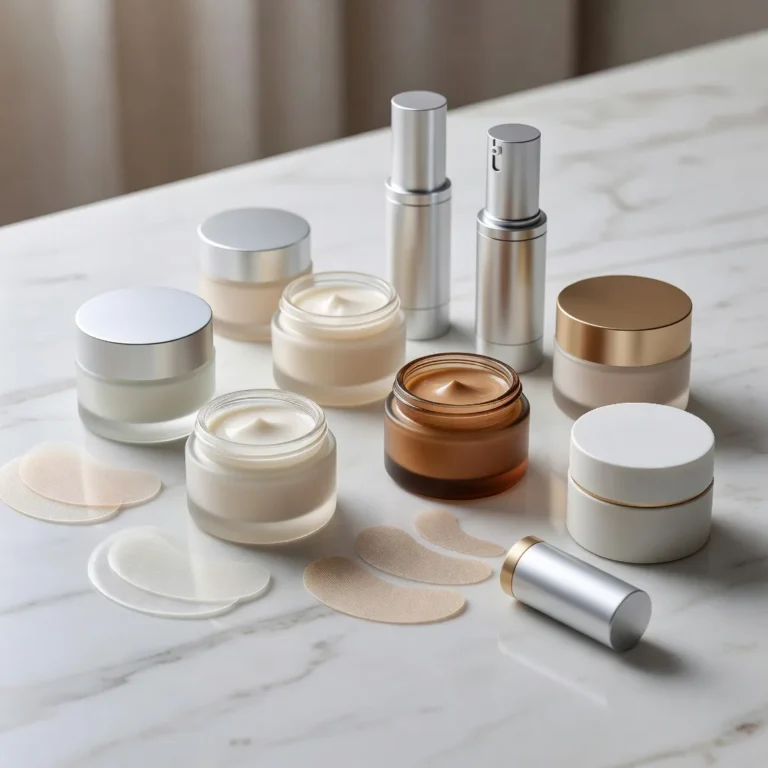
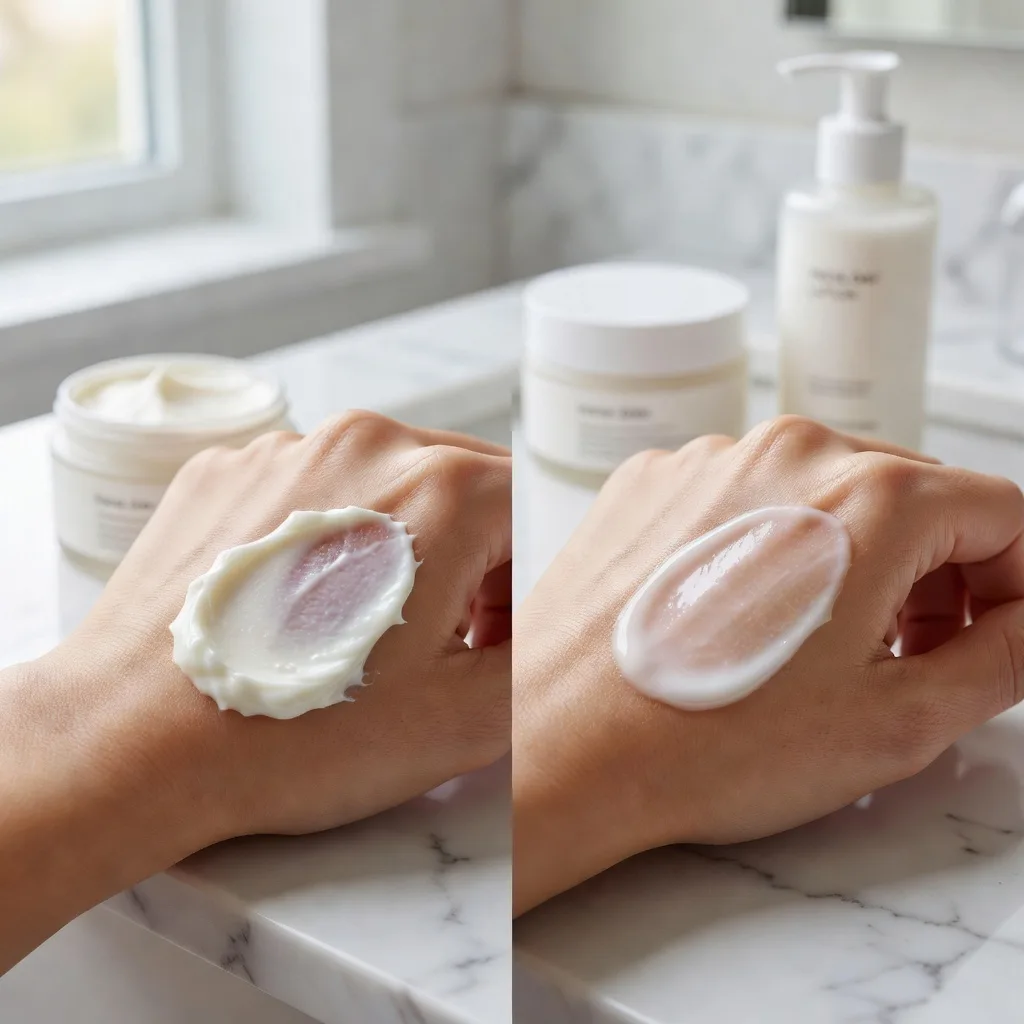
The real difference is texture, which comes down to how much oil and water the formula contains. Day lotions have more water and less oil, so they feel light and absorb quickly. Day creams have more oil and emollients, so they feel richer and leave a more protective layer on the skin.
Neither is better in general. A lotion tends to suit oily, combination, and acne-prone skin, as well as hot, humid weather. A cream tends to suit dry, mature, or barrier-damaged skin, and cold, dry weather. Many people switch between the two as the seasons change. Your age, your climate, and any treatments you use all play a part in which texture feels right.
What matters even more than texture during the day is sun protection. Whichever you choose, it should either contain broad-spectrum SPF 30 or higher, or be followed by a separate sunscreen. Daily sunscreen is the most proven anti-aging step in any routine.
This guide explains how the two formulas differ, gives you a simple blotting test to identify what your skin needs, compares cream and lotion side by side, and covers when a moisturizer problem is really a skin condition that needs a doctor.
Shopping these picks?
Amazon Prime members get fast, free shipping on eligible items, plus Prime Video, Amazon Music and member deals. New members can start with a free trial.
Start a free Prime trialAged 18 to 24? Prime for Young Adults comes with a longer free trial and a lower price after it.
Affiliate link: we may earn a commission at no extra cost to you.
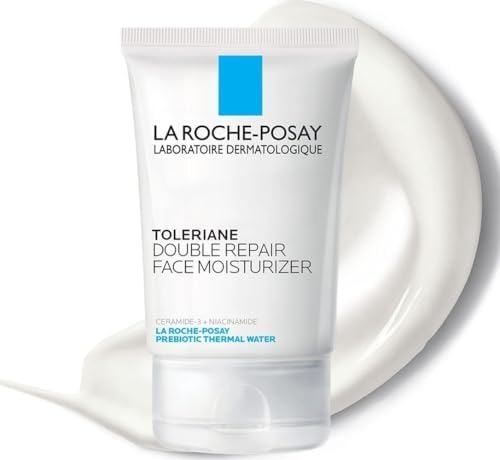
Recommended Day Creams and Day Lotions
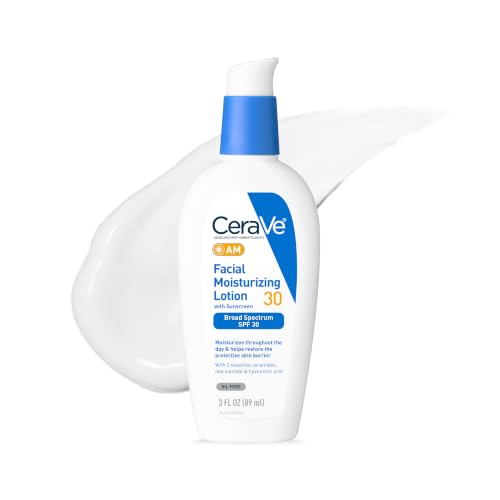
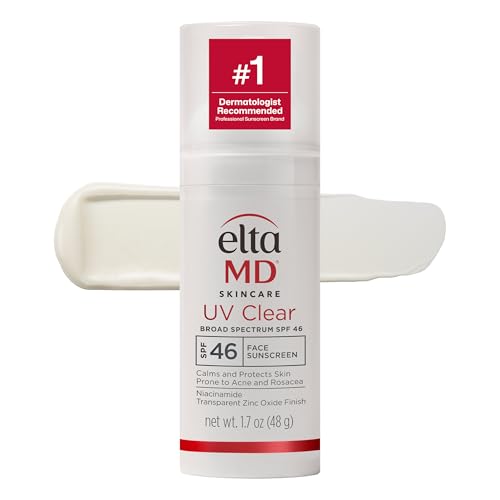


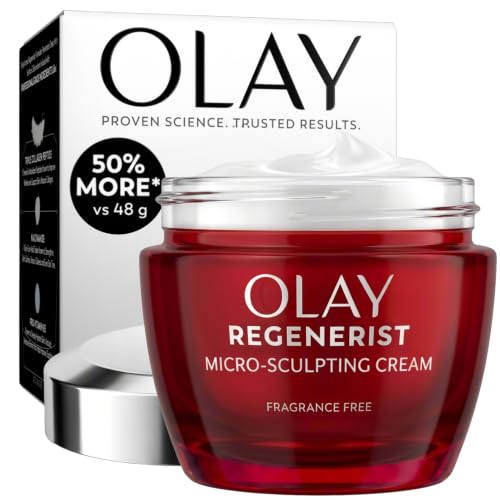
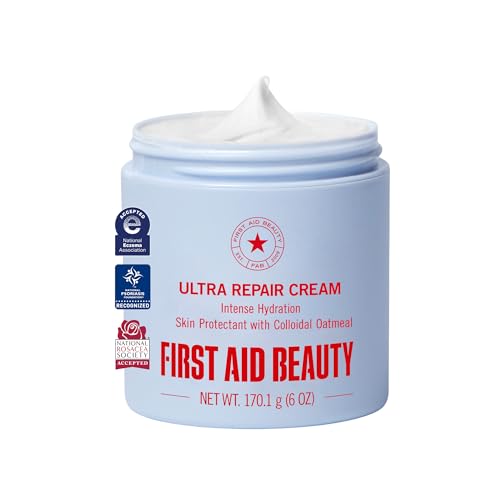
The Short Version
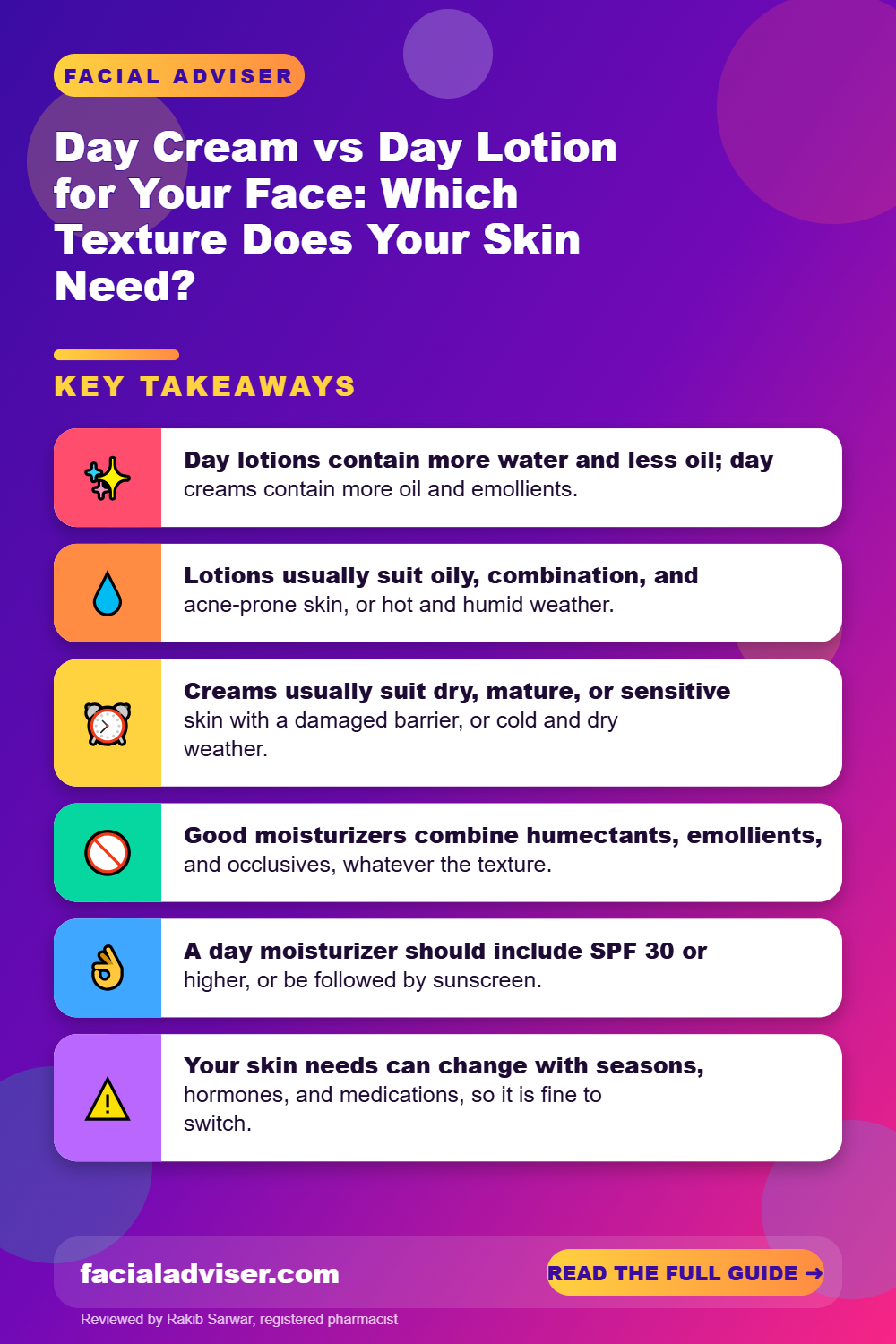
- Day lotions contain more water and less oil; day creams contain more oil and emollients.
- Lotions usually suit oily, combination, and acne-prone skin, or hot and humid weather.
- Creams usually suit dry, mature, or sensitive skin with a damaged barrier, or cold and dry weather.
- Good moisturizers combine humectants, emollients, and occlusives, whatever the texture.
- A day moisturizer should include SPF 30 or higher, or be followed by sunscreen.
- Your skin needs can change with seasons, hormones, and medications, so it is fine to switch.
- Persistent dryness, flaking, or stinging despite moisturizing may point to a skin condition.
Jump to a Section
- What Actually Separates a Cream From a Lotion
- The Three Ingredient Types Every Moisturizer Needs
- The Blotting Test: Find Your Texture in One Day
- Day Cream vs Day Lotion Side by Side
- Why SPF Matters More Than Texture
- Choosing by Skin Type and Situation
- How to Layer Your Morning Routine
- What a Day Moisturizer Cannot Do
- When Dryness or Irritation Needs a Doctor
- Your Questions, Answered
- Final Word
What Actually Separates a Cream From a Lotion
Most facial moisturizers are emulsions, meaning mixtures of water and oil held together by emulsifiers. The ratio of water to oil is what makes one product feel like a lotion and another like a cream.
Lotions are usually oil-in-water emulsions with a high water content. They spread easily, sink in quickly, and leave little residue. Creams contain more oil and thicker ingredients such as shea butter, fatty alcohols, or petrolatum, which makes them feel richer and stay on the surface longer.
Gels sit at the lightest end, with little or no oil, while balms and ointments sit at the heaviest. Day products tend to be lighter than night products because they need to sit comfortably under sunscreen and makeup.
Packaging can hint at texture too. Creams often come in jars or tubes because they are too thick to pump easily, while lotions usually come in pumps or bottles. Jars expose the product to air and fingers each time you open them, so a pump or tube is generally more hygienic and helps protect sensitive ingredients such as antioxidants.
If you are also wondering whether a face product and a body product can be swapped, our guide to facial moisturizer vs body lotion covers that question.
The Three Ingredient Types Every Moisturizer Needs
Dermatology reviews, including a 2017 review by Purnamawati and colleagues in Clinical Medicine and Research, describe three main groups of moisturizing ingredients. Good day creams and lotions usually include some of each.
- Humectants draw water into the outer layer of skin. Examples include glycerin, hyaluronic acid, urea, and panthenol.
- Emollients fill gaps between skin cells to make skin feel smooth and soft. Examples include ceramides, squalane, and fatty acids.
- Occlusives form a thin film that slows water loss. Examples include petrolatum, dimethicone, and shea butter.
Lotions lean more on humectants and light emollients. Creams include more emollients and occlusives. That is why a cream can feel more protective on dry skin, while a lotion can feel more comfortable on oily skin.
Hyaluronic acid works best on damp skin. Apply your moisturizer within a minute or two of cleansing or misting, so humectants have water to hold onto.
The Blotting Test: Find Your Texture in One Day
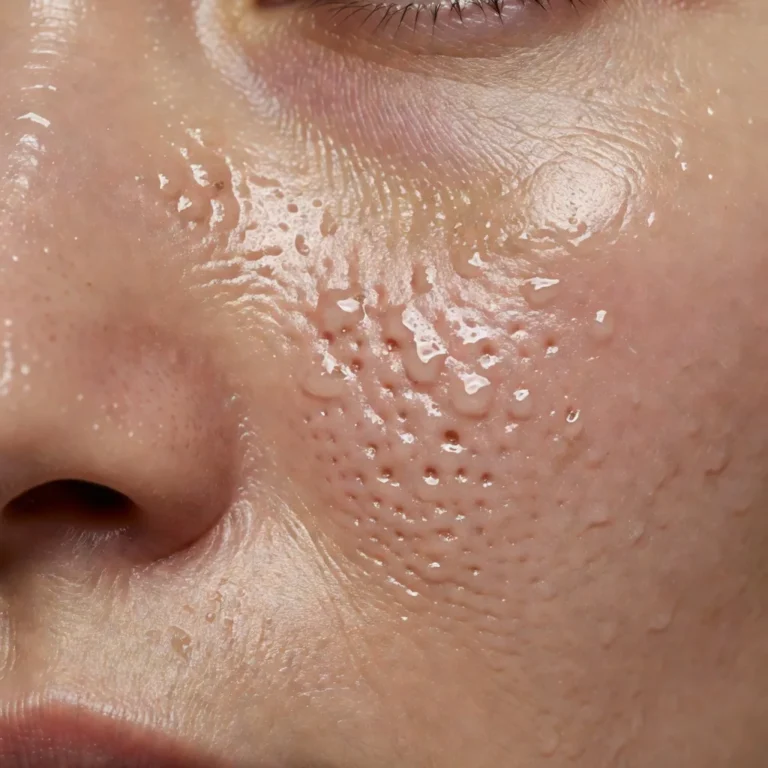
This simple test helps you see how much oil your skin makes on its own, which is the best clue to whether you need a cream or a lotion.
Wash and wait
Cleanse your face with a gentle cleanser in the morning, pat dry, and apply nothing else. Wait about one hour.
Blot five zones
Press a clean blotting paper or tissue on your forehead, nose, chin, and each cheek for a few seconds.
Read the paper
Hold each paper to the light. Oil on every zone suggests oily skin. Oil only on the forehead, nose, and chin suggests combination skin. Little or no oil suggests normal to dry skin.
Check how your skin feels
Notice whether your face feels tight, rough, or itchy. Tightness and flaking point to dry skin that will prefer a cream.
Match your texture
Oily or combination skin usually does best with a lotion or gel. Normal skin can use either. Dry, tight, or flaky skin usually does best with a cream.
Repeat the test when the seasons change. Many people who need a lotion in summer do better with a cream in winter.
Day Cream vs Day Lotion Side by Side
| Feature | Day cream | Day lotion |
|---|---|---|
| Texture | Thicker, richer | Thinner, lighter |
| Oil content | Higher | Lower |
| Absorption | Slower, leaves a protective layer | Fast, little residue |
| Best skin types | Dry, mature, sensitive | Oily, combination, acne-prone |
| Best climate | Cold, dry, windy | Hot, humid |
| Under makeup | Can feel heavy for some | Usually sits well |
| Pore-clogging risk | Higher for acne-prone skin if very rich | Lower, especially if non-comedogenic |
If you are between skin types, a lotion in the morning and a cream at night is a common and sensible compromise.
Why SPF Matters More Than Texture
During the day, your moisturizer has a second job: supporting sun protection. The American Academy of Dermatology recommends a broad-spectrum sunscreen with SPF 30 or higher for daily use on exposed skin.
A day cream or lotion with SPF 30 can do both jobs in one step, but only if you apply enough. Most people use far less moisturizer than the amount used in SPF testing, so their real protection is lower than the label suggests. If you use a moisturizer with SPF, be generous, or add a separate sunscreen on top.
If your moisturizer has no SPF, apply it first, let it settle for a minute, then apply sunscreen as the final step before makeup.
SPF 15 is not enough for daily facial protection by current dermatology guidance. Look for broad spectrum and SPF 30 or higher on your day product or sunscreen.
Choosing by Skin Type and Situation
Good Habits
- Choose a gel or light lotion for oily and acne-prone skin.
- Choose a ceramide cream for dry or eczema-prone skin.
- Look for fragrance-free if your skin is sensitive.
- Switch to a richer texture in winter or after travel.
- Use a light layer and add more only to dry patches.
Common Mistakes
- Pile on a heavy cream if you break out easily.
- Assume oily skin does not need moisturizer.
- Rely on a moisturizer with SPF 15 for sun protection.
- Use a new product on your whole face without patch testing.
- Mix too many active ingredients in one routine.
Life changes can shift your needs too. Retinoids, acne treatments, pregnancy, and menopause often make skin drier, so a lotion that used to be enough may need to be swapped for a cream. Our guide to starting retinol smoothly explains how a richer moisturizer can help.
If your skin is dry but also acne-prone, look for a cream labeled non-comedogenic with ceramides and glycerin rather than heavy butters and oils.
How to Layer Your Morning Routine
The general rule is thinnest to thickest. Cleanse, apply any water-based serum, then your day lotion or cream, then sunscreen if your moisturizer does not include it, and finally makeup.
Give each step about a minute to settle so products do not pill or slide. If your moisturizer and sunscreen seem to ball up, try using less of each or switching to formulas with a similar base.
Facial oils usually go after a lotion but before sunscreen, or can be mixed into a cream. Our guide to facial oil vs serum explains the order in more detail.
If your skin feels different on different parts of the face, you do not have to choose just one product. Some people use a light lotion all over and press a little cream onto dry cheeks or around the mouth, which is a simple way to manage combination skin without buying a separate routine.
What a Day Moisturizer Cannot Do
No moisturizer, however rich or expensive, can permanently change your skin type, erase deep wrinkles, or treat acne on its own. A moisturizer supports your skin barrier and keeps it comfortable.
| Label claim | What to expect |
|---|---|
| Anti-wrinkle day cream | Hydration softens the look of fine lines temporarily |
| Oil-control lotion | Can reduce shine for a few hours, not change oil production |
| 24-hour hydration | Hydration fades with washing, sweating, and weather |
| Dermatologist tested | Means it was tested, not that it suits every skin |
| Richer means better | Too rich can clog pores in oily skin |
If you want visible anti-aging results, the evidence is strongest for daily sunscreen and topical retinoids, not for any particular cream or lotion texture.
When Dryness or Irritation Needs a Doctor
Sometimes a moisturizer that never feels like enough is a sign of a skin condition. See a doctor or dermatologist if you notice:
- Flaking, redness, or itching that lasts more than two weeks despite moisturizing.
- Scaly patches around the nose, eyebrows, or hairline, which may be seborrheic dermatitis.
- Persistent redness, flushing, or bumps on the cheeks, which may be rosacea.
- Stinging or burning with almost every product you try.
- Rough, thick, or scaly spots that do not heal, especially on sun-exposed skin.
- A rash, swelling, or hives after using a new product.
Medical disclaimer: This article is for general information and is not a substitute for professional medical advice. See a healthcare provider for skin symptoms that persist or worsen.
Your Questions, Answered
What is the difference between a day cream and a day lotion?
A day cream contains more oil and feels richer. A day lotion contains more water and feels lighter.
Is a day cream or lotion better for oily skin?
A lotion or gel is usually better, since it adds hydration without much oil.
Is a day cream or lotion better for dry skin?
A cream is usually better, because extra emollients and occlusives help reduce water loss.
Can I use a night cream during the day?
You can, but night creams are often heavier and lack SPF, so add sunscreen and check it sits well under makeup.
Do I need SPF in my day moisturizer?
You need SPF 30 or higher somewhere in your morning routine, either in your moisturizer or as a separate sunscreen.
Can I use both a cream and a lotion?
Yes. Many people use a lotion in the morning and a cream at night, or switch by season.
Will a day cream clog my pores?
Very rich creams can clog pores in acne-prone skin. Look for non-comedogenic formulas.
How much moisturizer should I use?
About a pea-sized to nickel-sized amount for the face, more if it includes SPF and you rely on it for protection.
Should I apply moisturizer on damp or dry skin?
Slightly damp skin helps humectants such as hyaluronic acid hold more water.
Why does my skin still feel dry after moisturizing?
Your product may be too light, your cleanser too harsh, or you may have a skin condition that needs a doctor.
Final Word
The difference between a facial day cream and a day lotion is mainly texture: creams hold more oil and feel richer, lotions hold more water and feel lighter. Lotions tend to suit oily and combination skin and hot weather, while creams tend to suit dry, mature, or sensitive skin and cold weather.
Use the blotting test to find your starting point, switch textures as your skin and the seasons change, and make sure your morning routine includes broad-spectrum SPF 30 or higher. If dryness or irritation persists no matter what you use, it is worth a visit to a dermatologist.

Written by
Registered pharmacist and founder of Facial Adviser. Rakib's pharmacy training covers how skincare actives work and interact; a later course in cosmetology turned that into a focus on facial treatments and skincare products. He plans, researches and edits every guide on the site and checks health claims against sources such as the American Academy of Dermatology, the FDA and the NIH. He is not a dermatologist; see the Editorial Policy and Medical Disclaimer.
About · Editorial policy · How we choose products · Medical disclaimer · Contact
Keep reading: Moisturisers and face oils
- 10 Best Facial Moisturizers for Dry Skin (2026): Rich, Gentle Creams
- Skincode Exclusive Cellular Night Refine and Repair Cream: Is It Worth It?
- 10 Best Facial Moisturisers for Oily Skin (2026): Shine-Free Hydration
- 10 Best Facial Moisturisers for Very Dry Skin (2026): Lasting Comfort
- 10 Best Creams for Facial Eczema (2026): Calm, Barrier-First Picks
- 10 Best Facial Oils for Acne-Prone Skin (2026): Light, Low-Clog Picks
- What Does a Facial Toner Do? The Real Answer
- 10 Best Facial Cleansers for Combination Skin (2026): Balanced Picks