What Is Lipstick Made Of? Waxes, Oils, Pigments, Scent and Allergens
A lipstick looks simple: a smooth stick of colour in a tube. Inside, it is a carefully balanced mix of ingredients that has to stay solid in a warm handbag, glide on easily, cling to moving lips and stay safe when some of it is inevitably swallowed.
Part of our guide to makeup how-to. Start with: How to Choose Lipstick Shade: Undertone, Skin Tone and Testing Tips
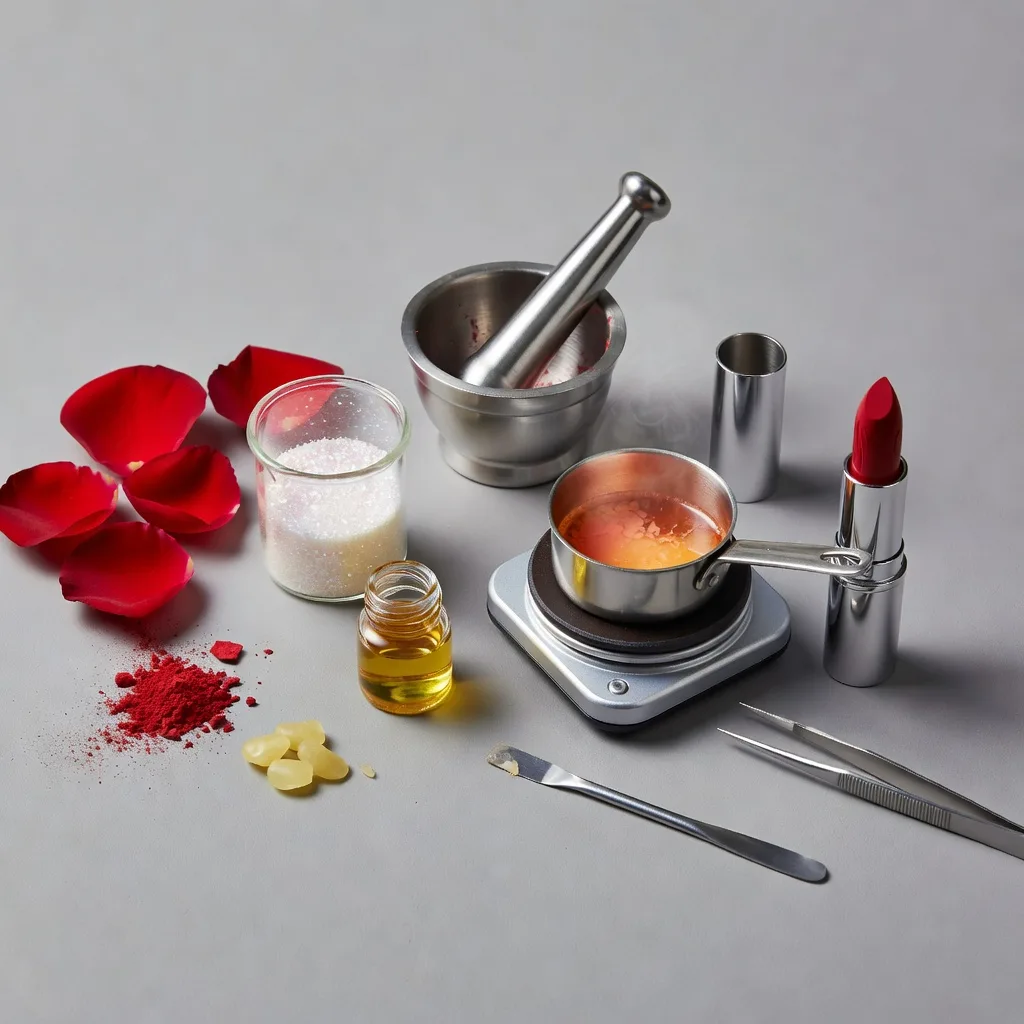
Lipstick is made mainly of three groups of ingredients: waxes, oils and pigments. Waxes such as beeswax, candelilla, carnauba or microcrystalline wax give the stick its shape and help it hold together. Oils and butters such as castor oil, jojoba, shea or synthetic esters make it glide and add shine and comfort. Pigments such as iron oxides, titanium dioxide, approved dyes and lakes, and mica give the colour and any shimmer. Smaller amounts of emollients, preservatives, antioxidants, fragrance or flavour and sometimes sunscreen filters or film-formers complete the formula. The exact balance decides whether a lipstick is matte, satin or glossy.
In short: lipstick is wax for structure, oil for glide and pigment for colour, plus a few extras.
The US Food and Drug Administration regulates colour additives in lip products and has recommended a maximum lead level for lipsticks, noting that almost all lip products it tested fall well below that limit.
This guide breaks down each ingredient group, explains why lipstick often has a scent or flavour, lists common allergens and shows how to read the label so you can choose a formula that suits your lips.
Shopping these picks?
Amazon Prime members get fast, free shipping on eligible items, plus Prime Video, Amazon Music and member deals. New members can start with a free trial.
Start a free Prime trialAged 18 to 24? Prime for Young Adults comes with a longer free trial and a lower price after it.
Affiliate link: we may earn a commission at no extra cost to you.
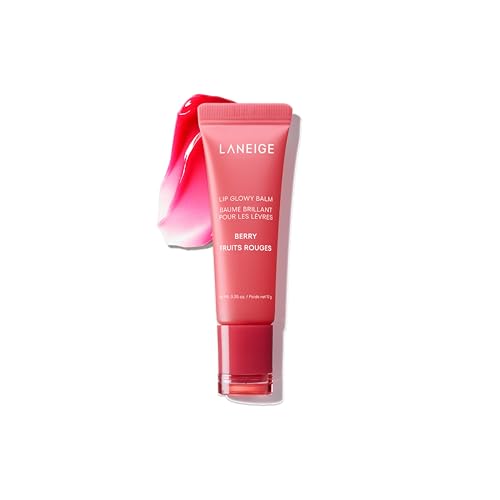
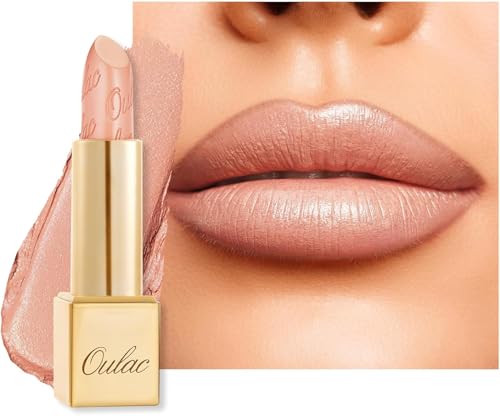
Recommended Lipsticks and Tinted Lip Balms



On This Page
- The Main Ingredients in Lipstick at a Glance
- Waxes: What Holds Lipstick Together
- Oils, Butters and Emollients: Glide and Comfort
- Pigments, Dyes and Lakes: Where the Colour Comes From
- Why Does Lipstick Have a Scent or Flavour?
- Common Lipstick Allergens and Irritants
- Is Lipstick Safe to Swallow? Lead and Contaminants
- How to Read a Lipstick Ingredient List
- Clean, Natural and Fragrance-Free Lipsticks
- Dos and Don’ts
- Honest Limits
- When to See a Dermatologist
- Questions People Ask
- Summing Up
At a Glance
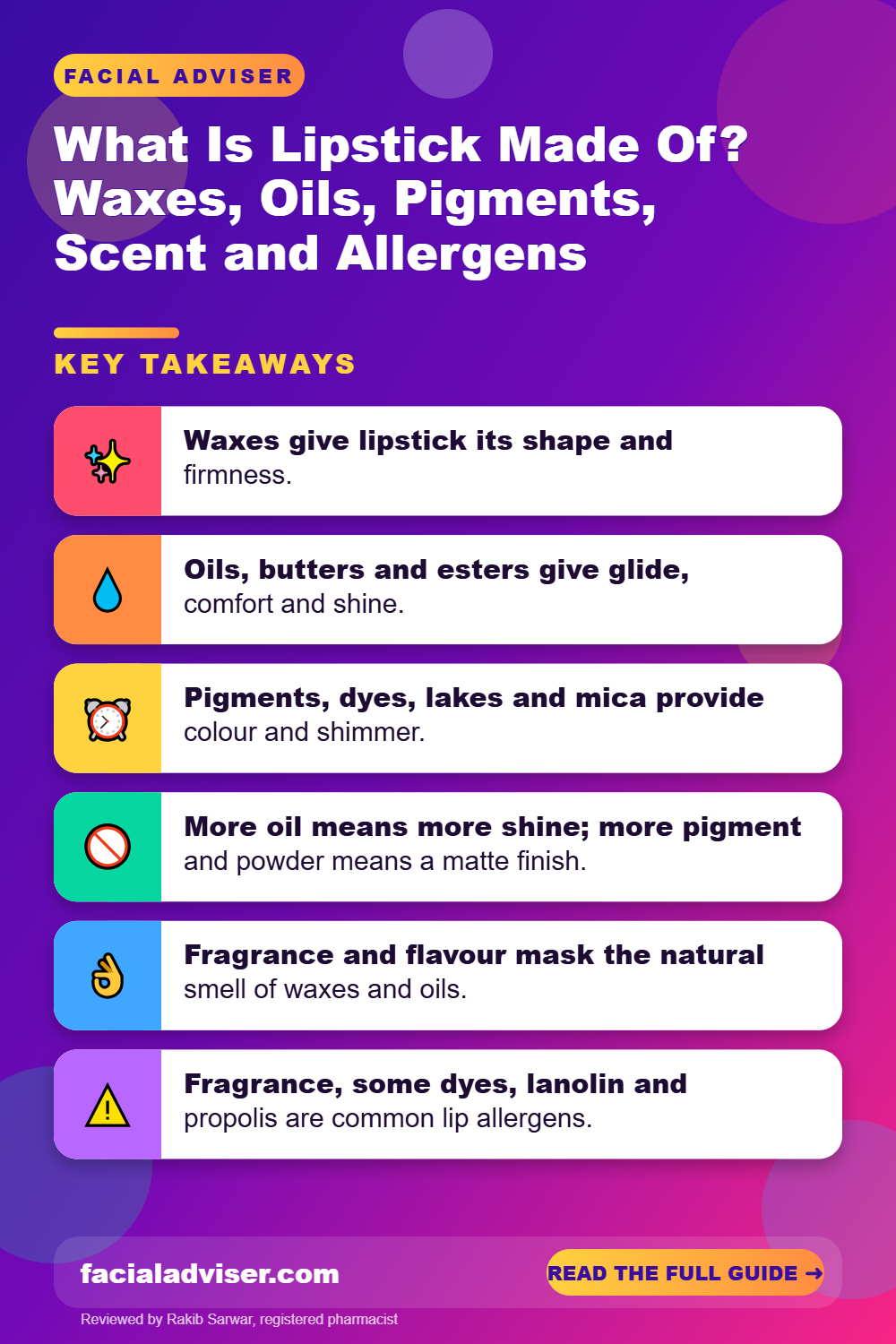
- Waxes give lipstick its shape and firmness.
- Oils, butters and esters give glide, comfort and shine.
- Pigments, dyes, lakes and mica provide colour and shimmer.
- More oil means more shine; more pigment and powder means a matte finish.
- Fragrance and flavour mask the natural smell of waxes and oils.
- Fragrance, some dyes, lanolin and propolis are common lip allergens.
- Fragrance-free and tinted balm options suit sensitive lips.
The Main Ingredients in Lipstick at a Glance
Lipstick formulas vary between brands and finishes, but almost all use the same building blocks. The table shows what each group does and common examples you might see on a label.
| Ingredient group | What it does | Common examples |
|---|---|---|
| Waxes | Structure, firmness, heat resistance | Beeswax, candelilla, carnauba, ozokerite, microcrystalline wax |
| Oils and butters | Glide, shine, comfort | Castor oil, jojoba, shea butter, cocoa butter, lanolin |
| Synthetic emollients | Smooth feel, less greasiness | Esters such as octyldodecanol and isopropyl esters |
| Pigments and colourants | Colour and opacity | Iron oxides, titanium dioxide, red 7 lake, carmine |
| Shimmer | Sparkle and glow | Mica, pearl pigments, synthetic fluorphlogopite |
| Fillers and powders | Matte finish, texture | Silica, talc, clay-type powders |
| Preservatives and antioxidants | Stop rancidity and spoilage | Tocopherol, BHT, parabens, phenoxyethanol |
| Fragrance and flavour | Mask the base smell, add scent or taste | Fragrance, vanillin, flavour, sweeteners |
| Extras | Special claims | Sunscreen filters, film-formers, peptides, hyaluronic acid |
Most lipsticks contain only a handful of main ingredients in large amounts and many minor ones in small amounts. Ingredients are listed in descending order down to about one per cent, so the first few items tell you most about how a lipstick will feel.
Waxes: What Holds Lipstick Together
Waxes are the skeleton of a lipstick. Without them, the oils and pigments would be a soft paste rather than a stick that you can twist up and apply.
- Beeswax: flexible and creamy, a traditional choice, not suitable for vegan formulas.
- Candelilla wax: plant-based, gives a firm stick and some gloss.
- Carnauba wax: very hard, raises the melting point so the stick survives warm days.
- Microcrystalline wax and ozokerite: mineral-derived, give a smooth, even texture.
- Synthetic waxes: used for consistency and to fine-tune firmness.
The wax blend decides how firm a lipstick is, how well it resists heat and how cleanly it glides. Too much wax gives a hard, draggy stick; too little leads to a soft bullet that bends or breaks. This is why lipsticks left in a hot car can melt or snap, since the wax structure softens above body temperature.
Oils, Butters and Emollients: Glide and Comfort
Oils and emollients make up much of a lipstick and control how it feels. They dissolve or disperse the colour, soften the wax and leave a smooth film on the lips.
- Castor oil: thick and glossy, very common because it holds pigment well and adds shine.
- Jojoba and other plant oils: lighter, add slip and comfort.
- Shea and cocoa butter: add a cushiony, moisturising feel.
- Lanolin: a rich emollient from sheep wool, very softening but a known allergen for some.
- Esters and silicones: give a smooth, non-greasy glide and help long-wear formulas.
The ratio of oil to pigment and powder sets the finish. Glossy and satin lipsticks carry more oil, while matte lipsticks use less oil and more pigment and fillers. Our guide on what matte lipstick is explains how that balance affects dryness and wear time.
Pigments, Dyes and Lakes: Where the Colour Comes From
Colour in lipstick comes from a mix of mineral pigments, organic colourants and shimmer particles. Each behaves slightly differently on the lips.
| Colour type | How it works | Examples | Notes |
|---|---|---|---|
| Mineral pigments | Insoluble particles that sit on the lips | Iron oxides, titanium dioxide | Stable, opaque, give reds, browns and pinks |
| Dyes | Dissolve and can stain the lips | Some reds and pinks | Help long-lasting tints |
| Lakes | Dyes bound to a mineral base so they do not bleed | Red 7 lake, yellow 5 lake | Very common in bright shades |
| Carmine | Red colour from cochineal insects | Carmine, CI 75470 | Not vegan; rare allergen |
| Shimmer | Reflects light | Mica, pearl pigments | Adds glow; more shimmer means less matte |
Colour additives used in lip products are regulated, and only approved ones can be used. Our guide on the difference between pigment and dye goes deeper into how these colour types behave.
Why Does Lipstick Have a Scent or Flavour?
Many people notice that lipsticks smell sweet, vanilla-like or floral. This is not just for pleasure. Waxes and oils have their own natural smell, which can be waxy, crayon-like or slightly stale, and they can develop a rancid note as they age.
- Masking: fragrance or flavour covers the base smell of waxes and oils.
- Taste: lips are close to the mouth, so a neutral or pleasant taste makes wearing lipstick nicer.
- Brand identity: some brands use a signature scent across a range.
- Freshness cues: a pleasant smell makes the product feel cared for.
- Sweeteners: some formulas add small amounts of sweetener for taste.
A change in smell is a useful warning. If a lipstick starts to smell sour, crayon-like or like old cooking oil, the oils may have gone rancid. It is time to replace it, even if the colour still looks fine.
Scent and flavour are optional. Fragrance-free lipsticks exist and are a good choice for sensitive lips, although they may have a faint natural smell of their base ingredients.
Common Lipstick Allergens and Irritants
Most people wear lipstick without problems, but the lips are sensitive and some ingredients are known to cause allergic contact reactions or irritation in a minority of people.
- Fragrance and flavour: the most common trigger, including cinnamon, peppermint and vanilla-type flavours.
- Some colour additives: occasional reactions to certain dyes and to carmine.
- Lanolin: a rich emollient that some people react to.
- Propolis and beeswax derivatives: a known cause of lip allergy in sensitive people.
- Preservatives and antioxidants: reactions are uncommon but possible.
- Sunscreen filters: some chemical filters in SPF lip products can irritate.
Reactions usually show as dry, scaly, itchy or swollen lips, sometimes with redness spreading beyond the lip line. Because the symptoms look like ordinary chapping, lip allergy is often missed. Our guide on how to read a cosmetic ingredient list helps you spot these ingredients on a label.
Stop using a lip product that causes swelling, blistering, burning or a rash, and seek urgent medical help if you notice swelling of the tongue or throat or difficulty breathing.
Is Lipstick Safe to Swallow? Lead and Contaminants
Everyone swallows small amounts of lipstick when eating, drinking and licking their lips. That is why lip products are made only with ingredients and colour additives allowed for use on the lips.
Concerns about lead in lipstick have circulated for years. The FDA page on lead in cosmetics reports that the lip products it tested contained lead at very low levels and recommends that manufacturers keep lead in lip products at no more than 10 parts per million. Trace amounts can come from natural minerals and pigments rather than being added on purpose.
- Buy lipstick from reputable sellers, since counterfeit products may not meet safety standards.
- Keep lipstick away from young children, who may eat it.
- Replace lipsticks that smell off, change texture or look mouldy.
How to Read a Lipstick Ingredient List
Ingredient lists look intimidating, but a few checks tell you a lot about how a lipstick will feel and whether it suits sensitive lips.
Look at the first five ingredients
These make up most of the formula and tell you whether it is oil-heavy, wax-heavy or silicone-based.
Find the waxes
Beeswax, candelilla or carnauba near the top usually means a firm, classic stick.
Check the oils and butters
Castor oil, shea or jojoba high on the list suggests a creamy, comfortable feel.
Scan for fragrance and flavour
Look for fragrance, parfum, aroma or flavour if you have sensitive lips.
Check the colour additives
They usually appear at the end, often with CI numbers or names such as red 7 lake.
Note any known triggers
Avoid lanolin, propolis, carmine or specific dyes if you have reacted to them before.
Patch test first
Apply a little to the inner arm or lip border for a few days before wearing it fully.
If you want colour with fewer ingredients, try a fragrance-free tinted lip balm. It usually contains a simple base of wax, oil and a small amount of pigment, and is gentler for everyday wear on dry or sensitive lips.
Clean, Natural and Fragrance-Free Lipsticks
Many brands market clean or natural lipsticks. These terms have no fixed legal definition, so what they mean depends on the brand.
- Natural: usually plant waxes and oils, but natural does not mean allergy-free; propolis and essential oils are common triggers.
- Clean: often means certain ingredients are left out, but lists vary between brands.
- Vegan: no beeswax, lanolin or carmine.
- Fragrance-free: no added fragrance or flavour, the most useful label for sensitive lips.
- Unscented: may still contain masking fragrance, so check the list.
Rather than relying on the front label, check the ingredient list itself, and judge a lipstick by how your lips respond over a few days of wear.
Dos and Don’ts
Try This
- Read the first five ingredients
- Choose fragrance-free if your lips are sensitive
- Patch test new formulas
- Store lipstick away from heat
- Replace it if the smell changes
Avoid This
- Assume natural means gentle
- Ignore swelling or burning
- Buy lipstick from unknown sellers
- Share lipstick during a cold sore
- Keep using a lipstick that makes lips peel
Honest Limits
Knowing what lipstick is made of helps you choose, but it cannot predict every reaction. People can react to one ingredient at a tiny concentration, and the same ingredient may be listed under different names. Only a patch test by a dermatologist can confirm a specific allergy.
Skincare extras in lipstick, such as peptides, hyaluronic acid or vitamins, are usually present in small amounts and wear off with the colour, so they should not be relied on to treat dry lips. A plain balm and good habits matter more for lip health than any added active.
When to See a Dermatologist
- Your lips stay dry, scaly or itchy even after switching products.
- You react to several lip products and cannot find the trigger.
- Swelling or blistering appears after using a lipstick.
- You want patch testing to identify a lip allergy.
This article is for general information and does not replace professional medical advice. See a board-certified dermatologist for persistent lip problems or suspected allergies, and get urgent help for swelling of the face, tongue or throat.
Questions People Ask
What is lipstick made of?
Mainly waxes, oils and pigments, plus small amounts of other ingredients.
Which wax is used in lipstick?
Commonly beeswax, candelilla, carnauba and microcrystalline wax.
Why does lipstick smell sweet?
Fragrance or flavour is added to mask the natural smell of the base.
Is lipstick made from animals?
Some contain beeswax, lanolin or carmine; vegan lipsticks do not.
Is carmine in lipstick safe?
It is an approved colour, but a few people are allergic to it.
Does lipstick contain lead?
Tested products contain only trace amounts below FDA guidance.
What is the most common lipstick allergen?
Fragrance and flavour are the most common triggers.
Is fragrance-free lipstick better?
It is a good choice for sensitive or allergy-prone lips.
Is tinted lip balm gentler than lipstick?
Often, because it usually has a simpler formula.
How do I know if my lipstick has gone bad?
A sour or crayon smell, changed texture or mould means replace it.
Summing Up
Lipstick is made mainly of waxes for structure, oils and butters for glide and comfort, and pigments, lakes and mica for colour and shimmer, with fragrance, preservatives and extras in small amounts.
If your lips are sensitive, read the first ingredients, choose fragrance-free formulas or tinted balms, patch test new products and see a dermatologist if reactions keep coming back.

Written by
Registered pharmacist and founder of Facial Adviser. Rakib's pharmacy training covers how skincare actives work and interact; a later course in cosmetology turned that into a focus on facial treatments and skincare products. He plans, researches and edits every guide on the site and checks health claims against sources such as the American Academy of Dermatology, the FDA and the NIH. He is not a dermatologist; see the Editorial Policy and Medical Disclaimer.
About · Editorial policy · How we choose products · Medical disclaimer · Contact
Keep reading: Lipstick
- How to Choose Lipstick Shade: Undertone, Skin Tone and Testing Tips
- What Color Lipstick With a Royal Blue Dress? Red, Nude, Pink and Berry
- How to Get Lipstick Stains Out of Clothes, Carpet and Other Fabrics
- What Does Lipstick Symbolize? History, Colour Meanings and Psychology
- How to Apply Lipstick on Thin Lips: Overlining, Shades, Gloss and Highlight
- How to Wear Black Lipstick: Styling, Makeup Pairing, Application and Removal
- How to Find the Right Shade of Makeup: Undertone, Depth and Testing
- How to Choose the Right Eye Makeup Color for Your Eyes and Skin