What Is Matte Lipstick? Finish, Formulas, Dryness and How to Wear It
Matte lipstick is one of the most popular lip finishes, loved for its bold, even colour and the way it stays put through coffee and conversation. It also has a reputation for feeling dry, flaking by lunchtime and showing every line on the lips. Both reputations are partly true, and knowing why makes it much easier to wear.
Part of our guide to makeup how-to. Start with: How to Choose Lipstick Shade: Undertone, Skin Tone and Testing Tips
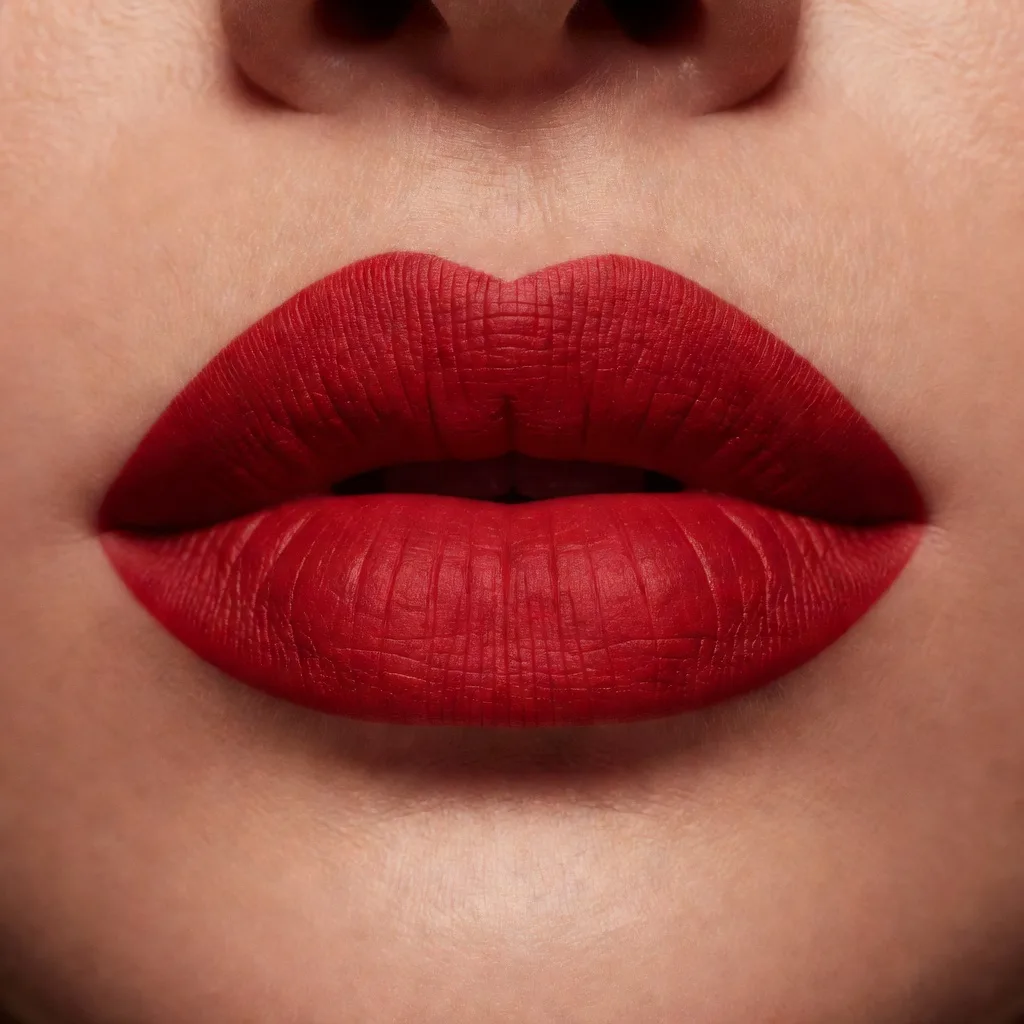
Matte lipstick is a lip colour with little or no shine, made with more pigment and powder-like fillers and fewer oils than satin or glossy formulas. The low oil content lets the colour sit flat on the lips, so it looks velvety or powdery rather than reflective, and it usually lasts longer and transfers less. The trade-off is comfort: because there is less oil and emollient to cushion the lips, matte formulas, especially liquid mattes that dry down completely, can feel tight and emphasise dryness or flakes. Good lip prep, a thin layer and a balm at night make most matte lipsticks comfortable enough for everyday wear.
In short: matte lipstick trades shine and some comfort for rich colour and long wear.
Because lips are thin and lack oil glands, they dry out easily, and the American Academy of Dermatology advises gentle rather than harsh exfoliation for skin in general, which applies to lip prep too.
This guide explains what makes a lipstick matte, how it compares with satin and gloss, whether it really dries your lips, and how to apply and wear it so it looks smooth all day.
Shopping these picks?
Amazon Prime members get fast, free shipping on eligible items, plus Prime Video, Amazon Music and member deals. New members can start with a free trial.
Start a free Prime trialAged 18 to 24? Prime for Young Adults comes with a longer free trial and a lower price after it.
Affiliate link: we may earn a commission at no extra cost to you.
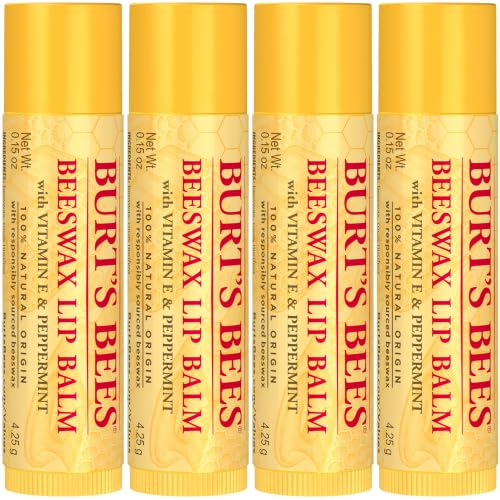
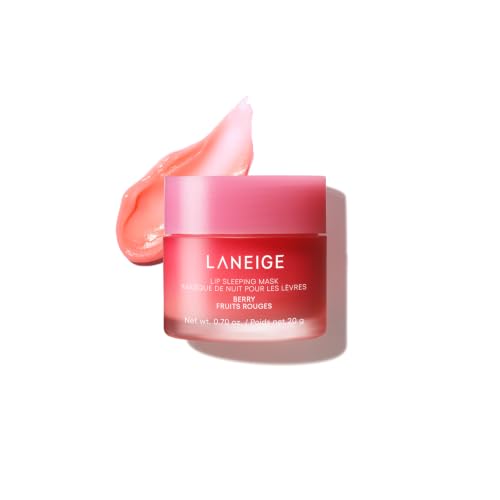
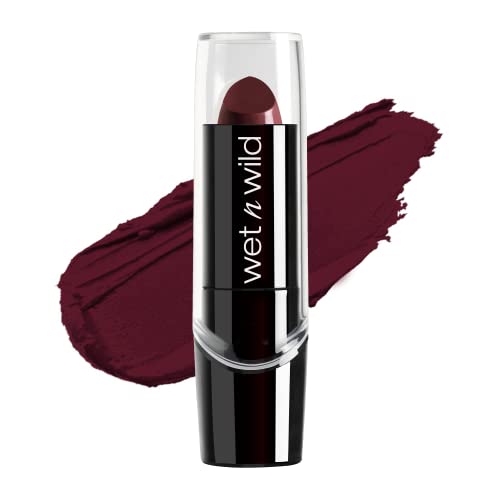
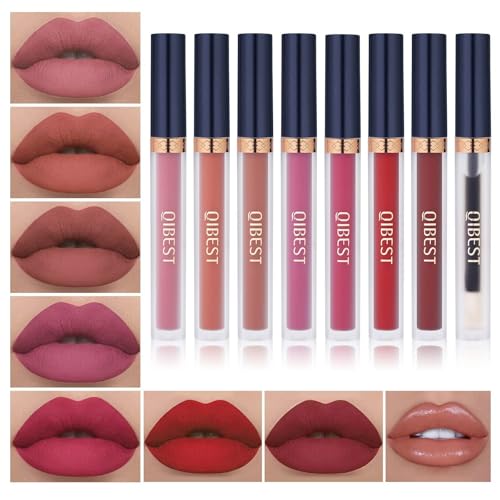
Recommended Matte Lipsticks and Lip Prep


In Brief
- Matte lipstick has little or no shine and a flat, velvety finish.
- It contains more pigment and powder and less oil than satin or gloss.
- It lasts longer and transfers less than shinier finishes.
- Liquid mattes dry down completely and are the most long-wearing and drying.
- Matte lipstick does not damage lips, but it can make dryness look and feel worse.
- Smooth, hydrated lips and a thin layer are the key to a good matte finish.
- Remove long-wear formulas gently with an oil-based remover and balm at night.
On This Page
- What Makes a Lipstick Matte?
- Types of Matte Lipstick
- Matte vs Satin vs Gloss: How the Finishes Compare
- Does Matte Lipstick Dry Out Your Lips?
- Lip Prep: Scrubs, Balms and Primers
- How to Apply Matte Lipstick Without Dry, Cracked Lips
- How to Wear Matte Lipstick Every Day
- How to Remove Matte and Liquid Lipstick
- Who Matte Lipstick Suits Best
- Dos and Don’ts
- Honest Limits
- When to See a Dermatologist
- Questions People Ask
- The Takeaway
What Makes a Lipstick Matte?
Every lipstick is a mix of waxes, oils and colour. The finish depends mostly on the balance between them. Shiny lipsticks use more oils and emollients, which create a wet, reflective surface. Matte lipsticks shift the balance towards pigment and fine powders, such as silica or clay-type fillers, that absorb oil and scatter light instead of reflecting it.
- More pigment, so one swipe gives strong, opaque colour.
- Less oil, so there is little to reflect light or slide around.
- Powder fillers that soak up oil and give a soft, blurred look.
- Film-forming ingredients in liquid mattes that set the colour in place.
- Often fewer shimmer particles, since mica and pearl add shine.
The result is a finish that looks almost like velvet or suede on the lips. Some modern formulas are labelled soft matte or velvet matte, which means they keep a little more oil for comfort while still looking mostly flat. Our guide on the difference between matte and satin finish explains the same idea across other makeup products.
Types of Matte Lipstick
Not all matte lip products behave the same way. The format decides how long it lasts, how it feels and how easy it is to fix.
| Type | Texture | Wear time | Comfort | Best for |
|---|---|---|---|---|
| Bullet matte lipstick | Creamy-firm stick, sets softly | Moderate | Fairly comfortable | Everyday wear, beginners |
| Soft or velvet matte | Slightly creamy, blurred finish | Moderate | Most comfortable | Dry or mature lips |
| Liquid matte | Liquid that dries to a film | Long | Can feel tight | Events, long days, eating and drinking |
| Matte lip cream | Mousse-like, does not fully set | Moderate | Comfortable | A soft, diffused look |
| Matte lip crayon or pencil | Firm, precise | Moderate to long | Varies | Defined edges, travel |
If you have never worn matte before, a bullet or soft matte is the easiest start. Liquid mattes give the most dramatic, long-lasting result but are also the least forgiving on dry lips and the hardest to correct once set.
Matte vs Satin vs Gloss: How the Finishes Compare
The three main lip finishes differ in shine, pigment, comfort and staying power. None is better in every way; each suits different lips and occasions.
| Feature | Matte | Satin | Gloss |
|---|---|---|---|
| Shine | None to very little | Soft sheen | High shine |
| Pigment | High | Medium to high | Sheer to medium |
| Oil content | Low | Moderate | High |
| Wear time | Longest | Moderate | Shortest |
| Transfer | Low, especially liquids | Moderate | High |
| Comfort on dry lips | Lowest | Good | Very good |
| Makes lips look | Defined, flatter | Smooth, natural | Fuller, plumper |
| Shows flakes and lines | Most | Some | Least |
Satin sits between matte and gloss, with enough oil for comfort and a soft glow that hides texture. Gloss reflects light, so lips look fuller, but it wears off quickly. Many people combine finishes, for example a matte base for staying power with a little balm or gloss dabbed in the centre for dimension.
Finish names are not regulated. One brand’s satin can look almost matte, and another brand’s matte can have a slight sheen. Swatch on your lips or fingertip, rather than the back of the hand, to see the real finish.
Does Matte Lipstick Dry Out Your Lips?
Matte lipstick does not damage the lips, but it can make them feel drier and look drier. There are three main reasons.
- Low oil content: there is less emollient to cushion and soften the lips while you wear it.
- Absorbent powders: the fillers that give the flat finish also soak up some surface moisture.
- Setting films: liquid mattes form a tight layer that can crack as your lips move.
- Visibility: a flat finish shows every flake and line, so lips look drier even if they are not.
- Habits: people often lick or pick at lips that feel tight, which dries them further.
Lips have a very thin outer layer and no oil glands, so they lose water quickly in cold air, wind, central heating and sun. If your lips are already dry or chapped, matte lipstick will highlight it. If they are well hydrated, most people can wear matte formulas comfortably. Our guide on patchy dry skin around the mouth covers dryness that spreads beyond the lip line.
Lip Prep: Scrubs, Balms and Primers
Most matte lipstick problems start before the colour goes on. Smooth, hydrated lips make any matte formula look better and last longer.
- Balm first: apply a plain balm 10 to 15 minutes before lipstick, then blot the excess.
- Gentle exfoliation: a sugar-based lip scrub or soft, damp washcloth once or twice a week lifts flakes.
- Avoid over-scrubbing: rubbing hard or daily can leave lips raw and more likely to crack.
- Lip primer: a thin primer can fill fine lines and help colour grip, but it is optional.
- Overnight care: a thick balm or ointment before bed does more than any daytime product.
The AAD guide on how to safely exfoliate at home stresses a gentle approach and stopping if skin becomes red or irritated. The same applies to lips: if they are cracked or sore, skip the scrub and use balm until they heal.
How to Apply Matte Lipstick Without Dry, Cracked Lips
These steps work for bullet and liquid mattes. The key is a thin, even layer on well-prepared lips.
Hydrate ahead
Apply lip balm 10 to 15 minutes before makeup so it has time to soak in.
Blot the excess
Press a tissue to your lips so the surface is not slippery.
Line the lips
Use a liner close to your lipstick shade to define the edge and stop feathering.
Apply a thin layer
Start in the centre and work outwards; with liquids, use the applicator in one smooth pass.
Let it set
Keep lips slightly apart for a minute while liquid formulas dry down.
Build only if needed
Add a second thin layer for more colour rather than one thick coat.
Clean the edges
Tidy the line with a cotton bud dipped in a little concealer or micellar water.
If a matte feels too dry, press a tiny amount of balm into the centre of your lips after the lipstick has set. It softens the texture without ruining the finish, and many people like the slightly blurred look it gives.
How to Wear Matte Lipstick Every Day
Wearing matte lipstick well is as much about habits during the day as it is about application.
- Choose soft mattes for everyday and save liquid mattes for long events.
- Avoid layering fresh liquid matte over old, cracked colour; wipe and reapply instead.
- Drink water through the day and keep lips away from your tongue.
- Blot after eating oily food, since oil breaks down matte formulas.
- Touch up from the centre outward so edges stay crisp.
- Lip liner all over the lips can act as a base that helps colour wear evenly.
Matte finishes are also useful when lipstick tends to travel. Our guide on how to keep lipstick from bleeding covers liner, primer and shade tips that work especially well with matte formulas.
How to Remove Matte and Liquid Lipstick
Long-wear mattes are designed to resist water, so plain wipes and rubbing often leave stains and irritated lips. Gentle, oil-based removal is kinder and faster.
- Soak a cotton pad in an oil-based makeup remover, cleansing balm or micellar water for waterproof makeup.
- Hold it on the lips for 20 to 30 seconds to soften the colour.
- Wipe gently in one direction rather than scrubbing back and forth.
- Repeat instead of pressing harder if colour remains.
- Finish with a thick lip balm, especially before bed.
Stop using a lipstick that causes burning, swelling, blistering or persistent peeling around the lips. These can be signs of an allergy or irritation from an ingredient such as a fragrance, flavour or dye, and continuing to use it usually makes the reaction worse.
Who Matte Lipstick Suits Best
Almost anyone can wear matte lipstick, but some lips and situations suit it better than others.
- Well-hydrated or naturally smooth lips.
- People who want colour that lasts through meals and drinks.
- Oily or humid conditions where glosses slide.
- Bold shades such as red, berry and deep brown, which look richest in matte.
- Photos, where matte reduces glare from flash.
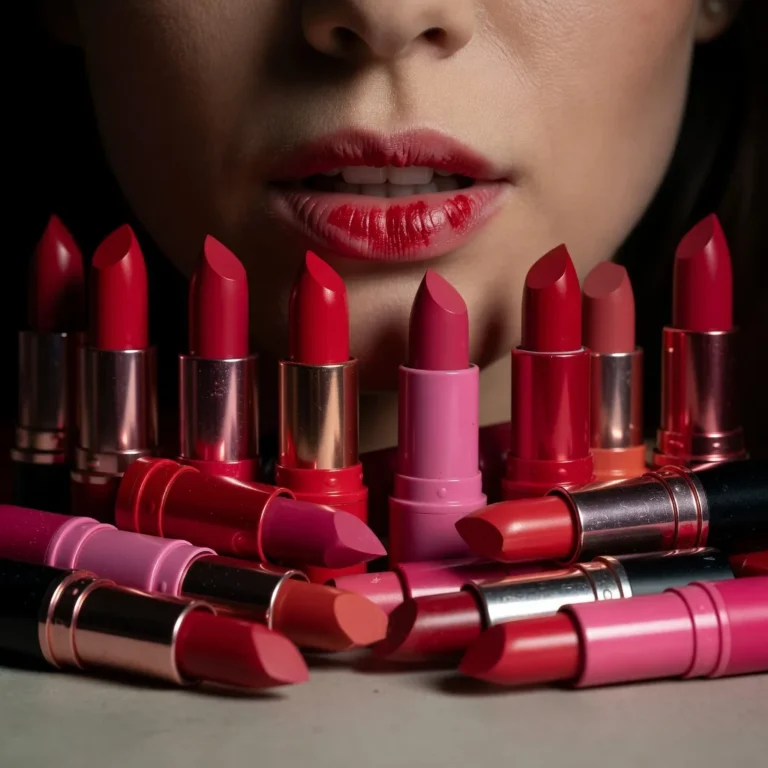
People with very dry, chapped or mature lips can still wear matte, but a soft or velvet matte, extra balm and liner are usually more flattering than a liquid matte. A classic matte red worn with a matching liner is one of the easiest ways to see how the finish flatters defined lips.
Dos and Don’ts
Helps
- Exfoliate gently once or twice a week
- Apply balm before and blot
- Use a thin layer and build slowly
- Line lips with a matching liner
- Remove with an oil-based remover
Backfires
- Scrub lips that are cracked or sore
- Pile fresh liquid matte over flaking colour
- Lick your lips when they feel tight
- Rub hard to remove long-wear colour
- Sleep in long-wear lipstick
Honest Limits
No matte lipstick is completely comfortable, transfer-proof and hydrating at once. Formulas that claim to be moisturising mattes usually add oils, which also reduce wear time and make them less matte. Any added care ingredients in a lipstick are small helpers, not a replacement for balm and overnight care.
Lip scrubs and primers improve the look of matte lipstick but do not cure chronic chapping. Lips that stay dry, cracked or scaly despite good care may be reacting to a product or have another cause, and need more than a better lipstick.
When to See a Dermatologist
- Your lips stay cracked, scaly or sore for more than two weeks despite balm.
- Lips swell, blister or burn after using a lip product.
- The corners of your mouth split repeatedly.
- You notice a patch, sore or lump on the lip that does not heal.
This article is for general information and does not replace professional medical advice. Patch test new lip products if you have sensitive skin, and see a board-certified dermatologist for persistent lip problems or reactions to cosmetics.
Questions People Ask
What is matte lipstick?
A lipstick with little or no shine, high pigment and low oil.
What is the difference between matte and satin lipstick?
Satin has a soft sheen and more oil; matte is flat and longer-wearing.
Is matte or gloss better for thin lips?
Gloss usually makes lips look fuller than matte.
Does matte lipstick dry your lips?
It can feel and look drying, but it does not damage healthy lips.
Can I put lip balm under matte lipstick?
Yes, apply it early and blot before lipstick.
Is liquid lipstick the same as matte lipstick?
Most liquid lipsticks dry matte, but some are satin or glossy.
How long does matte lipstick last?
Usually several hours; liquid mattes often last longer.
How do I stop matte lipstick cracking?
Prep with balm, use thin layers and avoid layering over old colour.
Is matte lipstick good for mature lips?
Soft or velvet mattes usually suit mature lips better than liquids.
How do I remove liquid matte lipstick?
Soften it with an oil-based remover, then wipe gently.
The Takeaway
Matte lipstick is a low-shine, high-pigment lip colour that lasts longer than satin or gloss but can feel and look drier because it contains less oil.
Keep lips smooth and hydrated, apply thin layers over blotted balm, choose soft mattes for everyday wear and remove long-wear colour gently to enjoy the finish without the dryness.

Written by
Registered pharmacist and founder of Facial Adviser. Rakib's pharmacy training covers how skincare actives work and interact; a later course in cosmetology turned that into a focus on facial treatments and skincare products. He plans, researches and edits every guide on the site and checks health claims against sources such as the American Academy of Dermatology, the FDA and the NIH. He is not a dermatologist; see the Editorial Policy and Medical Disclaimer.
About · Editorial policy · How we choose products · Medical disclaimer · Contact
Keep reading: Lipstick
- How to Choose Lipstick Shade: Undertone, Skin Tone and Testing Tips
- How to Keep Lipstick From Bleeding Into Lines Around Your Lips
- What Color Lipstick With a Red Dress? Red, Nude and Berry Options
- What Is Lipstick Made Of? Waxes, Oils, Pigments, Scent and Allergens
- What Color Lipstick With a Royal Blue Dress? Red, Nude, Pink and Berry
- How to Get Lipstick Stains Out of Clothes, Carpet and Other Fabrics
- How to Choose the Right Eye Makeup Color for Your Eyes and Skin
- What Can You Use to Make Your Makeup Stay On All Day? 9 Products and Tricks