Puffy Eyes After Salty Food: Why It Happens and How to De-Puff Fast
You enjoy a salty takeaway, a bag of crisps or a ramen night, and the next morning your eyes look swollen and heavy. It is a very common pattern, and in most cases it is harmless and temporary.
Part of our guide to makeup how-to. Start with: How to Choose the Right Eye Makeup Color for Your Eyes and Skin
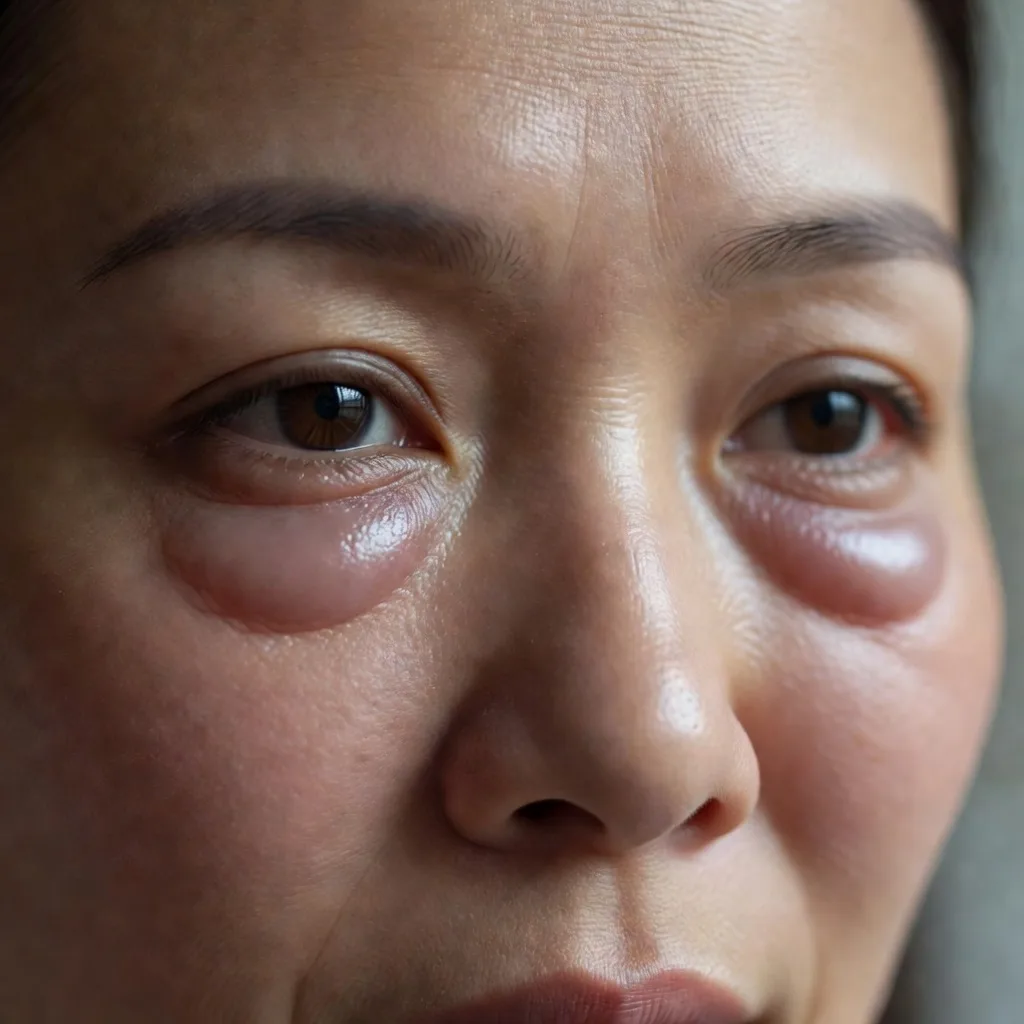
Puffiness under the eyes after eating a lot of salt happens because sodium makes your body hold on to extra water. Some of that fluid collects in the loose, thin tissue around the eyes, especially overnight while you lie flat, so the swelling is usually worst when you wake up. It normally settles within a few hours to a day as your body rebalances. To de-puff faster, drink water, apply something cool such as a chilled gel mask or cold spoons, sleep with your head slightly raised, and cut back on very salty foods. Puffiness that lasts, affects one eye, or comes with pain, redness or swelling elsewhere needs medical advice.
In short: salt makes you retain water, it pools around the eyes overnight, and cooling plus hydration helps it settle.
The US Food and Drug Administration notes that the Daily Value for sodium is less than 2,300 milligrams a day, and that over 70 percent of the sodium people eat comes from packaged and prepared foods rather than the salt shaker. That is why a single restaurant meal can easily tip you over.
This guide explains why salt causes puffy eyes, how to reduce swelling quickly, how to prevent it and when puffiness may be a sign of something else.
Shopping these picks?
Amazon Prime members get fast, free shipping on eligible items, plus Prime Video, Amazon Music and member deals. New members can start with a free trial.
Start a free Prime trialAged 18 to 24? Prime for Young Adults comes with a longer free trial and a lower price after it.
Affiliate link: we may earn a commission at no extra cost to you.
Recommended De-Puffing Tools and Eye Products



Jump to a Section
- Why Salt Makes Your Eyes Puffy
- Salty Foods That Commonly Cause Morning Puffiness
- How to De-Puff Your Eyes After a Salty Meal
- How to Prevent Salt-Related Puffy Eyes
- Sleep Position and Puffy Eyes
- Do Eye Creams and Tools Help?
- Other Causes of Puffy Eyes
- When Puffy Eyes Need Medical Attention
- A Simple Morning Routine for Puffy Eyes
- Dos and Don’ts
- Honest Limits
- When to See a Doctor or Dermatologist
- Common Questions
- Where This Leaves You
At a Glance
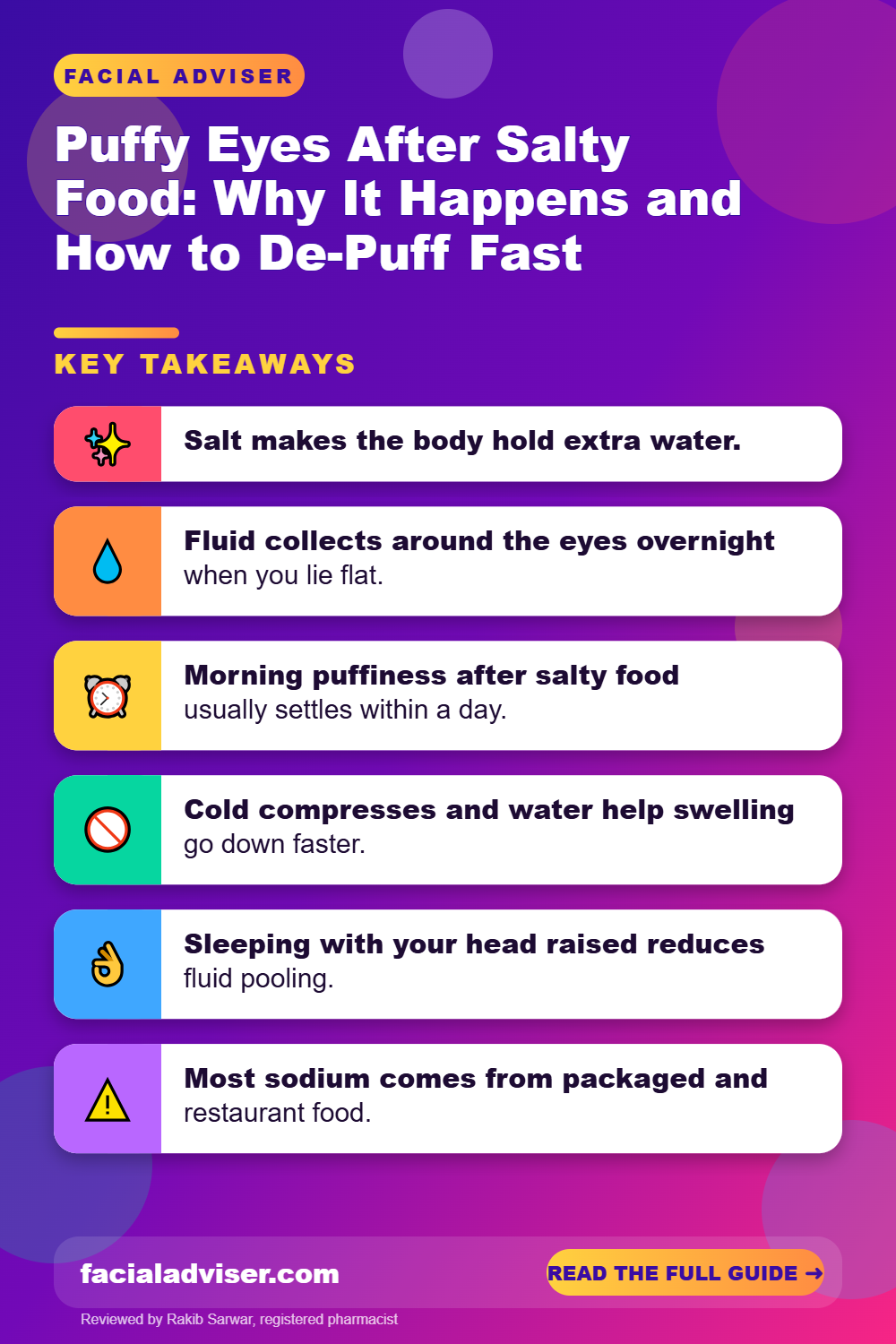
- Salt makes the body hold extra water.
- Fluid collects around the eyes overnight when you lie flat.
- Morning puffiness after salty food usually settles within a day.
- Cold compresses and water help swelling go down faster.
- Sleeping with your head raised reduces fluid pooling.
- Most sodium comes from packaged and restaurant food.
- Lasting or one-sided swelling needs medical advice.
Why Salt Makes Your Eyes Puffy
Your body works hard to keep the balance of sodium and water in your blood within a narrow range, and your kidneys do most of this balancing work. When you eat a lot of salt, it holds on to extra water to dilute it. That extra fluid spreads into tissues, and the area around the eyes is one of the first places it shows.
- Thin skin: the skin under the eyes is very thin, so small amounts of fluid are easy to see.
- Loose tissue: the tissue around the eyes can hold fluid more easily than firmer areas.
- Gravity at night: lying flat lets fluid settle around the face and eyes while you sleep.
- Alcohol and late meals: often come with salty food and can add to swelling and poor sleep.
This is why puffiness from salt is usually worst first thing in the morning and improves as you stay upright and move around during the day. Blinking, facial movement and walking all help the lymphatic system carry excess fluid away from the face.
Salty Foods That Commonly Cause Morning Puffiness
You do not have to add salt at the table to eat a lot of it. Many everyday foods are surprisingly high in sodium, and a single takeaway meal can contain a large share of a full day’s recommended limit.
| Food type | Why it is salty | Lower-salt swap |
|---|---|---|
| Takeaways and restaurant meals | Salt used for flavour and preservation | Ask for sauces on the side; share dishes |
| Instant noodles and ramen | Flavour sachets and broth | Use half the sachet; add fresh vegetables |
| Crisps and salted snacks | Salt coating | Unsalted nuts, fruit or plain popcorn |
| Processed meats | Curing and preserving | Fresh chicken, fish or beans |
| Soy sauce and stock cubes | Concentrated sodium | Reduced-salt versions, herbs and citrus |
| Pizza, bread and cheese | Salt in dough and cheese | Smaller portions; more salad on the side |
The FDA explains how to read sodium on food labels in its guide to sodium in your diet.
How to De-Puff Your Eyes After a Salty Meal
These steps help swelling settle faster. Most people notice a difference within an hour or two, and the rest usually goes by the afternoon.
Drink a glass or two of water
Rehydrating helps your body rebalance sodium and release retained fluid.
Apply something cold
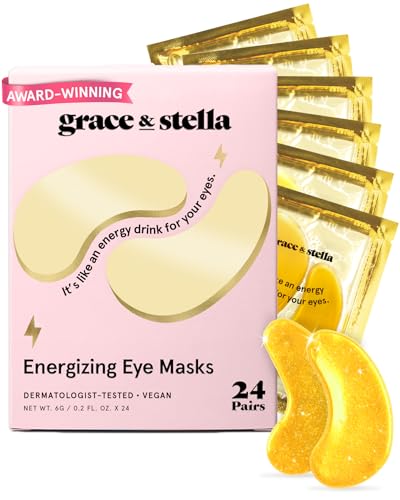
Use a chilled gel mask, cold spoons or a cool damp cloth for 5 to 10 minutes.
Gently massage outward
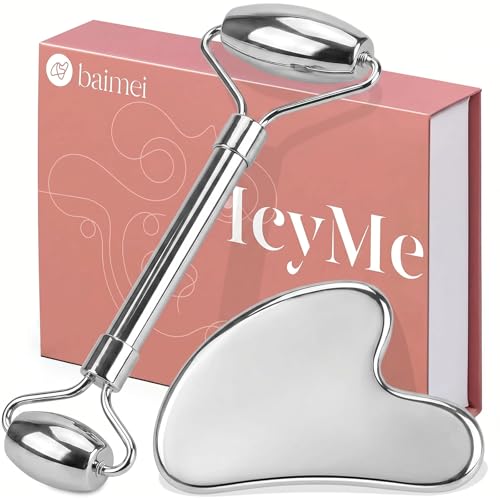
With clean fingers or a cool roller, sweep lightly from the inner corner outward and down towards the ears.
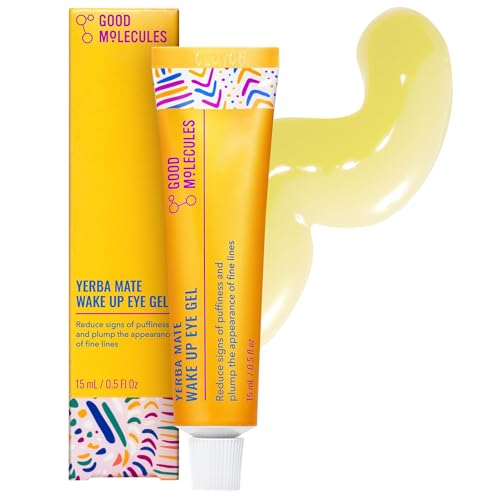
Use a caffeine eye gel
Apply a small amount and tap it in with your ring finger.
Stay upright and move
Walking and staying upright help fluid drain away from the face.
Eat potassium-rich foods
Bananas, leafy greens, beans and yoghurt help balance sodium.
Skip more salt today
Keep the rest of the day’s meals lower in salt.
Keep a gel eye mask or two metal spoons in the fridge so they are ready on puffy mornings. Cold constricts blood vessels and helps swelling go down quickly.
How to Prevent Salt-Related Puffy Eyes
A few habits make morning puffiness much less likely, even if you enjoy salty food now and then. You do not need to cut out salt completely; spreading it out and avoiding very salty meals late at night makes the biggest difference.
- Eat salty meals earlier in the evening, not right before bed.
- Drink water with salty meals and snacks.
- Limit alcohol, which adds to swelling and disrupts sleep.
- Sleep with your head slightly raised on an extra pillow or a wedge.
- Read labels and choose lower-sodium versions of foods you eat often.
- Cook more at home, where you control the salt.
Our guide on whether dehydration causes dark circles explains how fluids, sleep and alcohol also affect the under-eye area.
Sleep Position and Puffy Eyes
How you sleep affects how much fluid pools around your eyes overnight. Small changes to your pillow set-up can reduce morning puffiness noticeably, especially after a salty evening meal.
- Back sleeping with the head slightly raised usually causes the least puffiness.
- Sleeping on your front presses the face into the pillow and can increase swelling.
- Side sleeping can make the eye closest to the pillow puffier.
- A wedge pillow or an extra pillow gently raises the head without straining the neck.
Our guide on sleep position and wrinkle formation explains other ways your sleeping posture affects your face. If you share a bed or move a lot at night, a wedge pillow tends to stay in place better than stacking two ordinary pillows, and it also avoids bending your neck forward, which can be uncomfortable.
Do Eye Creams and Tools Help?
Eye products do not remove the extra fluid your body is holding, but they can make puffiness look better faster. They work best alongside water, rest and a cool compress rather than on their own.
- Caffeine eye gels: may temporarily tighten skin and reduce the look of swelling.
- Cooling tools: chilled rollers and gel masks constrict blood vessels and feel soothing.
- Hydrating patches: can make the under-eye area look smoother and fresher.
- Gentle massage: may help move fluid away from the eyes when done lightly.
Be gentle with the under-eye area. Press lightly with rollers and fingers, and never drag or pull the skin, which is thin and delicate.
Other Causes of Puffy Eyes
Salt is only one reason eyes look puffy in the morning. If cutting back on salt does not help, consider these. Several can overlap, such as a salty meal, a late night and a few drinks all on the same evening.
| Cause | Clues |
|---|---|
| Lack of sleep | Puffiness with tiredness and dark circles |
| Alcohol | Worse after drinking, often with dehydration |
| Allergies | Itching, watery eyes, sneezing, seasonal pattern |
| Crying | Swelling after crying that settles in hours |
| Ageing | Bags that are present most of the time, from fat shifting and loose skin |
| Hormonal changes | Puffiness around periods or with fluid retention elsewhere |
| Thyroid or kidney problems | Puffiness with other symptoms such as tiredness or swelling in the legs |
Our guide on thyroid disorders and facial puffiness explains one medical cause worth knowing about.
When Puffy Eyes Need Medical Attention
Occasional morning puffiness after a salty meal is normal and nothing to worry about. Some signs, however, mean you should see a doctor rather than reaching for another cold compress.
Get medical help urgently if eye or facial swelling comes with difficulty breathing, swelling of the lips or tongue, or hives. See a doctor promptly if swelling affects one eye only, is painful, red or hot, affects your vision, lasts more than a day or two, or comes with swelling in your ankles, reduced urine or unusual tiredness.
Regular heavy salt intake is also linked to high blood pressure. If you often eat very salty food, it is worth having your blood pressure checked. Puffy eyes are usually a cosmetic nuisance, but they can be a useful reminder to look at how much salt you eat overall.
A Simple Morning Routine for Puffy Eyes
On mornings after a salty dinner, a short routine can have you looking fresher within half an hour.
- Drink a large glass of water as soon as you get up.
- Splash your face with cool water or hold a chilled gel mask over your eyes for five to ten minutes.
- Apply a small amount of caffeine eye gel and tap it in lightly.
- Use a cool roller from the inner corner outward, with very light pressure.
- Eat a breakfast with potassium, such as a banana, yoghurt or oats with fruit.
- Apply a thin, hydrating concealer only where shadows remain.
Skip heavy concealer on very puffy lids and bags; thick layers crease on swollen skin and draw attention to it. Our guide on why concealer creases easily explains how to keep under-eye makeup light.
Dos and Don’ts
Do
- Drink water with salty meals
- Use a cold compress on puffy mornings
- Sleep with your head slightly raised
- Read sodium on food labels
- Eat potassium-rich foods
Don’t
- Eat a very salty meal right before bed
- Drink lots of alcohol with salty food
- Rub or pull the skin under your eyes
- Rely on eye creams to fix fluid retention
- Ignore swelling that lasts or affects one eye
Honest Limits
There is little research that looks specifically at under-eye puffiness after salty meals. The explanation here is based on how the body handles sodium and fluid, and on common experience.
Everyone responds to salt differently. Some people notice puffiness after a single salty meal, while others rarely do. Age, genetics, hormones, sleep and how much water you usually drink all affect how noticeable it is. Eye creams and tools improve appearance for a few hours but do not change how your body handles sodium; eating less salt and drinking enough water are what make the real difference.
When to See a Doctor or Dermatologist
- Puffiness is present most days even without salty food.
- You have itching, redness or a rash around the eyes.
- Swelling affects one eye or comes with pain or vision changes.
- You also have swollen ankles, high blood pressure or unusual tiredness.
This article is for general information and does not replace professional medical advice. See a doctor for persistent, one-sided or painful swelling, and seek urgent help for swelling with breathing difficulty.
Common Questions
Why do my eyes get puffy after eating salty food?
Salt makes your body hold water, and some collects around the eyes.
How long does salt puffiness last?
Usually a few hours to a day.
How can I reduce puffy eyes fast?
Drink water, apply a cold compress and stay upright.
Does drinking water help puffy eyes?
Yes, it helps your body release retained fluid.
Why are puffy eyes worse in the morning?
Fluid pools around the eyes while you lie flat.
Do caffeine eye creams work for puffiness?
They may give a temporary tightening effect.
Can potassium help with salt puffiness?
Potassium-rich foods help balance sodium.
Does alcohol make puffy eyes worse?
Yes, it adds to swelling and disrupts sleep.
How much sodium is too much?
The FDA Daily Value is under 2,300 milligrams a day.
When should I worry about puffy eyes?
If swelling lasts, affects one eye or comes with other symptoms.
Where This Leaves You
Puffy eyes after salty food happen because sodium makes your body hold extra water, which pools around the eyes overnight. It usually settles within a day.
Drink water, use a cold compress, sleep with your head raised and eat less processed food. See a doctor if puffiness lasts, affects one eye or comes with other symptoms.

Written by
Registered pharmacist and founder of Facial Adviser. Rakib's pharmacy training covers how skincare actives work and interact; a later course in cosmetology turned that into a focus on facial treatments and skincare products. He plans, researches and edits every guide on the site and checks health claims against sources such as the American Academy of Dermatology, the FDA and the NIH. He is not a dermatologist; see the Editorial Policy and Medical Disclaimer.
About · Editorial policy · How we choose products · Medical disclaimer · Contact
Keep reading: Eye makeup
- How to Choose the Right Eye Makeup Color for Your Eyes and Skin
- Dark Circles vs Hyperpigmentation Under Eyes: How to Tell Them Apart
- How to Fix Translucent Under-Eye Skin: Visible Veins and What Really Helps
- How to Blend Eyeshadow on Hooded Eyes So It Actually Shows
- Why Some Mascaras Smudge (and How to Stop Raccoon Eyes)
- What Causes Mascara Clumping and How to Get Clean, Separated Lashes
- What Can You Use to Make Your Makeup Stay On All Day? 9 Products and Tricks
- How to Get Started as a Freelance Makeup Artist: Training, Kit and Clients