Is RF Microneedling Better Than Laser?
Is RF microneedling better than laser treatment for acne scars and skin tightening, or does that depend entirely on what you’re actually trying to fix?
Part of our guide to at-home facial devices. Start with: How to Incorporate Microcurrent Into Your Routine: Gel, Timing and Safety
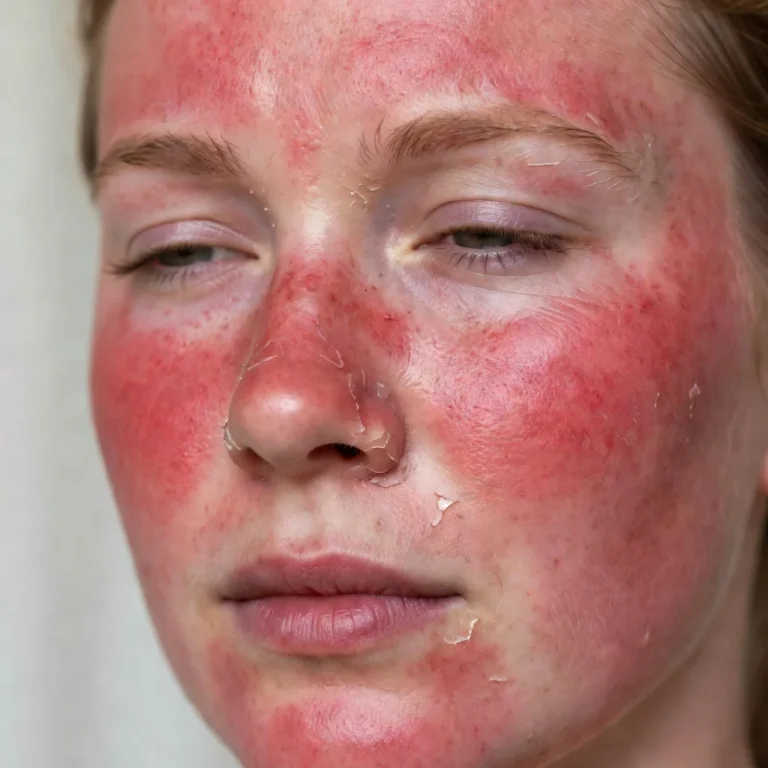
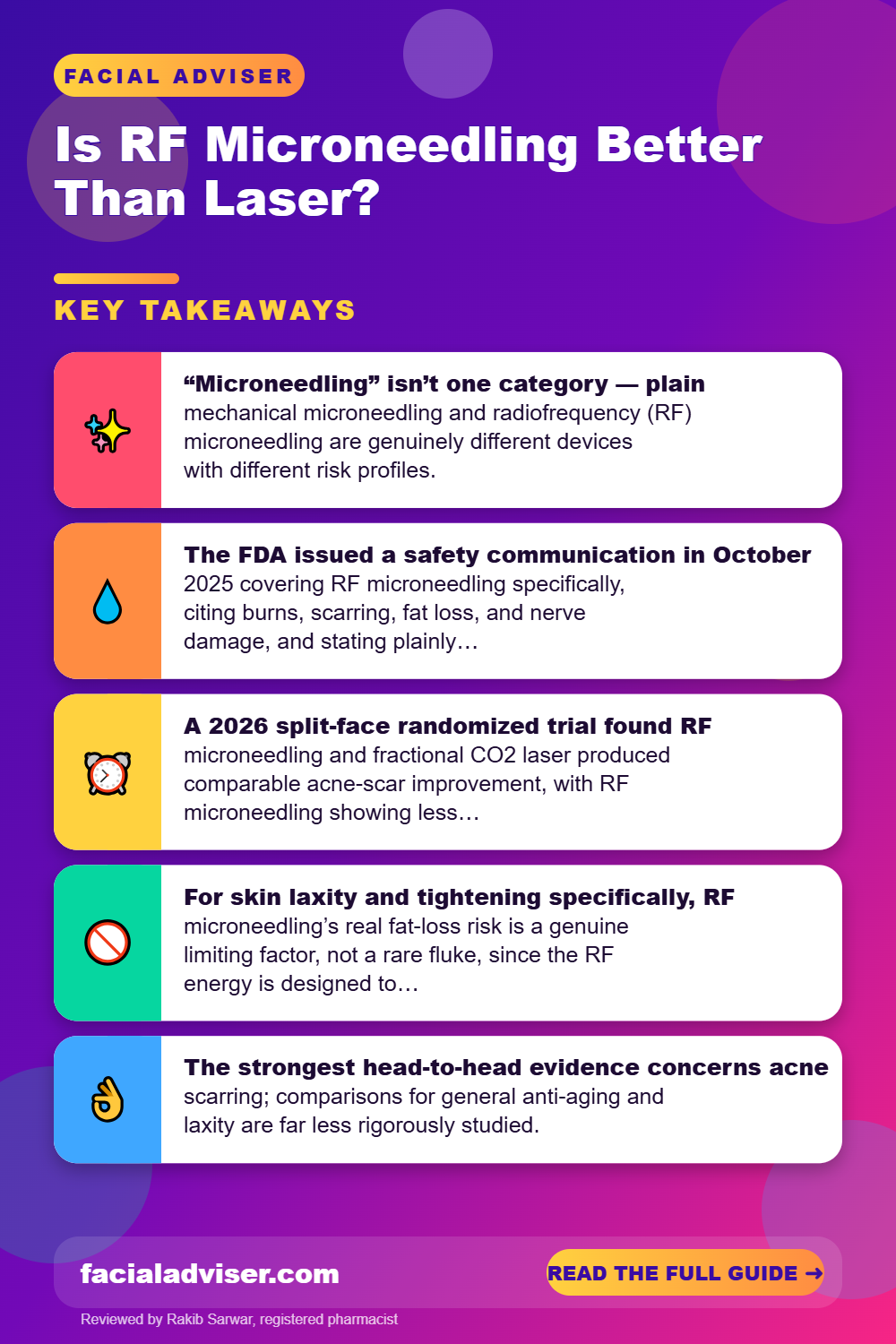
The FDA issued a safety communication in October 2025 covering RF microneedling specifically, citing burns, scarring, fat loss, and nerve damage, and stating plainly that it’s a medical procedure, not a cosmetic treatment. A 2026 split-face trial found it produced comparable acne-scar results to fractional CO2 laser, with less downtime and fewer pigmentation complications.
That head-to-head evidence is specific to acne scarring. For skin tightening, RF microneedling’s real fat-loss risk is a genuine limiting factor tied directly to how the treatment is designed to work.
This guide covers the real trial data, laser’s own separate risk profile, and which treatment the evidence actually favors for which specific goal.
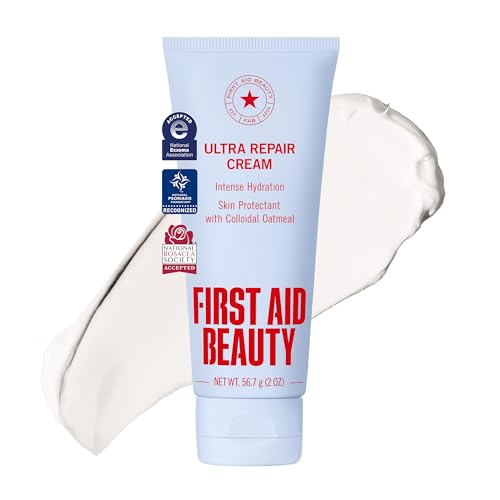
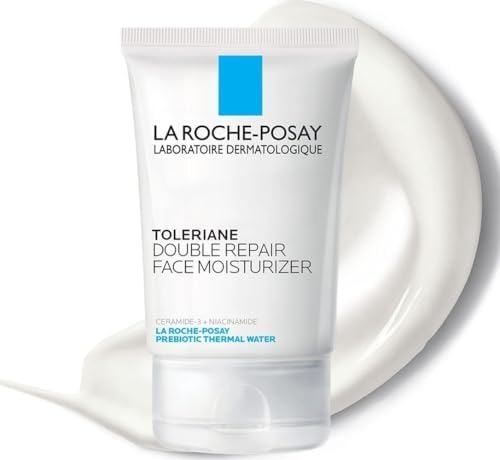
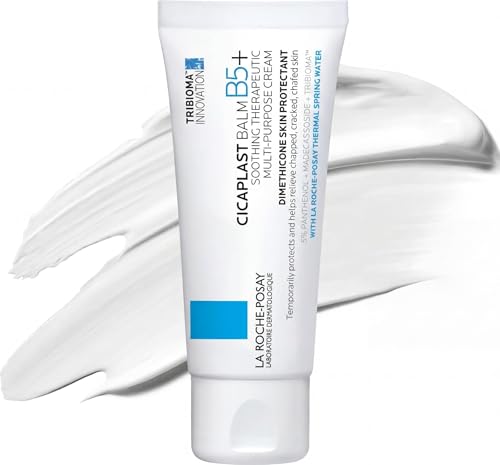
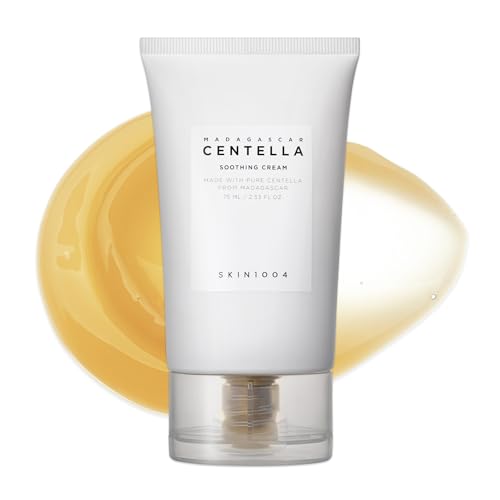
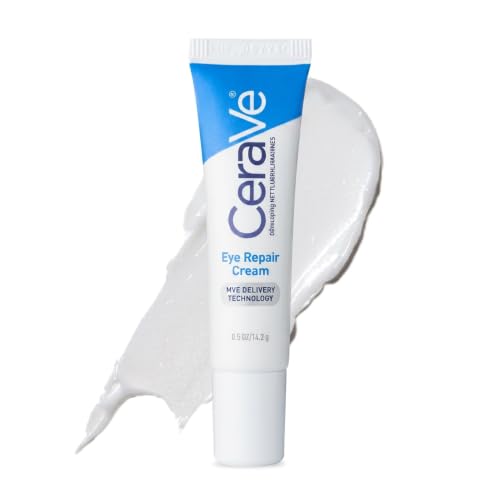
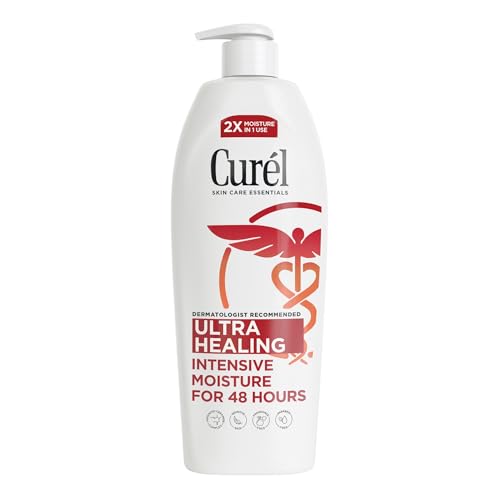
Recommended Post-Treatment Barrier Repair Products

Fast Facts
- “Microneedling” isn’t one category — plain mechanical microneedling and radiofrequency (RF) microneedling are genuinely different devices with different risk profiles.
- The FDA issued a safety communication in October 2025 covering RF microneedling specifically, citing burns, scarring, fat loss, and nerve damage, and stating plainly that it’s “a medical procedure, not a cosmetic treatment.”
- A 2026 split-face randomized trial found RF microneedling and fractional CO2 laser produced comparable acne-scar improvement, with RF microneedling showing less downtime and fewer pigmentation complications.
- For skin laxity and tightening specifically, RF microneedling’s real fat-loss risk is a genuine limiting factor, not a rare fluke, since the RF energy is designed to reach the fat layer in tightening protocols.
- The strongest head-to-head evidence concerns acne scarring; comparisons for general anti-aging and laxity are far less rigorously studied.
What’s Covered
- Why “Microneedling vs. Laser” Isn’t One Comparison
- The FDA’s October 2025 Safety Communication
- The Real Head-to-Head Trial
- Efficacy, Recovery, and Pigmentation Risk Compared
- Laser’s Own Independent Risk Profile
- Which Works Better, By Goal
- The Skin-Tightening Caveat
- Do’s and Don’ts
- How to Vet a Provider Before Booking
- The At-Home Device Risk
- When to Talk to a Board-Certified Provider
- The Honest Limits of What We Know
- Frequently Asked Questions
Why “Microneedling vs. Laser” Isn’t One Comparison
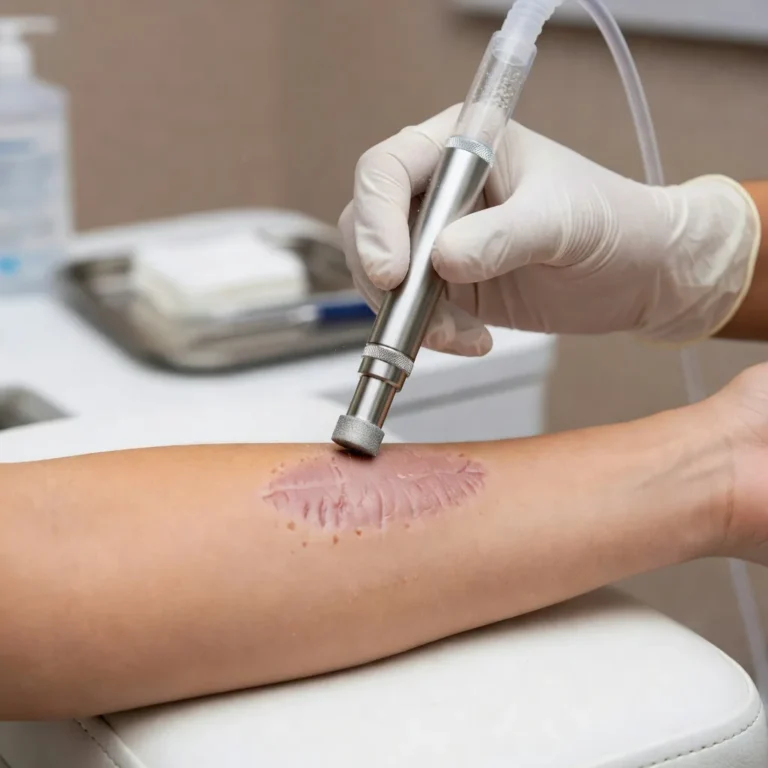
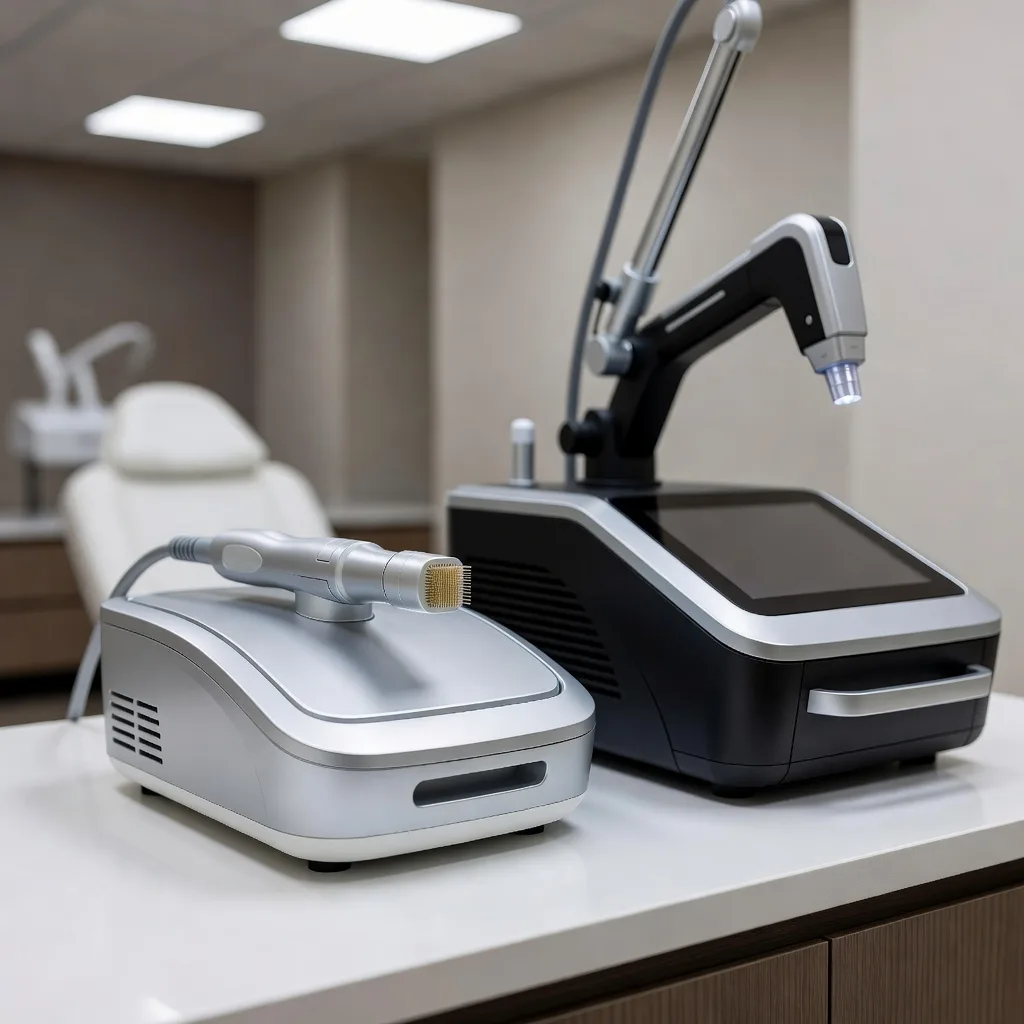
Before comparing microneedling to laser at all, it’s worth being precise about which microneedling. Plain mechanical microneedling — the kind our dermapen facial guide covers — uses fine needles to create micro-channels with no added energy. Radiofrequency (RF) microneedling is a different device category entirely: it delivers RF energy through those same needles into the dermis, adding a thermal injury component alongside the mechanical one. That distinction matters for everything that follows, because the safety data and the “vs. laser” comparison below apply specifically to the RF category, not to mechanical microneedling generally.
Shopping these picks?
Amazon Prime members get fast, free shipping on eligible items, plus Prime Video, Amazon Music and member deals. New members can start with a free trial.
Start a free Prime trialAged 18 to 24? Prime for Young Adults comes with a longer free trial and a lower price after it.
Affiliate link: we may earn a commission at no extra cost to you.
“Laser” isn’t one category either. Ablative lasers (like fractional CO2) vaporize a controlled layer of tissue and carry the longest downtime; non-ablative lasers work beneath an intact surface with less downtime but generally milder results. Any fair comparison to RF microneedling has to specify which laser type, since ablative and non-ablative options have meaningfully different efficacy and risk profiles from each other, not just from RF microneedling.
The FDA’s October 2025 Safety Communication
The Real Head-to-Head Trial
A prospective, randomized, split-face, evaluator-blinded exploratory trial published in 2026 directly compared RF microneedling against fractional CO2 laser for facial atrophic acne scars. The design itself is a strong one for a head-to-head comparison: 33 patients enrolled, 30 completed, with each patient receiving RF microneedling on one half of the face and fractional CO2 laser on the other — three sessions, eight weeks apart — so each participant served as their own control across both treatments.
A split-face design like this one controls for a lot of the variability that makes cosmetic-treatment trials hard to interpret — genetics, sun exposure history, and baseline scar severity are identical on both sides of the same face, so the comparison between treatments is cleaner than it would be across two separate patient groups. That’s part of why this particular trial is worth citing specifically rather than relying on separate, non-comparable single-arm studies of each treatment individually.
Efficacy, Recovery, and Pigmentation Risk Compared
| Outcome | RF microneedling | Fractional CO2 laser |
|---|---|---|
| ECCA acne-scar score improvement | 54.73 → 30.53 | 53.67 → 31.03 |
| Statistical difference in efficacy | None found | |
| Downtime (erythema, pain, swelling) | Significantly shorter | Longer |
| Post-inflammatory hyperpigmentation | Fewer events | More events |
The honest takeaway from this trial isn’t “RF wins outright” — it’s that both treatments produced comparable scar improvement, while RF microneedling’s downtime and pigmentation-risk profile were more favorable in this specific comparison. Broader 2026 systematic reviews pooling multiple similar trials have reached similar directional conclusions, suggesting this isn’t an isolated result.
Laser’s Own Independent Risk Profile
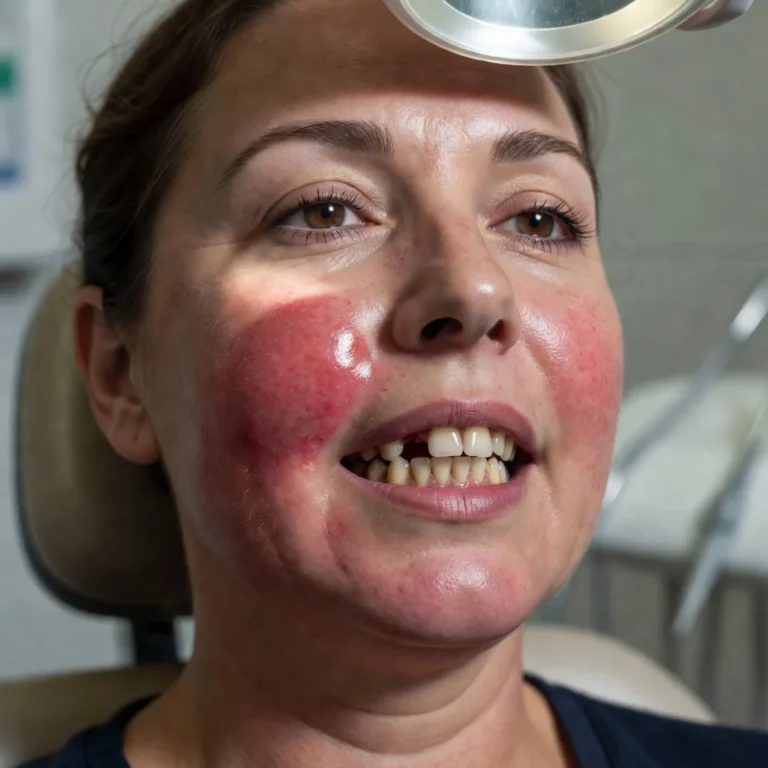
Separate from the direct comparison above, ablative fractional CO2 laser carries its own well-documented risk profile: a meaningfully higher post-inflammatory hyperpigmentation risk in higher Fitzpatrick skin types (IV-VI), an active area of dermatology literature on managing laser complications in darker skin. Ablative lasers also generally involve longer downtime — days of visible peeling and crusting — than RF microneedling or non-ablative laser options. Non-ablative lasers sit in between: less downtime than ablative CO2, generally lower pigmentation risk, but historically weaker efficacy for deep textural scarring or significant skin laxity.
Which Works Better, By Goal
| Goal | What the evidence actually shows |
|---|---|
| Atrophic acne scarring | RF microneedling and ablative CO2 laser are roughly comparable in efficacy, with RF favorable on downtime and pigmentation risk |
| Skin laxity / tightening | Both target this, but RF’s real fat-loss risk is a genuine limiting factor unique to how it’s designed to work |
| Fine wrinkles / photoaging | Laser (ablative and non-ablative) has a longer, deeper evidence base than RF microneedling for this specific goal |
The Skin-Tightening Caveat
Do’s and Don’ts
Do
- Confirm whether a provider is offering mechanical or RF microneedling before booking
- Ask directly about the specific device’s FDA clearance and the provider’s training with it
- Consider RF microneedling if downtime and pigmentation risk are your priority for acne scarring specifically
Don’t
- Use any at-home RF microneedling device — the FDA explicitly warns against this
- Assume RF microneedling is automatically safer or better for every goal, especially tightening
- Skip a consultation about your specific Fitzpatrick skin type before choosing ablative laser
How to Vet a Provider Before Booking
Ask which category of device is being used
Get a direct answer on whether it’s mechanical or RF microneedling, and the specific device name.Confirm FDA clearance for your intended use
Ask whether the device is cleared for your specific goal (scarring vs. tightening), since clearance is indication-specific.Ask about the provider’s training and case volume
RF microneedling in particular is described by the FDA as a medical procedure — training matters.Discuss your Fitzpatrick skin type directly
This affects both laser PIH risk and, to a lesser extent, RF microneedling settings.Ask what happens if a complication occurs
A provider who can’t clearly answer this isn’t equipped to manage the real, documented risks involved.
The At-Home Device Risk
At-home RF microneedling devices exist on the market despite the FDA’s explicit statement that this category should not be used at home. Without professional training, calibrated depth control, and sterile technique, the real-world risk of burns, scarring, and infection from an at-home RF device is meaningfully higher than in a professional setting — this isn’t a theoretical caution, it’s the specific scenario the FDA’s warning is about.
When to Talk to a Board-Certified Provider
Anyone considering either treatment for acne scarring, tightening, or wrinkles should start with a board-certified dermatologist or plastic surgeon rather than a med spa offering an unfamiliar device name. They can assess your specific scar type, skin laxity, and Fitzpatrick type, and match you to the treatment category with the stronger evidence for your actual goal rather than whichever device the provider happens to own.
It’s also worth asking directly how many of each specific procedure the provider performs in a typical month. Both RF microneedling and ablative laser resurfacing are technique-sensitive — depth, energy settings, and pass count all affect outcomes and risk — and a provider’s real-world experience with your exact goal (scarring versus tightening versus wrinkles) is a genuinely useful screening question that a device’s FDA clearance alone doesn’t answer.
The Honest Limits of What We Know
The strongest head-to-head RCT evidence here is specific to acne scarring, from one 2026 split-face trial with 30 completing participants — a real and useful trial, but a modest sample size for a single-study foundation. Comparisons for general anti-aging and skin laxity are considerably less rigorously studied by comparison, and that’s the area where marketing claims currently outpace the trial evidence.
Longer-term follow-up data is also limited. The split-face trial’s outcomes were measured over the trial’s own follow-up window, and neither the FDA safety communication nor the head-to-head trial establishes how outcomes for either treatment hold up years later, which matters for anyone weighing a treatment as a long-term investment rather than a one-time fix.
Frequently Asked Questions
Is RF microneedling safer than laser?
For acne scarring specifically, a 2026 split-face trial found RF microneedling had less downtime and fewer pigmentation events than fractional CO2 laser, though efficacy was comparable.
What did the FDA say about RF microneedling?
In an October 2025 safety communication, the FDA reported burns, scarring, fat loss, and nerve damage, and called it a medical procedure that shouldn’t be used at home.
Is mechanical microneedling the same as RF microneedling?
No — mechanical microneedling uses fine needles with no added energy, while RF microneedling delivers radiofrequency energy through the needles, creating additional thermal injury.
Which is better for acne scars, RF microneedling or laser?
A head-to-head trial found comparable efficacy between RF microneedling and fractional CO2 laser, with RF microneedling showing a more favorable downtime and pigmentation profile.
Can RF microneedling cause fat loss?
Yes — the FDA’s safety communication specifically lists fat loss (lipoatrophy) as a reported adverse event, particularly relevant to skin-tightening applications.
Is laser better for wrinkles than RF microneedling?
Laser treatments have a longer, deeper evidence base specifically for fine wrinkles and photoaging than RF microneedling does.
Are at-home RF microneedling devices safe?
The FDA explicitly states RF microneedling devices should not be used at home, given the risk of burns, scarring, and nerve damage without professional training.
Does skin tone affect which treatment is riskier?
Yes — ablative laser carries a meaningfully higher pigmentation risk in darker Fitzpatrick skin types compared to RF microneedling.
How many sessions does RF microneedling typically take?
The head-to-head trial used three sessions spaced eight weeks apart, though individual treatment plans vary by provider and goal.
Should I choose RF microneedling for skin tightening?
It’s a real option, but the associated fat-loss risk is a genuine consideration specific to tightening protocols, and it’s worth discussing directly with a board-certified provider before choosing.

Written by
Registered pharmacist and founder of Facial Adviser. Rakib's pharmacy training covers how skincare actives work and interact; a later course in cosmetology turned that into a focus on facial treatments and skincare products. He plans, researches and edits every guide on the site and checks health claims against sources such as the American Academy of Dermatology, the FDA and the NIH. He is not a dermatologist; see the Editorial Policy and Medical Disclaimer.
About · Editorial policy · How we choose products · Medical disclaimer · Contact
Keep reading: Microcurrent and RF devices
- How to Incorporate Microcurrent Into Your Routine: Gel, Timing and Safety
- Facial Treatment Devices Explained: Microcurrent, Galvanic, LED and More
- Microcurrent Facial vs Radiofrequency: Which Works Better for Firmer Skin?
- NuFACE Mini vs Trinity: Differences, Specs and Which to Choose
- Radio Frequency vs High Frequency Facial: What Is the Difference?
- Best High Frequency Wand: What to Look For, Real Evidence and Safety
- 10 Best LED Light Therapy Masks (2026): Clearer Skin, Softer Lines
- 10 Best Products for Women's Facial Hair Removal (2026): Gentle Picks