Aqua Facial vs HydraFacial: Differences, Results and Which to Book
Aqua facials are often advertised as a cheaper alternative to the HydraFacial, and the two can look almost identical on a spa menu. Both use water-based solutions and suction to cleanse, exfoliate and hydrate the skin. The real differences lie in the equipment, the solutions and how consistent the treatment is from one clinic to the next.
Part of our guide to facial treatments. Start with: Is Hydrafacial a Gimmick? What Evidence Shows
The main difference between an aqua facial and a HydraFacial is branding and consistency. An aqua facial, sometimes called an aqua peel or hydro facial, is a general name for hydradermabrasion treatments done on a range of multi-function machines that combine water-based exfoliation and suction, often with extra handpieces such as ultrasound, oxygen spray or LED. A HydraFacial is a trademarked hydradermabrasion treatment with a set three-stage protocol of cleansing and exfoliation, a mild acid and extraction step, and serum infusion using branded tips and solutions. Results can be similar, but a HydraFacial is more consistent, while aqua facials vary more with the machine and practitioner.
In short: an aqua facial is the generic category; a HydraFacial is the branded, standardised version.
A small study in Skin Research and Technology found hydradermabrasion left the outer skin layer smoother straight after treatment. The American Academy of Dermatology advises choosing exfoliation that suits your skin type and being gentle, which applies to both treatments.
This guide compares the two side by side and helps you decide which suits your skin and budget.
Shopping these picks?
Amazon Prime members get fast, free shipping on eligible items, plus Prime Video, Amazon Music and member deals. New members can start with a free trial.
Start a free Prime trialAged 18 to 24? Prime for Young Adults comes with a longer free trial and a lower price after it.
Affiliate link: we may earn a commission at no extra cost to you.
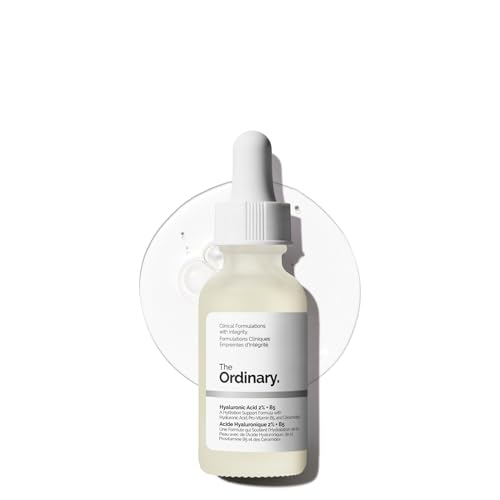
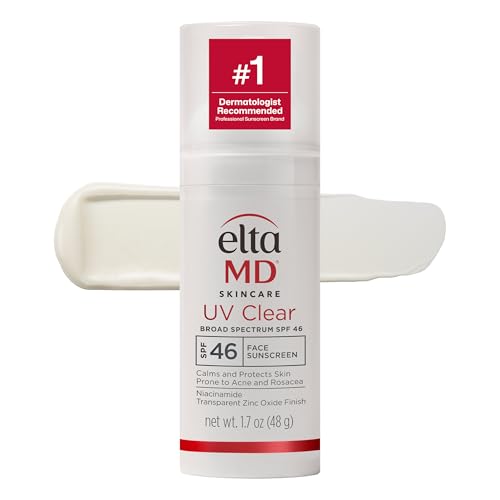
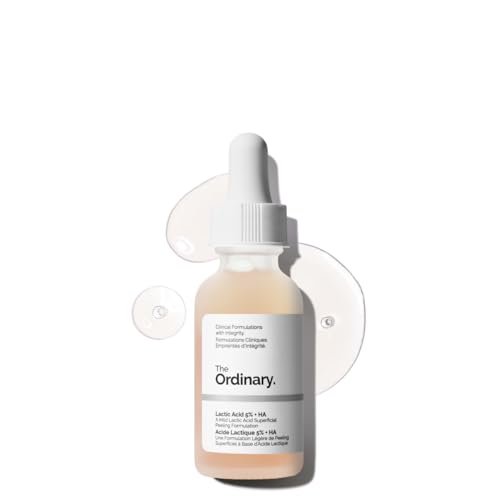
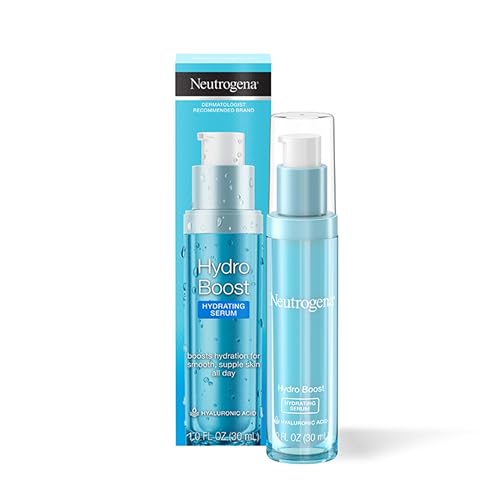
Recommended At-Home Exfoliation and Hydration Products



On This Page
- Aqua Facial vs HydraFacial at a Glance
- What Happens in an Aqua Facial
- What Happens in a HydraFacial
- Results Compared
- Which Treatment Suits You?
- How to Choose Between an Aqua Facial and a HydraFacial
- Side Effects and Safety
- Keeping Results Going at Home
- Cost, Aftercare and How Often to Book
- Dos and Don’ts
- Honest Limits
- When to See a Dermatologist
- Questions People Ask
- Final Word
The Short Version
- Aqua facials and HydraFacials are both hydradermabrasion treatments.
- A HydraFacial is a trademarked treatment with a set protocol and branded solutions.
- Aqua facials use a range of machines and solutions, so quality varies more.
- Aqua facials often add ultrasound, oxygen spray or LED handpieces.
- Results can be similar with a skilled practitioner.
- Both have little or no downtime.
- Hygiene and single-use tips matter for both.
Aqua Facial vs HydraFacial at a Glance
This table compares typical versions of each treatment. Because aqua facials are not a single brand, details vary more from clinic to clinic.
| Feature | Aqua facial | HydraFacial |
|---|---|---|
| What it is | Generic hydradermabrasion | Trademarked hydradermabrasion |
| Equipment | Various multi-function machines | HydraFacial device and branded tips |
| Solutions | Varies by clinic | Branded cleansing, acid and serum solutions |
| Extraction | Suction, strength varies | Vortex suction |
| Extras | Often ultrasound, oxygen spray, LED | Optional boosters, LED, lymphatic drainage |
| Consistency | Varies more | More consistent |
| Downtime | Usually none | Usually none |
| Results | Glow, varies with machine and skill | Glow lasting about a week or two |
The name aqua facial is used loosely, so two treatments with the same name can be quite different. Ask which machine is used, what the solutions contain and whether the tips are single-use before you book. With a HydraFacial, the protocol and products are set by the brand, so you know more about what to expect. That does not make every HydraFacial better than every aqua facial: a skilled practitioner using a good generic machine can outperform a rushed branded session. It simply means you have fewer unknowns with the branded option.
What Happens in an Aqua Facial
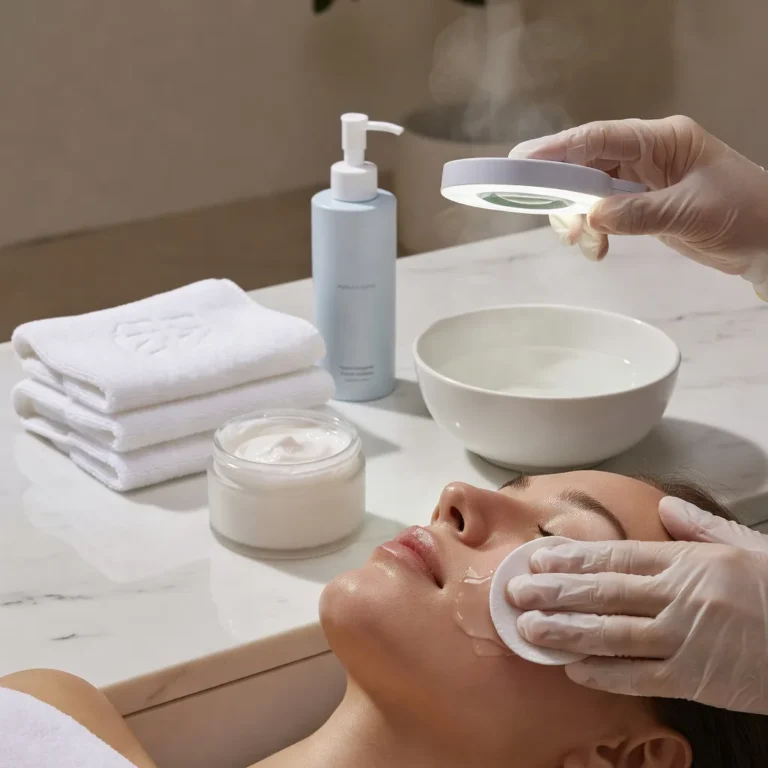
An aqua facial is performed on a multi-function hydradermabrasion machine, often in 45 to 60 minutes. Clinics choose which handpieces to use, but a typical session looks like this:
- The skin is cleansed.
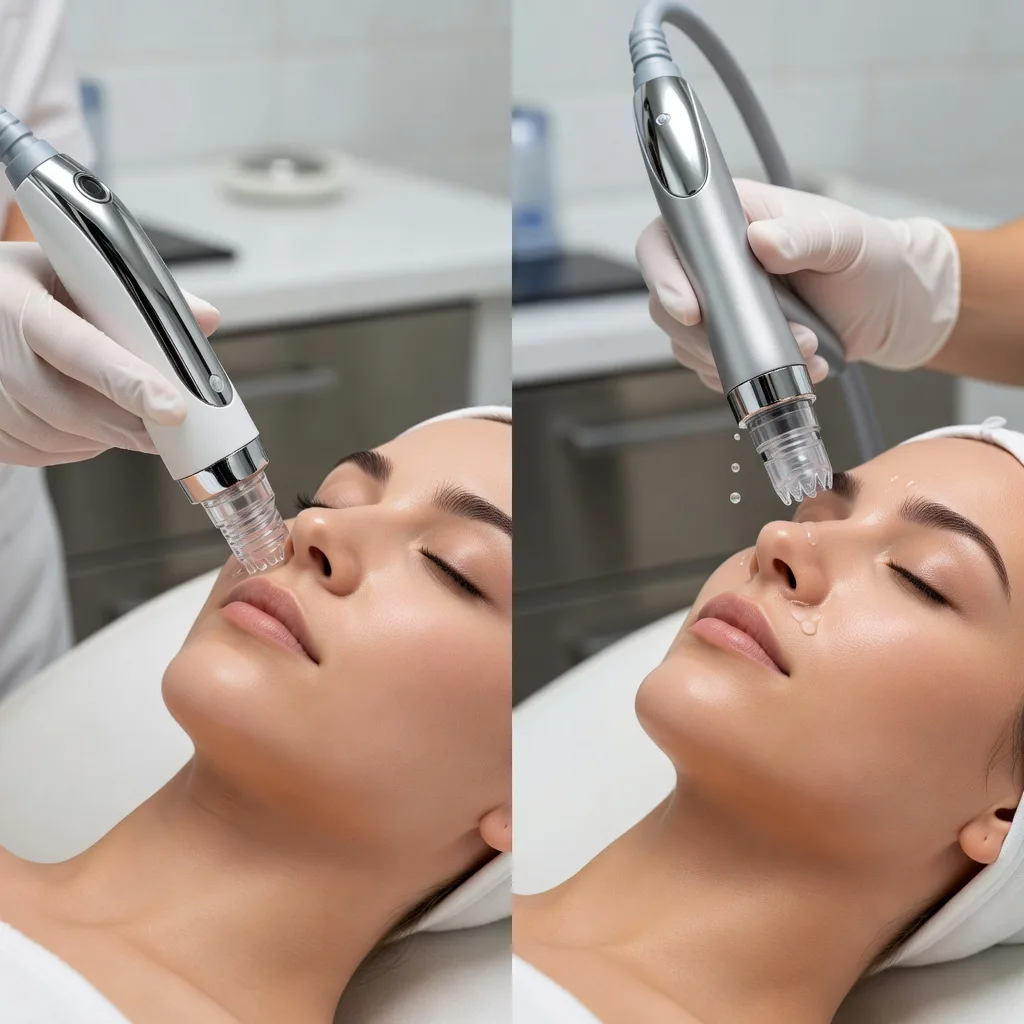
- A water-based solution and suction handpiece exfoliate the skin and lift away dead cells.
- Suction draws debris and oil from pores.
- Extra handpieces may be used, such as ultrasound to help serums spread, an oxygen spray or LED light.
- A hydrating serum, moisturiser and sunscreen finish the treatment.
A well-run aqua facial can leave skin clean, smooth and glowing, much like a HydraFacial. Because clinics use different machines and solutions, the quality depends heavily on the equipment, the products and the practitioner’s training. Ask the therapist to walk you through each handpiece and what it is meant to do for your skin, and do not be afraid to skip extras you do not need. Our guide on hydrodermabrasion explains how the technology works.
What Happens in a HydraFacial
A HydraFacial is a trademarked hydradermabrasion treatment. A typical session has three main stages and takes 30 to 60 minutes.
- Cleanse and exfoliate: a wet, spiral-tipped wand loosens dead skin while cleansing.
- Acid step and extraction: a mild acid solution softens congestion, then vortex suction draws debris from pores.
- Hydrate and protect: serums with ingredients such as hyaluronic acid and antioxidants are applied.
- Optional boosters, LED or lymphatic drainage may be added.
Because the device, tips and solutions come from one brand, the experience is fairly consistent between clinics. Most people find it cool and relaxing, with little or no redness afterwards, and they can go straight back to work or normal activities. You can read the hydradermabrasion study abstract on PubMed, and our guide asking whether a HydraFacial is a gimmick looks at what it can and cannot do.
Results Compared
With a skilled practitioner, the results of the two treatments can be similar. This table shows how they usually compare for the most common skin concerns people book them for.
| Concern | Aqua facial | HydraFacial |
|---|---|---|
| Blackheads and congestion | Good, varies | Good |
| Dullness | Good, instant glow | Very good, instant glow |
| Dehydration | Good, depends on serums | Very good |
| Rough texture | Good | Good |
| Predictability | Lower | Higher |
| Sensitive skin | Depends on solutions | Usually well tolerated |
| Deep scars and wrinkles | No | No |
Both give an instant, dewy glow that usually lasts about a week or two. Neither will change deep scars or wrinkles, and results fade as the skin renews itself. The biggest difference in outcome usually comes from the practitioner’s skill and the quality of the solutions rather than the name on the menu. A steady home routine with gentle cleansing, hydration and daily sunscreen helps either treatment last longer. For a stronger resurfacing option, see our comparison of microdermabrasion and a HydraFacial.
Which Treatment Suits You?
Think about what matters most to you: predictability, extras or price. If you have several skin concerns, start with the one that bothers you most and choose the treatment that targets it.
- You want a predictable, well-known treatment: a HydraFacial.
- You want ultrasound, oxygen or LED in one session: an aqua facial may include them.
- You are on a tighter budget: an aqua facial at a reputable clinic.
- Sensitive skin: a HydraFacial, or an aqua facial after checking the solutions.
- Congested skin: either, with a thorough extraction step.
- Before an event: either, booked a few days before.
If you choose an aqua facial, the clinic matters more than the name. Look for clean premises, trained staff, single-use or properly sterilised tips and clear information about the products used. Reading recent reviews and asking to see the machine before you book are simple ways to avoid a disappointing session. If a clinic cannot tell you what is in its solutions, choose another one.
How to Choose Between an Aqua Facial and a HydraFacial
These steps help you compare the two fairly and avoid a poor-quality treatment. They take only a few minutes and can save you money and irritation.
Name your main concern
Congestion, dehydration, dullness or pre-event glow.
Ask about the machine
Find out which device and handpieces are used.
Ask about the solutions
Check acids and ingredients if your skin is sensitive.
Check hygiene
Ask whether tips are single-use or sterilised.
Compare what is included
Compare steps and extras, not just the price.
Pause strong actives
Stop retinoids and acids a few days before if advised.
Plan aftercare
Keep your routine gentle and wear sunscreen daily.
Keeping a short note of how your skin looked and felt in the week after each treatment makes it much easier to decide which is worth repeating.
A very cheap aqua facial may use lower-quality solutions or reused tips. It is worth paying a little more for a clinic that is transparent about its equipment and hygiene.
Side Effects and Safety
Both treatments are low risk in trained hands. Most side effects are mild and settle within a day or so. The main extra risk with generic treatments comes from poorly maintained equipment or unsuitable solutions, which is why choosing the clinic carefully matters.
- Mild redness or tingling from acid solutions.
- Occasional small breakouts as pores clear.
- Bruising or broken capillaries if suction is too strong.
- Irritation or infection risk if tips are not clean.
Avoid both treatments over active cold sores, sunburn, broken skin or eczema and rosacea flares. Tell your practitioner about allergies, and check with your dermatologist first if you use isotretinoin or prescription retinoids or are pregnant.
People with deeper skin tones should choose experienced practitioners, as irritation can occasionally leave temporary dark marks. If your skin stings or stays red for more than a day or two, pause all actives and contact the clinic.
Keeping Results Going at Home
Home care cannot recreate either treatment, but a simple routine helps results last longer. The AAD guide on how to safely exfoliate at home explains how to choose exfoliation that suits your skin.
- Two or three times a week: a leave-on BHA or a gentle lactic acid serum.
- Daily: a hyaluronic acid serum on damp skin, then moisturiser.
- Through the day: a fine facial mist over makeup if skin feels tight.
- Every morning: broad-spectrum sunscreen.
Home pore vacuums are much weaker than clinic devices but can still bruise skin. Use the lowest setting, keep the device moving, and avoid thin skin around the eyes.
Cost, Aftercare and How Often to Book
Aqua facials are often priced lower than branded HydraFacials, but prices vary widely, so compare what each session includes. A cheaper session with fewer steps, or one done on poorly maintained equipment, is not better value. Think about the cost over a few months, including how often you will need to book to keep your skin looking its best.
- Both are often booked monthly, or a few days before events.
- Extra handpieces, boosters and LED increase the price.
- Packages only make sense once you know the treatment suits your skin.
Aftercare is the same for both. Use a mild cleanser, a hydrating serum and moisturiser, and wear sunscreen daily. Skip retinoids, acids and scrubs for a couple of days, avoid saunas and heavy sweating for 24 hours, and resist picking at small bumps as pores settle.
Dos and Don’ts
Do
- Ask which machine and solutions are used
- Check hygiene and single-use tips
- Wear sunscreen daily afterwards
- Book a few days before events
- Keep aftercare simple
Don’t
- Choose on price alone
- Accept strong suction that hurts
- Stack several exfoliating treatments
- Use strong actives straight afterwards
- Expect deep scars to disappear
Honest Limits
Research on hydradermabrasion is limited. The imaging study involved only eight people, and there are almost no independent comparisons of branded and generic devices. Much of the information comes from manufacturers and clinics, so treat bold claims about collagen, detoxing or long-lasting results with caution.
Both give temporary, surface-level improvements that need regular maintenance. For acne, melasma, scars or deeper wrinkles, a dermatologist can recommend treatments with stronger evidence. Think of both as maintenance treatments for healthy-looking skin rather than long-term cures.
When to See a Dermatologist
- You have persistent acne, rosacea or eczema.
- You want to treat scars, melasma or wrinkles.
- You react to facials with lasting redness, bumps or dark patches.
- You use prescription skincare and want to add treatments safely.
This article is for general information and does not replace professional medical advice. See a board-certified dermatologist for skin conditions and before cosmetic treatments if you take medications that affect the skin.
Questions People Ask
What is the difference between an aqua facial and a HydraFacial?
An aqua facial is generic hydradermabrasion; a HydraFacial is the trademarked version with a set protocol.
Is an aqua facial the same as a HydraFacial?
Similar in concept, but the machine and solutions differ.
Which is better?
A HydraFacial is more consistent; a good aqua facial can give similar results.
Is an aqua facial cheaper?
Often, but prices vary widely.
Is there downtime?
Usually none for either.
How long do results last?
Usually about a week or two.
Which is better for blackheads?
Both include suction extraction.
Is an aqua facial safe?
Yes, at a reputable clinic with clean equipment.
How often can I book either?
Many people book monthly or before events.
Can either treat acne scars?
Not deep scars; they may help skin look smoother.
Final Word
An aqua facial is the generic name for hydradermabrasion on a range of machines, while a HydraFacial is the branded, standardised version with set tips and solutions.
Choose by consistency, extras and the clinic’s standards, and protect your results with gentle aftercare and daily sunscreen.

Written by
Registered pharmacist and founder of Facial Adviser. Rakib's pharmacy training covers how skincare actives work and interact; a later course in cosmetology turned that into a focus on facial treatments and skincare products. He plans, researches and edits every guide on the site and checks health claims against sources such as the American Academy of Dermatology, the FDA and the NIH. He is not a dermatologist; see the Editorial Policy and Medical Disclaimer.
About · Editorial policy · How we choose products · Medical disclaimer · Contact
Keep reading: HydraFacial and hydrodermabrasion
- Is Hydrafacial a Gimmick? What Evidence Shows
- Salt Facial vs HydraFacial: Differences, Results and Which to Choose
- HydraFacial vs Deep Cleansing Facial: Differences, Results and Which to Book
- Diamond Glow Facial vs Hydrafacial: Real Difference
- Microdermabrasion Facial vs HydraFacial: Differences, Results and Which to Book
- HydraFacial vs Oxygen Facial: Differences, Results and Which to Choose
- Facial Types: A Guide to 11 Popular Facials and How to Choose One
- Microneedling Facial: Real Results, Explained