Microdermabrasion vs Facial: Which Treatment Does Your Skin Need?
Microdermabrasion and facials are often listed side by side on salon menus, and sometimes a facial even includes a microdermabrasion step. But they are designed to do different things, and choosing the wrong one can mean paying for relaxation when you wanted results, or for exfoliation when your skin needed calming.
Part of our guide to facial treatments. Start with: Ultimate Guide Microdermabrasion: What to Know
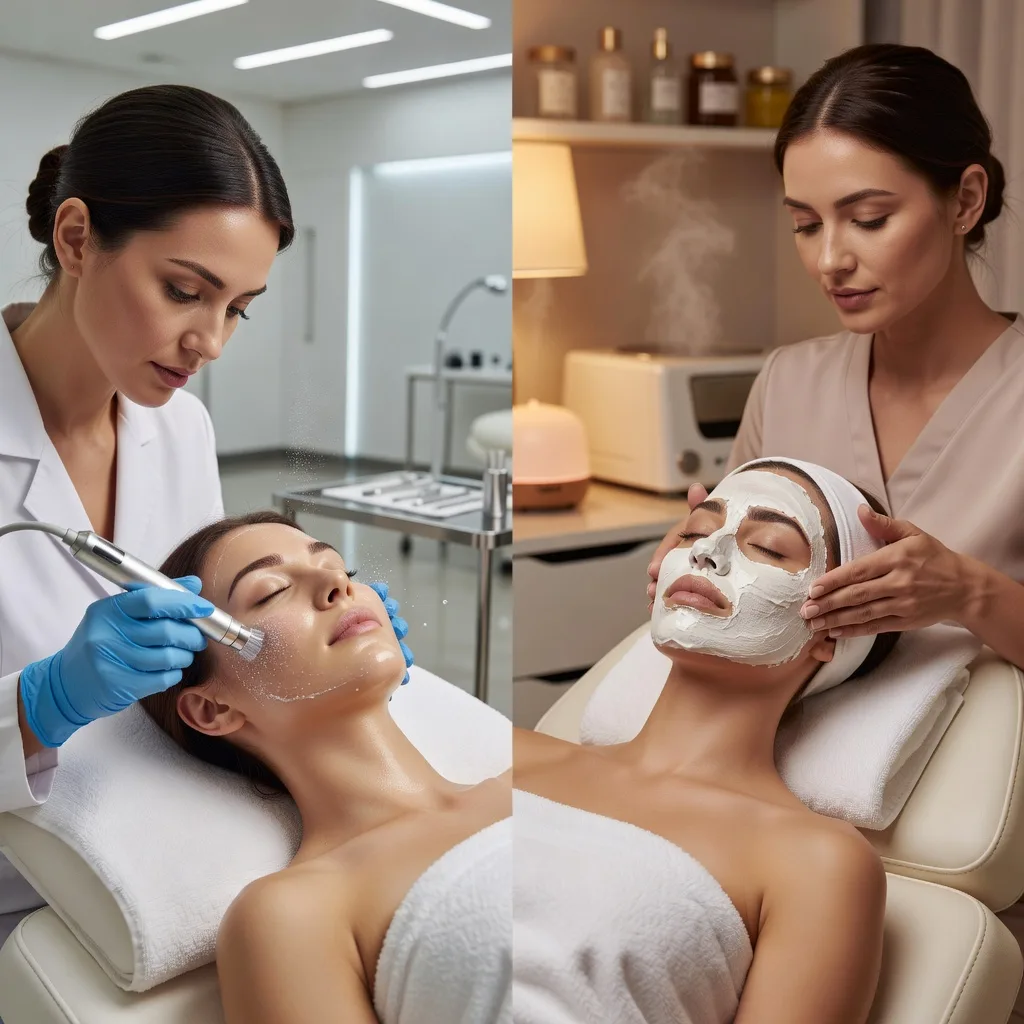
The main difference between microdermabrasion and a facial is purpose. Microdermabrasion is a focused exfoliation treatment that removes the outer layer of dead skin cells with a diamond tip or fine crystals and suction, to smooth rough texture, brighten dullness and gradually fade mild dark marks. A facial is a broader, multi-step treatment that usually includes cleansing, gentle exfoliation, steam, extractions, a mask, massage and moisturiser, aimed at cleaner, calmer, more hydrated skin and relaxation. Choose microdermabrasion for texture and tone; choose a facial for congestion, dehydration, sensitivity or a general refresh. Many people alternate or combine the two.
In short: microdermabrasion targets texture and tone; a facial targets overall skin health, hydration and relaxation.
The American Academy of Dermatology describes microdermabrasion as a treatment for dull skin, uneven tone and texture, age spots and dark marks after acne, with little downtime. A facial has no single definition, so what you get depends on the type and the therapist.
This guide compares the two side by side, explains who each suits, how to decide and how to get similar benefits at home.
Shopping these picks?
Amazon Prime members get fast, free shipping on eligible items, plus Prime Video, Amazon Music and member deals. New members can start with a free trial.
Start a free Prime trialAged 18 to 24? Prime for Young Adults comes with a longer free trial and a lower price after it.
Affiliate link: we may earn a commission at no extra cost to you.
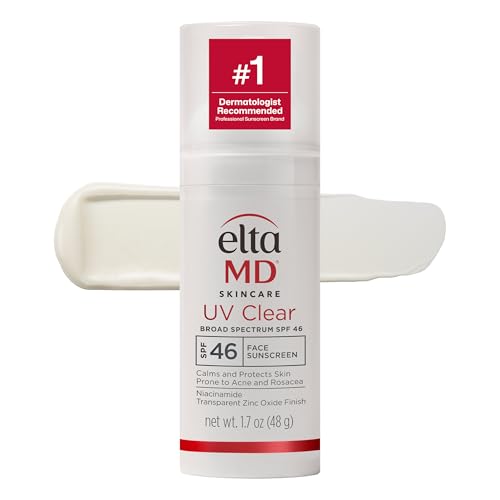
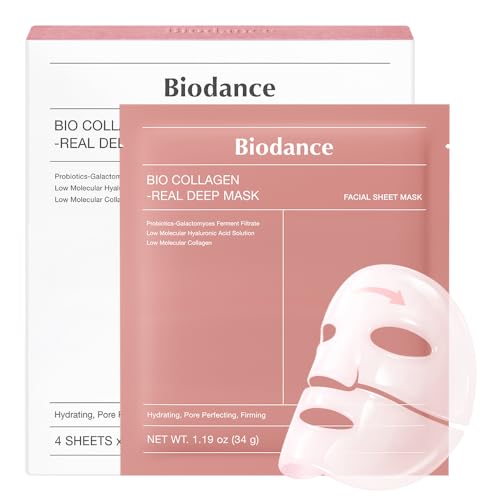
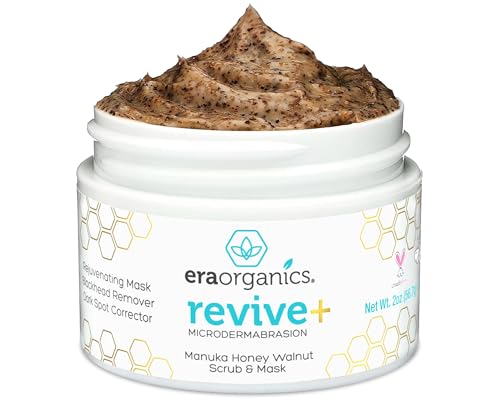
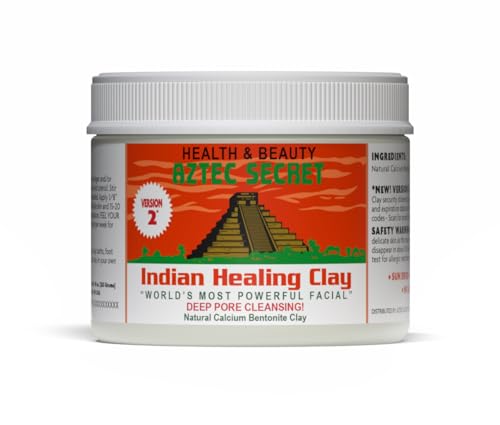
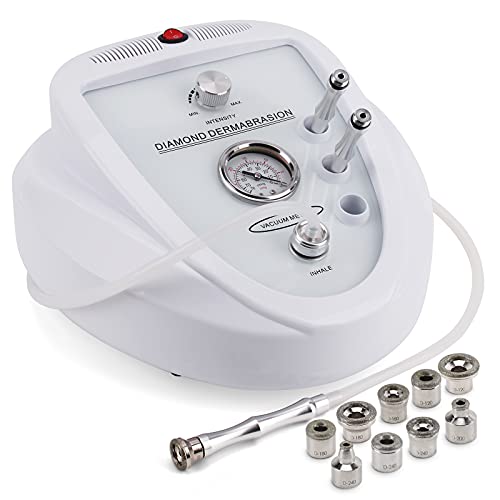
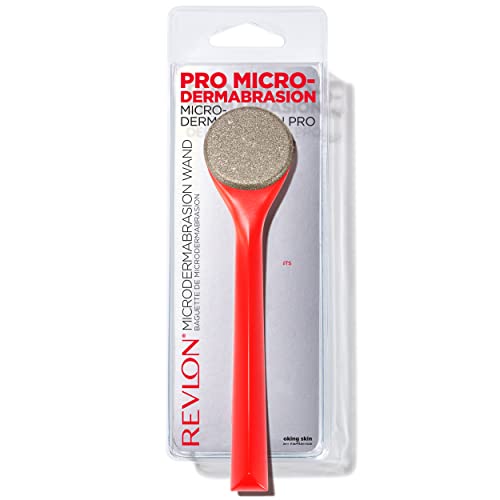
Recommended At-Home Microdermabrasion and Facial Products

Key Takeaways
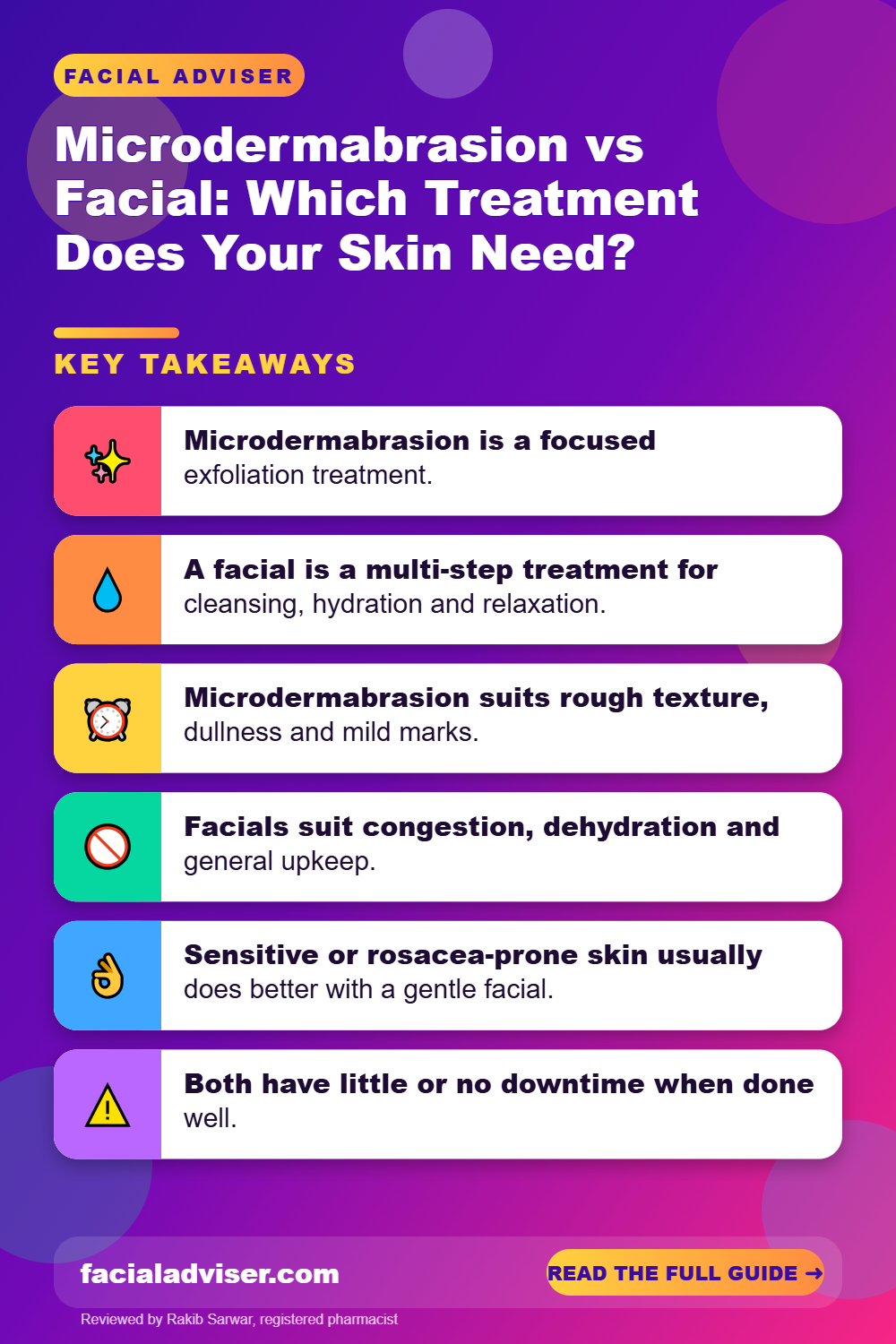
- Microdermabrasion is a focused exfoliation treatment.
- A facial is a multi-step treatment for cleansing, hydration and relaxation.
- Microdermabrasion suits rough texture, dullness and mild marks.
- Facials suit congestion, dehydration and general upkeep.
- Sensitive or rosacea-prone skin usually does better with a gentle facial.
- Both have little or no downtime when done well.
- Many facials can include microdermabrasion as an add-on.
Jump to a Section
- Microdermabrasion vs Facial at a Glance
- What Microdermabrasion Does
- What a Facial Does
- Which One Suits Your Skin?
- How to Decide Between Microdermabrasion and a Facial
- Side Effects and Safety
- Cost and Time Commitment
- Getting Similar Benefits at Home
- Combining Microdermabrasion and Facials
- Dos and Don’ts
- Honest Limits
- When to See a Dermatologist
- FAQ
- The Takeaway
Microdermabrasion vs Facial at a Glance
This table sums up the key differences. It reflects typical treatments; individual clinics may vary, so always ask what is included.
| Feature | Microdermabrasion | Facial |
|---|---|---|
| Main goal | Exfoliate and resurface | Cleanse, hydrate, calm and refresh |
| What happens | Diamond tip or crystals with suction | Cleanse, steam, exfoliate, extract, mask, massage |
| Session length | About 30 to 45 minutes | About 45 to 90 minutes |
| Best for | Texture, dullness, mild dark marks | Congestion, dehydration, dullness, relaxation |
| Feel | Mild scratching and suction | Usually relaxing |
| Downtime | Mild redness for a few hours | Usually none; slight redness after extractions |
| Results | Build over a series of sessions | Immediate glow; maintenance with regular visits |
| Suits sensitive skin | Often not | Gentle facials usually do |
Because facials vary so much, a hydrating facial and a deep-cleansing facial can feel like completely different treatments. Microdermabrasion is more standardised, although the strength of the suction and the number of passes still vary between practitioners and devices. That is why the same treatment can feel gentle in one clinic and quite intense in another.
What Microdermabrasion Does
Microdermabrasion mechanically removes the very top layer of dead skin. This makes skin feel smoother and look brighter, and over several sessions can help mild discolouration fade. The result straight after a session is often a pinker, fresher look that settles within a few hours.
- Smooths rough, uneven texture, especially on the cheeks and forehead.
- Brightens a dull complexion by removing the layer of dead cells that scatters light unevenly.
- Helps flat post-acne marks and age spots fade faster when combined with daily sunscreen.
- Can make skincare spread more evenly afterwards, so serums and moisturisers feel more effective.
It works only at the surface, so it does not treat deep scars, deep wrinkles or sagging, and it does little for congestion deep in the pores. See the AAD overview of microdermabrasion and our guide on what microdermabrasion is good for.
What a Facial Does
A facial is a customised skin treatment carried out by an aesthetician. The steps vary, but most include some of the following. The therapist usually adjusts products and techniques to your skin type and concerns on the day, which is one of the main advantages of a facial.
- Cleansing and skin analysis, often under a magnifying lamp.
- Gentle exfoliation with a scrub, enzyme or mild acid.
- Steam to soften the skin and loosen congestion.
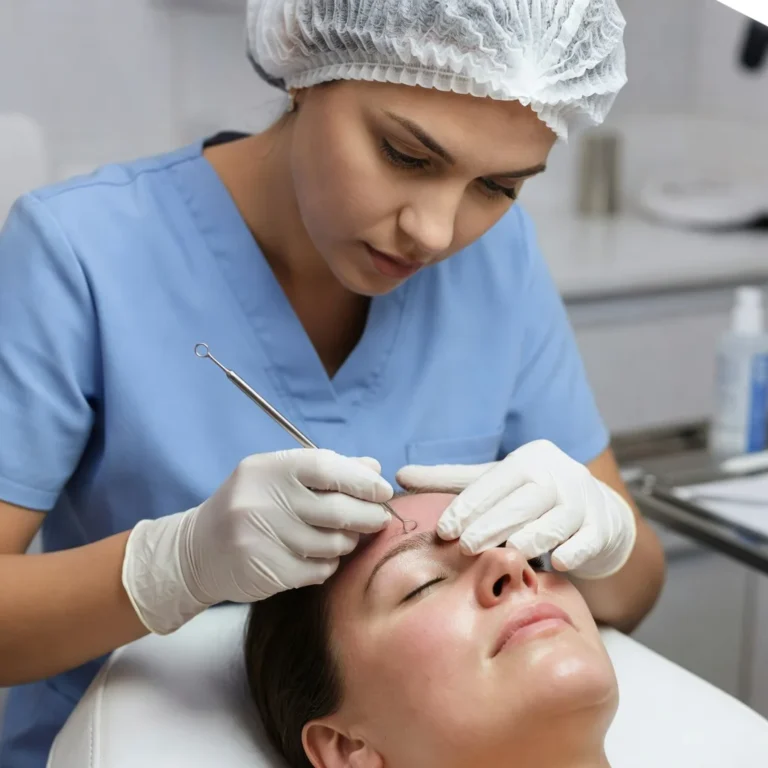
- Extractions to clear blackheads and clogged pores.
- A mask chosen for your skin type, such as clay for oily skin or a hydrating mask for dry skin.
- Facial massage and moisturiser, often with sunscreen in the daytime.
Our guide on how often to get a professional facial explains how to fit facials into your routine. Popular types include deep-cleansing facials for congested skin, hydrating facials for dry or dull skin, and calming facials for sensitive skin, each with a different balance of steps.
Which One Suits Your Skin?
Your main concern is the best guide. It is easy to be drawn to whatever is newest or most advertised, but matching the treatment to the problem gives the best value.
| Your main concern | Better choice | Why |
|---|---|---|
| Rough texture and dullness | Microdermabrasion | Directly resurfaces the top layer |
| Blackheads and clogged pores | Facial with extractions | Clears congestion |
| Dehydrated, tight skin | Hydrating facial | Adds moisture and soothes |
| Mild dark marks after acne | Microdermabrasion series | Helps flat marks fade |
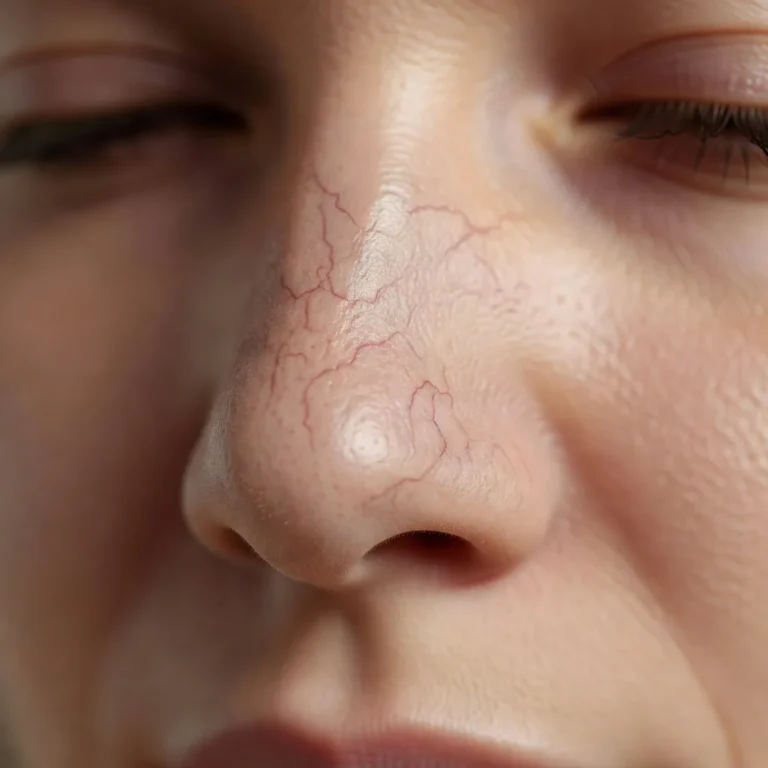
| Sensitive or rosacea-prone skin | Gentle facial | Less friction and irritation |
| Active inflamed acne | Acne facial or dermatologist | Microdermabrasion can irritate breakouts |
| Pre-event glow | Facial a few days before | Immediate radiance with little risk |
If you have more than one concern, a facial that includes a microdermabrasion step, or alternating the two, can cover both. Your skin can also change with the seasons, hormones and stress, so the best choice this month may not be the best choice in six months.
How to Decide Between Microdermabrasion and a Facial
Work through these steps before you book. They take only a few minutes and can save you paying for the wrong treatment.
Name your main concern
Texture and tone, congestion, dehydration or relaxation.
Check your skin type
Sensitive, rosacea-prone or very dry skin usually suits a gentle facial.
Look at active breakouts
If you have inflamed acne, avoid microdermabrasion for now.
Think about timing
Book either a few days before an event, not the day before.
Consider your routine
If you use retinoids or acids, tell your therapist and pause them beforehand if advised.
Ask for a consultation
A good clinic will recommend the treatment that fits your skin.
Plan maintenance
Microdermabrasion works best as a series; facials as regular upkeep.
If you are unsure, start with a gentle facial. It lets the therapist assess your skin, and you can add microdermabrasion later if texture is still your main concern.
Side Effects and Safety
Both treatments are generally safe when done by a trained professional, but they carry slightly different risks. Most side effects are mild and short-lived, and choosing an experienced therapist reduces them further.
- Microdermabrasion: temporary redness, dryness, sun sensitivity and, rarely, bruising or dark patches.
- Facials: redness after extractions, breakouts if products do not suit you, and irritation from strong peels or fragrances.
People with deeper skin tones should make sure their therapist uses gentle settings and avoids over-extraction, because irritation can leave dark marks that take weeks to fade.
Do not have microdermabrasion or aggressive extractions over active cold sores, rashes, sunburn, eczema flares or inflamed acne. If you use isotretinoin or prescription retinoids, check with your dermatologist before any exfoliating treatment.
Cost and Time Commitment
Prices vary widely by location and clinic, but some general patterns hold. Rather than comparing single sessions, it helps to think about the total cost over a few months, since both treatments need repeating to keep results.
- Microdermabrasion is usually sold as a course of several sessions for best results, and a single session gives only a short-lived glow.
- Facials range from simple express treatments to long luxury treatments, with prices to match.
- Add-ons such as peels, LED or microdermabrasion within a facial increase the cost, so check whether they are worth it for your concern.
- Both need ongoing maintenance to keep results.
Ask what is included before booking, and compare the cost of a full course rather than a single session. Packages can offer better value, but only if the treatment suits your skin.
Getting Similar Benefits at Home
At-home options are gentler than professional treatments, but they can help maintain results between visits. They are also a good way to learn how your skin responds before investing in a course of clinic treatments.
- Microdermabrasion-style exfoliation: a fine-grain scrub or a home microdermabrasion device used on a low setting, no more than instructed.
- Facial-style care: gentle cleansing, a short steam, a clay or hydrating mask and a good moisturiser.
- Every day: sunscreen, which protects results from both treatments and helps stop dark marks returning after they fade.
Do not combine a home microdermabrasion device, a scrub and an acid exfoliant in the same week. Over-exfoliating damages the skin barrier and causes redness, stinging and breakouts.
Our guide on whether steaming your face is good for your skin explains how to steam safely at home. Keep home steaming short, around five to ten minutes, and skip it if you have rosacea or very sensitive skin.
Combining Microdermabrasion and Facials
You do not always have to choose one. Many clinics offer microdermabrasion as part of a facial, and many people alternate the two through the year to get the benefits of both without overdoing exfoliation.
- Facial with a microdermabrasion step: exfoliation is followed by a mask and moisturiser to calm the skin.
- Alternating: a microdermabrasion session one month and a hydrating facial the next.
- Seasonal approach: more microdermabrasion in cooler months when texture and dullness are common, and more hydrating facials in hot or dry seasons.
- Event planning: a facial a few days before, with microdermabrasion done a week or two earlier.
The main rule is to avoid stacking too much exfoliation in a short time. If a facial already includes a peel or a scrub, adding microdermabrasion on the same day can be too much for many skin types. A good therapist will adjust the plan to how your skin responds and will scale back if you get redness or stinging.
Dos and Don’ts
Do
- Choose based on your main concern
- Tell your therapist about medications
- Wear sunscreen after either treatment
- Plan a series for microdermabrasion
- Start gently if your skin is sensitive
Don’t
- Have microdermabrasion on inflamed acne
- Book either treatment the day before an event
- Combine several exfoliants at home
- Pick at skin after extractions
- Expect deep scars to disappear
Honest Limits
Evidence for microdermabrasion shows modest, surface-level improvements, and there is very little formal research on facials because they vary so much. Much of what is known comes from clinical experience and client feedback rather than controlled studies, so results you read about online may not match your own.
Neither treatment replaces a consistent home routine or medical care for skin conditions. For acne scars, melasma, rosacea or persistent acne, a dermatologist can offer more effective, evidence-based options. Think of microdermabrasion and facials as ways to maintain and refresh healthy skin rather than as cures.
When to See a Dermatologist
- You have persistent acne, rosacea or eczema.
- You want treatment for scars, melasma or wrinkles.
- You react badly to facials or exfoliating treatments.
- You use prescription skincare and want to add treatments safely.
This article is for general information and does not replace professional medical advice. See a board-certified dermatologist for skin conditions or before cosmetic treatments if you take medications that affect the skin.
FAQ
What is the difference between microdermabrasion and a facial?
Microdermabrasion exfoliates to resurface; a facial cleanses, hydrates and relaxes.
Which is better for acne scars?
Microdermabrasion may help faint marks; deeper scars need other treatments.
Which is better for blackheads?
A facial with extractions.
Is microdermabrasion part of a facial?
It can be offered as an add-on step.
Which is better for sensitive skin?
A gentle facial is usually safer.
Does microdermabrasion hurt?
It feels like light scratching and suction, not pain.
How often should I get microdermabrasion?
Usually as a series a few weeks apart, then maintenance.
How often should I get a facial?
Many people choose every four to six weeks.
Is there downtime after either?
Usually little or none.
Can I do both?
Yes, many people alternate or combine them.
The Takeaway
Microdermabrasion is a focused exfoliation treatment for rough texture, dullness and mild dark marks, while a facial is a multi-step treatment for cleansing, hydration and relaxation.
Choose by your main concern and skin type, start gently if you are sensitive, and protect results with daily sunscreen and a consistent home routine.

Written by
Registered pharmacist and founder of Facial Adviser. Rakib's pharmacy training covers how skincare actives work and interact; a later course in cosmetology turned that into a focus on facial treatments and skincare products. He plans, researches and edits every guide on the site and checks health claims against sources such as the American Academy of Dermatology, the FDA and the NIH. He is not a dermatologist; see the Editorial Policy and Medical Disclaimer.
About · Editorial policy · How we choose products · Medical disclaimer · Contact
Keep reading: Microdermabrasion and diamond peel
- Ultimate Guide Microdermabrasion: What to Know
- European Facial vs Microdermabrasion: Which Treatment Is Right for Your Skin?
- Fire and Ice Facial vs Microdermabrasion: Differences, Results and Which to Choose
- Diamond Facial: Diamond-Tip Microdermabrasion vs Diamond Dust Facials
- What Is Diamond Microdermabrasion Facial?
- What Is Diamond Peel Facial Treatment? Real Answer
- Facial Types: A Guide to 11 Popular Facials and How to Choose One
- Microneedling Facial: Real Results, Explained